The Story
Plant Bio
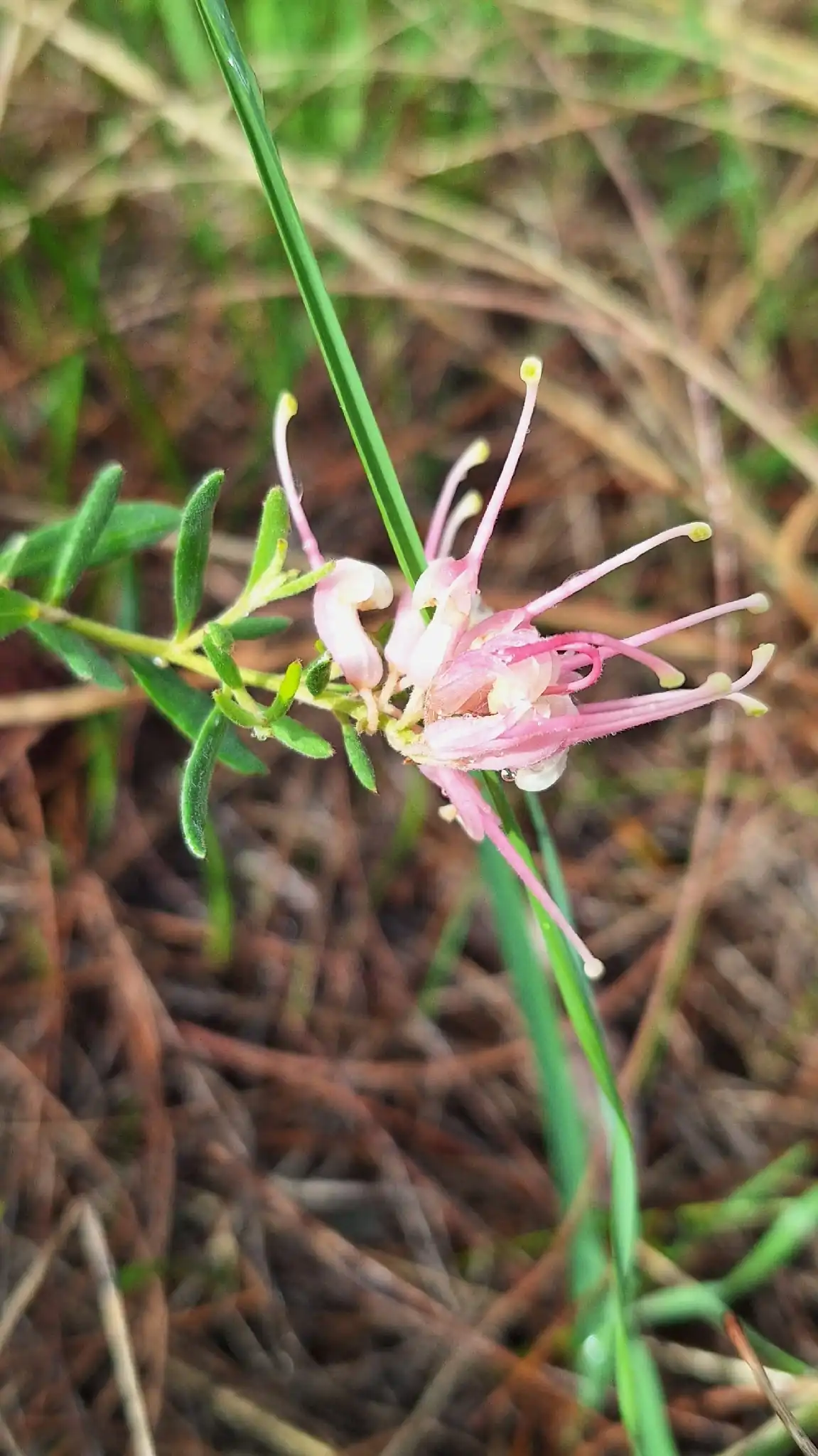
Grevillea lavandulacea, the lavender grevillea, is an evergreen Australian shrub with a dense, mounding habit and narrow, grey-green leaves that resemble lavender foliage. The tubular, rose-red to deep red flowers feature prominent, curling styles and cluster in small, spider-like heads from late winter through spring.
This species is highly adapted to Mediterranean climates, offering exceptional drought tolerance and winter color once established. The needle-like foliage is coated in fine, silky hairs that give the entire plant a soft, silvery cast.
Uses & Benefits:
Essentials
At a Glance
Plant Type
Shrub
Height
48"
Width
60"
Light
Full Sun, Partial Sun
Zones
8, 9, 10
Water
Low
Humidity
Low
Lifespan
10-15 years
Native To
Australia
Toxicity
Skin Irritant
Bloom period
Late winter – Spring
In flower about 4 months of the year
Planting
How to Grow
- Select a planting site in full sun with gritty, sandy, or loamy soil that drains instantly.
- Dig a hole twice as wide as the root ball but no deeper, ensuring the crown sits slightly above the surrounding soil level.
- Backfill with the native soil without adding compost, manure, or any phosphorus-containing fertilizers.
- Water sparingly to settle the soil, then establish a strict drying cycle between light waterings until the plant is established.
Pro Tip
Plant in lean, unamended soil with absolute drainage and avoid summer irrigation once established; watering during hot months or using phosphorus-heavy fertilizers will quickly kill the root system.
Keep It Thriving
Care Guide
Do
- Plant in exceptionally sharp-draining, gritty soil.
- Use only specialized low-phosphorus fertilizers formulated for native Australian plants.
- Prune lightly immediately after the spring flowering period finishes.
Don't
- Do not water during hot summer months once the plant is established.
- Do not prune back hard into old, leafless, brown wood.
- Do not amend the planting hole with rich organic compost or standard fertilizers.
Seasonal Care Calendar
| Task | Jan | Feb | Mar | Apr | May | Jun | Jul | Aug | Sep | Oct | Nov | Dec |
|---|---|---|---|---|---|---|---|---|---|---|---|---|
| Fertilize | ||||||||||||
| Pest Check | ||||||||||||
| Propagate | ||||||||||||
| Prune |
Watch Out For
Pests & Diseases
Common Pests
Common Diseases
In the Garden
Landscape Uses & Companions
Landscape Uses
Multiply
Propagation Methods
Good to Know
Common Questions
Lavender Grevillea questions
What zones can Lavender Grevillea grow in?
Lavender Grevillea is hardy in USDA Zones 8–10. Inside that range it survives winter in the ground; outside it, grow it as an annual or a container plant you protect.
Is Lavender Grevillea deer resistant?
Yes — Lavender Grevillea is rated deer-resistant. Deer typically pass it over, though extreme hunger can override any plant's defenses.
When does Lavender Grevillea bloom?
Lavender Grevillea typically blooms in late winter through spring. Exact timing shifts a week or two with your zone — Sow's bloom calendar maps it to your garden.
Does Lavender Grevillea need full sun?
Lavender Grevillea does best in full sun to part shade. In hot climates, afternoon shade keeps blooms fresher longer.
Is Lavender Grevillea drought tolerant?
Yes — once established (usually after the first full season), Lavender Grevillea handles dry spells with minimal watering. Water deeply its first year to build the root system that makes that possible.
More Grevillea to compare
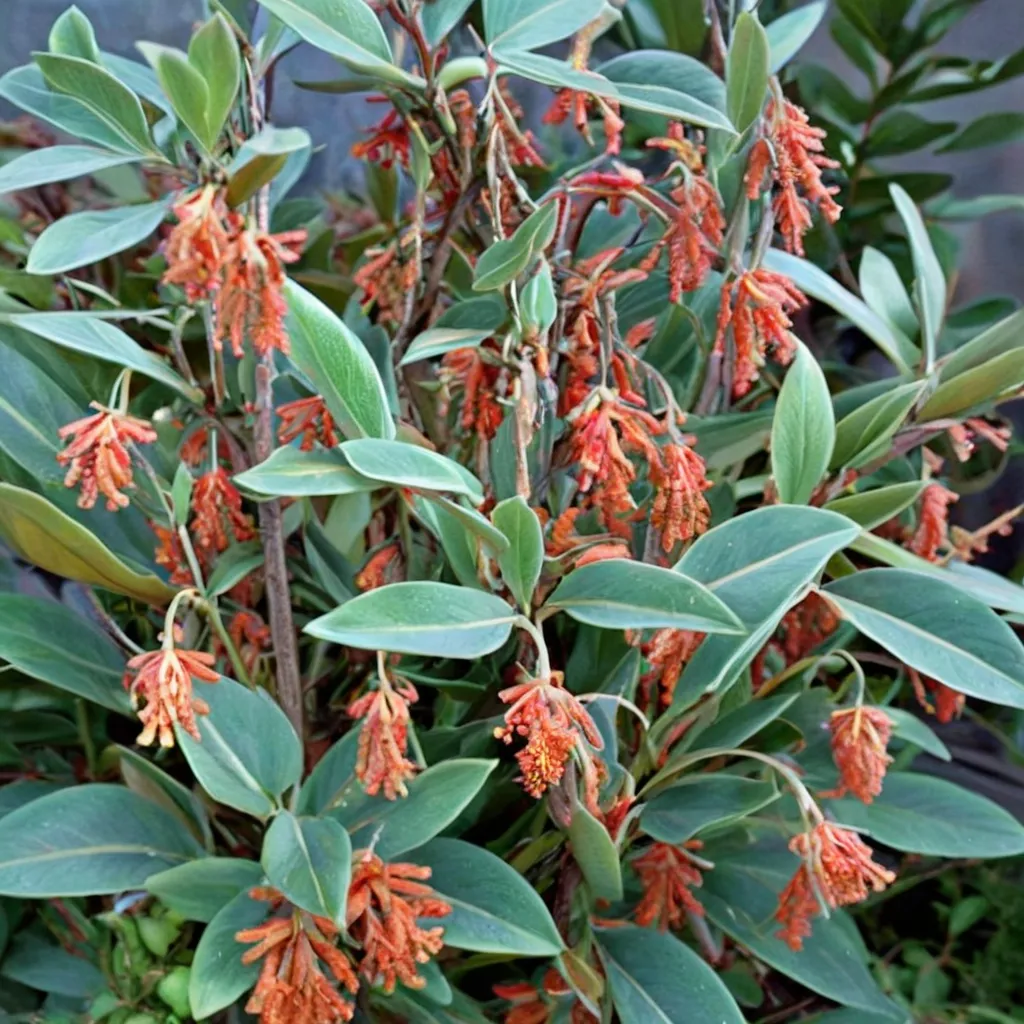
Murray Queen Grevillea
Grevillea victoriae 'Murray Queen'
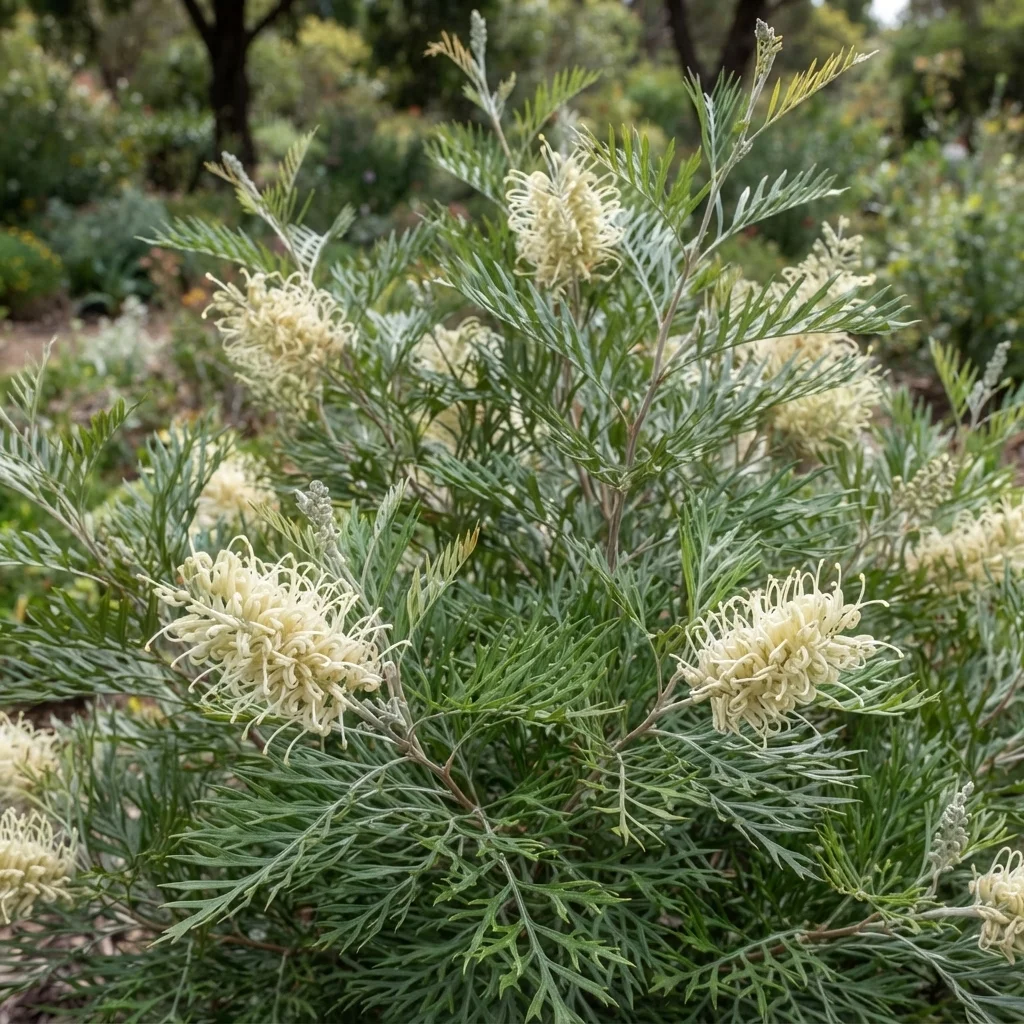
Moonlight Grevillea
Grevillea x hybrida 'Moonlight'
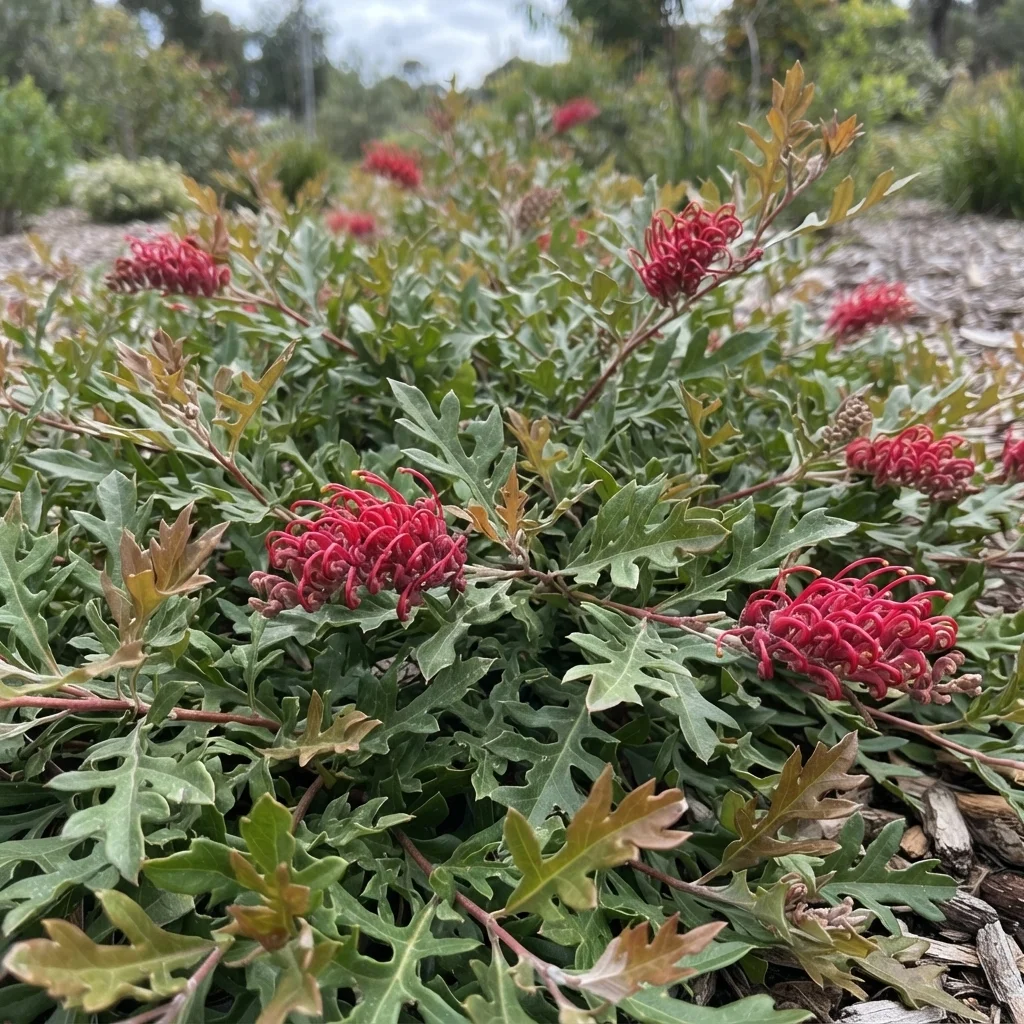
Prostrate Grevillea
Grevillea × gaudichaudii 'Gaudi Chaudi'
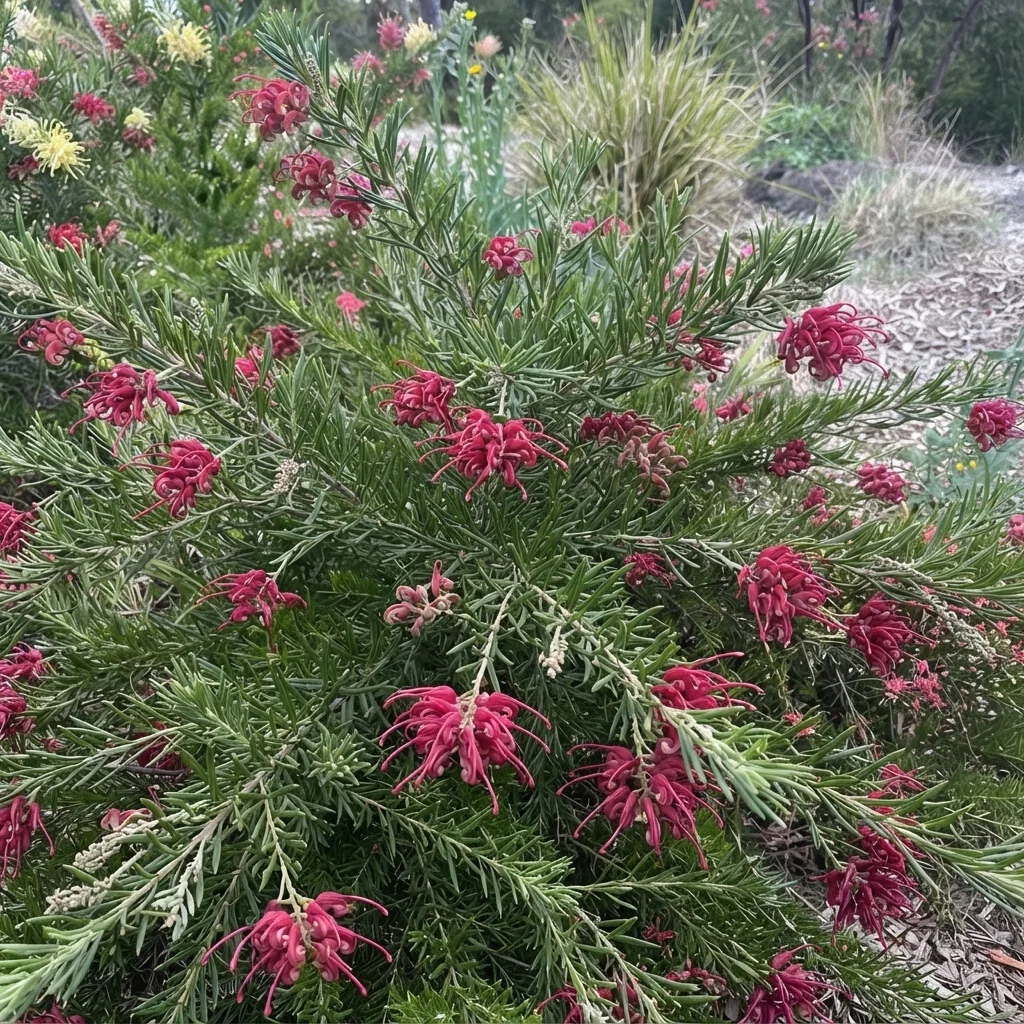
Rosemary Grevillea
Grevillea rosmarinifolia
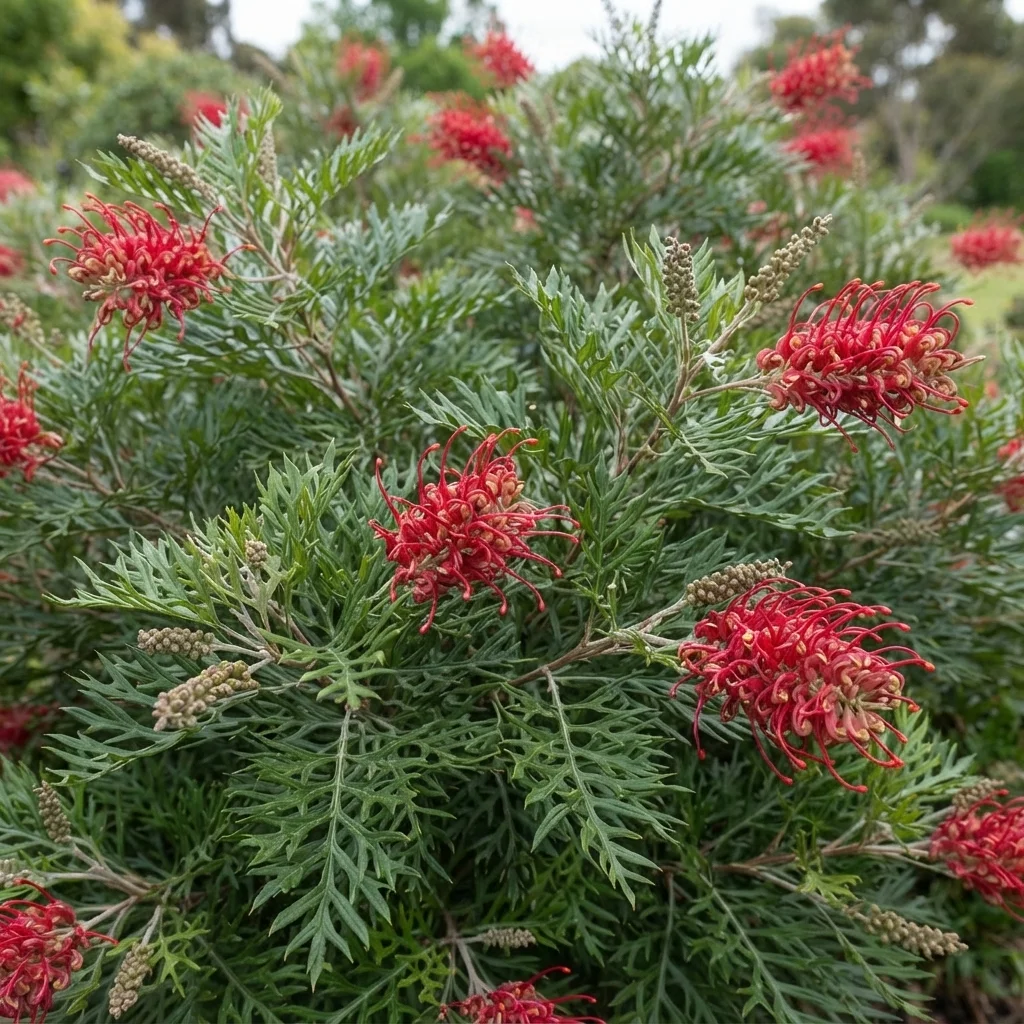
Robyn Gordon Grevillea
Grevillea x hybrida 'Robyn Gordon'
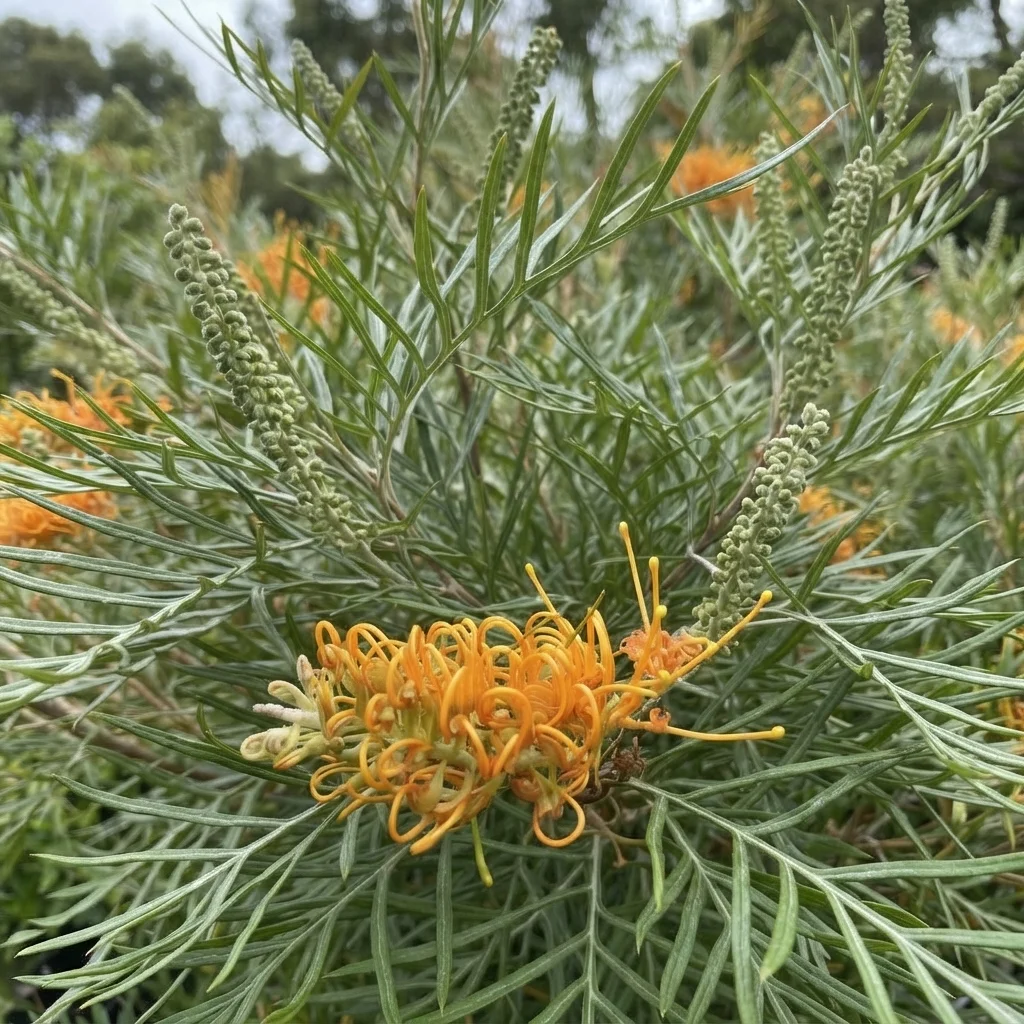
Honey Gem Grevillea
Grevillea x hybrida 'Honey Gem'
Keep exploring
Explore the genus
Hardy in your zone?
Grow Lavender Grevillea with confidence
See it in a design of your actual yard, get zone-matched care reminders, and track it season by season in your garden journal.