The Story
Plant Bio
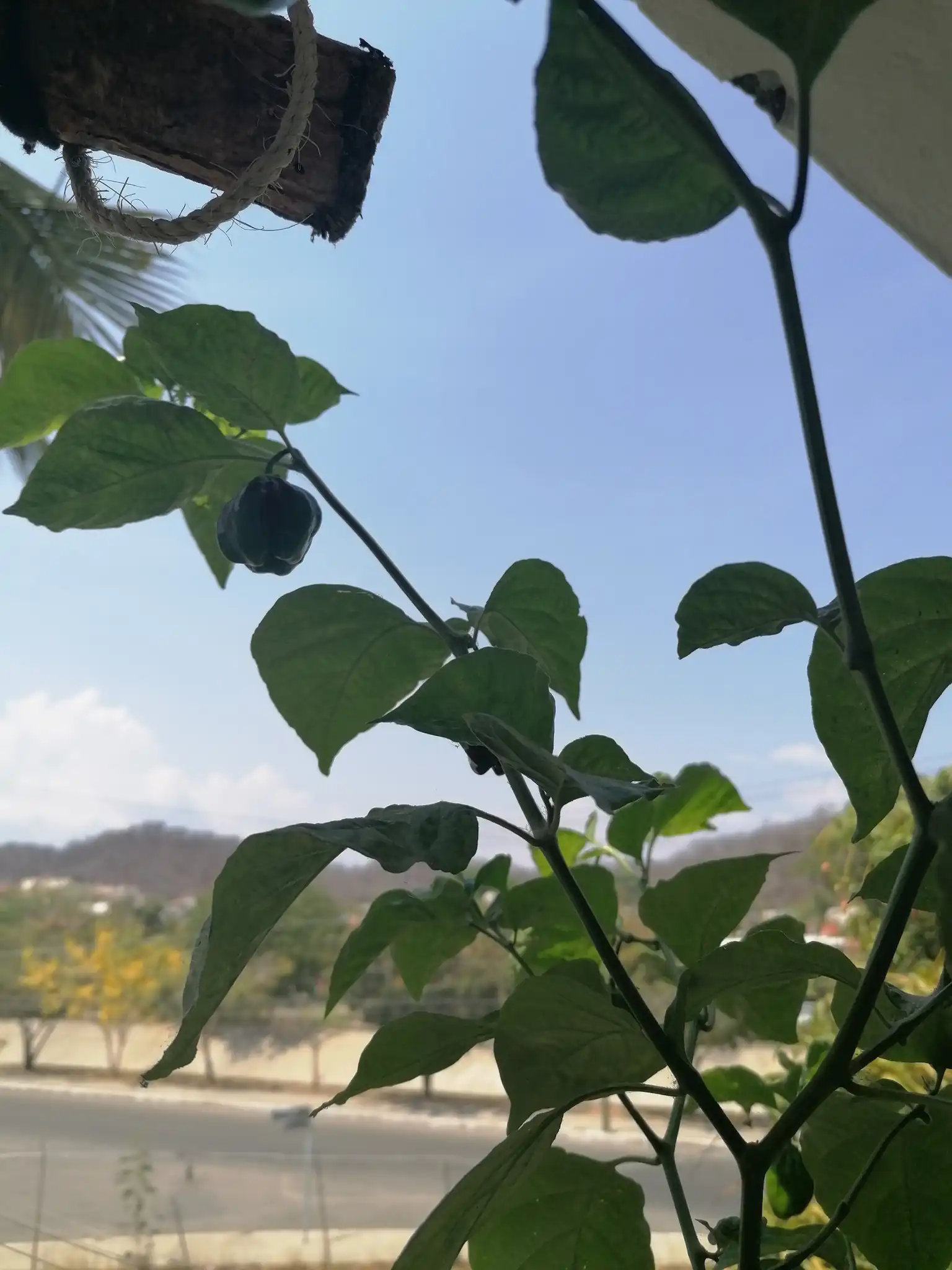
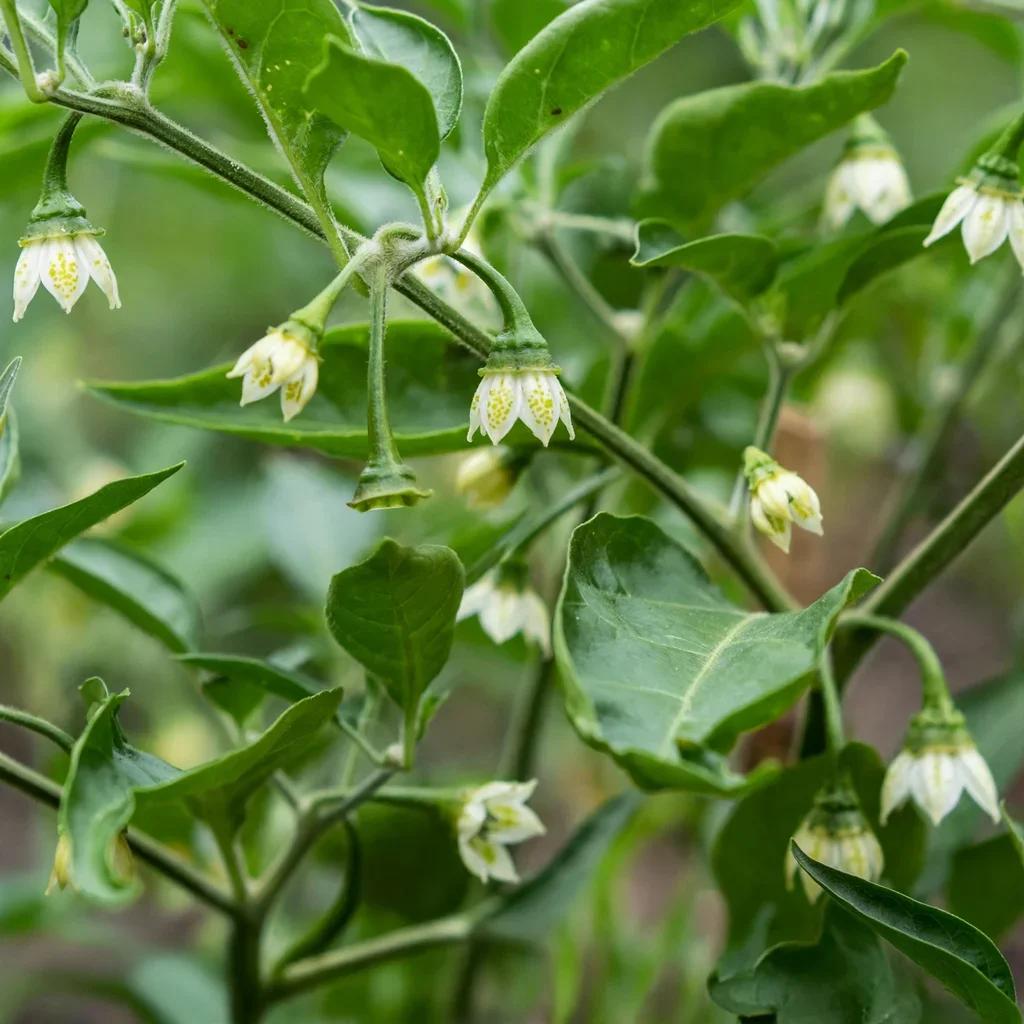
Capsicum chinense is the pepper species behind habanero, scotch bonnet and the ghost and reaper types, an erect warm-season crop from Bolivia, Peru and northern Brazil reaching one to two and a half feet. Deep green crinkled ovate leaves cover the branching stems, and small white flowers with yellow-green spots precede the fruit.
Despite the name this species is from the Americas, not China — it was named from plants collected in the Caribbean. It contains the hottest peppers grown, and the capsaicin is concentrated in the white pith rather than the seeds, which is where most people think it lives. Birds are immune to capsaicin and spread the seed unharmed.
Uses & Benefits:
Essentials
At a Glance
Plant Type
Fruit Vegetable
Height
21"
Width
24"
Light
Full Sun, Partial Sun
Zones
9, 10
Water
Moderate
Humidity
Moderate to high
Lifespan
Perennial grown as an annual
Native To
Bolivia, Peru and northern Brazil
Toxicity
Edible; capsaicin burns skin and eyes
Planting
How to Grow
- Start seed indoors ten weeks before the last frost.
- Germinate at 80F; this species is slow to sprout.
- Plant out only once nights are reliably warm.
- Give it full sun and freely drained soil.
- Water evenly; drought stress makes fruit hotter but smaller.
- Wear gloves when handling the ripe fruit.
Pro Tip
The heat sits in the white pith, not the seeds — removing the membrane does far more than deseeding ever will.
Keep It Thriving
Care Guide
Do
- Start seed early with bottom heat 🌡️
- Give it full sun and real warmth ☀️
- Water evenly through fruiting 💧
- Wear gloves when handling fruit 🧤
Don't
- Plant out into cold soil ❌
- Touch your eyes after handling fruit ❌
- Expect fast germination ❌
Seasonal Care Calendar
| Task | Jan | Feb | Mar | Apr | May | Jun | Jul | Aug | Sep | Oct | Nov | Dec |
|---|---|---|---|---|---|---|---|---|---|---|---|---|
| Harvest | ||||||||||||
| Sow |
Watch Out For
Pests & Diseases
Common Pests
Common Diseases
In the Garden
Landscape Uses & Companions
Landscape Uses
Multiply
Propagation Methods
Good to Know
Common Questions
Pepper questions
What zones can Pepper grow in?
Pepper is hardy in USDA Zones 9–10. Inside that range it survives winter in the ground; outside it, grow it as an annual or a container plant you protect.
Is Pepper deer resistant?
Not reliably. Deer may browse Pepper, especially tender spring growth — plan on repellents or fencing where pressure is high.
When does Pepper bloom?
Pepper typically blooms in mid-summer through late summer. Exact timing shifts a week or two with your zone — Sow's bloom calendar maps it to your garden.
Does Pepper need full sun?
Pepper does best in full sun to part shade. In hot climates, afternoon shade keeps blooms fresher longer.
Is Pepper drought tolerant?
Yes — once established (usually after the first full season), Pepper handles dry spells with minimal watering. Water deeply its first year to build the root system that makes that possible.
More Capsicum to compare
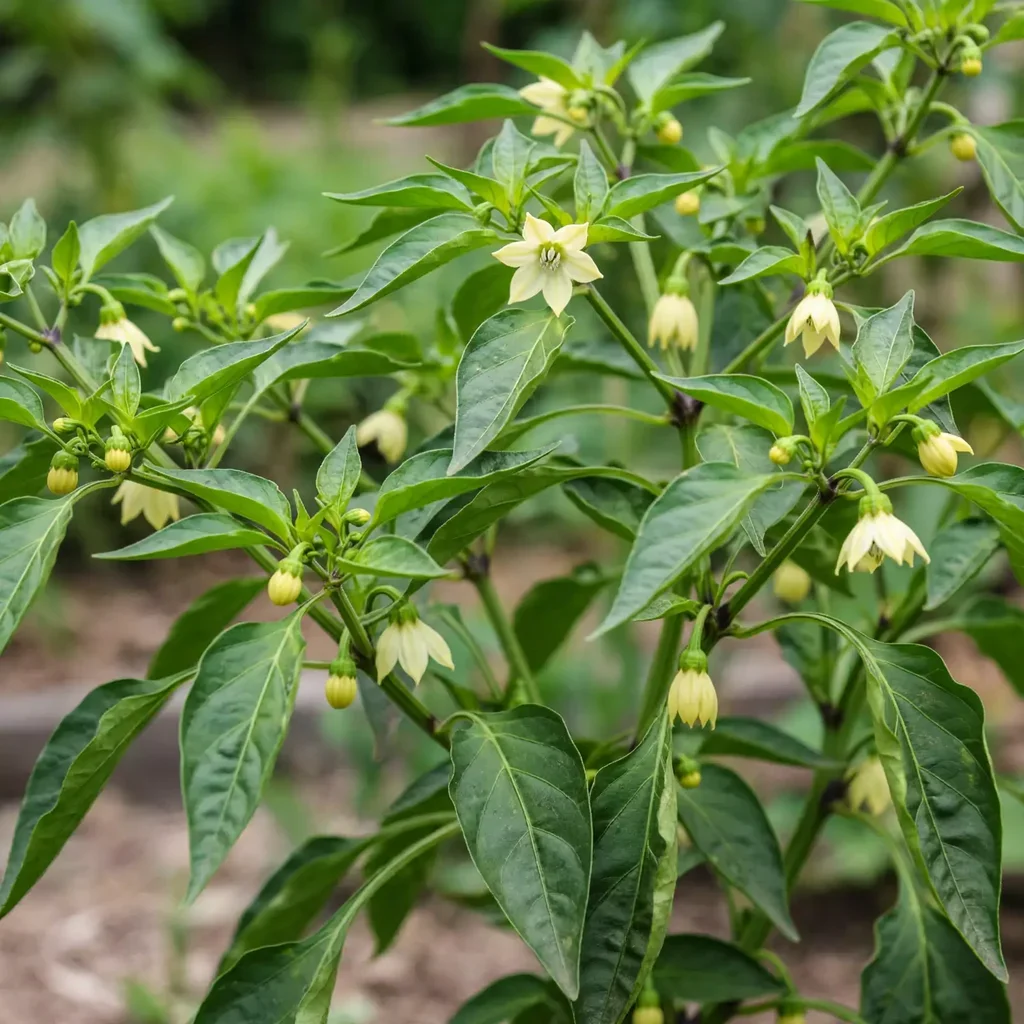
Sweet Banana Pepper
Capsicum annuum 'Sweet Banana'
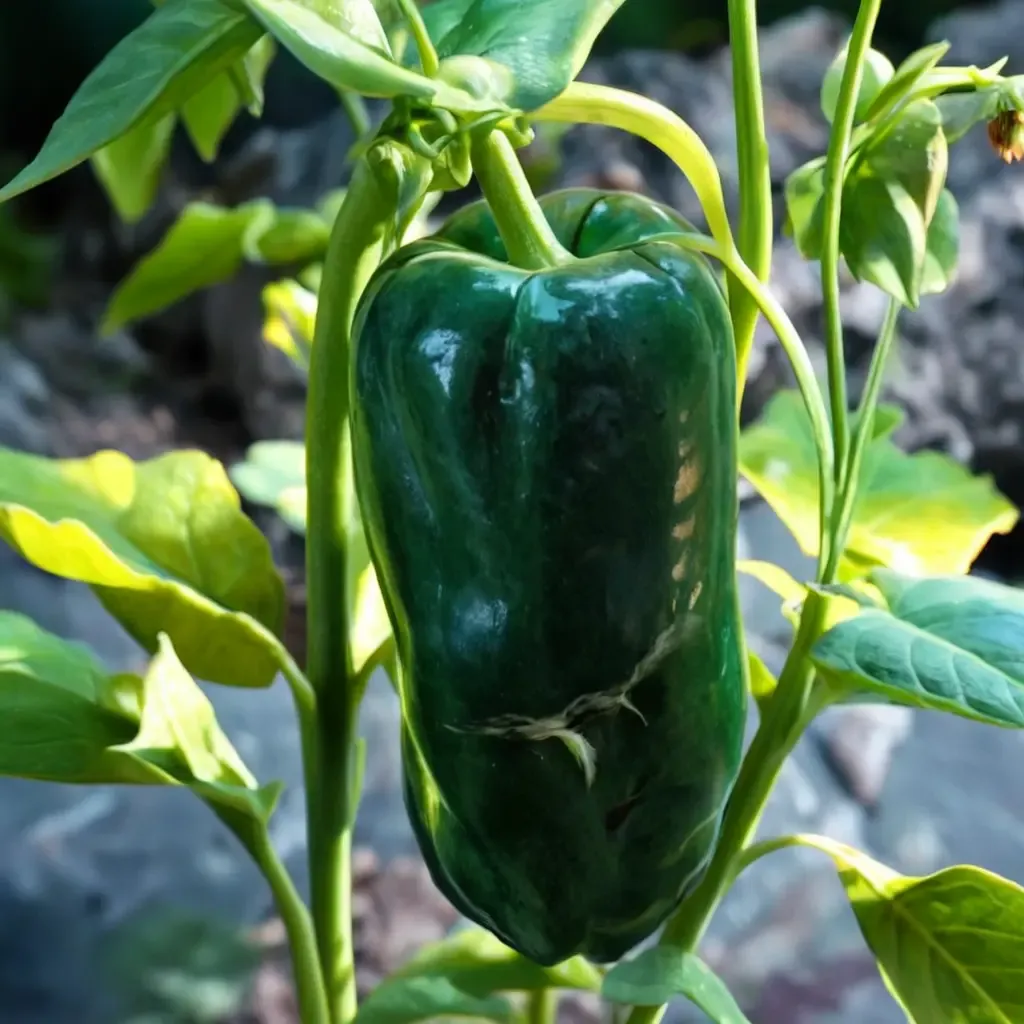
Poblano Pepper
Capsicum annuum 'Poblano'
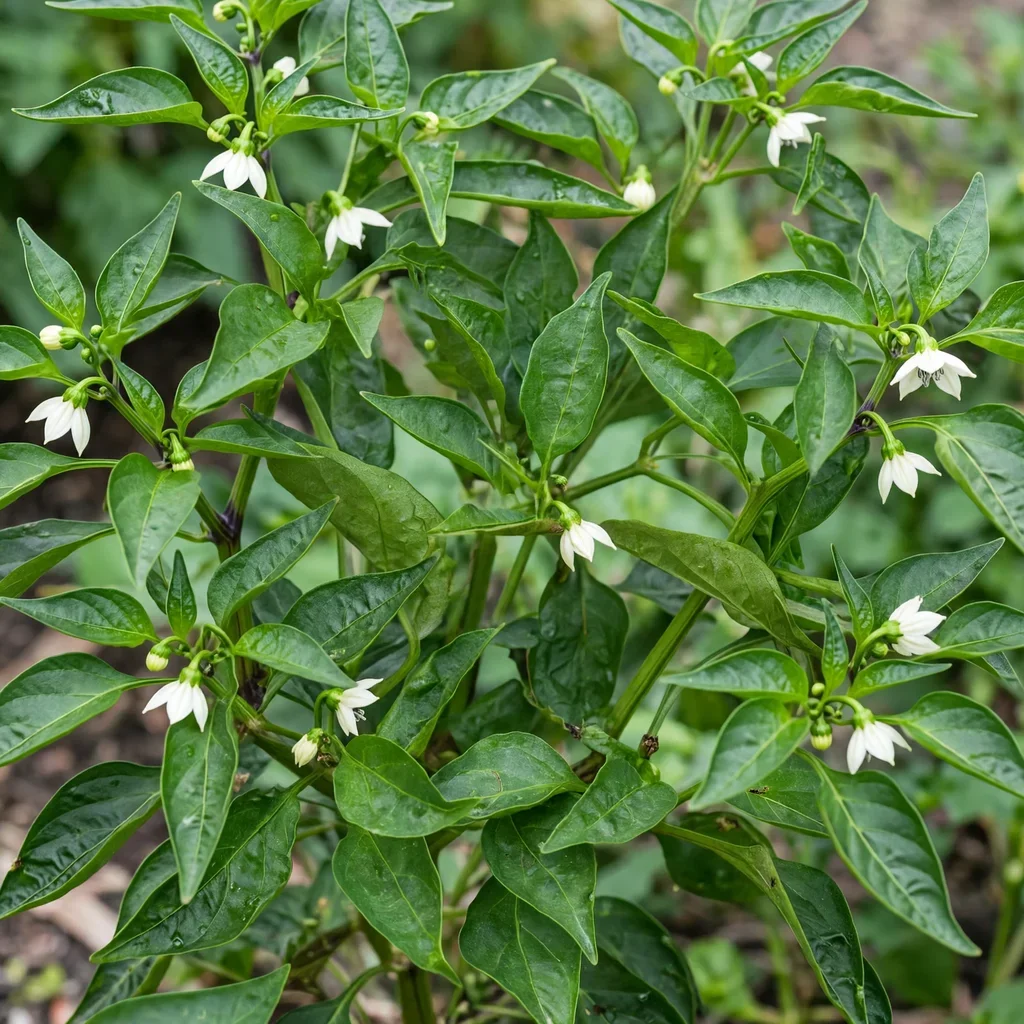
Aji Amarillo
Capsicum baccatum 'Aji Amarillo'
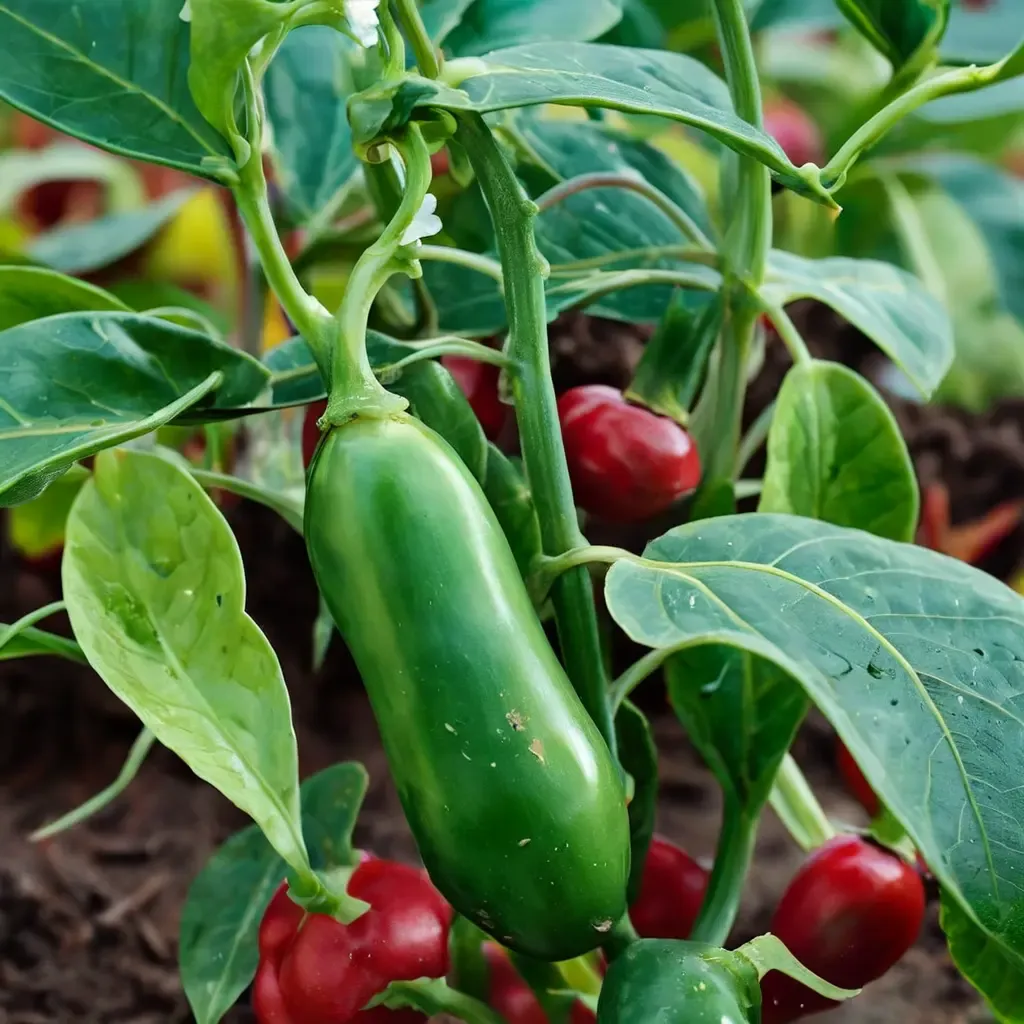
Early Jalapeño
Capsicum annuum 'Early Jalapeno'
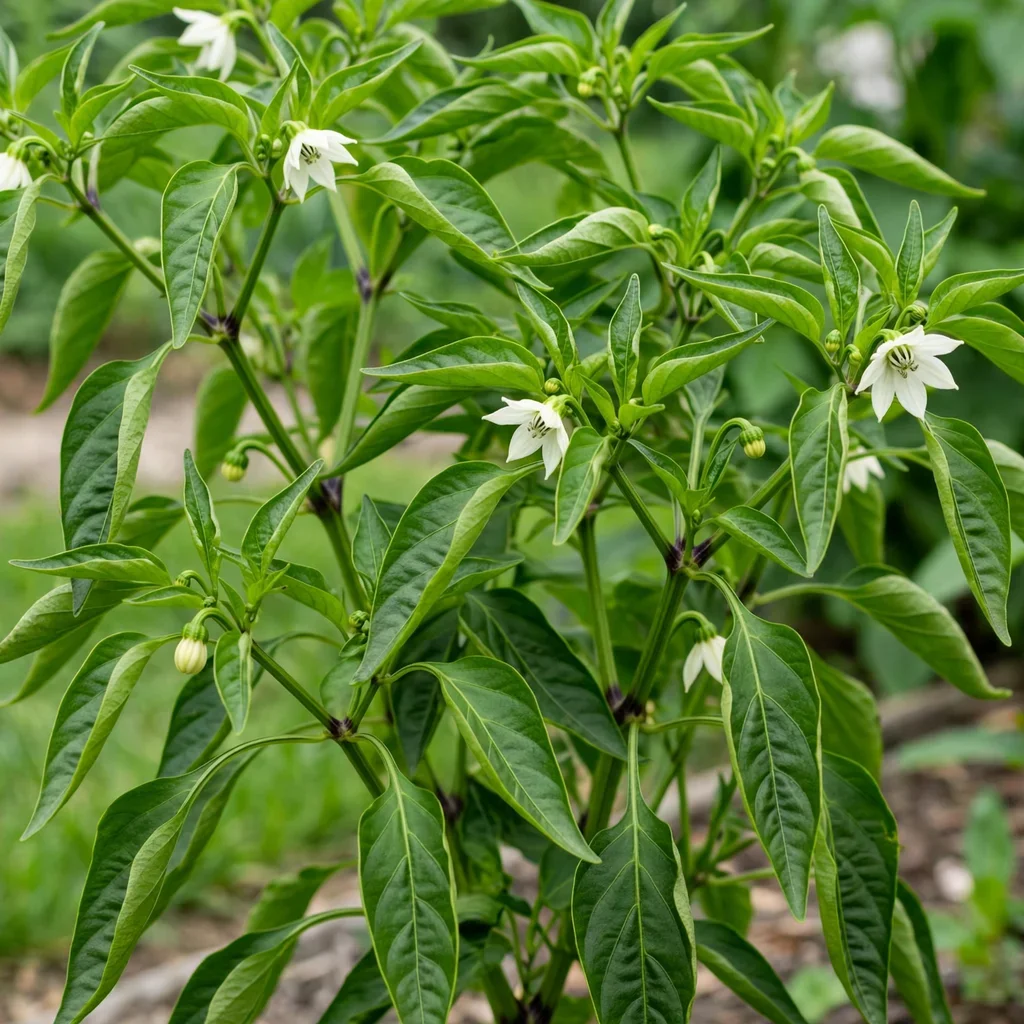
Yum Yum Peppers
Capsicum annuum 'Yum Yums Hybrid Mixed Mini Bells'
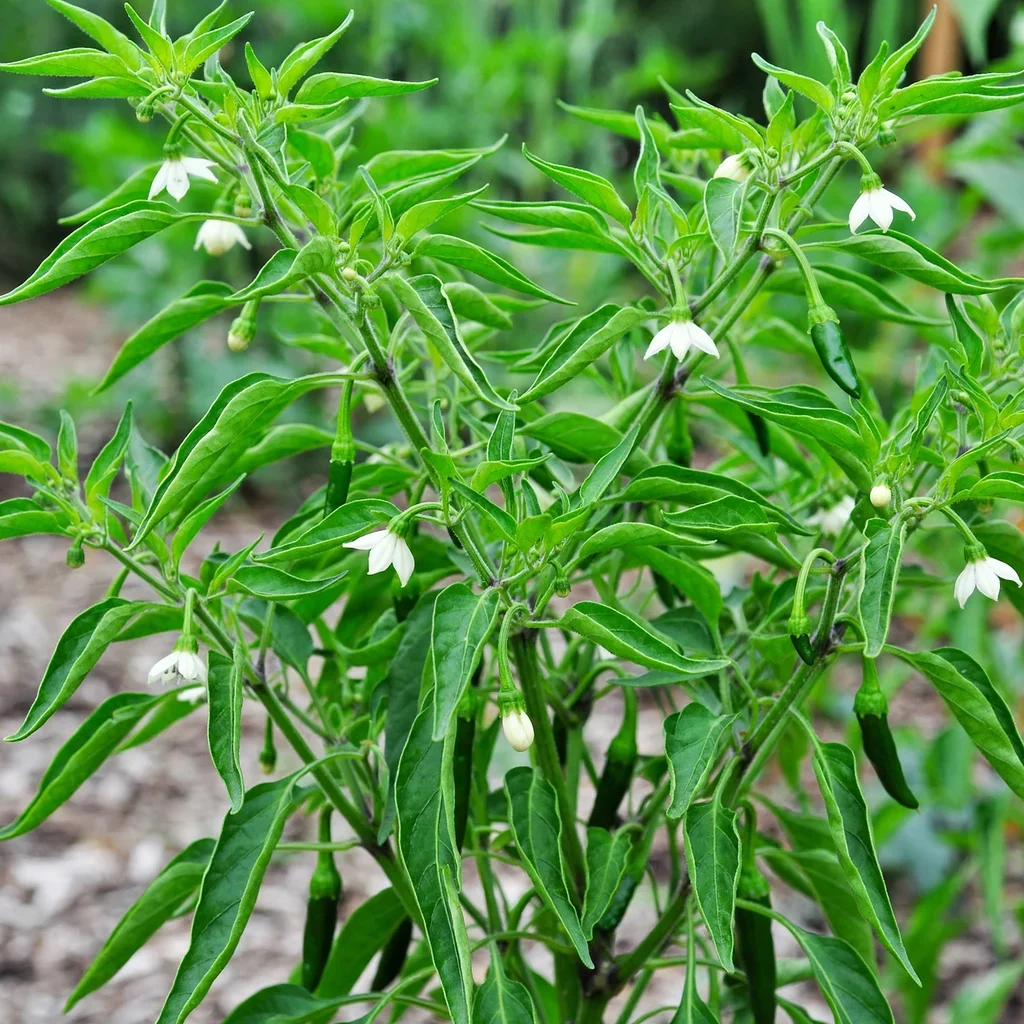
Serrano Pepper
Capsicum annuum 'Serrano'
Keep exploring
Explore the genus
Hardy in your zone?
Grow Pepper with confidence
See it in a design of your actual yard, get zone-matched care reminders, and track it season by season in your garden journal.