
The Story
Plant Bio
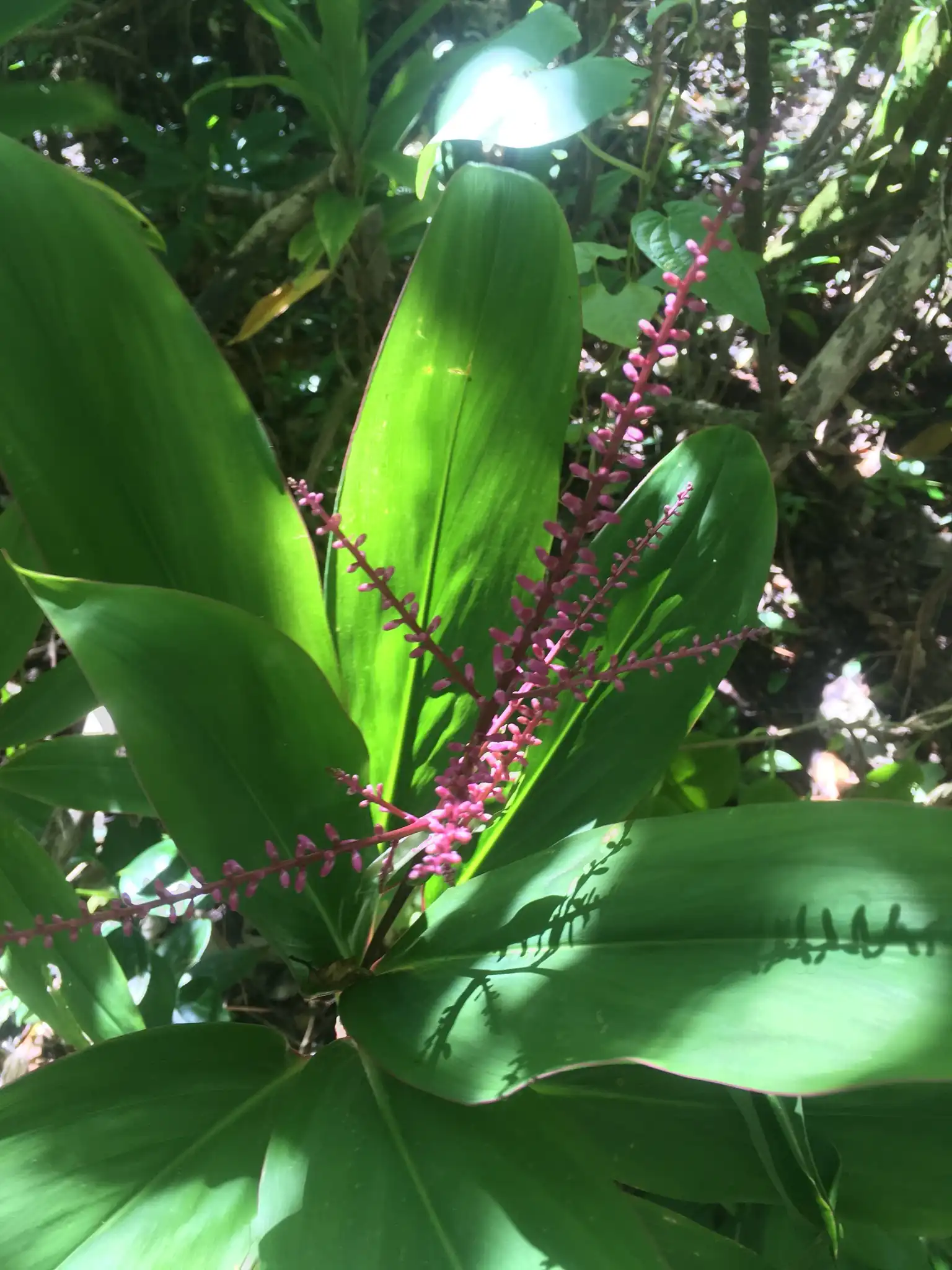
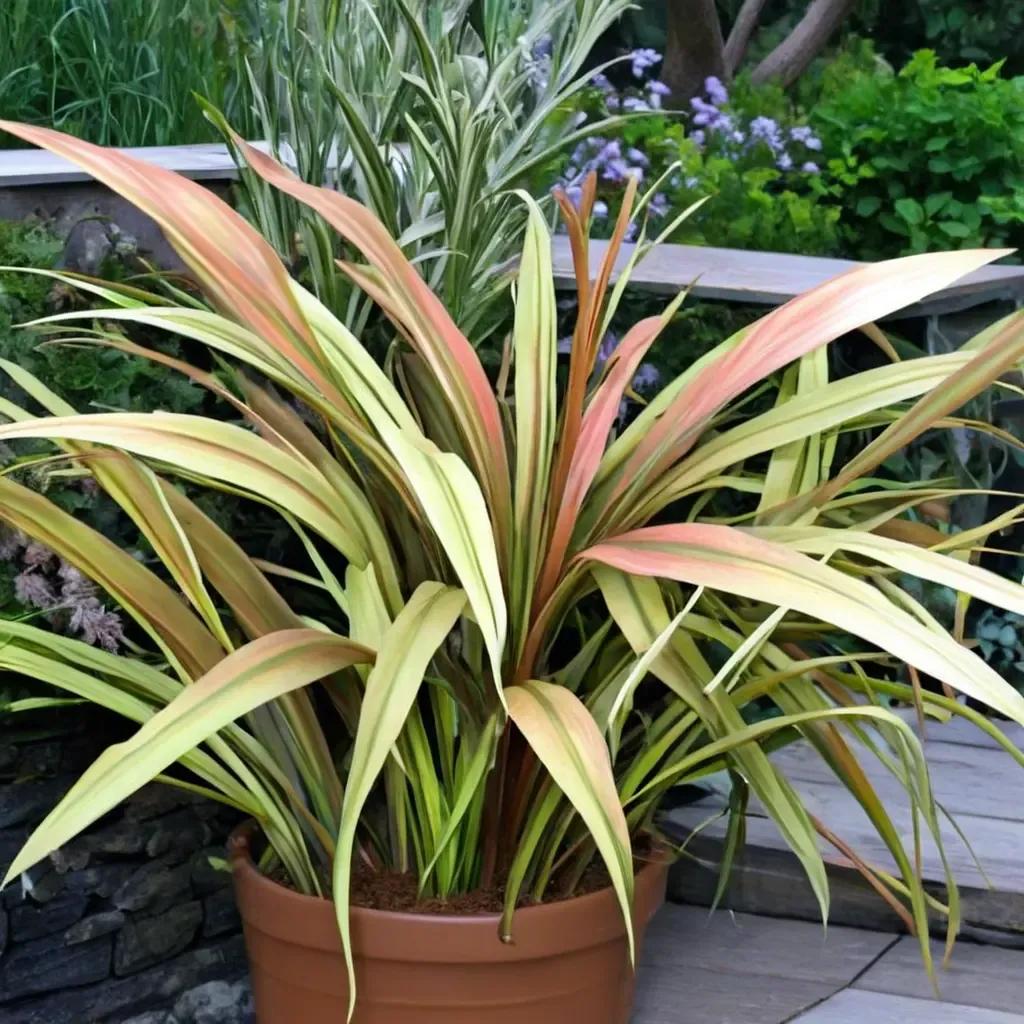
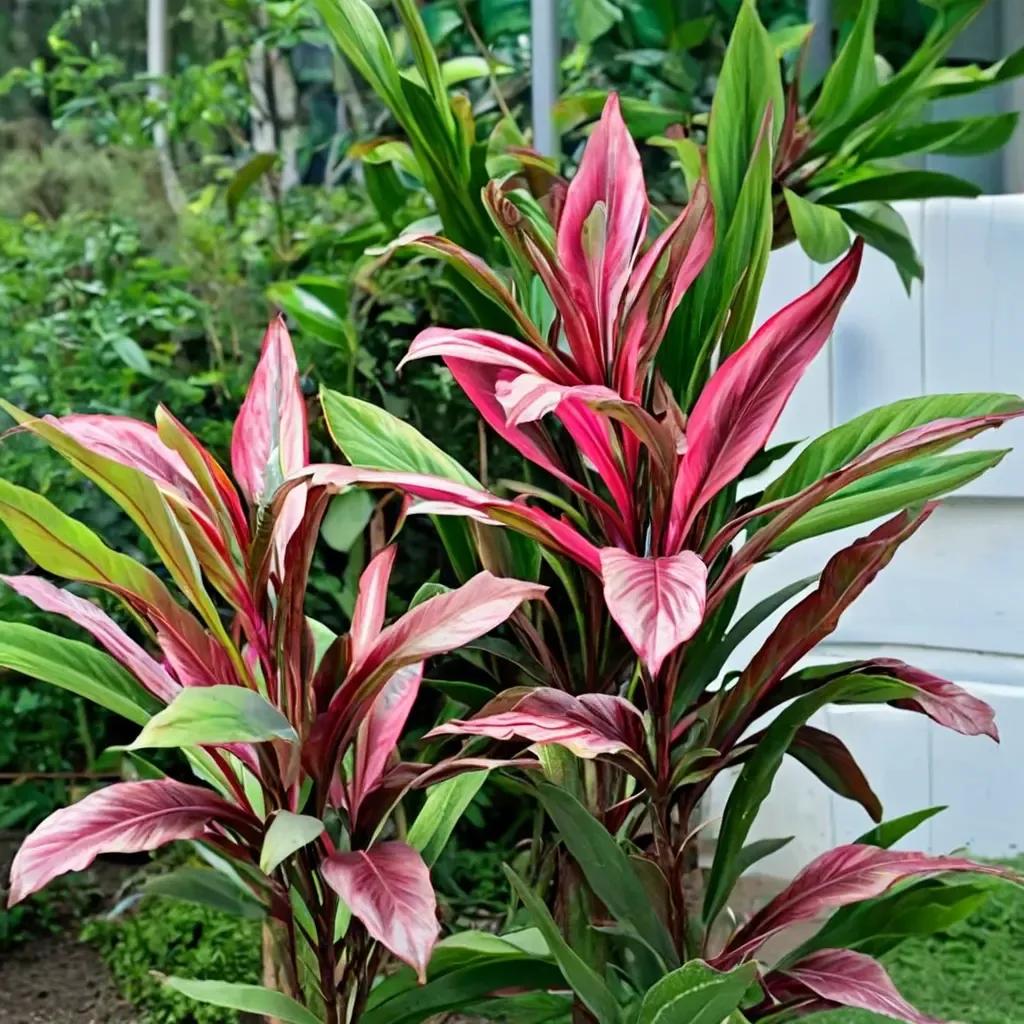
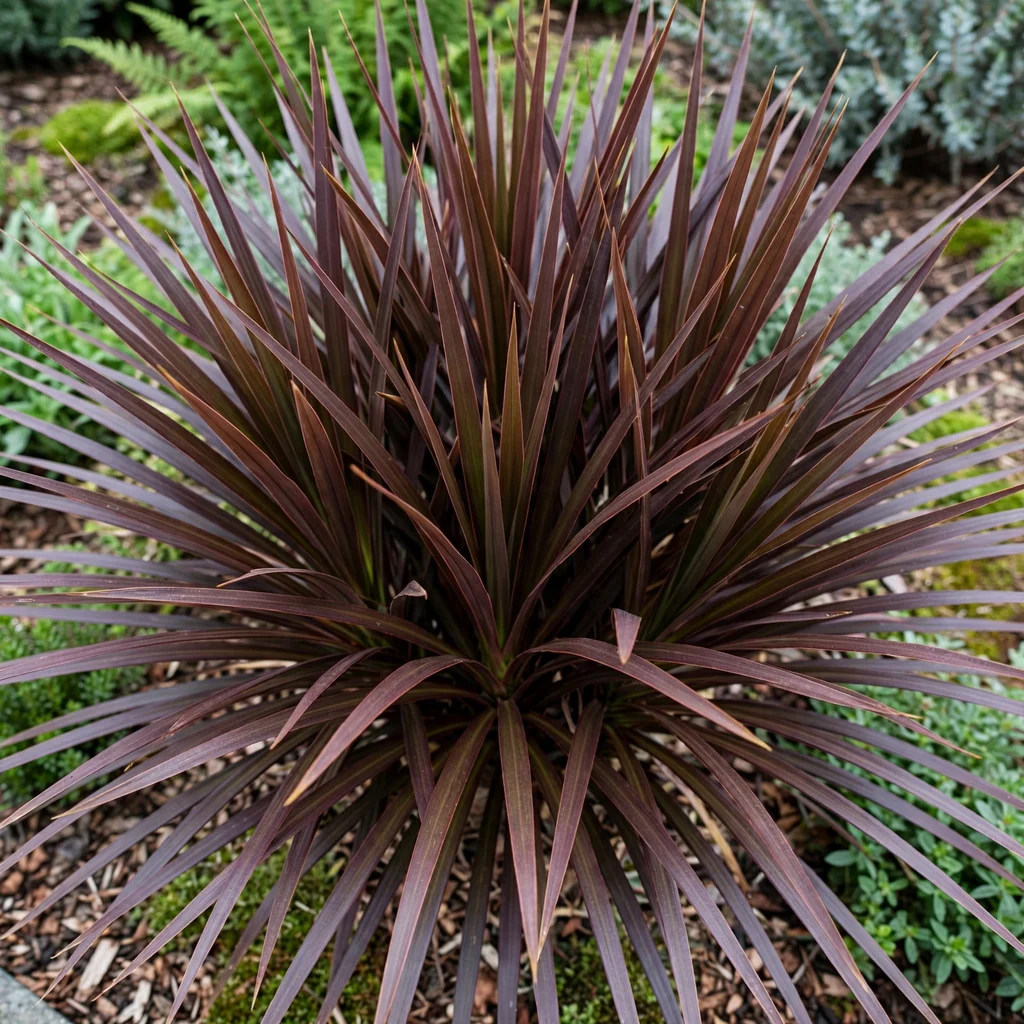
Cordyline fruticosa, the ti plant or good luck plant, is an erect multi-stemmed evergreen shrub from Papua New Guinea, Australia and the western Pacific, reaching nine to fifteen feet outdoors. Long oblong leaves up to thirty inches sit spirally crowded at the tops of slender red stems, in green, pink, red, purple and variegated combinations.
It is unusually shade tolerant for a plant of this colour, taking dappled to deep shade, though the brightest colours need reasonable light. Leaf tips brown readily on fluoride and salts in tap water, so rainwater or distilled water solves a problem most people mistake for dry air. It is a culturally important plant across Polynesia and Hawaii.
Uses & Benefits:
Essentials
At a Glance
Plant Type
Shrub
Height
108"
Width
48"
Light
Full Sun, Partial Sun
Zones
7, 8, 9, 10
Water
Moderate
Humidity
High
Lifespan
Perennial
Native To
Papua New Guinea, Australia and the western Pacific
Toxicity
Toxic to cats and dogs
Planting
How to Grow
- Give it bright indirect light or dappled shade.
- Use free-draining compost and keep it evenly moist.
- Water with rainwater or distilled water where possible.
- Keep it above 60F and out of cold draughts.
- Feed monthly through the growing season only.
- Cut leggy stems back hard; they resprout readily.
Pro Tip
Brown leaf tips are usually fluoride in tap water, not dry air — switch to rainwater before reaching for a humidifier.
Keep It Thriving
Care Guide
Do
- Use rainwater or distilled water 💧
- Give it bright indirect light 🪟
- Keep it warm and draught-free 🌡️
- Cut leggy canes back to resprout ✂️
Don't
- Water it with hard or fluoridated tap water ❌
- Let it sit in cold or waterlogged compost ❌
- Expect full colour in deep shade ❌
Seasonal Care Calendar
| Task | Jan | Feb | Mar | Apr | May | Jun | Jul | Aug | Sep | Oct | Nov | Dec |
|---|---|---|---|---|---|---|---|---|---|---|---|---|
| Feed | ||||||||||||
| Prune |
Watch Out For
Pests & Diseases
Common Pests
Common Diseases
In the Garden
Landscape Uses & Companions
Landscape Uses
Companion Plants
Multiply
Propagation Methods
Good to Know
Common Questions
Ti Plant questions
What zones can Ti Plant grow in?
Ti Plant is hardy in USDA Zones 7–10. Inside that range it survives winter in the ground; outside it, grow it as an annual or a container plant you protect.
Is Ti Plant deer resistant?
Yes — Ti Plant is rated deer-resistant. Deer typically pass it over, though extreme hunger can override any plant's defenses.
When does Ti Plant bloom?
Ti Plant typically blooms in spring to summer through early fall. Exact timing shifts a week or two with your zone — Sow's bloom calendar maps it to your garden.
Does Ti Plant need full sun?
Ti Plant does best in full sun to part shade. In hot climates, afternoon shade keeps blooms fresher longer.
Is Ti Plant drought tolerant?
Yes — once established (usually after the first full season), Ti Plant handles dry spells with minimal watering. Water deeply its first year to build the root system that makes that possible.
More Cordyline to compare
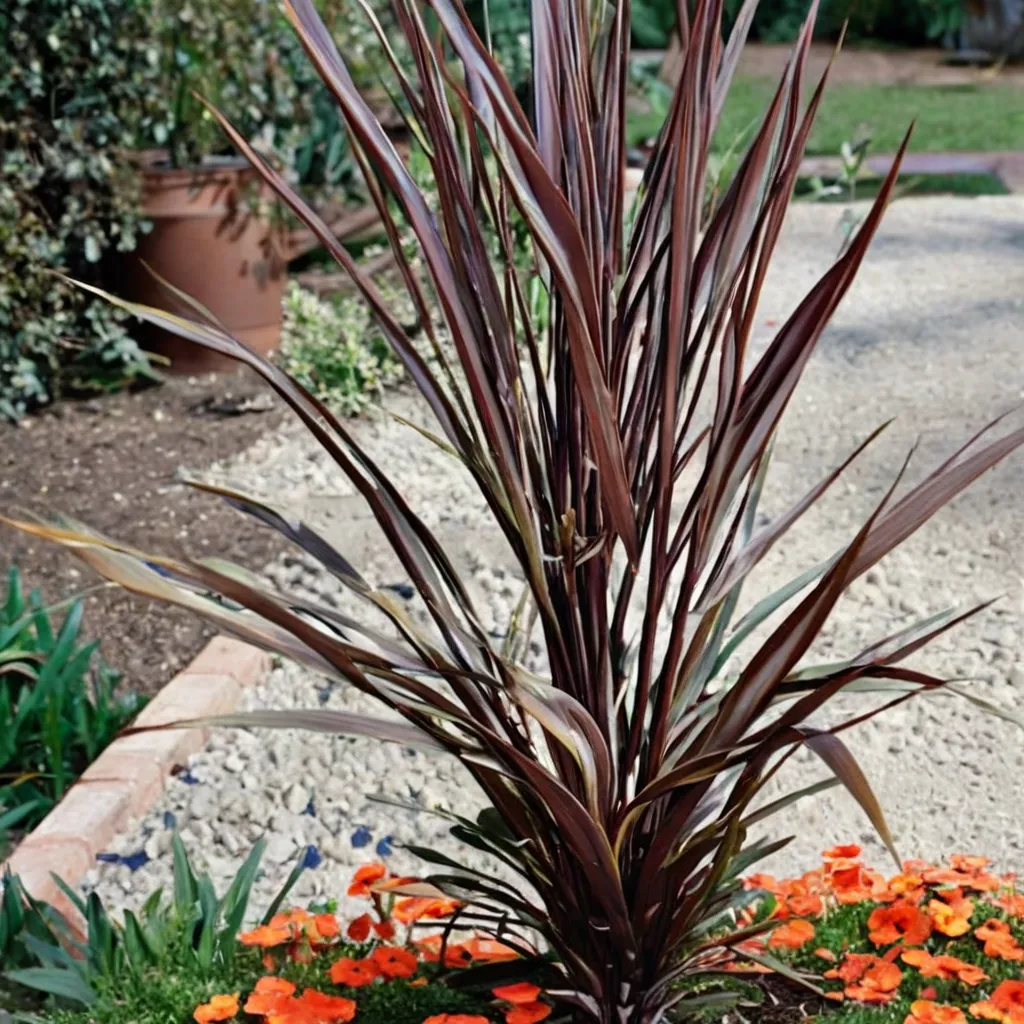
Red Sensation Cordyline
Cordyline australis 'Red Sensation'
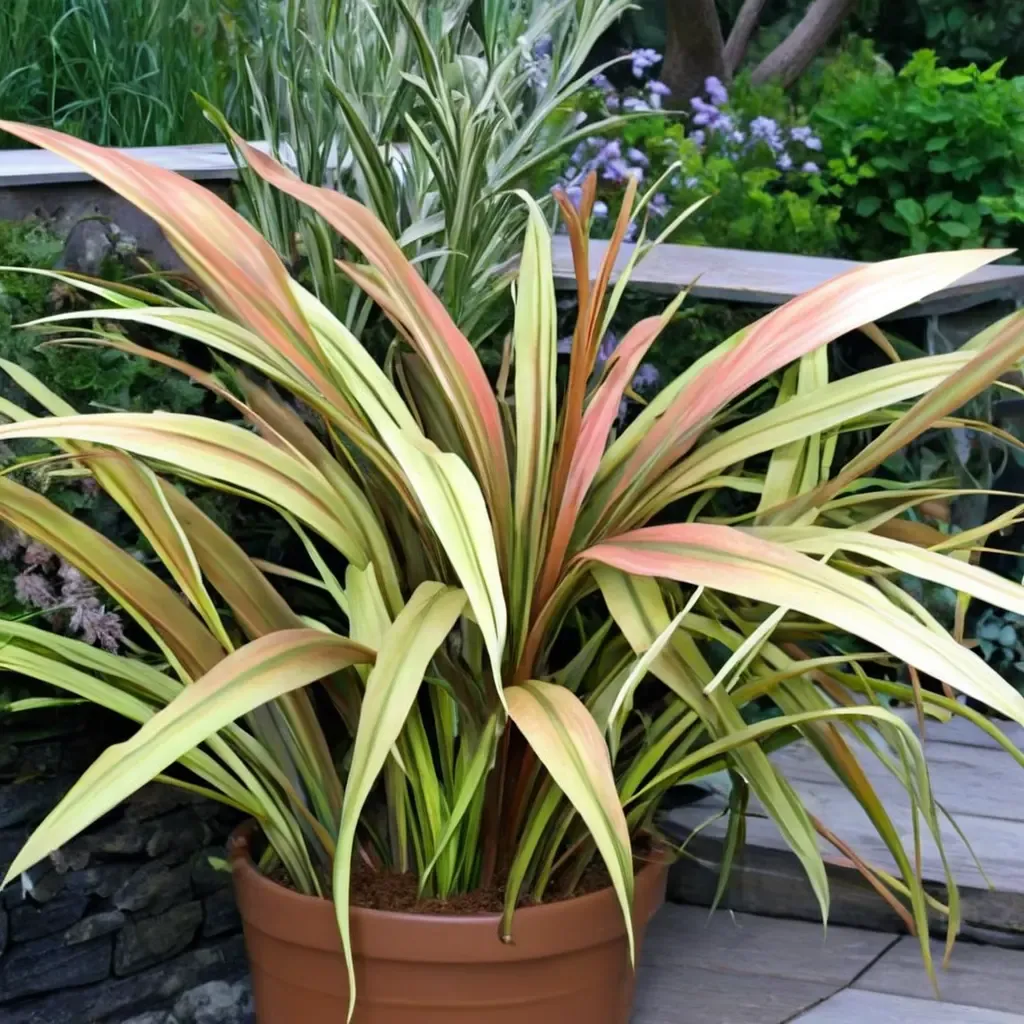
Cha Cha Ti Plant Cordyline Cha Cha
Cordyline fruticosa 'Cha Cha'
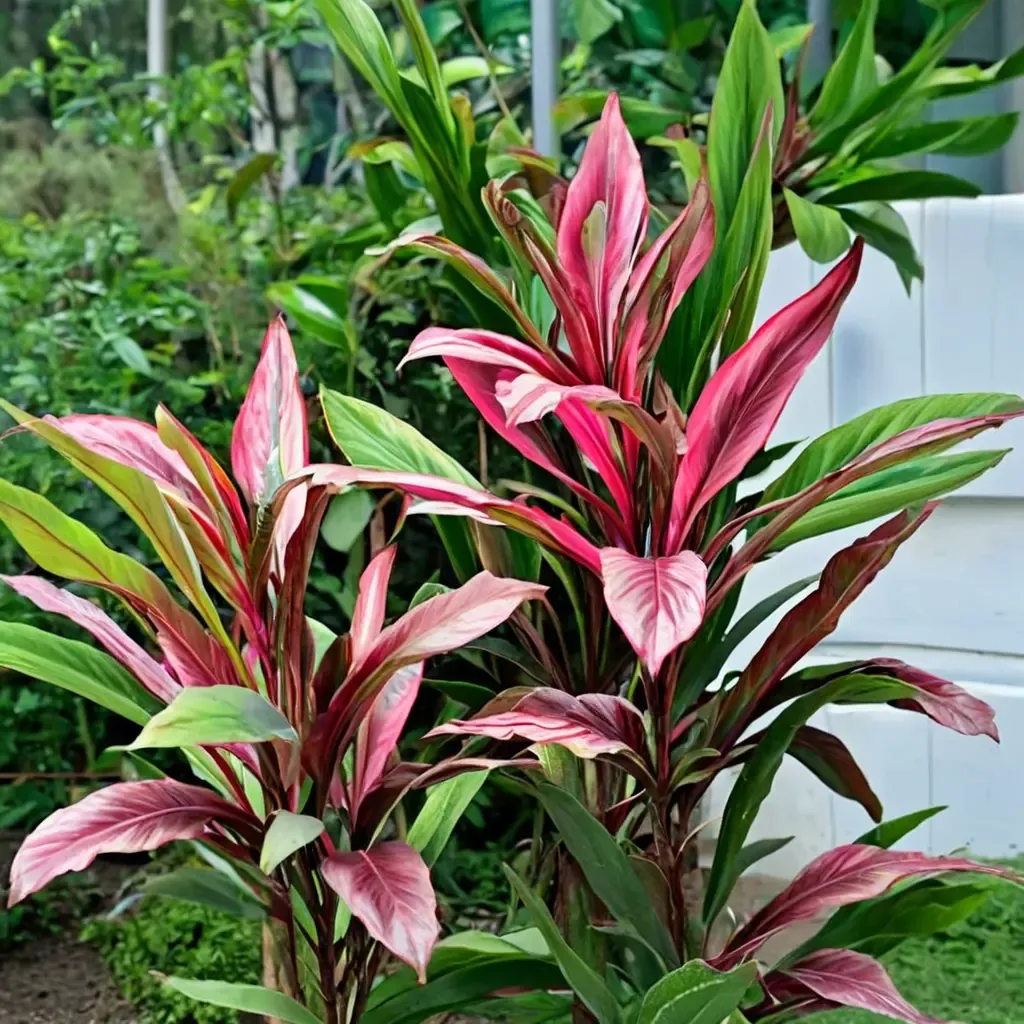
Can Can Cordyline
Cordyline fruticosa 'Can Can'
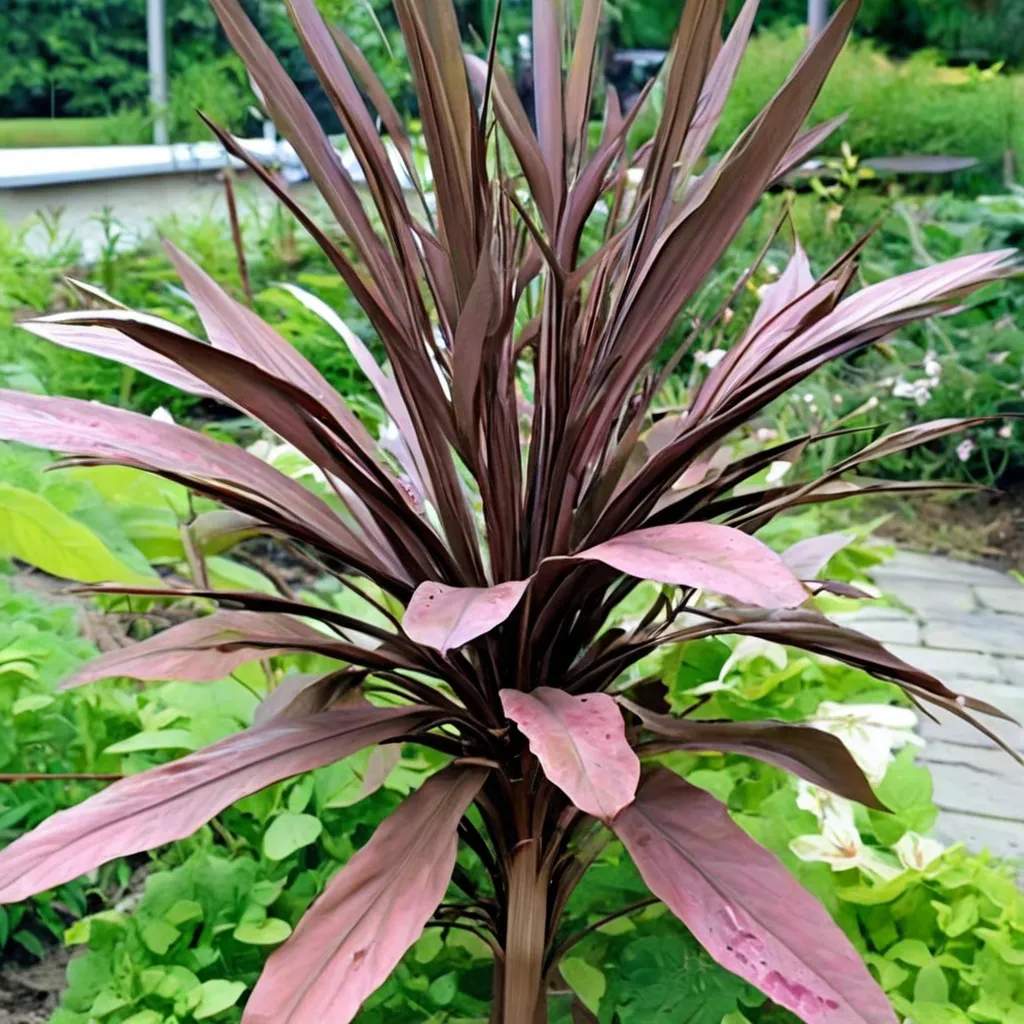
Purple Tower Cordyline
Cordyline australis 'Purple Tower'
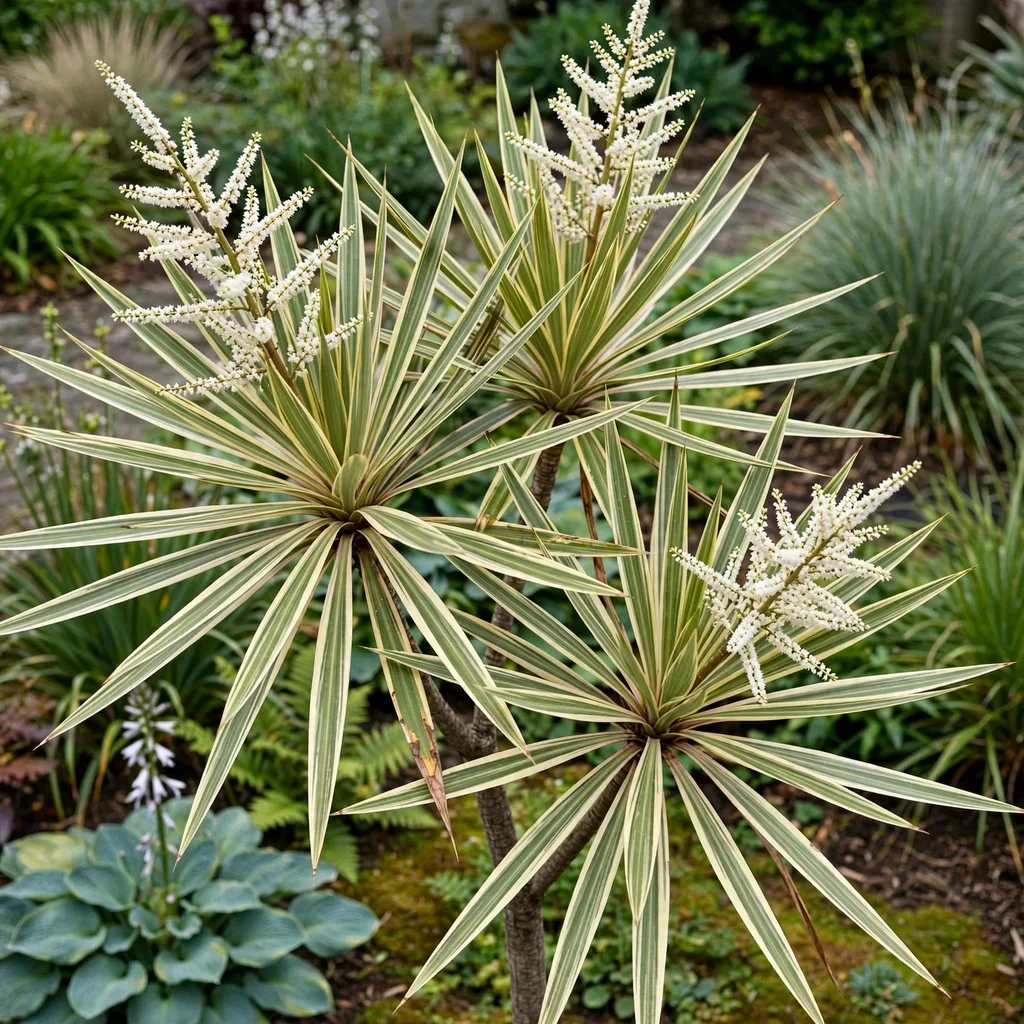
Alberti Cabbage Tree
Cordyline australis 'Alberti'
Cabbage Tree
Cordyline australis 'Pocahontas'
Keep exploring
Explore the genus
Hardy in your zone?
Grow Ti Plant with confidence
See it in a design of your actual yard, get zone-matched care reminders, and track it season by season in your garden journal.