
Species
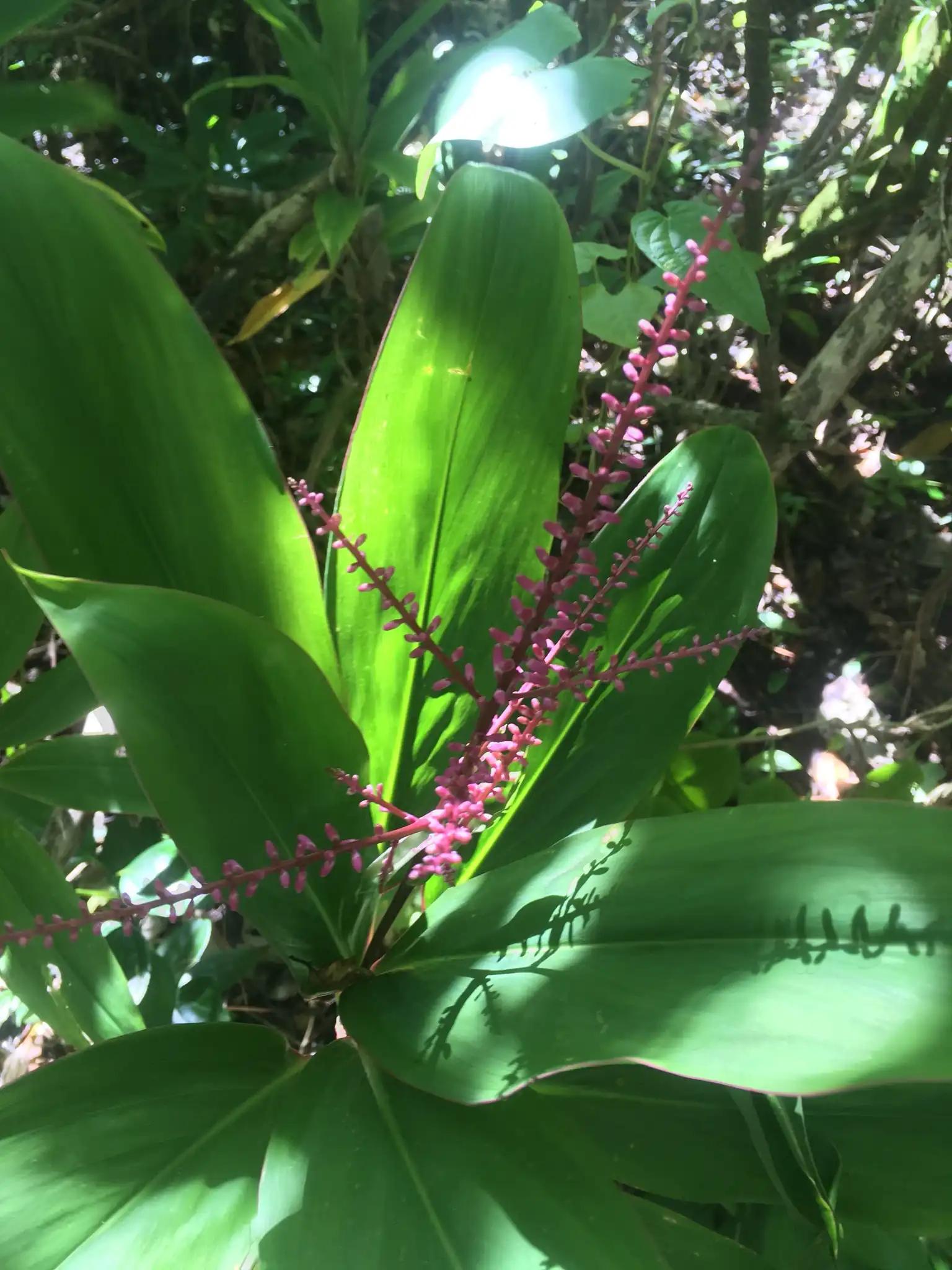 Cordyline fruticosaTi Plant
2 other cultivars
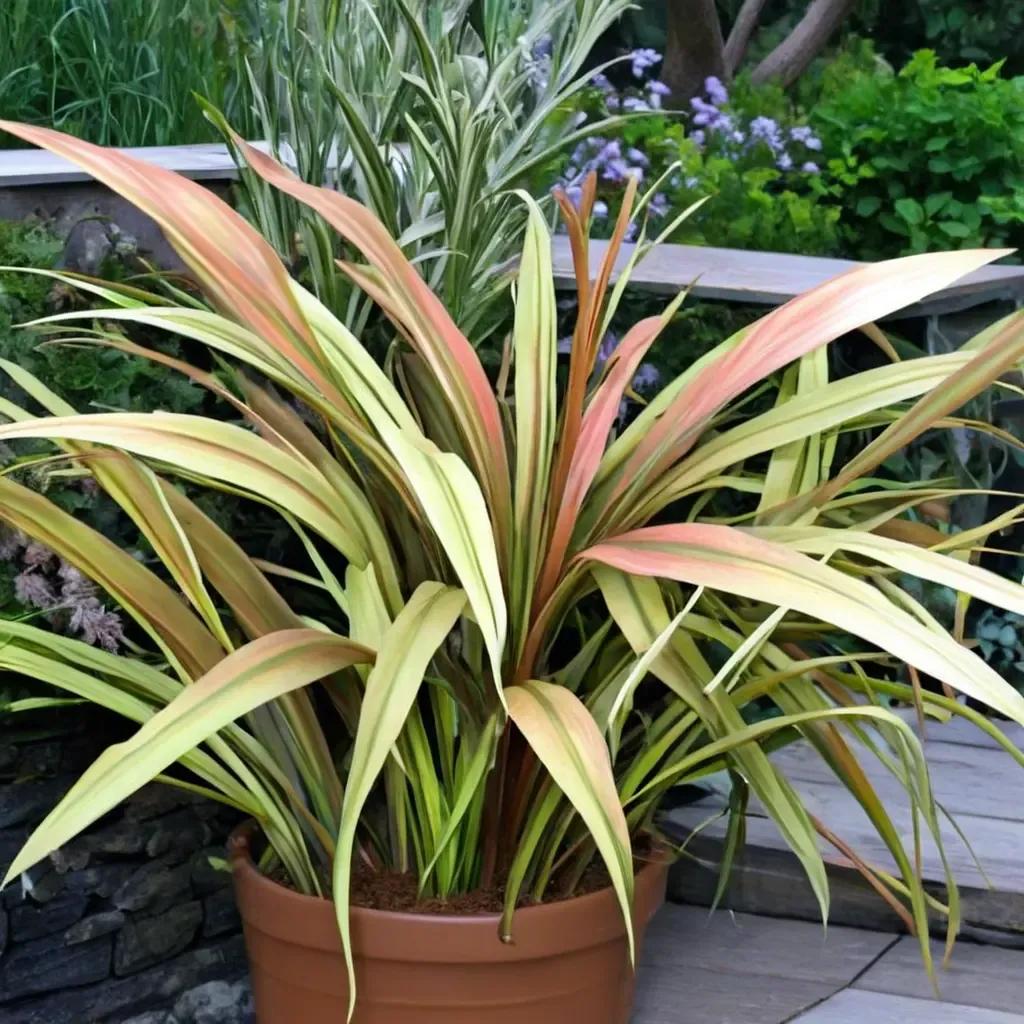
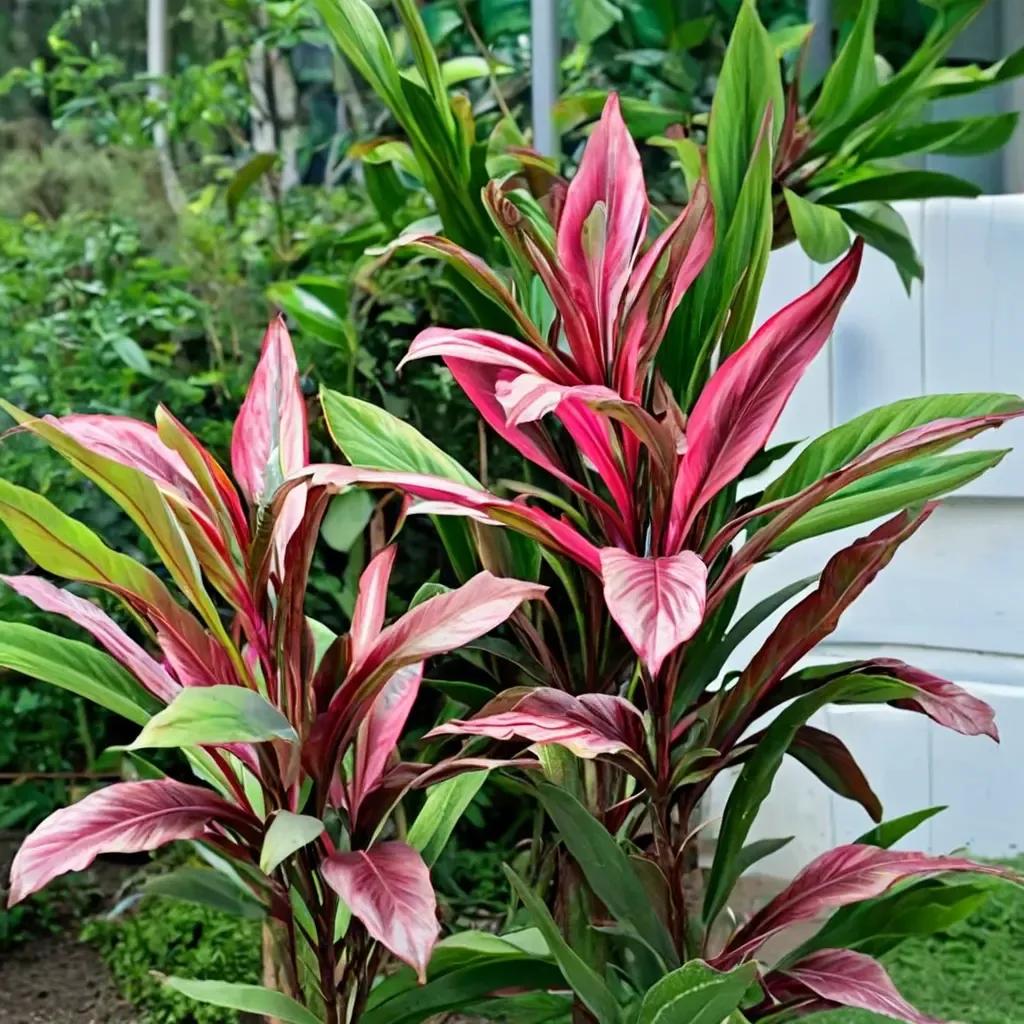
The Story
Plant Bio
Cordyline fruticosa is an erect, woody evergreen shrub that develops a slender trunk, eventually becoming bare at the base over time. The species produces large, branched terminal panicles of white to pale pink or lavender flowers during the summer months.
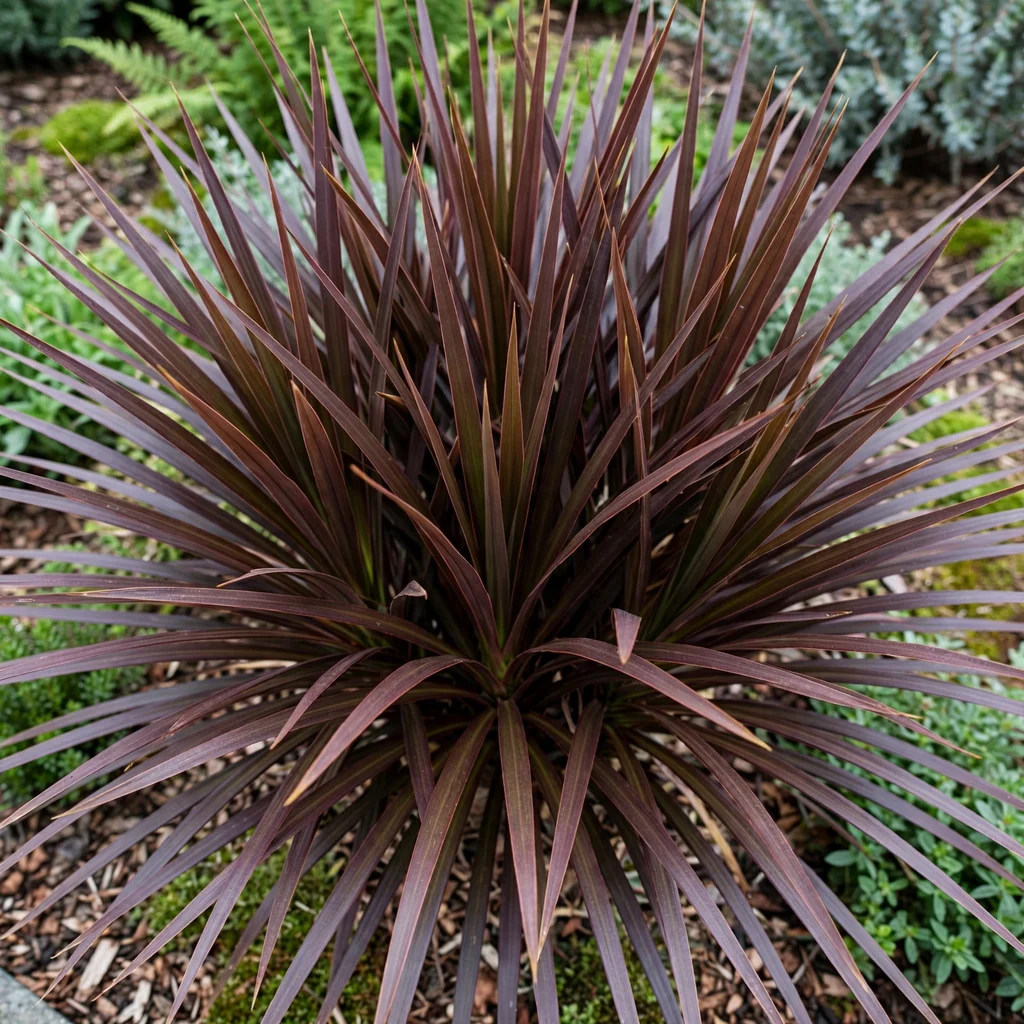
'Rubra' is distinguished by its broad, strap-shaped leaves that exhibit deep reddish-purple to burgundy coloration. This intense pigmentation is especially vibrant on the newly emerging foliage at the center of the crown.
Uses & Benefits:
Essentials
At a Glance
Plant Type
Tropical
Height
118"
Width
71"
Light
Partial Sun, Shade
Zones
10
Water
Medium
Humidity
High
Lifespan
Perennial
Native To
Southeast Asia and Western Pacific
Toxicity
Non-toxic
Bloom period
Summer
In flower about 3 months of the year
Planting
How to Grow
- Select a planting site with dappled shade or partial sun, ensuring protection from harsh midday sun to prevent leaf scorch.
- Prepare a humus-rich, free-draining loam or sandy loam soil with a slightly acidic to neutral pH between 6.1 and 7.5.
- Water regularly to keep the soil consistently moist but never waterlogged, as poor drainage rapidly induces root rot.
- Apply a balanced, slow-release fertilizer once in spring to support active foliage growth throughout the warm season.
Pro Tip
Avoid pruning deep into old, leafless wood that lacks active eyes, as this prevents healthy regeneration. Instead, cut leggy stems back hard in spring to active nodes to stimulate fresh, dense branching from the base.
Keep It Thriving
Care Guide
Do
- Provide high humidity and shelter from strong, drying winds.
- Remove yellowed or dead lower leaves as they naturally age and drop.
- Bring container specimens indoors before temperatures drop near freezing.
Don't
- Do not allow the soil to dry out completely, which causes the plant to drop its lower leaves.
- Do not use overhead irrigation, as wet foliage increases susceptibility to fungal leaf spots.
- Do not plant in heavy, poorly drained clay soils that retain excess water.
Seasonal Care Calendar
| Task | Jan | Feb | Mar | Apr | May | Jun | Jul | Aug | Sep | Oct | Nov | Dec |
|---|---|---|---|---|---|---|---|---|---|---|---|---|
| Fertilize | ||||||||||||
| Pest Check | ||||||||||||
| Prune | ||||||||||||
| Winter Prep |
Watch Out For
Pests & Diseases
Common Pests
Common Diseases
In the Garden
Landscape Uses & Companions
Landscape Uses
Companion Plants
Multiply
Propagation Methods
Good to Know
Common Questions
Ti Plant questions
What zones can Ti Plant grow in?
Ti Plant is hardy in USDA Zone 10. Inside that range it survives winter in the ground; outside it, grow it as an annual or a container plant you protect.
Is Ti Plant deer resistant?
Not reliably. Deer may browse Ti Plant, especially tender spring growth — plan on repellents or fencing where pressure is high.
When does Ti Plant bloom?
Ti Plant typically blooms in summer through summer. Exact timing shifts a week or two with your zone — Sow's bloom calendar maps it to your garden.
Does Ti Plant need full sun?
Ti Plant does best in part shade.
More Cordyline to compare
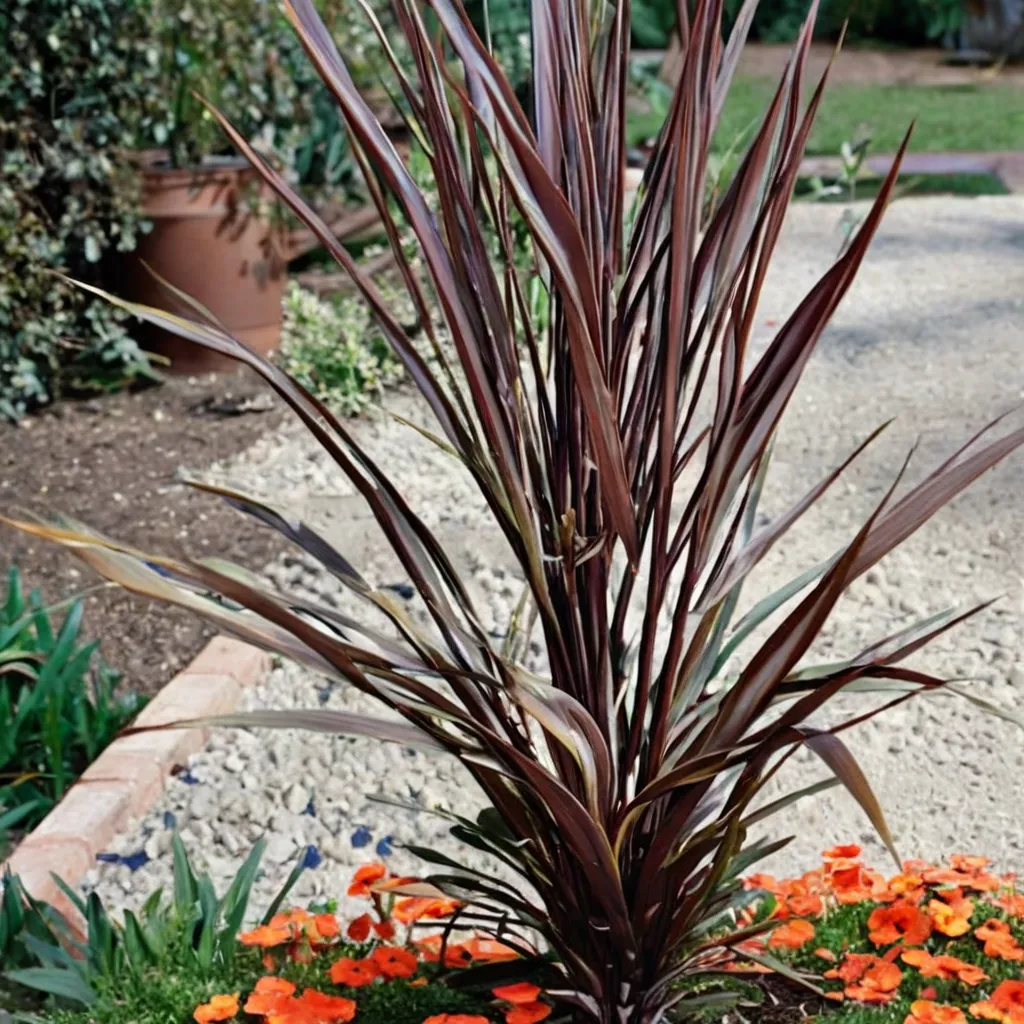
Red Sensation Cordyline
Cordyline australis 'Red Sensation'
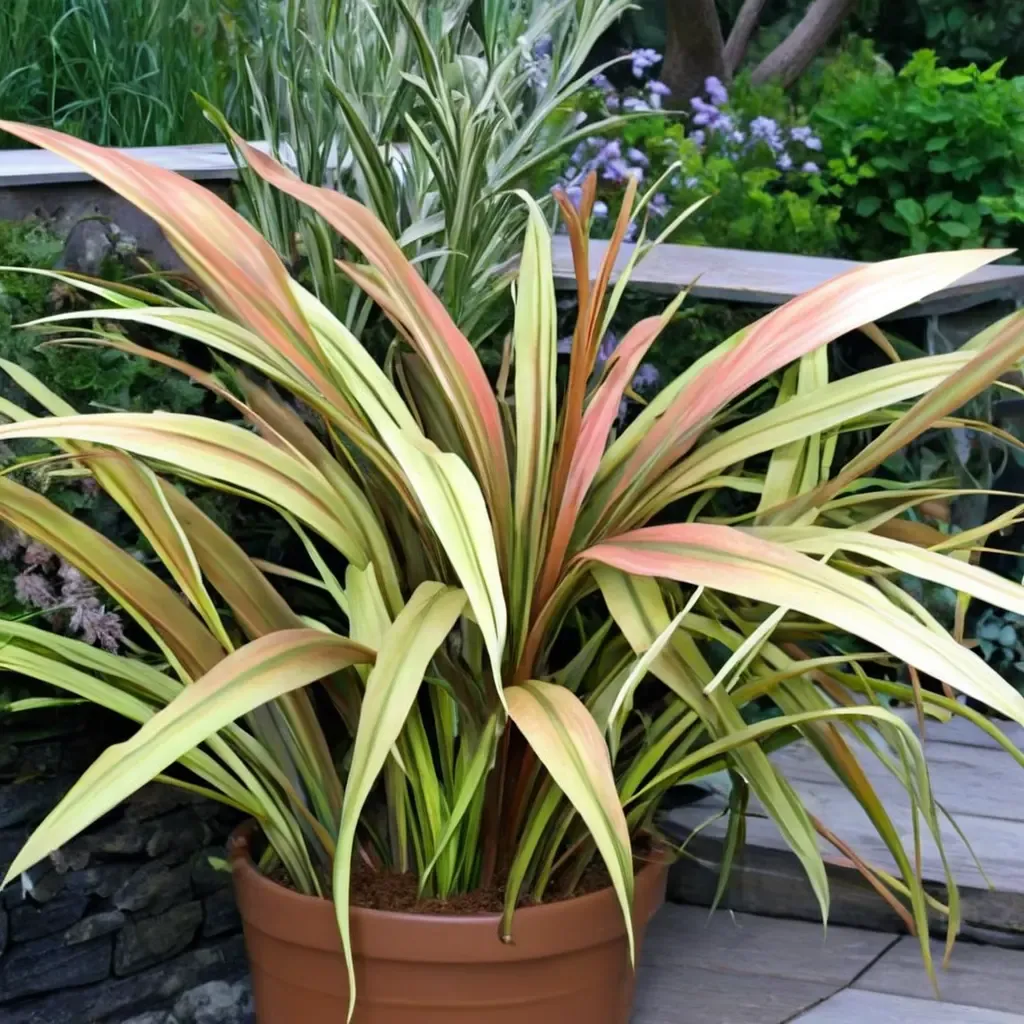
Cha Cha Ti Plant Cordyline Cha Cha
Cordyline fruticosa 'Cha Cha'
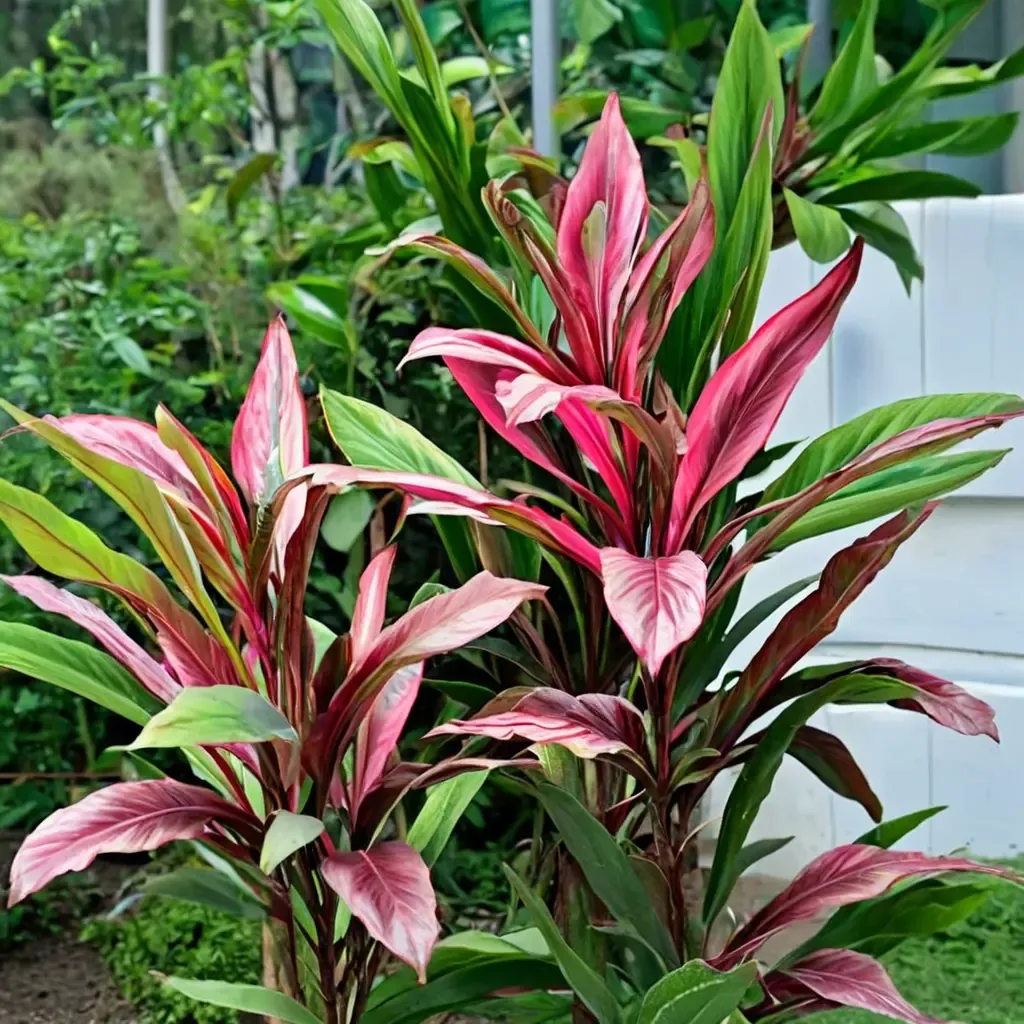
Can Can Cordyline
Cordyline fruticosa 'Can Can'
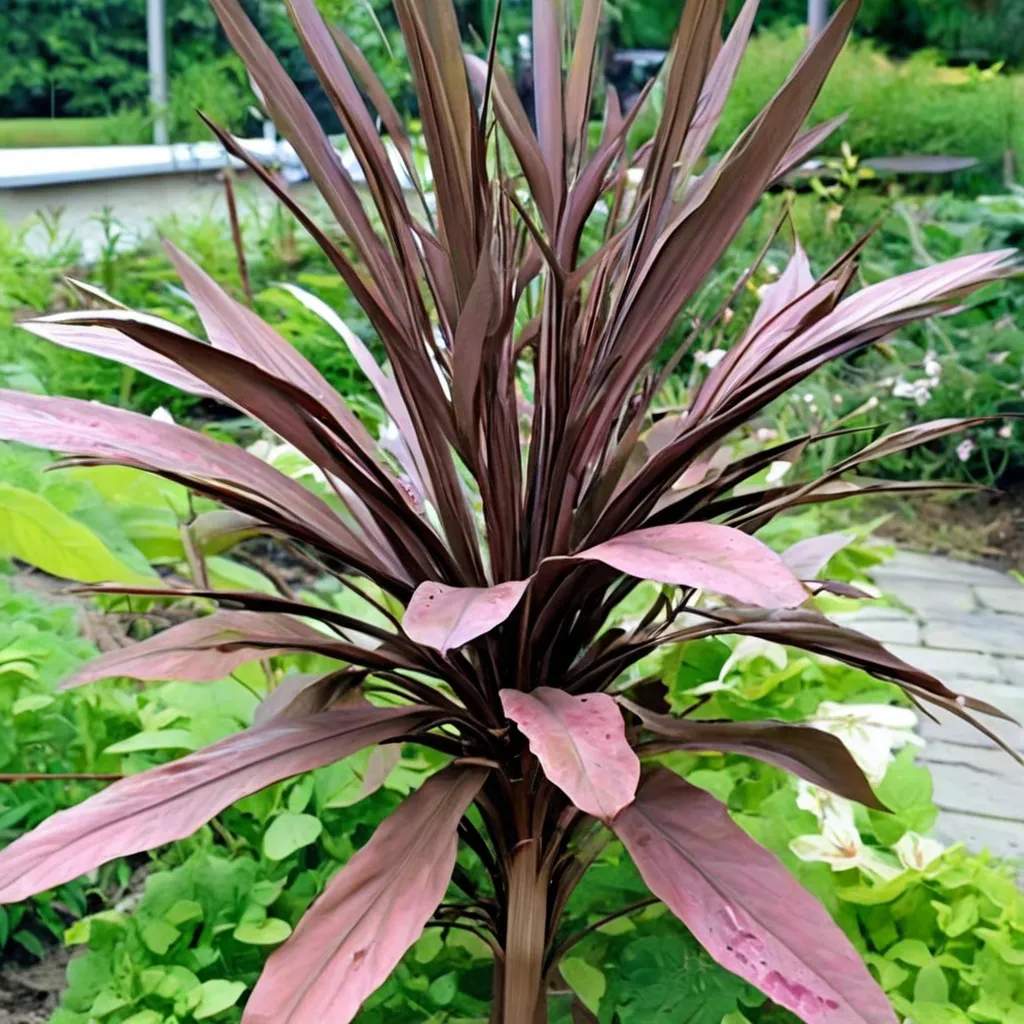
Purple Tower Cordyline
Cordyline australis 'Purple Tower'
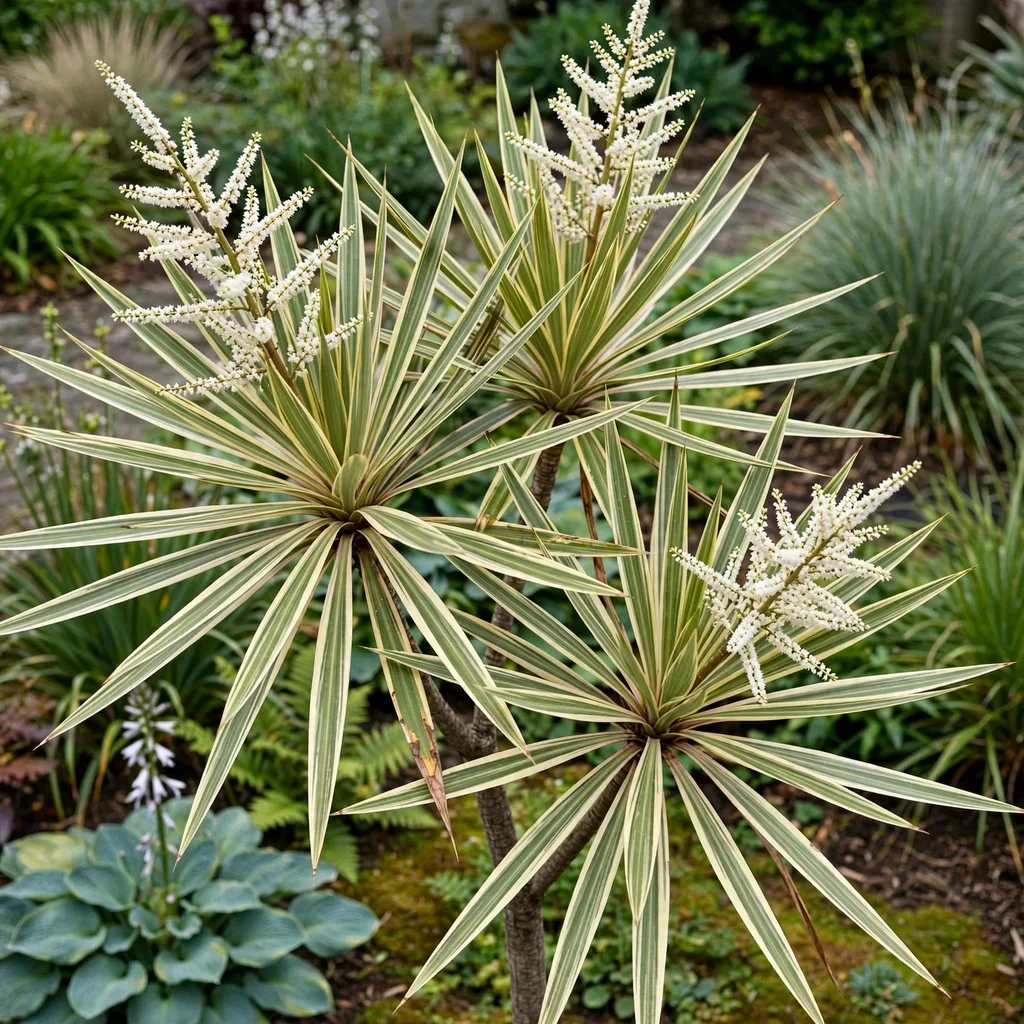
Alberti Cabbage Tree
Cordyline australis 'Alberti'
Cabbage Tree
Cordyline australis 'Pocahontas'
Keep exploring
Explore the genus
Hardy in your zone?
Grow Ti Plant with confidence
See it in a design of your actual yard, get zone-matched care reminders, and track it season by season in your garden journal.