The Story
Plant Bio
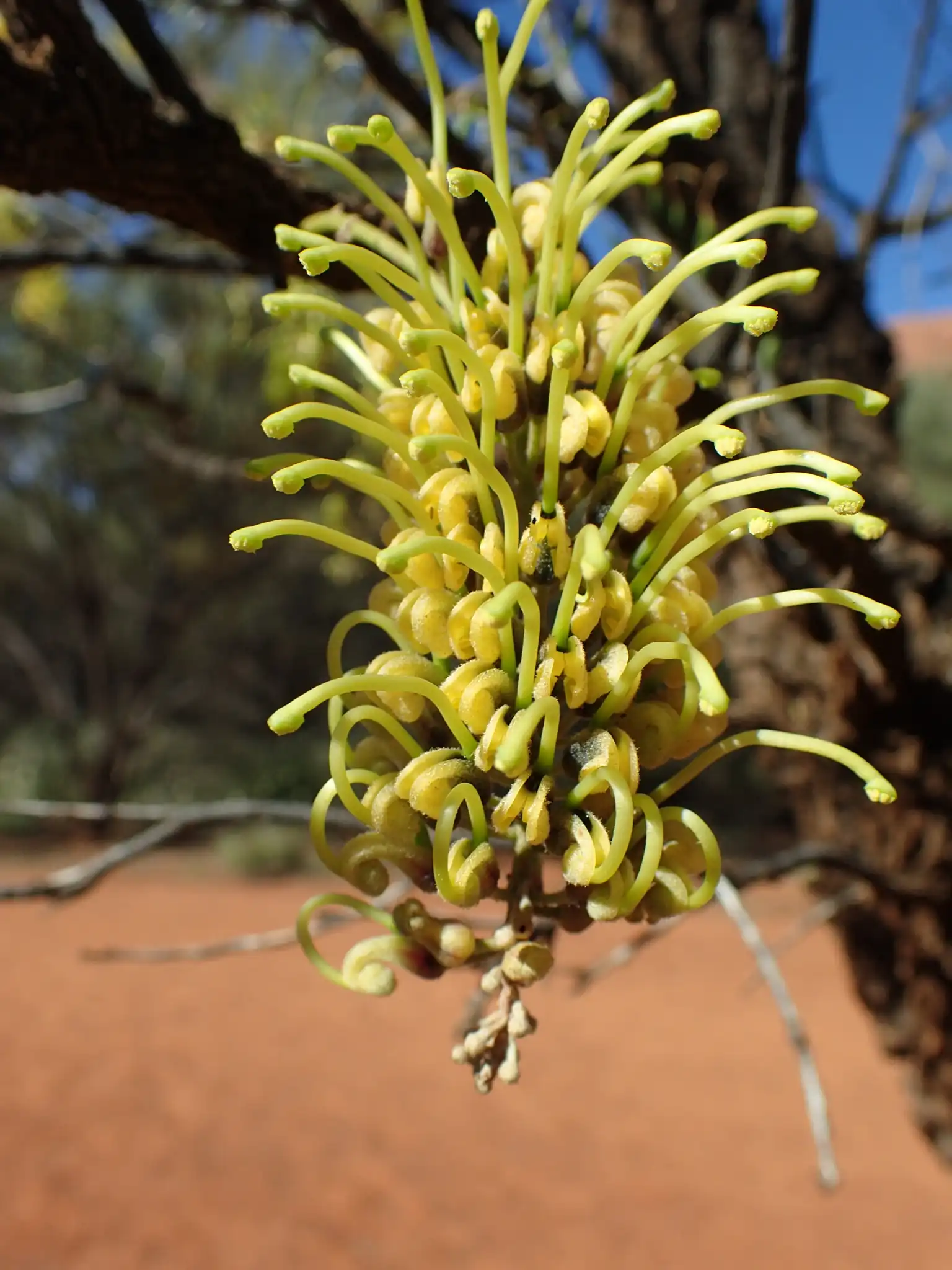
Hakea divaricata, known as needlewood, is an upright, lignotuberous Australian shrub or small gnarled tree distinguished by its thick, deeply furrowed, corky bark. The rigid, needle-like compound leaves end in sharp, prickly points, providing a stark contrast to the showy, cream to greenish-yellow flower racemes that emerge from winter to spring.
This arid-land specialist features smooth red branchlets on new growth and produces narrow, woody follicles with curved beaks that house winged seeds. Its corky trunk acts as a protective shield, while its deep-furrowed texture offers high architectural value in dry landscapes.
Uses & Benefits:
Essentials
At a Glance
Plant Type
Shrub
Height
276"
Width
197"
Light
Full Sun
Zones
9, 10
Water
Low
Humidity
Low
Lifespan
Long-lived
Native To
Australia
Toxicity
Non-toxic (mechanical irritant)
Bloom period
Winter – Spring
In flower about 6 months of the year
Planting
How to Grow
- Select a planting site in full sun with exceptional, sharp drainage, such as sandy, stony, or sandstone-derived desert soils.
- Ensure the soil pH is acidic to neutral, avoiding any heavy clay or organic-rich soils that retain moisture.
- Water sparingly during the establishment phase, then transition to an extremely low-water regime, allowing the soil to dry completely between waterings.
- Protect young plants from severe, prolonged freezing temperatures, as they only tolerate light to moderate desert frosts once established.
Pro Tip
Never prune heavily into old, leafless wood, as this species lacks the ability to regenerate from bare branches and relies entirely on its lignotuber or active green-leaf nodes.
Keep It Thriving
Care Guide
Do
- Use thick leather gardening gloves when handling the plant to protect skin from the extremely sharp, prickly leaf points.
- Provide excellent air circulation and low-humidity conditions to prevent fungal diseases.
- Apply a specialized low-phosphorus native plant fertilizer very sparingly if feeding is necessary.
Don't
- Do not use standard balanced garden fertilizers containing phosphorus, which causes rapid root toxicity and death.
- Do not plant in heavy, waterlogged, or poorly drained soils.
- Do not prune into old, bare wood lacking active green leaves.
Seasonal Care Calendar
| Task | Jan | Feb | Mar | Apr | May | Jun | Jul | Aug | Sep | Oct | Nov | Dec |
|---|---|---|---|---|---|---|---|---|---|---|---|---|
| Fertilize | ||||||||||||
| Pest Check | ||||||||||||
| Plant | ||||||||||||
| Prune | ||||||||||||
| Winter Prep |
Watch Out For
Pests & Diseases
Common Pests
Common Diseases
In the Garden
Landscape Uses & Companions
Landscape Uses
Companion Plants
Multiply
Propagation Methods
Good to Know
Common Questions
Needlewood questions
What zones can Needlewood grow in?
Needlewood is hardy in USDA Zones 9–10. Inside that range it survives winter in the ground; outside it, grow it as an annual or a container plant you protect.
Is Needlewood deer resistant?
Not reliably. Deer may browse Needlewood, especially tender spring growth — plan on repellents or fencing where pressure is high.
When does Needlewood bloom?
Needlewood typically blooms in winter through spring. Exact timing shifts a week or two with your zone — Sow's bloom calendar maps it to your garden.
Does Needlewood need full sun?
Needlewood does best in full sun (6+ hours).
Is Needlewood drought tolerant?
Yes — once established (usually after the first full season), Needlewood handles dry spells with minimal watering. Water deeply its first year to build the root system that makes that possible.
More Hakea to compare
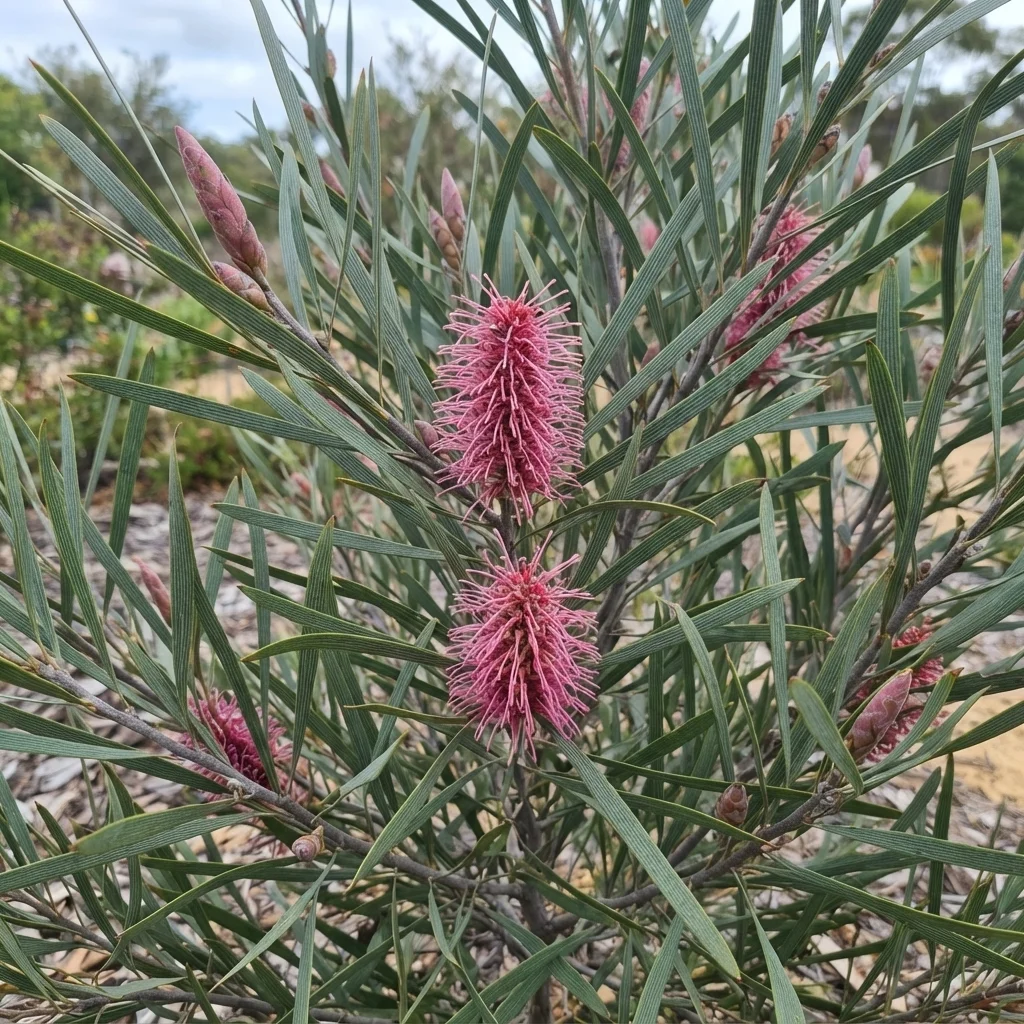
Grass-Leaf Hakea
Hakea francisiana
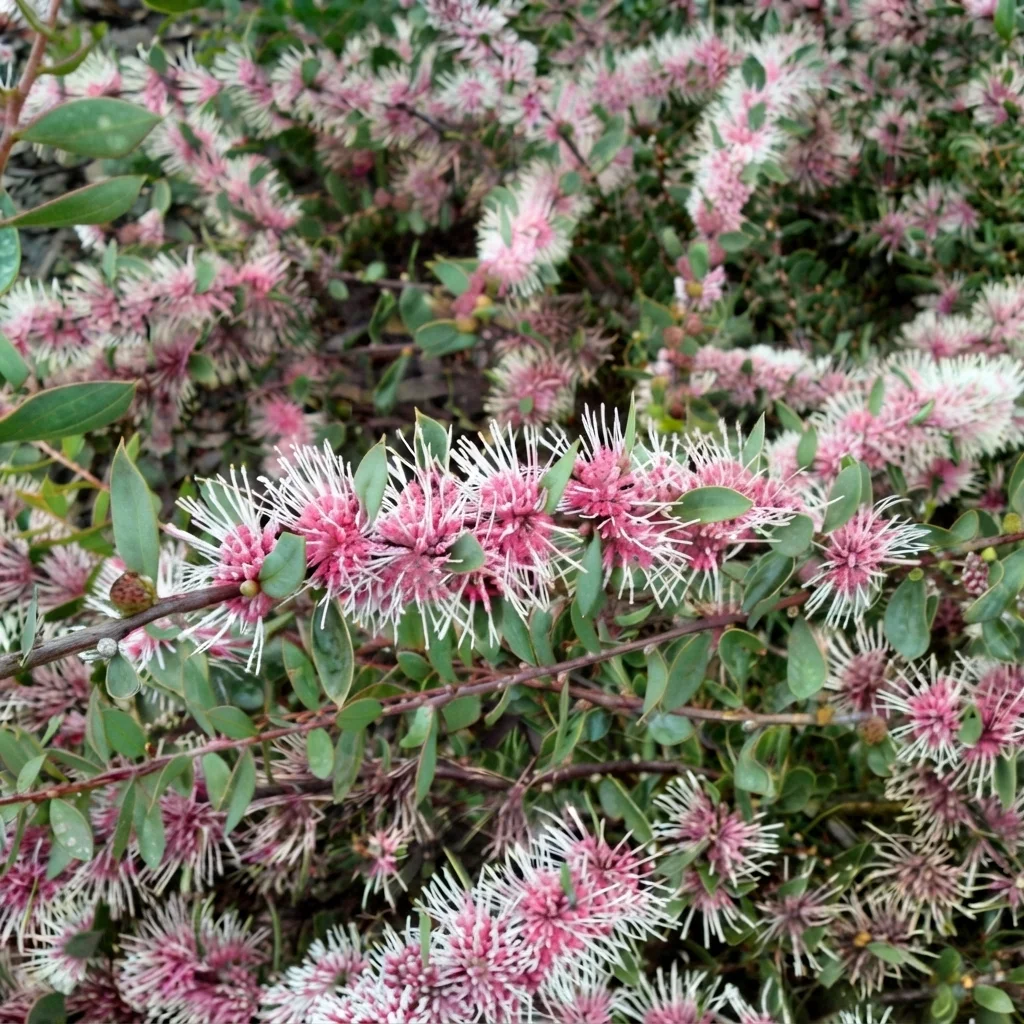
Burrendong Beauty
Hakea x hybrida 'Burrendong Beauty'
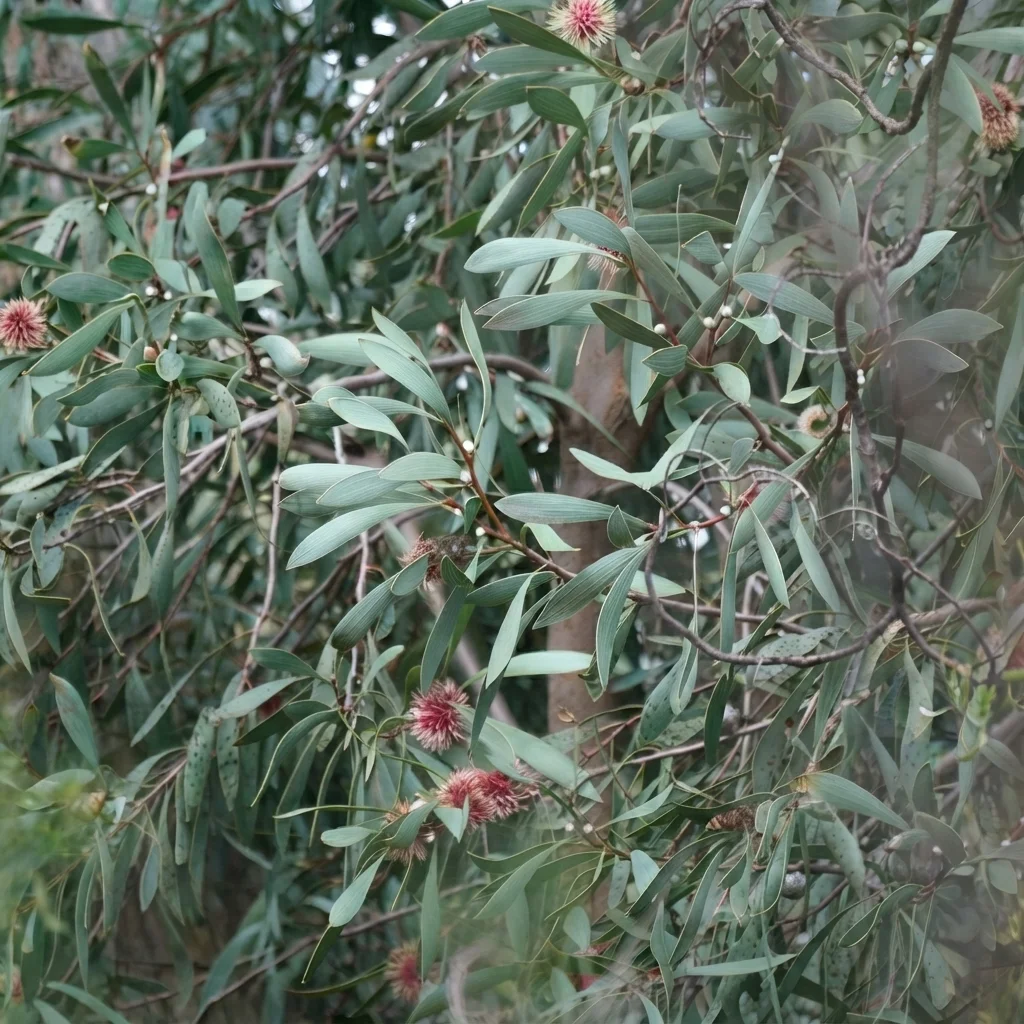
Pincushion Hakea
Hakea laurina
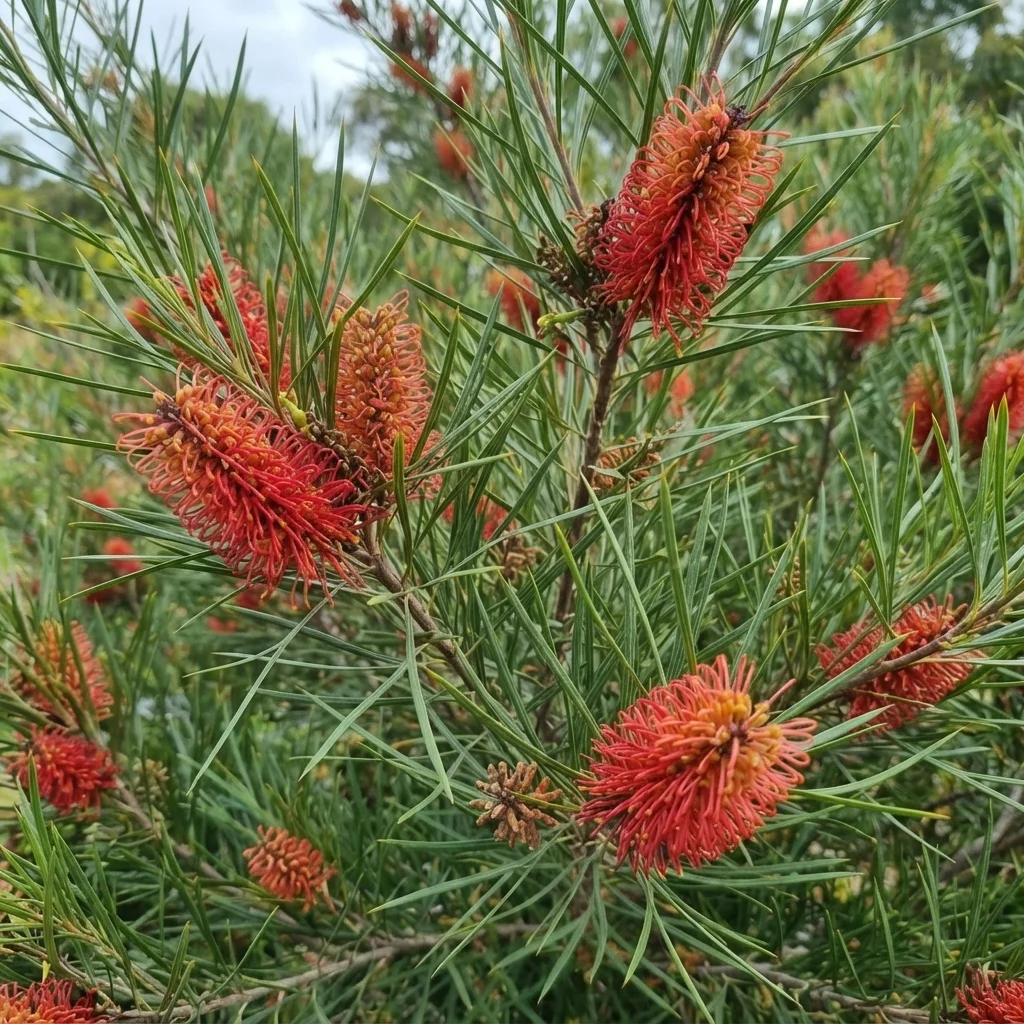
Red Pokers
Hakea bucculenta
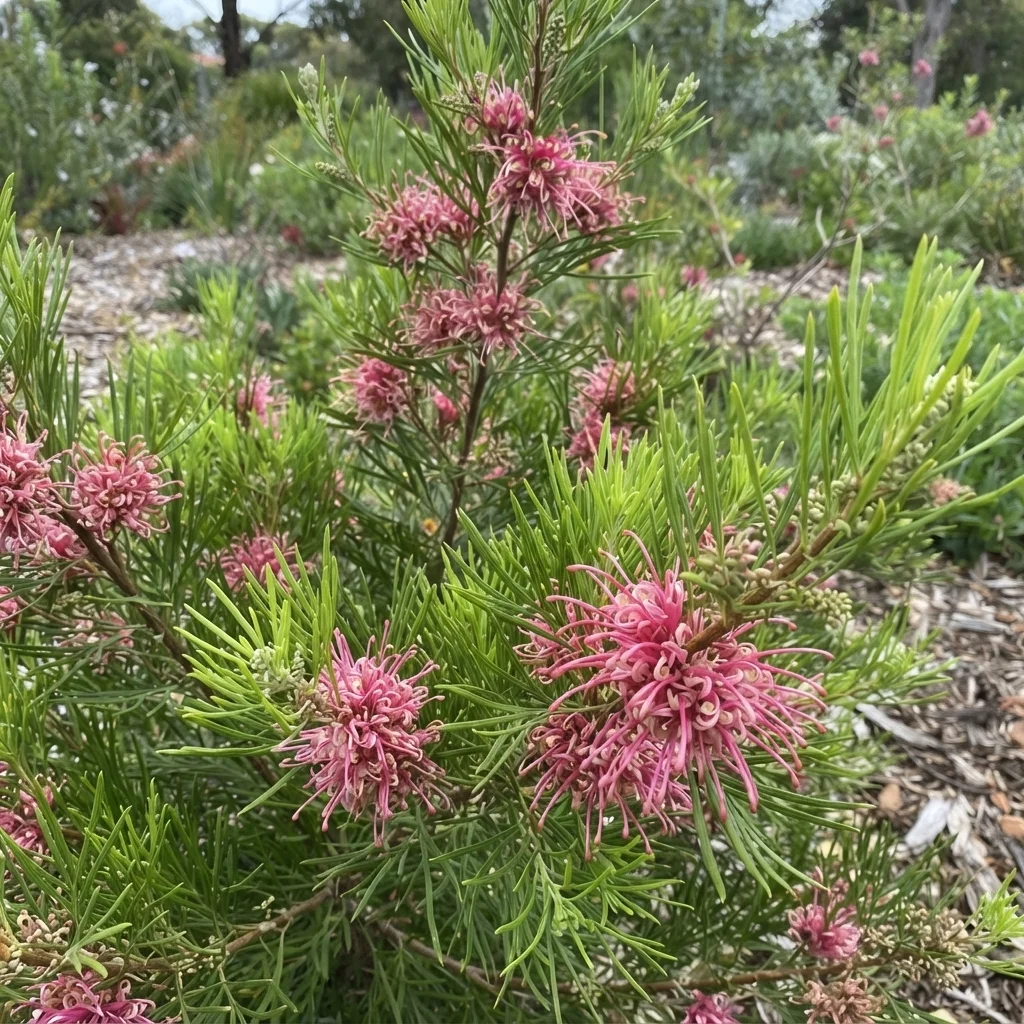
Baker's Hakea
Hakea bakeriana
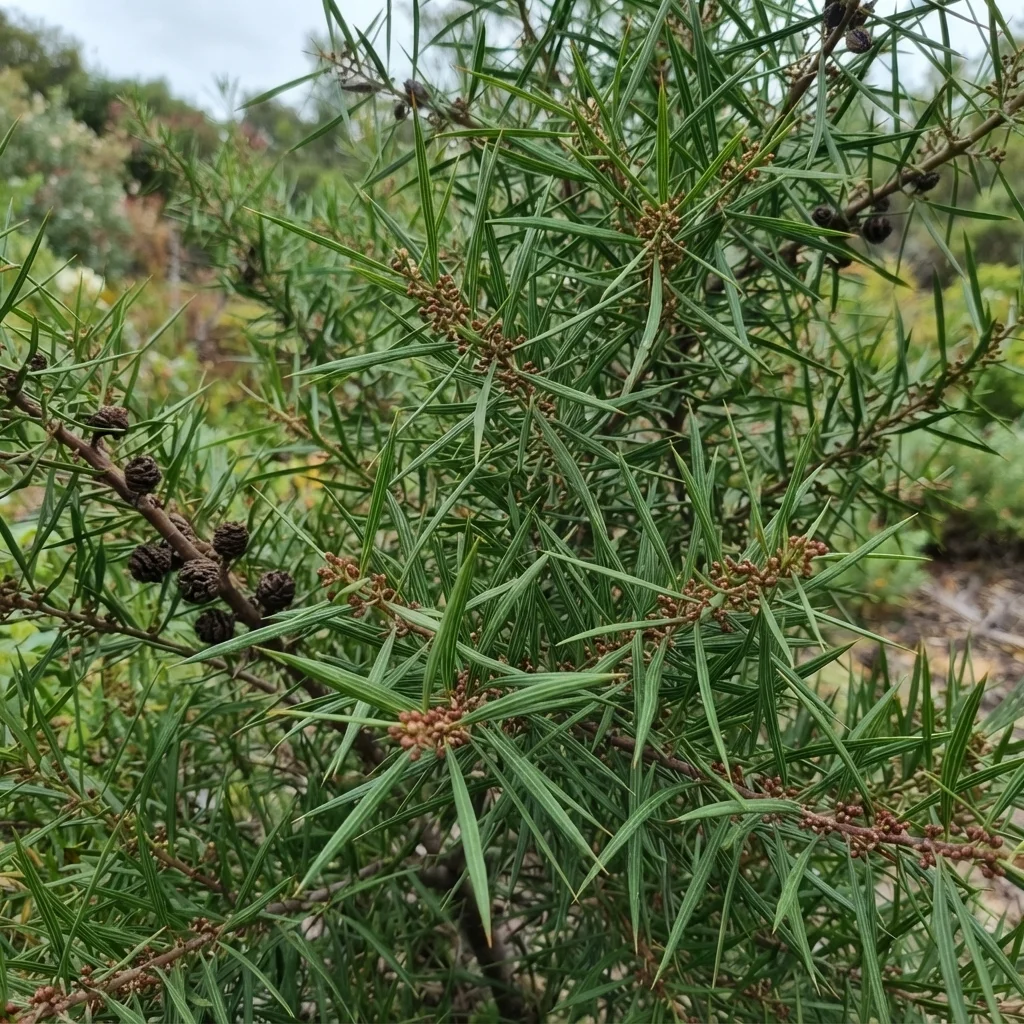
Furze Hakea
Hakea ulicina
Keep exploring
Explore the genus
Hardy in your zone?
Grow Needlewood with confidence
See it in a design of your actual yard, get zone-matched care reminders, and track it season by season in your garden journal.