47 saves
Hakea
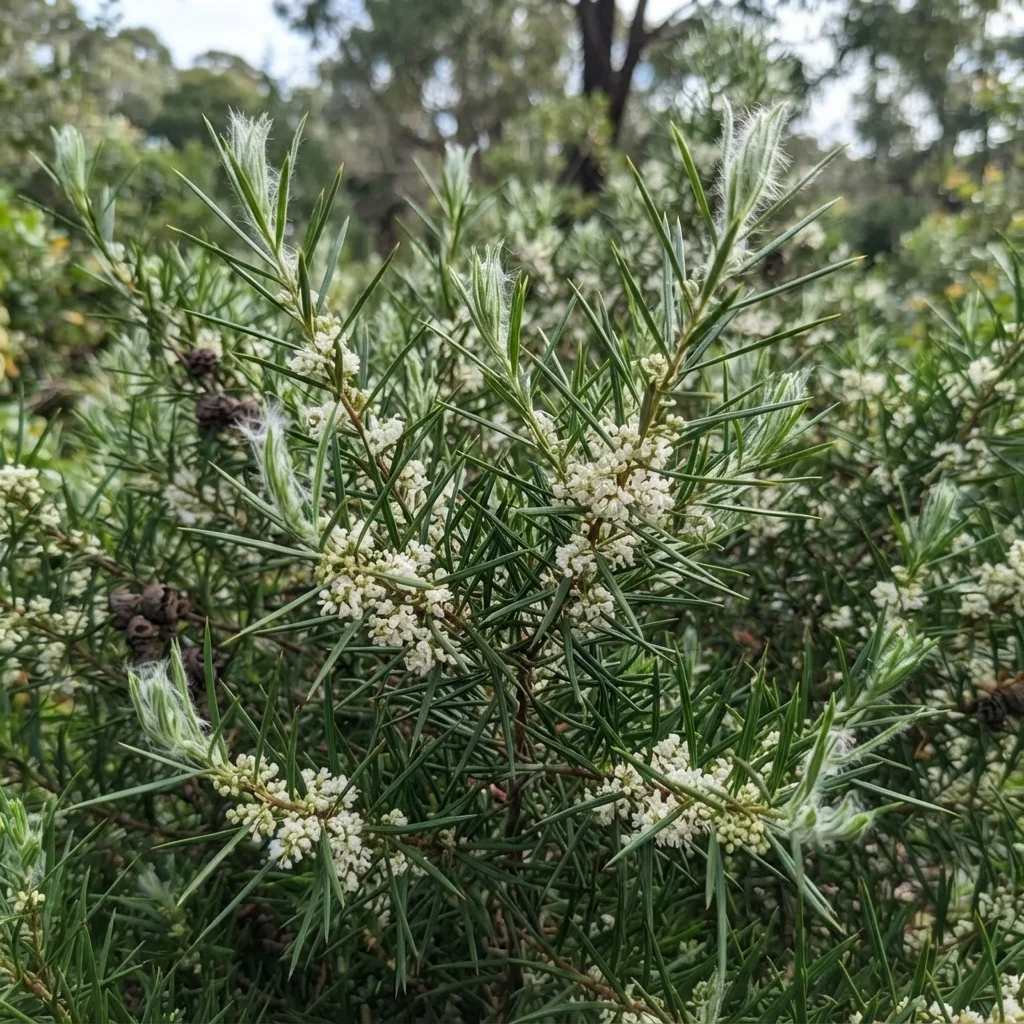
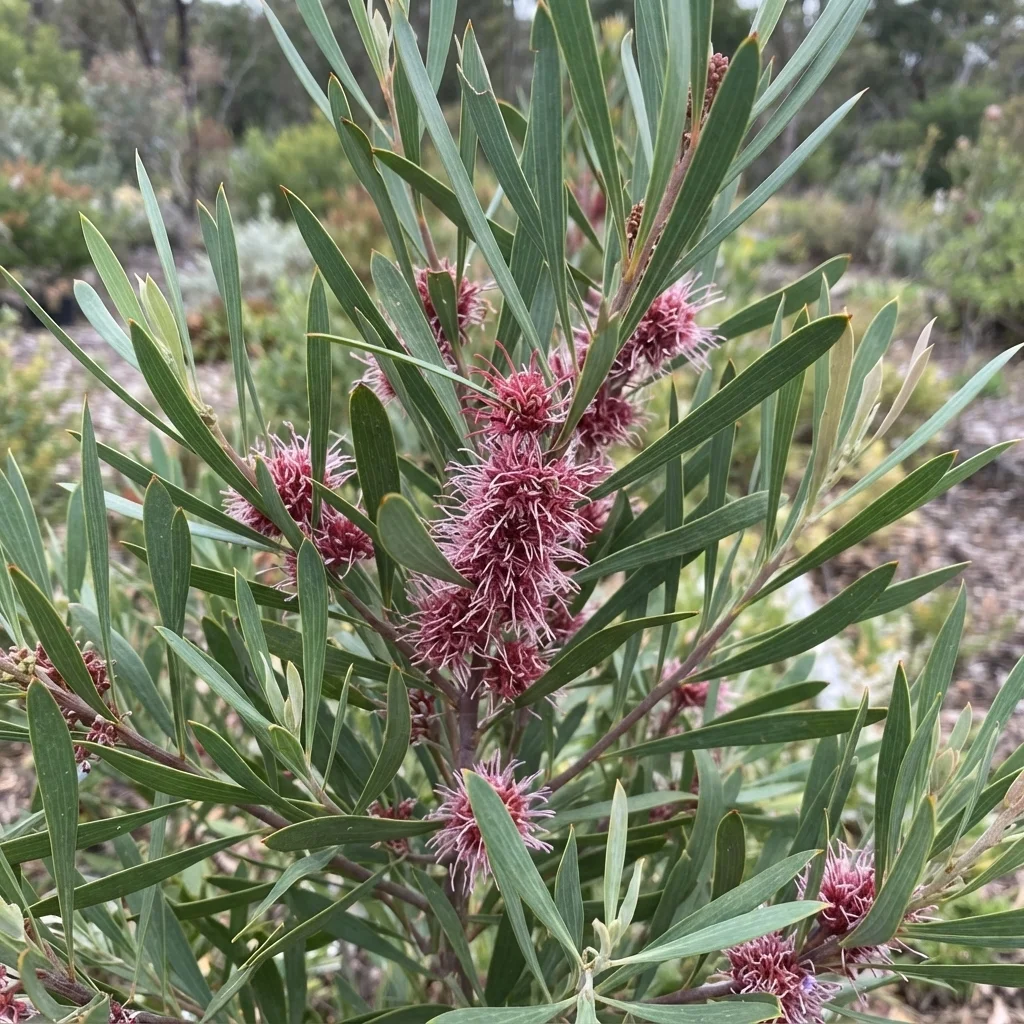
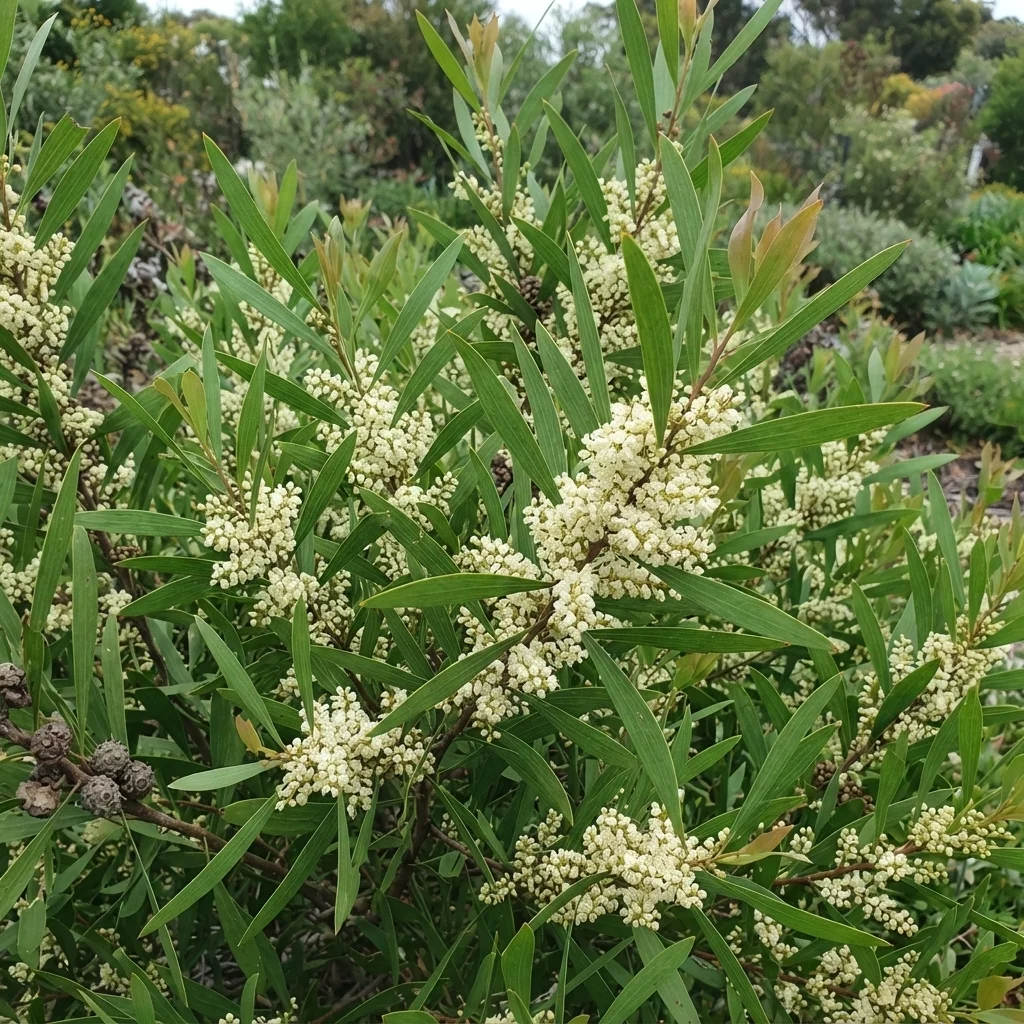
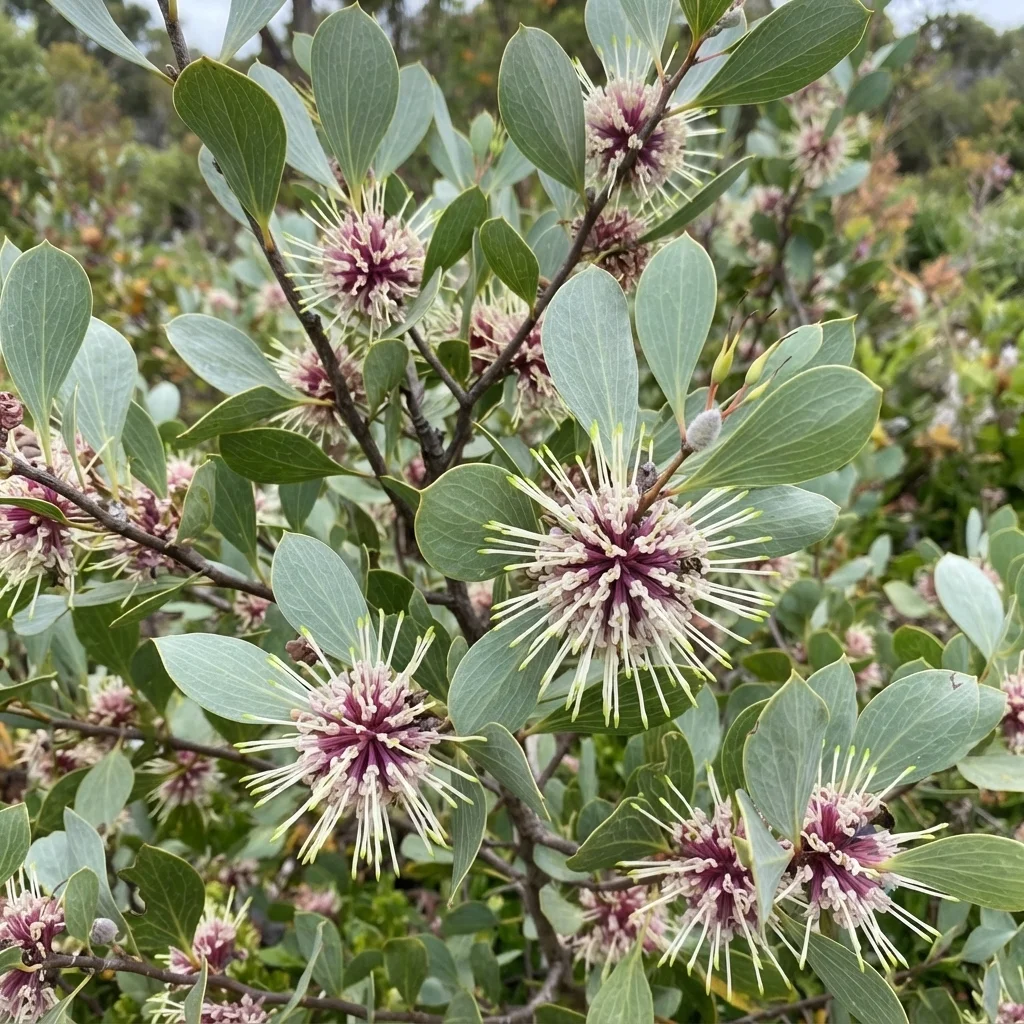
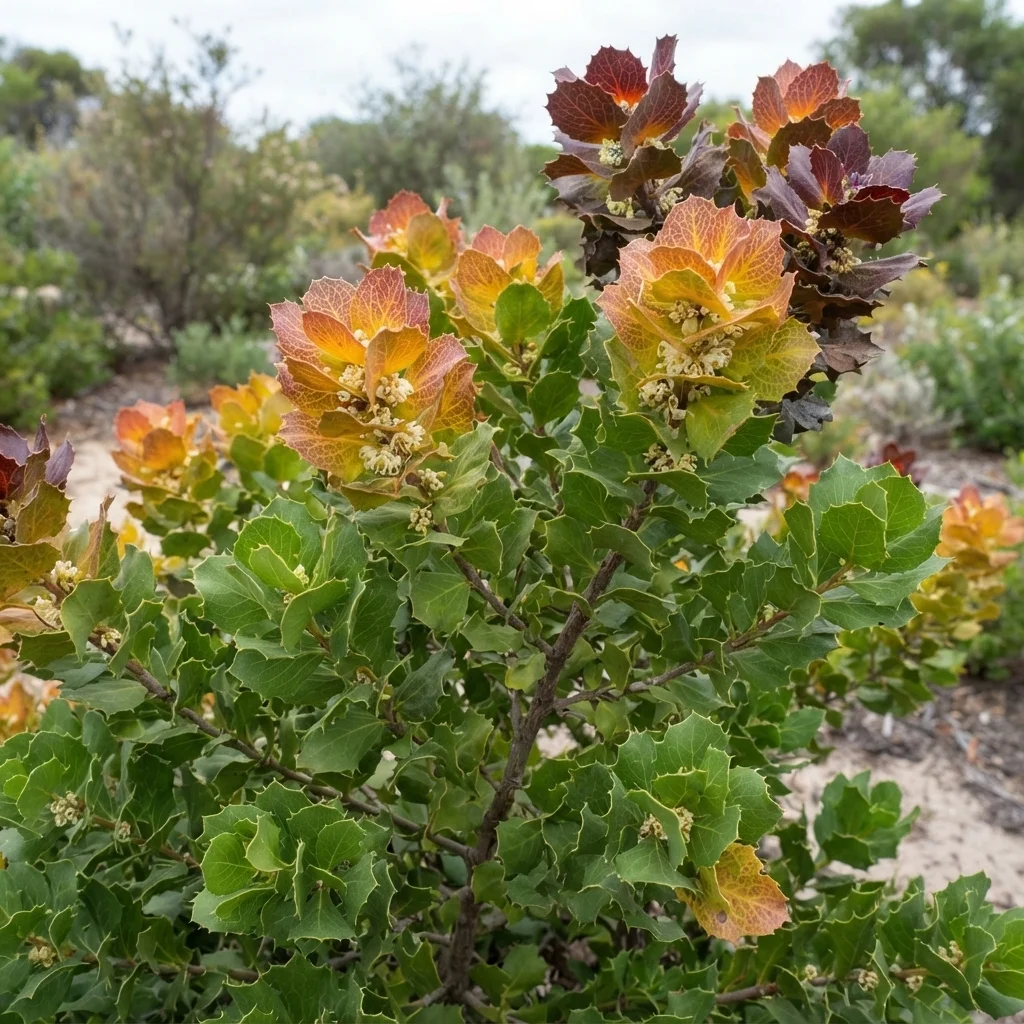
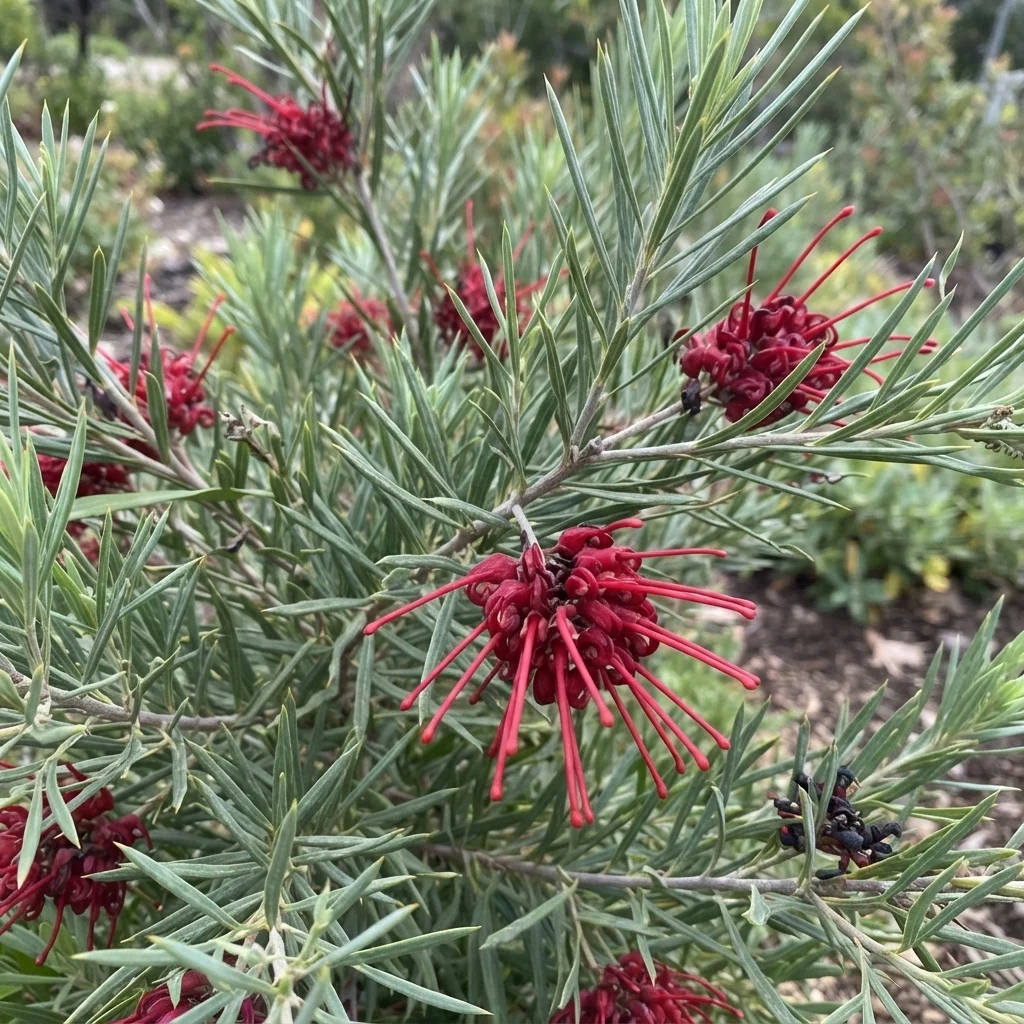
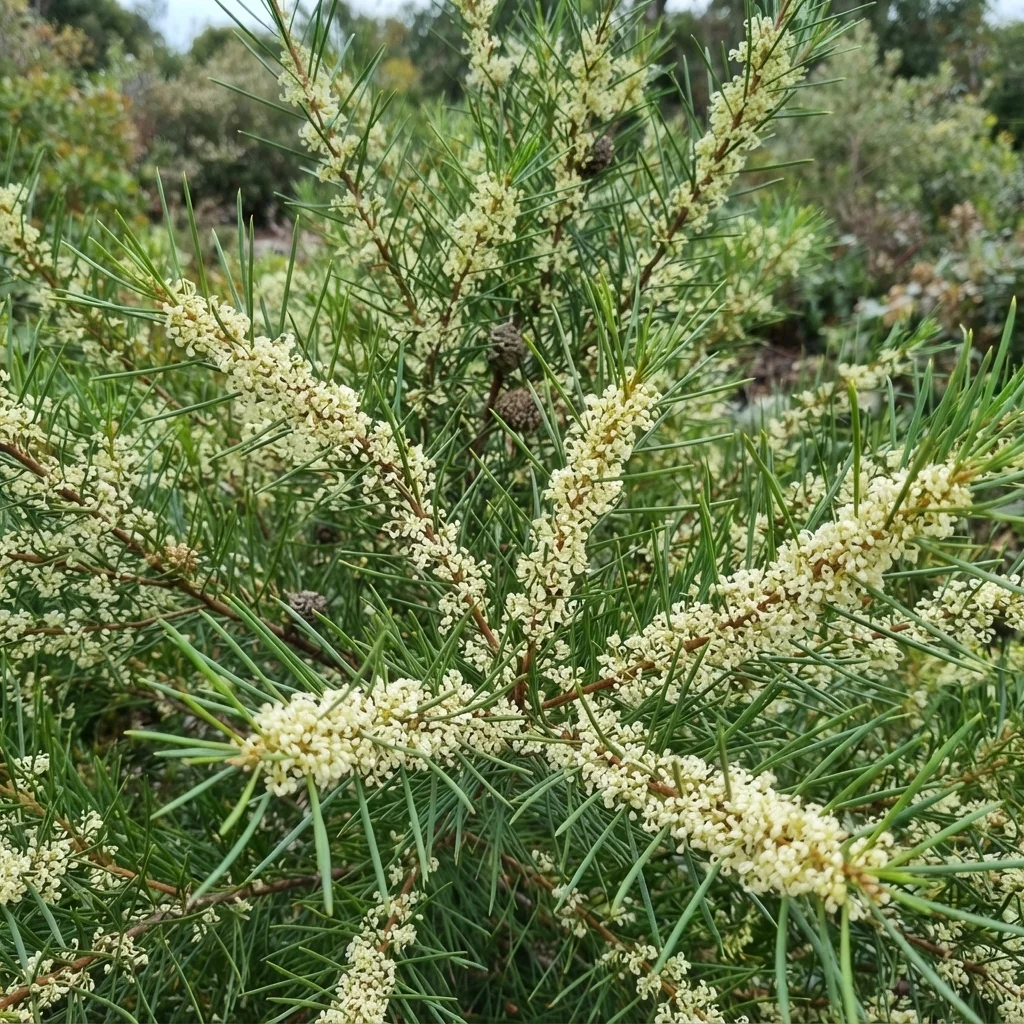
We track 16 varieties; the ones most used by real gardeners.
The 15 most-saved Hakea varieties
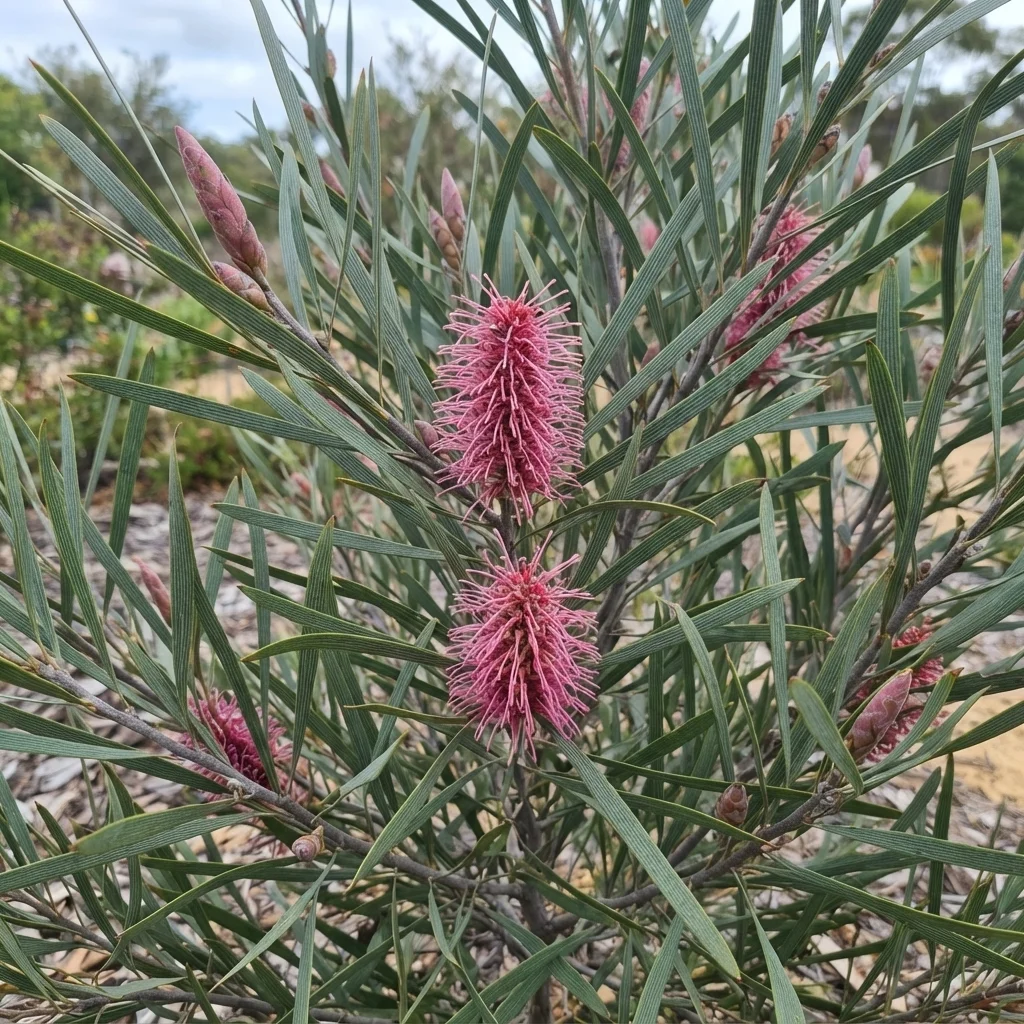
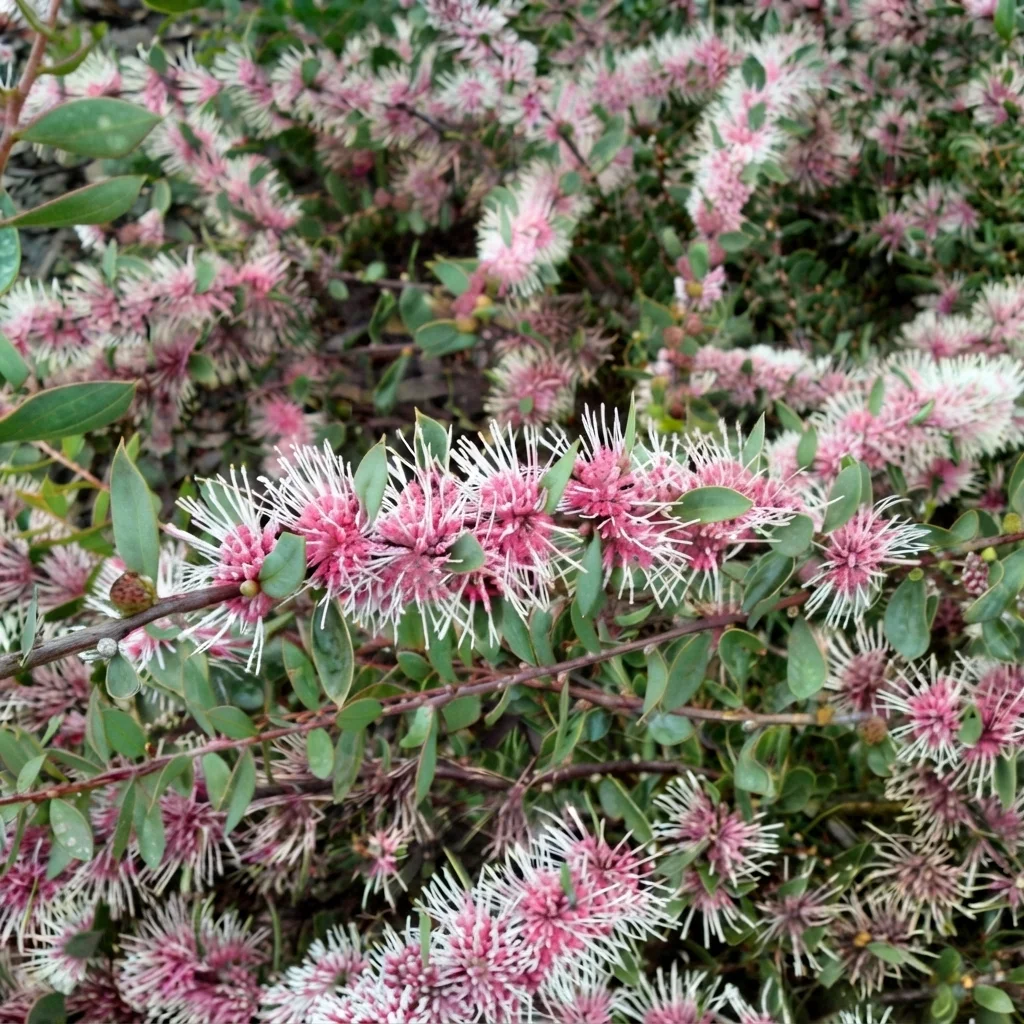
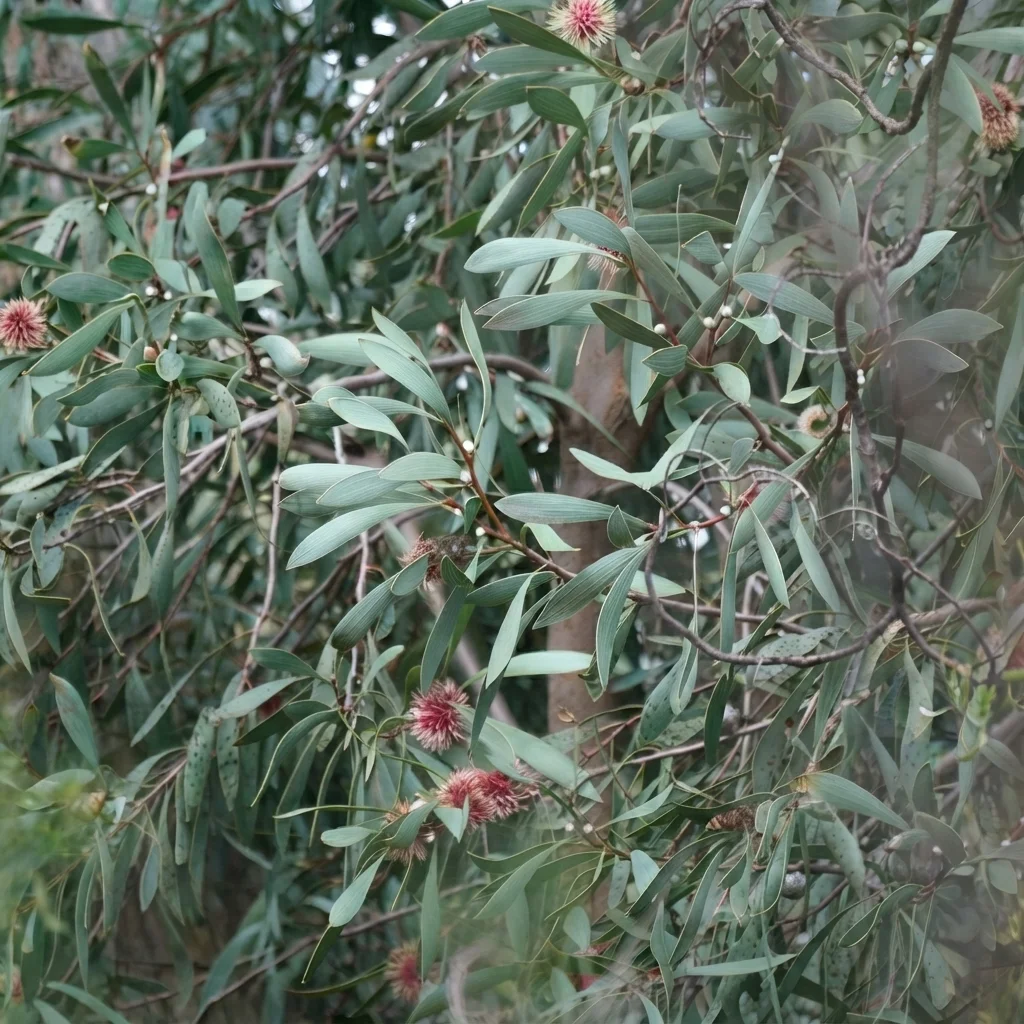
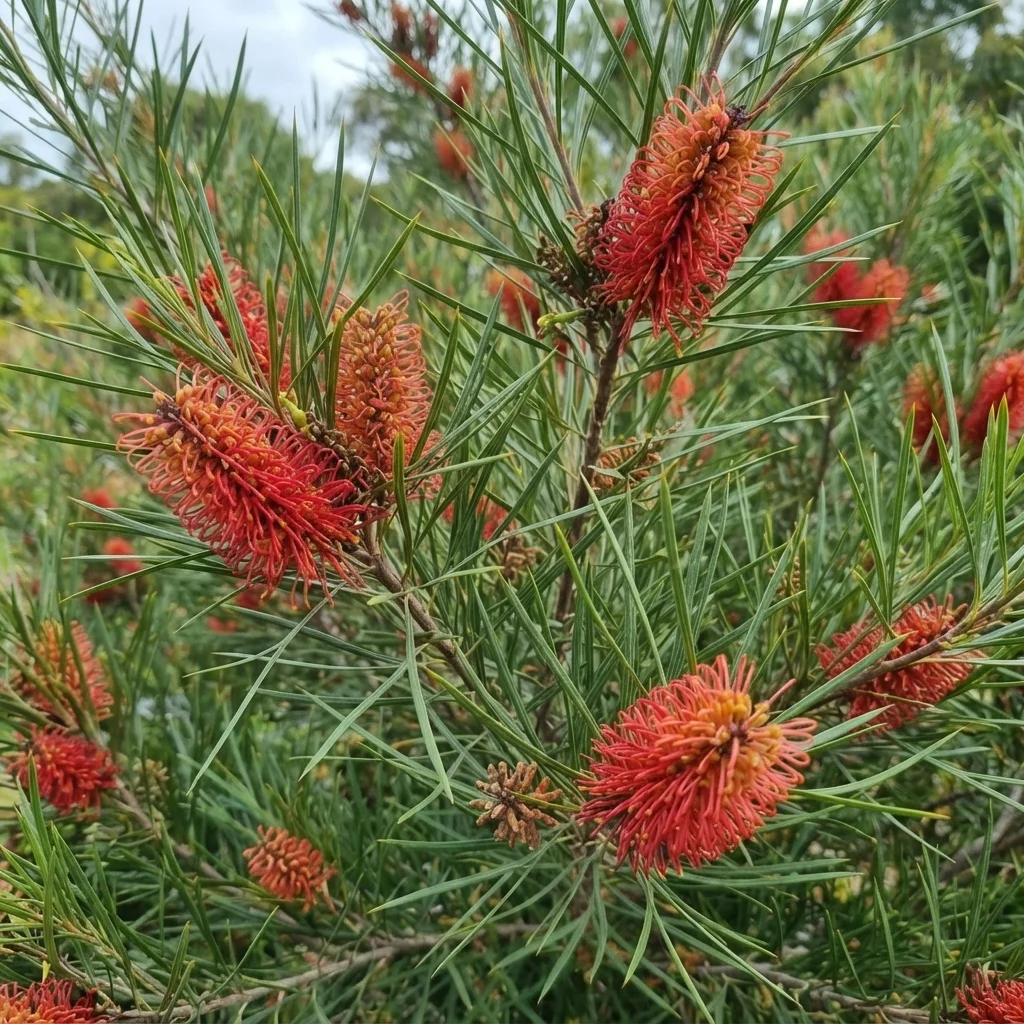
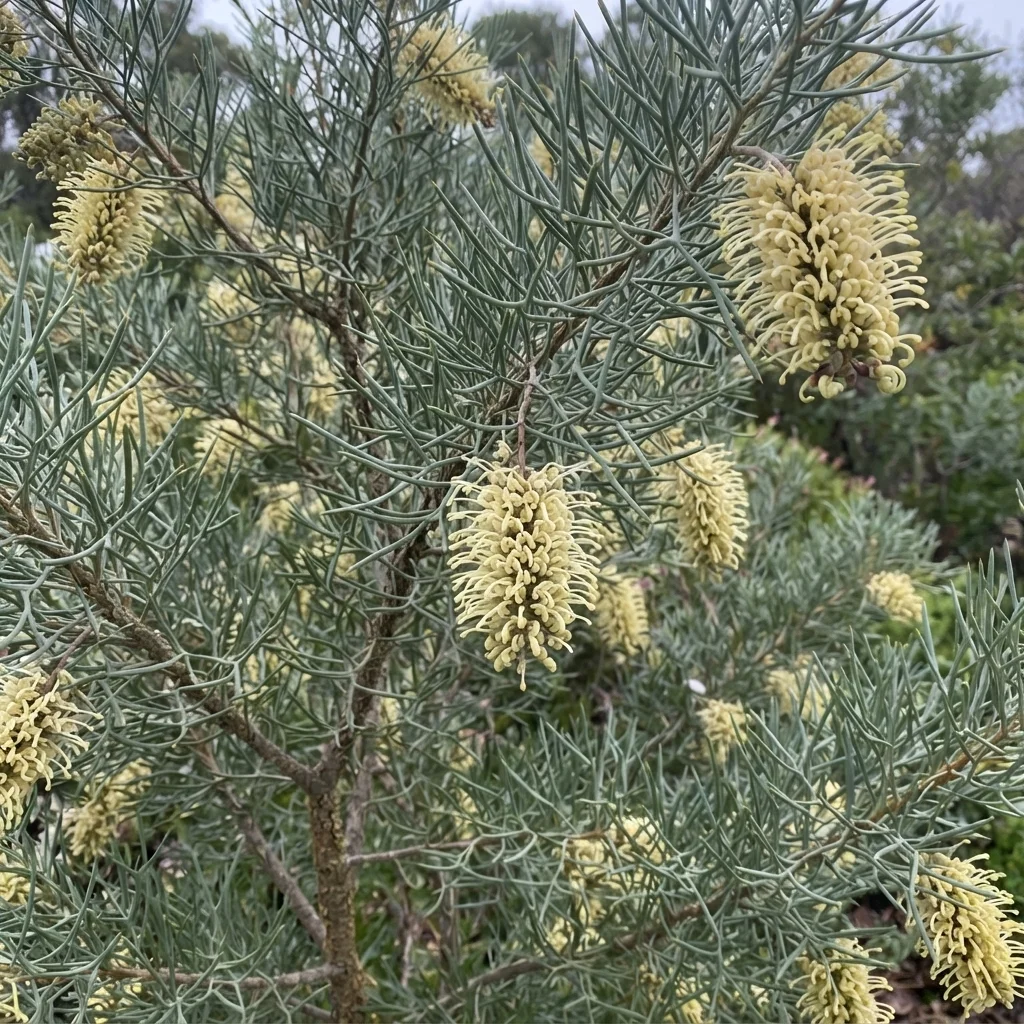
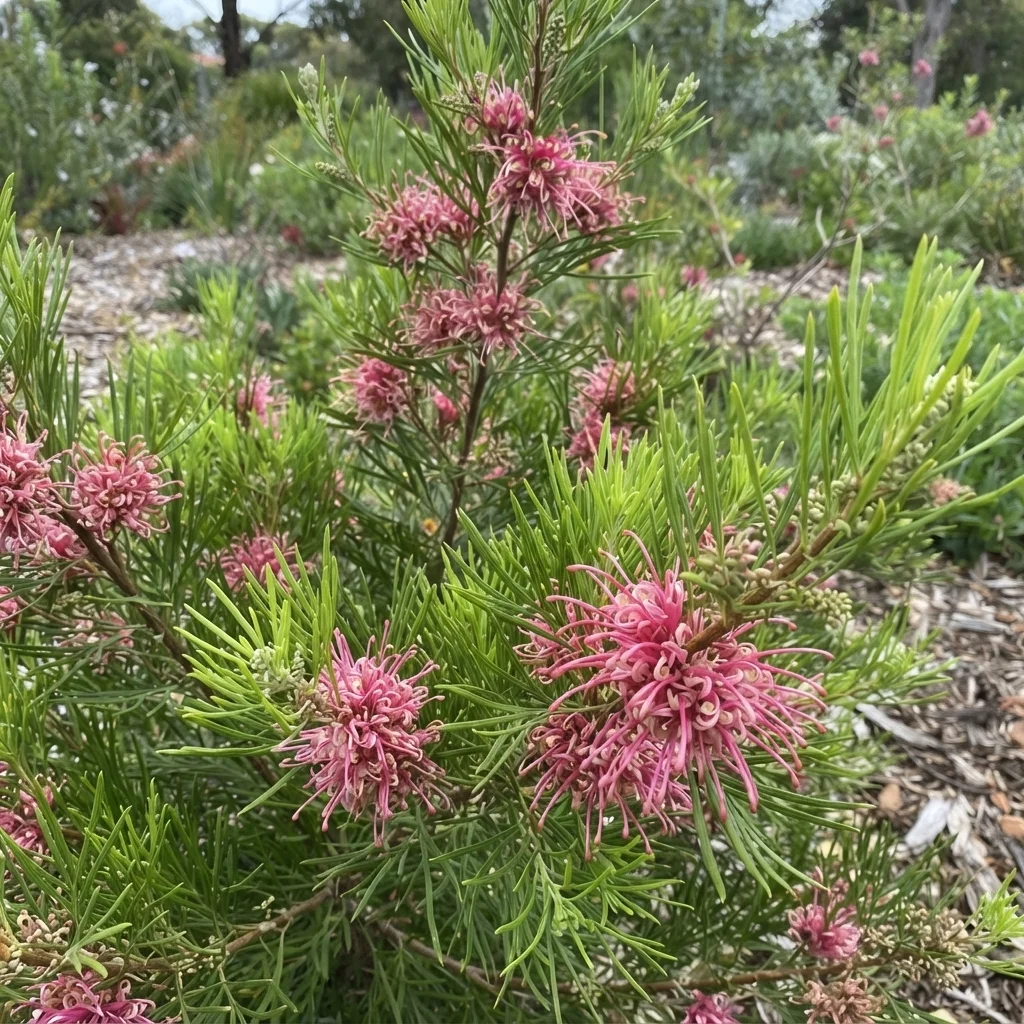
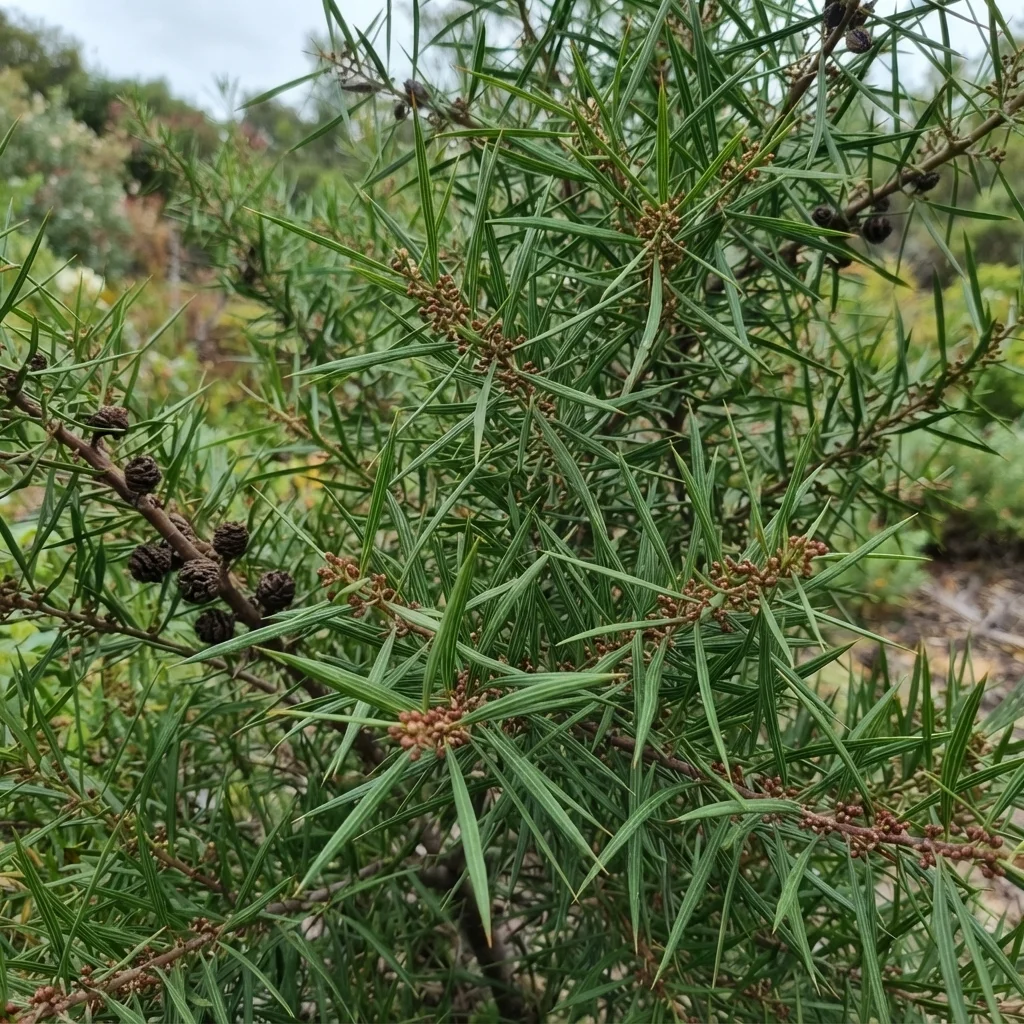
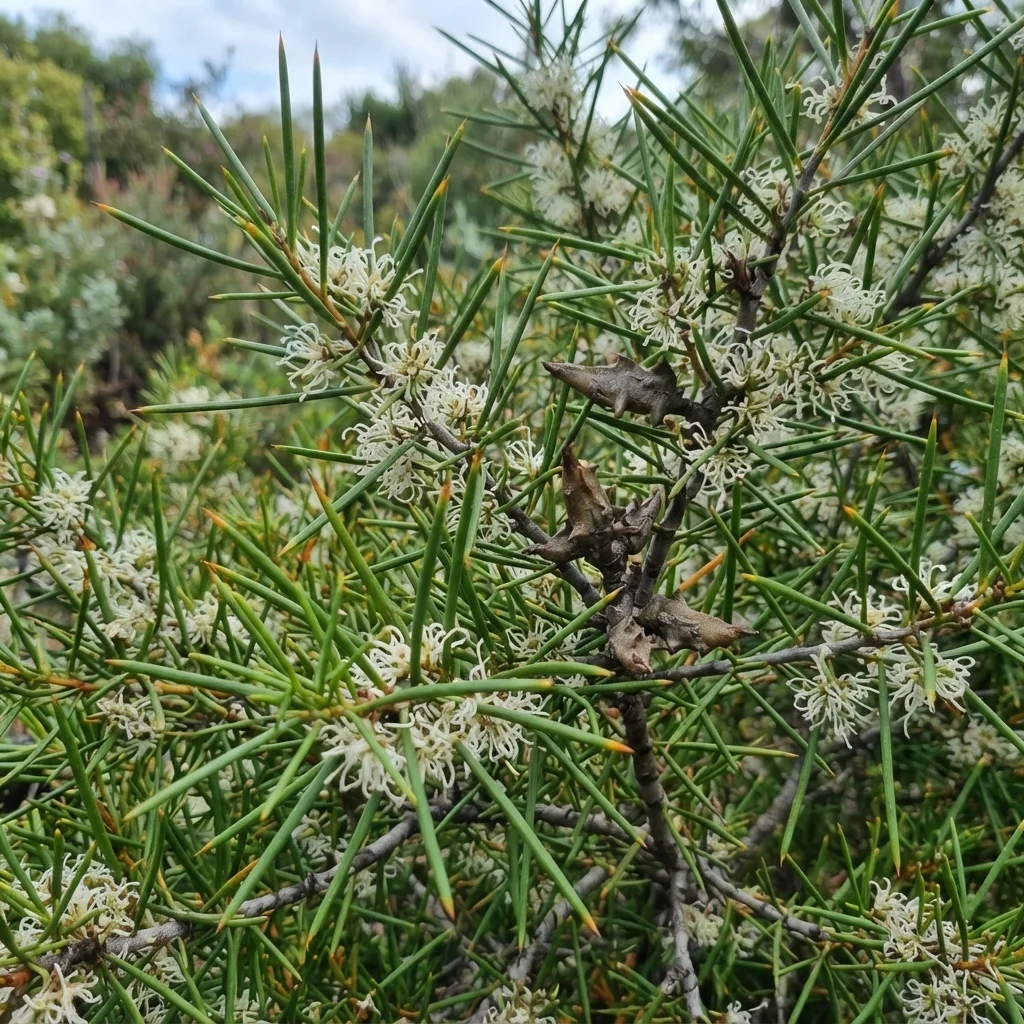
Browse all 16 Hakea varieties →
14 species of Hakea
Each one is a parent of the varieties above.
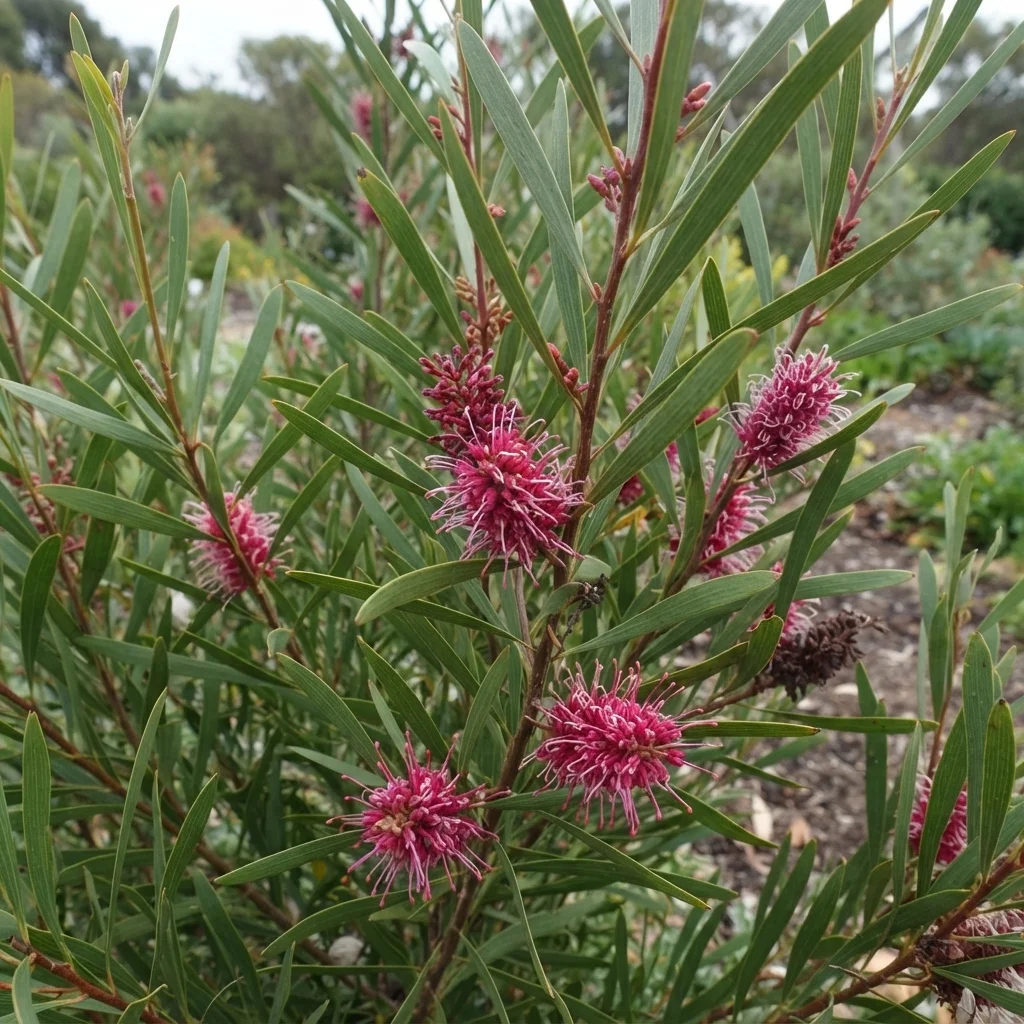
Track your Hakea in Sow
Save the Hakea you grow and get care reminders timed to your zone.
How to grow Hakea
Whats common across all Hakea varieties in our catalog — drawn from the care records of the 16 most-grown of them.
The Hakea year
- PruneMay and June100% of varieties
Perform light tip-pruning after flowering to maintain shape, avoiding old bare wood.
- Check for PestsJune and July100% of varieties
Inspect new growth for aphids or spider mites, especially if grown under glass.
- FertilizeMarch and April94% of varieties
Apply a specialized low-phosphorus native plant fertilizer very sparingly in spring if needed.
- Winter PrepNovember44% of varieties
Protect young plants from severe, prolonged freezing temperatures in marginal zones.
- PlantMarch, April, September and October31% of varieties
Plant out container-grown specimens into sandy, sharply draining soil during early spring.


Do
- Use thick leather gardening gloves when handling the plant to protect skin from the extremely sharp, prickly leaf points.
- Provide excellent air circulation and low-humidity conditions to prevent fungal diseases.
- Apply a specialized low-phosphorus native plant fertilizer very sparingly if feeding is necessary.
- Plant in low-nutrient, sandy, or gravelly soils with a pH between 5.0 and 6.5.
- Use thick leather gloves when handling the plant to avoid painful punctures from the needle-like foliage.
Avoid
- Do not apply standard garden fertilizers containing high levels of phosphorus.
- Do not overwater once the root system is established.
- Do not apply standard high-phosphorus garden fertilizers.
- Do not overwater or plant in heavy clay soils that retain moisture.
What goes wrong with Hakea
| Problem | What you'll see | What to do |
|---|---|---|
| Spider mites | Fine webbing on foliage and stippled, dusty-looking leaves under greenhouse conditions. | Increase ventilation, mist foliage occasionally in dry indoor environments, or apply miticide. |
| Aphids | Clusters of small insects on soft new growth under glass, causing minor leaf curling. | Wash off with a sharp spray of water or apply insecticidal soap if infestation is severe. |
| Scale insects | Small, raised bumps on stems and leaves accompanied by sooty mold. | Scrape off manually or apply a horticultural oil spray during the crawler stage. |
| Rabbits | Chewed young stems and foliage on newly introduced outdoor plants. | Protect young specimens with wire mesh cages until they are established. |
| Phytophthora root rot | Sudden wilting, yellowing foliage, and dieback of branches, accompanied by decaying roots. | Ensure flawless drainage, avoid summer overwatering, and discard infected plants as there is no cure. |
| Powdery mildew | White, powdery fungal patches on foliage during damp, stagnant conditions. | Improve air circulation and avoid overhead watering. |
| Root rot | Sudden wilting, yellowing foliage, and plant collapse triggered by heavy soils or standard garden irrigation. | Ensure flawless drainage, avoid summer watering in heavy soils, and plant in raised beds or sandy mounds. |
Making more Hakea
Seed
- Collect woody follicles and allow them to dry until they split open to release the winged seeds.
- Sow seeds in a well-draining, sandy seed-starting mix without any special pre-treatment.
- Keep the medium lightly moist but never waterlogged in a warm, sunny position.
- Pot up seedlings into individual containers once they are large enough to handle safely.
Semi-hardwood cuttings
- Take 3-4 inch semi-hardwood cuttings in late summer from healthy, non-flowering shoots.
- Remove leaves from the lower half of the cutting and dip the base in rooting hormone.
- Insert into a well-draining medium of perlite and peat moss under mist.
- Provide bottom heat and transplant once a robust root system develops.
Hakea questions
How many types of Hakea are there?
The Sow catalog tracks 16 distinct Hakea varieties. The most popular — ranked by 47 real gardeners — are shown first above.
What zones does Hakea grow in?
Across its varieties, Hakea covers USDA Zones 8–10. Individual varieties differ — each plant page lists its exact range, and Sow filters the catalog to your zone automatically.
When does Hakea bloom?
Most Hakea varieties bloom in winter, autumn, late fall. Staggering early, mid, and late varieties extends the genus's season in one bed.
Which Hakea should I choose?
Start from the most-saved varieties above — popularity across thousands of gardens is a strong signal of reliability — then filter by your zone and sun. In the Sow app you can preview any of them in a photo of your actual yard before you buy.