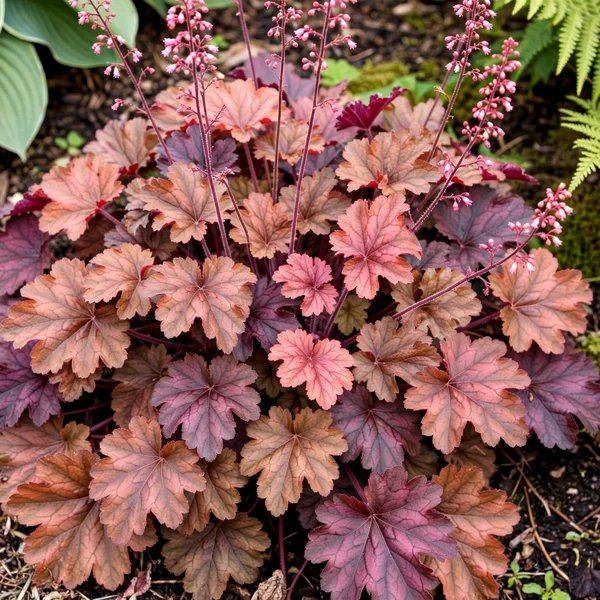
Species
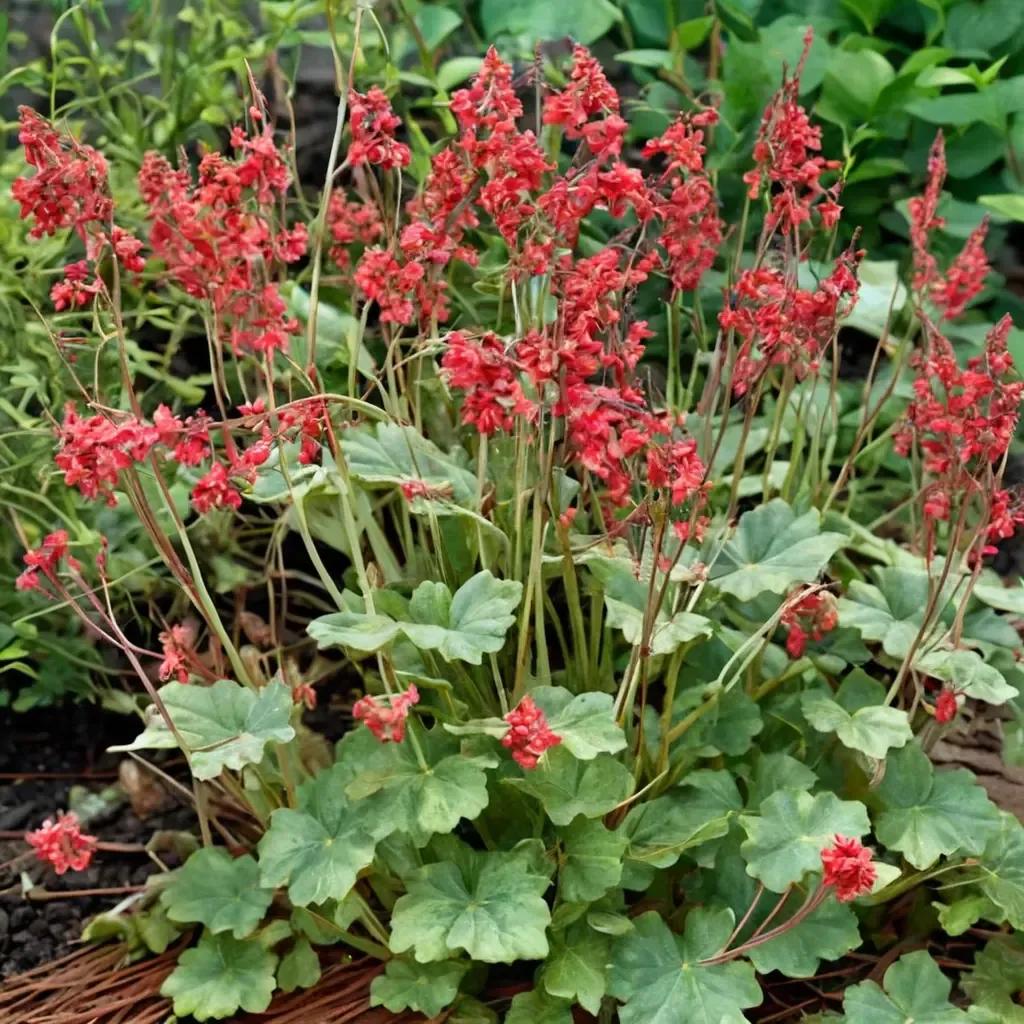 Heuchera x brizoidesCoral Bells
31 other cultivars
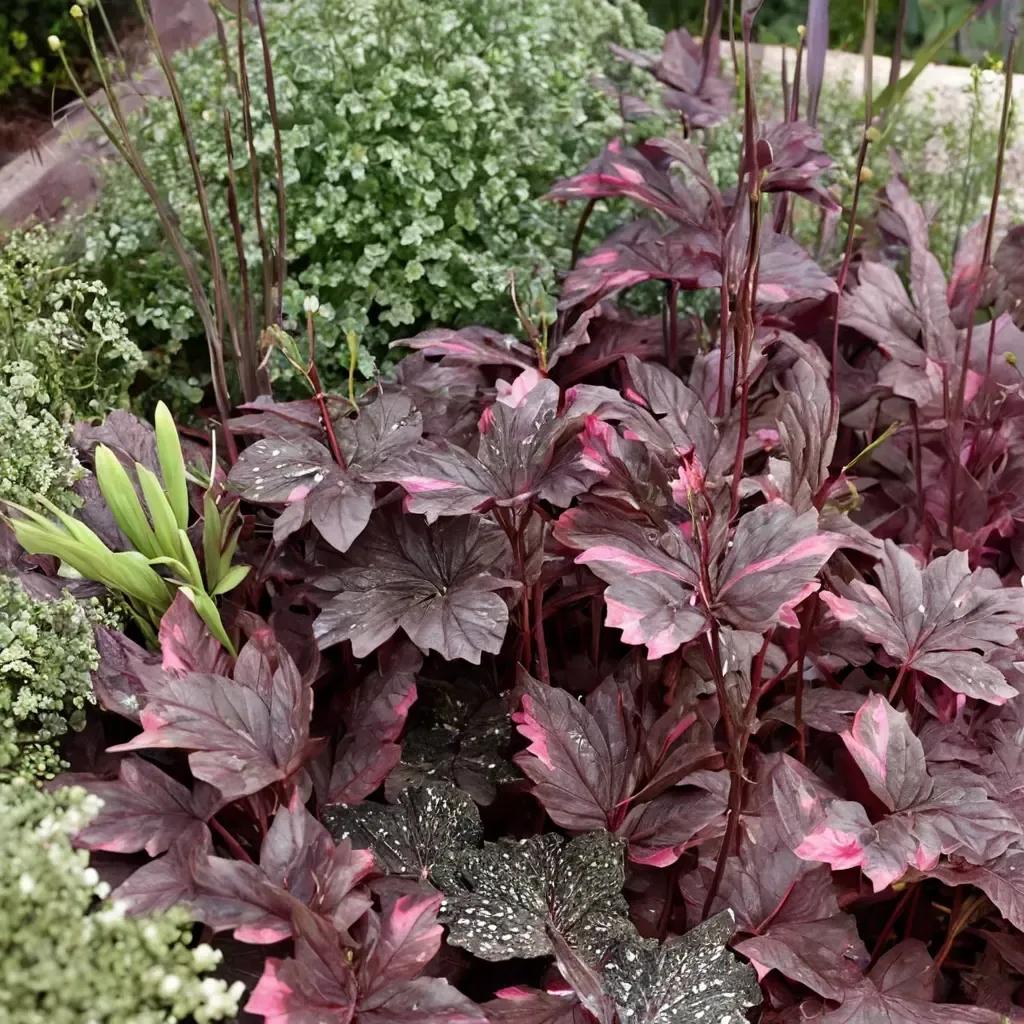 ‘Midnight Rose’Midnight Rose Coral Bell
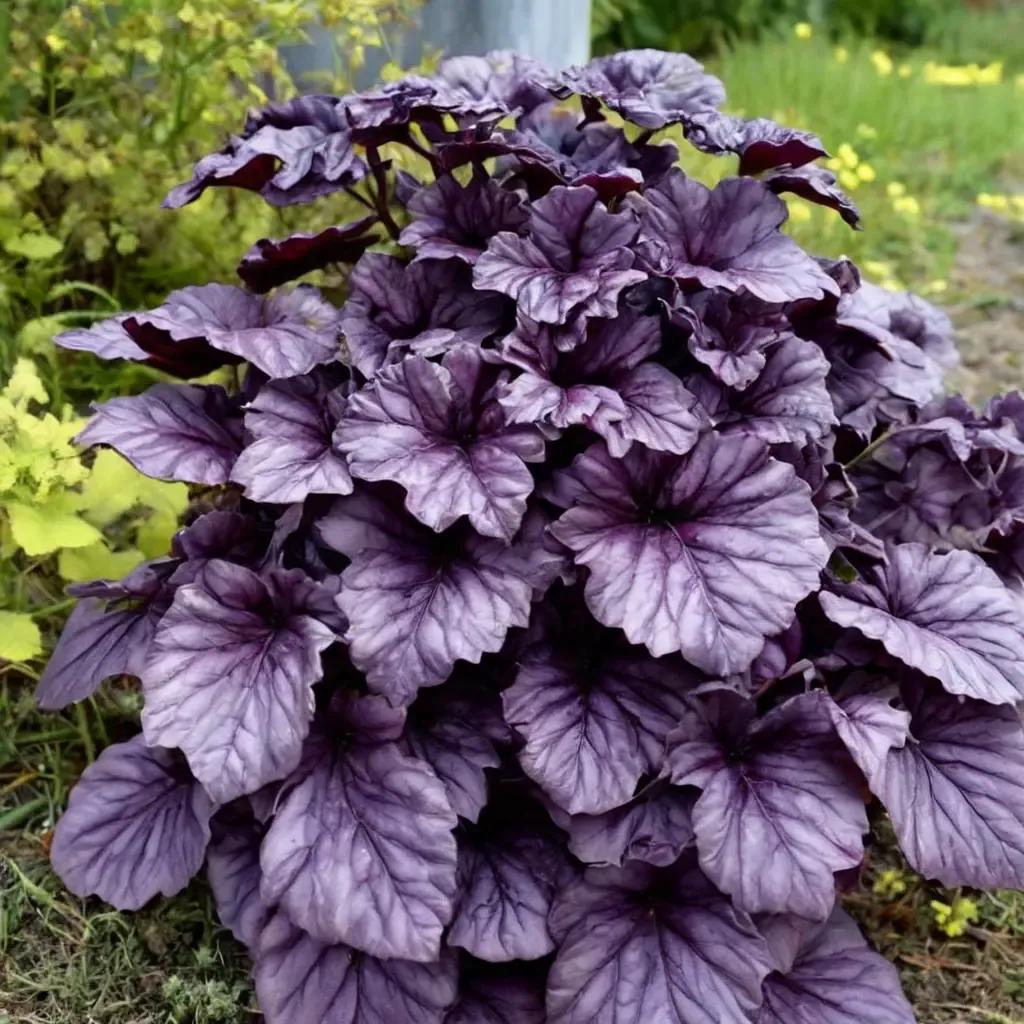 ‘Wildberry’Wildberry Coral Bells
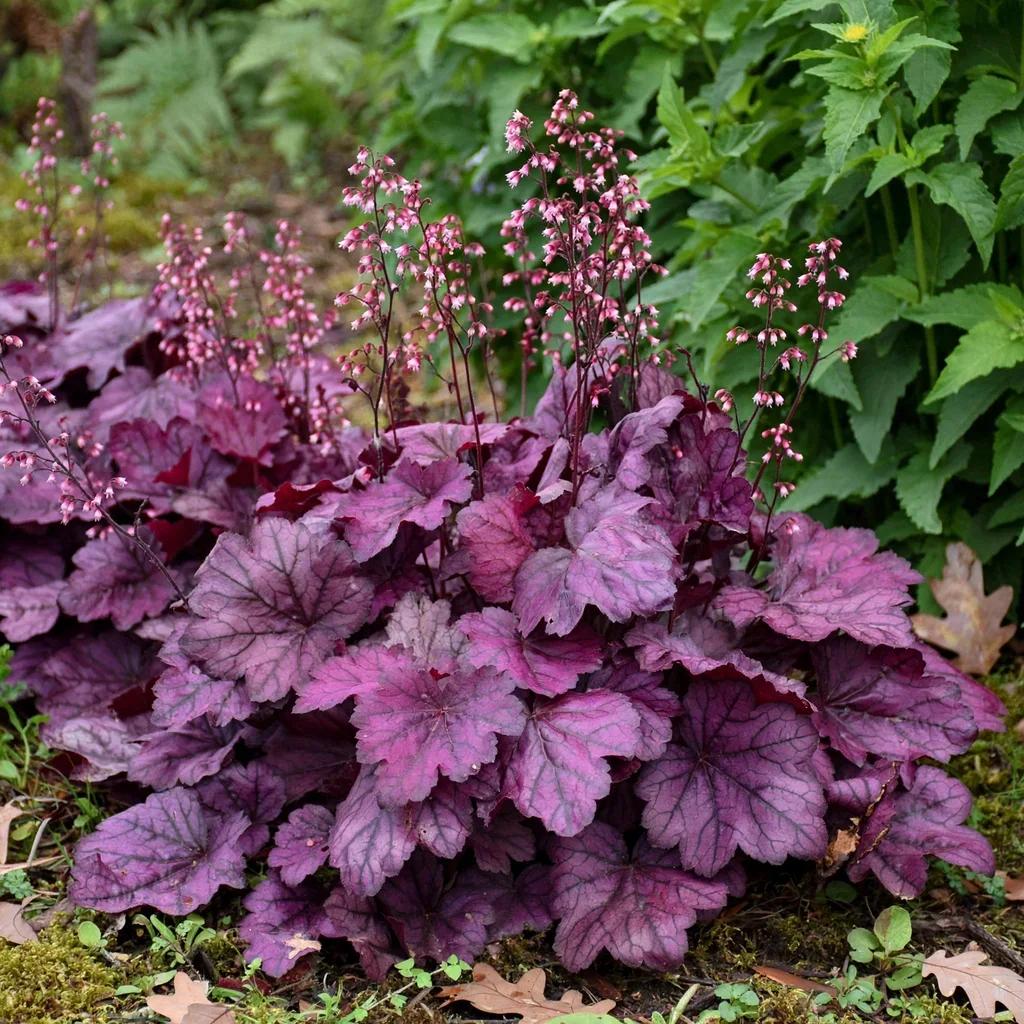 ‘Wild Rose’Wild Rose Coral Bells
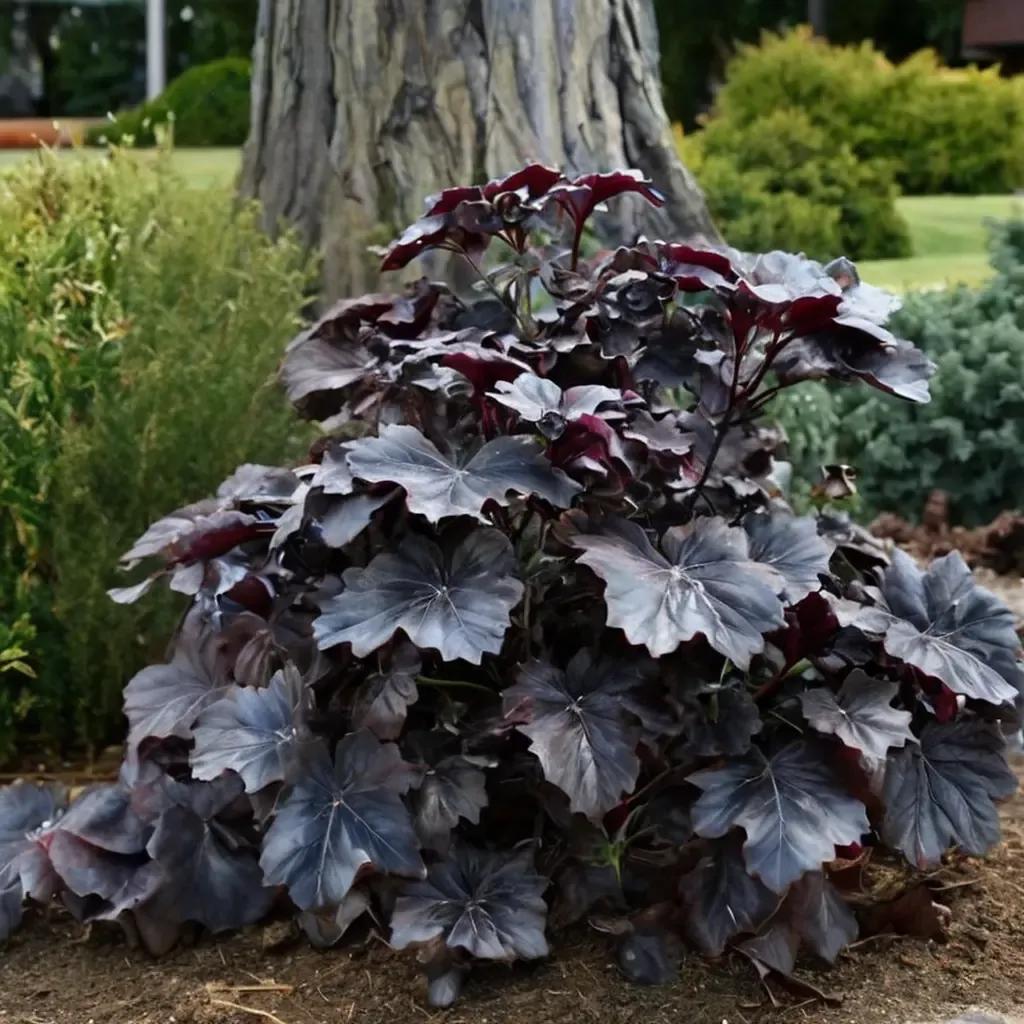 ‘Black Pearl’Black Pearl Coral Bells
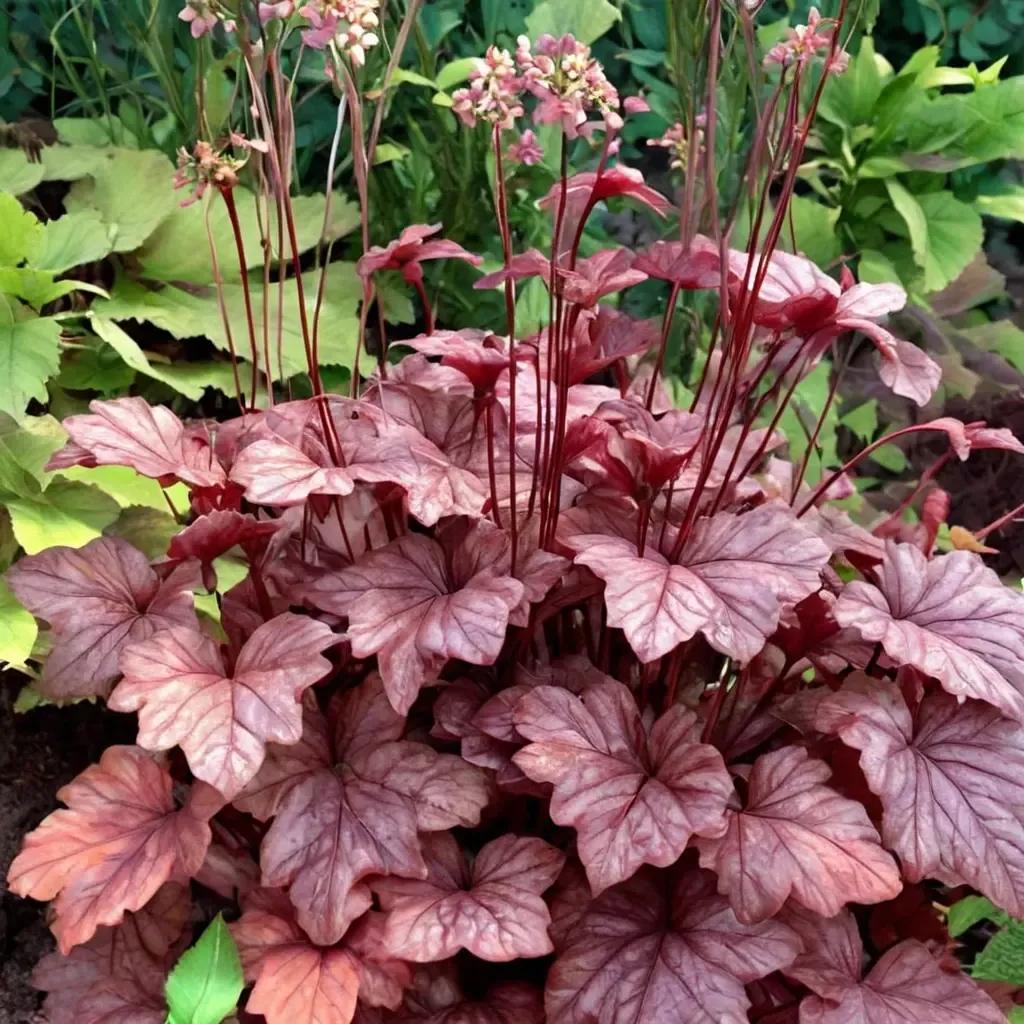 ‘Berry Smoothie’Berry Smoothie Coral Bell
 ‘Boom Chocolatta’Boom Chocolatta Coral Bells
 ‘Red Lightning’Red Lightning Coral Bell
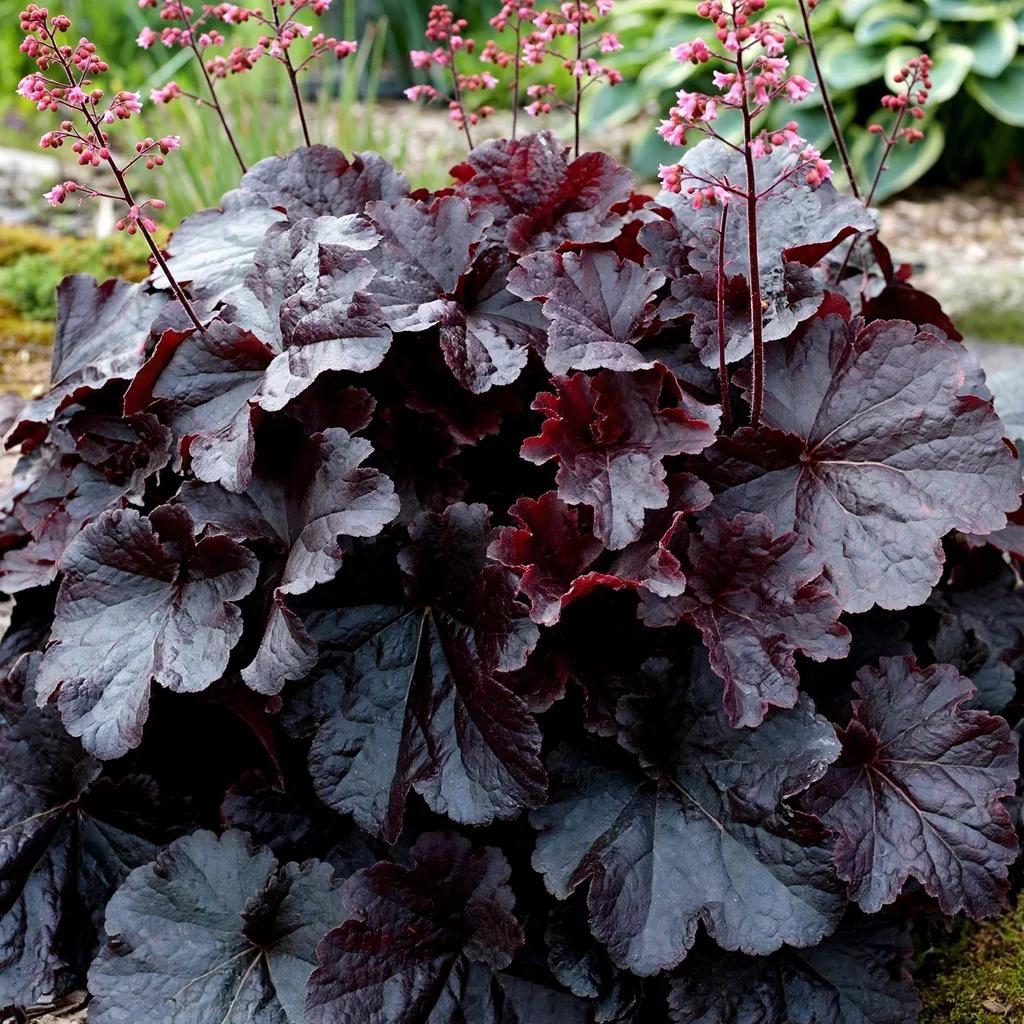 ‘Northern Exposure Black’Northern Exposure Black Coral Bells
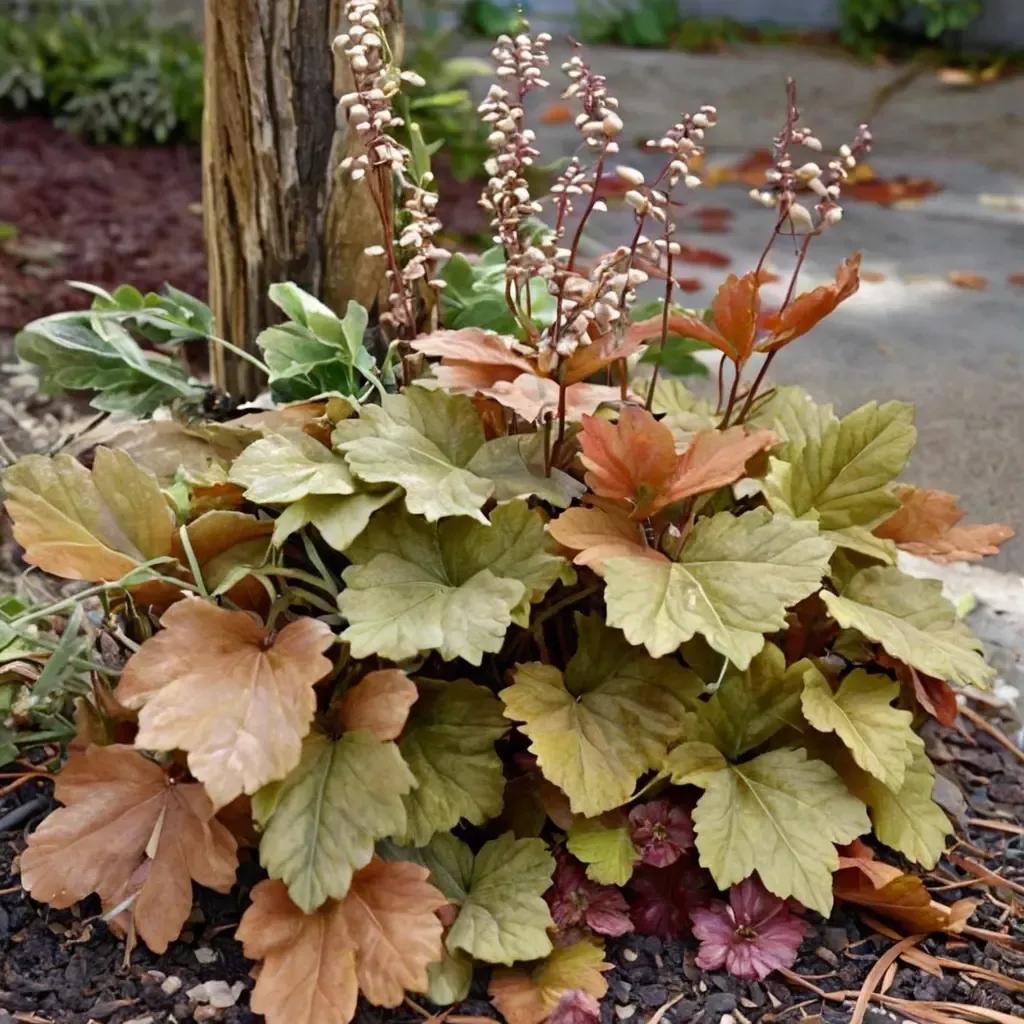 ‘Toffee Tart’Toffee Tart Coral Bells
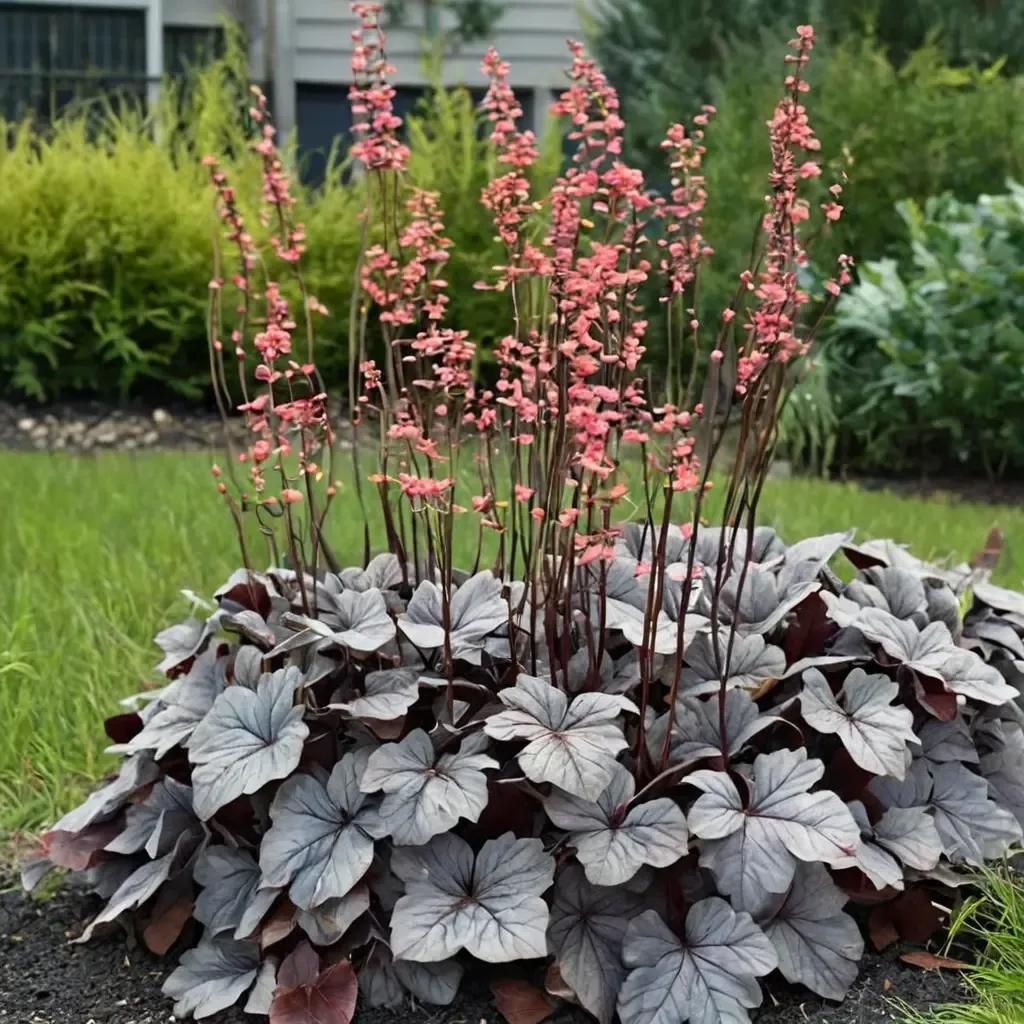 ‘Silver Gumdrop’Coral Bells 'Silver Gumdrop'
 ‘Peach Crisp’Peach Crisp Coral Bells
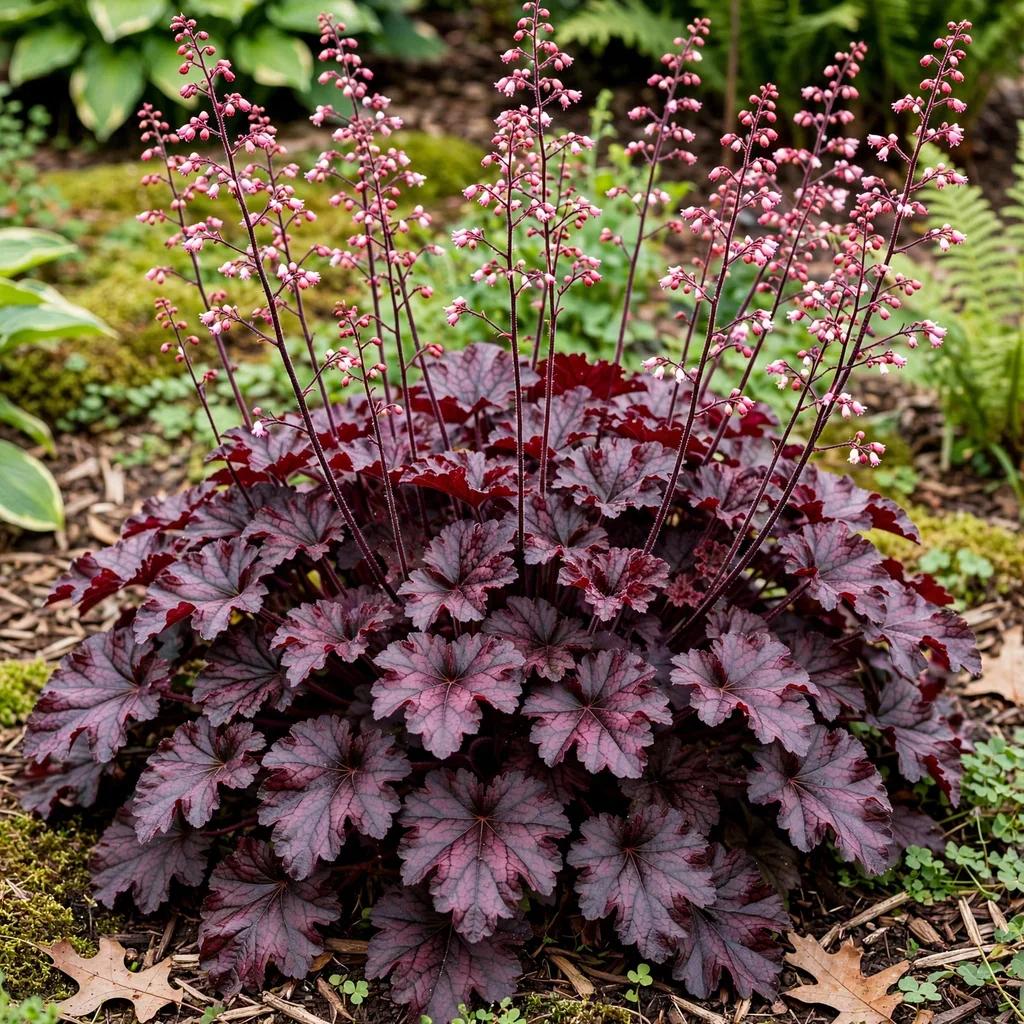 ‘Cherry Truffles’Cherry Truffles Coral Bells
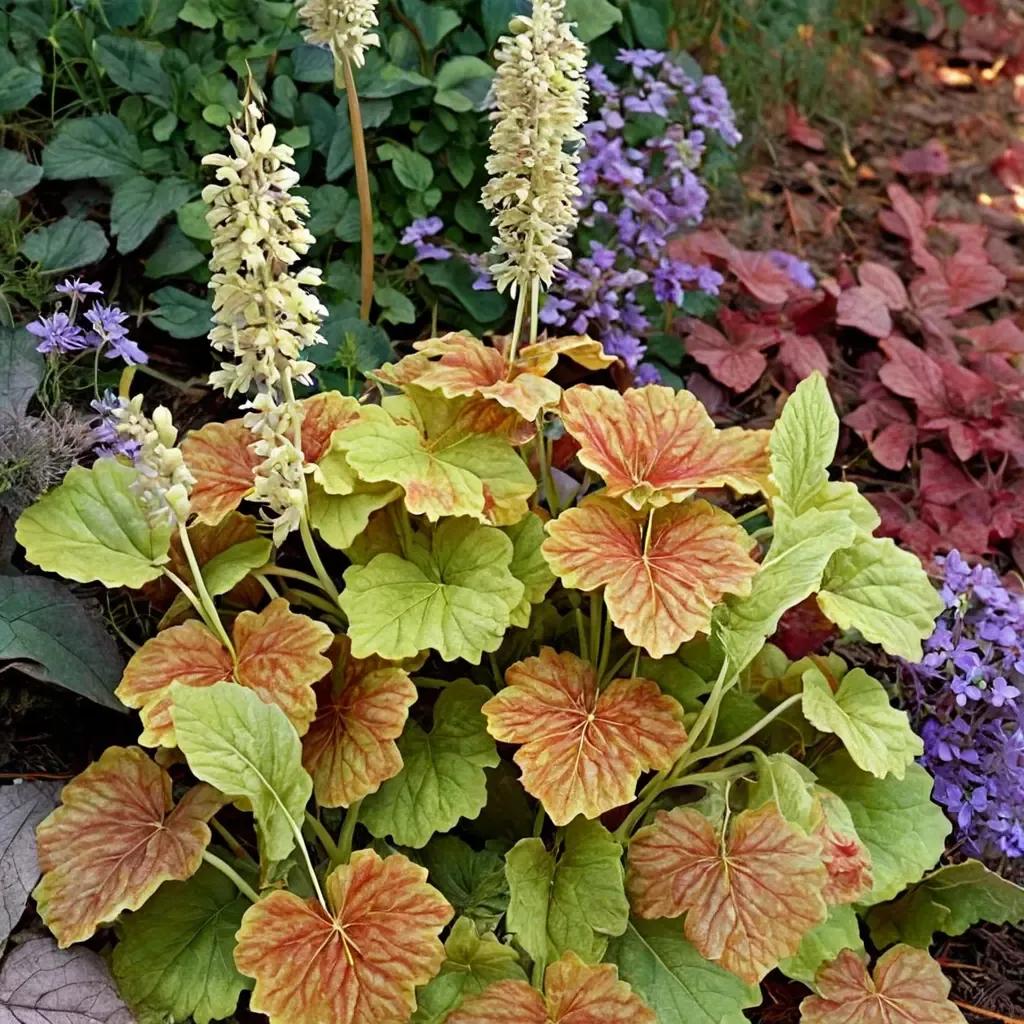 ‘Delta Dawn’Delta Dawn Coral Bell
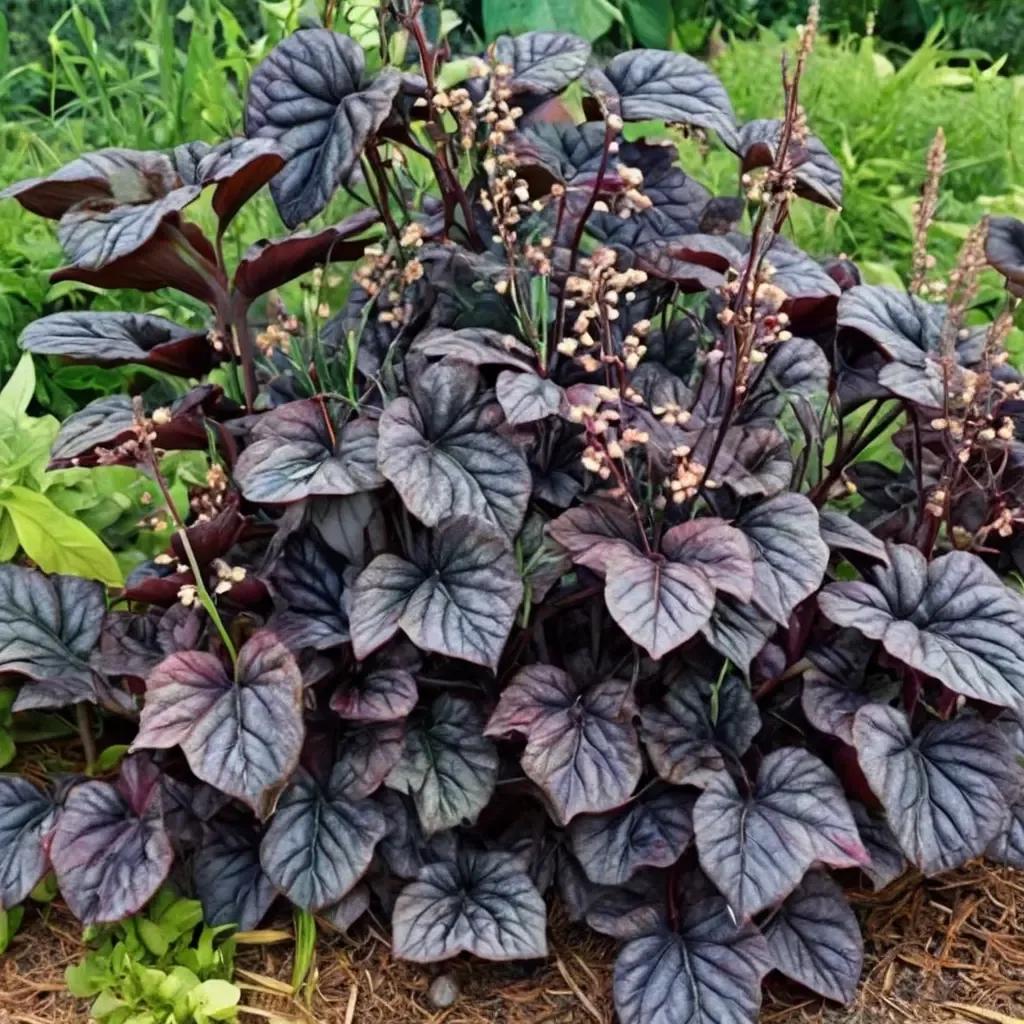 ‘Grape Expectations’Grape Expectations Coral Bells
 ‘Berry Timeless’Berry Timeless Coral Bells
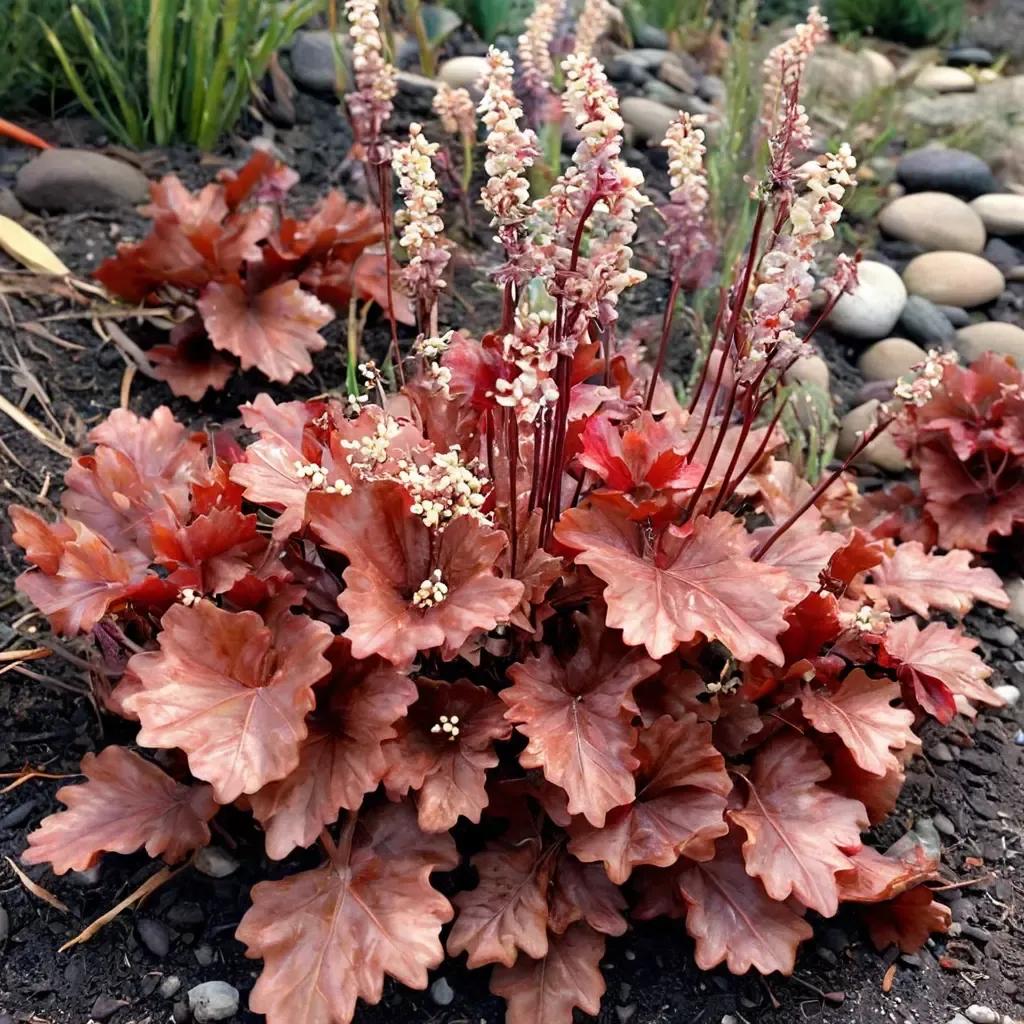 ‘Ruby Tuesday’Ruby Tuesday Coral Bell
 ‘Forever Red’Forever Red Coral Bells
 ‘Mega Caramel’Mega Caramel Coral Bell
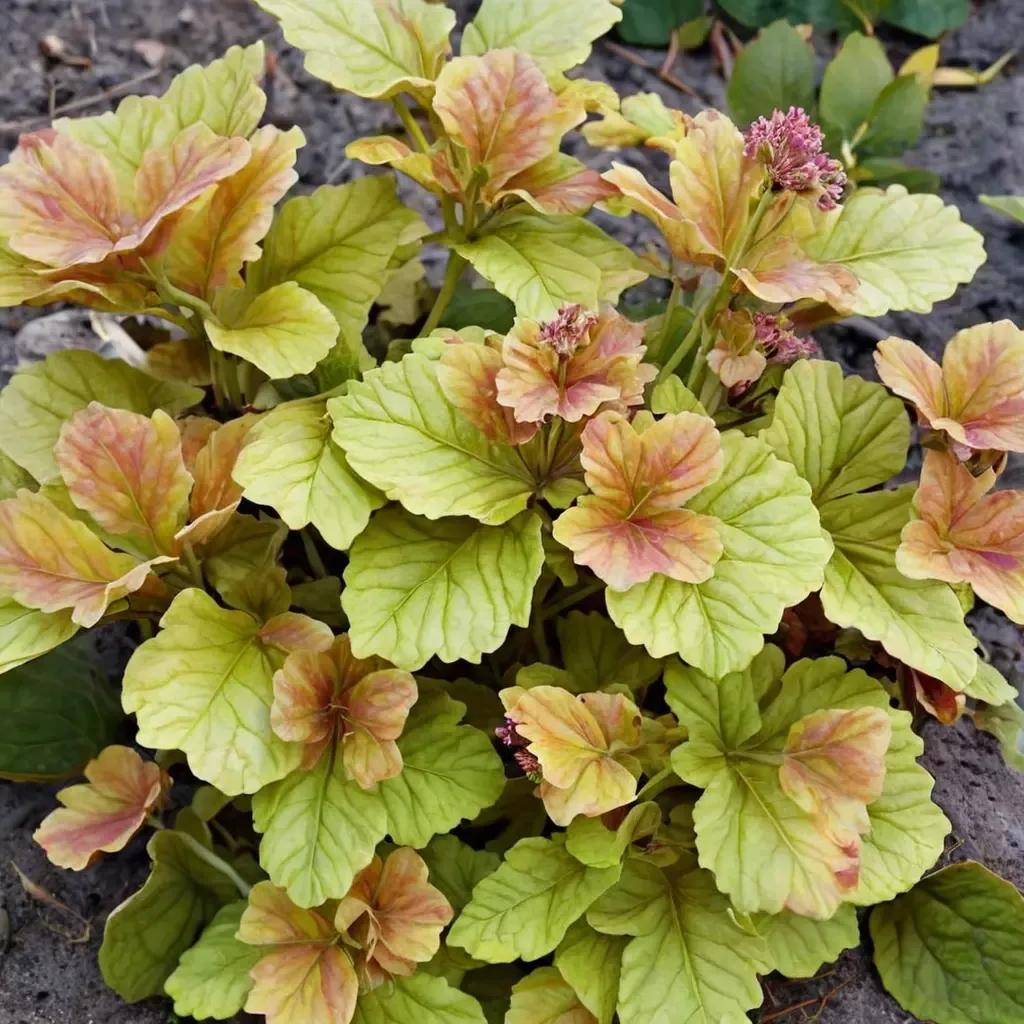 ‘Happy Flames’Happy Flames Coral Bells
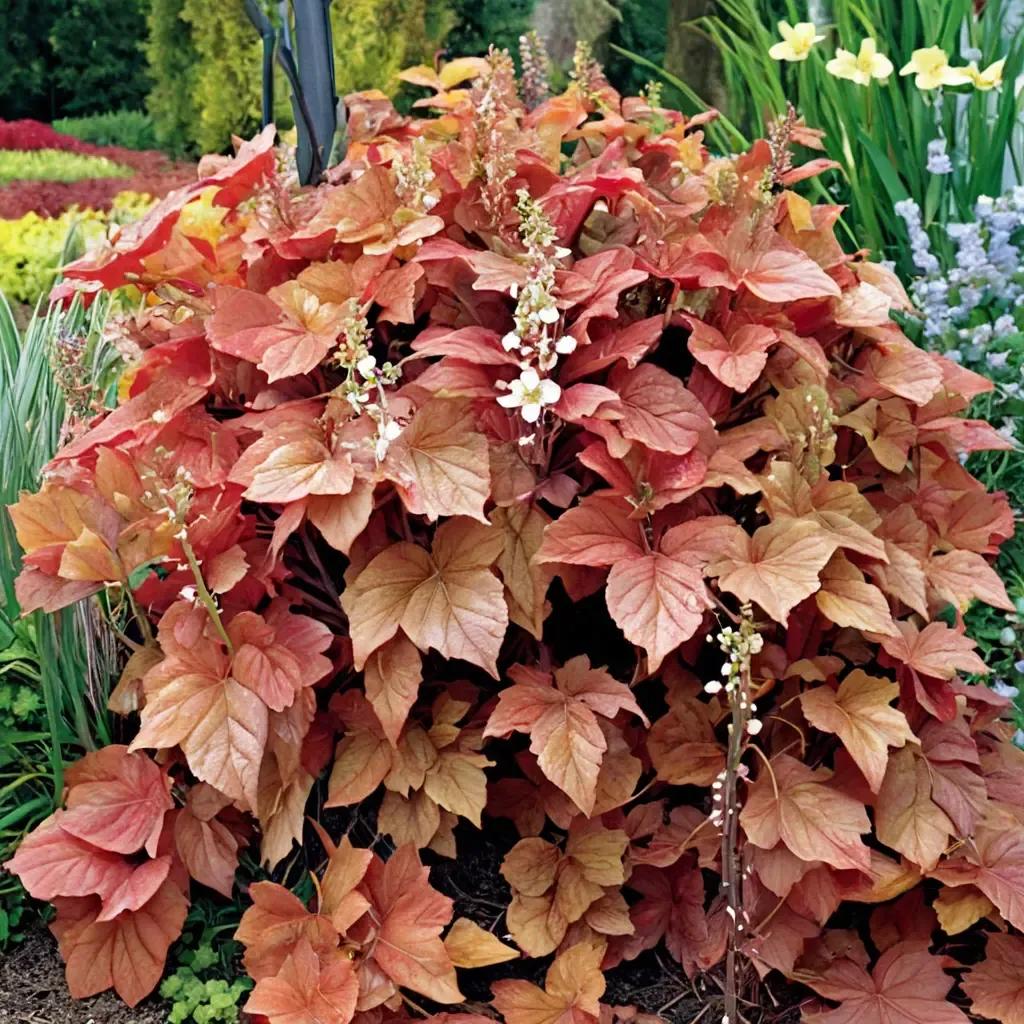 ‘Redstone Falls’Redstone Falls Coral Bell
 ‘Sweet Tea’Sweet Tea Coral Bells
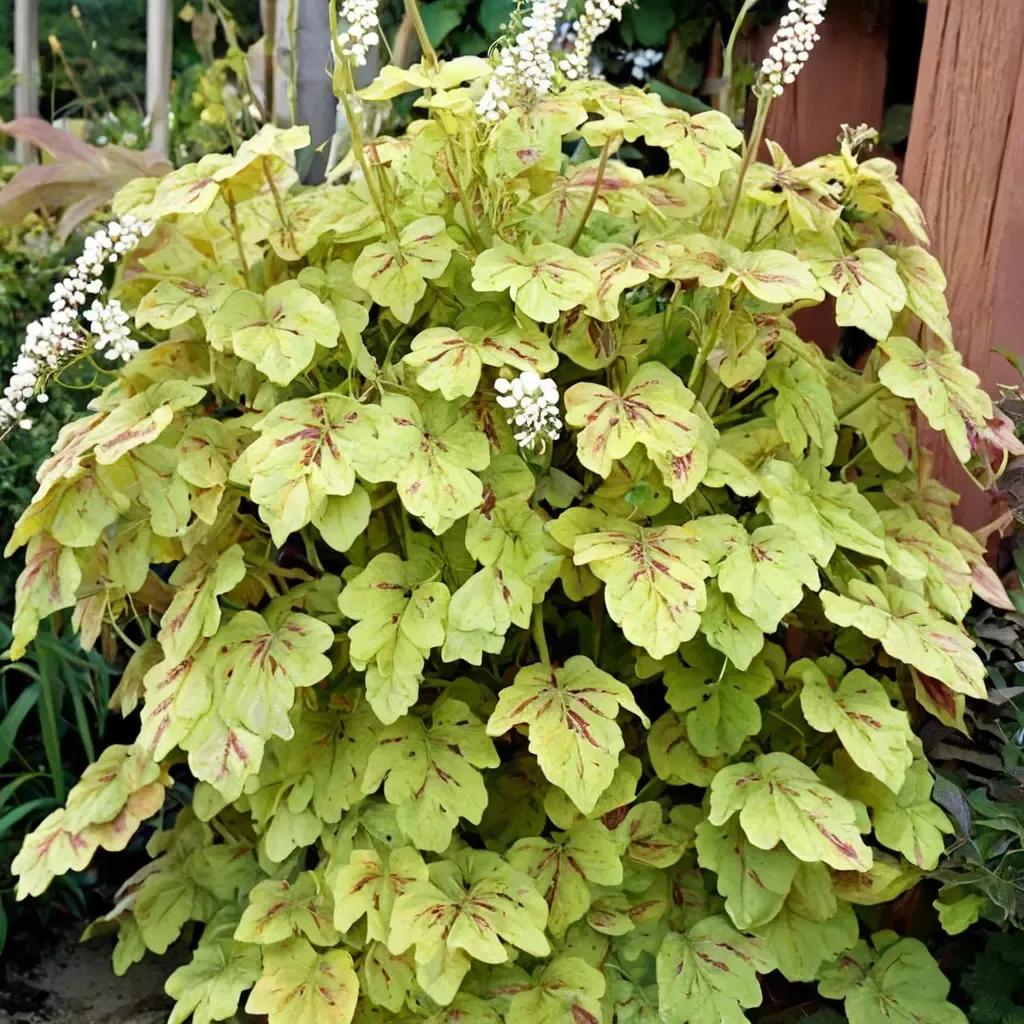 ‘Yellowstone Falls’Yellowstone Falls Coral Bells
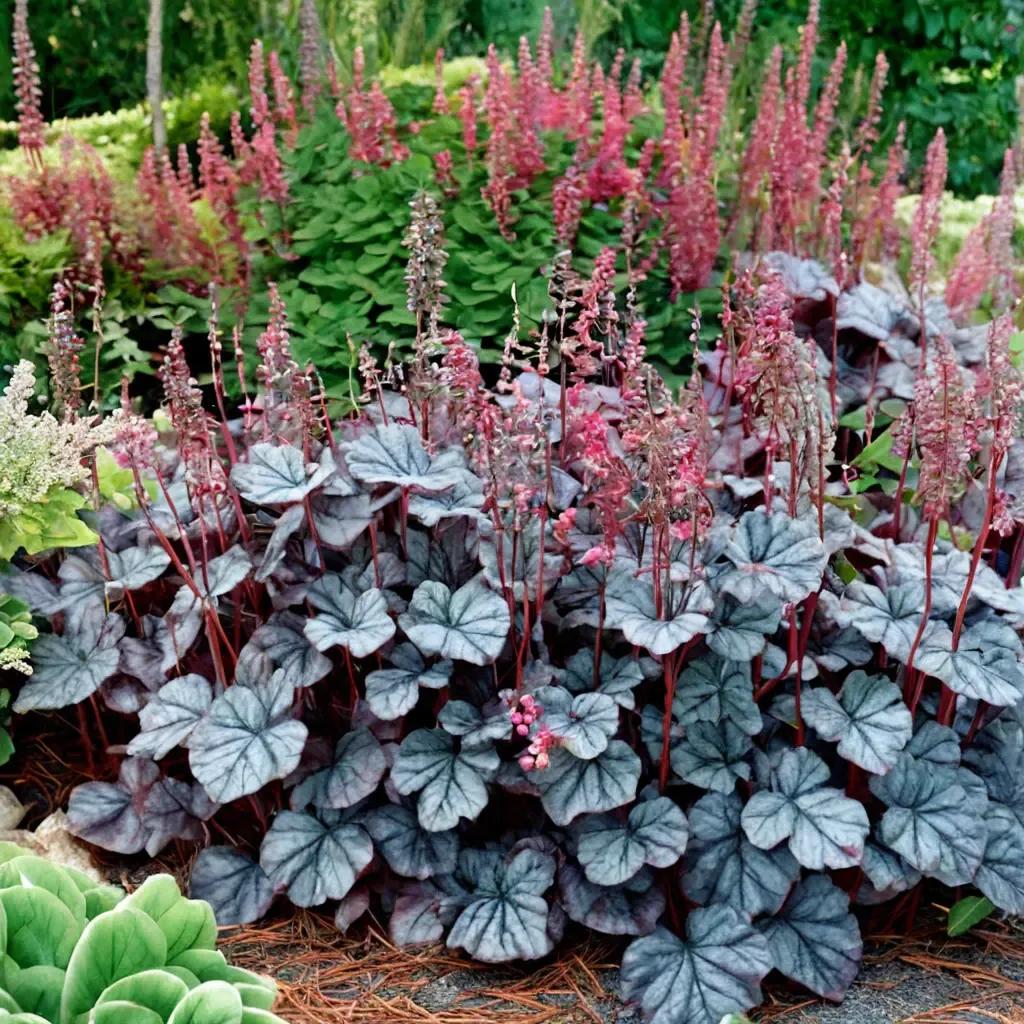 ‘Glitter’Glitter Coral Bell
 ‘Electric Plum’Electric Plum Coral Bell
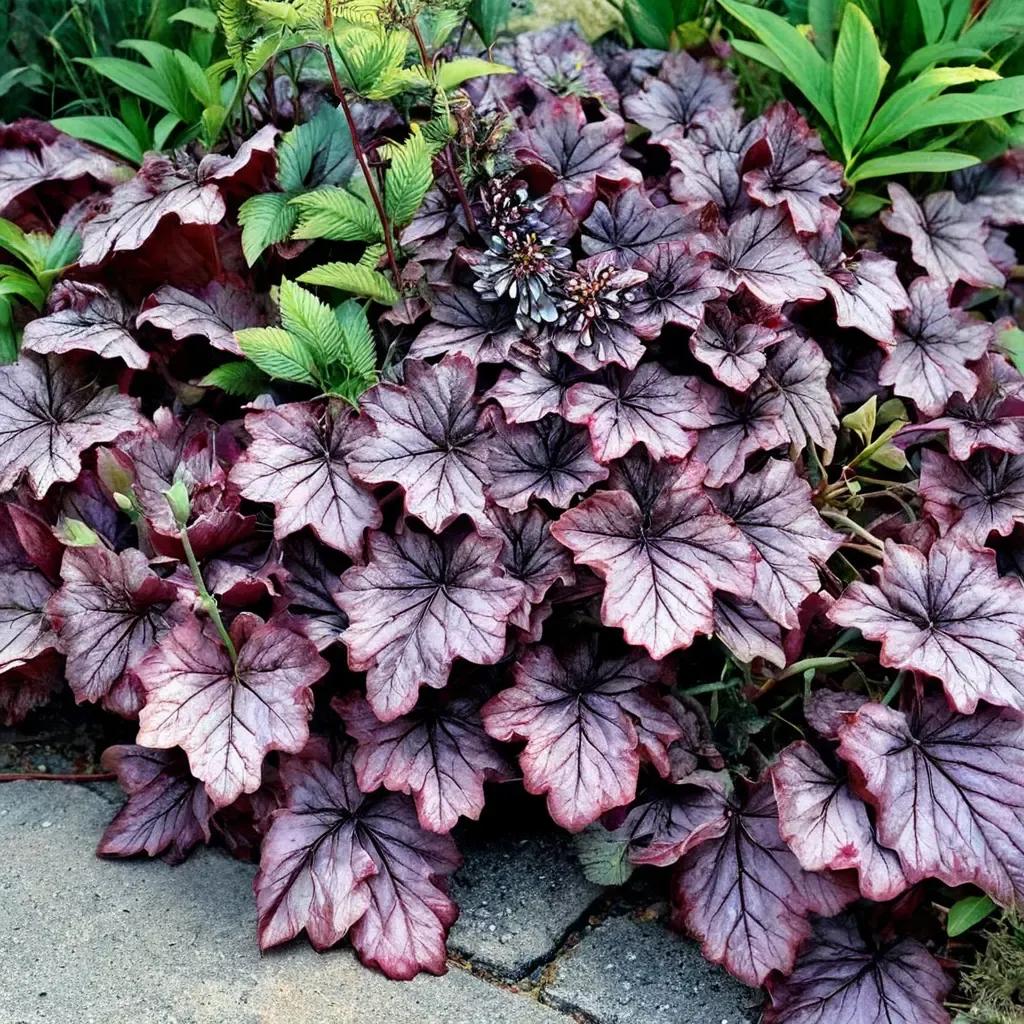 ‘Spellbound’Spellbound Coral Bells
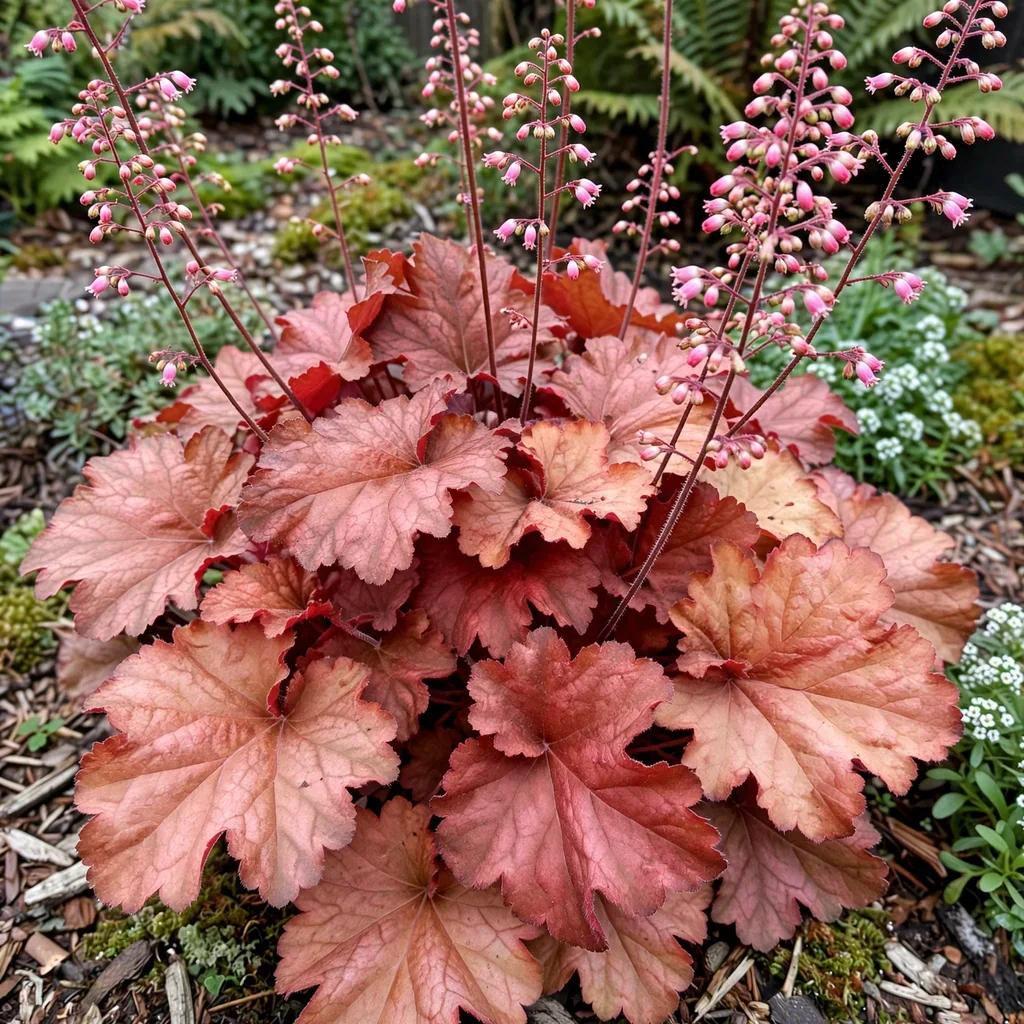 ‘RIO’Rio Alum Root
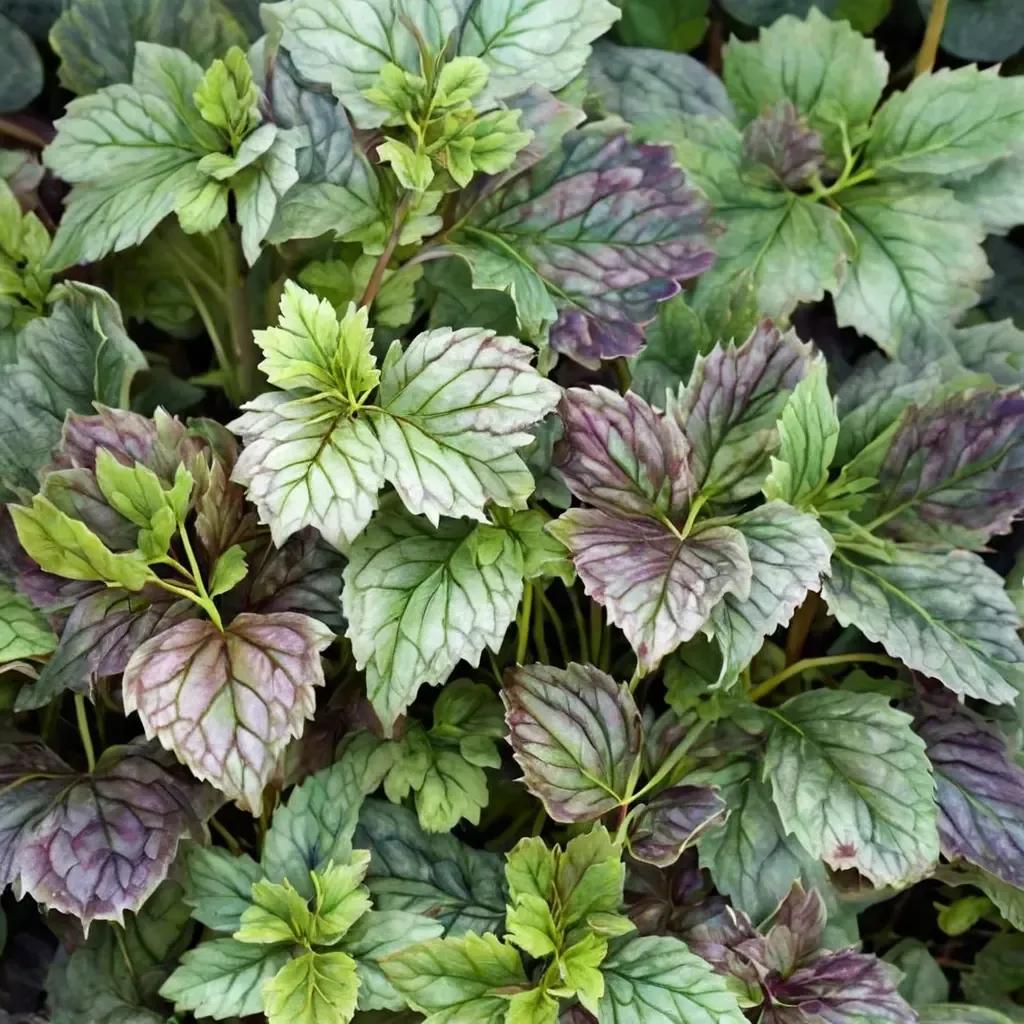 ‘Marvelous Marble’Marvelous Marble Coral Bells
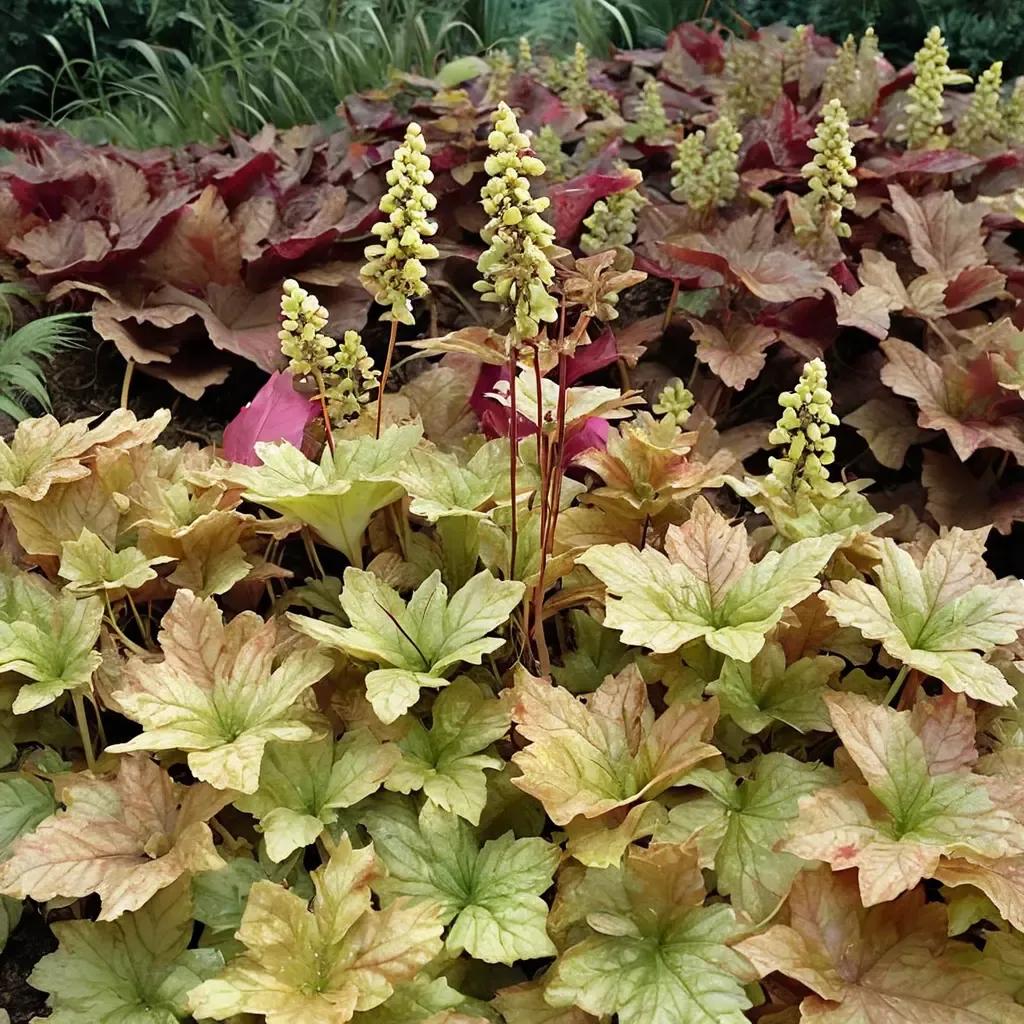 ‘Topaz Jazz’Topaz Jazz Coral Bells
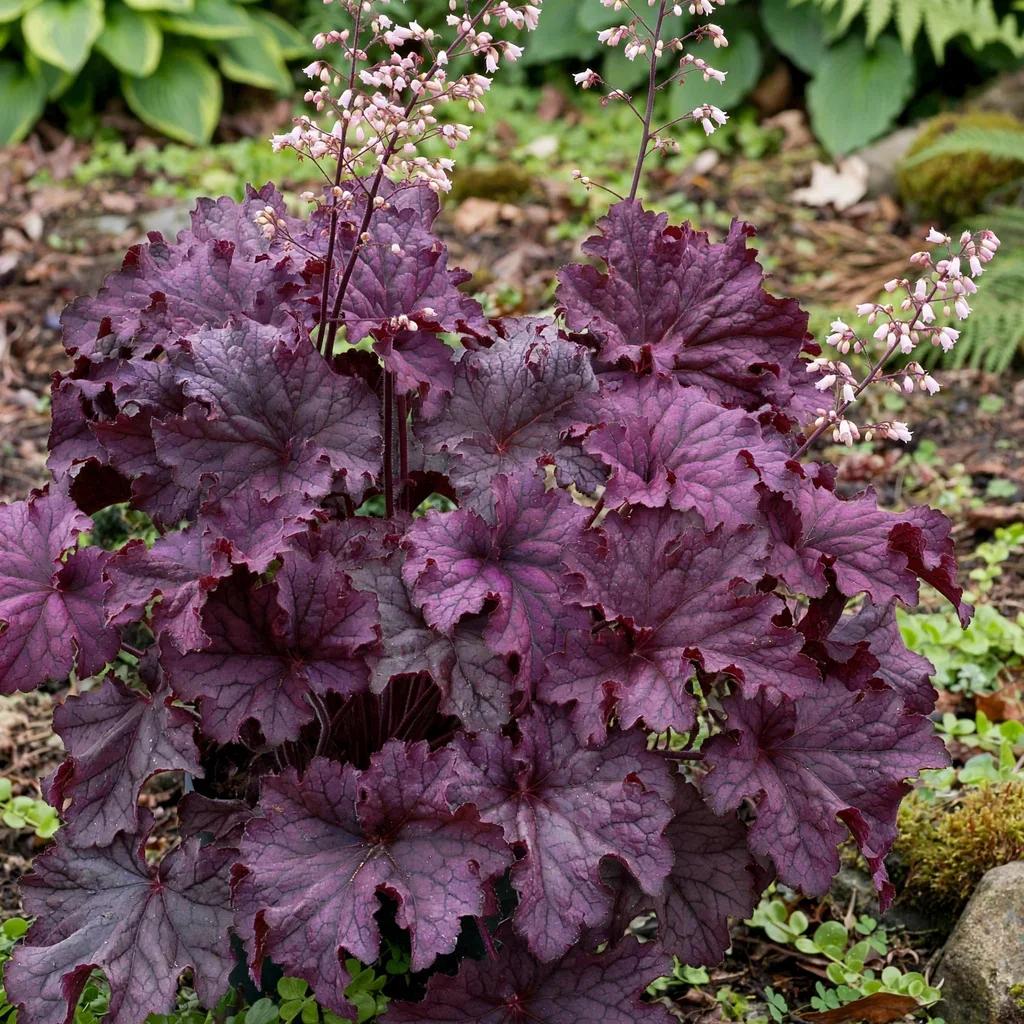 ‘Grande Amethyst’Grande Amethyst Coral Bells
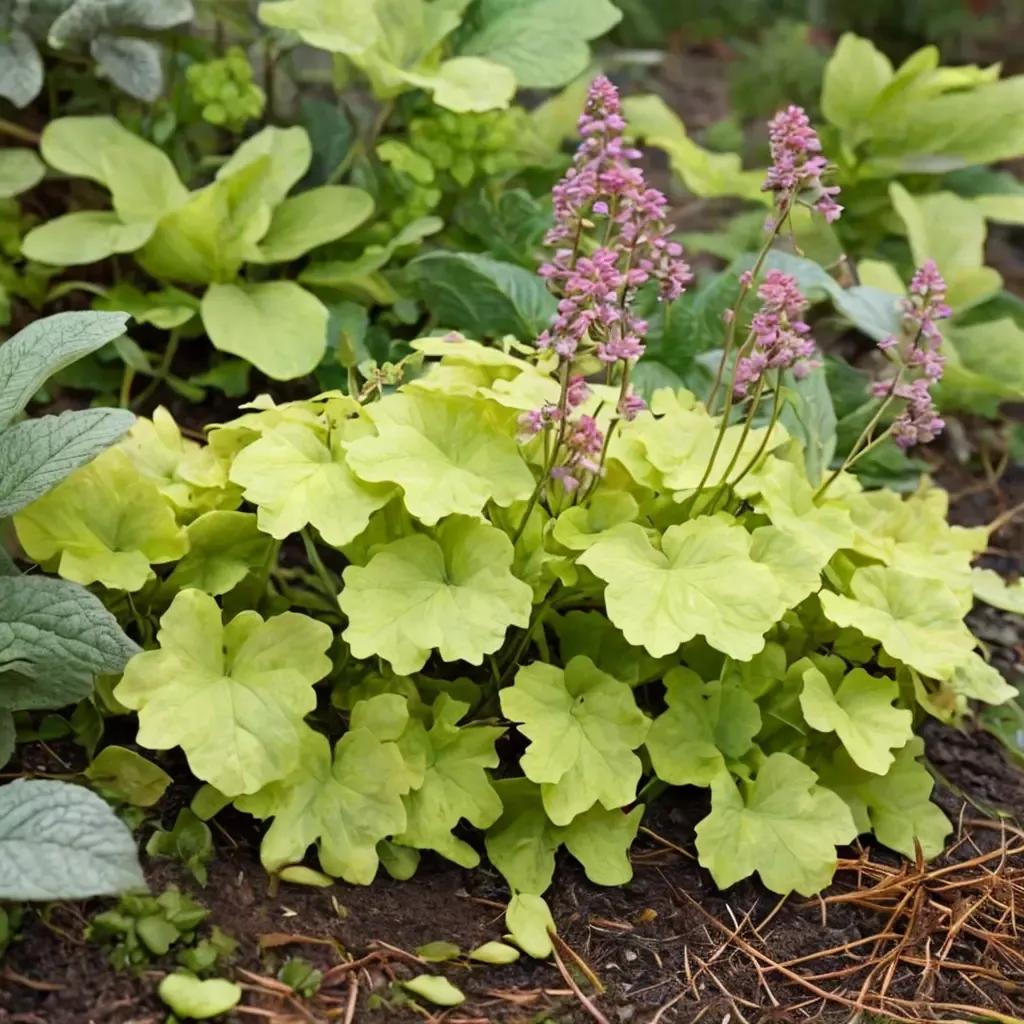 ‘PRIMO Pistachio Ambrosia’Primo Pistachio Ambrosia Coral Bells
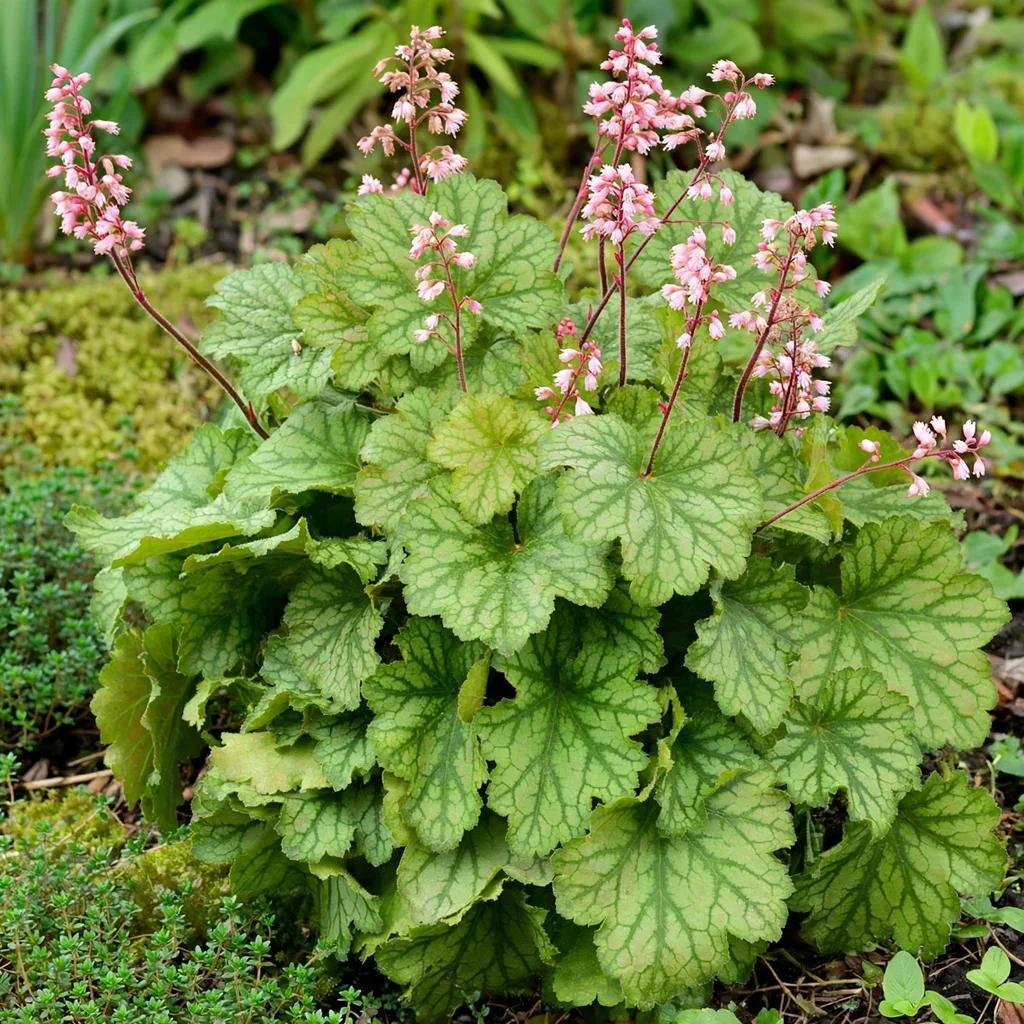 ‘Ball Gown’Ball Gown Coral Bells
The Story
Plant Bio
A genus of clump-forming, semi-evergreen to evergreen perennials, prized for their decorative, often colorful, lobed leaves. They produce slender stems (panicles) of small, bell-shaped flowers in late spring or summer.
Part of the 'Indian Summer' series, this cultivar is noted for its heat and drought tolerance. Its foliage displays shades of coral, rose, and bronze, which often intensify in cooler weather. Produces panicles of small, pinkish, bell-shaped flowers.
Uses & Benefits:
Essentials
At a Glance
Plant Type
Perennial
Height
12"
Width
18"
Light
Full Sun, Partial Sun
Zones
4, 5, 6, 7, 8, 9
Water
Medium
Humidity
Prefers moderate humidity
Lifespan
Perennial
Native To
North America
Toxicity
Non-toxic to humans and pets
Bloom period
Early summer – Late summer
In flower about 3 months of the year
Marketplace
Where to Buy
Shipping costs Year-round shipping Free shipping
Planting
How to Grow
- Tuck seeds into well-draining soil in early spring for best germination.
- Mist cuttings regularly to maintain humidity and encourage rooting.
- Plant in partial shade with rich, moist soil for optimal growth.
- Mulch around plants to retain moisture and suppress weeds.
- Divide mature clumps every 3-4 years in early spring or fall.
- Water consistently, especially during dry spells, to keep soil evenly moist.
Pro Tip
Use organic compost to enrich soil and promote vibrant foliage.
Keep It Thriving
Care Guide
Do
- Water regularly to keep soil moist but not waterlogged 🌱
- Apply a balanced fertilizer in early spring
- Mulch to conserve moisture and regulate soil temperature
Don't
- Avoid overwatering which can cause root rot ❌
- Don’t expose to harsh, full sun that can scorch leaves ❌
- Refrain from neglecting pruning to maintain plant shape
Seasonal Care Calendar
| Task | Jan | Feb | Mar | Apr | May | Jun | Jul | Aug | Sep | Oct | Nov | Dec |
|---|---|---|---|---|---|---|---|---|---|---|---|---|
| Deadhead | ||||||||||||
| Divide | ||||||||||||
| Fertilize | ||||||||||||
| Mulch | ||||||||||||
| Pest Check | ||||||||||||
| Spring Cleanup |
Watch Out For
Pests & Diseases
Common Pests
Common Diseases
In the Garden
Landscape Uses & Companions
Landscape Uses
Companion Plants
Multiply
Propagation Methods
Good to Know
Common Questions
Indian Summer Coralberry questions
What zones can Indian Summer Coralberry grow in?
Indian Summer Coralberry is hardy in USDA Zones 4–9. Inside that range it survives winter in the ground; outside it, grow it as an annual or a container plant you protect.
Is Indian Summer Coralberry deer resistant?
Yes — Indian Summer Coralberry is rated deer-resistant. Deer typically pass it over, though extreme hunger can override any plant's defenses.
When does Indian Summer Coralberry bloom?
Indian Summer Coralberry typically blooms in early summer through late summer. Exact timing shifts a week or two with your zone — Sow's bloom calendar maps it to your garden.
Does Indian Summer Coralberry need full sun?
Indian Summer Coralberry does best in full sun to part shade. In hot climates, afternoon shade keeps blooms fresher longer.
Is Indian Summer Coralberry drought tolerant?
Yes — once established (usually after the first full season), Indian Summer Coralberry handles dry spells with minimal watering. Water deeply its first year to build the root system that makes that possible.
More Heuchera to compare
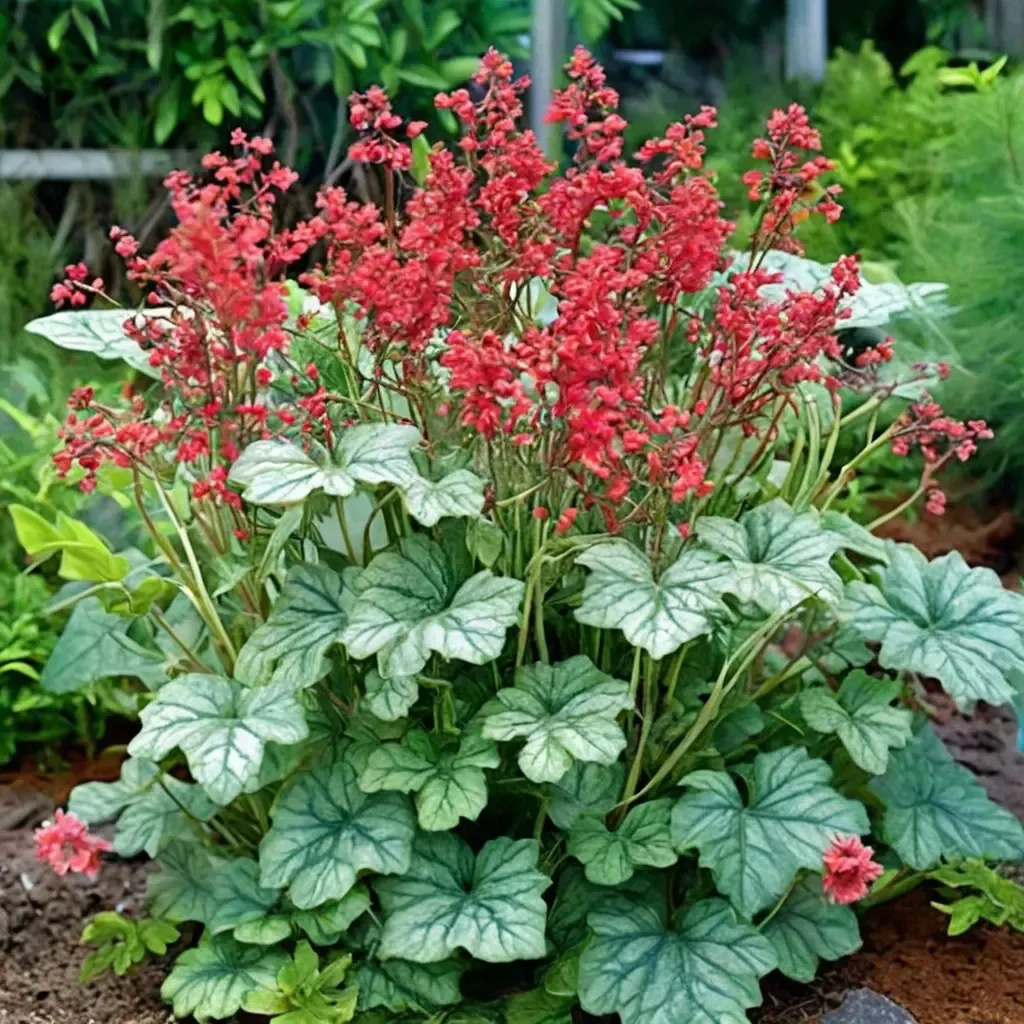
Mixed Coral Bells
Heuchera sanguinea 'Mixed Coral Bells'
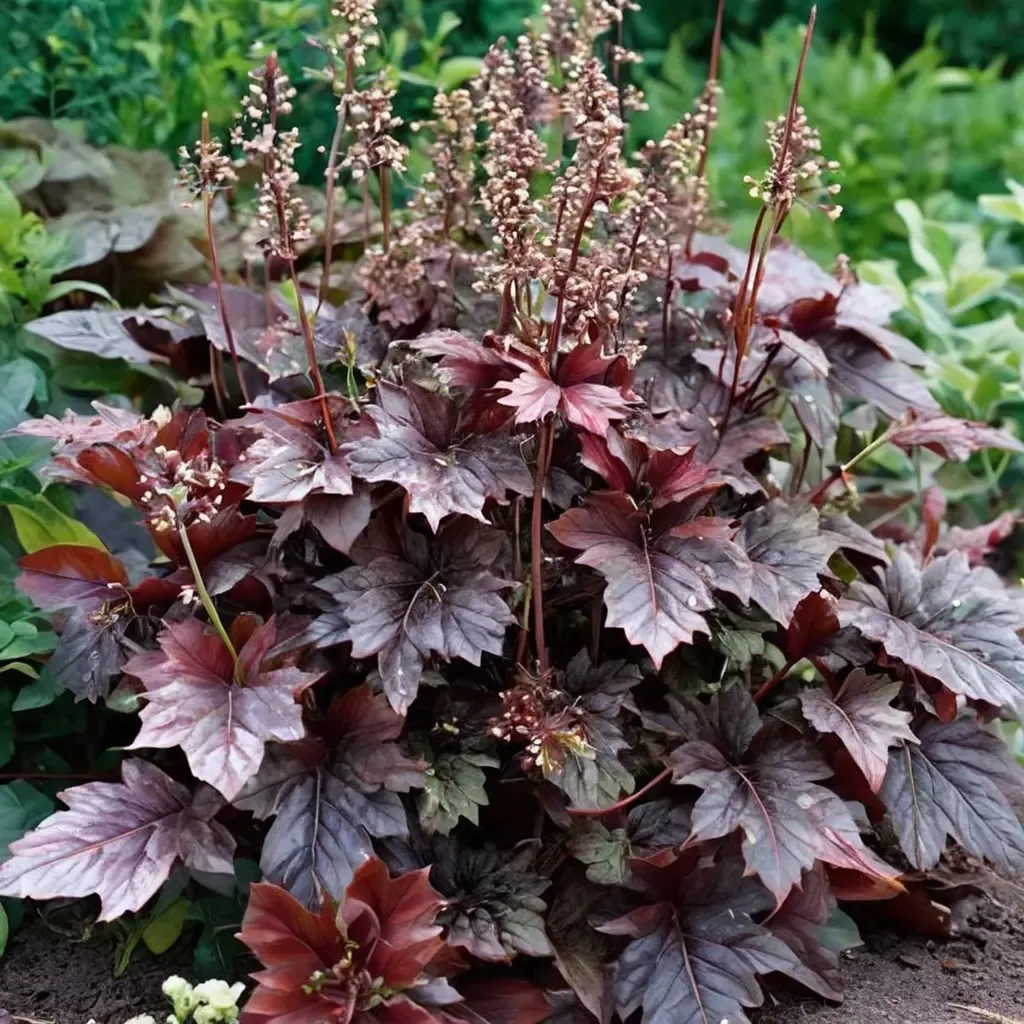
Palace Purple Coral Bells
Heuchera americana 'Palace Purple'
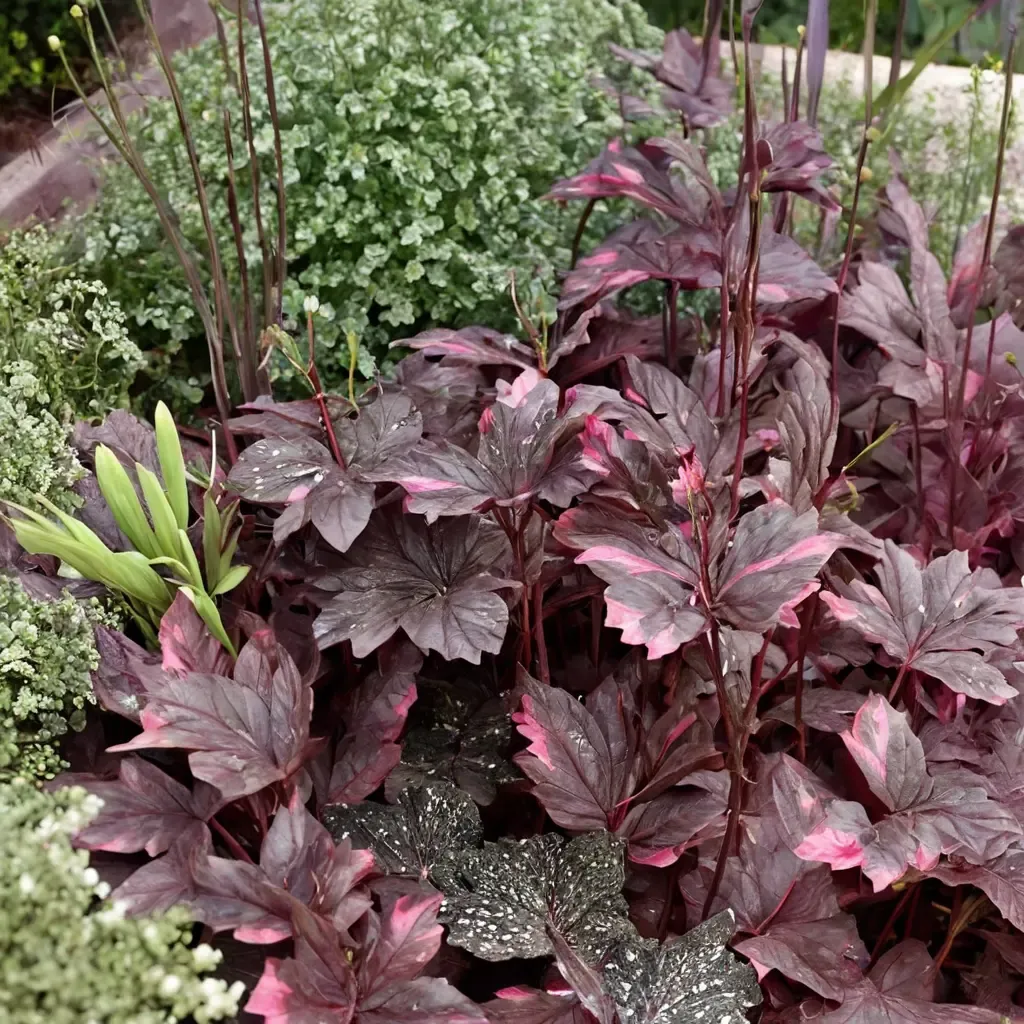
Midnight Rose Coral Bell
Heuchera x brizoides 'Midnight Rose'
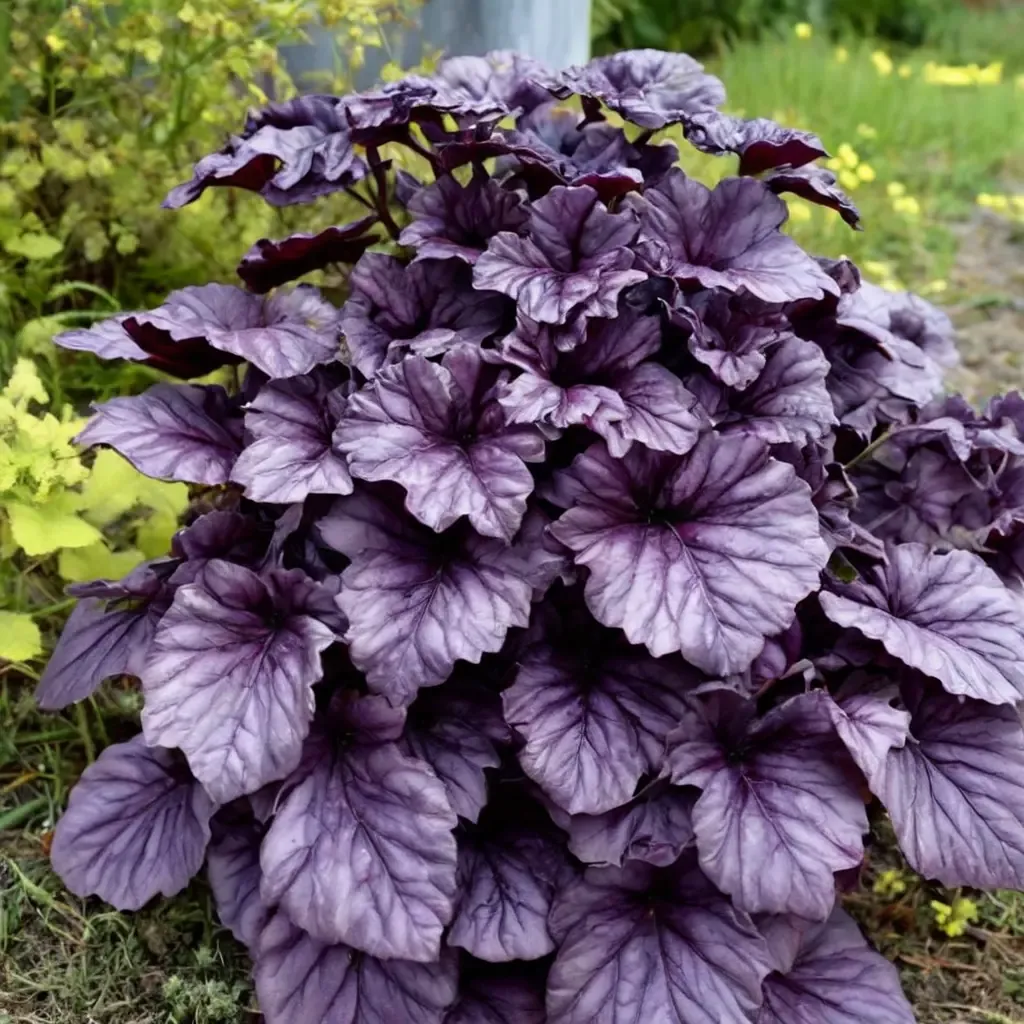
Wildberry Coral Bells
Heuchera x brizoides 'Wildberry'
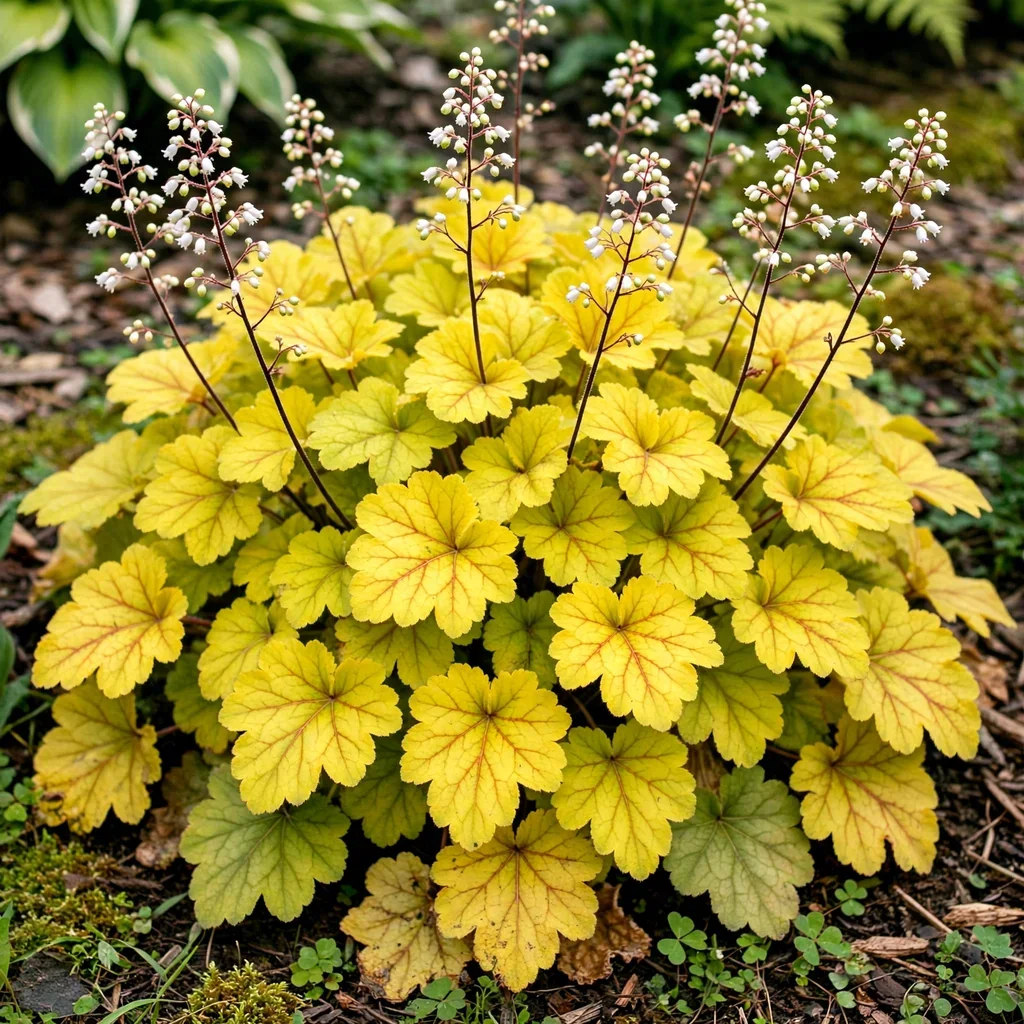
Electra Coral Bells
Heuchera sanguinea 'Electra'
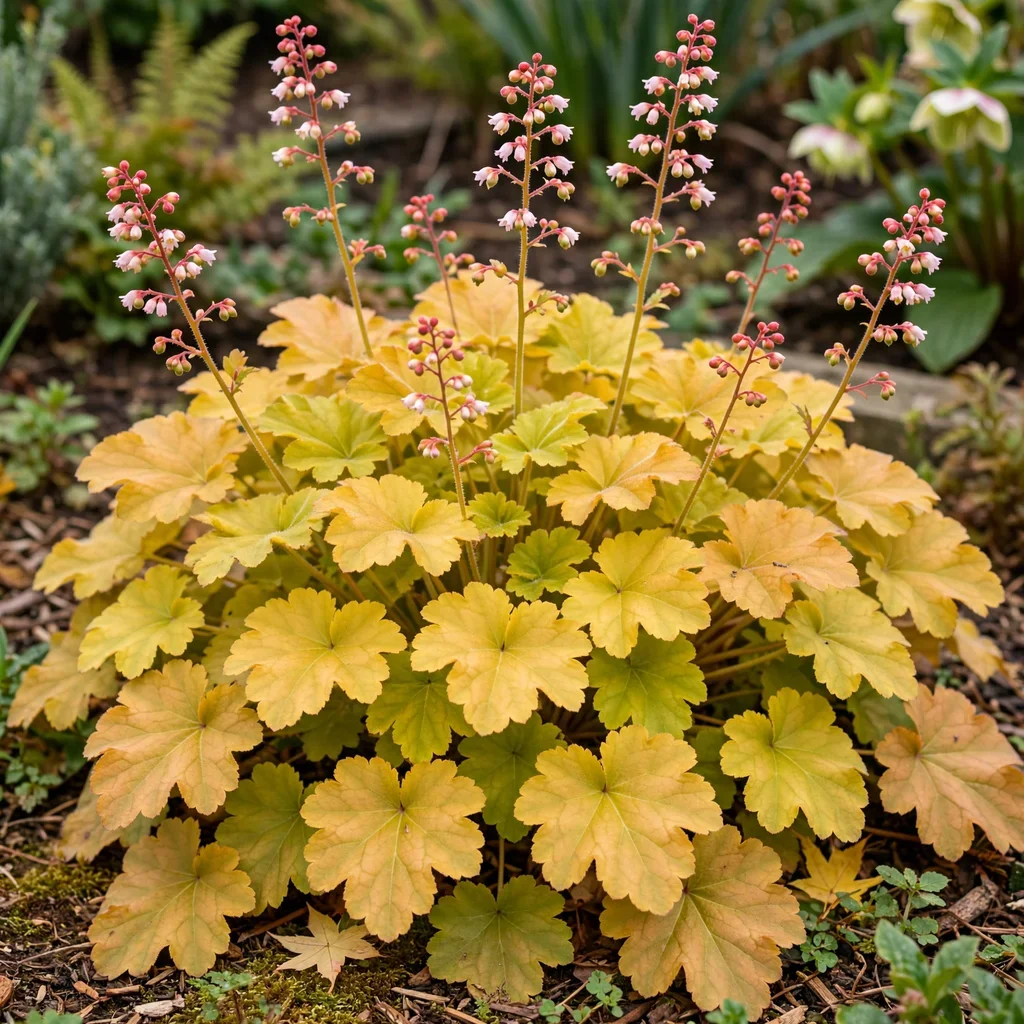
Caramel Coral Bells
Heuchera sanguinea 'Caramel'
Keep exploring
Explore the genus
Grow Indian Summer Coralberry with confidence
See it in a design of your actual yard, get zone-matched care reminders, and track it season by season in your garden journal.