The Story
Plant Bio
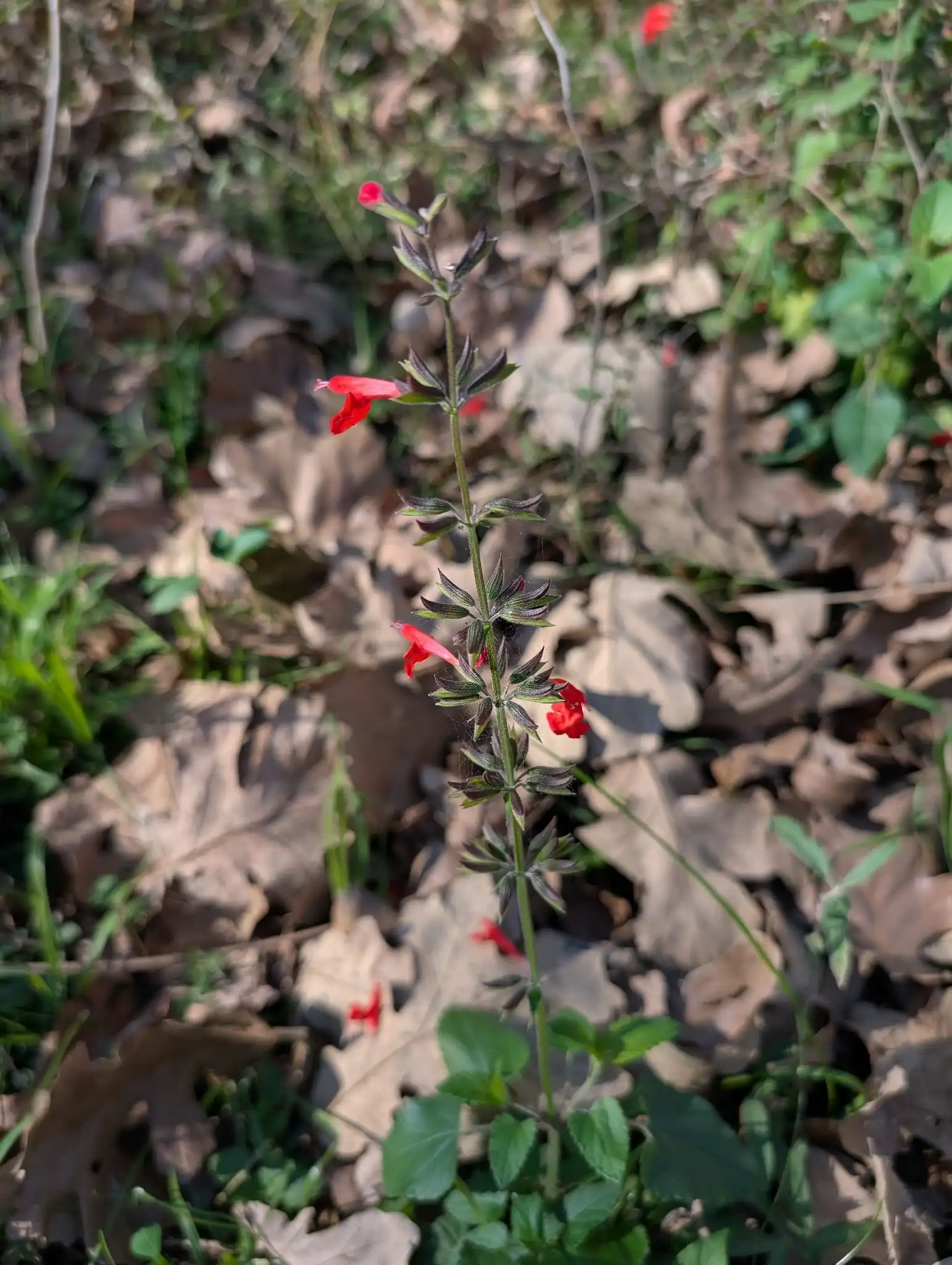
Salvia coccinea is an upright, herbaceous perennial or tender subshrub native to the Americas, characterized by square stems and hairy, triangular leaves that release a pungent aroma when crushed. The species produces bright scarlet flowers arranged in loose whorls along terminal spikes up to ten inches long, blooming continuously from late spring through fall.
This species is distinguished by its high tolerance for heat, humidity, and coastal salt spray, making it highly adaptable across the southern United States. Unlike many ornamental salvias, it establishes readily from self-sown seed and acts as a primary nectar source for migrating hummingbirds.
Uses & Benefits:
Essentials
At a Glance
Plant Type
Perennial
Height
48"
Width
30"
Light
Full Sun, Partial Sun
Zones
8, 9, 10
Water
Low to moderate
Humidity
High
Lifespan
Short-lived perennial or annual
Native To
The Americas
Toxicity
Non-toxic but non-edible
Bloom period
Late spring – Fall
In flower about 7 months of the year
Planting
How to Grow
- Select a planting site in full sun to partial shade with sharp, well-drained sandy loam or medium loam soil.
- Space plants 24 to 30 inches apart to ensure adequate airflow, which prevents powdery mildew and botrytis blight.
- Water regularly after planting to establish the root system, then reduce watering to rely on the plant's natural drought tolerance.
- Apply a light layer of organic mulch around the base to conserve moisture without letting the mulch touch the stems.
- Trim spent flower spikes back to the foliage throughout the growing season to stimulate continuous bud development.
Pro Tip
Avoid excessive nitrogen fertilizers, which stimulate weak, leggy stem growth and increase susceptibility to aphid infestations at the expense of flower production.
Keep It Thriving
Care Guide
Do
- Deadhead spent flower spikes regularly to encourage a continuous succession of blooms.
- Provide sharp soil drainage to prevent root rot and stem collapse during periods of heavy rain.
- Allow the plant to self-seed in warm climates if naturalized drifts are desired.
Don't
- Do not over-fertilize with nitrogen, as this produces weak, leggy stems and invites sap-sucking pests.
- Do not prune hard into old, leafless woody stems that lack active buds.
- Do not consume the flowers or foliage, as they are non-edible despite belonging to the mint family.
Seasonal Care Calendar
| Task | Jan | Feb | Mar | Apr | May | Jun | Jul | Aug | Sep | Oct | Nov | Dec |
|---|---|---|---|---|---|---|---|---|---|---|---|---|
| Deadhead | ||||||||||||
| Fertilize | ||||||||||||
| Pest Check | ||||||||||||
| Prune | ||||||||||||
| Winter Prep |
Watch Out For
Pests & Diseases
Common Pests
Common Diseases
In the Garden
Landscape Uses & Companions
Landscape Uses
Multiply
Propagation Methods
Good to Know
Common Questions
Scarlet Sage questions
What zones can Scarlet Sage grow in?
Scarlet Sage is hardy in USDA Zones 8–10. Inside that range it survives winter in the ground; outside it, grow it as an annual or a container plant you protect.
Is Scarlet Sage deer resistant?
Yes — Scarlet Sage is rated deer-resistant. Deer typically pass it over, though extreme hunger can override any plant's defenses.
When does Scarlet Sage bloom?
Scarlet Sage typically blooms in late spring through fall. Exact timing shifts a week or two with your zone — Sow's bloom calendar maps it to your garden.
Does Scarlet Sage need full sun?
Scarlet Sage does best in full sun to part shade. In hot climates, afternoon shade keeps blooms fresher longer.
Is Scarlet Sage drought tolerant?
Yes — once established (usually after the first full season), Scarlet Sage handles dry spells with minimal watering. Water deeply its first year to build the root system that makes that possible.
More Salvia to compare
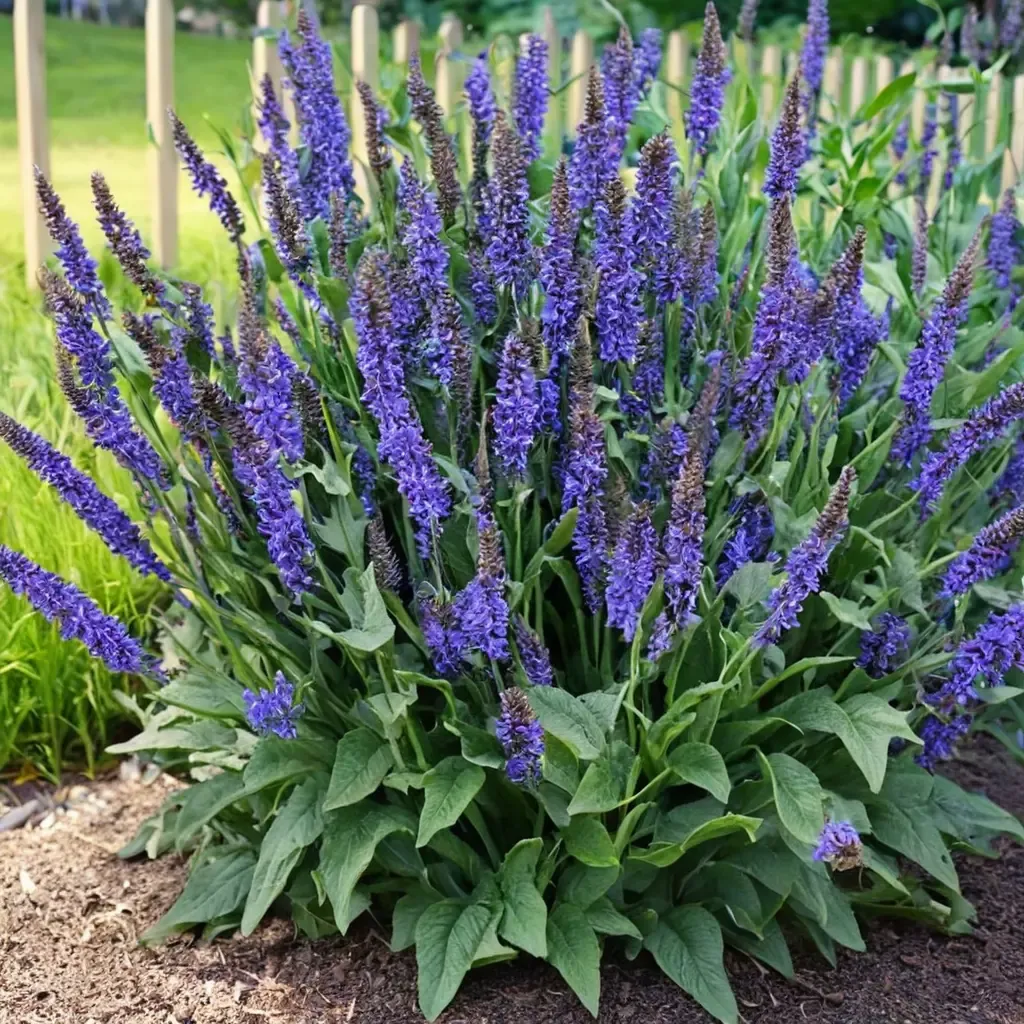
May Night Sage
Salvia nemorosa 'May Night'
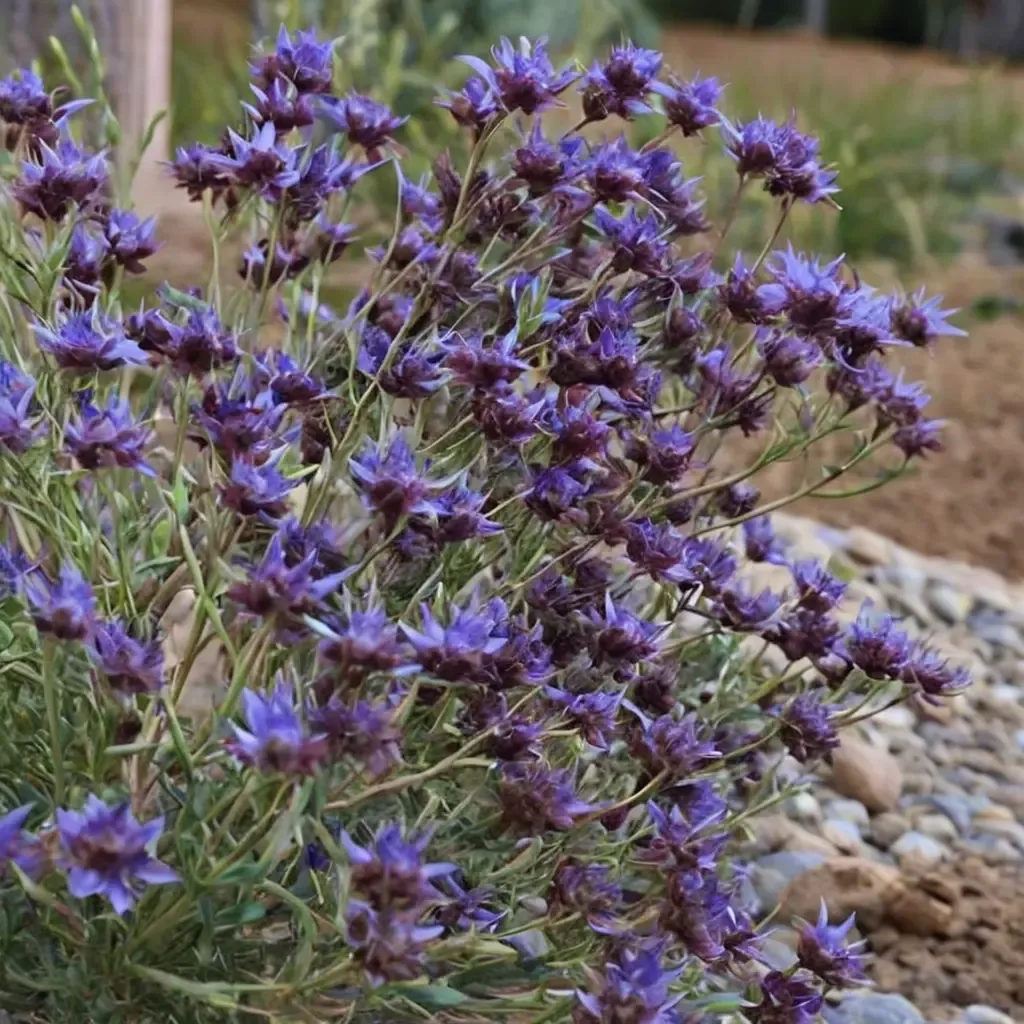
Celestial Blue Sage Wood Sage
Salvia nemorosa 'Celestial Blue'
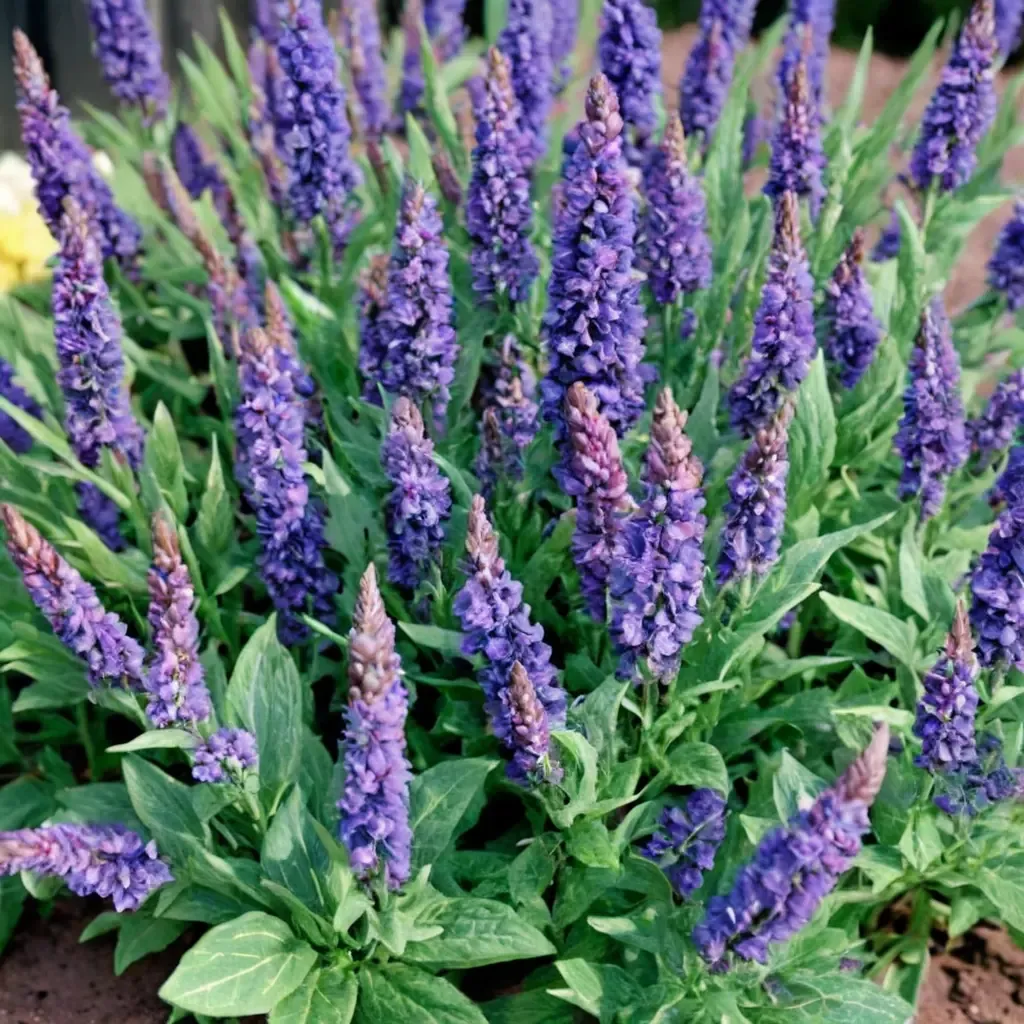
Marcus Woodland Sage
Salvia nemorosa 'Marcus'
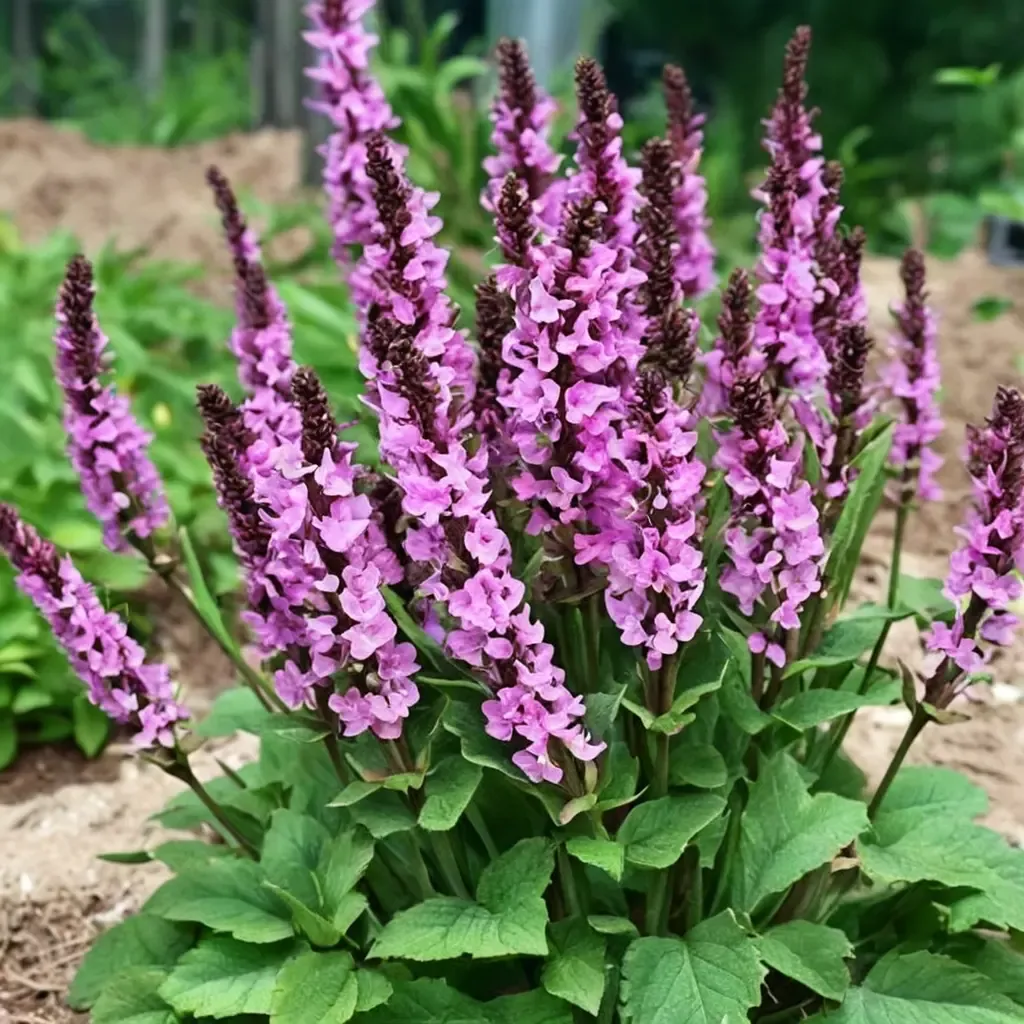
Rose Marvel Sage
Salvia nemorosa 'Rose Marvel'
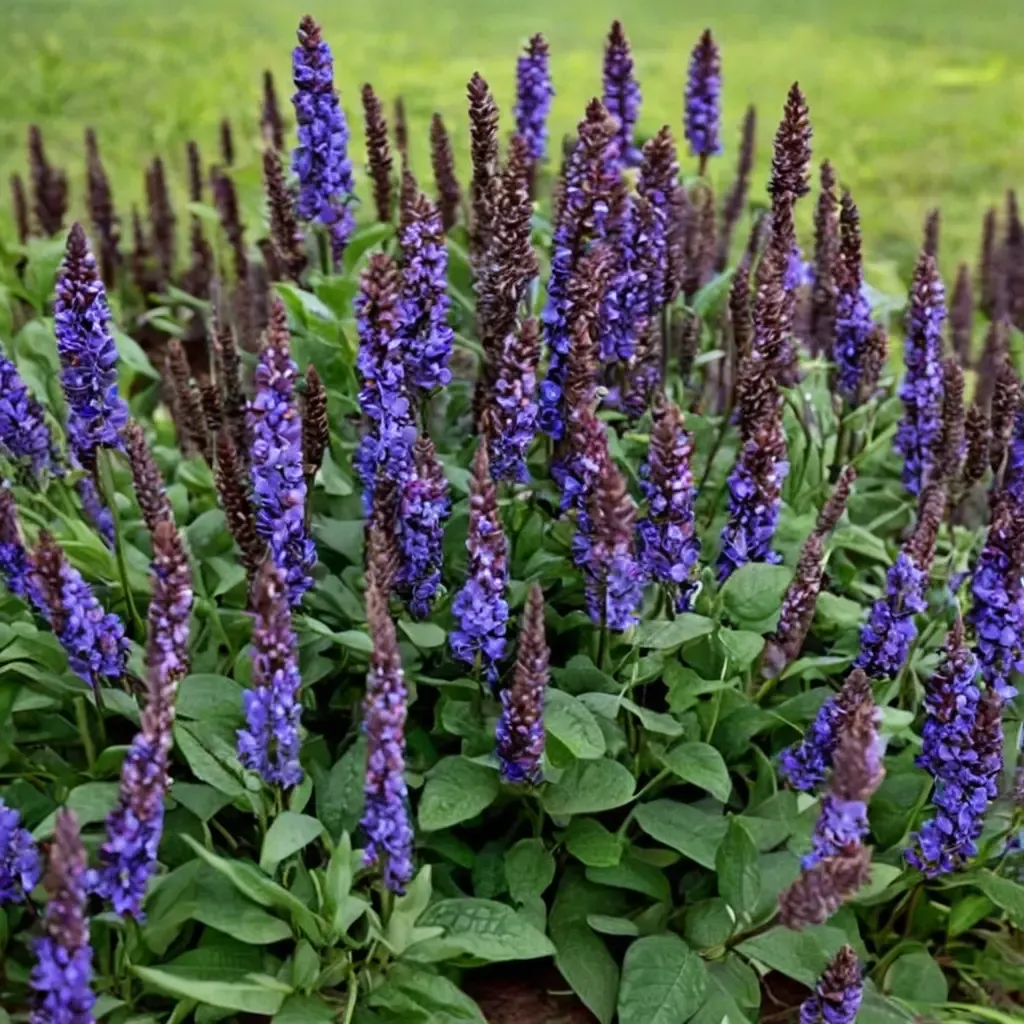
Bumbleblue Sage
Salvia nemorosa 'Bumbleblue'
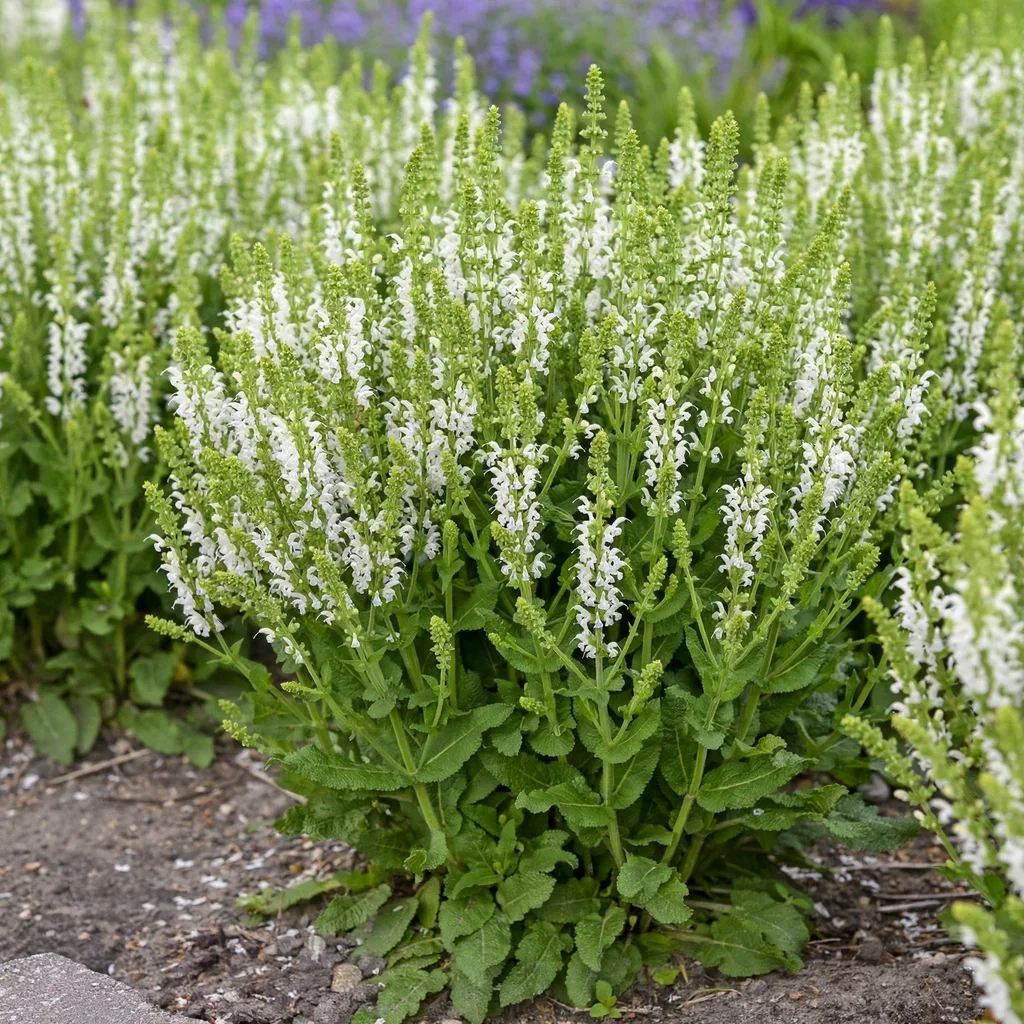
White Profusion Salvia
Salvia x hybrida 'White Profusion'
Keep exploring
Explore the genus
Hardy in your zone?
Grow Scarlet Sage with confidence
See it in a design of your actual yard, get zone-matched care reminders, and track it season by season in your garden journal.