The Story
Plant Bio
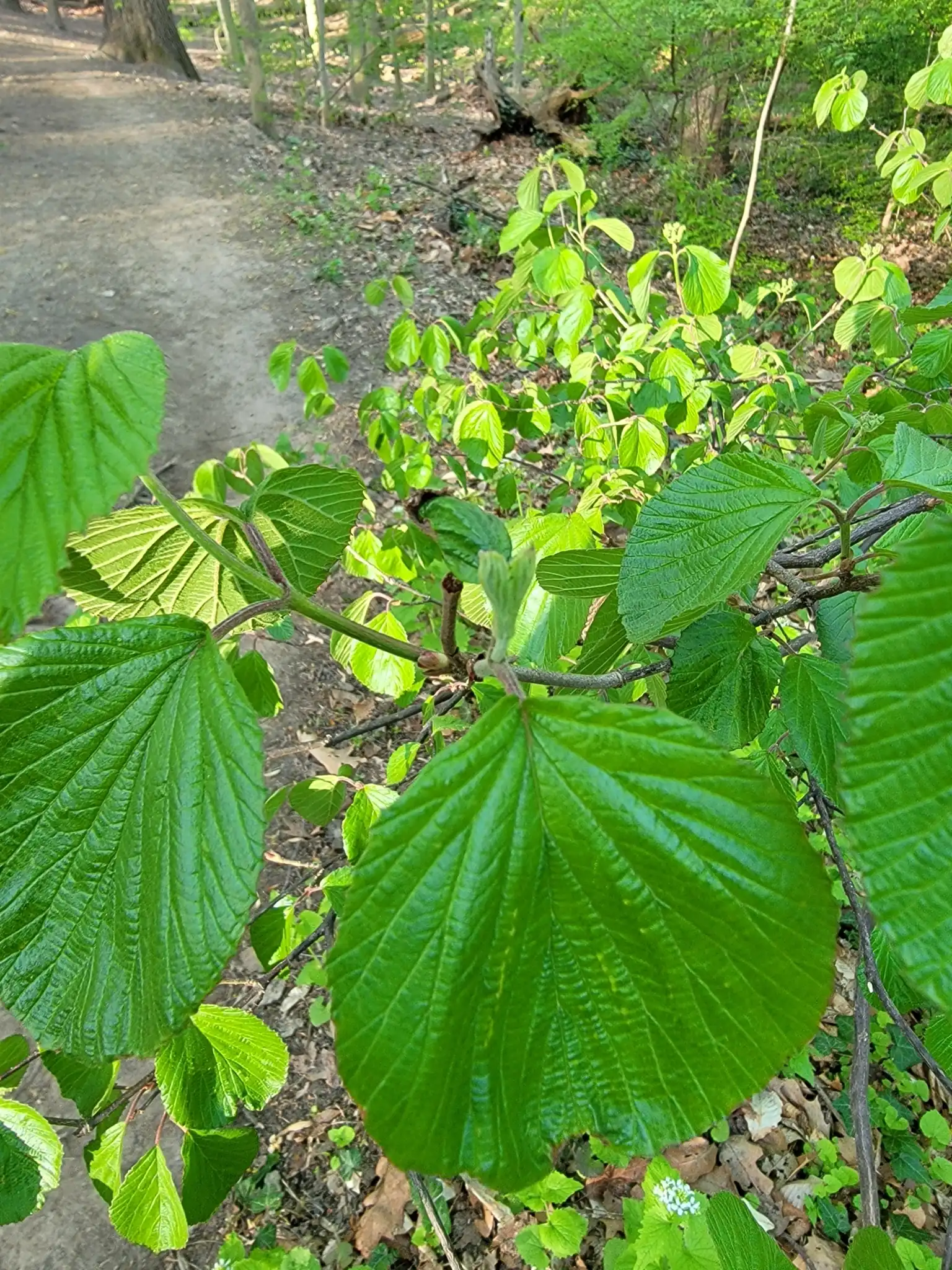
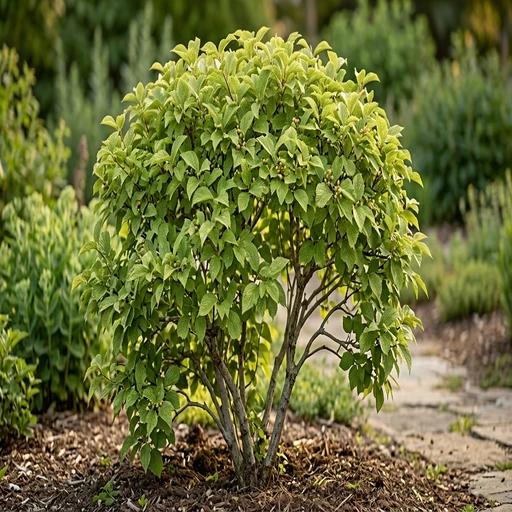
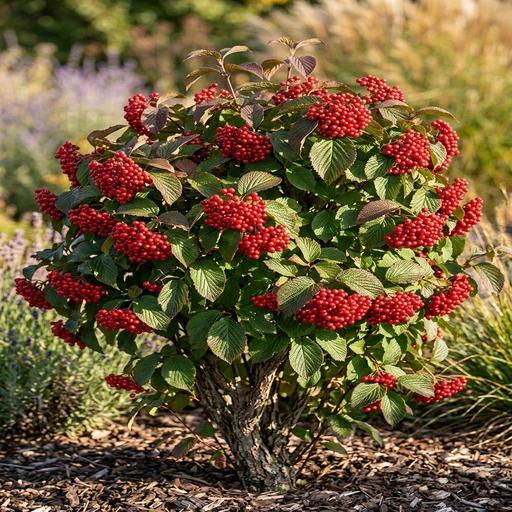
Viburnum dilatatum, linden viburnum, is an upright rounded deciduous shrub from Asia, eight to fifteen feet tall and six to eight across. Densely hairy brown stems carry prominent orange lenticels, flat clusters of small creamy-white flowers open in late spring, and large showy clusters of bright red berries follow and often persist into winter.
The fruit is the reason to grow it, and it needs a second, genetically different linden viburnum flowering nearby to set — a single plant flowers well and berries poorly. Note that it self-seeds into woodland in parts of the Northeast and is listed as invasive in several states, so check locally and consider a native viburnum where it is a problem.
Uses & Benefits:
Essentials
At a Glance
Plant Type
Shrub
Height
120"
Width
84"
Light
Full Sun, Partial Sun
Zones
5, 6, 7, 8
Water
Moderate
Humidity
Moderate
Lifespan
Perennial
Native To
Eastern Asia
Toxicity
Berries are not edible raw
Planting
How to Grow
- Check local invasive listings before planting.
- Plant a second, different cultivar for cross-pollination.
- Give it full sun to partial shade and drained soil.
- Allow six to eight feet of width.
- Water deeply through the first two summers.
- Prune lightly after flowering if needed.
Pro Tip
Two different cultivars is the difference between a shrub that flowers and one that fruits — a lone plant sets almost nothing.
Keep It Thriving
Care Guide
Do
- Plant two different cultivars 🌿
- Check your state's invasive list ⚠️
- Prune only after flowering ✂️
- Leave the berries for birds 🐦
Don't
- Expect fruit from a single plant ❌
- Plant it where it is listed invasive ❌
- Prune it in late winter ❌
Seasonal Care Calendar
| Task | Jan | Feb | Mar | Apr | May | Jun | Jul | Aug | Sep | Oct | Nov | Dec |
|---|---|---|---|---|---|---|---|---|---|---|---|---|
| Inspect | ||||||||||||
| Prune |
Watch Out For
Pests & Diseases
Common Pests
Common Diseases
In the Garden
Landscape Uses & Companions
Landscape Uses
Multiply
Propagation Methods
Good to Know
Common Questions
Viburnum questions
What zones can Viburnum grow in?
Viburnum is hardy in USDA Zones 5–8. Inside that range it survives winter in the ground; outside it, grow it as an annual or a container plant you protect.
Is Viburnum deer resistant?
Yes — Viburnum is rated deer-resistant. Deer typically pass it over, though extreme hunger can override any plant's defenses.
When does Viburnum bloom?
Viburnum typically blooms in late spring through early summer. Exact timing shifts a week or two with your zone — Sow's bloom calendar maps it to your garden.
Does Viburnum need full sun?
Viburnum does best in full sun to part shade. In hot climates, afternoon shade keeps blooms fresher longer.
More Viburnum to compare
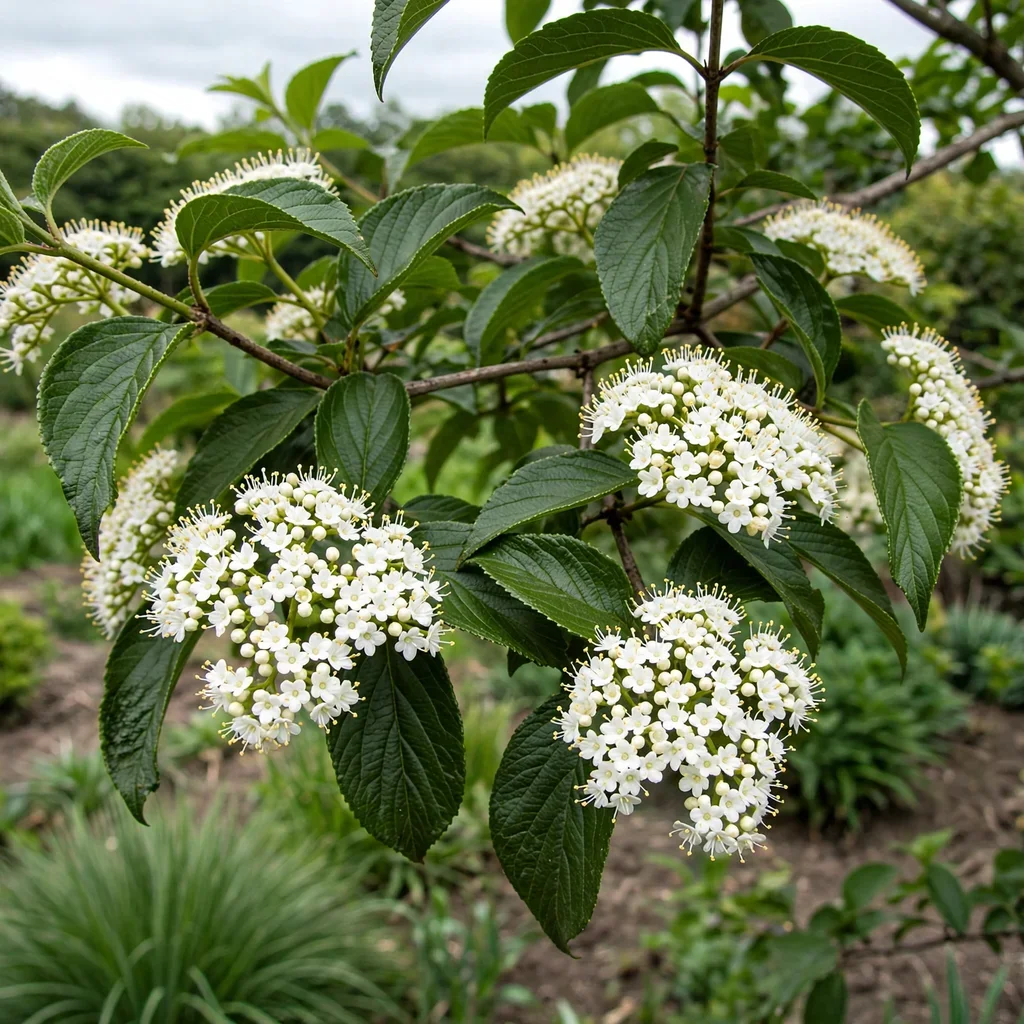
Nannyberry
Viburnum lentago
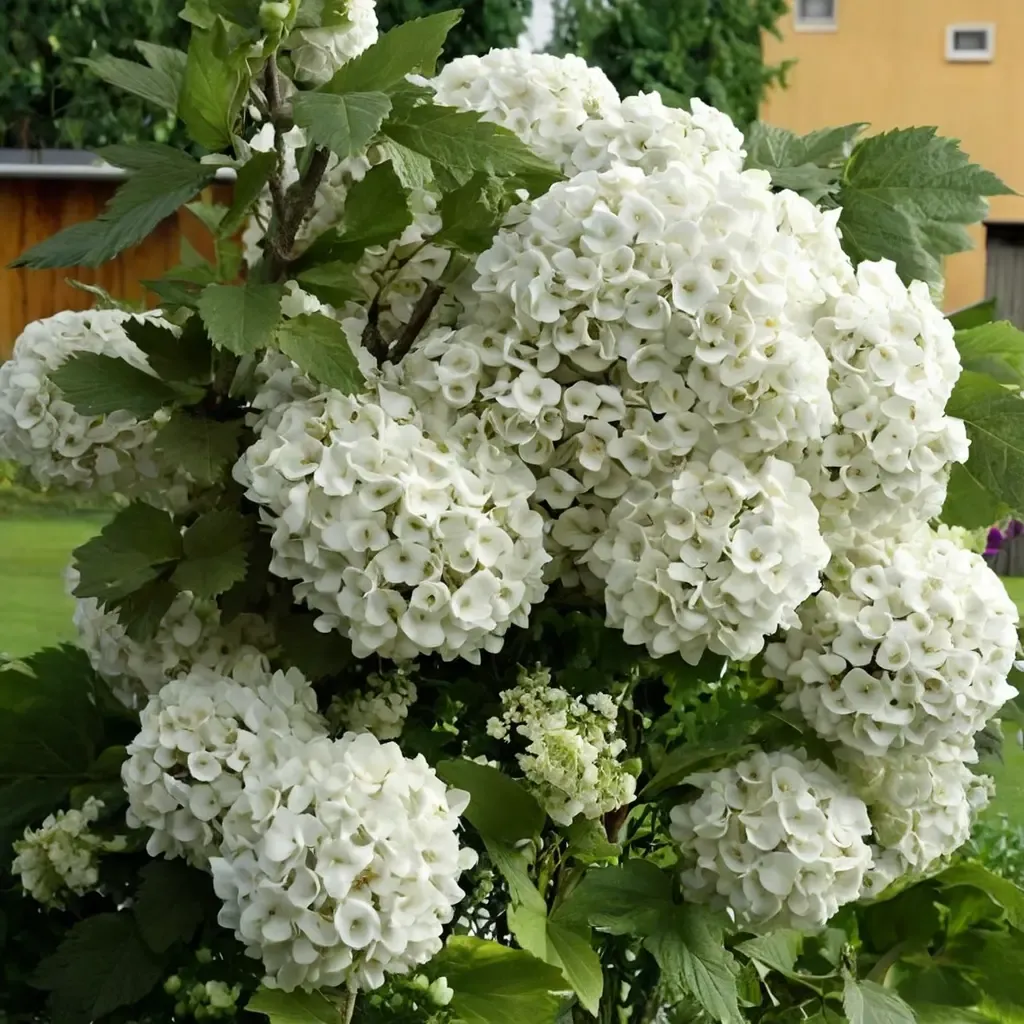
Snowball Viburnum
Viburnum opulus 'Sterile'
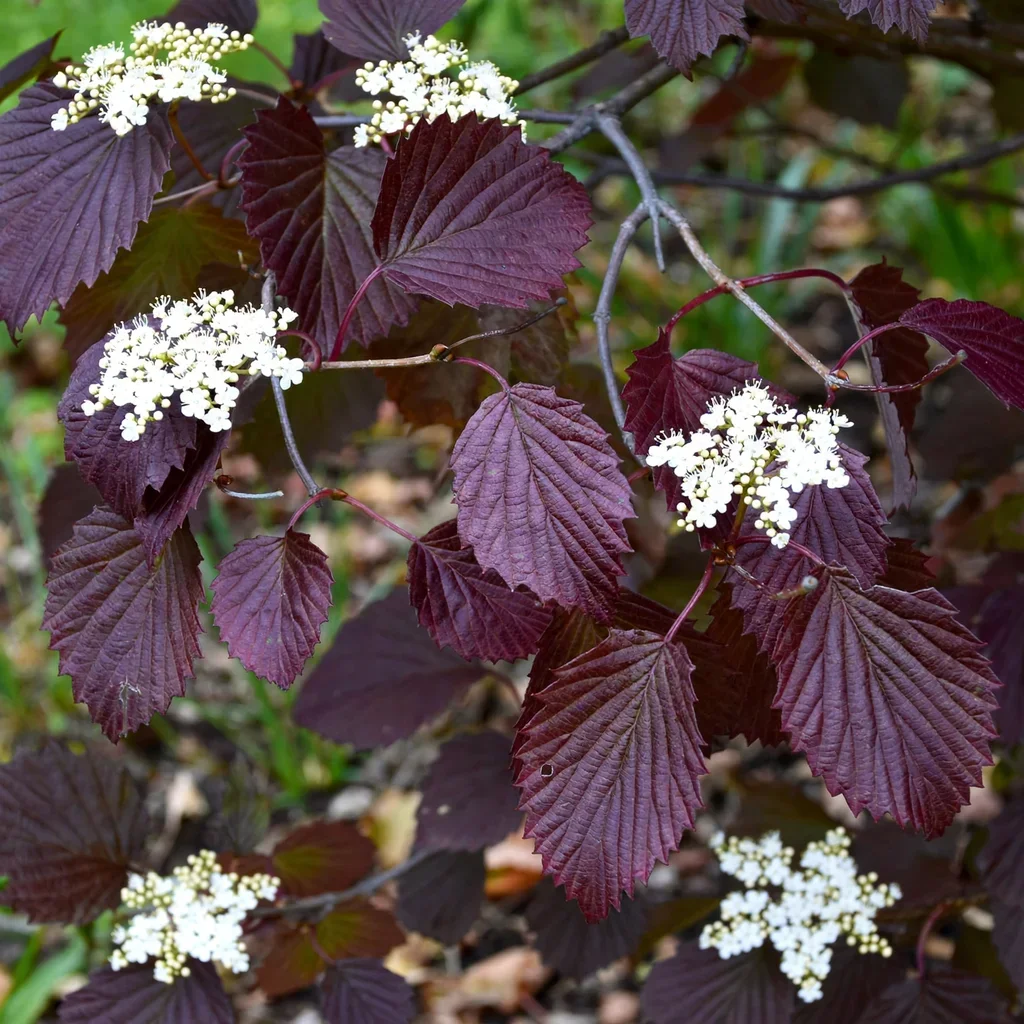
Autumn Jazz Arrowwood
Viburnum dentatum 'Autumn Jazz'
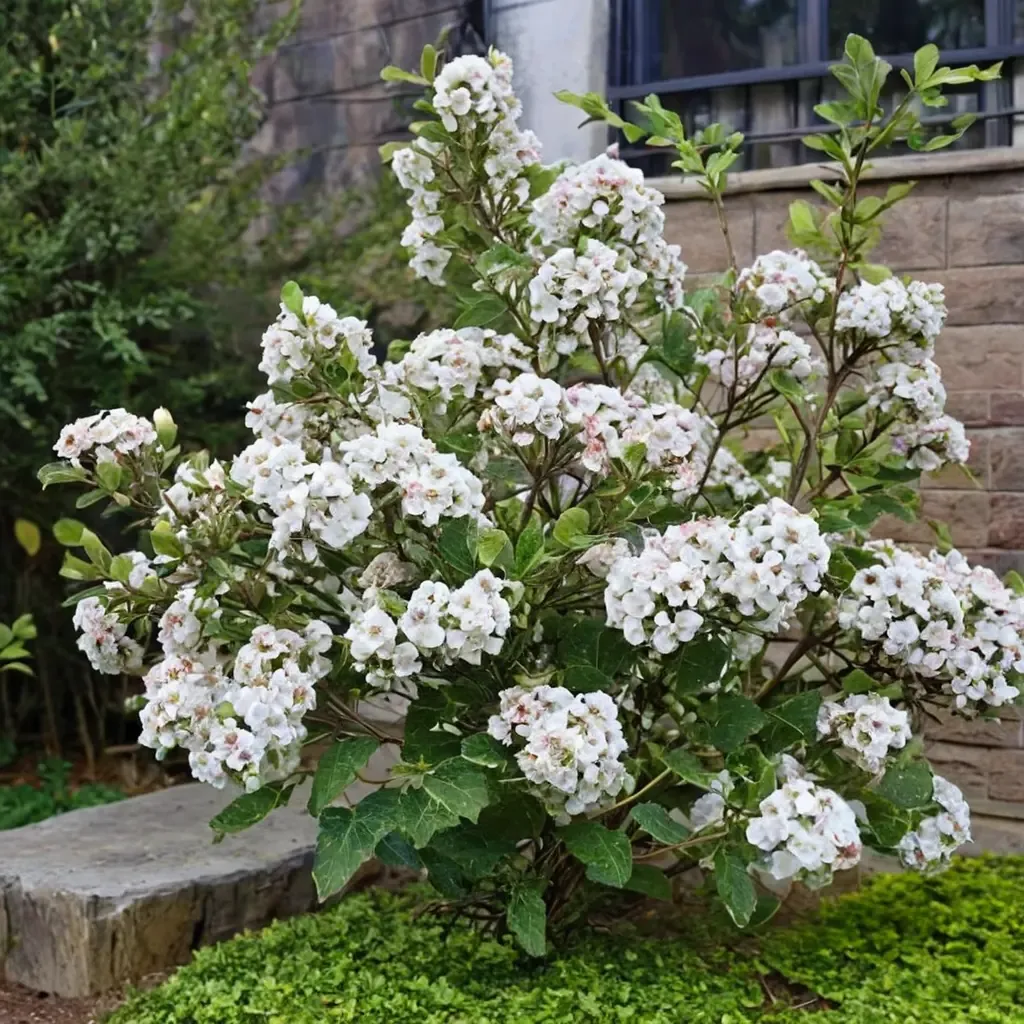
Korean spice viburnum
Viburnum carlesii
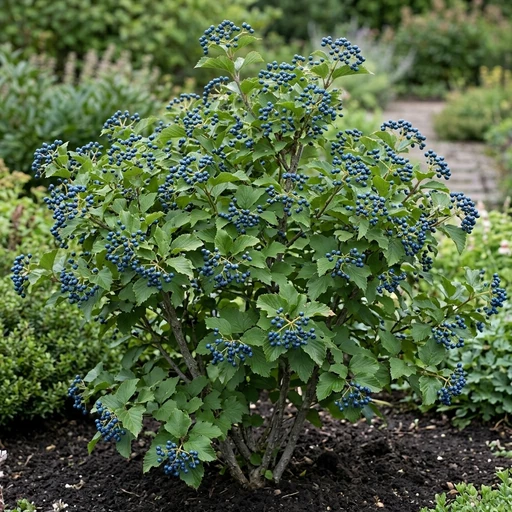
Blue Muffin Viburnum
Viburnum dentatum 'Christom'
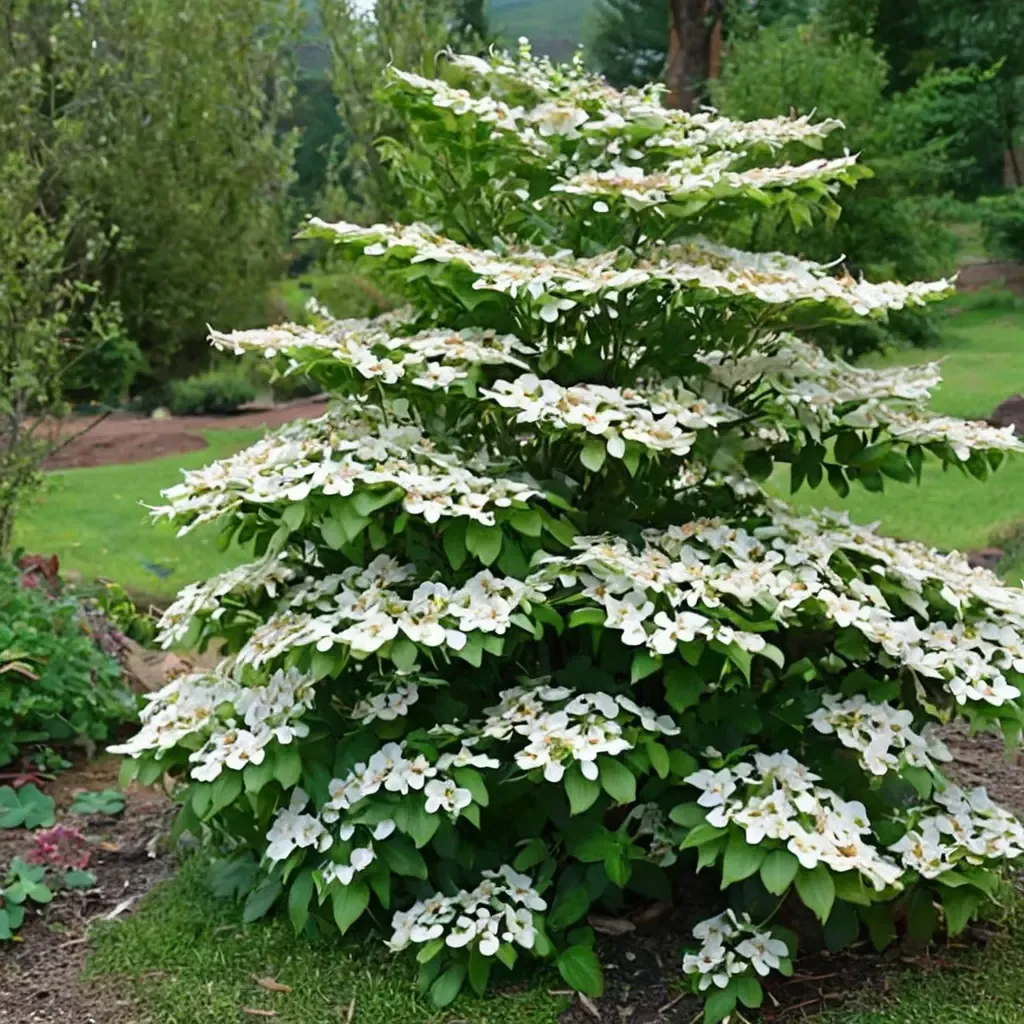
Mariesii Japanese Snowball
Viburnum plicatum 'Mariesii'
Keep exploring
Explore the genus
Hardy in your zone?
Grow Viburnum with confidence
See it in a design of your actual yard, get zone-matched care reminders, and track it season by season in your garden journal.