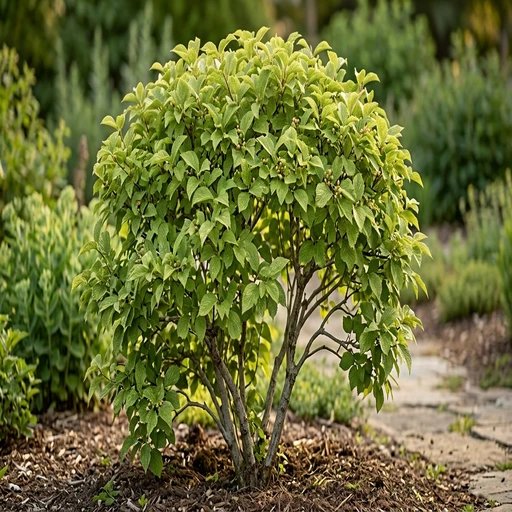
Species
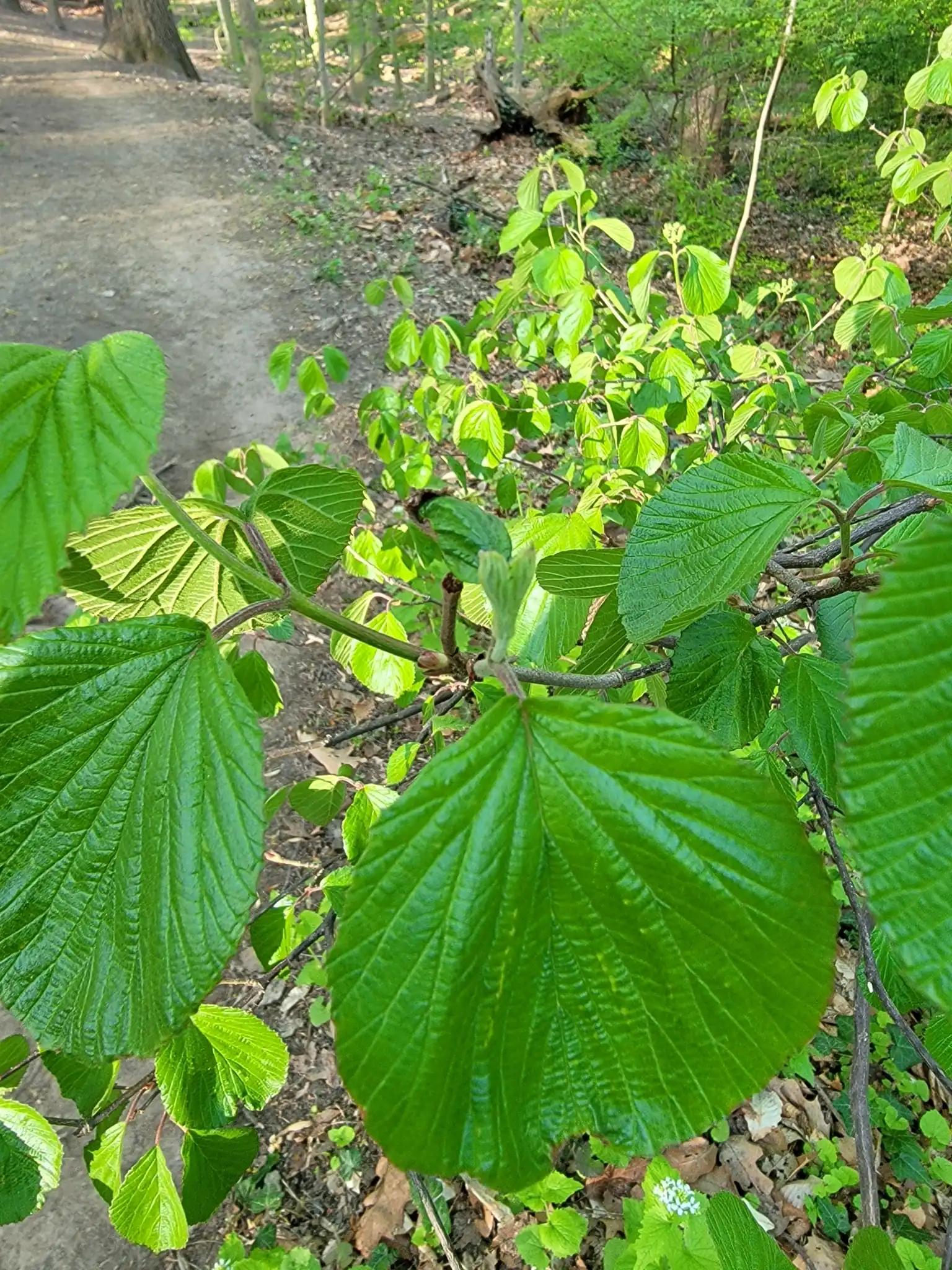 Viburnum dilatatumViburnum
1 other cultivar
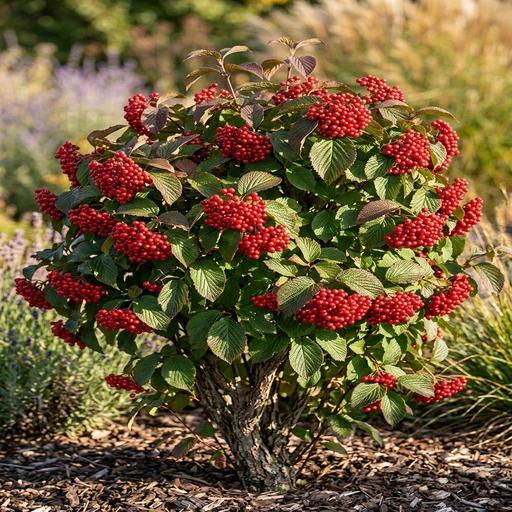
The Story
Plant Bio
Viburnum dilatatum, or Linden Viburnum, is a dense, multi-stemmed deciduous shrub native to East Asia, known for its flat-topped clusters of creamy-white flowers and showy fruit.
'Michael Dodge' is a standout cultivar prized for its abundant clusters of bright yellow fruit, which persist well into winter, contrasting beautifully with its reddish-purple fall foliage.
Uses & Benefits:
Essentials
At a Glance
Plant Type
Shrub
Height
120"
Width
120"
Light
Full Sun, Partial Sun
Zones
5, 6, 7, 8
Water
Medium
Humidity
Average
Lifespan
Long-lived shrub
Native To
East Asia
Toxicity
Berries are mildly toxic if ingested in large quantities.
Bloom period
Late spring – Early summer
In flower about 2 months of the year
Planting
How to Grow
- Select a location with full sun to part shade and moist, well-drained soil.
- Dig a hole two times wider than the root ball.
- Place the shrub in the hole, ensuring the crown is at soil level.
- Backfill with amended soil and water thoroughly to settle.
- Apply a 2-3 inch layer of mulch around the base, avoiding the stem.
- Water regularly during the first year to establish a strong root system.
Pro Tip
Plant another Viburnum dilatatum cultivar nearby for cross-pollination to ensure a heavy and reliable fruit set.
Keep It Thriving
Care Guide
Do
- Provide consistent moisture, especially in dry periods.
- Plant in groups with another V. dilatatum for best fruit production.
- Prune immediately after flowering to avoid removing next year's buds.
Don't
- Don't plant in poorly drained, waterlogged soil.
- Don't forget to check for viburnum leaf beetle, especially in infested areas.
- Avoid heavy pruning late in the season.
Seasonal Care Calendar
| Task | Jan | Feb | Mar | Apr | May | Jun | Jul | Aug | Sep | Oct | Nov | Dec |
|---|---|---|---|---|---|---|---|---|---|---|---|---|
| Fertilize | ||||||||||||
| Pest Check | ||||||||||||
| Prune |
Watch Out For
Pests & Diseases
Common Pests
Common Diseases
In the Garden
Landscape Uses & Companions
Landscape Uses
Multiply
Propagation Methods
Good to Know
Common Questions
Michael Dodge Linden Viburnum questions
What zones can Michael Dodge Linden Viburnum grow in?
Michael Dodge Linden Viburnum is hardy in USDA Zones 5–8. Inside that range it survives winter in the ground; outside it, grow it as an annual or a container plant you protect.
Is Michael Dodge Linden Viburnum deer resistant?
Yes — Michael Dodge Linden Viburnum is rated deer-resistant. Deer typically pass it over, though extreme hunger can override any plant's defenses.
When does Michael Dodge Linden Viburnum bloom?
Michael Dodge Linden Viburnum typically blooms in late spring through early summer. Exact timing shifts a week or two with your zone — Sow's bloom calendar maps it to your garden.
Does Michael Dodge Linden Viburnum need full sun?
Michael Dodge Linden Viburnum does best in full sun to part shade. In hot climates, afternoon shade keeps blooms fresher longer.
More Viburnum to compare
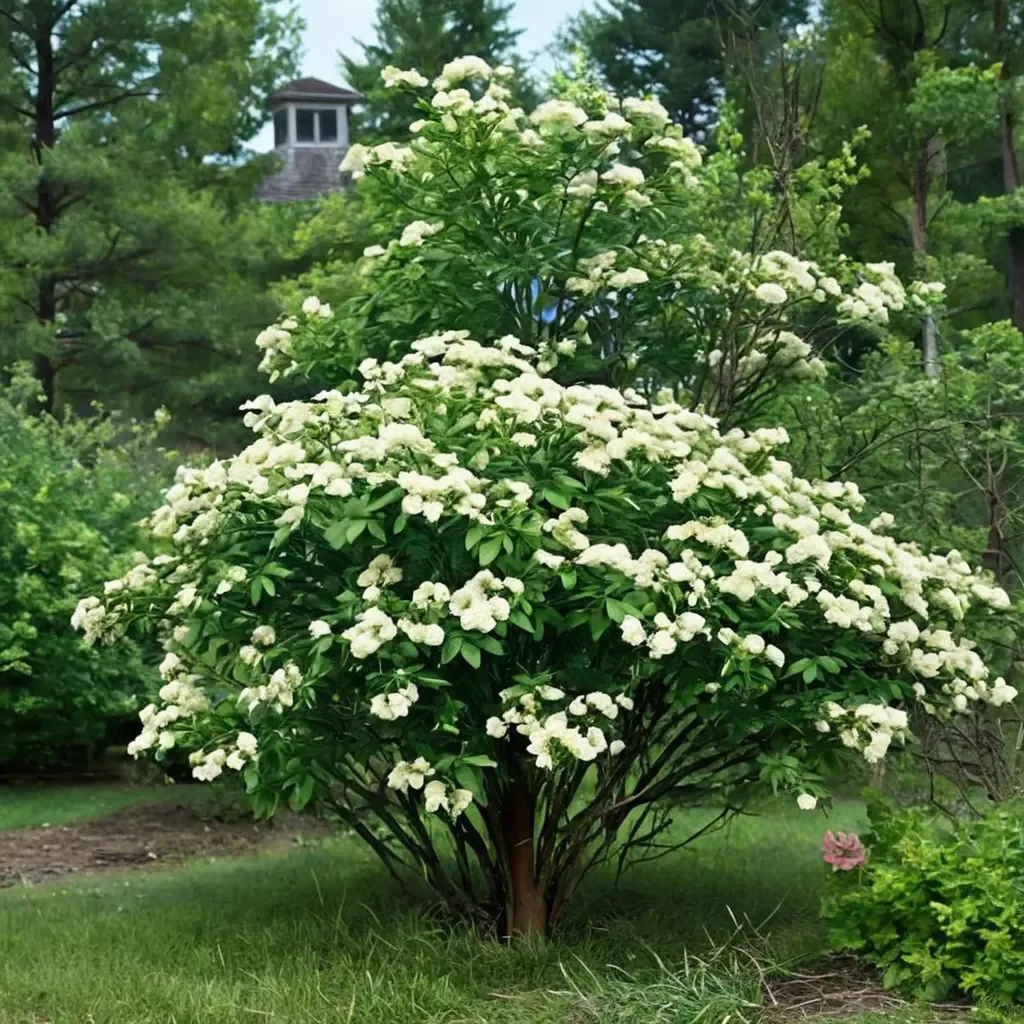
Nannyberry
Viburnum lentago
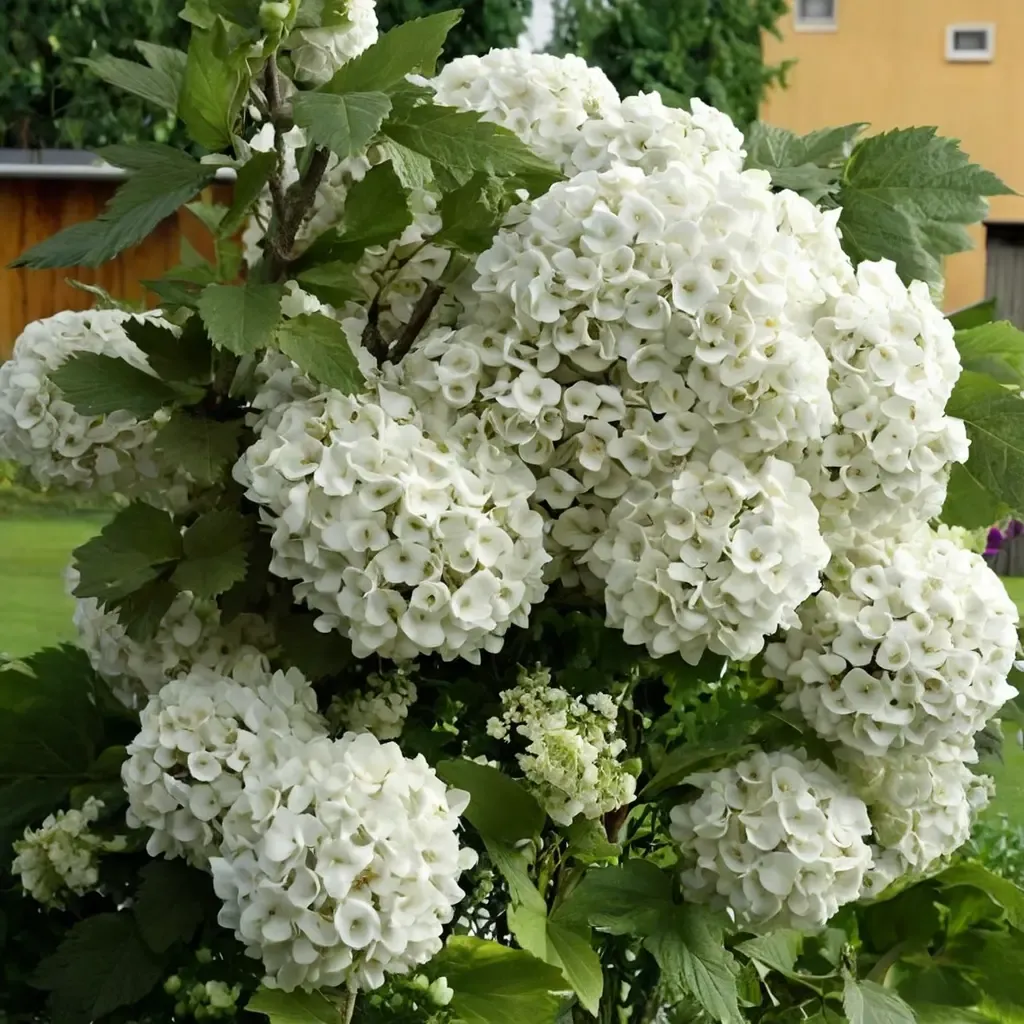
Snowball Viburnum
Viburnum opulus 'Sterile'
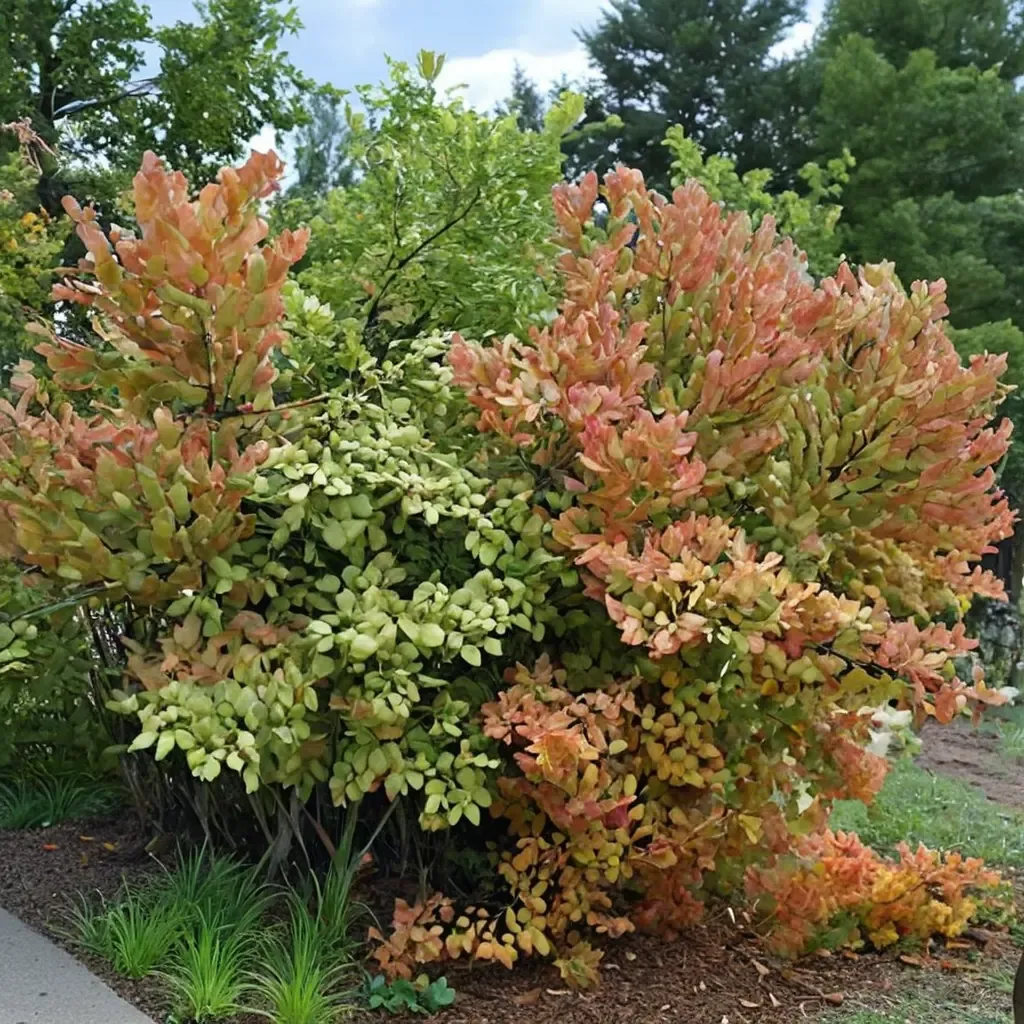
Autumn Jazz Arrowwood
Viburnum dentatum 'Autumn Jazz'
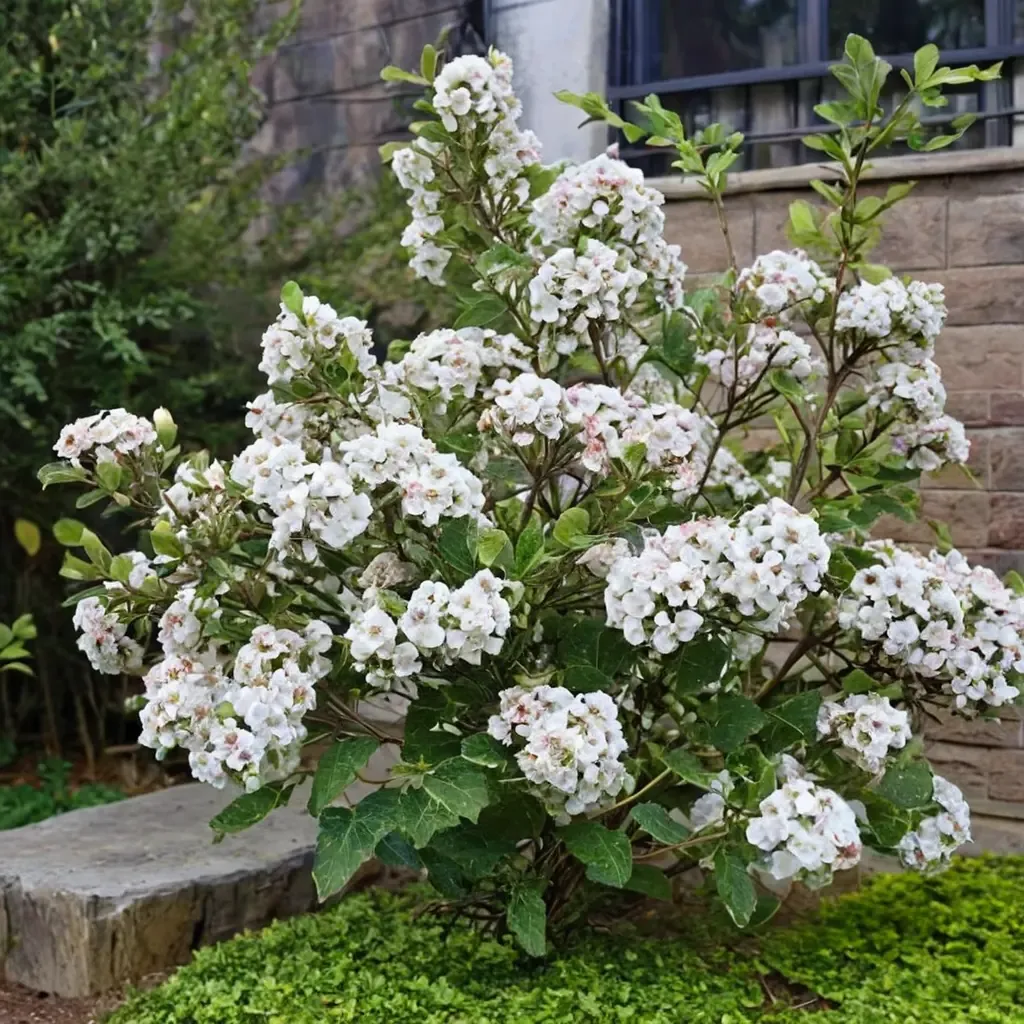
Korean spice viburnum
Viburnum carlesii
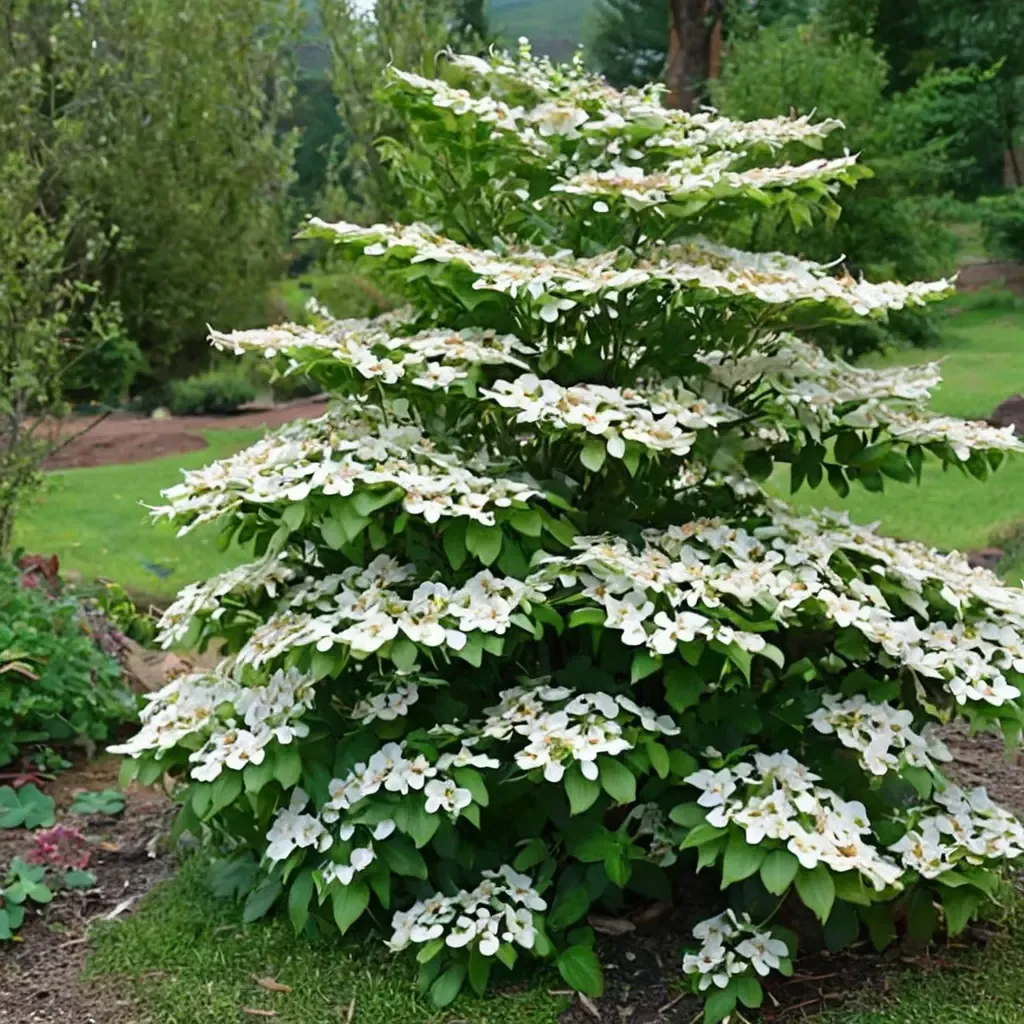
Mariesii Japanese Snowball
Viburnum plicatum 'Mariesii'
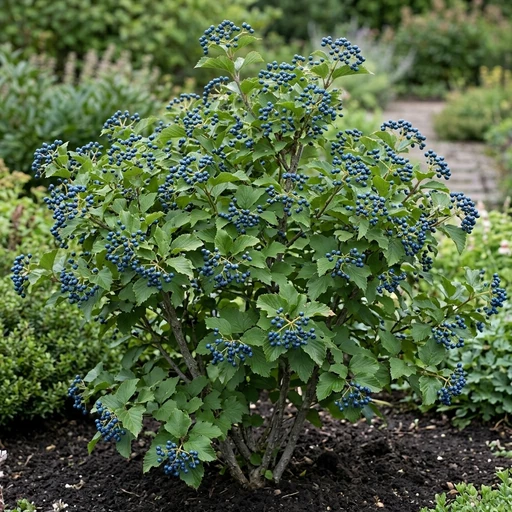
Blue Muffin Viburnum
Viburnum dentatum 'Christom'
Keep exploring
Explore the genus
Hardy in your zone?
Grow Michael Dodge Linden Viburnum with confidence
See it in a design of your actual yard, get zone-matched care reminders, and track it season by season in your garden journal.