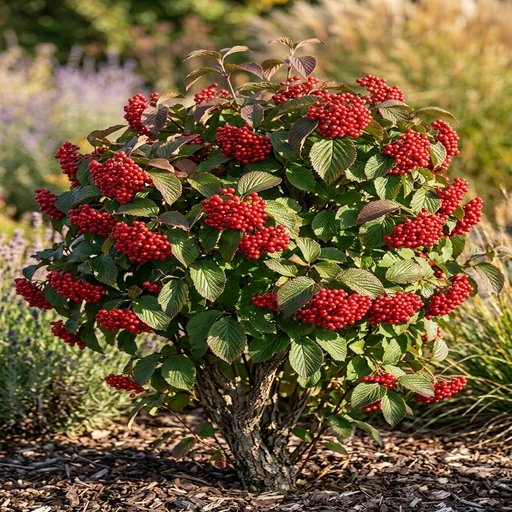
Species
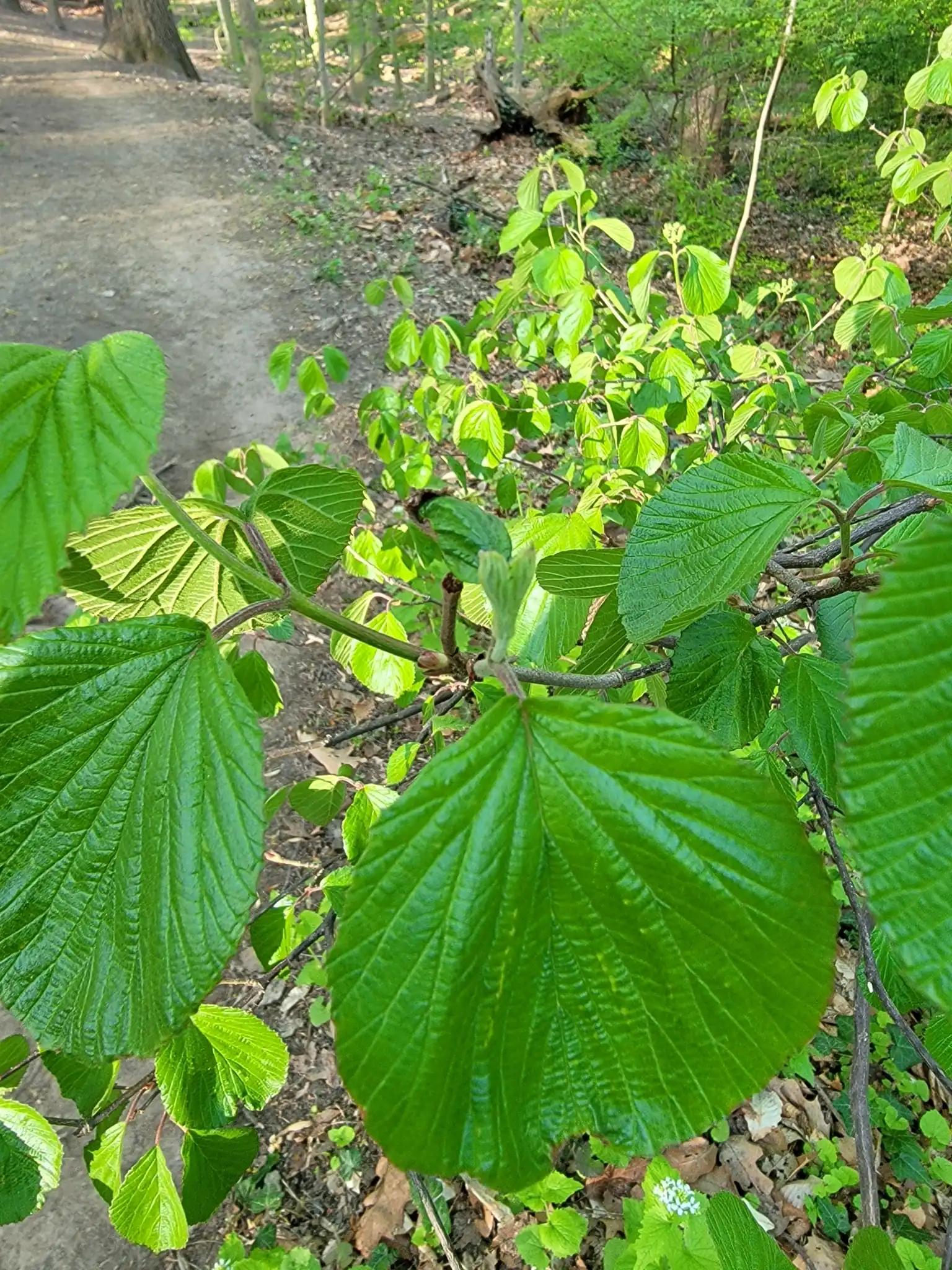 Viburnum dilatatumViburnum
1 other cultivar
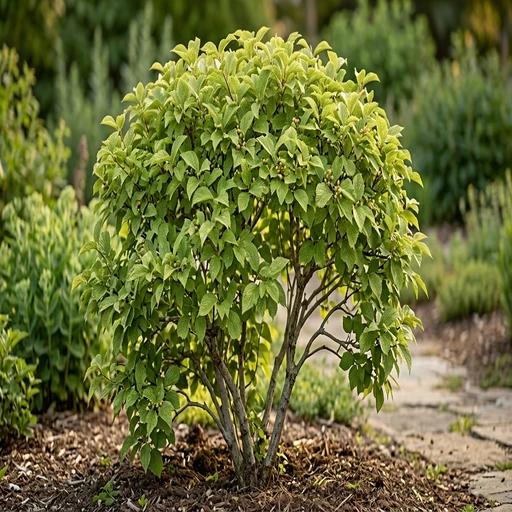
The Story
Plant Bio
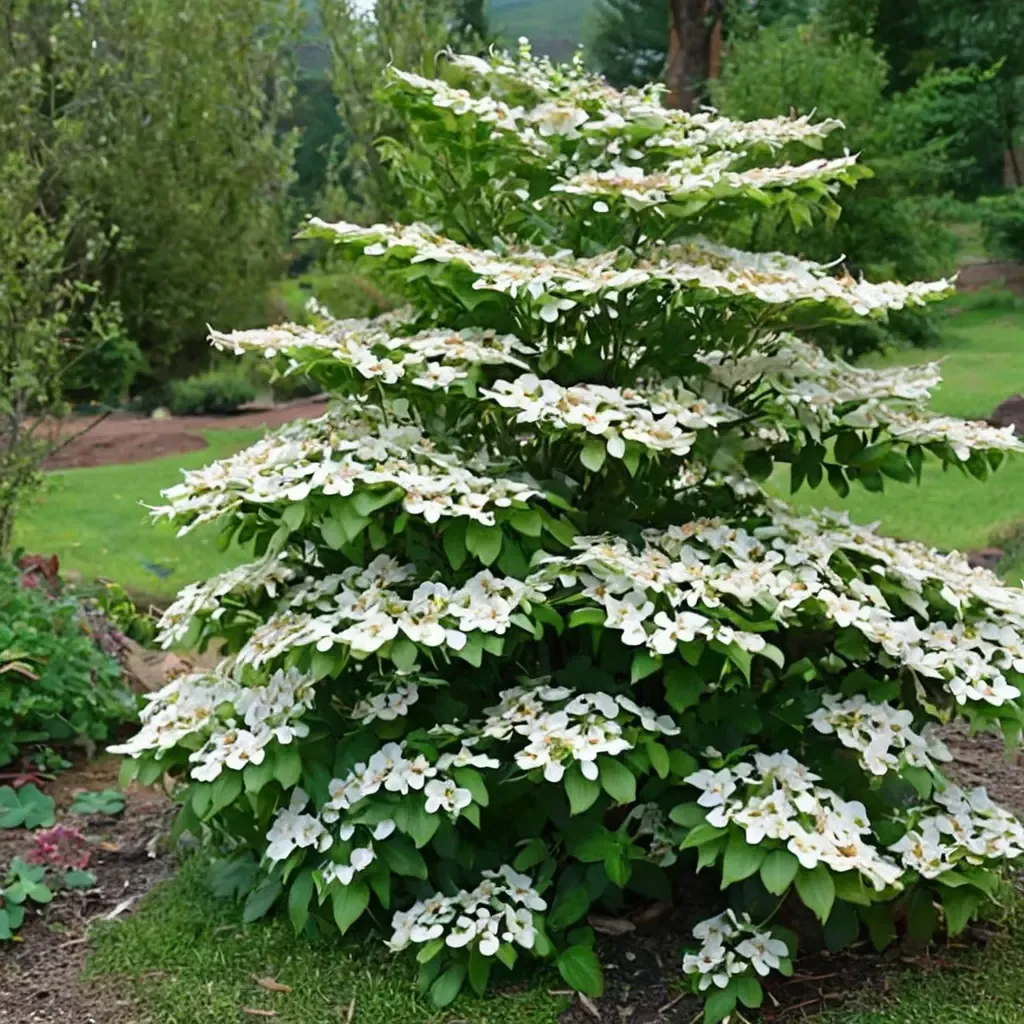
Viburnum dilatatum is a multi-stemmed deciduous shrub from East Asia, admired for its creamy-white flower clusters and attractive fruit. It has a dense, rounded habit and textured, dark green leaves.
Cardinal Candy ('Henneke') is a superior selection known for its exceptionally heavy set of large, glossy, candy-apple red berries that persist long into winter. It is also a reliable pollinator for other V. dilatatum cultivars.
Uses & Benefits:
Essentials
At a Glance
Plant Type
Shrub
Height
120"
Width
120"
Light
Full Sun, Partial Sun
Zones
5, 6, 7, 8
Water
Medium
Humidity
Average
Lifespan
Long-lived shrub
Native To
East Asia
Toxicity
Berries are mildly toxic if ingested in large quantities.
Bloom period
Late spring – Early summer
In flower about 2 months of the year
Planting
How to Grow
- Choose a site with at least 6 hours of sun for best flowering and fruiting.
- Amend soil with compost to improve drainage and fertility.
- Dig a hole twice the width of the container.
- Set the plant with the top of the root ball level with the ground.
- Backfill the hole, water deeply, and mulch to conserve moisture.
- Provide regular water until the plant is well-established.
Pro Tip
Plant with 'Michael Dodge' for a stunning display of both red and yellow berries from cross-pollination.
Keep It Thriving
Care Guide
Do
- Plant a different V. dilatatum cultivar nearby for cross-pollination.
- Water deeply during extended dry spells.
- Allow space for it to reach its mature size.
Don't
- Don't plant in soggy, poorly drained locations.
- Avoid shearing, which ruins its natural form and fruit display.
- Don't let mulch touch the main stems.
Seasonal Care Calendar
| Task | Jan | Feb | Mar | Apr | May | Jun | Jul | Aug | Sep | Oct | Nov | Dec |
|---|---|---|---|---|---|---|---|---|---|---|---|---|
| Fertilize | ||||||||||||
| Pest Check | ||||||||||||
| Prune |
Watch Out For
Pests & Diseases
Common Pests
Common Diseases
In the Garden
Landscape Uses & Companions
Landscape Uses
Companion Plants
Multiply
Propagation Methods
Good to Know
Common Questions
Cardinal Candy Linden Viburnum questions
What zones can Cardinal Candy Linden Viburnum grow in?
Cardinal Candy Linden Viburnum is hardy in USDA Zones 5–8. Inside that range it survives winter in the ground; outside it, grow it as an annual or a container plant you protect.
Is Cardinal Candy Linden Viburnum deer resistant?
Yes — Cardinal Candy Linden Viburnum is rated deer-resistant. Deer typically pass it over, though extreme hunger can override any plant's defenses.
When does Cardinal Candy Linden Viburnum bloom?
Cardinal Candy Linden Viburnum typically blooms in late spring through early summer. Exact timing shifts a week or two with your zone — Sow's bloom calendar maps it to your garden.
Does Cardinal Candy Linden Viburnum need full sun?
Cardinal Candy Linden Viburnum does best in full sun to part shade. In hot climates, afternoon shade keeps blooms fresher longer.
More Viburnum to compare
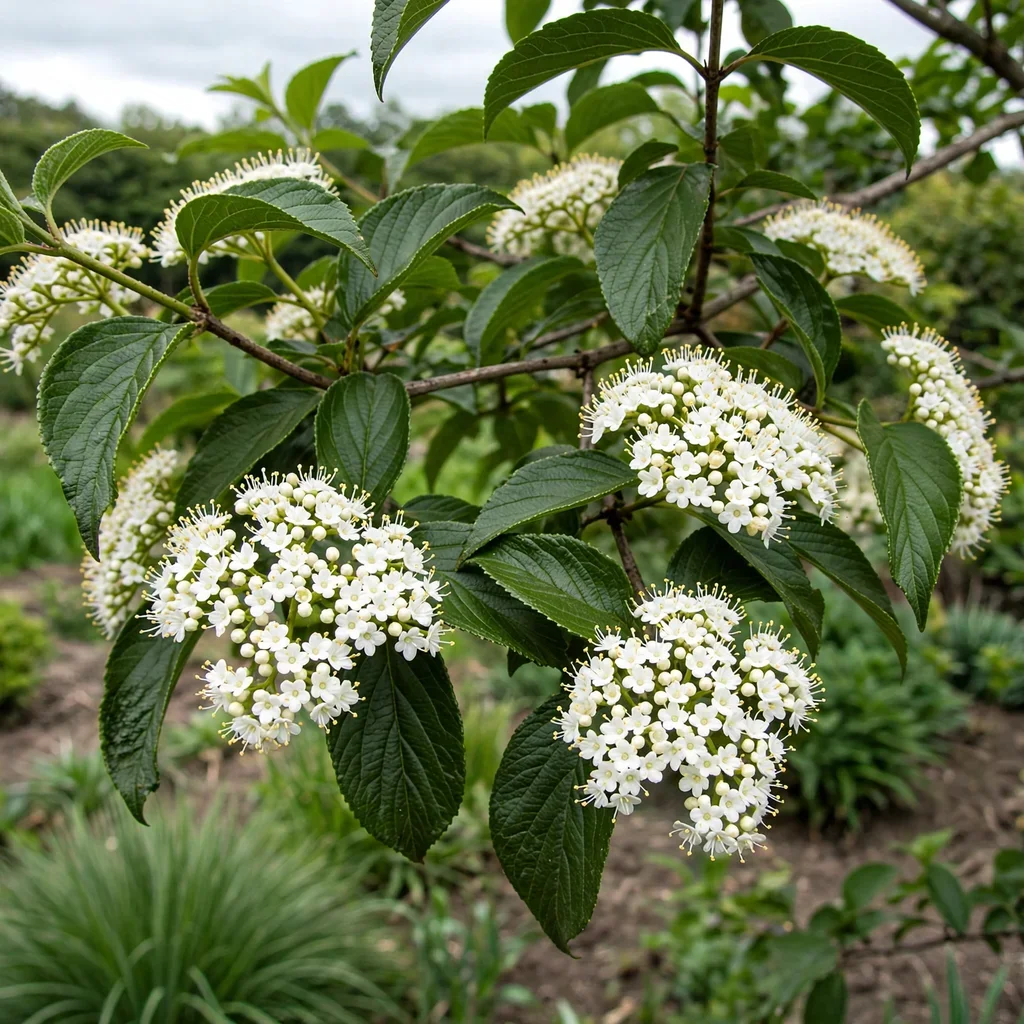
Nannyberry
Viburnum lentago
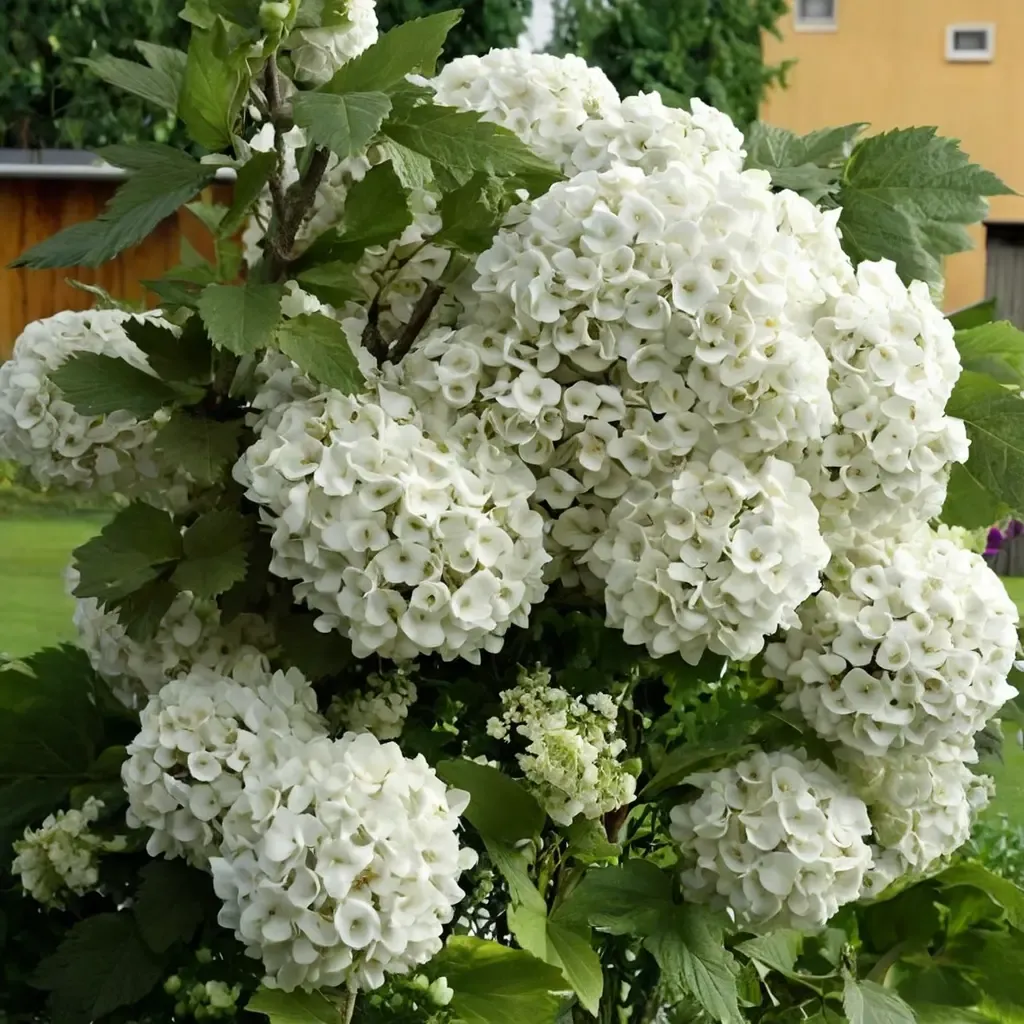
Snowball Viburnum
Viburnum opulus 'Sterile'
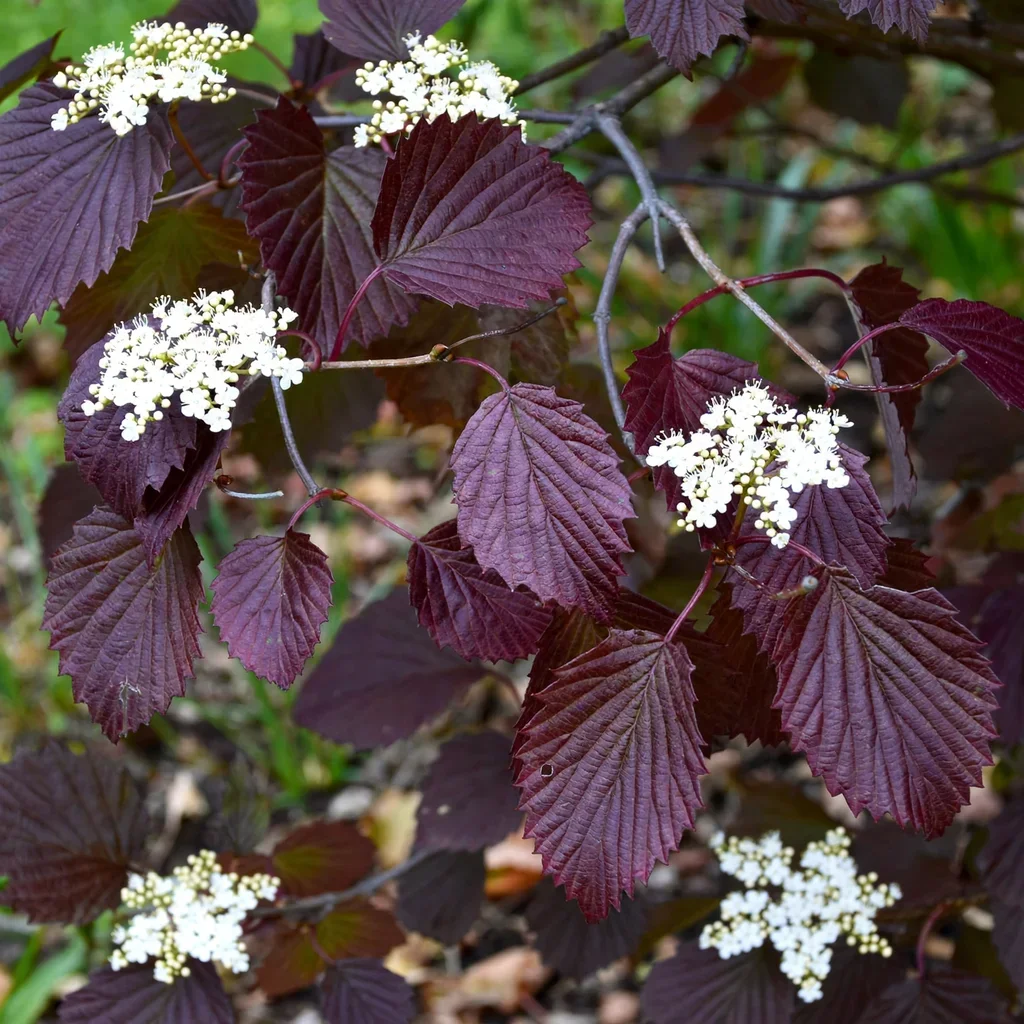
Autumn Jazz Arrowwood
Viburnum dentatum 'Autumn Jazz'
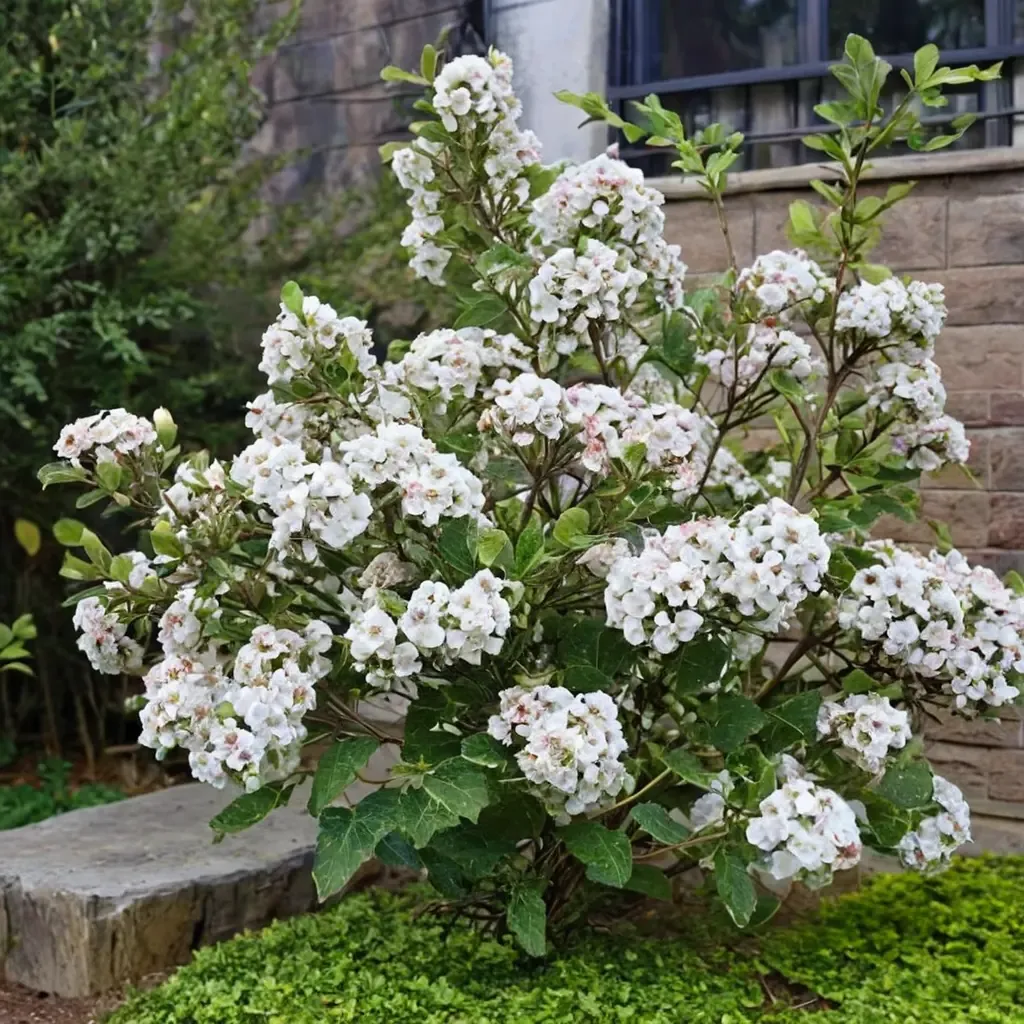
Korean spice viburnum
Viburnum carlesii
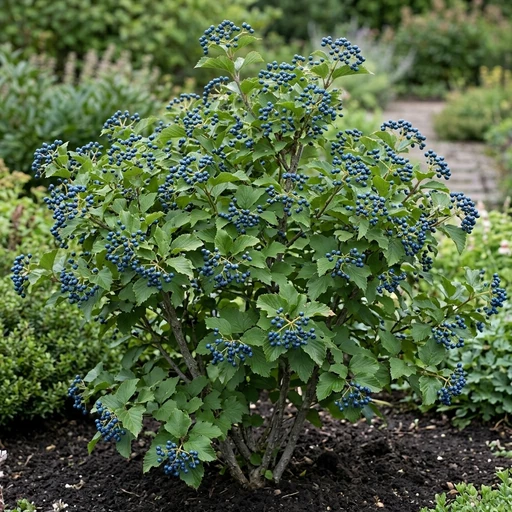
Blue Muffin Viburnum
Viburnum dentatum 'Christom'
Mariesii Japanese Snowball
Viburnum plicatum 'Mariesii'
Keep exploring
Explore the genus
Hardy in your zone?
Grow Cardinal Candy Linden Viburnum with confidence
See it in a design of your actual yard, get zone-matched care reminders, and track it season by season in your garden journal.