

The Story
Plant Bio
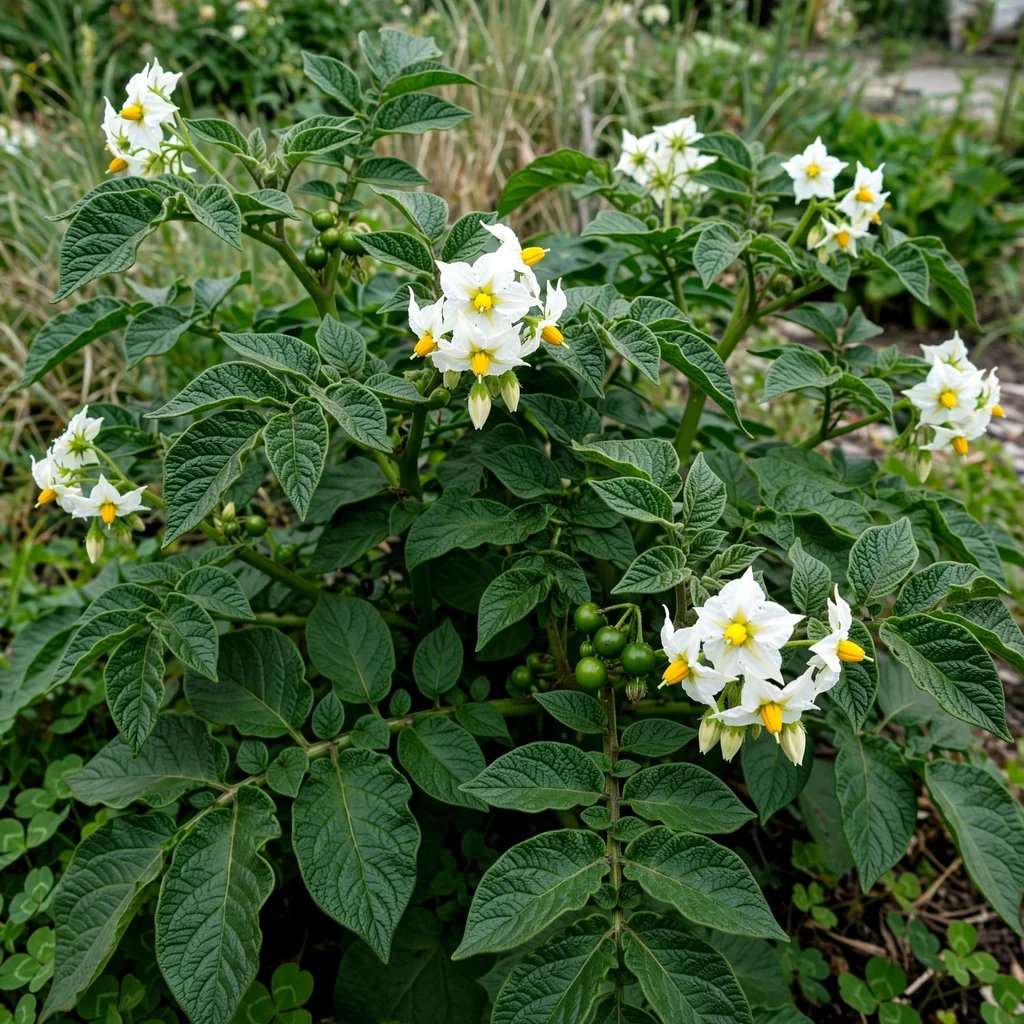
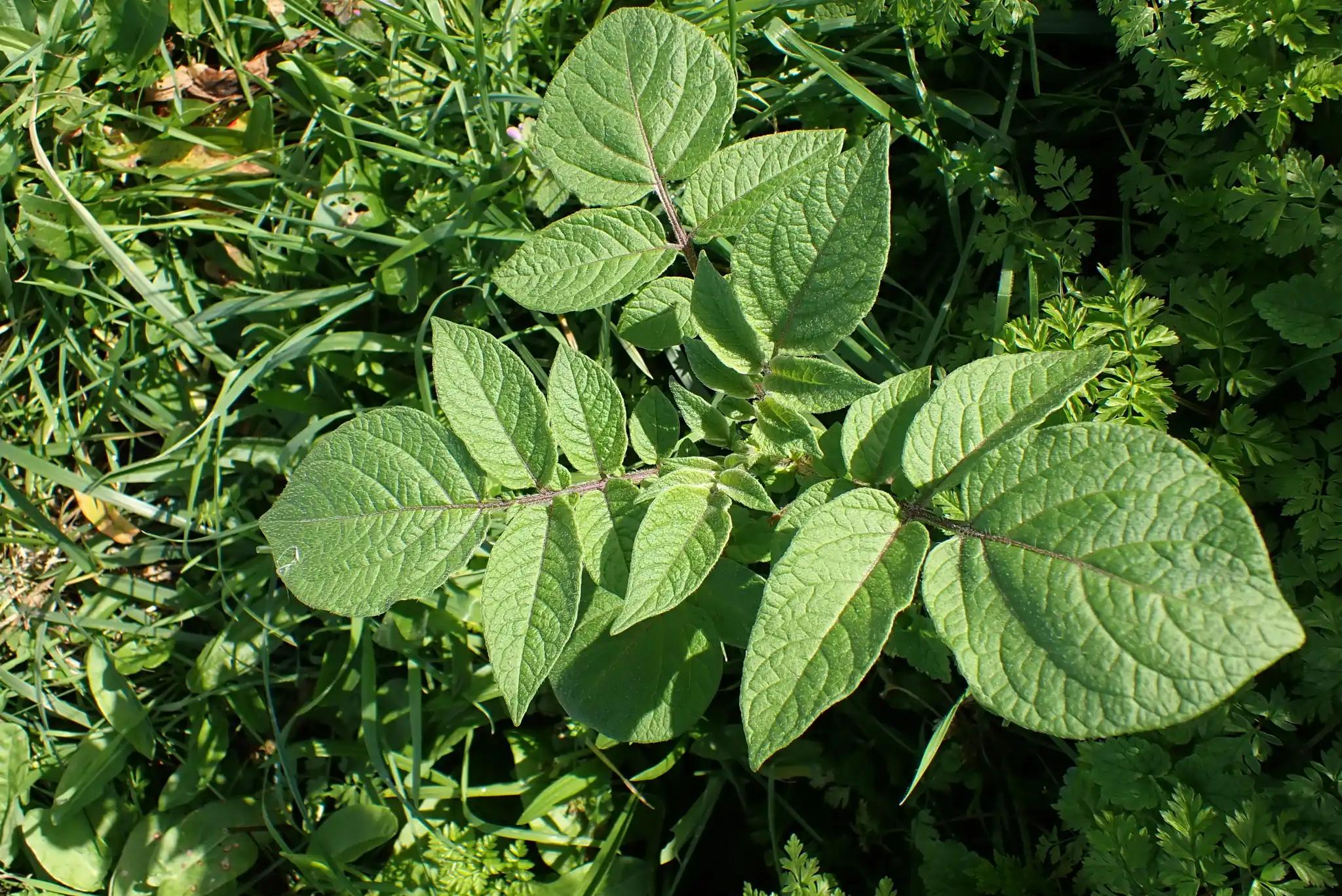
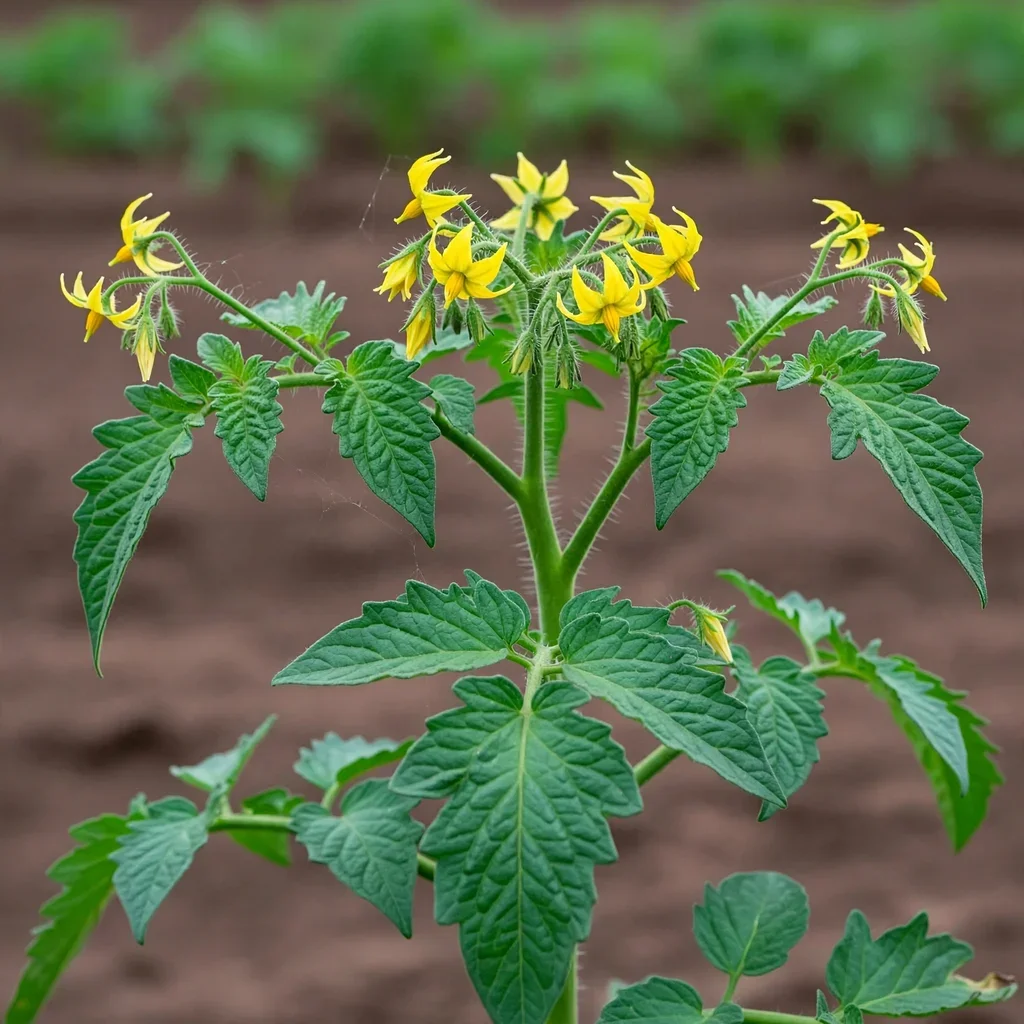
Solanum tuberosum, the common potato, is an upright to spreading herbaceous perennial grown globally as an annual root crop. The species produces dense, dark green compound foliage on thick stems, followed by clusters of star-shaped flowers and small, toxic green berries.
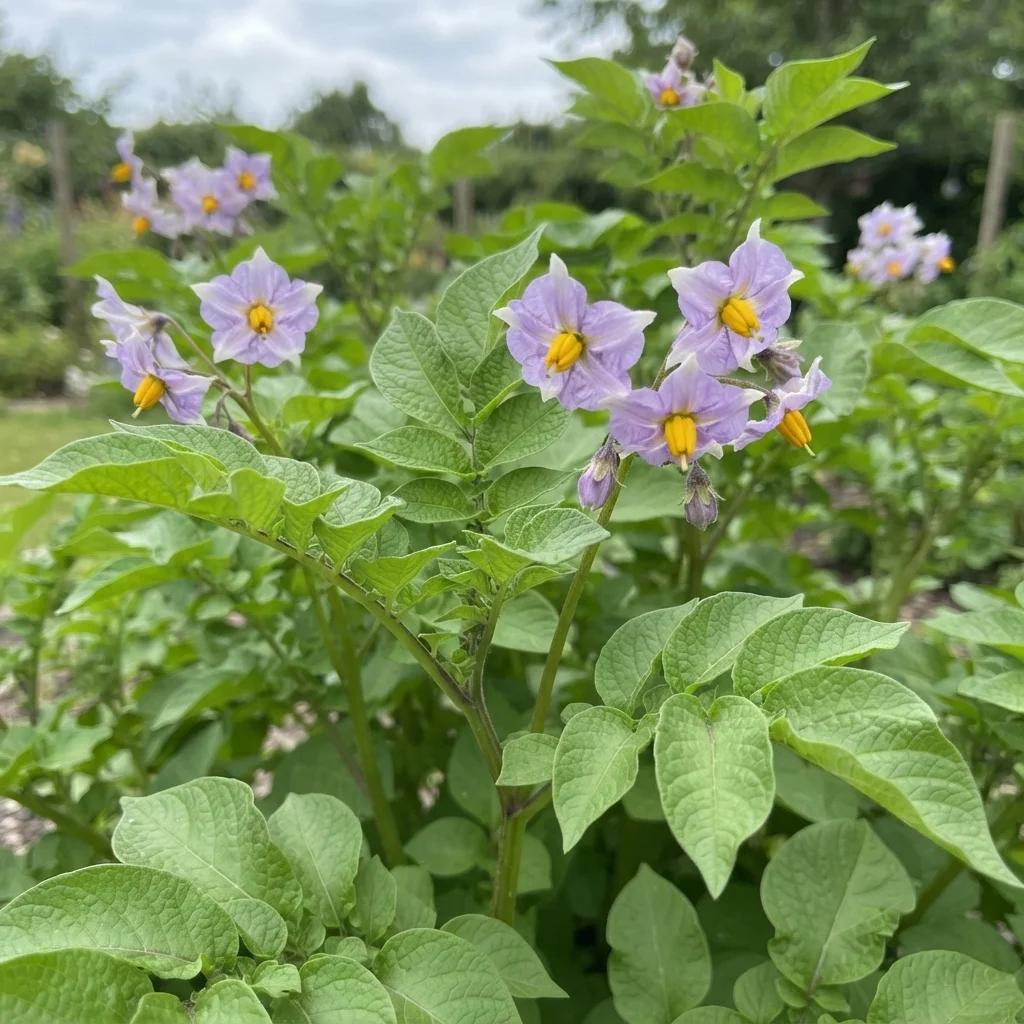
'Agria' is a robust German-bred cultivar distinguished by its high-yielding, yellow-fleshed tubers and strong, rapid initial foliage development. In summer, it produces large, numerous white flowers held above the canopy on unpigmented stems.
Uses & Benefits:
Essentials
At a Glance
Plant Type
Fruit Vegetable
Height
36"
Width
18"
Light
Full Sun
Zones
4, 5, 6, 7, 8, 9, 10
Water
Medium
Humidity
Moderate
Lifespan
Annual
Native To
South America
Toxicity
Toxic if Ingested
Bloom period
Summer
In flower about 3 months of the year
Planting
How to Grow
- Select a planting site in full sun with loose, deeply dug, acidic soil.
- Cut large seed potatoes into pieces containing at least one eye, allowing the cuts to dry for a day before planting.
- Plant seed pieces ten to fifteen centimeters deep with the eyes facing upward.
- Mound soil or mulch progressively around the emerging stems to protect developing tubers from sunlight.
- Maintain consistent soil moisture throughout the growing season, particularly during flowering and tuber initiation.
Pro Tip
Cut the leafy vines down to ground level two to three weeks before harvesting to toughen the tuber skins, which prevents bruising and extends storage life.
Keep It Thriving
Care Guide
Do
- Use certified disease-free seed potatoes to prevent viral and fungal infections.
- Apply a potassium-rich fertilizer to support healthy tuber development.
- Rotate potato crops annually to a different garden bed to disrupt pest and disease cycles.
Don't
- Do not prune healthy green foliage during the growing season, as this reduces tuber yield.
- Do not allow developing tubers to be exposed to sunlight, which turns them green and toxic.
- Do not over-fertilize with nitrogen, which promotes excessive leaf growth at the expense of tubers.
Seasonal Care Calendar
| Task | Jan | Feb | Mar | Apr | May | Jun | Jul | Aug | Sep | Oct | Nov | Dec |
|---|---|---|---|---|---|---|---|---|---|---|---|---|
| Harvest | ||||||||||||
| Mulch | ||||||||||||
| Pest Check | ||||||||||||
| Plant |
Watch Out For
Pests & Diseases
Common Pests
Common Diseases
In the Garden
Landscape Uses & Companions
Landscape Uses
Companion Plants
Multiply
Propagation Methods
Good to Know
Common Questions
Potato 'Agria' questions
What zones can Potato 'Agria' grow in?
Potato 'Agria' is hardy in USDA Zones 4–10. Inside that range it survives winter in the ground; outside it, grow it as an annual or a container plant you protect.
Is Potato 'Agria' deer resistant?
Not reliably. Deer may browse Potato 'Agria', especially tender spring growth — plan on repellents or fencing where pressure is high.
When does Potato 'Agria' bloom?
Potato 'Agria' typically blooms in summer through summer. Exact timing shifts a week or two with your zone — Sow's bloom calendar maps it to your garden.
Does Potato 'Agria' need full sun?
Potato 'Agria' does best in full sun (6+ hours).
More Solanum to compare
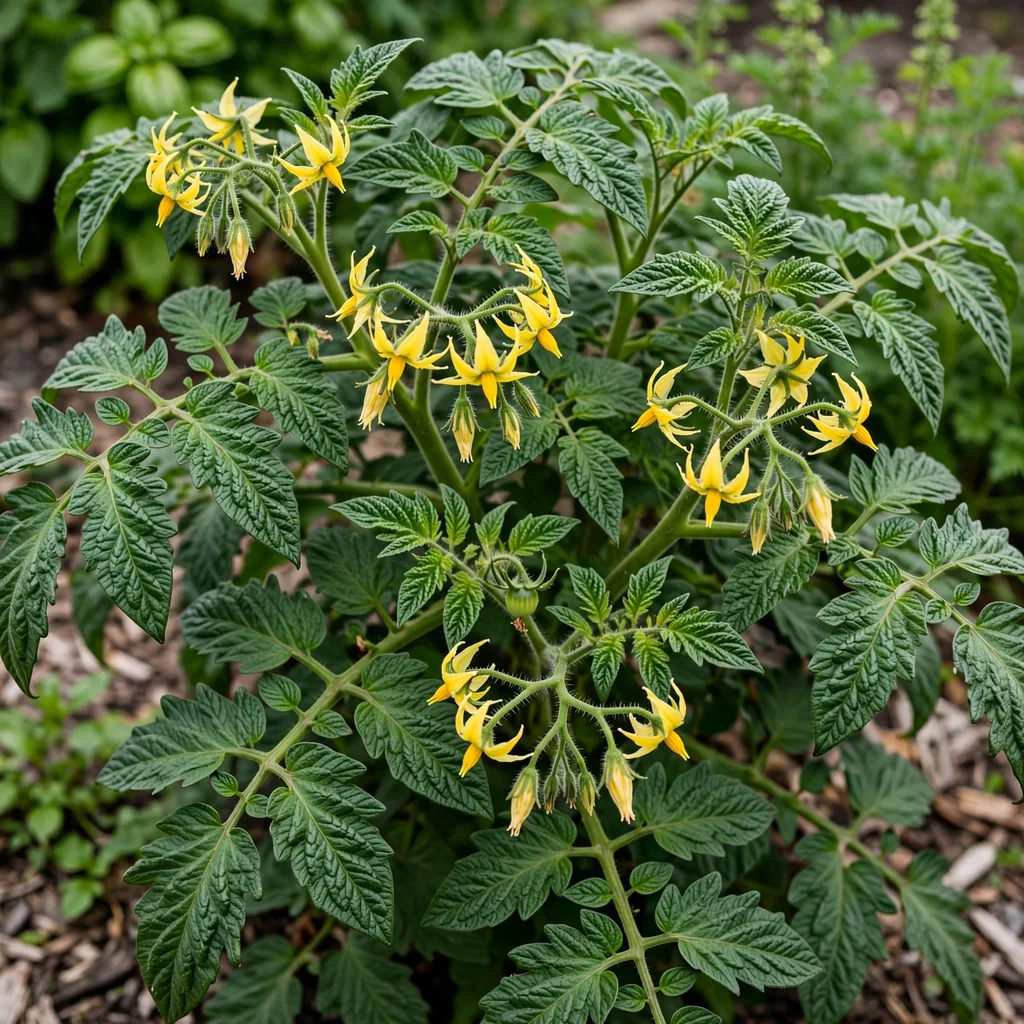
Martino's Roma Tomato
Solanum lycopersicum 'Martino's Roma'
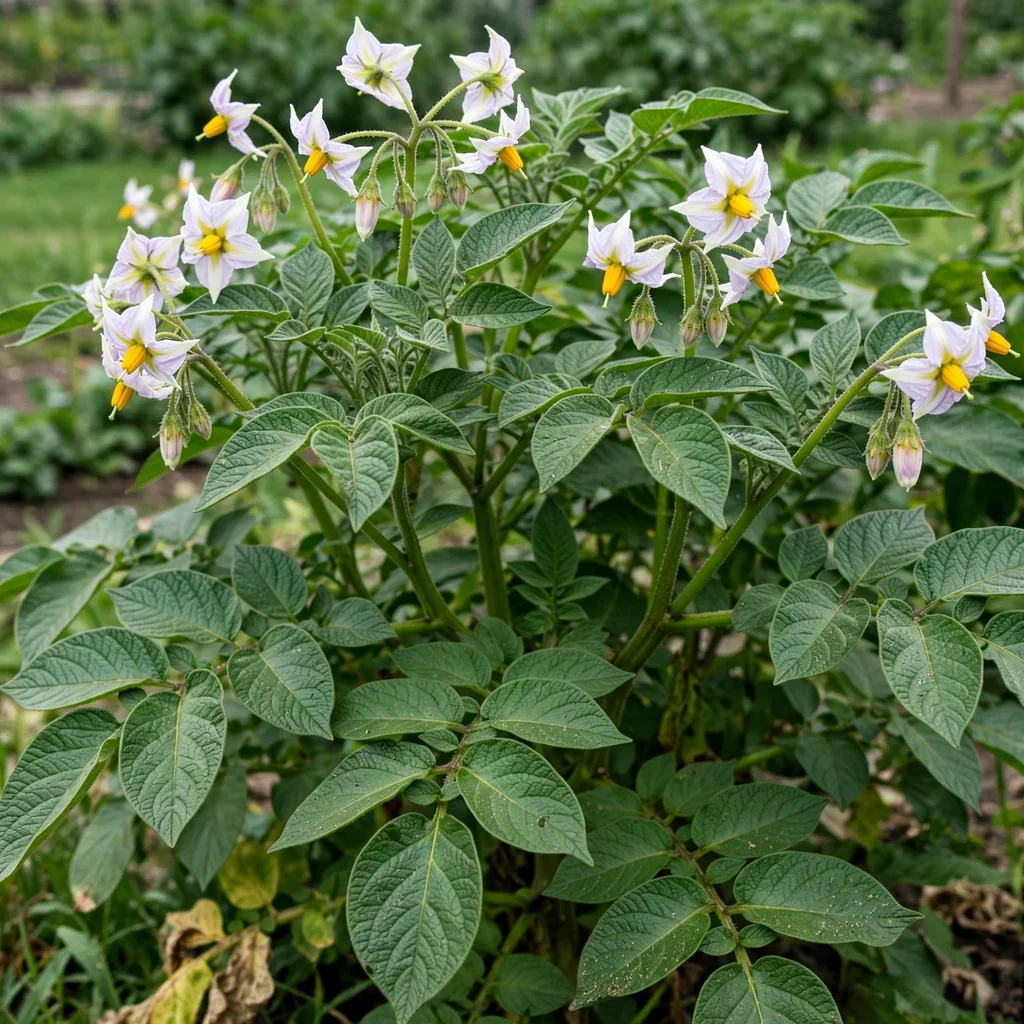
Yukon Gold Potato
Solanum tuberosum 'Yukon Gold'
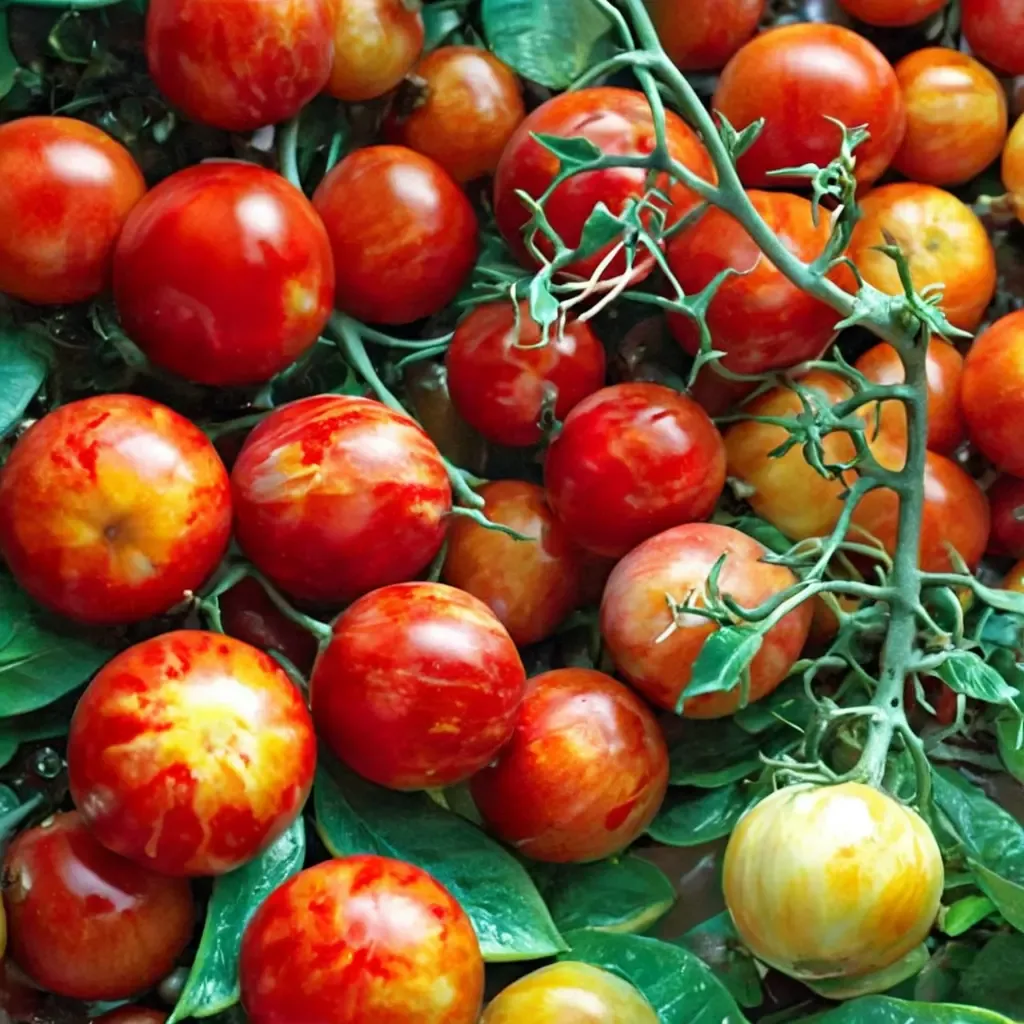
Sweet Tomato
Solanum lycopersicum 'Sweet'
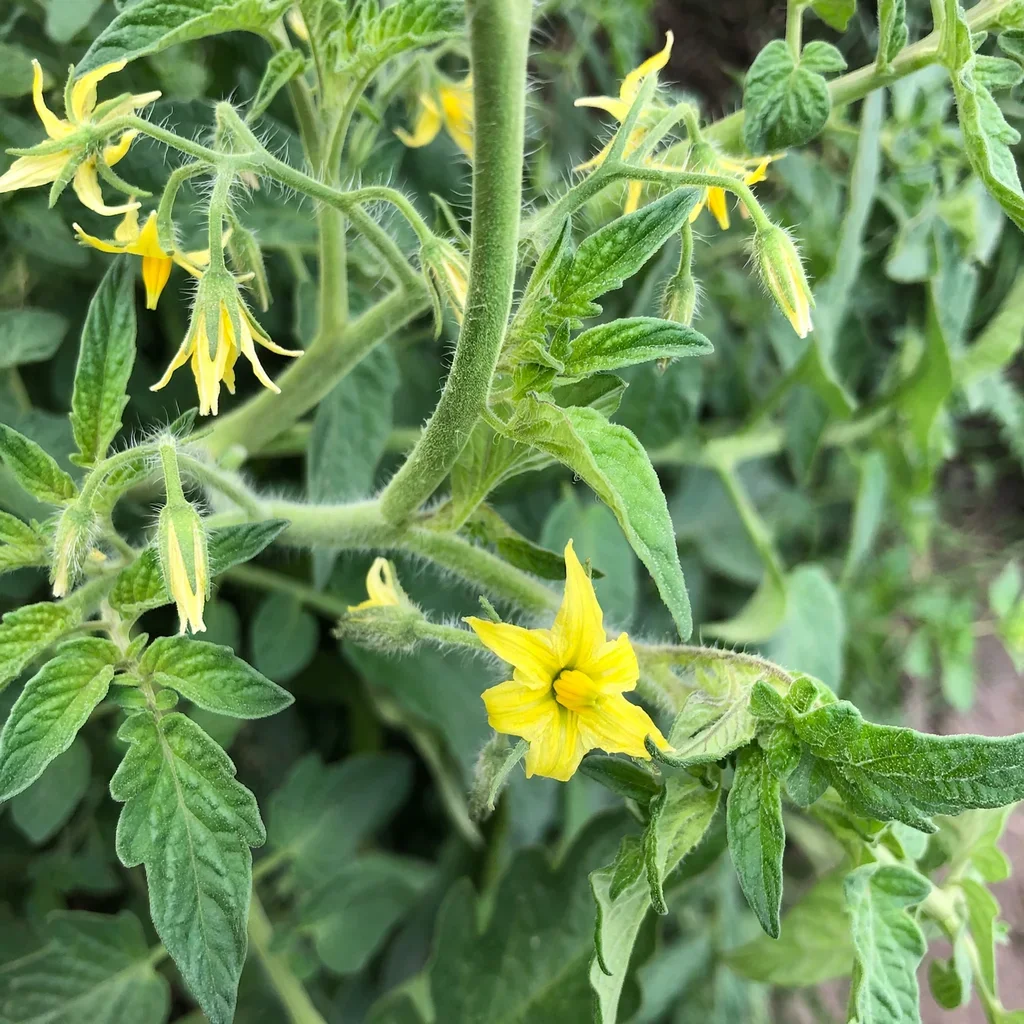
Napa Rose Tomato
Solanum lycopersicum 'Napa Rose'
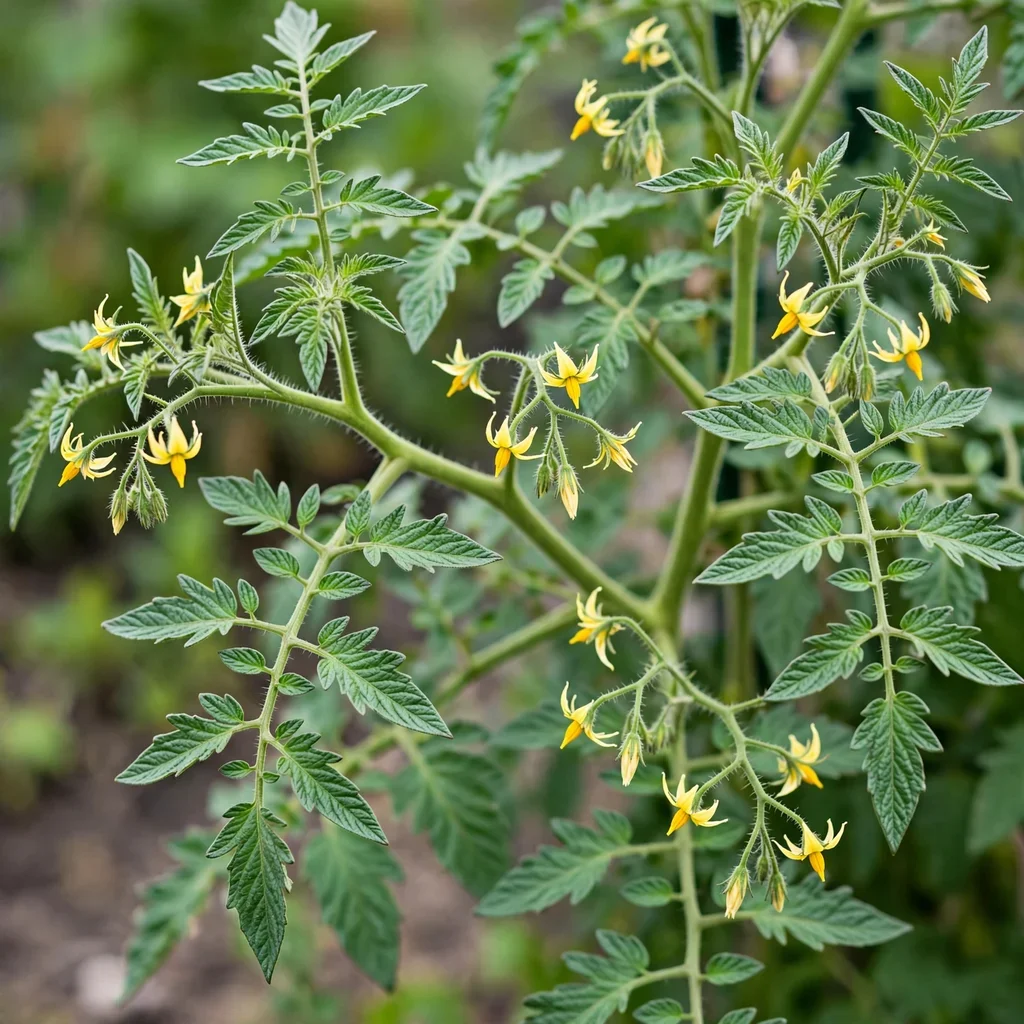
Red Currant Tomato
Solanum lycopersicum 'Red Currant'
Gold Medal Tomato
Solanum lycopersicum 'Gold Medal'
Keep exploring
Explore the genus
Grow Potato 'Agria' with confidence
See it in a design of your actual yard, get zone-matched care reminders, and track it season by season in your garden journal.