
Species
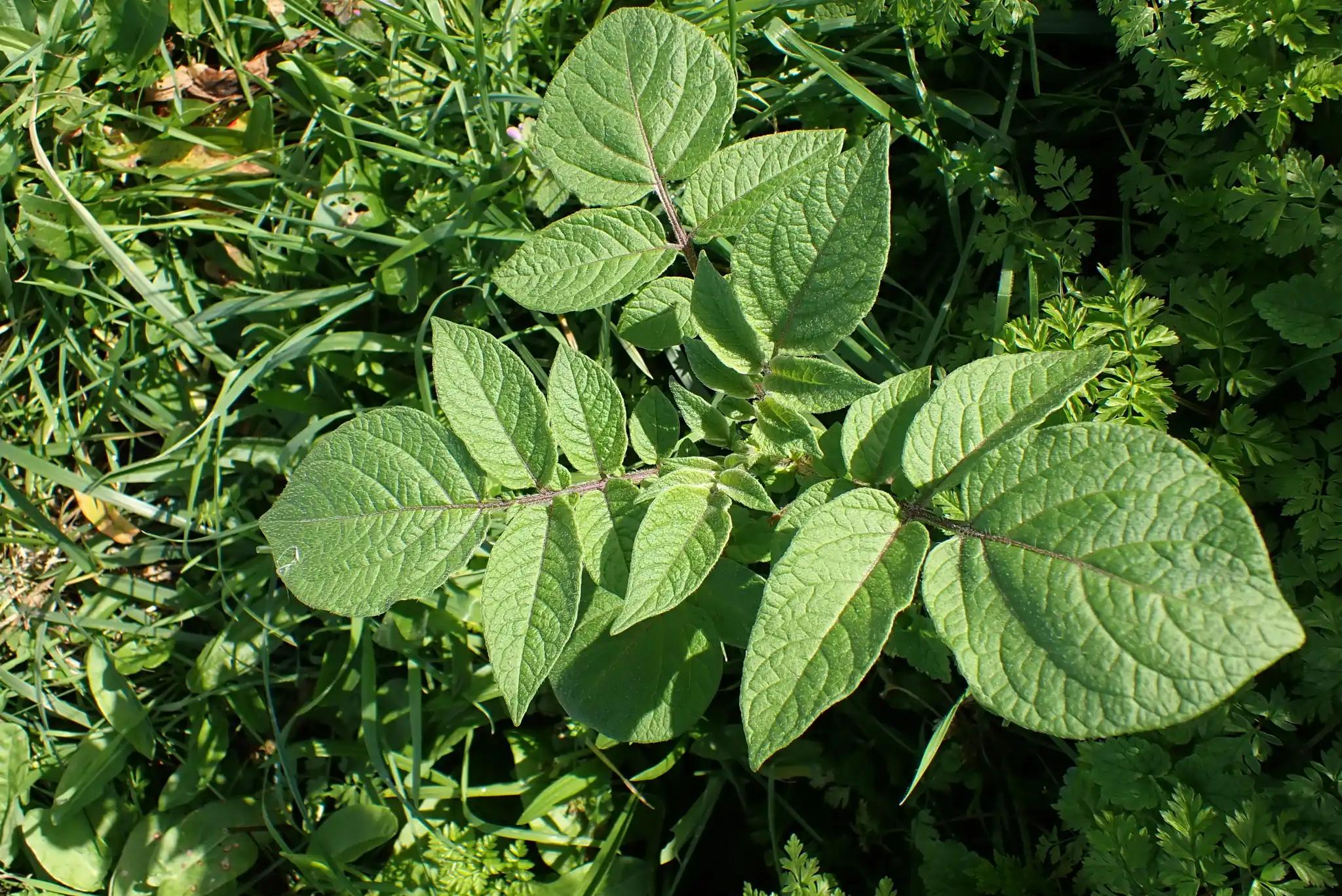 Solanum tuberosumPotato
3 other cultivars


The Story
Plant Bio
Solanum tuberosum is a sprawling, herbaceous annual crop native to the South American Andes, developing a bushy habit from underground stolons. The compound, pinnate leaves emerge bright green, while small summer cymes bear star-shaped flowers with prominent yellow central stamens.
'Waiporoporo' is a traditional heirloom cultivar, historically grown in New Zealand as a heritage taewa. It produces tubers with distinct characteristics and is cultivated across North America as a reliable annual crop.
Uses & Benefits:
Essentials
At a Glance
Plant Type
Fruit Vegetable
Height
24"
Width
36"
Light
Full Sun
Zones
4, 5, 6, 7, 8, 9, 10
Water
Medium
Humidity
Moderate
Lifespan
Annual
Native To
South America
Toxicity
Toxic if Ingested
Bloom period
Summer
In flower about 3 months of the year
Planting
How to Grow
- Select a planting site in full sun with loose, well-drained loamy or sandy soil, ensuring the pH is between 5.0 and 6.5.
- Cut large seed potatoes into pieces containing at least two viable eyes, then allow the cut surfaces to dry and heal for 24 hours before planting.
- Plant seed pieces four inches deep in trenches, spacing them twelve inches apart with the eyes facing upward.
- Mound soil or organic mulch around the base of the stems when they reach eight inches tall, repeating the process twice more as the plants grow.
Pro Tip
Always plant certified disease-free seed potatoes rather than grocery-store tubers, which are treated with sprout inhibitors and carry high viral loads. Mound soil or deep mulch around the stems two to three times during active growth to block light, preventing the developing tubers from producing toxic green solanine.
Keep It Thriving
Care Guide
Do
- Incorporate compost or organic matter into the soil prior to planting to ensure high fertility.
- Maintain consistent soil moisture throughout the summer to support steady tuber development.
- Remove dead vines two weeks prior to harvest to allow the tuber skins to set.
Don't
- Do not plant grocery-store table potatoes, as they are often treated with sprout inhibitors.
- Do not allow developing tubers to be exposed to sunlight, which triggers the production of toxic glycoalkaloids.
- Do not irrigate with overhead sprinklers, as wet foliage increases the risk of early and late blight.
Seasonal Care Calendar
| Task | Jan | Feb | Mar | Apr | May | Jun | Jul | Aug | Sep | Oct | Nov | Dec |
|---|---|---|---|---|---|---|---|---|---|---|---|---|
| Fertilize | ||||||||||||
| Harvest | ||||||||||||
| Pest Check | ||||||||||||
| Plant |
Watch Out For
Pests & Diseases
Common Pests
Common Diseases
In the Garden
Landscape Uses & Companions
Landscape Uses
Companion Plants
Multiply
Propagation Methods
Good to Know
Common Questions
Waiporoporo Potato questions
What zones can Waiporoporo Potato grow in?
Waiporoporo Potato is hardy in USDA Zones 4–10. Inside that range it survives winter in the ground; outside it, grow it as an annual or a container plant you protect.
Is Waiporoporo Potato deer resistant?
Not reliably. Deer may browse Waiporoporo Potato, especially tender spring growth — plan on repellents or fencing where pressure is high.
When does Waiporoporo Potato bloom?
Waiporoporo Potato typically blooms in summer through summer. Exact timing shifts a week or two with your zone — Sow's bloom calendar maps it to your garden.
Does Waiporoporo Potato need full sun?
Waiporoporo Potato does best in full sun (6+ hours).
More Solanum to compare
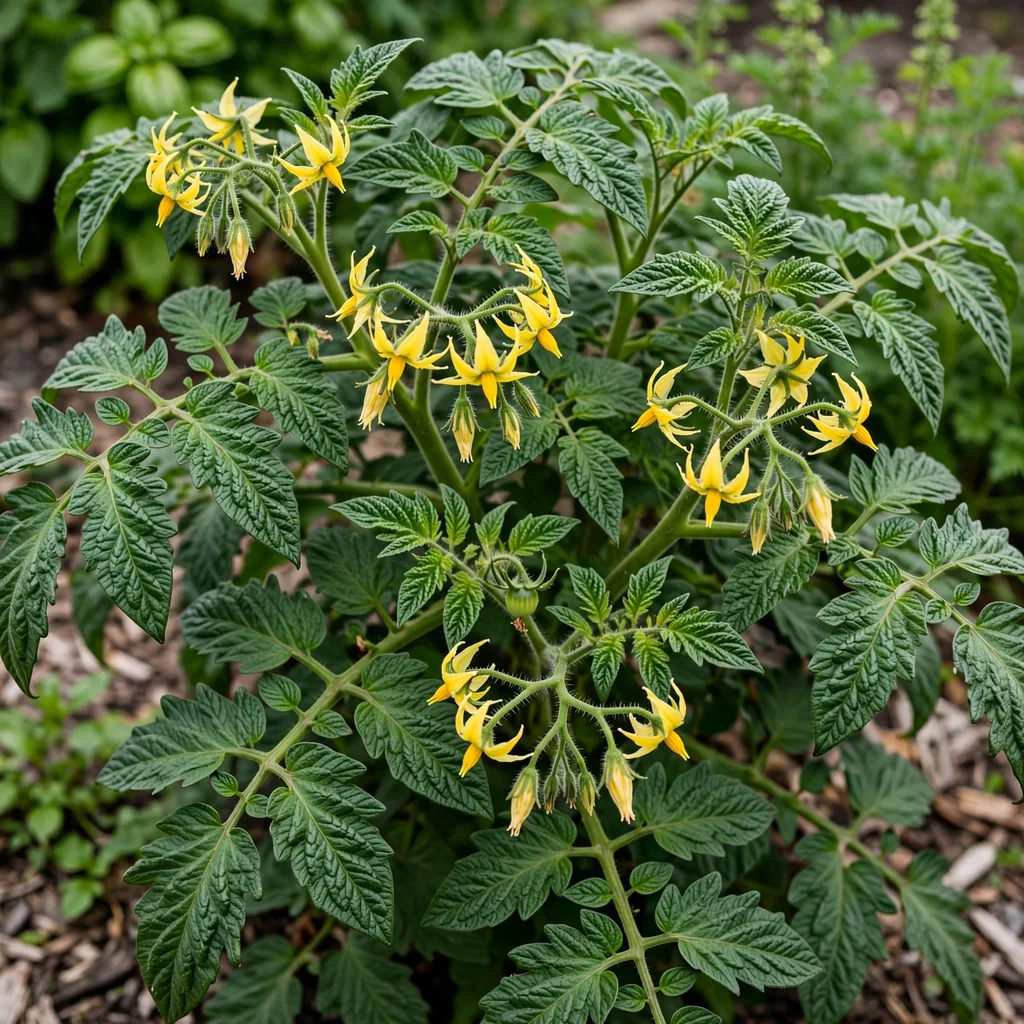
Martino's Roma Tomato
Solanum lycopersicum 'Martino's Roma'
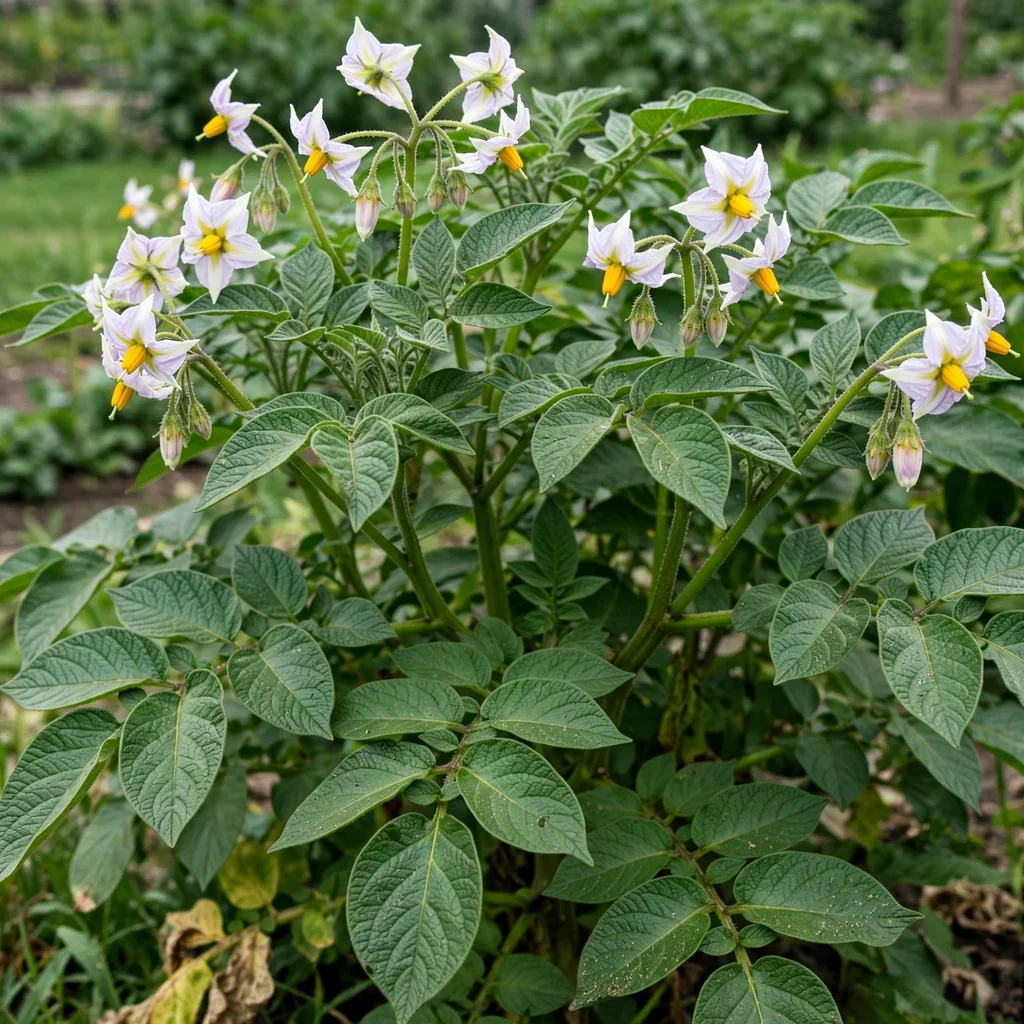
Yukon Gold Potato
Solanum tuberosum 'Yukon Gold'
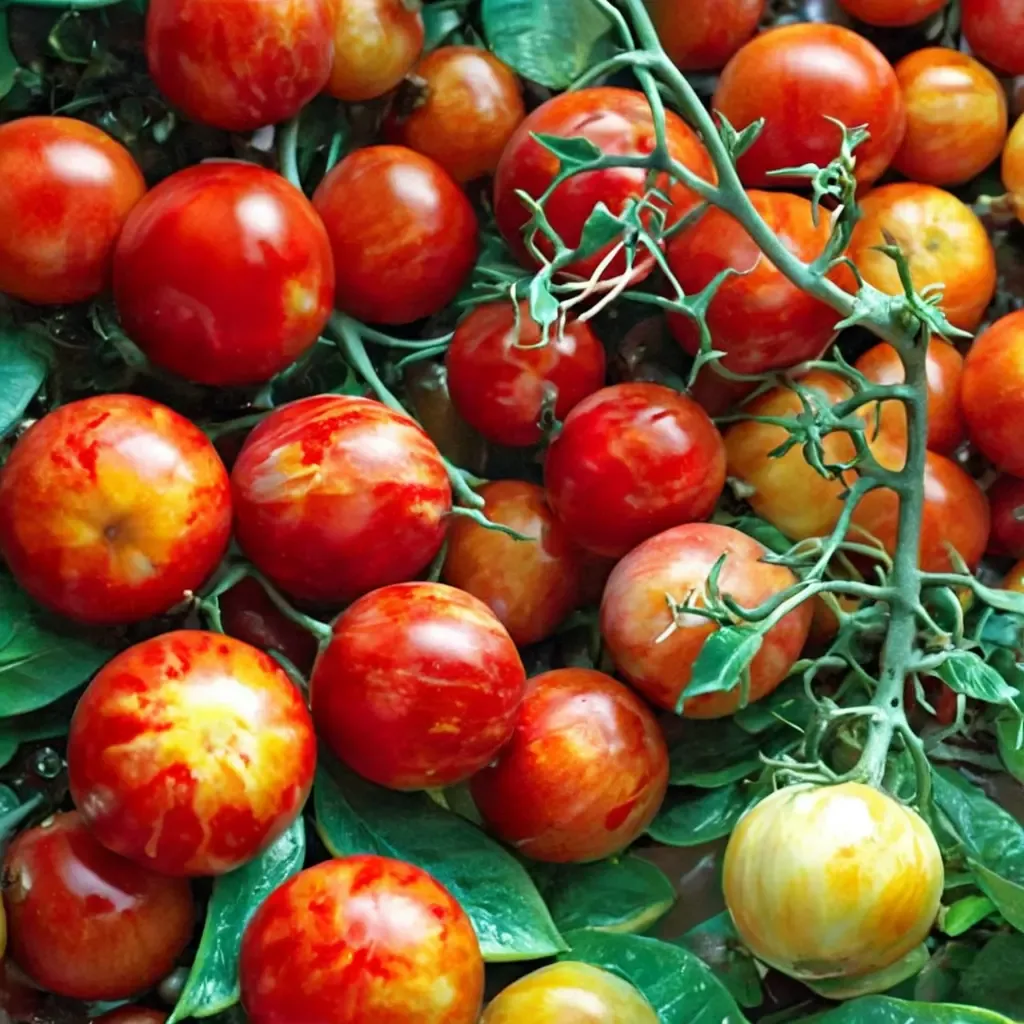
Sweet Tomato
Solanum lycopersicum 'Sweet'
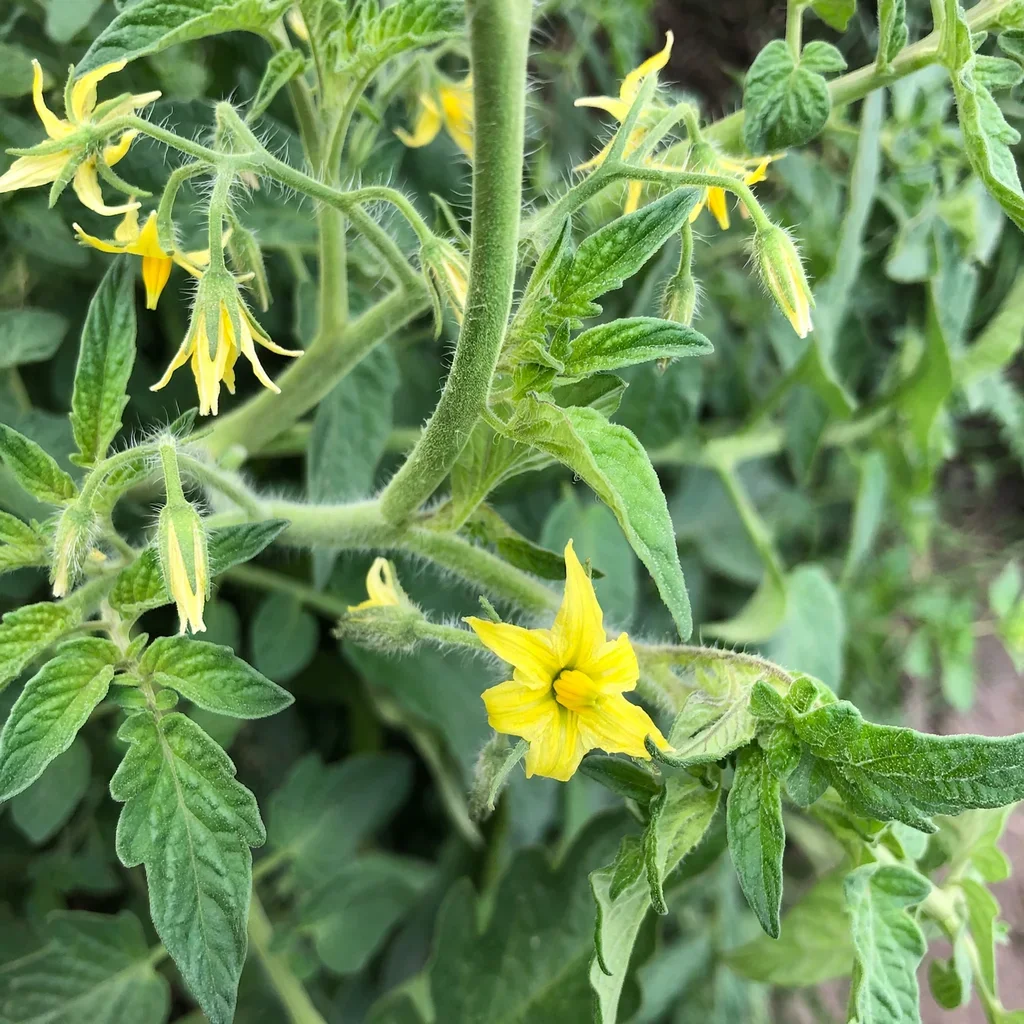
Napa Rose Tomato
Solanum lycopersicum 'Napa Rose'
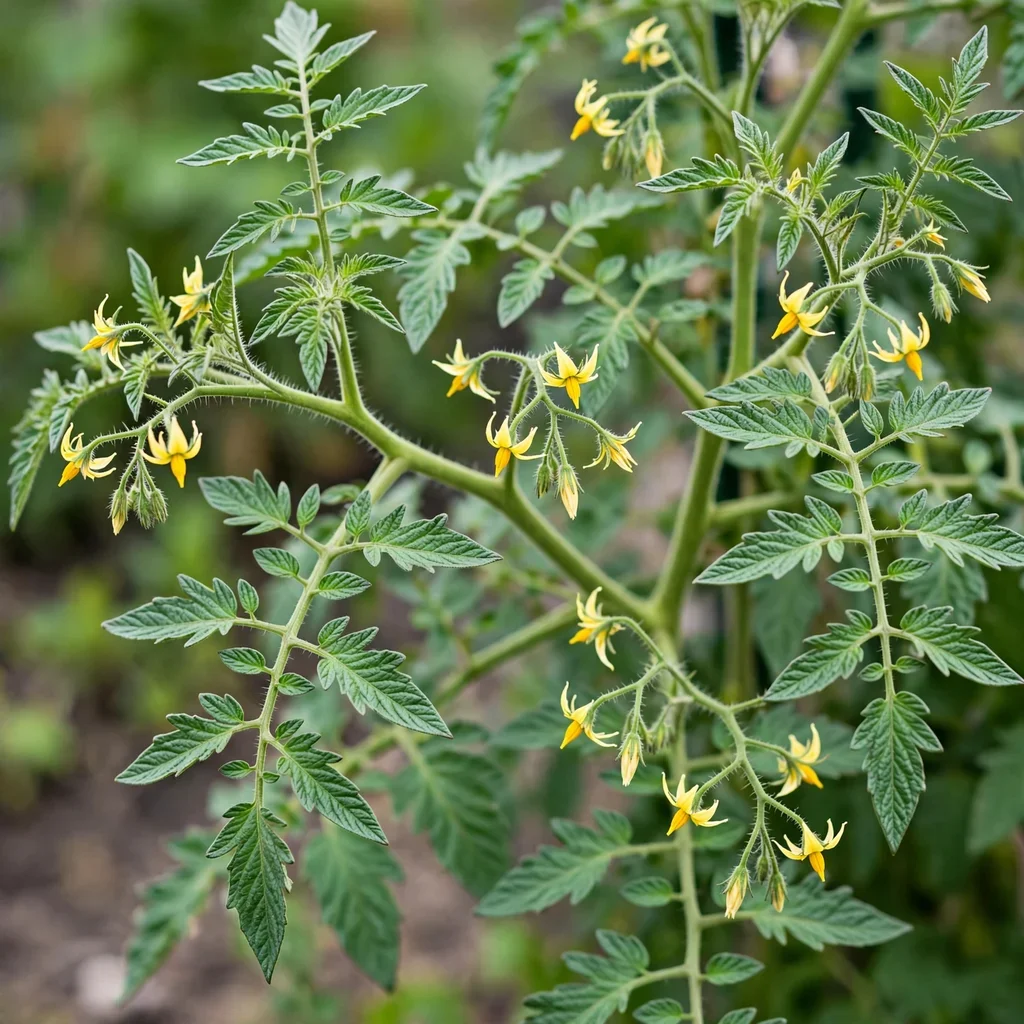
Red Currant Tomato
Solanum lycopersicum 'Red Currant'
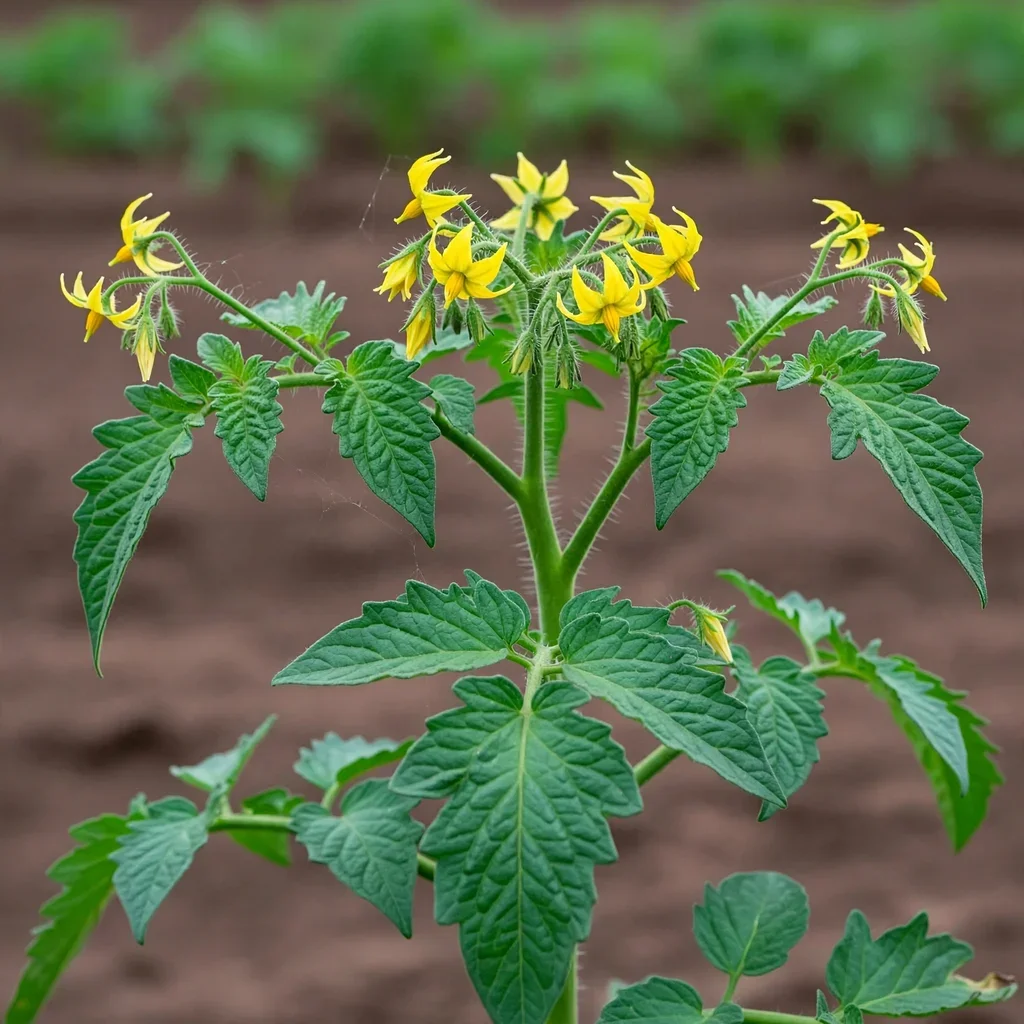
Gold Medal Tomato
Solanum lycopersicum 'Gold Medal'
Keep exploring
Explore the genus
Grow Waiporoporo Potato with confidence
See it in a design of your actual yard, get zone-matched care reminders, and track it season by season in your garden journal.