
The Story
Plant Bio
Euphorbia × martini is a naturally occurring hybrid spurge from southwestern Europe, forming a dense, mounding evergreen subshrub of stiff, upright stems clothed in narrow, grayish-green leaves. In spring and early summer, the stem tips produce large clusters of chartreuse floral bracts, each marked with a contrasting dark reddish-purple center.
This hybrid combines the cold hardiness of its parent species with a robust, drought-tolerant stature. The tight rosettes of foliage often take on a deep burgundy or red tint during cool spring weather before the distinctive bicolored bracts open.
Uses & Benefits:
Essentials
At a Glance
Plant Type
Perennial
Height
28"
Width
28"
Light
Full Sun, Partial Sun
Zones
6, 7, 8, 9, 10
Water
Low
Humidity
Low to moderate
Lifespan
Perennial
Native To
Southwestern Europe
Toxicity
Highly toxic; sap causes severe skin and eye irritation
Bloom period
Spring – Early summer
In flower about 4 months of the year
Planting
How to Grow
- Choose a site with full sun and exceptionally well-drained, sandy, or rocky soil.
- Dig a hole matching the depth of the root ball and twice as wide.
- Gently loosen the roots of the container plant and place it in the hole, keeping the crown level with the soil surface.
- Backfill with native soil, press firmly, and water lightly to settle without saturating the roots.
Pro Tip
Prune flowered stems back to the basal rosette immediately after blooming finishes in early summer; cutting into old, leafless wood prevents new buds from forming and leaves the plant permanently leggy.
Keep It Thriving
Care Guide
Do
- Wear heavy gloves and long sleeves when handling or pruning to avoid contact with the toxic, irritating sap.
- Ensure the soil is sharply drained, especially during cold winter months.
- Prune spent flowering stems back to the base immediately after blooming finishes.
Don't
- Do not plant in heavy clay or low-lying areas where water pools.
- Do not cut back into old, leafless woody stems as they will not regenerate.
- Do not apply high-nitrogen fertilizers, which cause weak, floppy growth.
Seasonal Care Calendar
| Task | Jan | Feb | Mar | Apr | May | Jun | Jul | Aug | Sep | Oct | Nov | Dec |
|---|---|---|---|---|---|---|---|---|---|---|---|---|
| Fertilize | ||||||||||||
| Propagate | ||||||||||||
| Prune | ||||||||||||
| Winter Prep |
Watch Out For
Pests & Diseases
Common Pests
Common Diseases
In the Garden
Landscape Uses & Companions
Landscape Uses
Multiply
Propagation Methods
Good to Know
Common Questions
Martin's Spurge questions
What zones can Martin's Spurge grow in?
Martin's Spurge is hardy in USDA Zones 6–10. Inside that range it survives winter in the ground; outside it, grow it as an annual or a container plant you protect.
Is Martin's Spurge deer resistant?
Yes — Martin's Spurge is rated deer-resistant. Deer typically pass it over, though extreme hunger can override any plant's defenses.
When does Martin's Spurge bloom?
Martin's Spurge typically blooms in spring through early summer. Exact timing shifts a week or two with your zone — Sow's bloom calendar maps it to your garden.
Does Martin's Spurge need full sun?
Martin's Spurge does best in full sun to part shade. In hot climates, afternoon shade keeps blooms fresher longer.
Is Martin's Spurge drought tolerant?
Yes — once established (usually after the first full season), Martin's Spurge handles dry spells with minimal watering. Water deeply its first year to build the root system that makes that possible.
More Euphorbia to compare
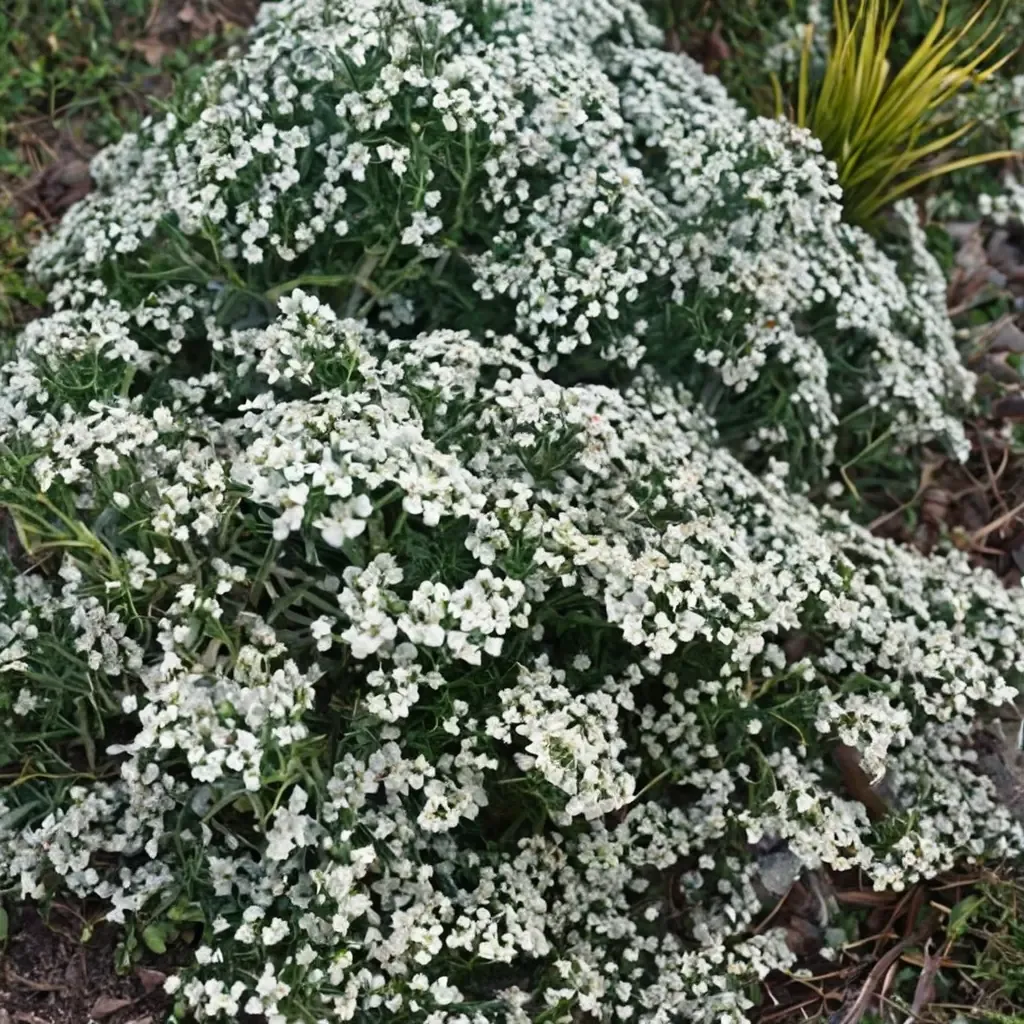
Flowering Spurge
Euphorbia corollata 'Carolina Snow'
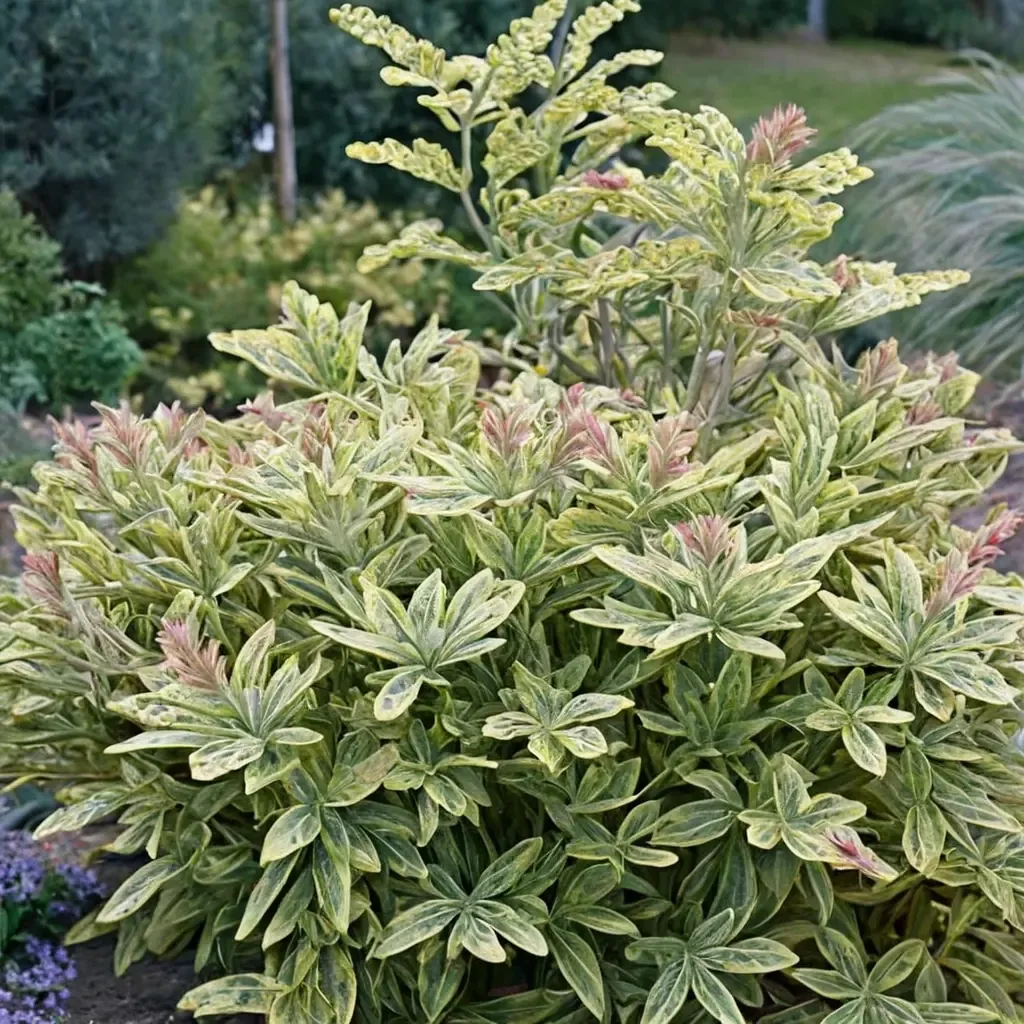
Ascot Rainbow Spurge
Euphorbia x hybrida 'Ascot Rainbow'
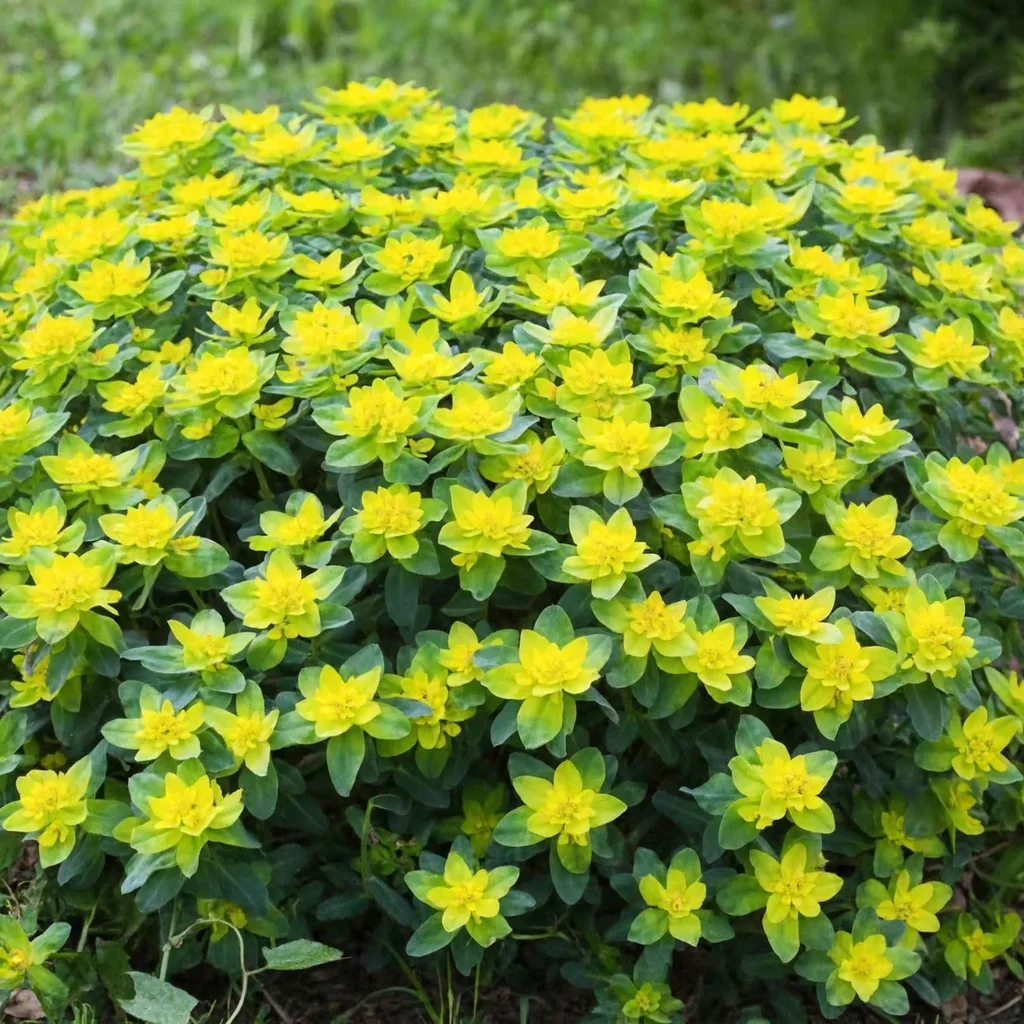
Mediterranean Spurge
Euphorbia polychroma
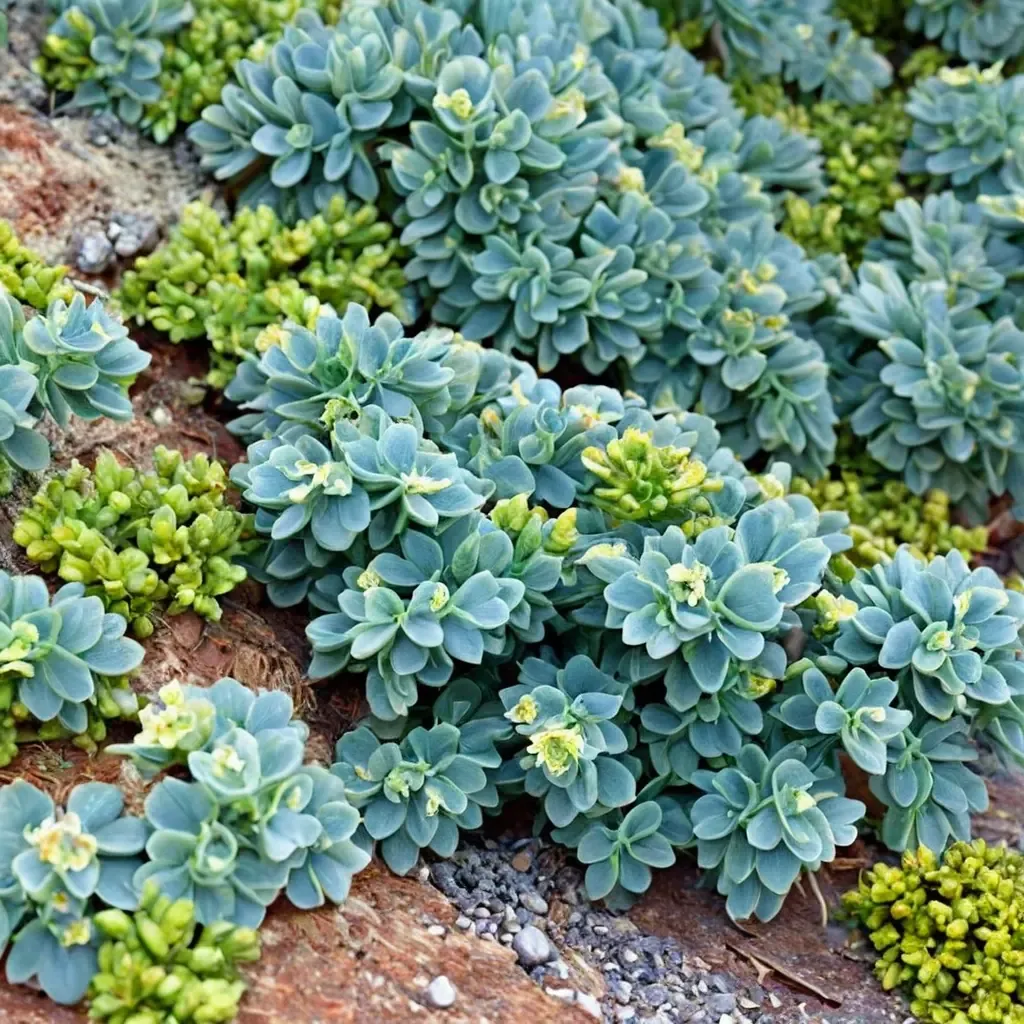
Myrtle Spurge
Euphorbia myrsinites
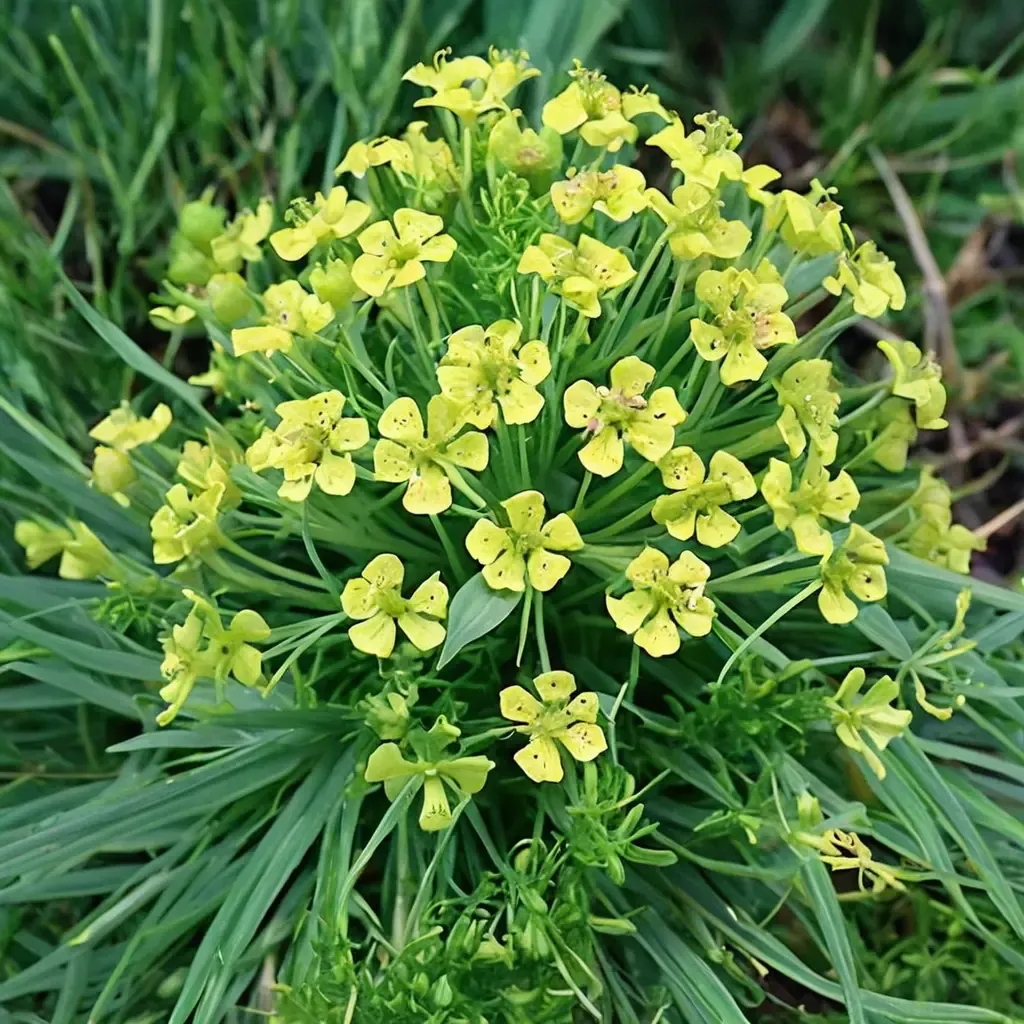
Cypress Spurge
Euphorbia cyparissias
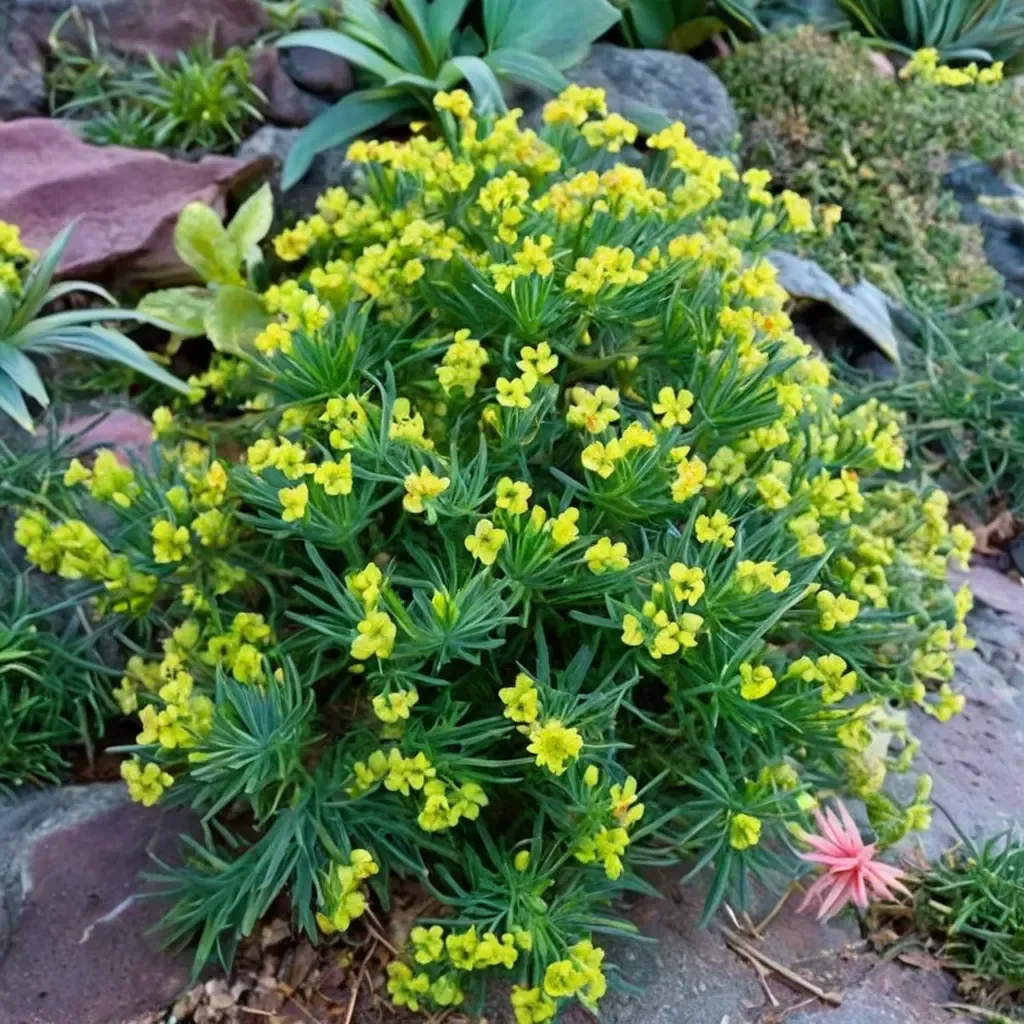
Ruby Spurge
Euphorbia cyparissias 'Fens Ruby'
Keep exploring
Explore the genus
Hardy in your zone?
Grow Martin's Spurge with confidence
See it in a design of your actual yard, get zone-matched care reminders, and track it season by season in your garden journal.