
The Story
Plant Bio
Ficus lyrata, known as the fiddle-leaf fig, is an arborescent evergreen tree native to western tropical Africa that grows with an upright, stiffly branched habit. In its native habitat, it frequently begins life as an epiphyte or strangler, eventually reaching heights up to 100 feet, though containerized indoor specimens remain much smaller.
The species is distinguished by its massive, leathery, glossy dark green leaves shaped like lyres or fiddles, which feature prominent pale veins and wavy margins. New foliage emerges in a bright, light green or bronze-tinged shade, contrasting sharply with the mature, dark canopy.
Uses & Benefits:
Essentials
At a Glance
Plant Type
Tree
Height
1181"
Width
590"
Light
Full Sun, Partial Sun
Zones
10
Water
Low to moderate
Humidity
Moderate to high
Lifespan
Long-lived
Native To
Western tropical Africa
Toxicity
Toxic to cats and dogs; sap causes skin irritation
Bloom period
Summer – Autumn
In flower about 6 months of the year
Marketplace
Where to Buy
Shipping costs Year-round shipping Free shipping
Planting
How to Grow
- Position the plant in bright, indirect light indoors, ideally receiving a few hours of direct morning sun.
- Plant in a rich, organic, well-draining potting mix with a slightly acidic to neutral pH.
- Water thoroughly only when the top two inches of soil dry out, ensuring the pot never sits in standing water.
- Apply a balanced, water-soluble houseplant fertilizer monthly during the spring and summer active growing season.
Pro Tip
Keep the plant in a fixed location, as sudden environmental shifts trigger rapid leaf drop, and wipe the large leaves regularly with a damp cloth to prevent dust from blocking light absorption and gas exchange.
Keep It Thriving
Care Guide
Do
- Provide bright, indirect light with a few hours of direct morning sun.
- Allow the top two inches of soil to dry completely before watering again.
- Maintain moderate to high humidity levels around the foliage.
Don't
- Do not allow the pot to sit in standing water or undrained saucers.
- Avoid moving the plant to new locations, which causes environmental shock and leaf drop.
- Never prune deeply into old, leafless wood as it fails to back-bud.
Seasonal Care Calendar
| Task | Jan | Feb | Mar | Apr | May | Jun | Jul | Aug | Sep | Oct | Nov | Dec |
|---|---|---|---|---|---|---|---|---|---|---|---|---|
| Fertilize | ||||||||||||
| Pest Check | ||||||||||||
| Prune |
Watch Out For
Pests & Diseases
Common Pests
Common Diseases
In the Garden
Landscape Uses & Companions
Landscape Uses
Companion Plants
Multiply
Propagation Methods
Good to Know
Common Questions
Fiddle-leaf fig questions
What zones can Fiddle-leaf fig grow in?
Fiddle-leaf fig is hardy in USDA Zone 10. Inside that range it survives winter in the ground; outside it, grow it as an annual or a container plant you protect.
Is Fiddle-leaf fig deer resistant?
Not reliably. Deer may browse Fiddle-leaf fig, especially tender spring growth — plan on repellents or fencing where pressure is high.
When does Fiddle-leaf fig bloom?
Fiddle-leaf fig typically blooms in summer through autumn. Exact timing shifts a week or two with your zone — Sow's bloom calendar maps it to your garden.
Does Fiddle-leaf fig need full sun?
Fiddle-leaf fig does best in full sun to part shade. In hot climates, afternoon shade keeps blooms fresher longer.
More Ficus to compare
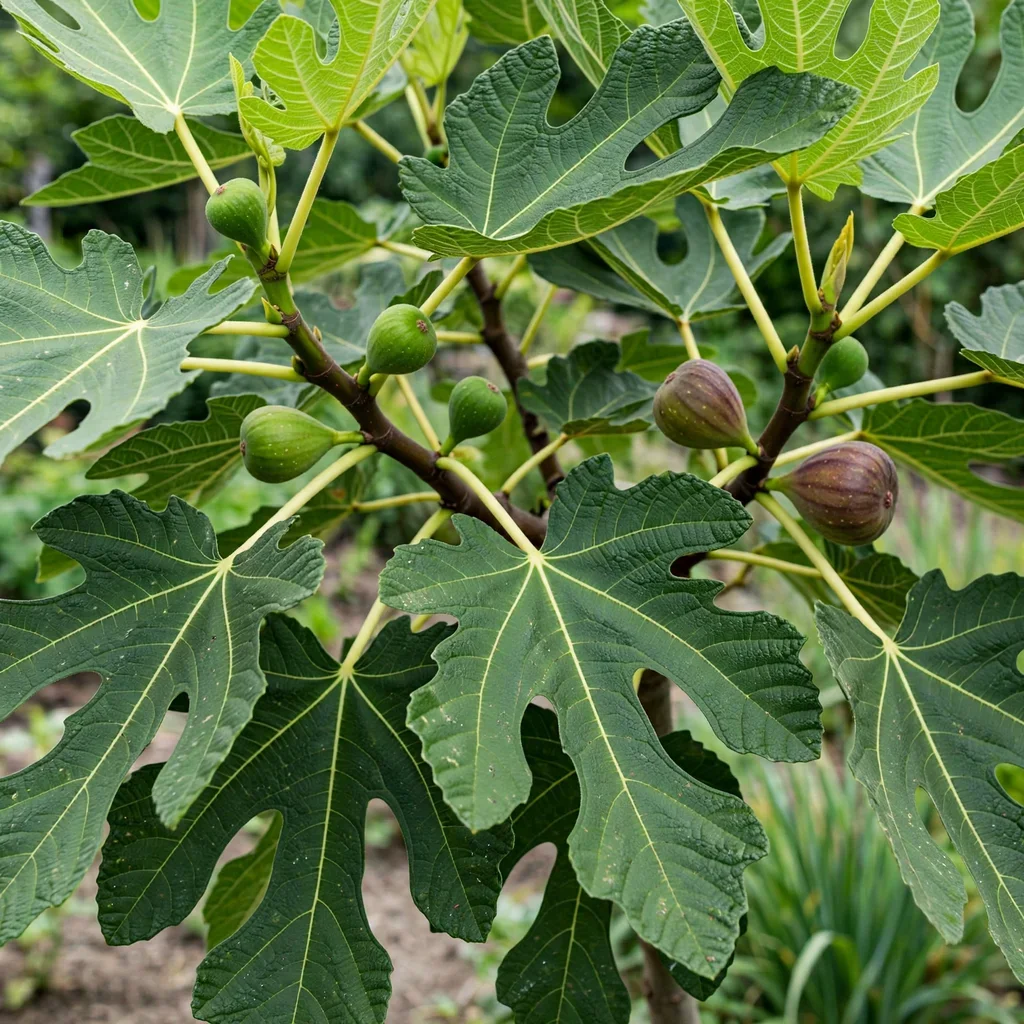
Fig Tree Brown Turkey
Ficus carica 'Brown Turkey'
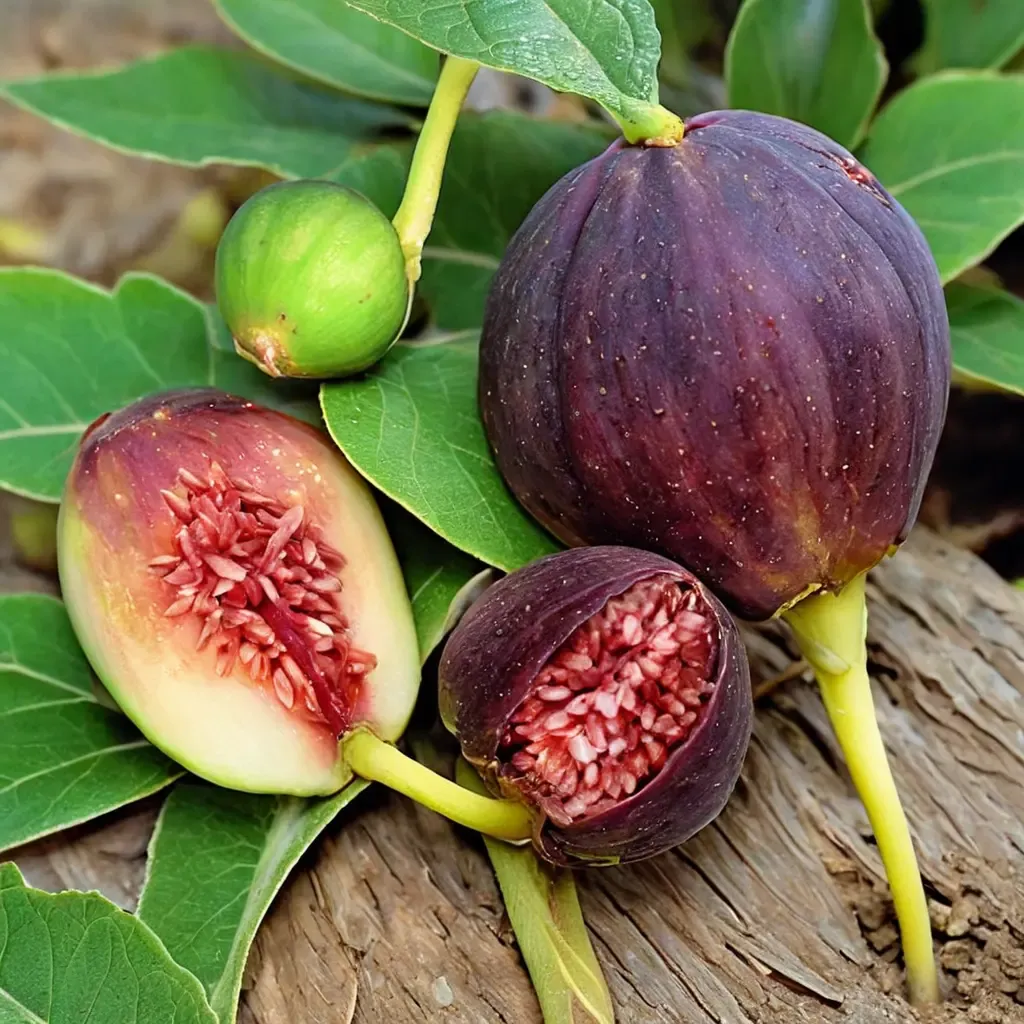
Improved Brown Turkey Fig
Ficus carica 'Improved Brown Turkey'
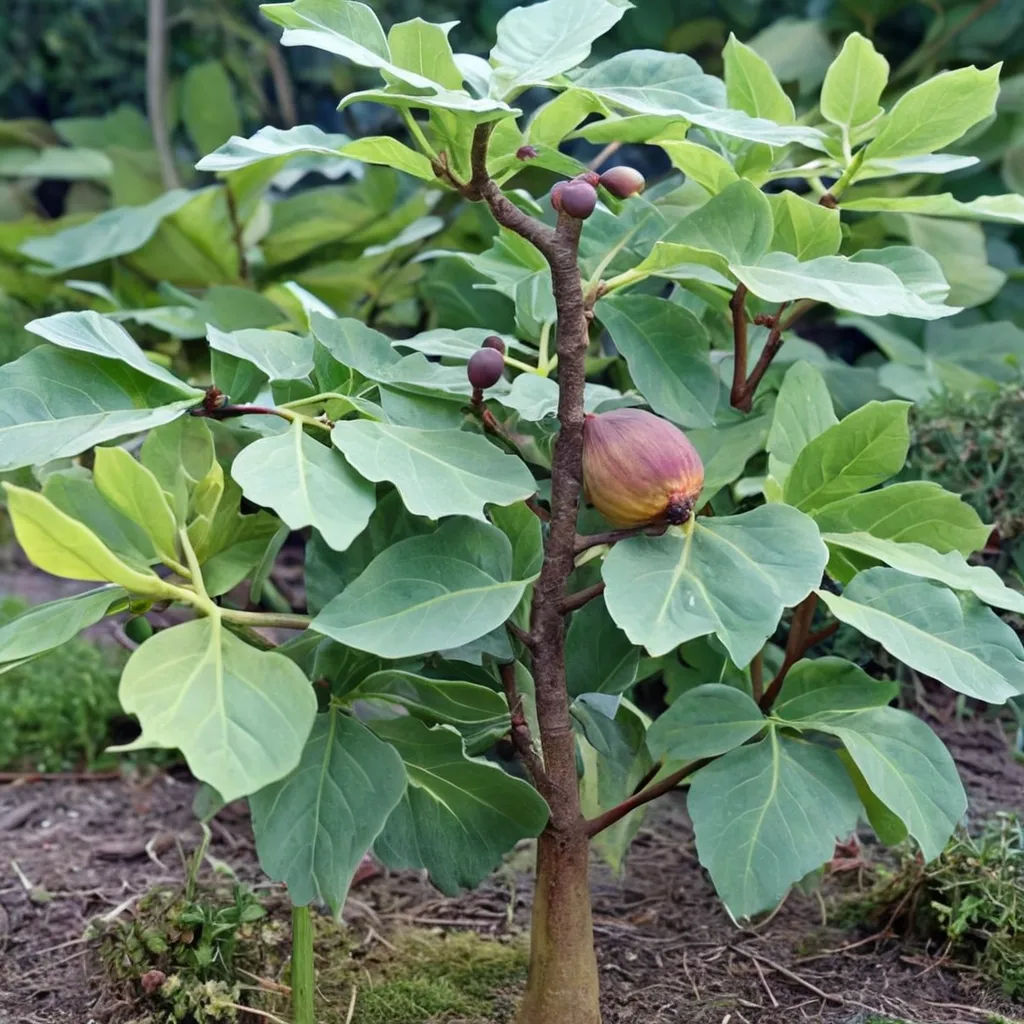
Chicago Hardy Fig
Ficus carica 'Chicago Hardy'
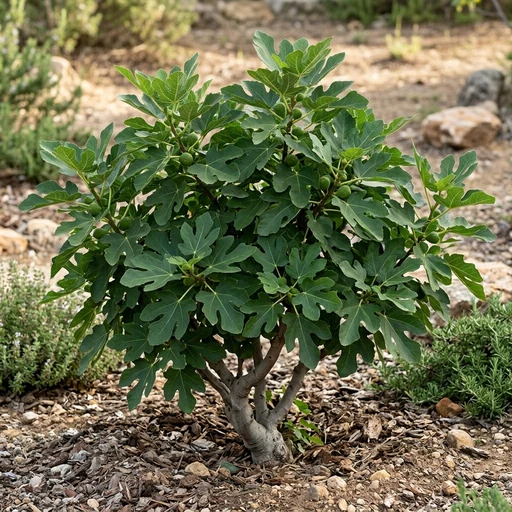
Little Miss Figgy Dwarf Fig
Ficus carica 'Little Miss Figgy'
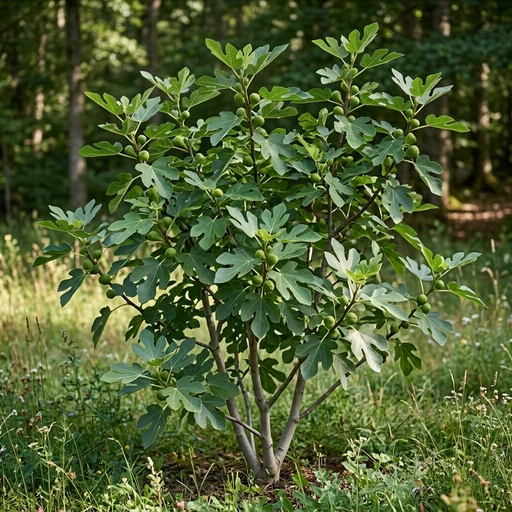
Celeste Fig
Ficus carica 'Celeste'
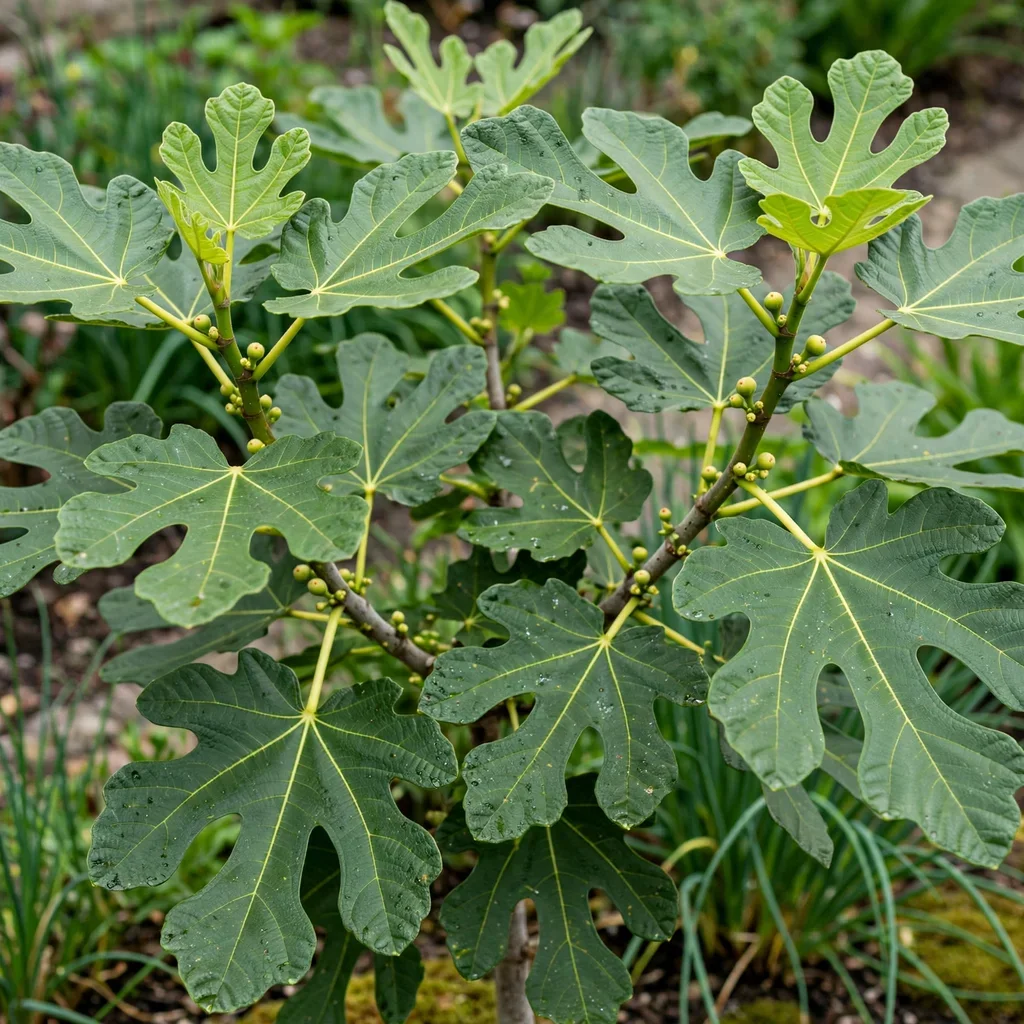
Champagne Fig
Ficus carica 'Champagne'
Keep exploring
Explore the genus
Hardy in your zone?
Grow Fiddle-leaf fig with confidence
See it in a design of your actual yard, get zone-matched care reminders, and track it season by season in your garden journal.