12 saves
Monstera
We track 4 varieties; the ones most used by real gardeners.
The 4 most-saved Monstera varieties
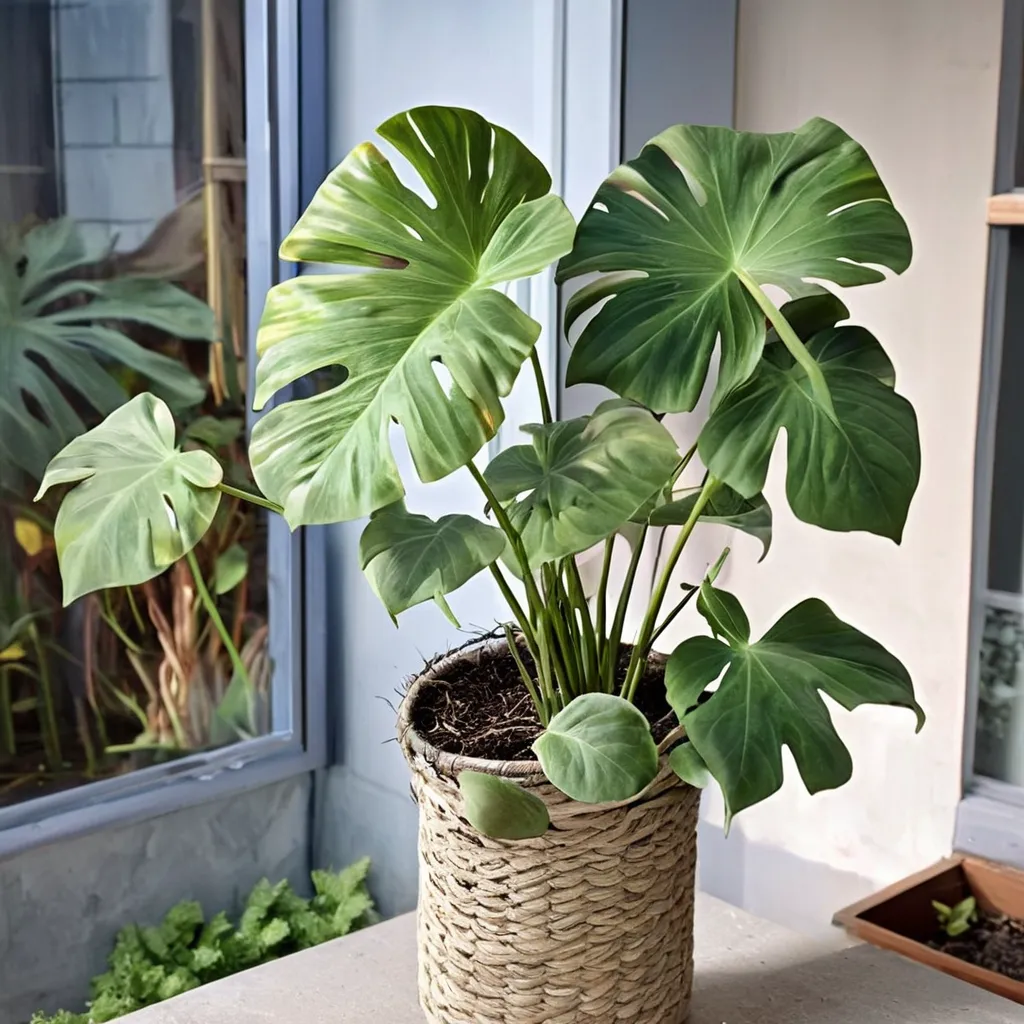
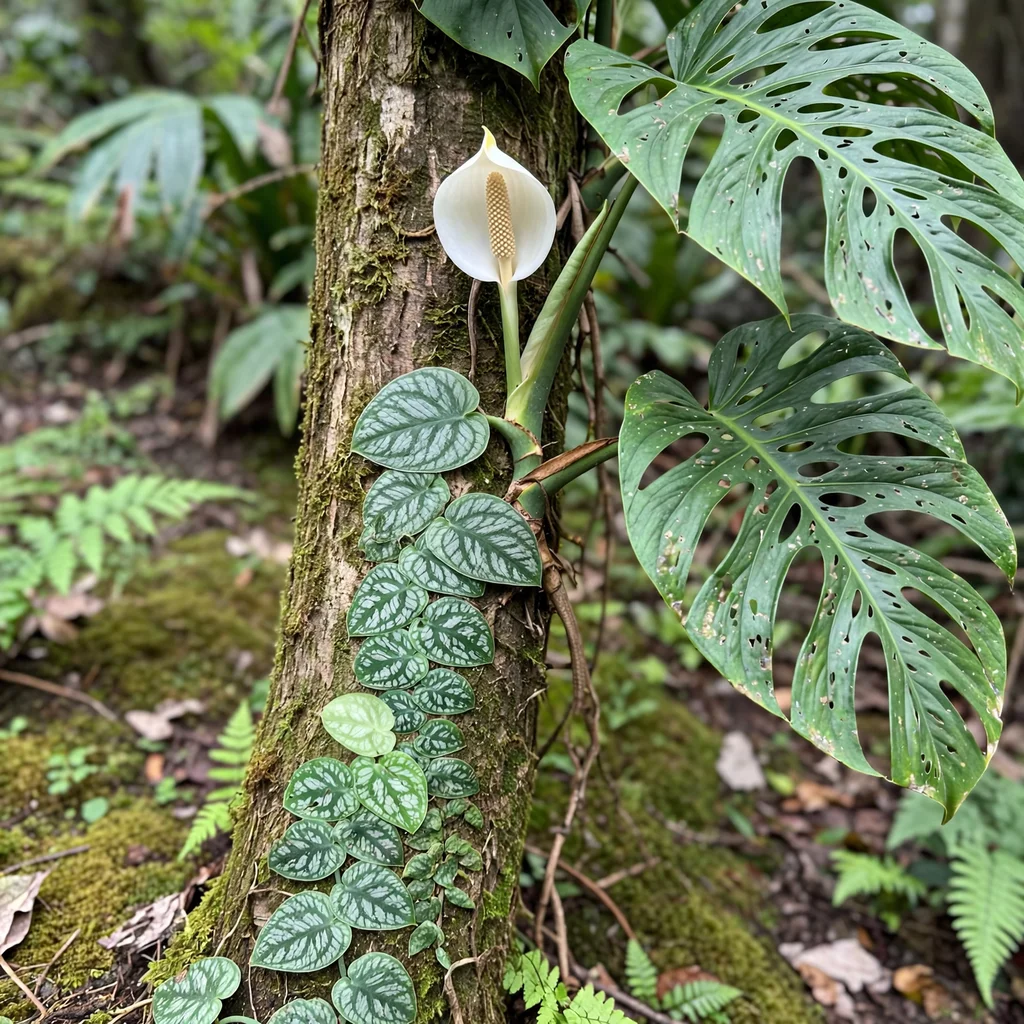
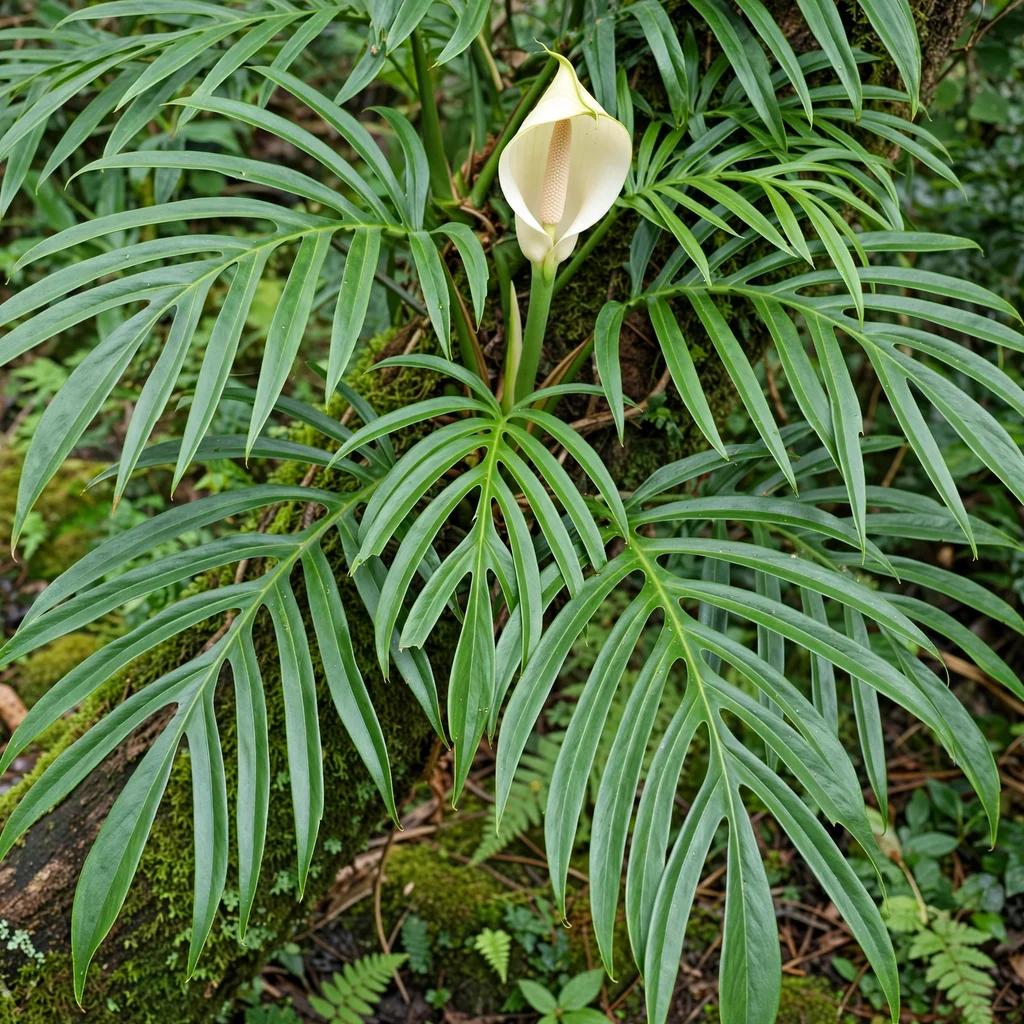
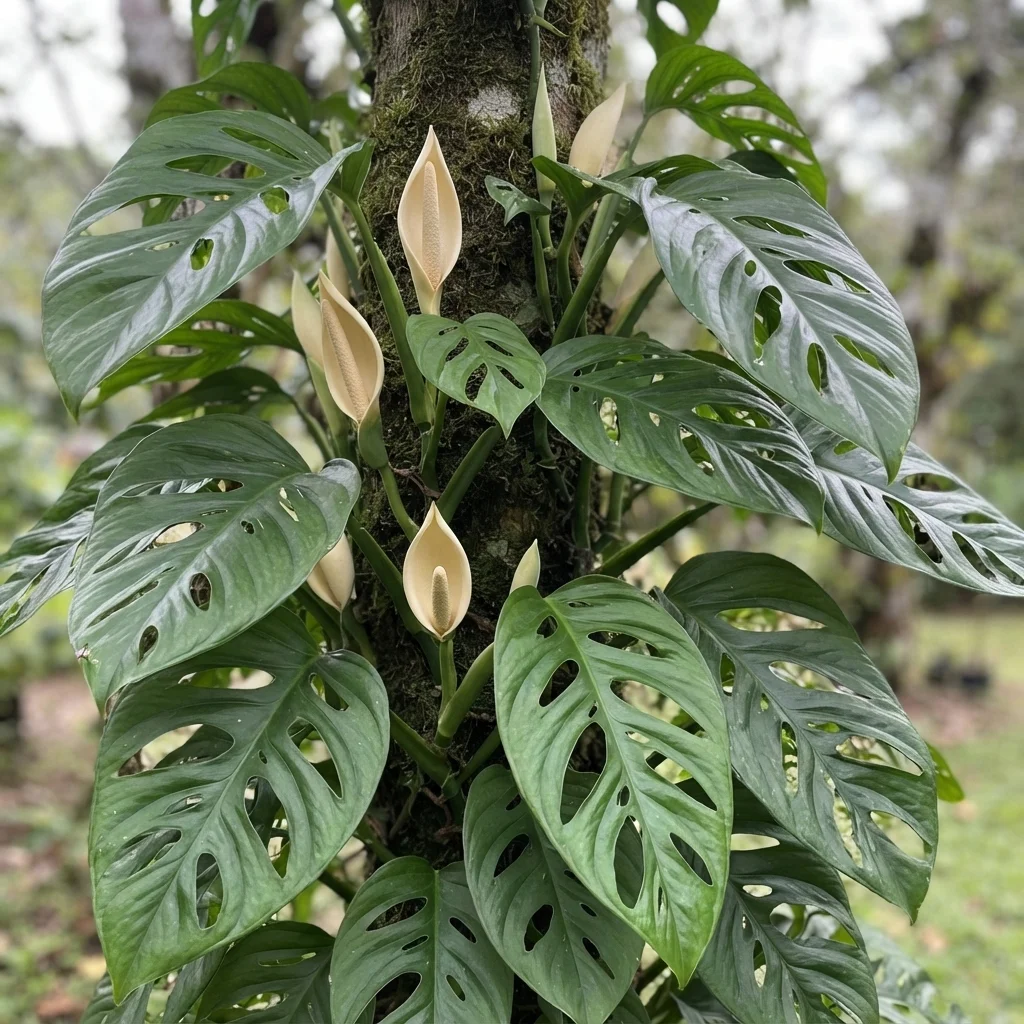
3 species of Monstera
Each one is a parent of the varieties above.
Track your Monstera in Sow
Save the Monstera you grow and get care reminders timed to your zone.
How to grow Monstera
Whats common across all Monstera varieties in our catalog — drawn from the care records of the 4 most-grown of them.
The Monstera year
- PruneMarch–June100% of varieties
Cut back for size control only, leaving nodes intact.
- Check for PestsJanuary–December100% of varieties
Check leaf undersides for spider mites and scale in dry indoor air.
- FertilizeApril–August75% of varieties
Feed monthly with balanced liquid fertilizer; halve dose for small pots.
- StakeApril50% of varieties
Tie new growth to pole as spring growth resumes so aerial roots grip.
- Winter PrepOctober and November50% of varieties
Keep indoors above 64F with bright indirect light; no outdoor overwintering.
- PropagateMay and June50% of varieties
Root stem cuttings in sphagnum moss on a support.


Do
- Give bright indirect light and a climbing pole
- Let the top 2 to 3 inches dry between waterings
- Wear gloves when handling or pruning
- Provide a tall moss pole or board and let it climb to mature.
- Keep mix evenly moist with excellent drainage and empty the saucer.
Avoid
- Do not place in full sun
- Do not keep the mix saturated
- Do not expect splits on juvenile trailing growth
- Do not place in hot direct sun; leaves burn and wash out.
What goes wrong with Monstera
| Problem | What you'll see | What to do |
|---|---|---|
| Spider mites | Fine webbing and stippled pale leaves in dry indoor air | Raise humidity, wash foliage and treat with horticultural oil |
| Mealybugs | White cottony clusters in leaf axils with stunted, yellowing growth. | Remove with alcohol swab, spray with insecticidal soap and isolate plant until clear. |
| Soft scale | Raised bumps on stems and leaf undersides with sticky honeydew | Wipe off with alcohol swab and wash foliage |
| Brown scale | Brown bumps along stems and leaf undersides with sticky honeydew and yellowing. | Scrape off by hand, dab with rubbing alcohol and treat with horticultural oil. |
| Root rot | Yellowing lower leaves and mushy stems in saturated mix | Let top 2-3 inches dry between waterings and repot into rich airy well-drained mix |
| Bacterial leaf spot | Water-soaked brown-black spots with yellow halos that spread in wet conditions. | Remove spotted leaves, avoid wetting foliage and improve air flow; discard badly infected plants. |
Making more Monstera
Stem cuttings
- Cut a stem section with one node and one shingled leaf in spring.
- Lay the node against moist sphagnum moss or mix and pin it to a small board.
- Hold warm at 70 to 85F with high humidity under a dome or bag.
- Keep moss evenly moist until roots grip, then pot on with support.
Stem cutting
- Take a stem section with a node and attached aerial root
- Pot into rich airy well-drained mix
- Hold in bright indirect light at 64 to 81F with high humidity
- Tie new growth to a pole so it climbs
Monstera questions
How many types of Monstera are there?
The Sow catalog tracks 4 distinct Monstera varieties. The most popular — ranked by 12 real gardeners — are shown first above.
What zones does Monstera grow in?
Across its varieties, Monstera covers USDA Zones 9–10. Individual varieties differ — each plant page lists its exact range, and Sow filters the catalog to your zone automatically.
When does Monstera bloom?
Most Monstera varieties bloom from spring to summer.
Which Monstera should I choose?
Start from the most-saved varieties above — popularity across thousands of gardens is a strong signal of reliability — then filter by your zone and sun. In the Sow app you can preview any of them in a photo of your actual yard before you buy.