
The Story
Plant Bio
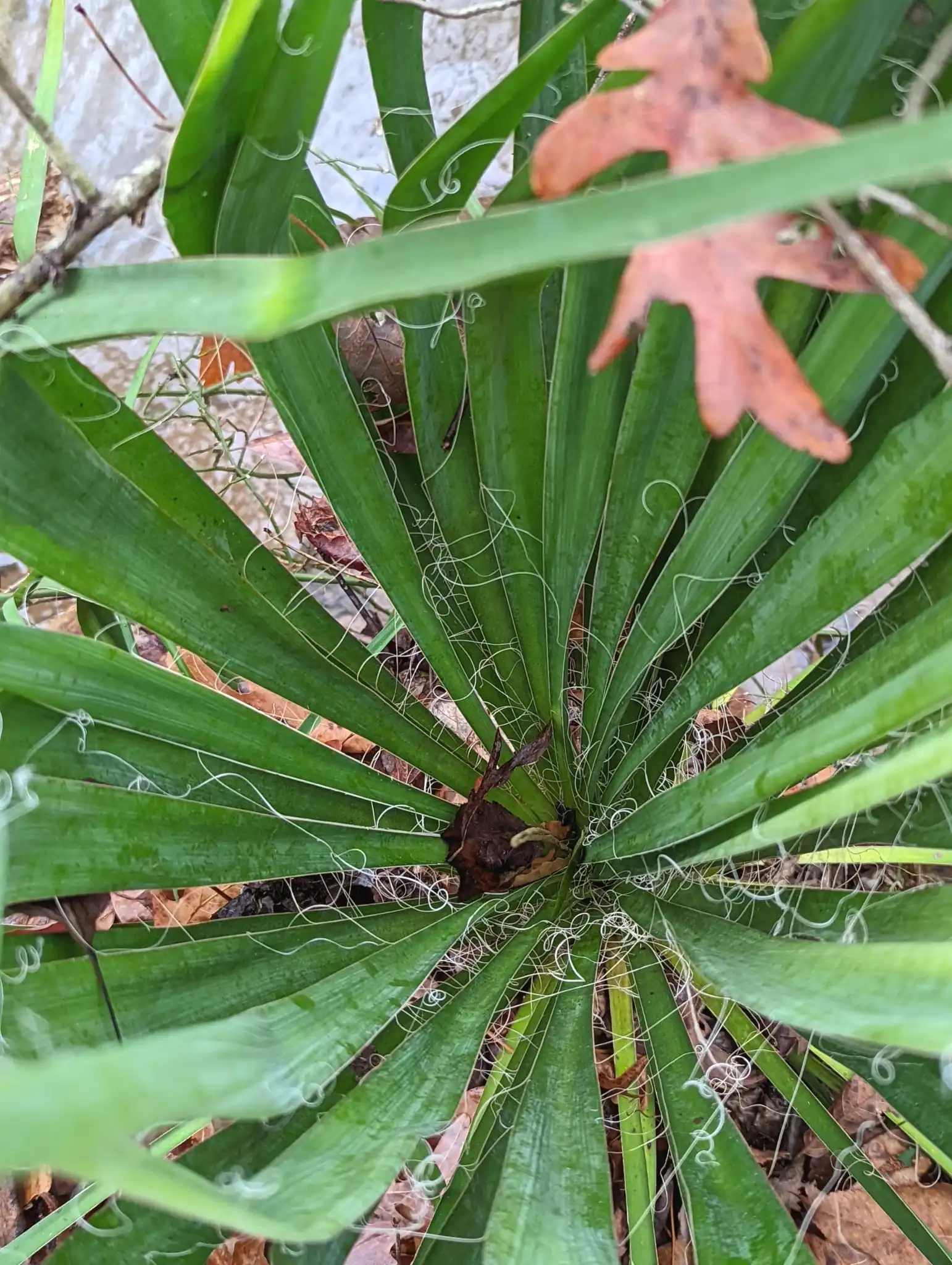
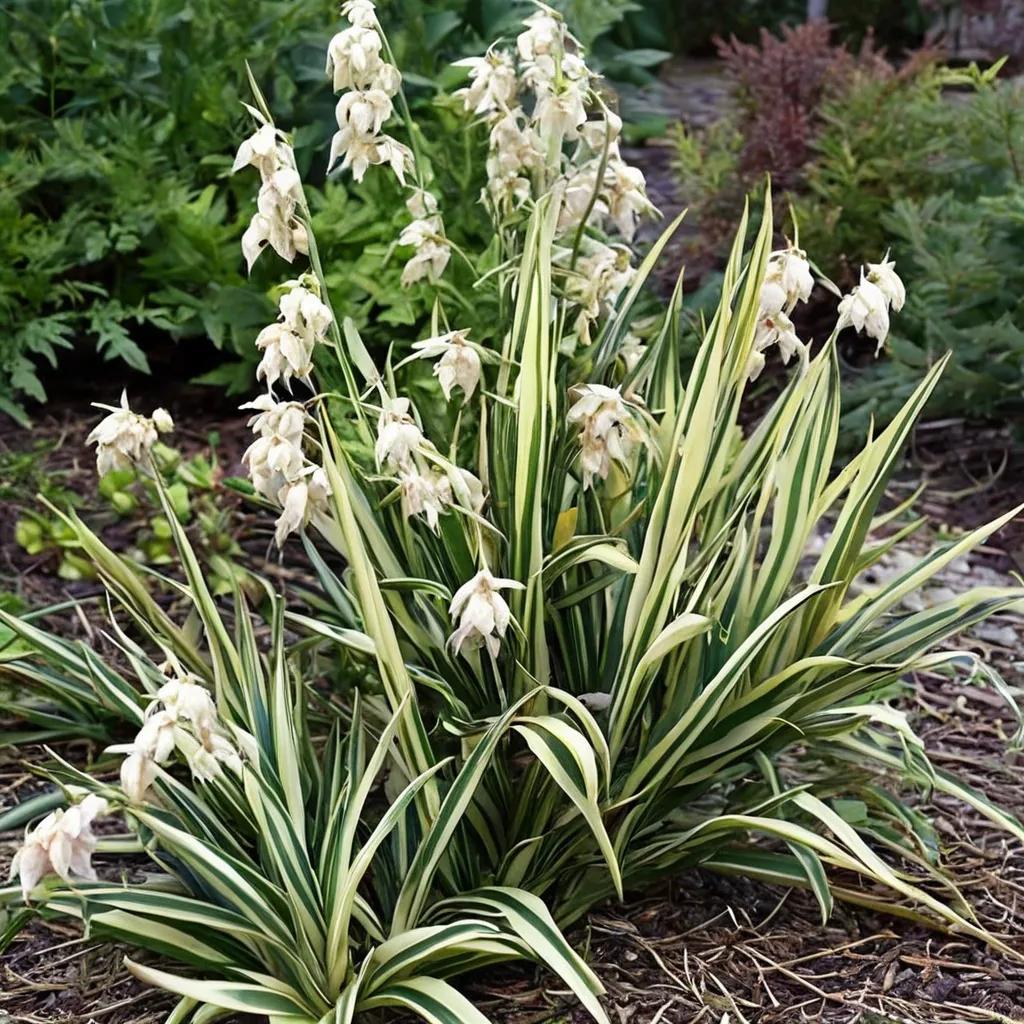
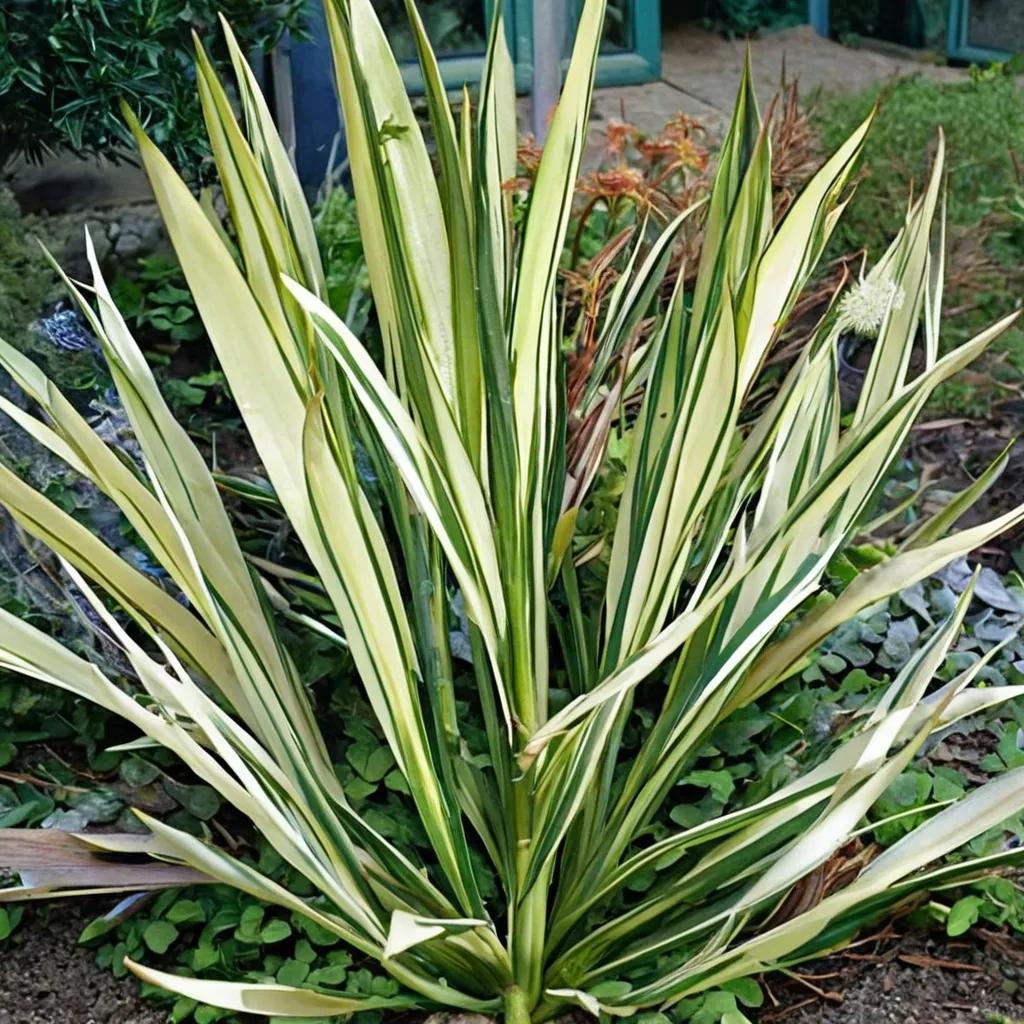
Yucca flaccida is an evergreen perennial of eastern North America that makes a low rosette of sword-shaped leaves about 1 to 1.7 ft long, edged with curling white threads. The outer leaves bend back on themselves, giving a softer and floppier outline than most yuccas. A tall panicle of nodding white bell flowers rises well clear of the foliage in summer.
The flower stalk reaches 3 to 8 ft, far above the leaf rosette, so allow headroom when siting it. Flowers are pollinated at night by yucca moths whose caterpillars then feed on part of the developing seed, a partnership that exists nowhere outside this genus. NCSU lists the plant as poisonous.
Uses & Benefits:
Essentials
At a Glance
Plant Type
Perennial
Height
24"
Width
36"
Light
Full Sun, Partial Sun
Zones
4, 5, 6, 7, 8, 9, 10
Water
Low; drought tolerant
Humidity
Tolerates dry air
Lifespan
Long-lived; clumps persist for decades
Native To
Eastern North America
Toxicity
Toxic — listed as poisonous; roots contain saponins
Marketplace
Where to Buy
Shipping costs Year-round shipping Free shipping
Planting
How to Grow
- Plant in full sun in sharply drained sandy or rocky soil.
- Set the crown at or slightly above the surrounding grade.
- Leave a foot of clear ground around the rosette for offsets.
- Water only until the plant is rooted, then leave it dry.
- Cut the spent flower stalk to the base once seed has set.
- Pull away dead outer leaves by hand each spring.
Pro Tip
Plant it away from paths and seating: the leaf tips are stiff enough to catch bare legs even on this soft-leaved species.
Keep It Thriving
Care Guide
Do
- Give it the driest, sunniest spot you have 🌞
- Improve heavy soil with grit before planting 🪨
- Remove the flower spike once it browns ✂️
- Divide offsets in spring to make new plants 🌱
Don't
- Do not plant it in wet or shaded ground ❌
- Do not let pets or children chew the leaves or roots ❌
- Do not mulch over the crown; it will rot ❌
Seasonal Care Calendar
| Task | Jan | Feb | Mar | Apr | May | Jun | Jul | Aug | Sep | Oct | Nov | Dec |
|---|---|---|---|---|---|---|---|---|---|---|---|---|
| Cut Down The Flower Stalk | ||||||||||||
| Tidy The Rosette |
Watch Out For
Pests & Diseases
Common Pests
Common Diseases
In the Garden
Landscape Uses & Companions
Landscape Uses
Multiply
Propagation Methods
Good to Know
Common Questions
Weak-leaf Yucca questions
What zones can Weak-leaf Yucca grow in?
Weak-leaf Yucca is hardy in USDA Zones 4–10. Inside that range it survives winter in the ground; outside it, grow it as an annual or a container plant you protect.
Is Weak-leaf Yucca deer resistant?
Yes — Weak-leaf Yucca is rated deer-resistant. Deer typically pass it over, though extreme hunger can override any plant's defenses.
When does Weak-leaf Yucca bloom?
Weak-leaf Yucca typically blooms in summer through late summer. Exact timing shifts a week or two with your zone — Sow's bloom calendar maps it to your garden.
Does Weak-leaf Yucca need full sun?
Weak-leaf Yucca does best in full sun to part shade. In hot climates, afternoon shade keeps blooms fresher longer.
Is Weak-leaf Yucca drought tolerant?
Yes — once established (usually after the first full season), Weak-leaf Yucca handles dry spells with minimal watering. Water deeply its first year to build the root system that makes that possible.
More Yucca to compare
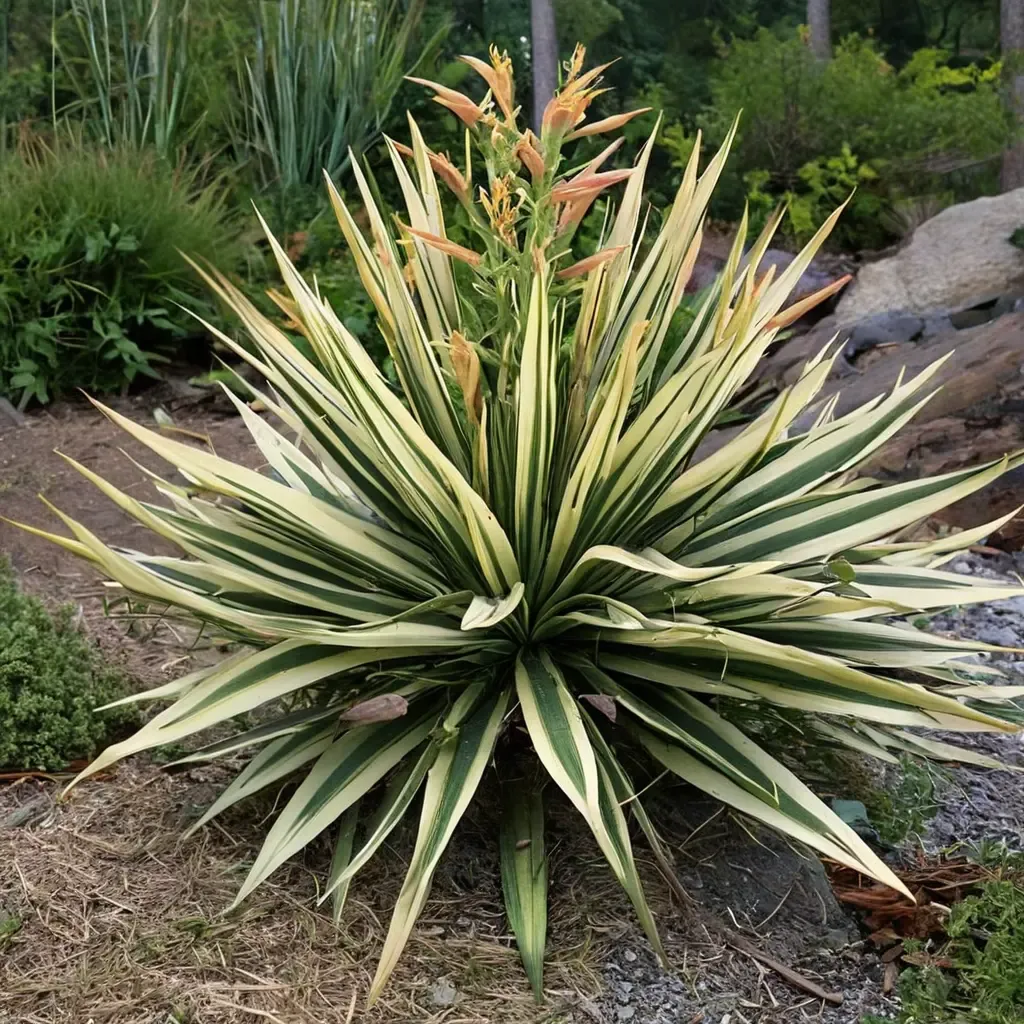
Color Guard Yucca
Yucca flaccida 'Color Guard'
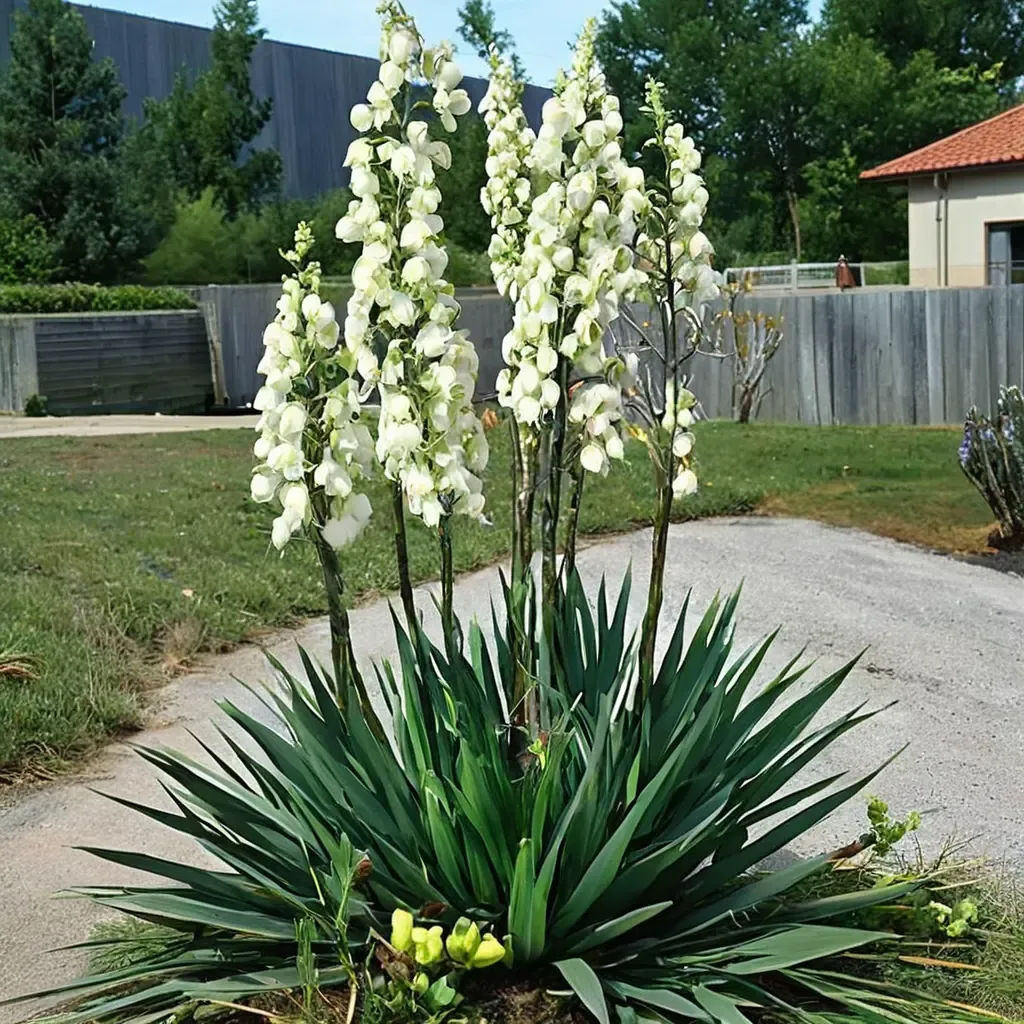
Adam's Needle
Yucca filamentosa
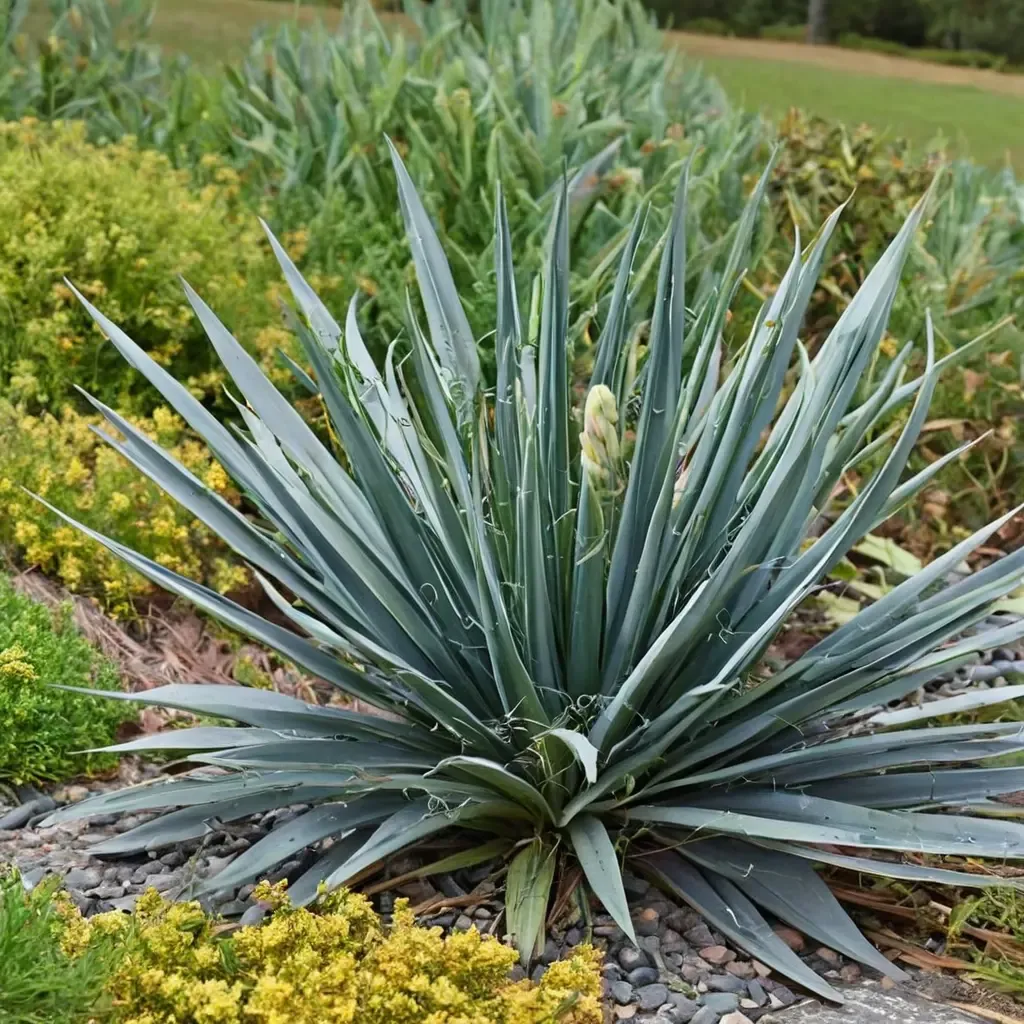
Excalibur Yucca
Yucca filamentosa 'Excalibur'
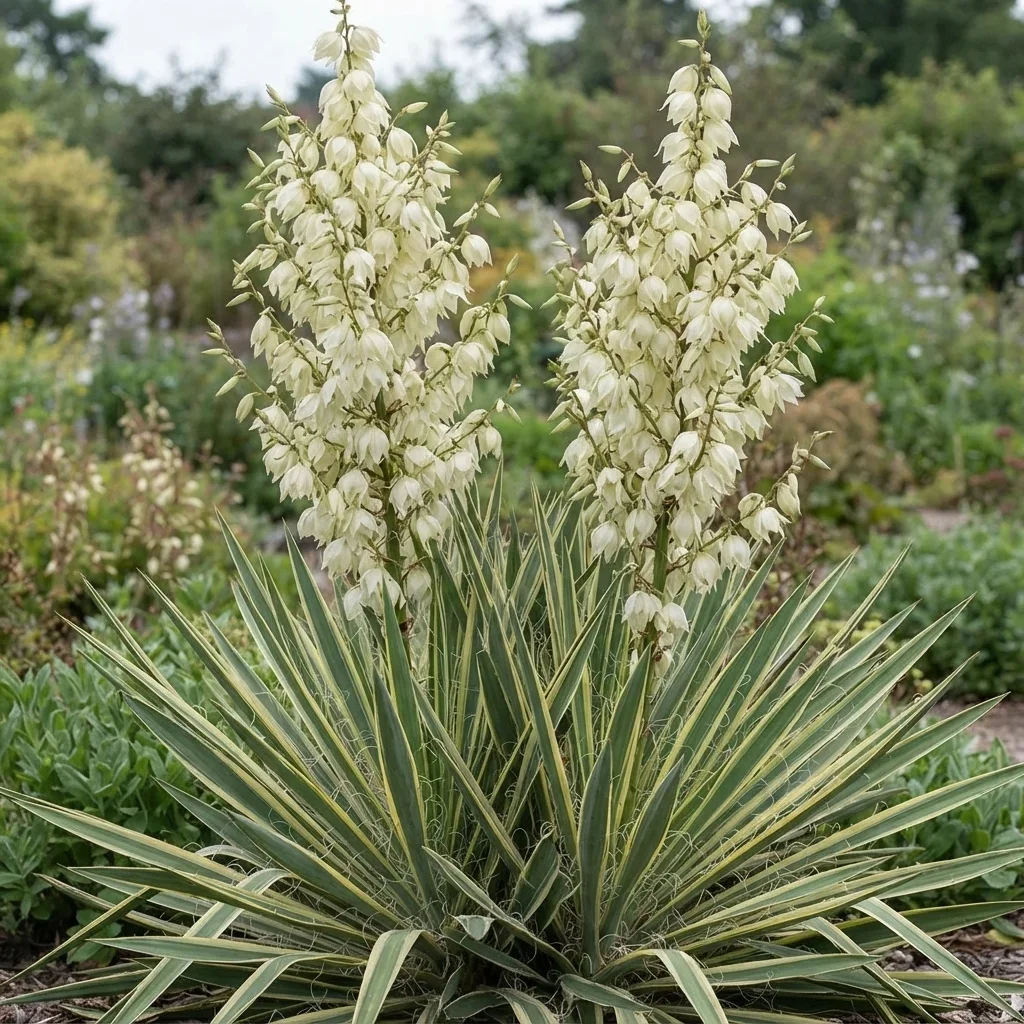
Variegated Adam's Needle
Yucca filamentosa 'Variegata'
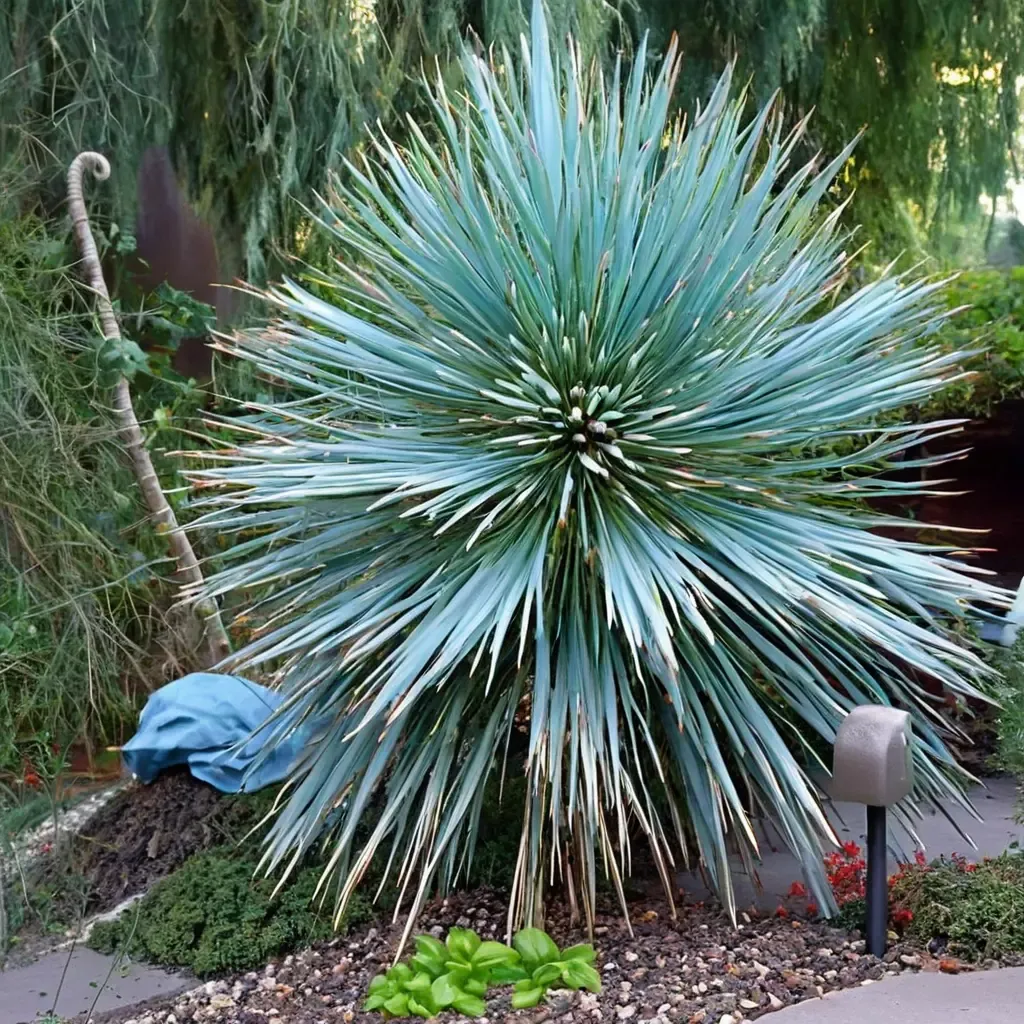
Beaked Yucca 'Sapphire Skies'
Yucca rostrata 'Sapphire Skies'
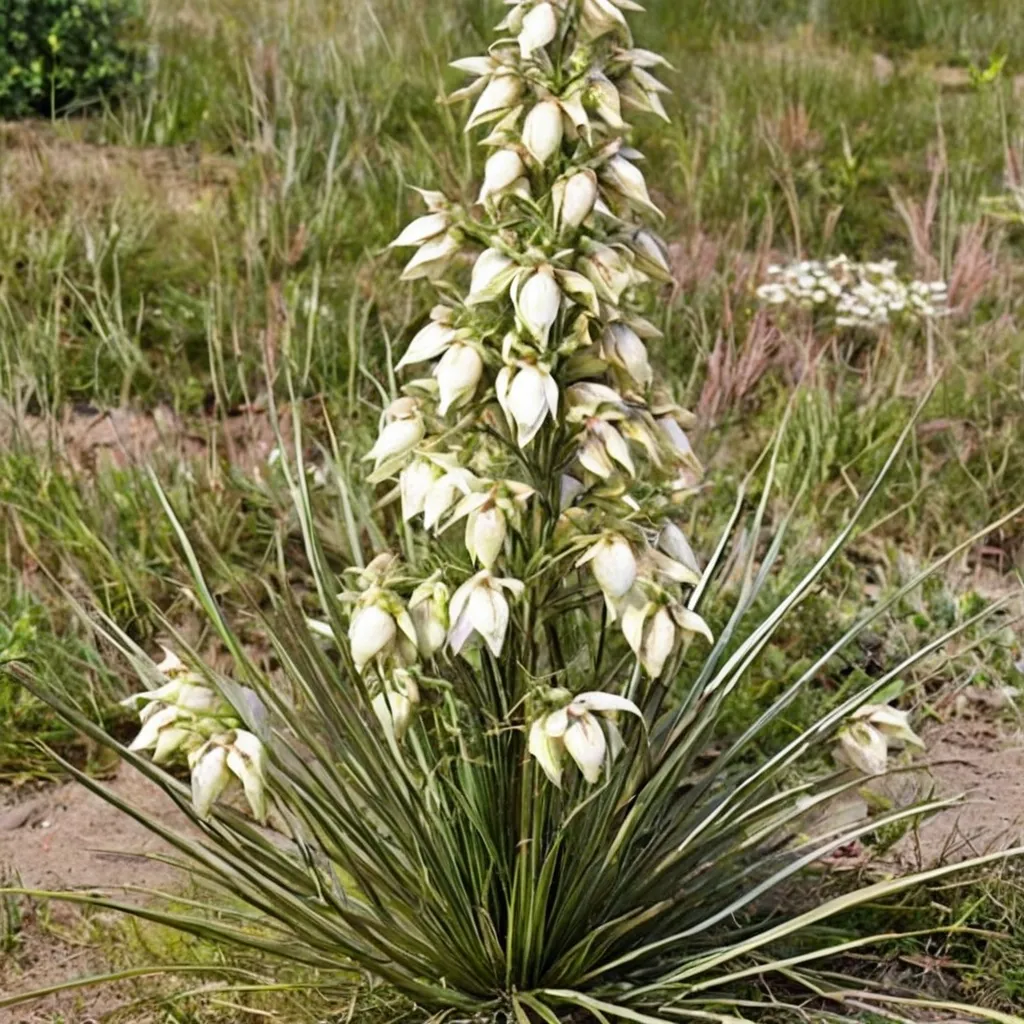
Soapweed Yucca
Yucca glauca
Keep exploring
Explore the genus
Grow Weak-leaf Yucca with confidence
See it in a design of your actual yard, get zone-matched care reminders, and track it season by season in your garden journal.