
Species
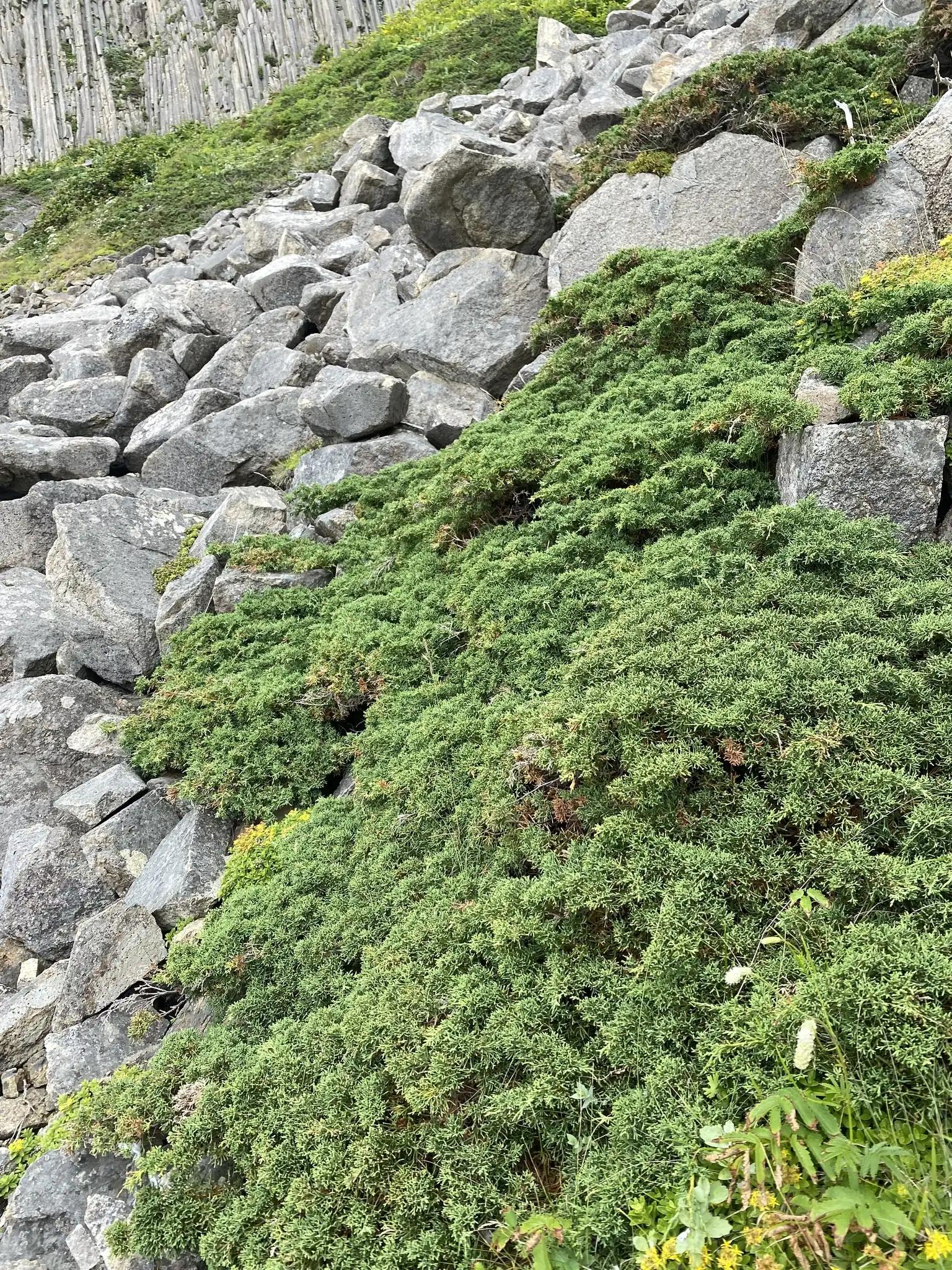 Juniperus chinensisChinese Juniper
27 other cultivars
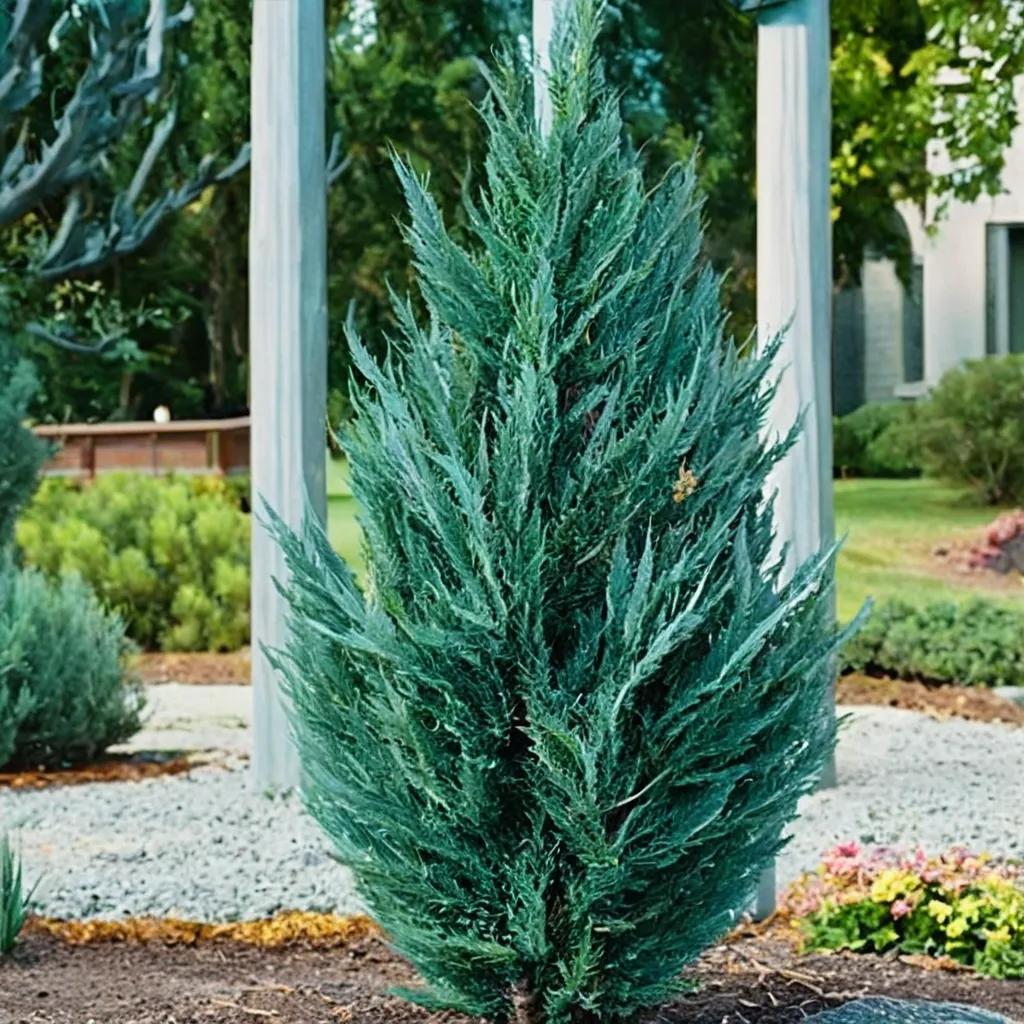 ‘Blue Point’Blue Point Juniper
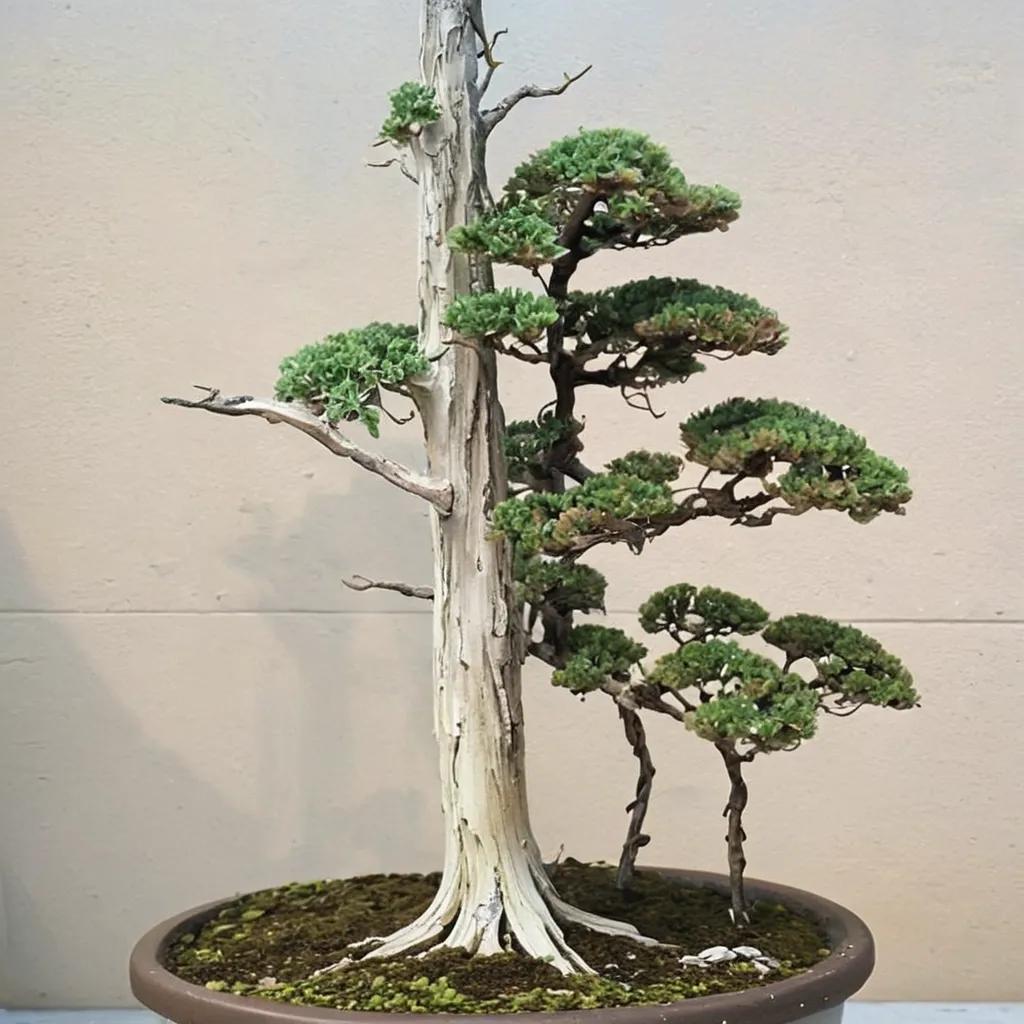 ‘Foemina’Foemina Chinese Juniper
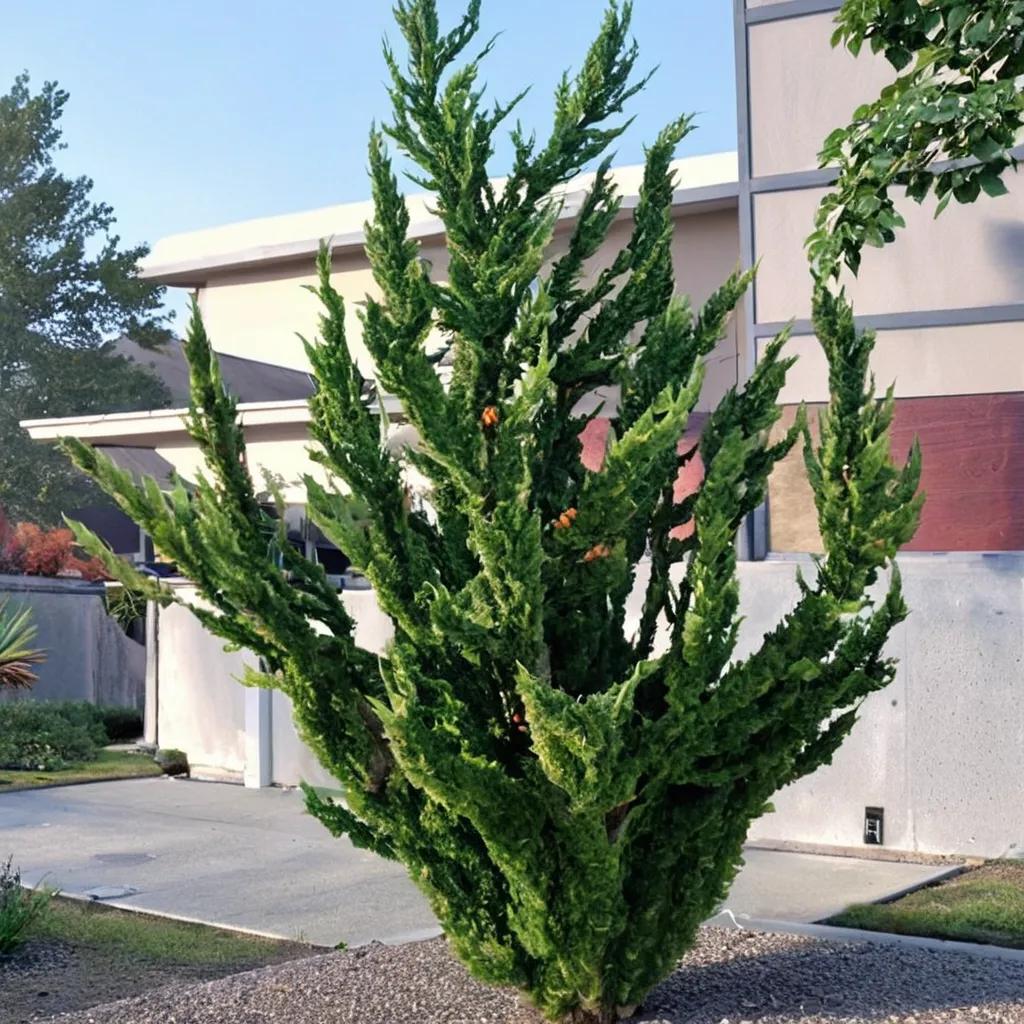 ‘Kaizuka’Hollywood Juniper
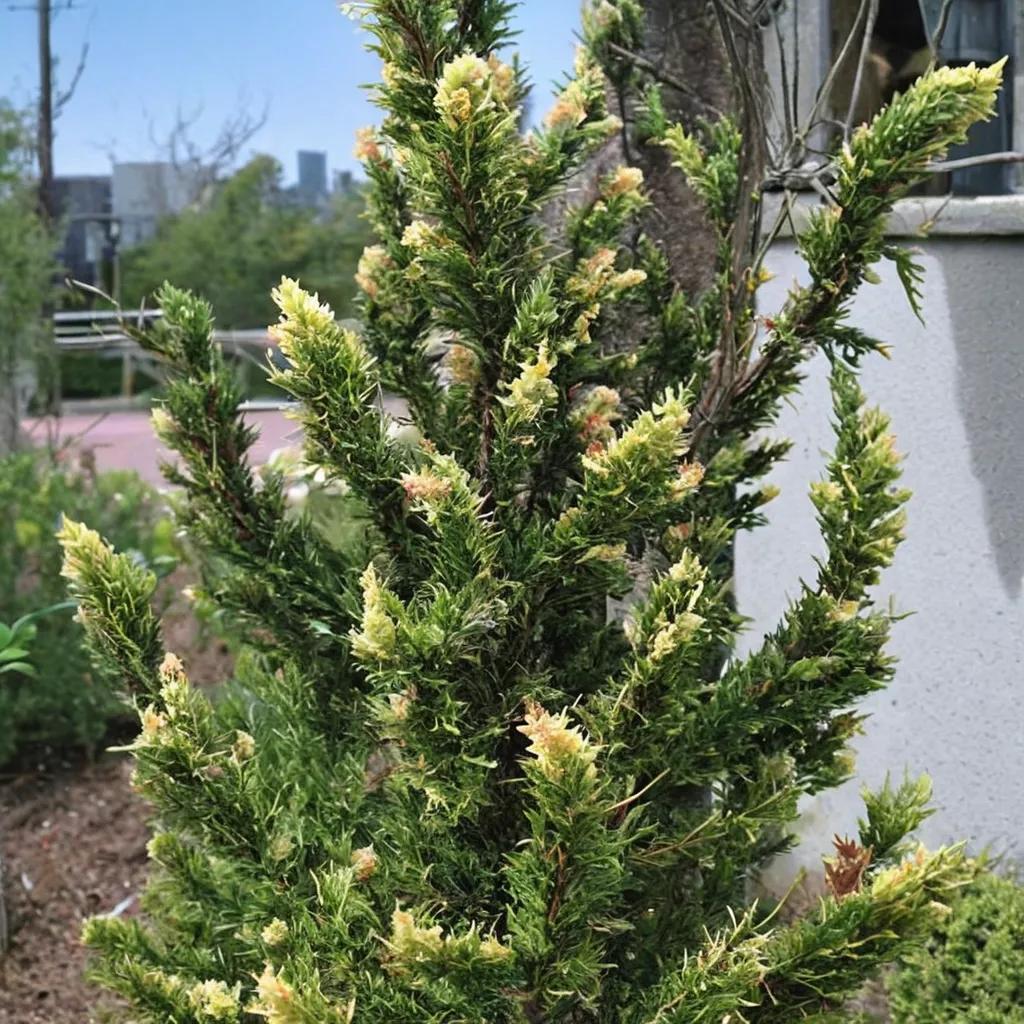 ‘Kaizuka Variegated’Kaizuka Variegated Juniper
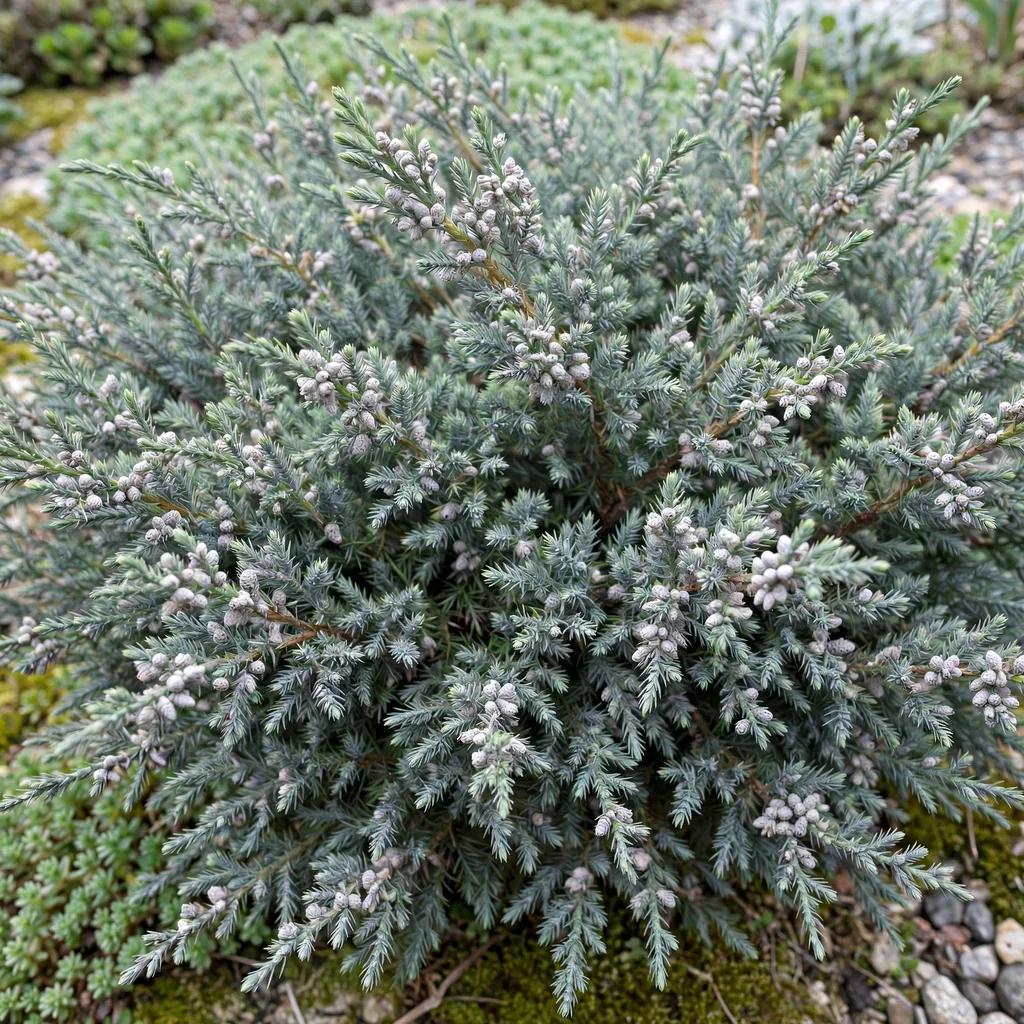 ‘Globosa Cinerea’Globosa Cinerea Juniper
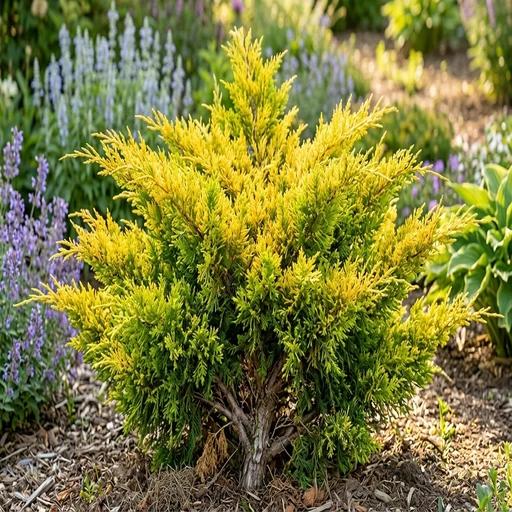 ‘Gold Star’Gold Star Juniper
 ‘Shimpaku’Shimpaku Juniper
 ‘Spartan’Spartan Juniper
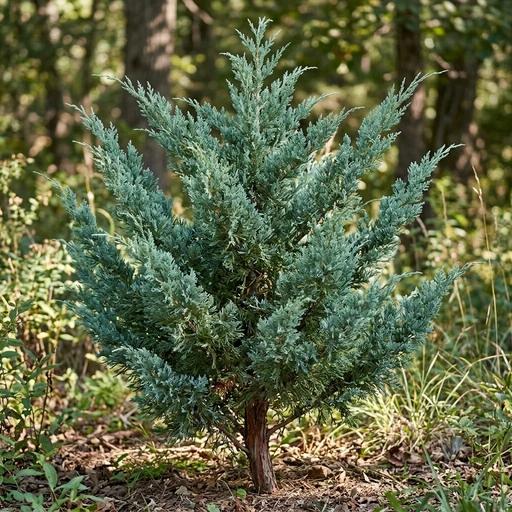 ‘Hetzii’Hetzii Juniper
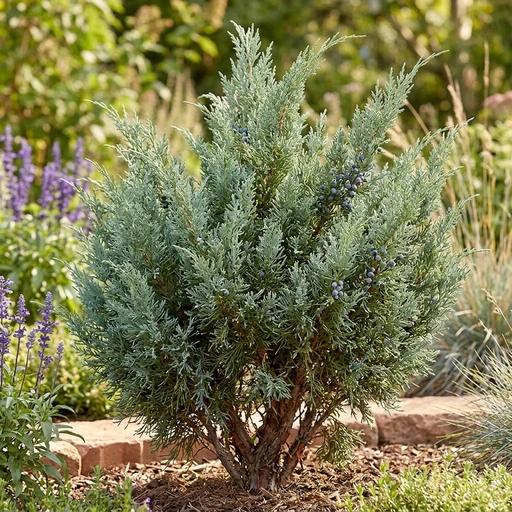 ‘Hetz Blue’Hetz Blue Juniper
 ‘Sea Green’Sea Green Juniper
 ‘Angelica Blue’Angelica Blue Juniper
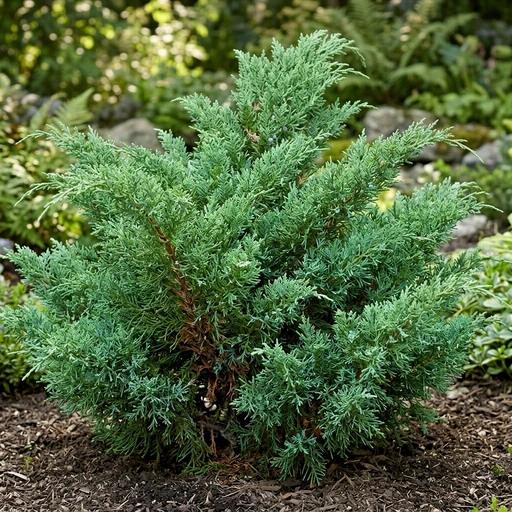 ‘Mint Julep’Mint Julep Juniper
 ‘Viridis’Green Chinese Juniper
 ‘Fairview’Fairview Juniper
 ‘Parsonii’Parson's Juniper
 ‘Old Gold’Old Gold Juniper
 ‘Trautman’Trautman Juniper
 ‘Keteleeri’Keteleer Juniper
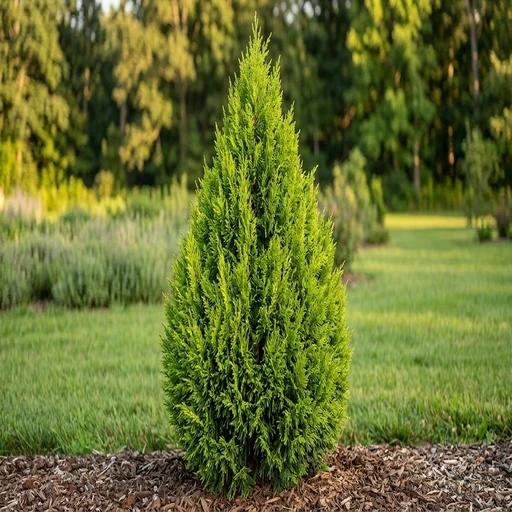 ‘Gin Fizz’Gin Fizz Juniper
 ‘Mountbatten’Mountbatten Juniper
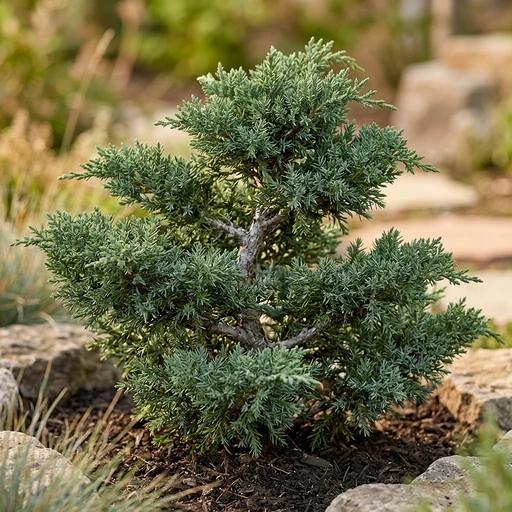 ‘Kallay Compact’Kallay Compact Pfitzer Juniper
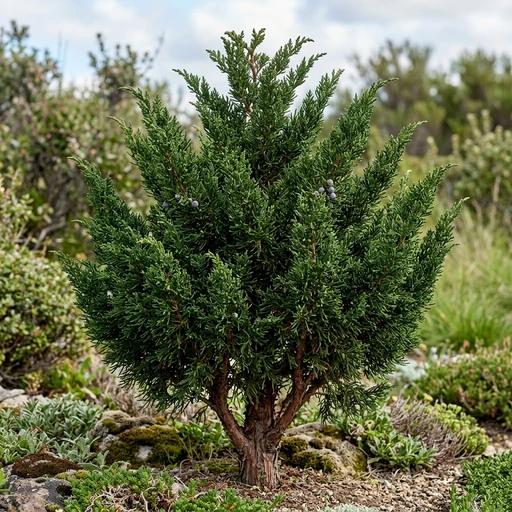 ‘Hooks’Hooks Juniper
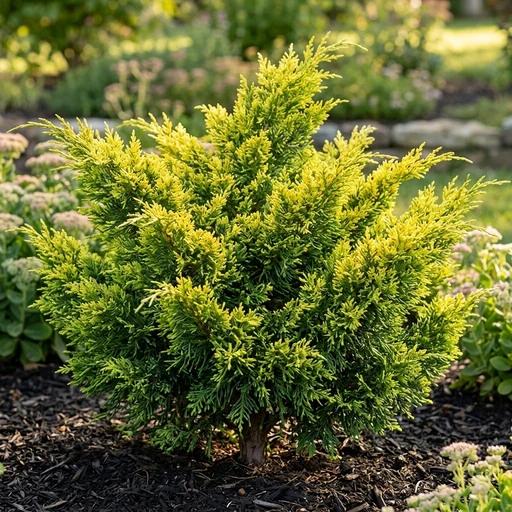 ‘Gold Coast’Gold Coast Juniper
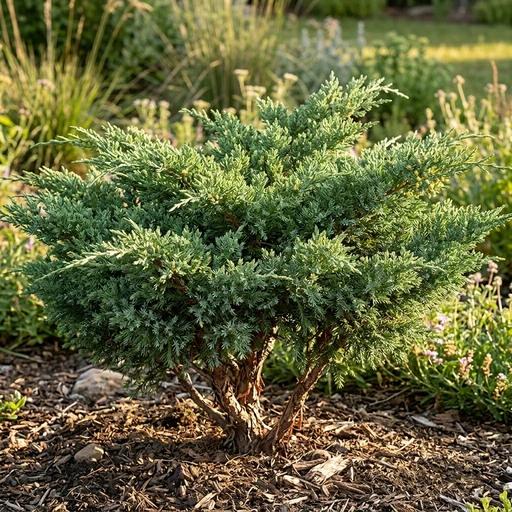 ‘Pfitzeriana Compacta’Compact Pfitzer Juniper
 ‘Pfitzeriana Nick’Nick's Compact Pfitzer Juniper
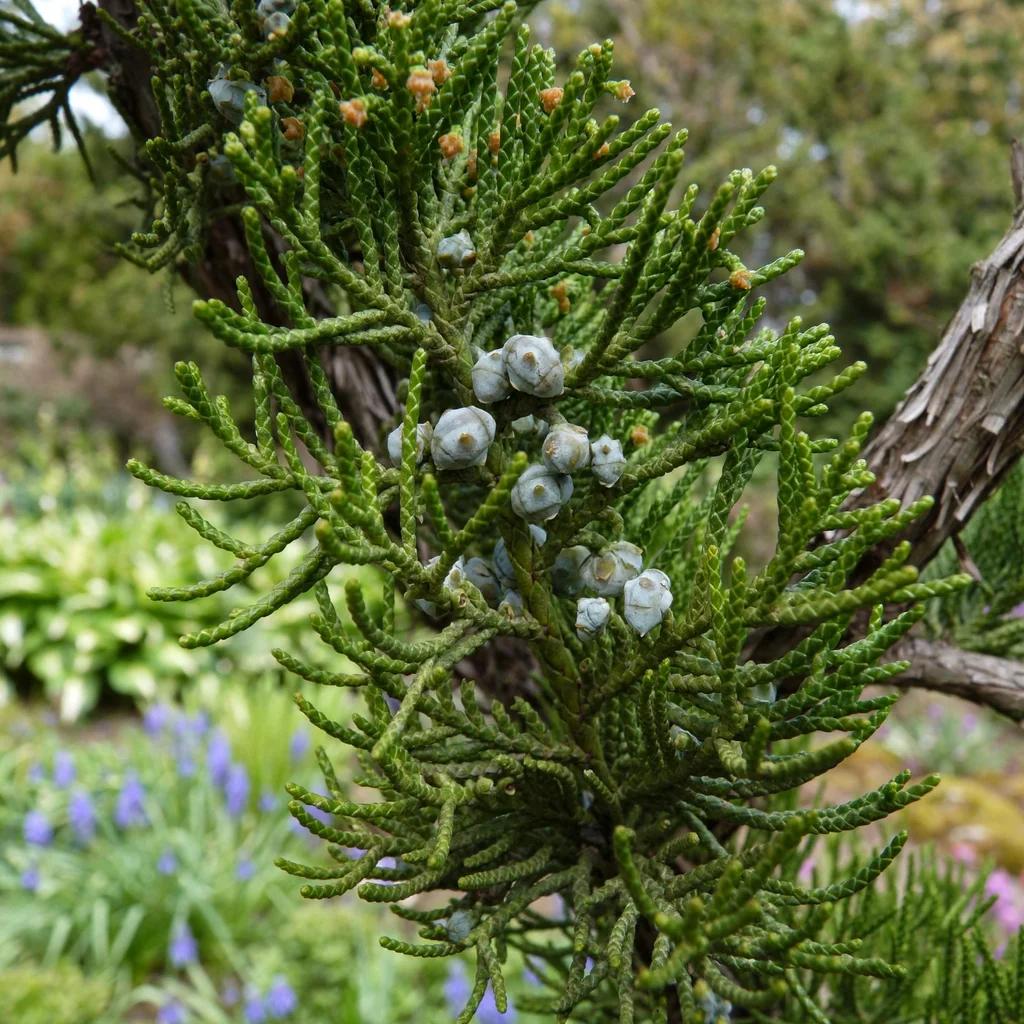 ‘Torulosa’Hollywood Juniper
The Story
Plant Bio
Juniperus chinensis is a highly variable species of evergreen conifer, ranging from groundcovers to large trees. They are known for their extreme toughness and adaptability in the landscape.
'Iowa' is a dense, upright, broadly pyramidal cultivar with a mix of scale-like and awl-like foliage. Its foliage is a distinctive silvery blue-green, and it's a female clone that produces attractive berry-like cones.
Uses & Benefits:
Essentials
At a Glance
Plant Type
Shrub
Height
180"
Width
72"
Light
Full Sun
Zones
4, 5, 6, 7, 8, 9
Water
Low
Humidity
Adaptable
Lifespan
50+ years
Native To
China, Japan, Himalayas
Toxicity
Berries can be mildly toxic if ingested in large quantities.
Bloom period
Mid-spring
In flower about 1 month of the year
Planting
How to Grow
- Choose a site that receives at least 6 hours of direct sun per day.
- Ensure the soil is well-drained; amend clay soil if necessary.
- Dig a hole twice as wide as the root ball but no deeper.
- Set the plant in the hole, with the top of the root ball at or above soil level.
- Backfill with native soil and water thoroughly.
- Mulch to conserve moisture, but keep it away from the base of the plant.
Pro Tip
Plant in full sun and well-drained soil; poor drainage is one of the few things this tough plant will not tolerate.
Keep It Thriving
Care Guide
Do
- Provide full sun for the best foliage density and color.
- Water during establishment, but allow it to dry out between waterings.
- Prune lightly to shape; avoid cutting back into old wood.
- Provide good air circulation to prevent fungal diseases.
Don't
- Do not plant in shade or consistently wet soil.
- Avoid planting near apple or crabapple trees to prevent cedar-apple rust.
- Don't allow mulch or debris to pile up against the stem.
- Avoid overhead watering, which can encourage twig blights.
Seasonal Care Calendar
| Task | Jan | Feb | Mar | Apr | May | Jun | Jul | Aug | Sep | Oct | Nov | Dec |
|---|---|---|---|---|---|---|---|---|---|---|---|---|
| Pest Check | ||||||||||||
| Prune |
Watch Out For
Pests & Diseases
Common Pests
Common Diseases
In the Garden
Landscape Uses & Companions
Landscape Uses
Multiply
Propagation Methods
Good to Know
Common Questions
Iowa Juniper questions
What zones can Iowa Juniper grow in?
Iowa Juniper is hardy in USDA Zones 4–9. Inside that range it survives winter in the ground; outside it, grow it as an annual or a container plant you protect.
Is Iowa Juniper deer resistant?
Yes — Iowa Juniper is rated deer-resistant. Deer typically pass it over, though extreme hunger can override any plant's defenses.
When does Iowa Juniper bloom?
Iowa Juniper typically blooms in mid-spring through mid-spring. Exact timing shifts a week or two with your zone — Sow's bloom calendar maps it to your garden.
Does Iowa Juniper need full sun?
Iowa Juniper does best in full sun (6+ hours).
Is Iowa Juniper drought tolerant?
Yes — once established (usually after the first full season), Iowa Juniper handles dry spells with minimal watering. Water deeply its first year to build the root system that makes that possible.
More Juniperus to compare
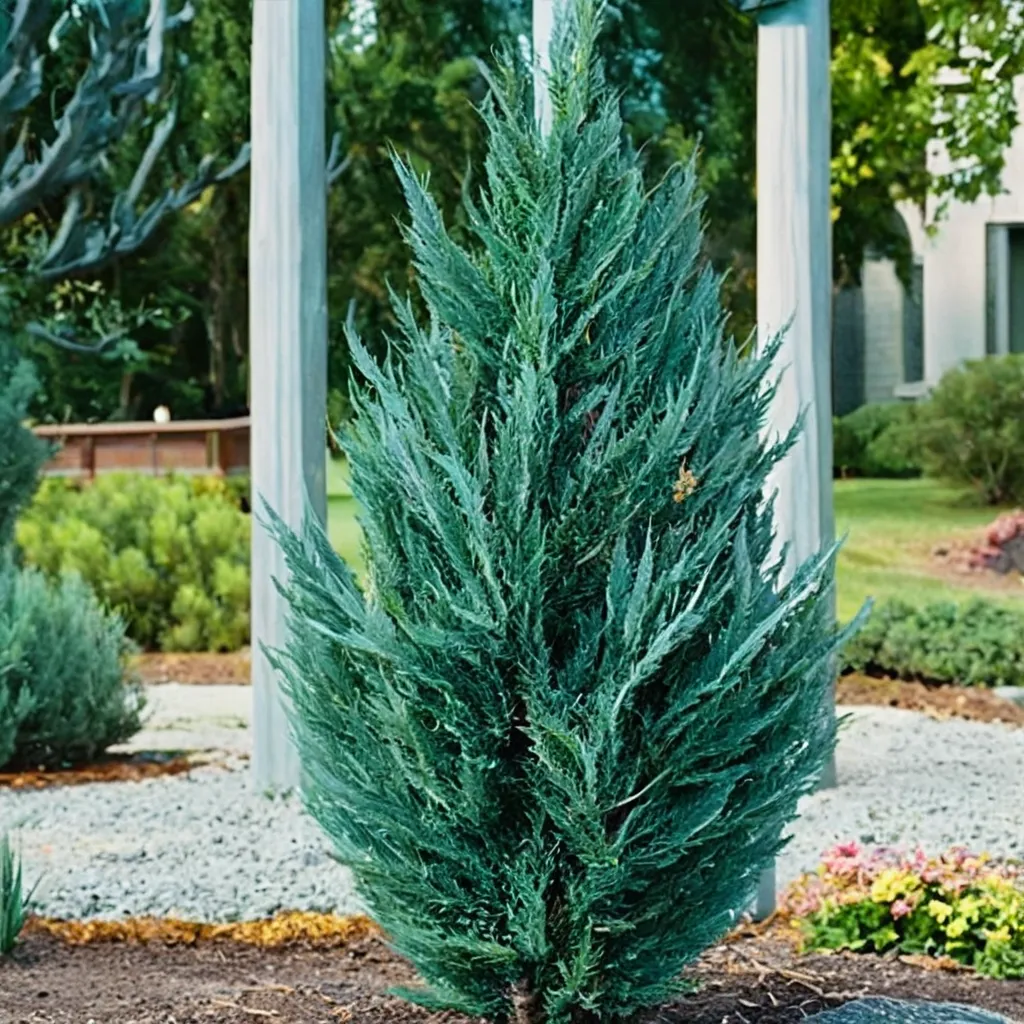
Blue Point Juniper
Juniperus chinensis 'Blue Point'
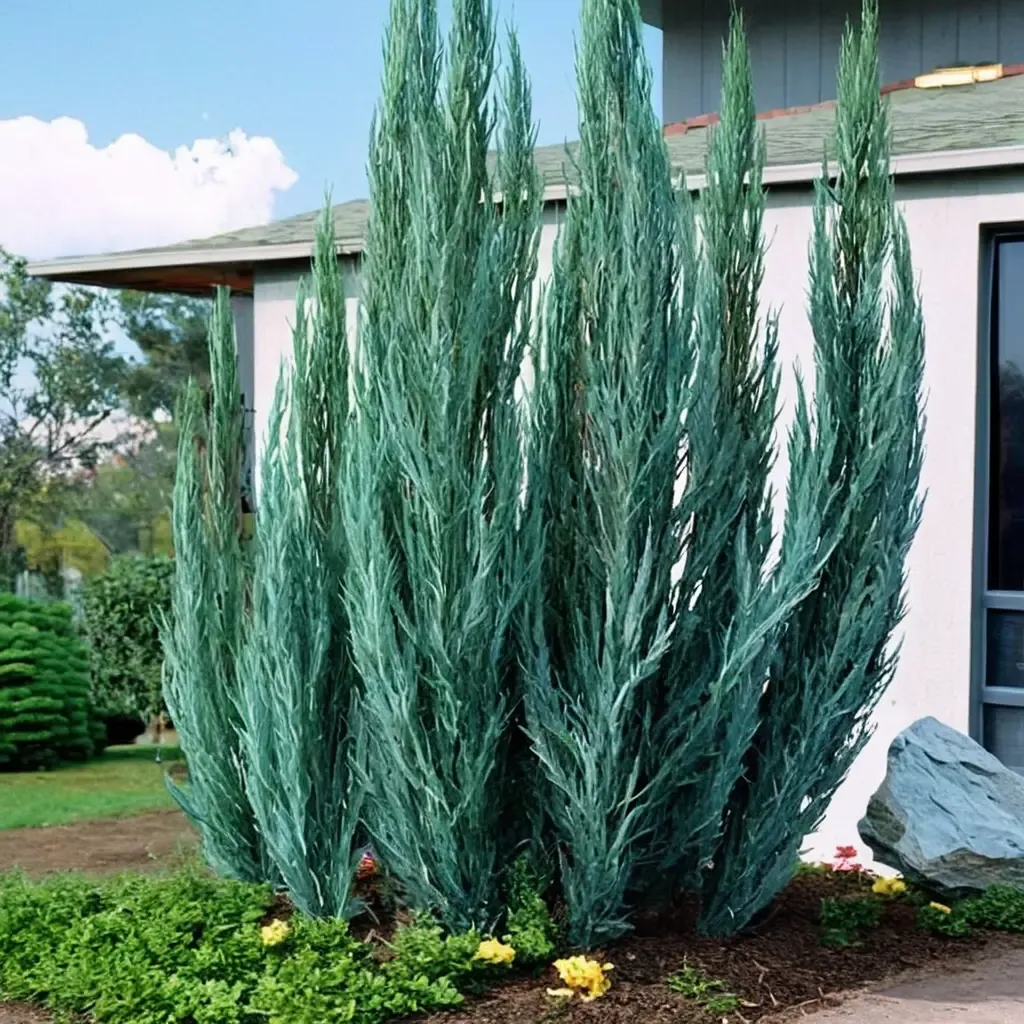
Skyrocket Juniper
Juniperus horizontalis 'Skyrocket'
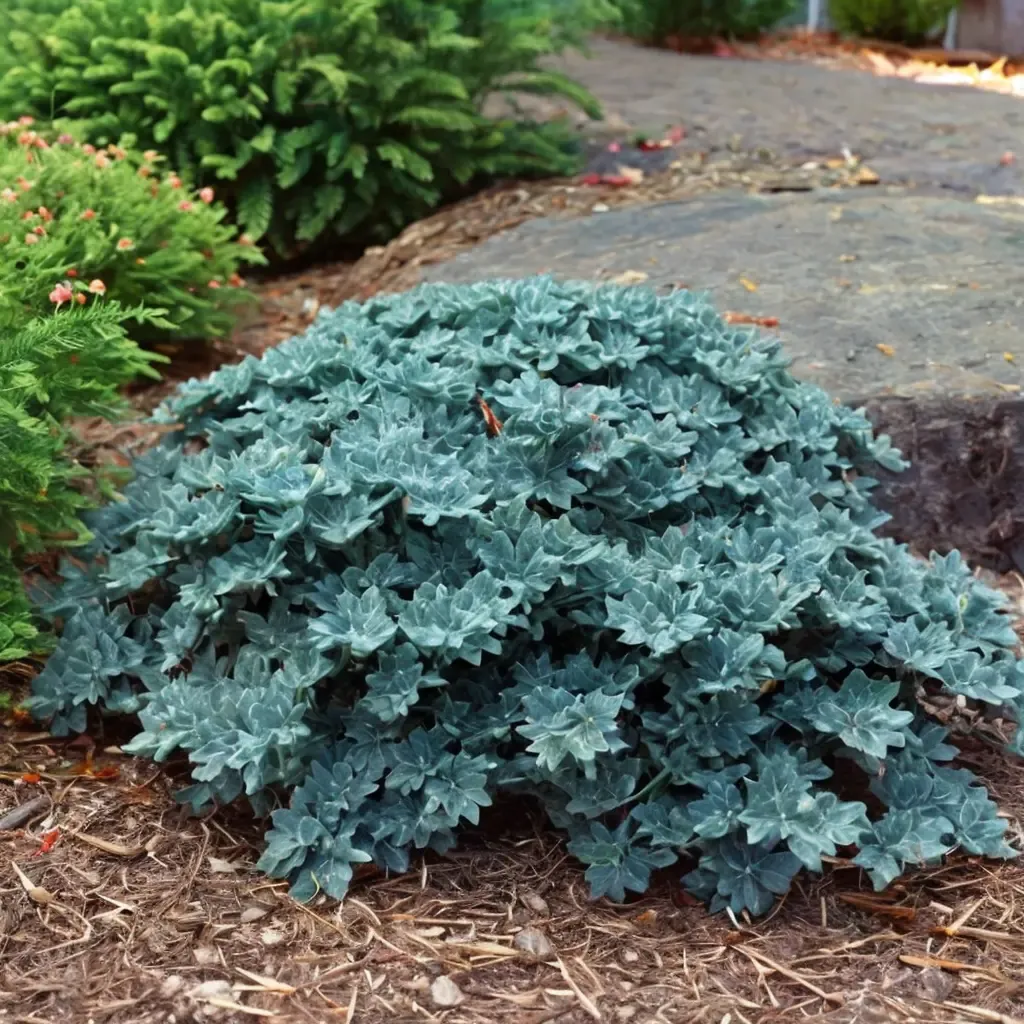
Blue Star Juniper
Juniperus squamata 'Blue Star'
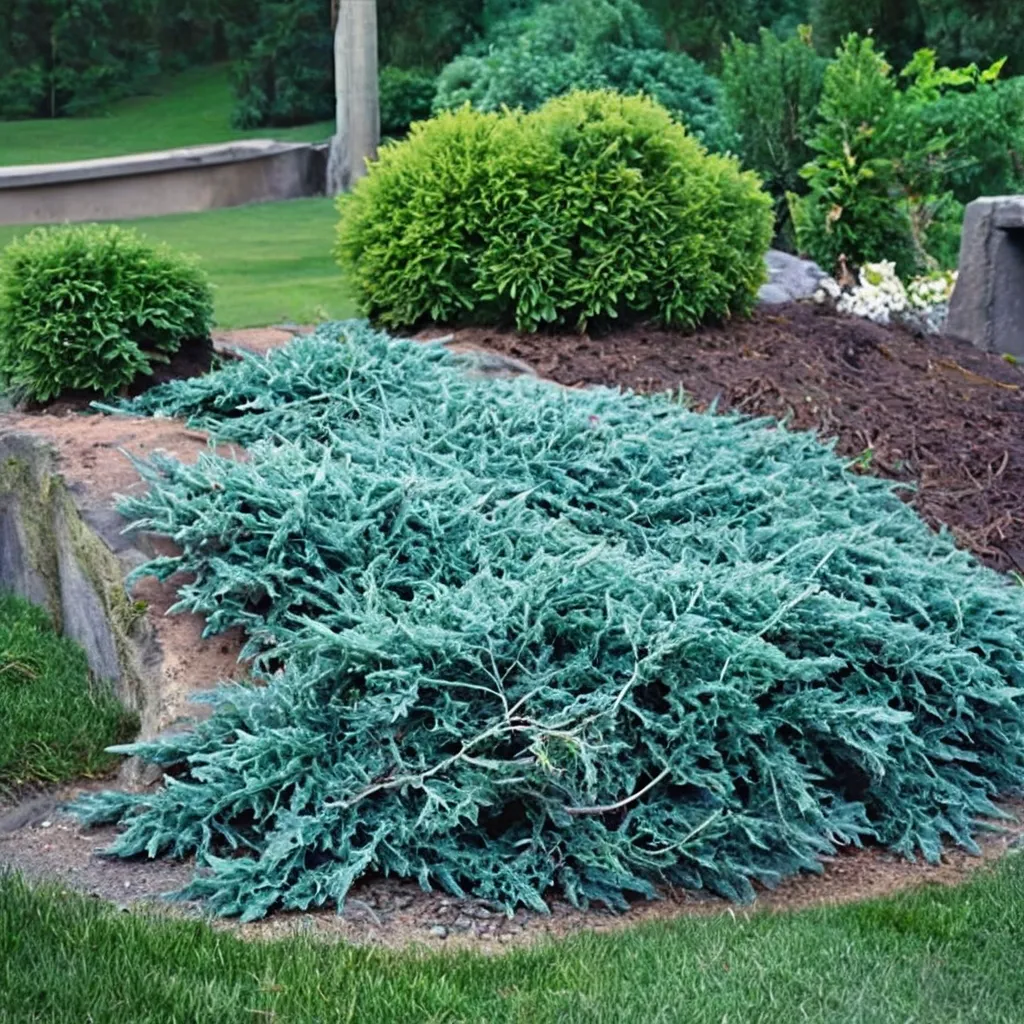
Blue Rug Juniper
Juniperus horizontalis 'Blue Rug'
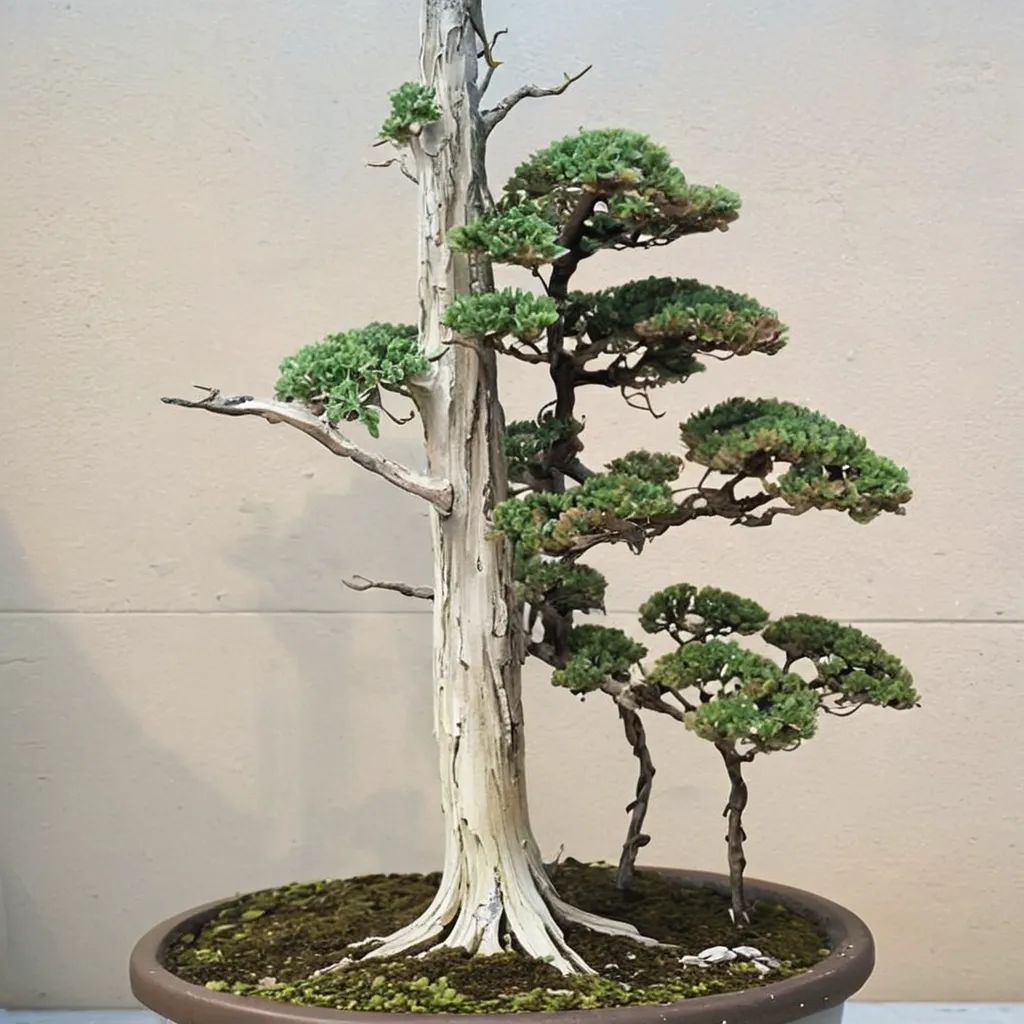
Foemina Chinese Juniper
Juniperus chinensis 'Foemina'
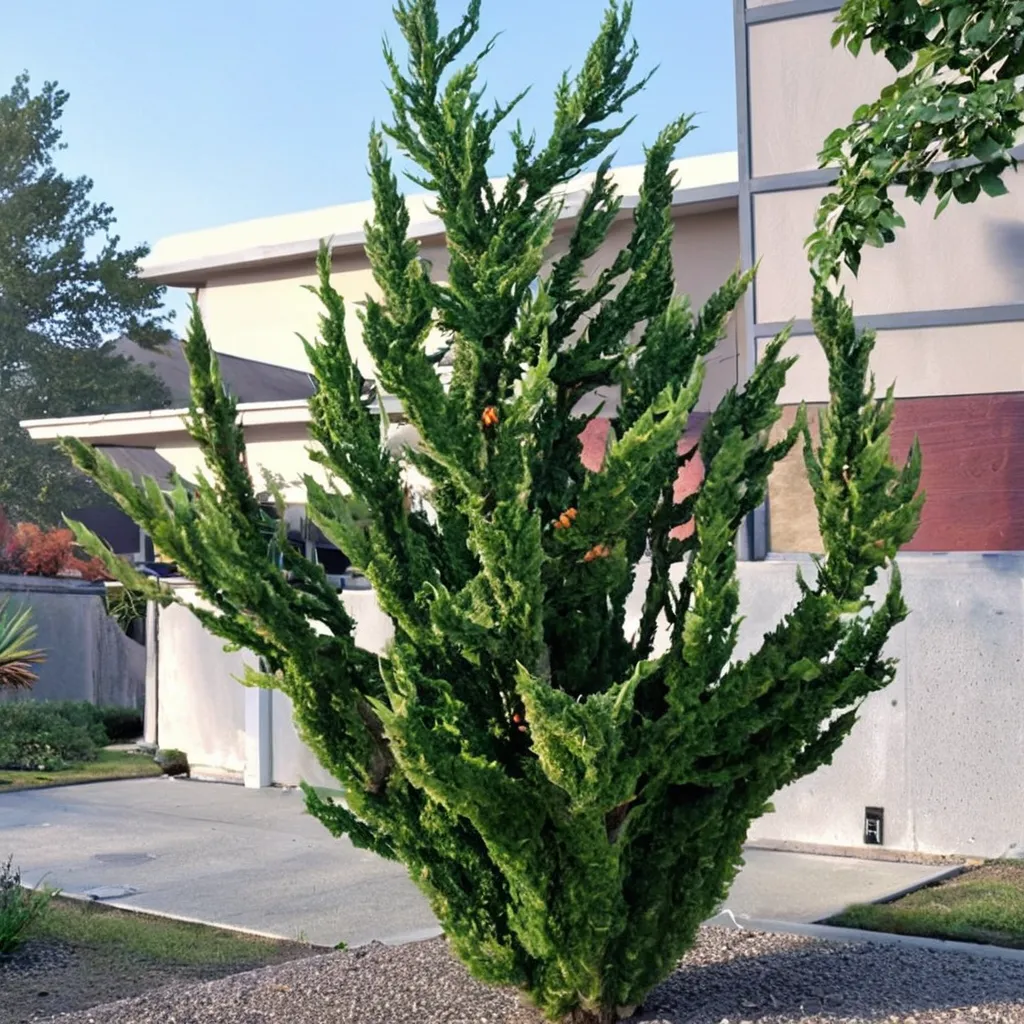
Hollywood Juniper
Juniperus chinensis 'Kaizuka'
Keep exploring
Explore the genus
Grow Iowa Juniper with confidence
See it in a design of your actual yard, get zone-matched care reminders, and track it season by season in your garden journal.