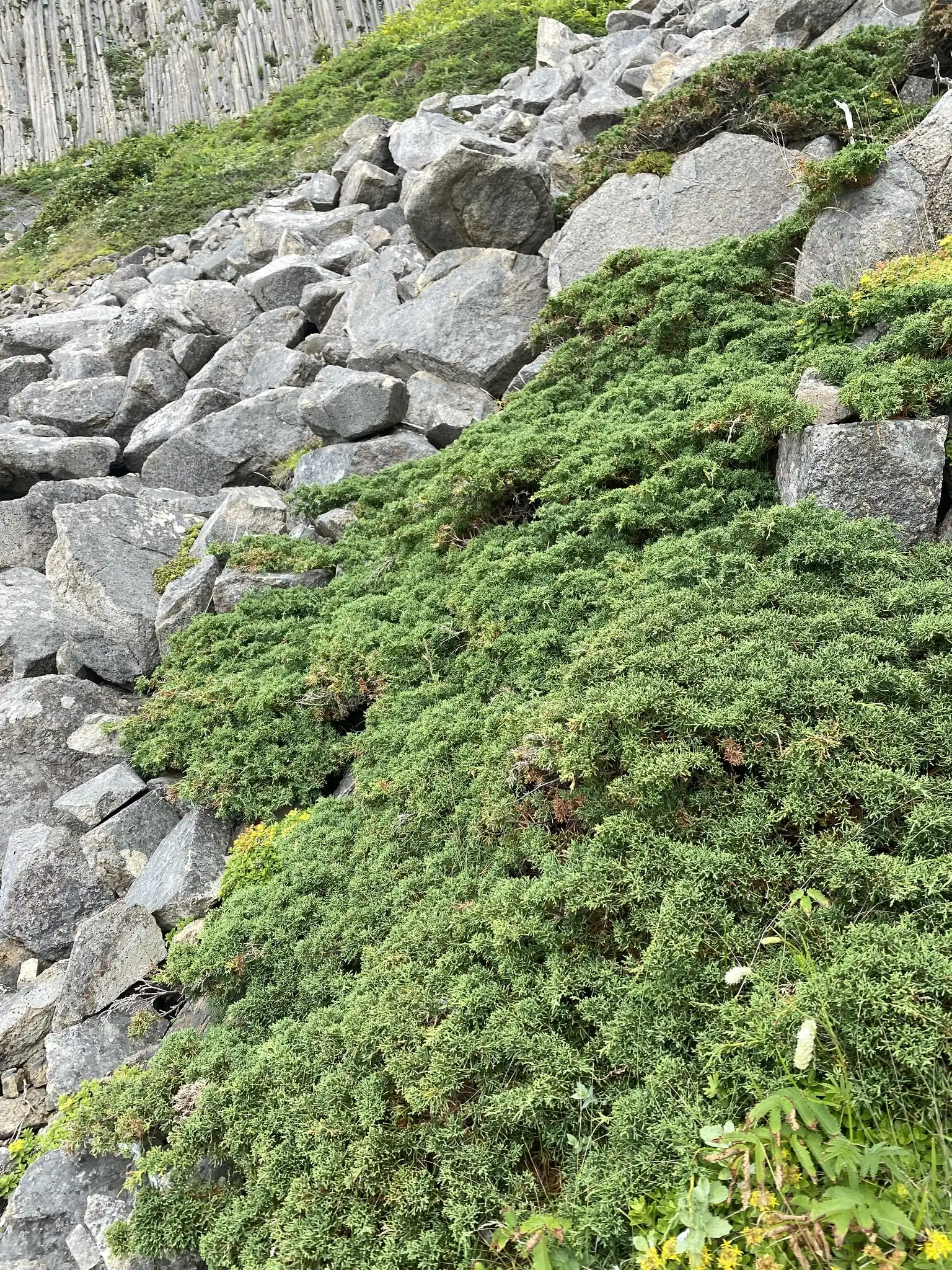
28 named cultivars
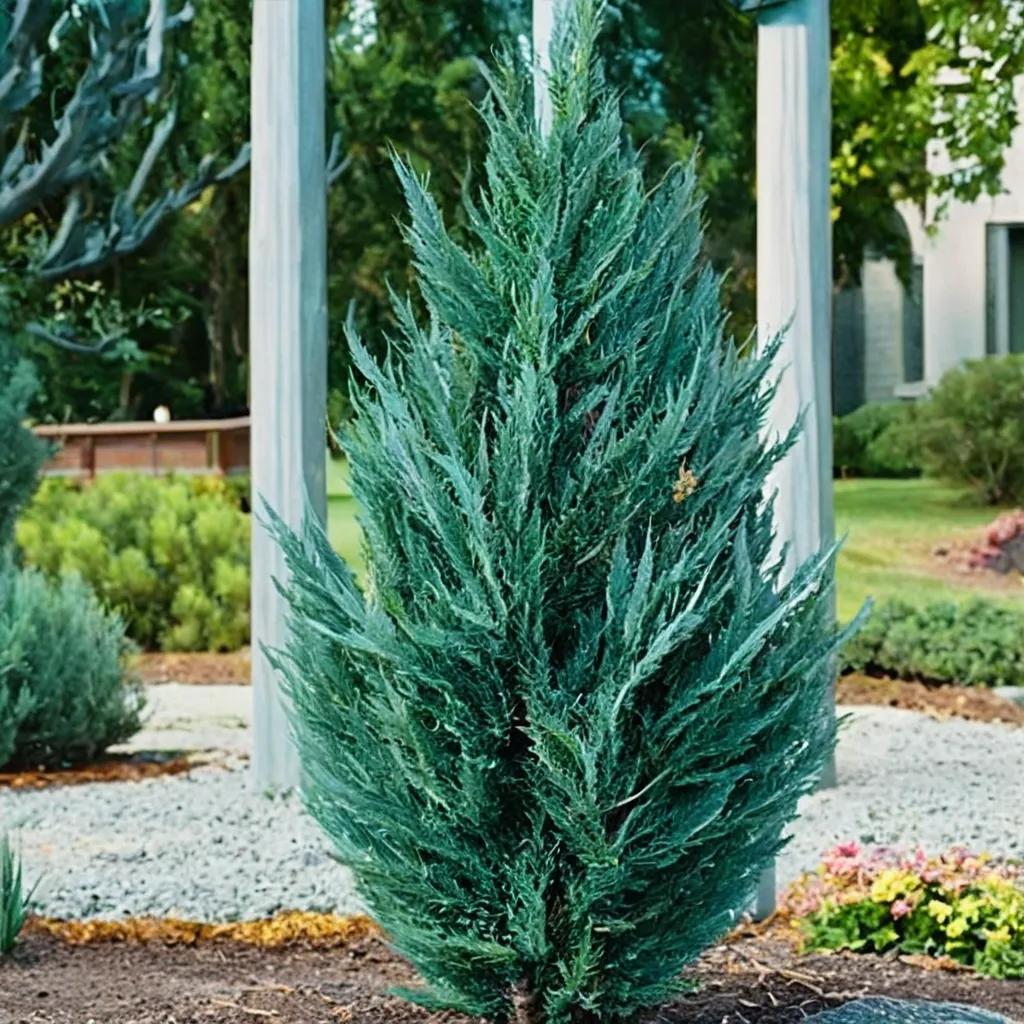 ‘Blue Point’Blue Point Juniper
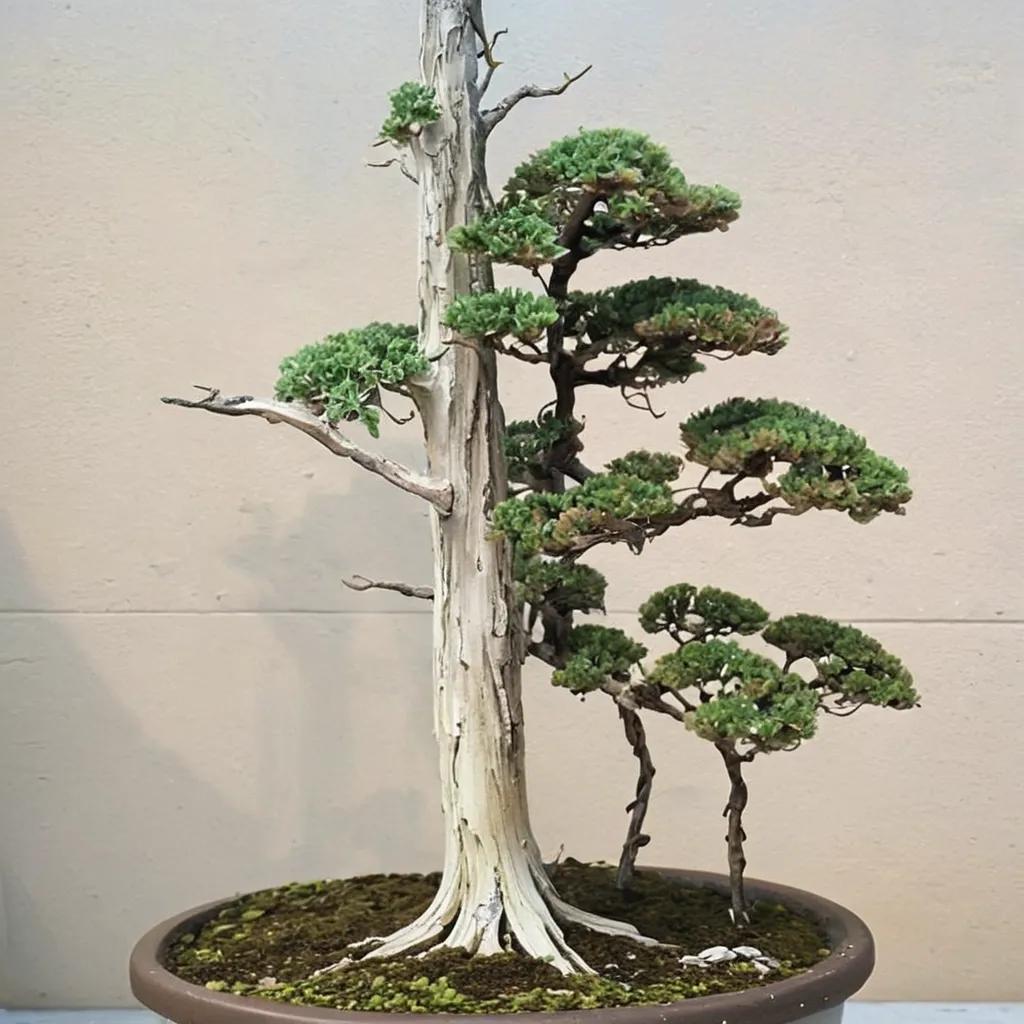 ‘Foemina’Foemina Chinese Juniper
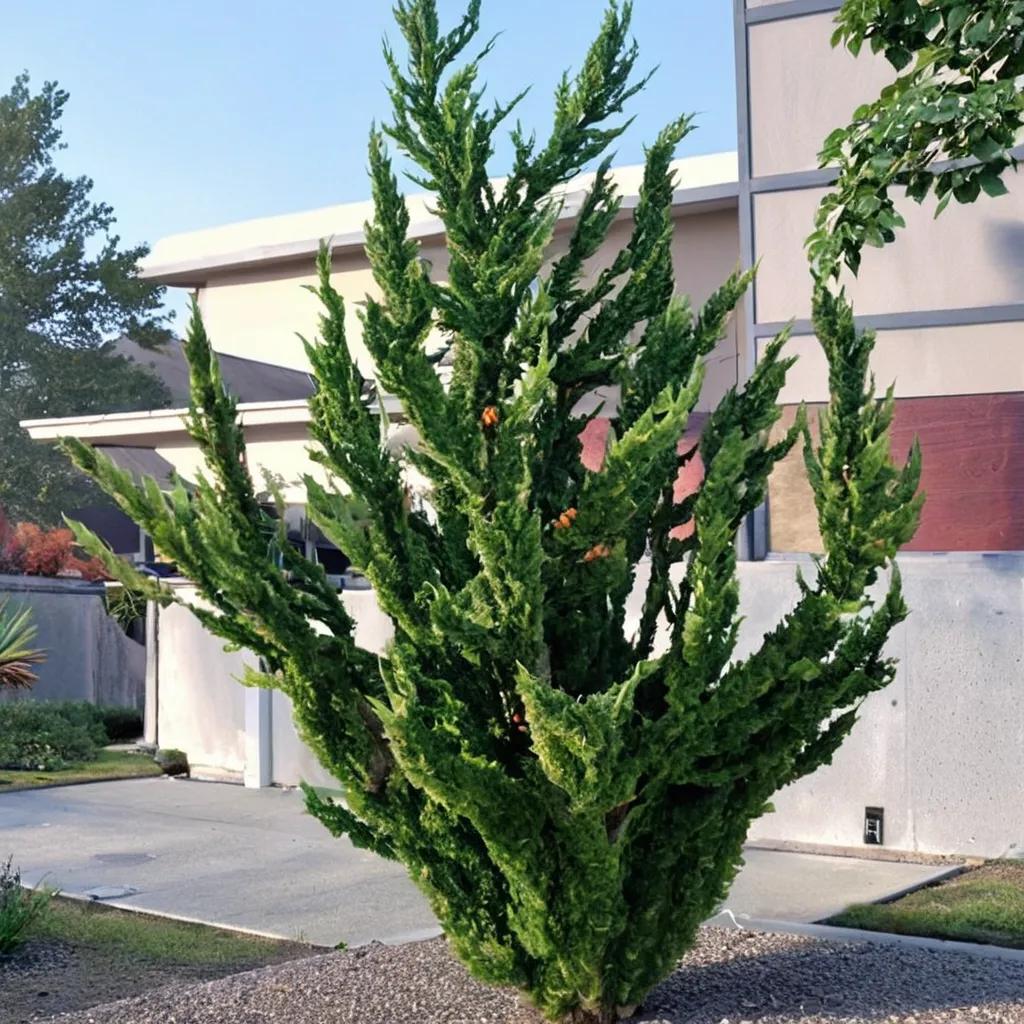 ‘Kaizuka’Hollywood Juniper
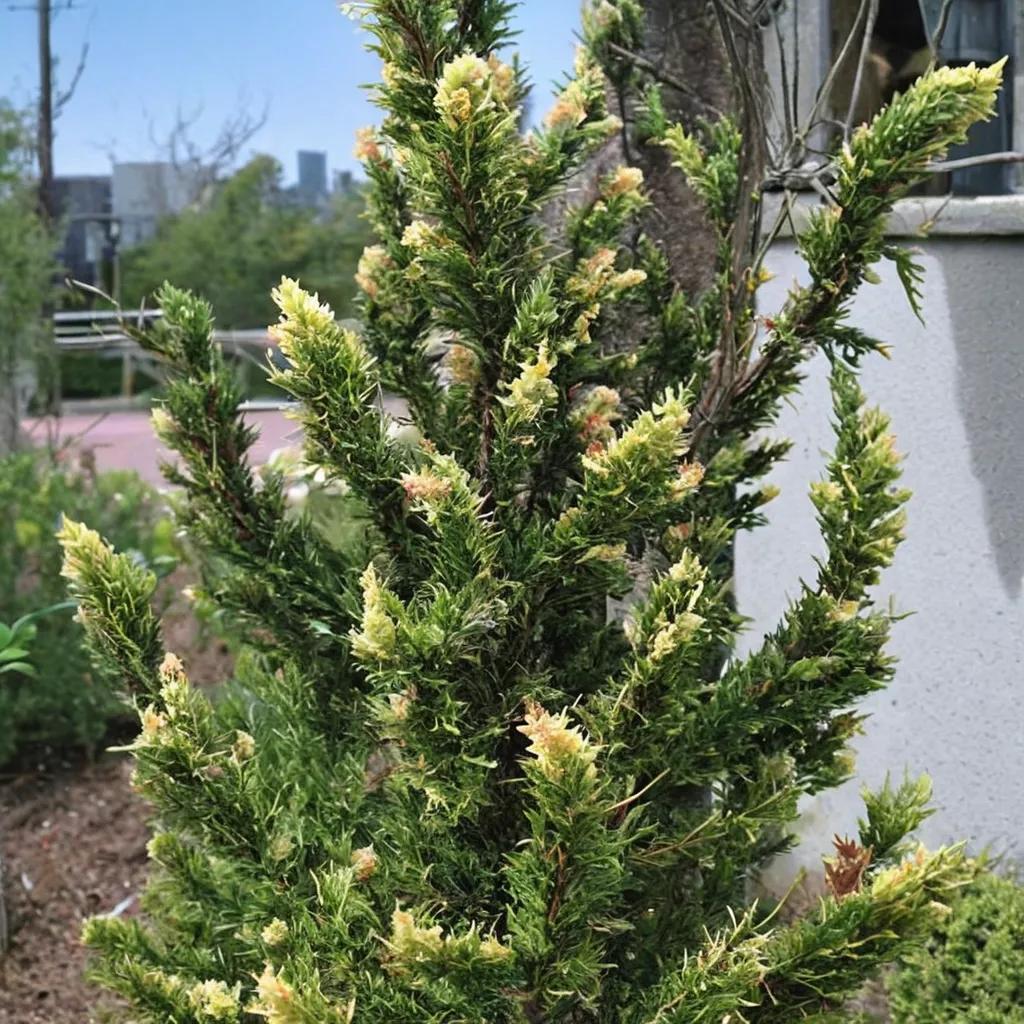 ‘Kaizuka Variegated’Kaizuka Variegated Juniper
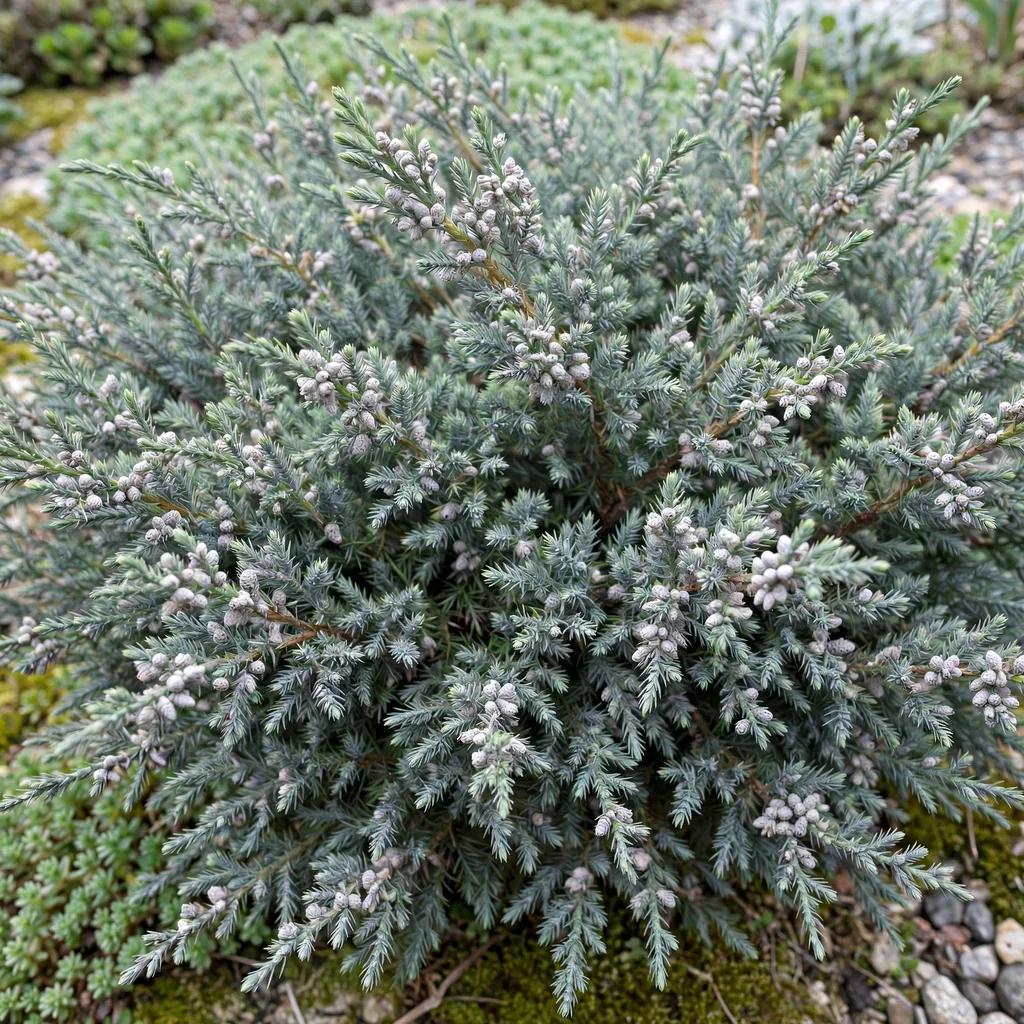 ‘Globosa Cinerea’Globosa Cinerea Juniper
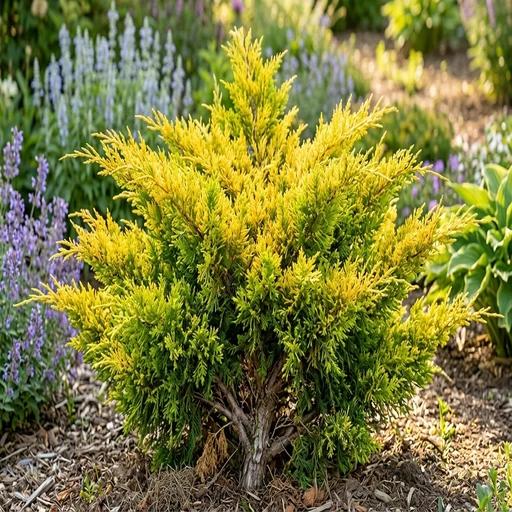 ‘Gold Star’Gold Star Juniper
 ‘Shimpaku’Shimpaku Juniper
 ‘Spartan’Spartan Juniper
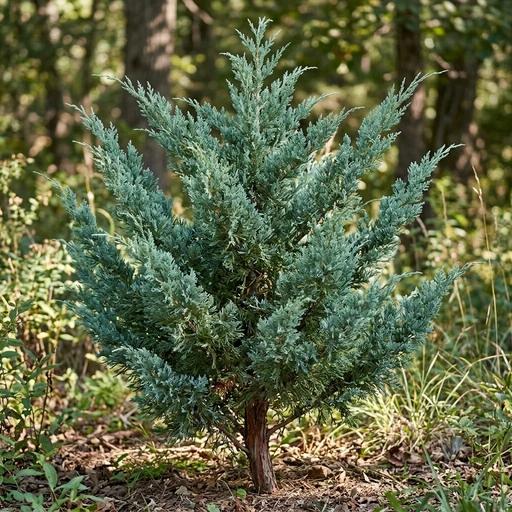 ‘Hetzii’Hetzii Juniper
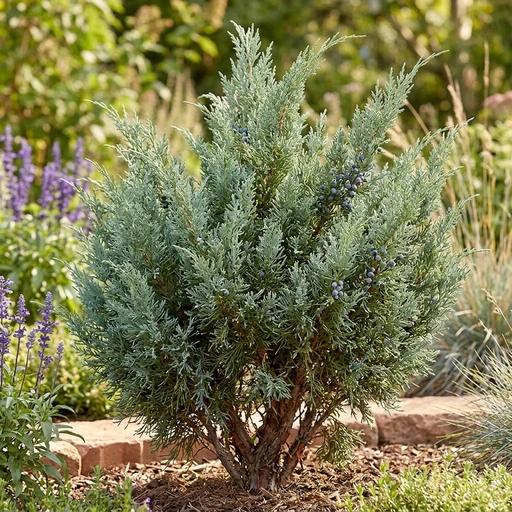 ‘Hetz Blue’Hetz Blue Juniper
 ‘Sea Green’Sea Green Juniper
 ‘Angelica Blue’Angelica Blue Juniper
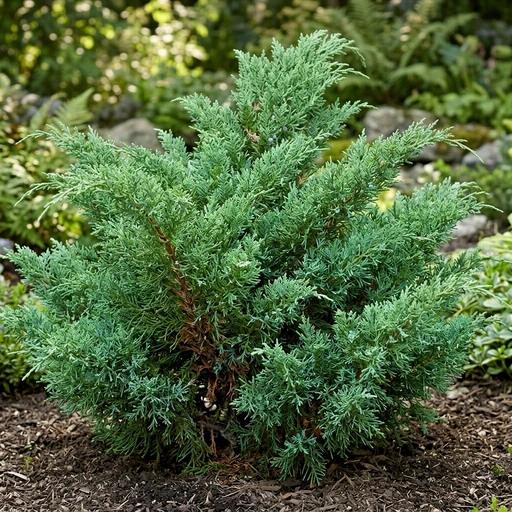 ‘Mint Julep’Mint Julep Juniper
 ‘Viridis’Green Chinese Juniper
 ‘Iowa’Iowa Juniper
 ‘Fairview’Fairview Juniper
 ‘Parsonii’Parson's Juniper
 ‘Old Gold’Old Gold Juniper
 ‘Trautman’Trautman Juniper
 ‘Keteleeri’Keteleer Juniper
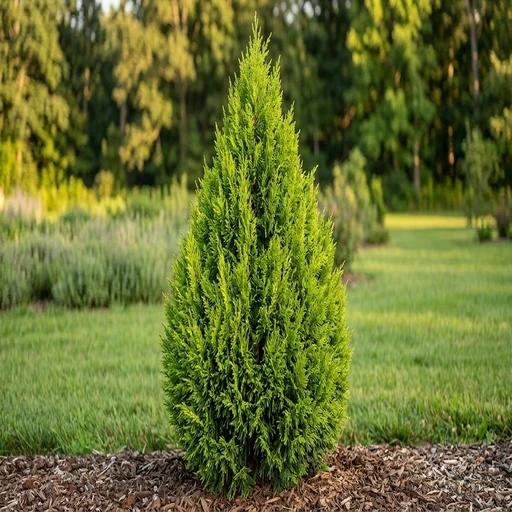 ‘Gin Fizz’Gin Fizz Juniper
 ‘Mountbatten’Mountbatten Juniper
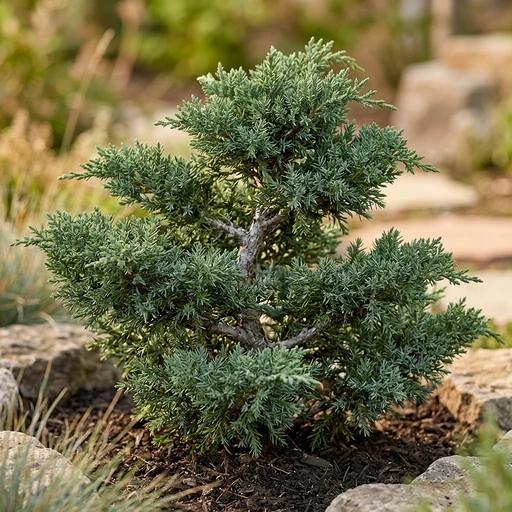 ‘Kallay Compact’Kallay Compact Pfitzer Juniper
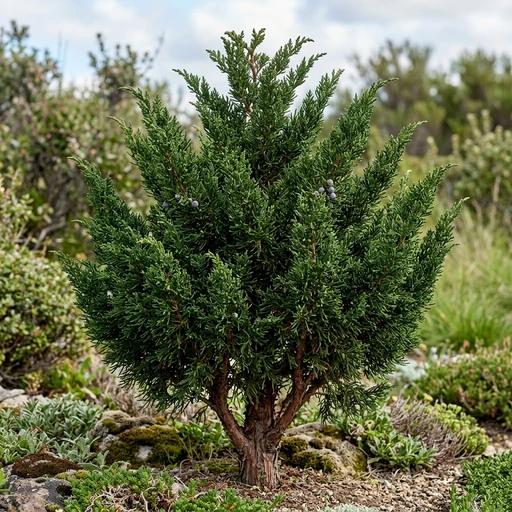 ‘Hooks’Hooks Juniper
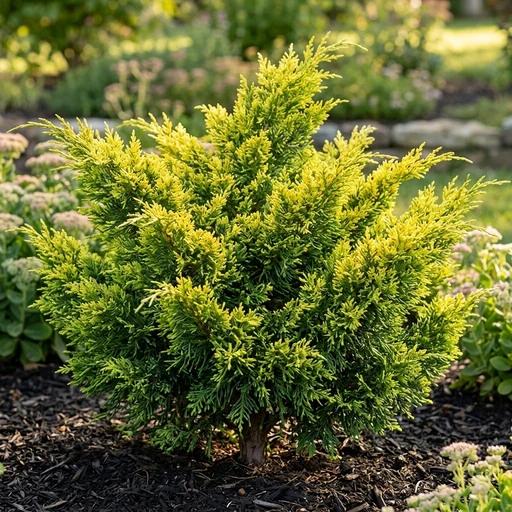 ‘Gold Coast’Gold Coast Juniper
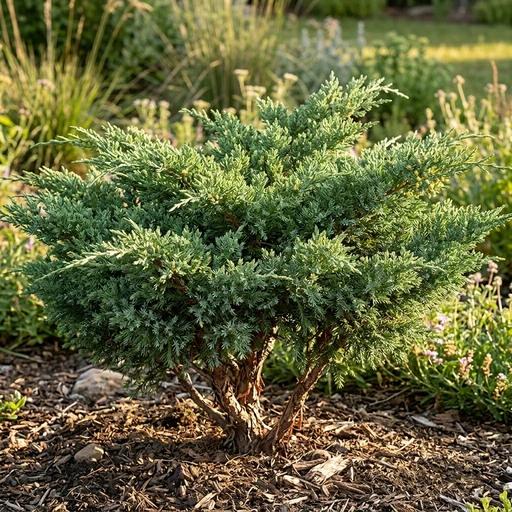 ‘Pfitzeriana Compacta’Compact Pfitzer Juniper
 ‘Pfitzeriana Nick’Nick's Compact Pfitzer Juniper
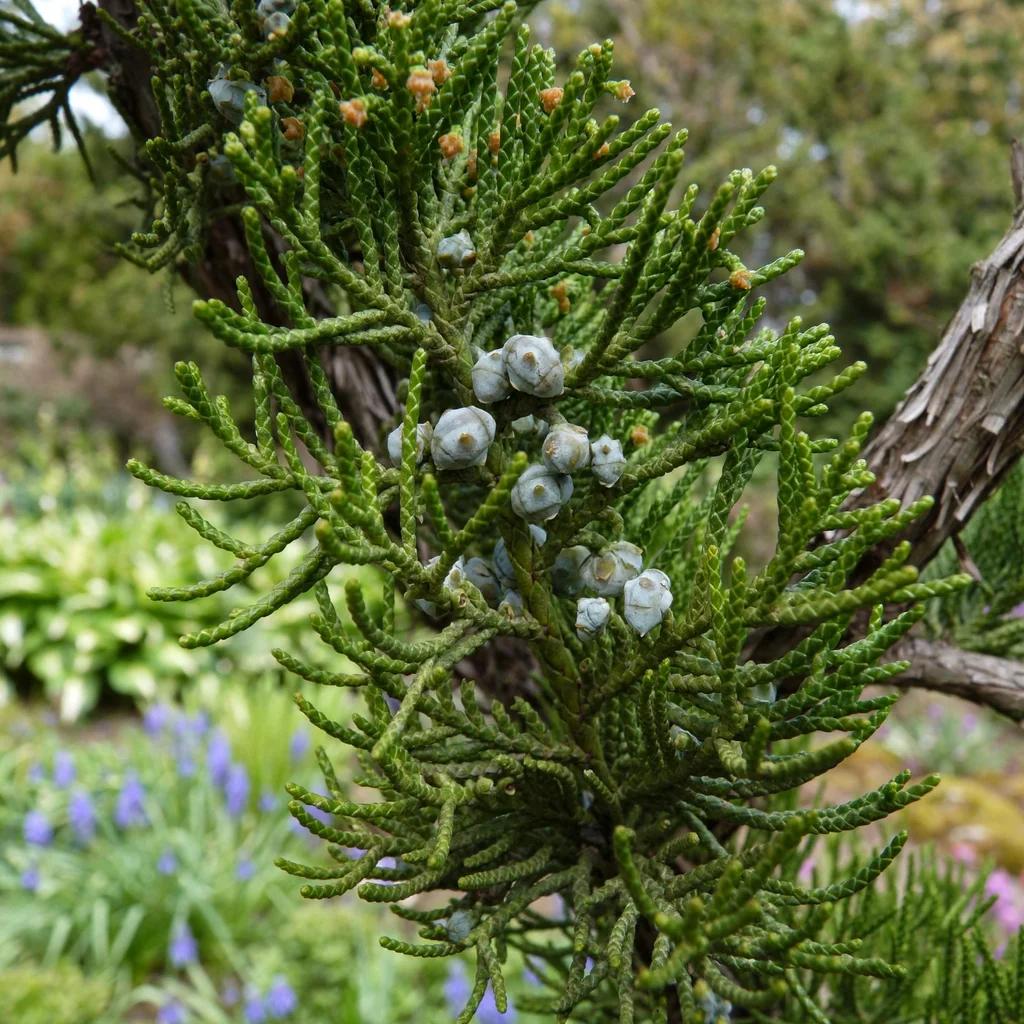 ‘Torulosa’Hollywood Juniper
The Story
Plant Bio
Juniperus chinensis, the Chinese juniper, is a needled evergreen from China, Mongolia, Japan and the Himalayas that grows into a conical tree of 50 to 60 ft in its own right, though it is nearly always sold as a shrubby cultivar. The light brown bark is ridged and peels in thin strips. Foliage mixes flat adult scales with prickly juvenile needles.
Juvenile and adult foliage often appear on the same plant, so one branch can feel soft while another is sharp to the touch. Female plants carry fleshy blue cones that are used as a seasoning. It handles urban pollution, salt and reflected heat better than most conifers, which is why it lines so many car parks.
Uses & Benefits:
Essentials
At a Glance
Plant Type
Tree
Height
660"
Width
180"
Light
Full Sun
Zones
4, 5, 6, 7, 8, 9
Water
Low once established
Humidity
Tolerates dry air, pollution and salt
Lifespan
Long-lived; over 50 years
Native To
China, Mongolia, Japan and the Himalayas
Toxicity
Not classed as poisonous; foliage can irritate skin
Planting
How to Grow
- Plant in full sun; it thins badly in shade.
- Choose free-draining ground of about neutral pH.
- Check the cultivar's mature size before spacing the planting.
- Water weekly through the first season, then only in drought.
- Keep mulch clear of the trunk and lower branches.
- Prune lightly in spring, cutting only into living foliage.
Pro Tip
Prune a little each spring rather than hard every few years; cuts into bare wood never regrow and leave permanent gaps.
Keep It Thriving
Care Guide
Do
- Plant it in full sun with good air movement 🌞
- Use it where salt spray or road runoff defeats other conifers 🧂
- Shake snow off upright forms before branches splay ❄️
- Prune only into green growth, a little at a time ✂️
Don't
- Do not plant it in wet or shaded ground ❌
- Do not cut back into bare brown wood ❌
- Do not assume a nursery clone reaches the species' 50 ft ❌
Seasonal Care Calendar
| Task | Jan | Feb | Mar | Apr | May | Jun | Jul | Aug | Sep | Oct | Nov | Dec |
|---|---|---|---|---|---|---|---|---|---|---|---|---|
| Inspect For Webworm | ||||||||||||
| Prune Lightly |
Watch Out For
Pests & Diseases
Common Pests
Common Diseases
In the Garden
Landscape Uses & Companions
Landscape Uses
Companion Plants
Multiply
Propagation Methods
Good to Know
Common Questions
Chinese Juniper questions
What zones can Chinese Juniper grow in?
Chinese Juniper is hardy in USDA Zones 4–9. Inside that range it survives winter in the ground; outside it, grow it as an annual or a container plant you protect.
Is Chinese Juniper deer resistant?
Yes — Chinese Juniper is rated deer-resistant. Deer typically pass it over, though extreme hunger can override any plant's defenses.
When does Chinese Juniper bloom?
Chinese Juniper typically blooms in spring, insignificant through late spring. Exact timing shifts a week or two with your zone — Sow's bloom calendar maps it to your garden.
Does Chinese Juniper need full sun?
Chinese Juniper does best in full sun (6+ hours).
Is Chinese Juniper drought tolerant?
Yes — once established (usually after the first full season), Chinese Juniper handles dry spells with minimal watering. Water deeply its first year to build the root system that makes that possible.
More Juniperus to compare
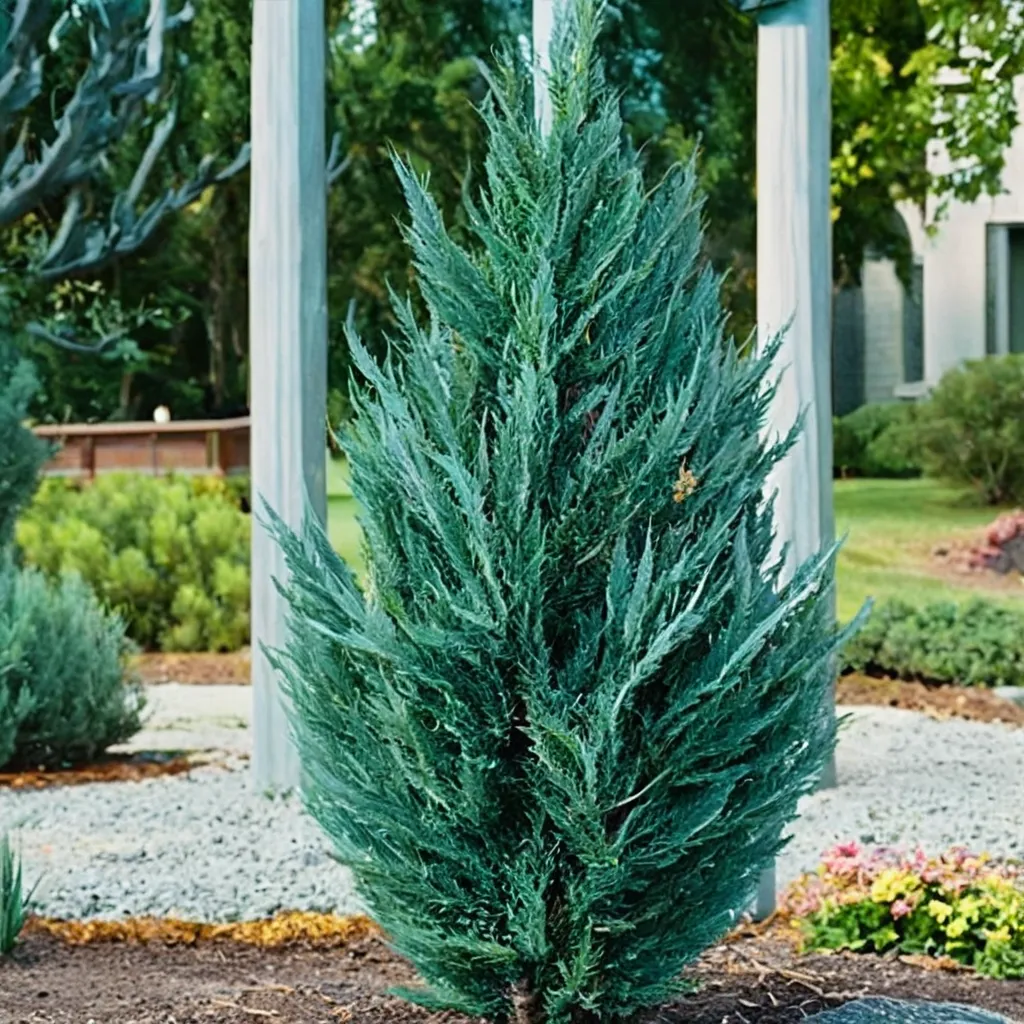
Blue Point Juniper
Juniperus chinensis 'Blue Point'
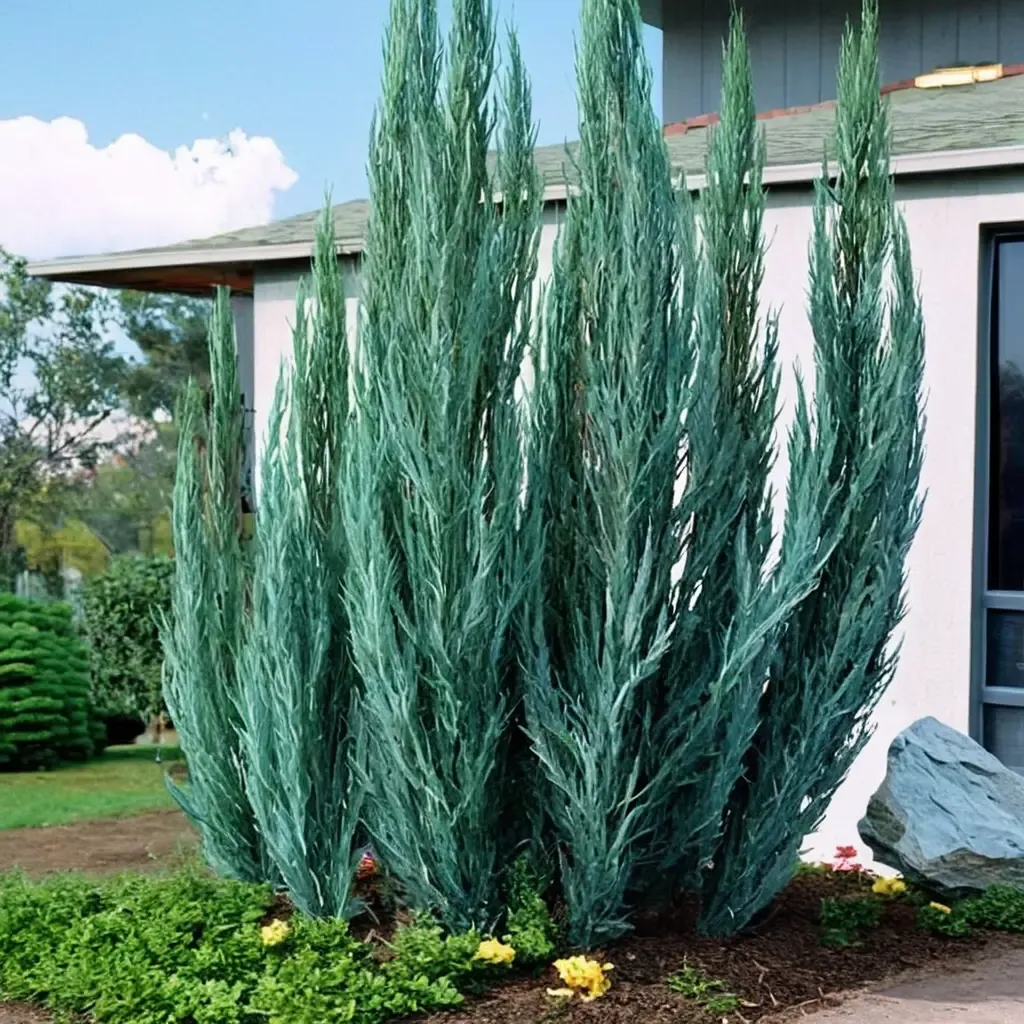
Skyrocket Juniper
Juniperus horizontalis 'Skyrocket'
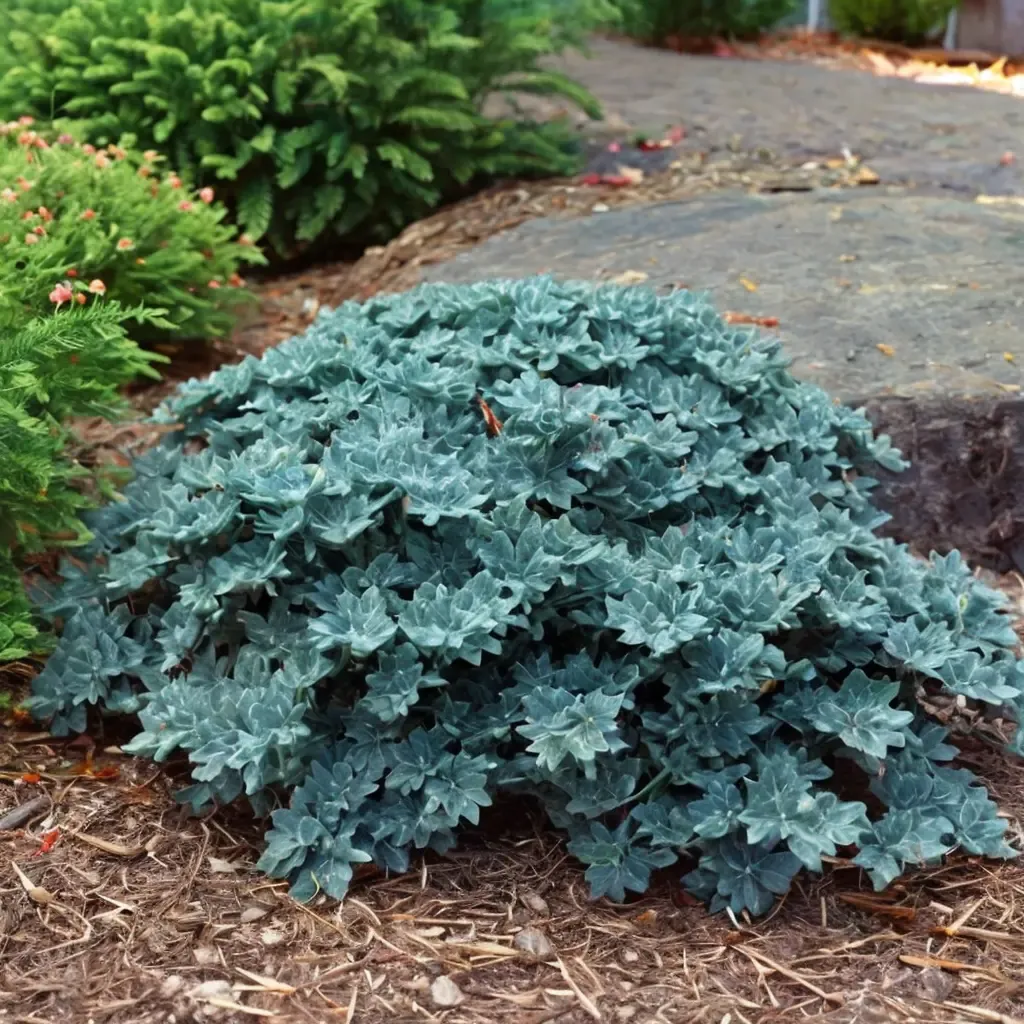
Blue Star Juniper
Juniperus squamata 'Blue Star'
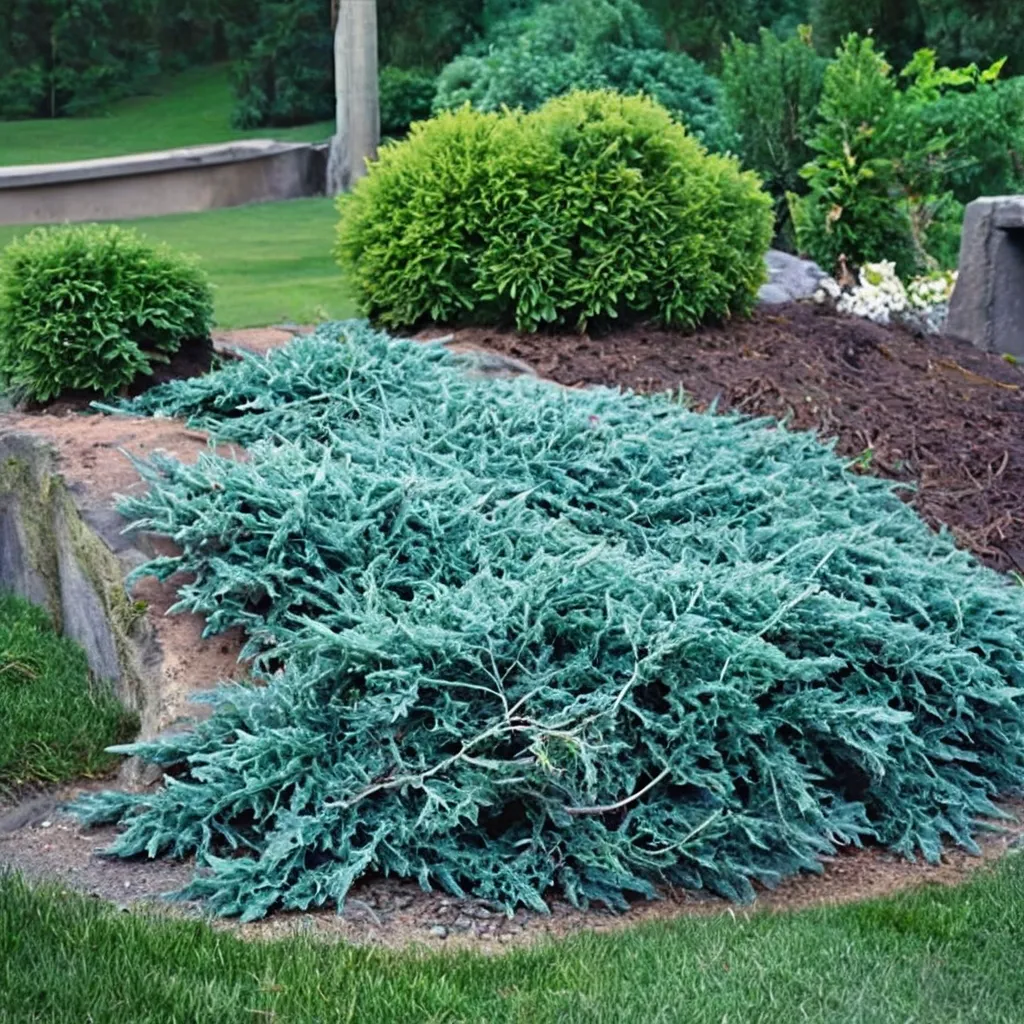
Blue Rug Juniper
Juniperus horizontalis 'Blue Rug'
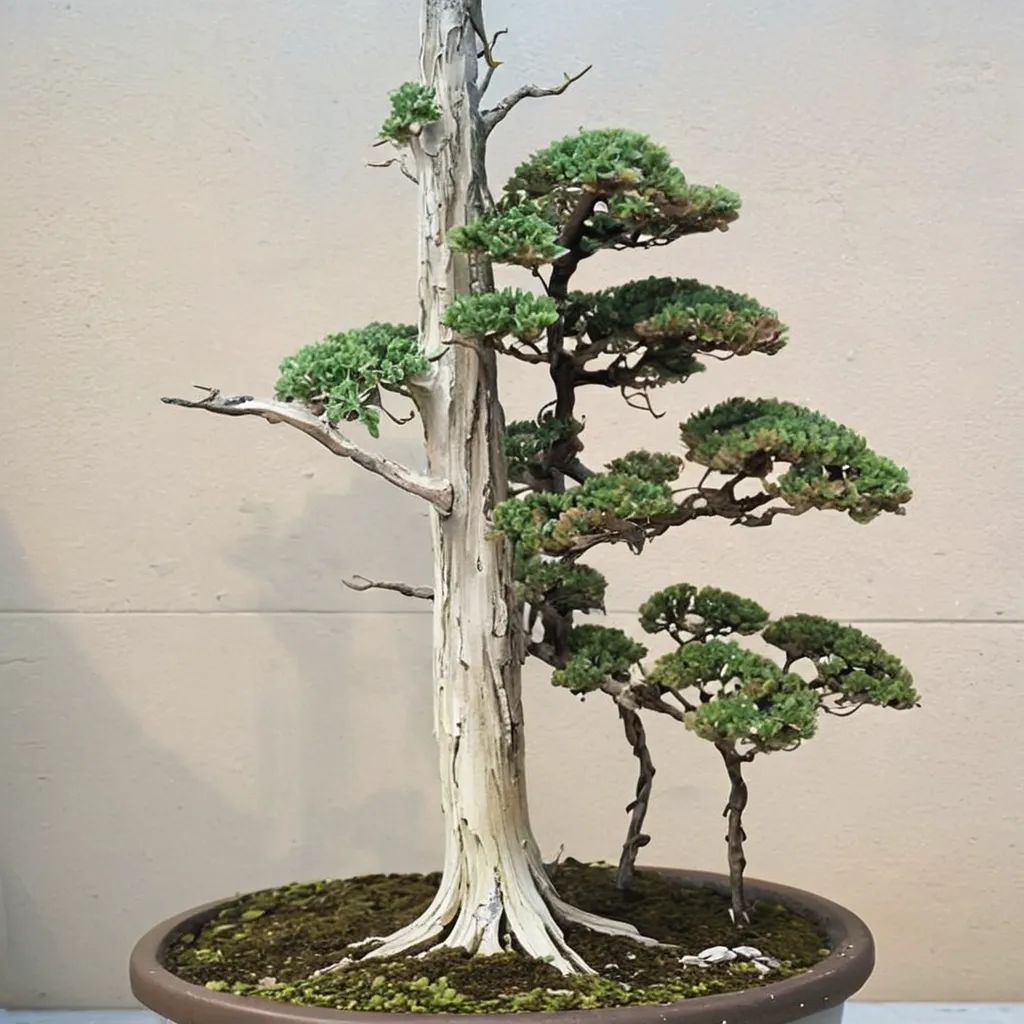
Foemina Chinese Juniper
Juniperus chinensis 'Foemina'
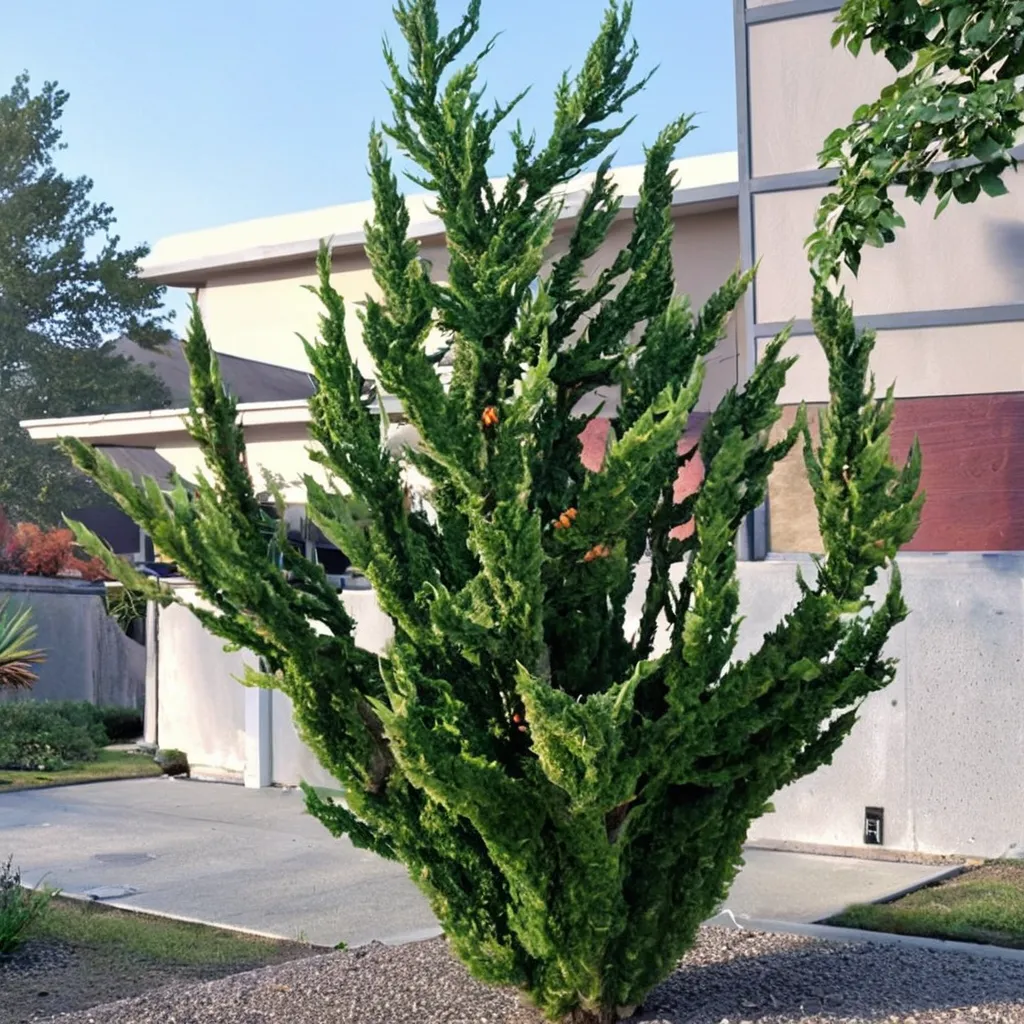
Hollywood Juniper
Juniperus chinensis 'Kaizuka'
Keep exploring
Explore the genus
Grow Chinese Juniper with confidence
See it in a design of your actual yard, get zone-matched care reminders, and track it season by season in your garden journal.