The Story
Plant Bio
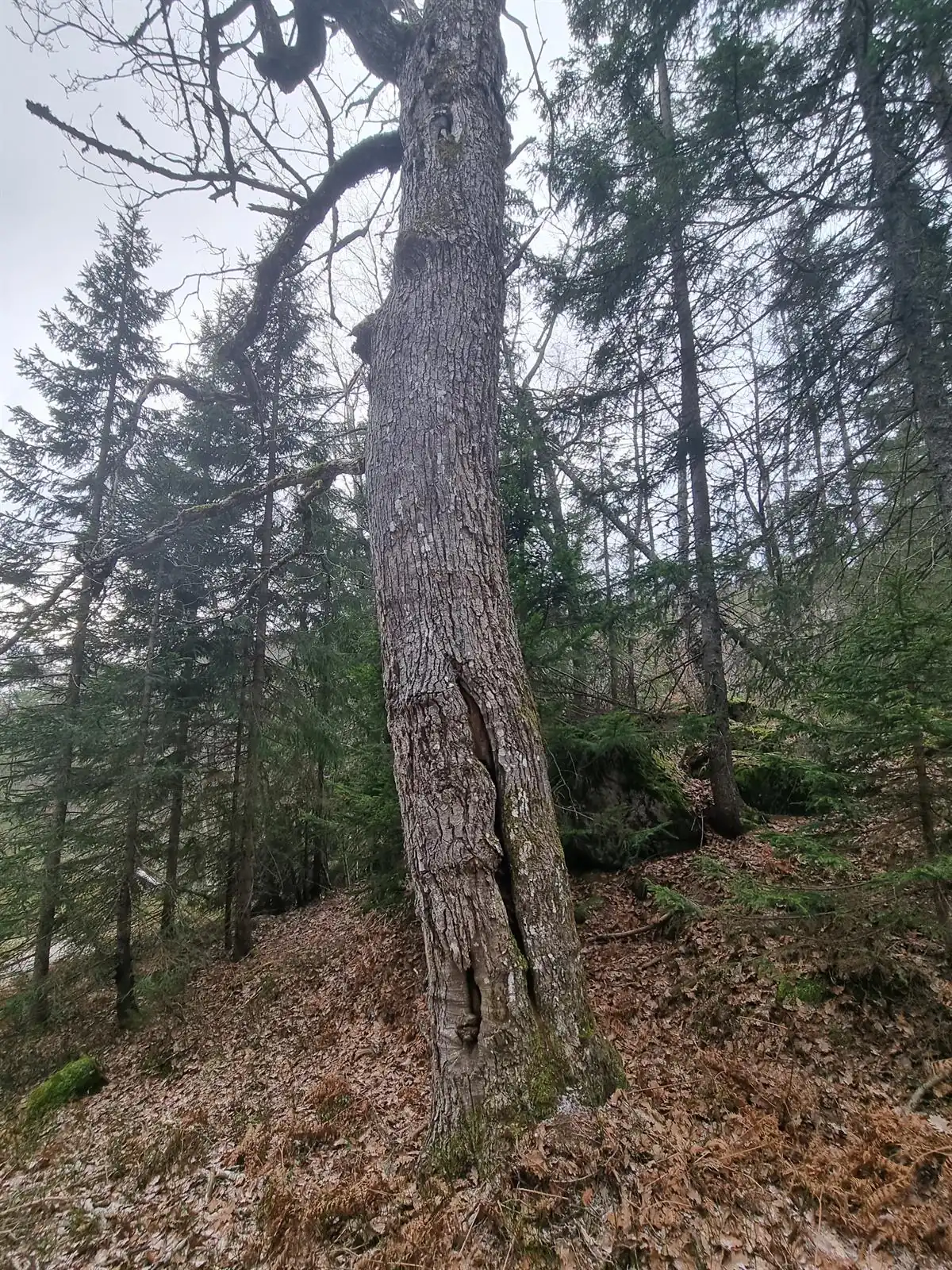
Quercus petraea, the sessile oak, is a large, long-lived deciduous tree that develops a straight, upright trunk and a broad, rounded, spreading crown. The simple, alternate leaves feature shallow, rounded lobes and distinct petioles, emerging light green in spring before maturing to a dark, lustrous green.
Unlike the closely related English oak, this species bears its acorns directly on the twigs without stalks, while its leaves are held on noticeable stalks. It serves as a valuable canopy tree in large landscapes, supporting a wide array of native insects, caterpillars, and seed-eating mammals.
Uses & Benefits:
Essentials
At a Glance
Plant Type
Tree
Height
1574"
Width
984"
Light
Full Sun
Zones
4, 5, 6, 7, 8, 9
Water
Moderate
Humidity
Moderate
Lifespan
Long-lived
Native To
Europe, Anatolia, Iran
Toxicity
Mild to moderate (acorns contain tannins)
Bloom period
Spring
In flower about 3 months of the year
Planting
How to Grow
- Select a planting site in full sun with deep, well-drained loamy or clay soil.
- Dig a hole twice as wide as the root ball but no deeper, ensuring the root flare sits level with or slightly above the surrounding soil.
- Backfill with native soil, tamp down lightly to remove air pockets, and water deeply to settle the roots.
- Apply a three-inch layer of organic mulch over the root zone, keeping it several inches away from the trunk to prevent rot.
Pro Tip
Prune strictly during the dormant winter season to shape the canopy or remove dead wood; pruning during active growth seasons increases vulnerability to oak wilt transmitted by sap beetles.
Keep It Thriving
Care Guide
Do
- Water young trees regularly during their first two growing seasons to establish a deep root system.
- Prune exclusively in winter when the tree is dormant to minimize disease transmission.
- Ensure the planting site has excellent drainage to prevent root rot.
Don't
- Do not plant in waterlogged or poorly drained soils, which promote destructive root rot.
- Do not prune during spring or summer when sap beetles actively spread oak wilt spores.
- Do not apply high-nitrogen fertilizers to established trees, as they rarely require supplemental feeding.
Seasonal Care Calendar
| Task | Jan | Feb | Mar | Apr | May | Jun | Jul | Aug | Sep | Oct | Nov | Dec |
|---|---|---|---|---|---|---|---|---|---|---|---|---|
| Mulch | ||||||||||||
| Pest Check | ||||||||||||
| Propagate | ||||||||||||
| Prune |
Watch Out For
Pests & Diseases
Common Pests
Common Diseases
In the Garden
Landscape Uses & Companions
Landscape Uses
Companion Plants
Multiply
Propagation Methods
Good to Know
Common Questions
Sessile Oak questions
What zones can Sessile Oak grow in?
Sessile Oak is hardy in USDA Zones 4–9. Inside that range it survives winter in the ground; outside it, grow it as an annual or a container plant you protect.
When does Sessile Oak bloom?
Sessile Oak typically blooms in spring through spring. Exact timing shifts a week or two with your zone — Sow's bloom calendar maps it to your garden.
Does Sessile Oak need full sun?
Sessile Oak does best in full sun (6+ hours).
Is Sessile Oak drought tolerant?
Yes — once established (usually after the first full season), Sessile Oak handles dry spells with minimal watering. Water deeply its first year to build the root system that makes that possible.
More Quercus to compare
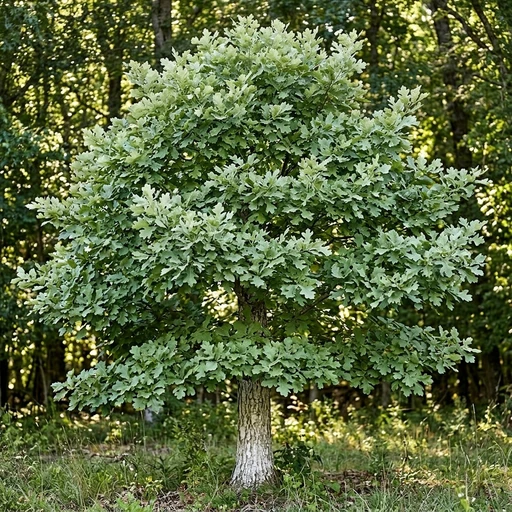
White Oak
Quercus alba
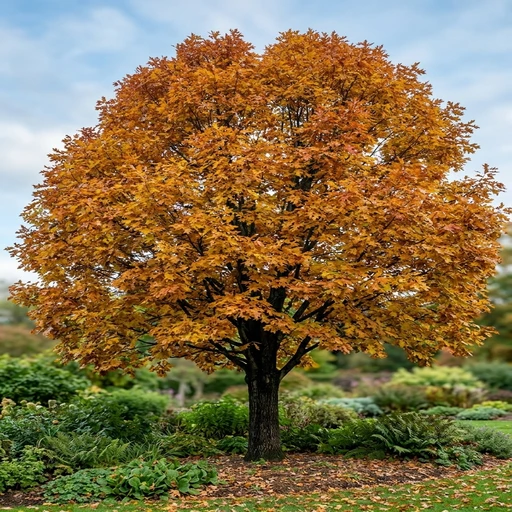
Black Oak
Quercus velutina
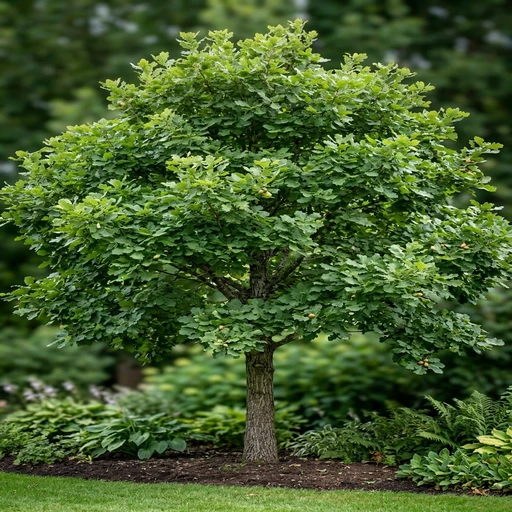
English Oak
Quercus robur
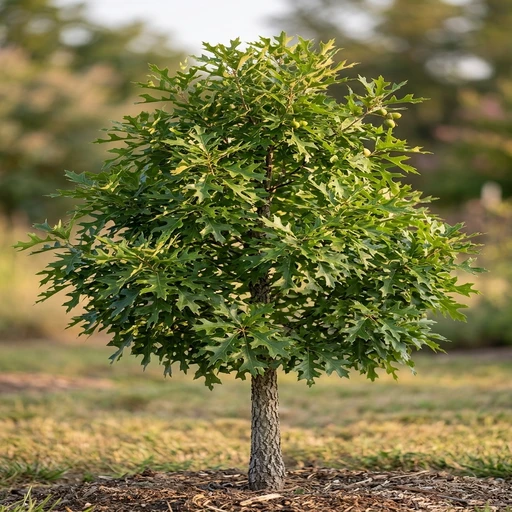
Nuttall Oak
Quercus texana
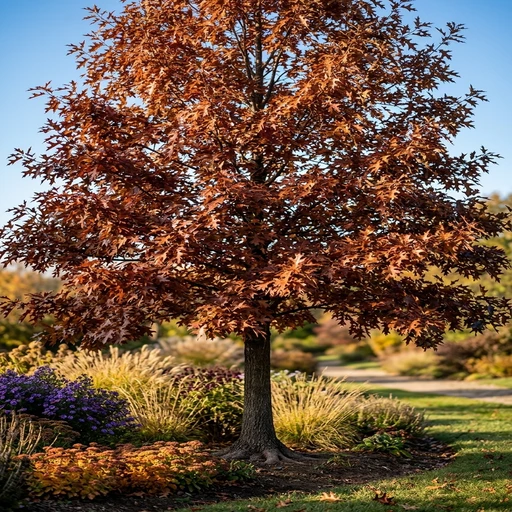
Pin Oak
Quercus palustris
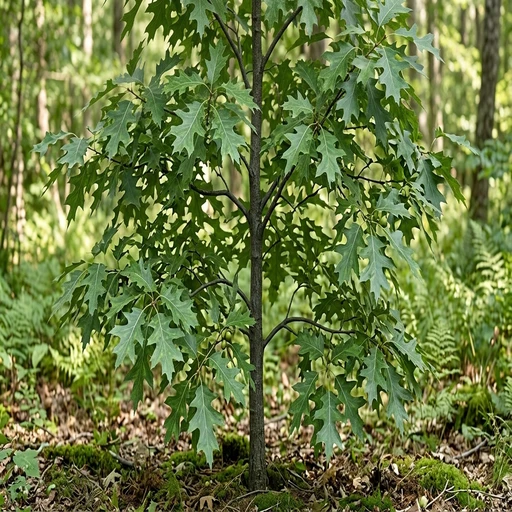
Scarlet Oak
Quercus coccinea
Keep exploring
Explore the genus
Grow Sessile Oak with confidence
See it in a design of your actual yard, get zone-matched care reminders, and track it season by season in your garden journal.