


The Story
Plant Bio
Acer palmatum is a deciduous woody species native to eastern Asia, forming a naturally layered branch structure with palmately lobed leaves. In spring, it produces tiny clusters of reddish-purple flowers that develop into paired, winged samaras distributed by wind.
'Tamukeyama' is a weeping cutleaf cultivar that grows into a dome-shaped mound with deeply dissected, lace-like foliage. Its leaves emerge bright crimson-red in spring and retain their dark purple-red color through hot summer conditions better than similar red laceleaf selections.
Uses & Benefits:
Essentials
At a Glance
Plant Type
Tree
Height
96"
Width
144"
Light
Full Sun, Partial Sun
Zones
5, 6, 7, 8
Water
Moderate
Humidity
Moderate
Lifespan
Perennial
Native To
Asia
Toxicity
Non-toxic
Bloom period
Spring
In flower about 3 months of the year
Marketplace
Where to Buy
Shipping costs Year-round shipping Free shipping
Planting
How to Grow
- Select a planting site receiving morning sun and afternoon shade, protected from strong drying winds.
- Dig a broad planting hole twice as wide as the root ball and equal to its depth, ensuring the root collar remains level with surrounding soil.
- Backfill with native soil enriched with organic compost, firming gently to eliminate air pockets, and water deeply.
- Apply a 2- to 3-inch layer of organic mulch over the root zone, keeping it clear of the direct trunk flare.
Pro Tip
Avoid pruning into old, leafless interior wood or shearing the outer canopy, as this ruins the weeping habit and exposes inner stems to sunscald.
Keep It Thriving
Care Guide
Do
- Keep soil consistently moist but well-drained, especially during hot summer periods.
- Provide shelter from strong, direct afternoon sunlight to prevent leaf tip scorch.
- Mulch root zones to conserve soil moisture and moderate root temperatures.
Don't
- Do not plant in heavy, poorly drained clay or waterlogged soils prone to root decay.
- Do not shear into artificial shapes or remove interior scaffolding branches.
- Do not apply heavy high-nitrogen synthetic fertilizers, which cause weak, scorch-prone growth.
Seasonal Care Calendar
| Task | Jan | Feb | Mar | Apr | May | Jun | Jul | Aug | Sep | Oct | Nov | Dec |
|---|---|---|---|---|---|---|---|---|---|---|---|---|
| Fertilize | ||||||||||||
| Mulch | ||||||||||||
| Pest Check | ||||||||||||
| Prune |
Watch Out For
Pests & Diseases
Common Pests
Common Diseases
In the Garden
Landscape Uses & Companions
Landscape Uses
Companion Plants
Multiply
Propagation Methods
Good to Know
Common Questions
Laceleaf Japanese Maple questions
What zones can Laceleaf Japanese Maple grow in?
Laceleaf Japanese Maple is hardy in USDA Zones 5–8. Inside that range it survives winter in the ground; outside it, grow it as an annual or a container plant you protect.
Is Laceleaf Japanese Maple deer resistant?
Not reliably. Deer may browse Laceleaf Japanese Maple, especially tender spring growth — plan on repellents or fencing where pressure is high.
When does Laceleaf Japanese Maple bloom?
Laceleaf Japanese Maple typically blooms in spring through spring. Exact timing shifts a week or two with your zone — Sow's bloom calendar maps it to your garden.
Does Laceleaf Japanese Maple need full sun?
Laceleaf Japanese Maple does best in full sun to part shade. In hot climates, afternoon shade keeps blooms fresher longer.
More Acer to compare
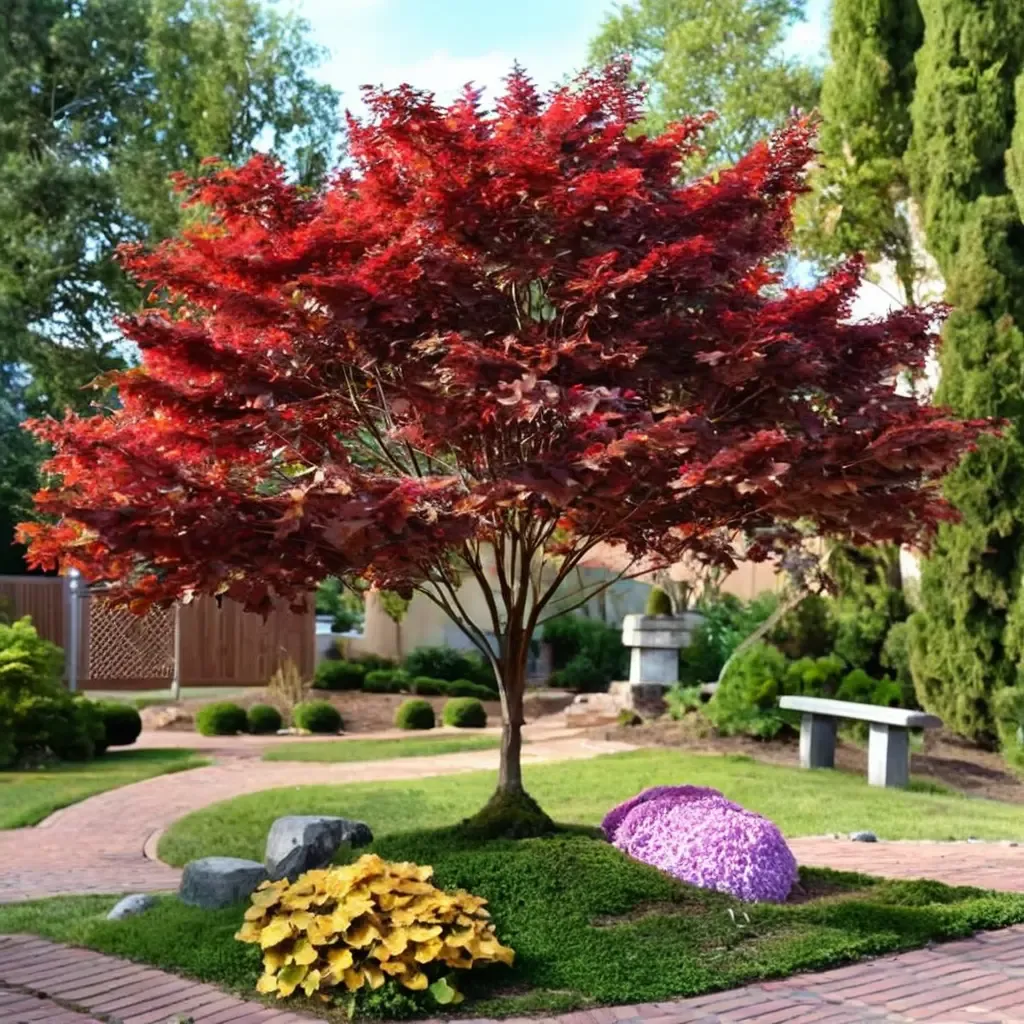
Bloodgood Japanese Maple
Acer palmatum 'Bloodgood'
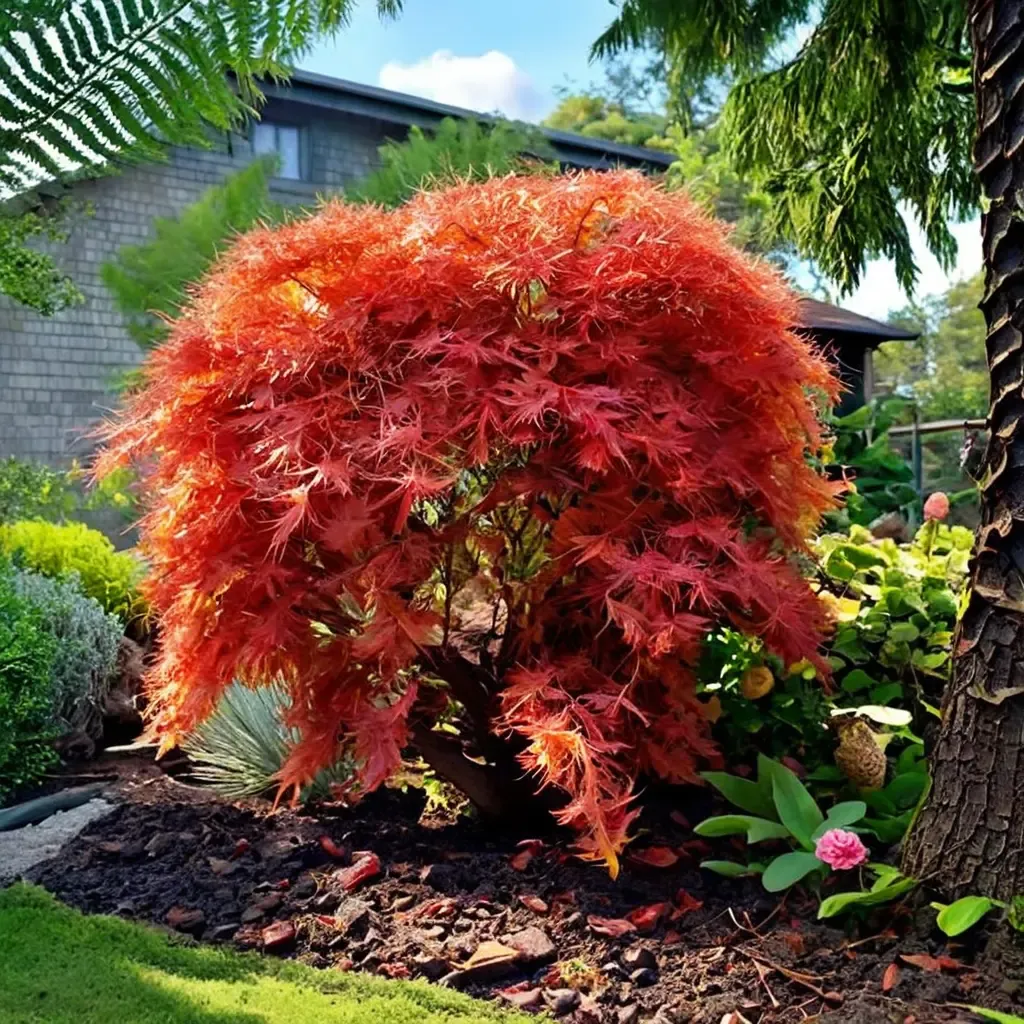
Orangeola Japanese Maple
Acer palmatum 'Orangeola'
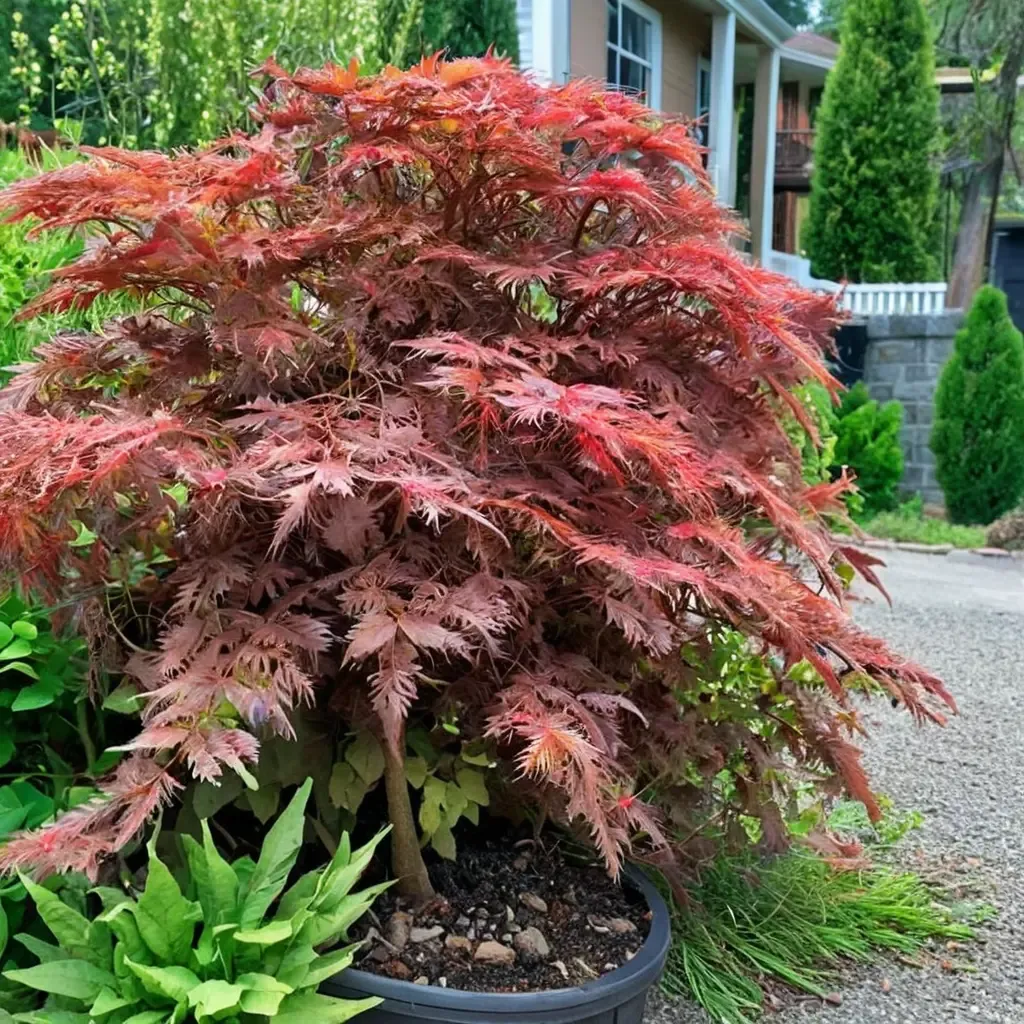
Crimson Queen Japanese Maple
Acer palmatum 'Crimson Queen'
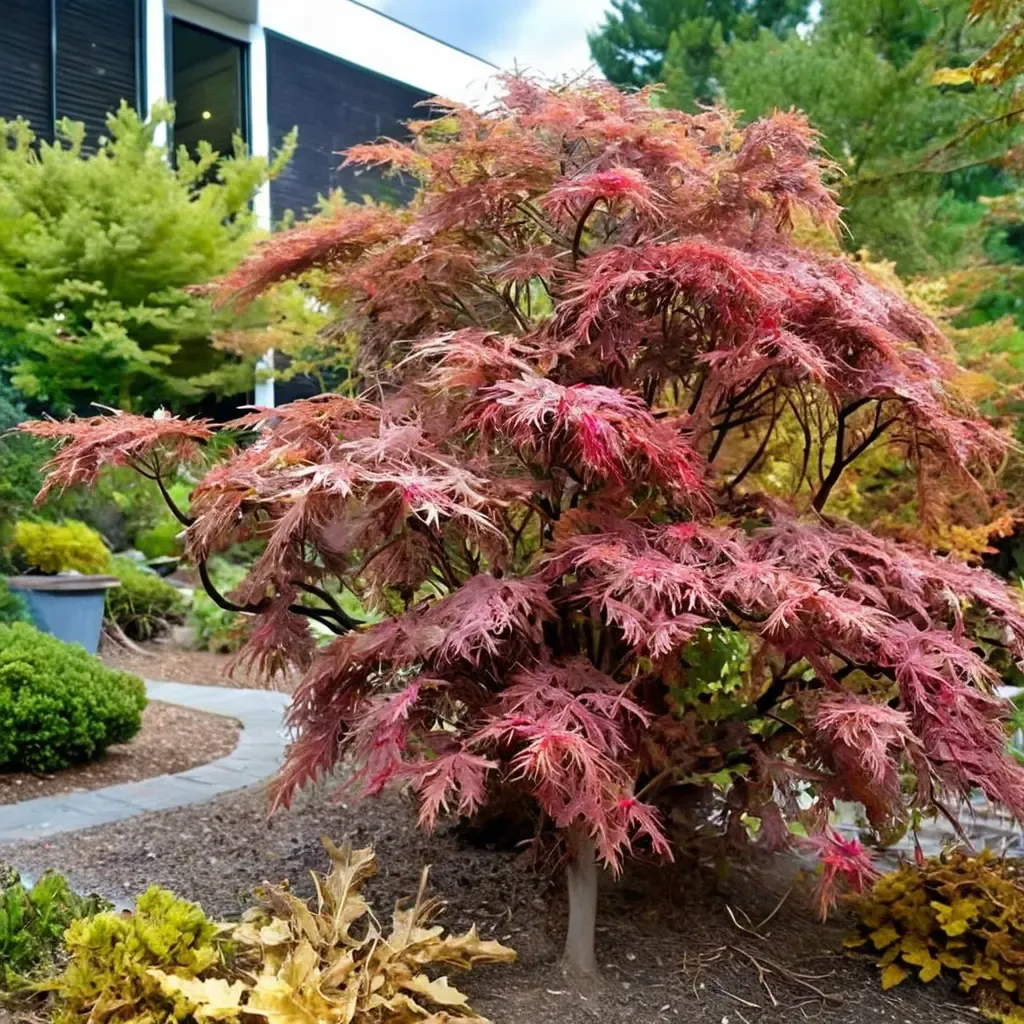
Weeping Japanese Maple
Acer palmatum 'Shidare'
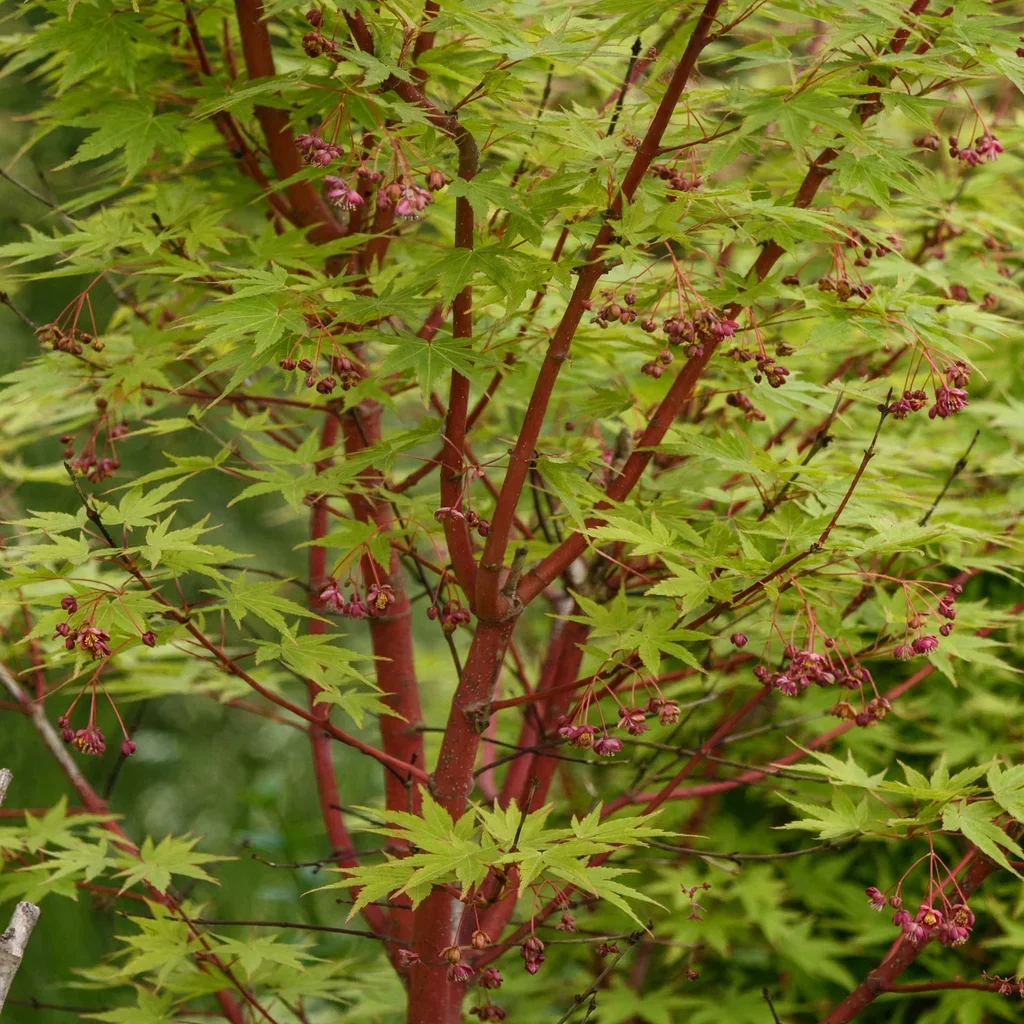
Coral Bark Maple
Acer palmatum 'Sango-Kaku'
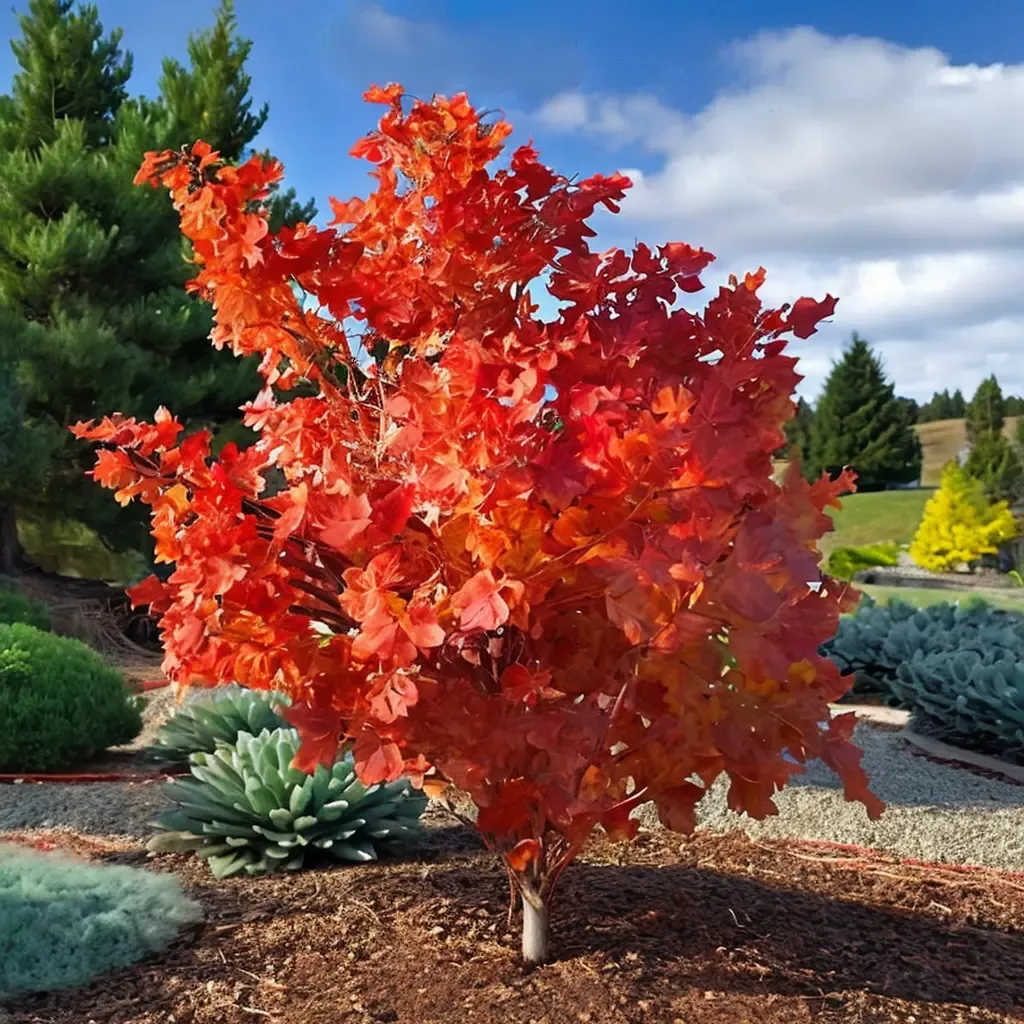
Final Fire Japanese Maple
Acer palmatum 'Final Fire'
Keep exploring
Explore the genus
Hardy in your zone?
Grow Laceleaf Japanese Maple with confidence
See it in a design of your actual yard, get zone-matched care reminders, and track it season by season in your garden journal.