


The Story
Plant Bio
Acer palmatum is a deciduous woody species native to East Asia, forming low-branched shrubs or small understory trees with deeply lobed palmate foliage. Plants produce small umbels of reddish-purple spring flowers followed by paired winged samaras, thriving in moist, organic, well-drained soils.
'Waterfall' is a cascading laceleaf cultivar distinguished by deeply incised, thread-like leaves with seven to eleven lobes that emerge fluorescent chartreuse in spring. The umbrella-like branching habit forms a low weeping canopy spreading up to twelve feet wide over time.
Uses & Benefits:
Essentials
At a Glance
Plant Type
Tree
Height
120"
Width
144"
Light
Full Sun, Partial Sun
Zones
5, 6, 7, 8, 9
Water
Moderate
Humidity
Moderate
Lifespan
Long-lived
Native To
Asia (Japan, Korea, China)
Toxicity
Non-toxic
Bloom period
Spring
In flower about 3 months of the year
Marketplace
Where to Buy
Shipping costs Year-round shipping Free shipping
Planting
How to Grow
- Select a site with well-drained, slightly acidic soil that receives morning sun and afternoon shade.
- Dig a hole twice the width of the root ball and equal to its depth, keeping the root collar flush with the surface.
- Backfill with native soil enriched with organic compost, settling the soil with water to eliminate air pockets.
- Apply a 2- to 3-inch layer of organic mulch around the root zone, keeping it away from direct contact with the bark.
- Water regularly during dry spells to maintain uniform soil moisture without creating waterlogged conditions.
Pro Tip
Limit pruning to late fall or winter dormancy; spring or summer cuts trigger heavy sap bleeding that weakens the structure.
Keep It Thriving
Care Guide
Do
- Mulch annually with organic matter to maintain cool root temperatures and conserve soil moisture.
- Provide protection from baking afternoon sun and strong drying winds.
- Plant in acidic, organically rich, well-drained soils.
Don't
- Do not over-fertilize, as excess nitrogen causes leaf burn and damages fragile roots.
- Do not prune in spring while sap pressure is high and actively running.
- Do not allow soil to remain waterlogged or subject roots to standing water.
Seasonal Care Calendar
| Task | Jan | Feb | Mar | Apr | May | Jun | Jul | Aug | Sep | Oct | Nov | Dec |
|---|---|---|---|---|---|---|---|---|---|---|---|---|
| Mulch | ||||||||||||
| Pest Check | ||||||||||||
| Prune | ||||||||||||
| Winter Prep |
Watch Out For
Pests & Diseases
Common Pests
Common Diseases
In the Garden
Landscape Uses & Companions
Landscape Uses
Companion Plants
Multiply
Propagation Methods
Good to Know
Common Questions
Waterfall Japanese Maple questions
What zones can Waterfall Japanese Maple grow in?
Waterfall Japanese Maple is hardy in USDA Zones 5–9. Inside that range it survives winter in the ground; outside it, grow it as an annual or a container plant you protect.
Is Waterfall Japanese Maple deer resistant?
Yes — Waterfall Japanese Maple is rated deer-resistant. Deer typically pass it over, though extreme hunger can override any plant's defenses.
When does Waterfall Japanese Maple bloom?
Waterfall Japanese Maple typically blooms in spring through spring. Exact timing shifts a week or two with your zone — Sow's bloom calendar maps it to your garden.
Does Waterfall Japanese Maple need full sun?
Waterfall Japanese Maple does best in full sun to part shade. In hot climates, afternoon shade keeps blooms fresher longer.
More Acer to compare
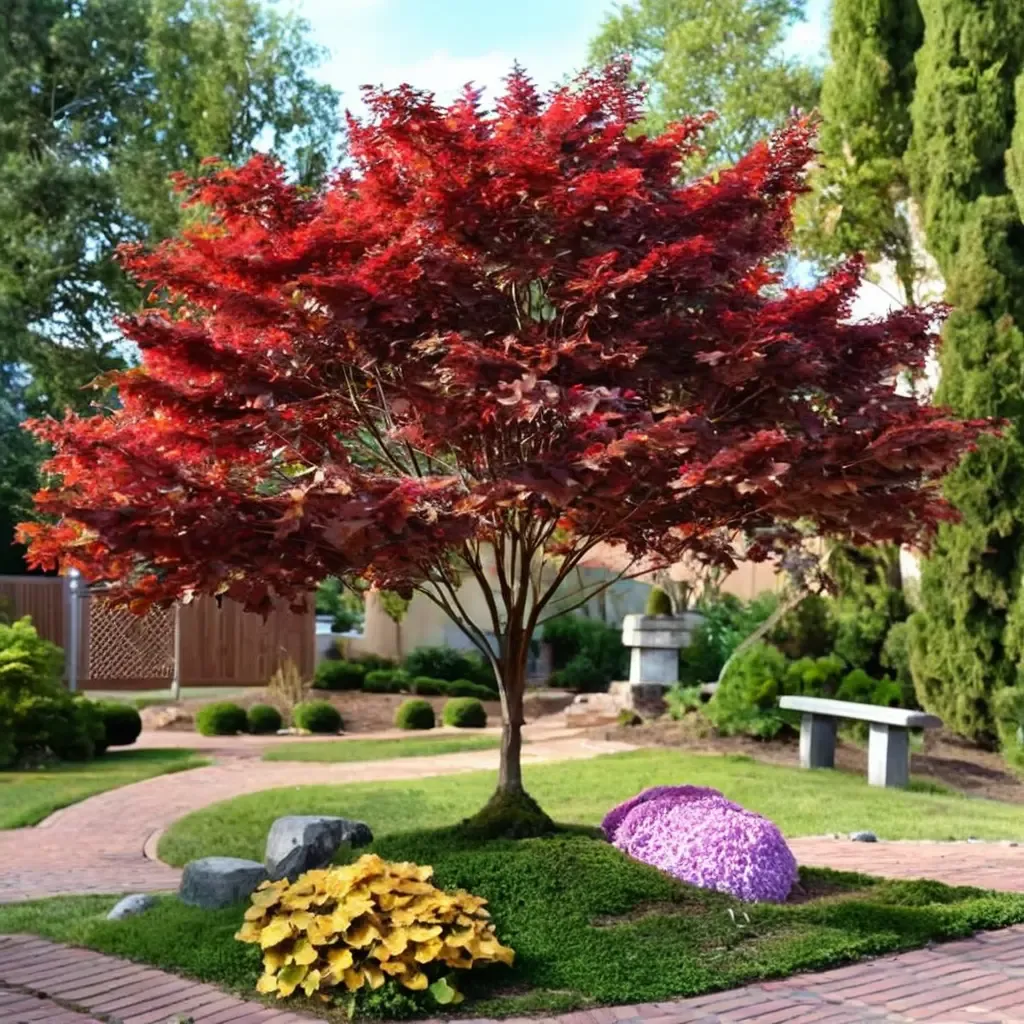
Bloodgood Japanese Maple
Acer palmatum 'Bloodgood'
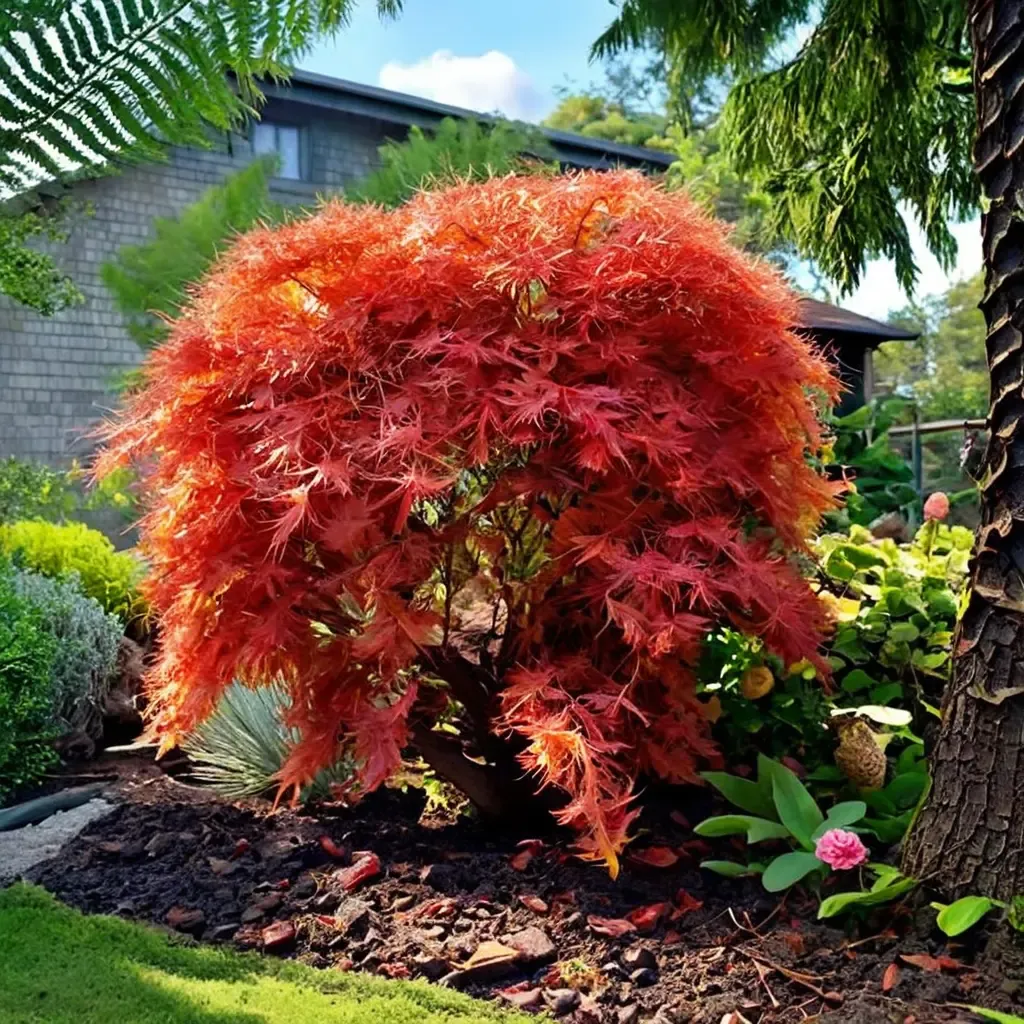
Orangeola Japanese Maple
Acer palmatum 'Orangeola'
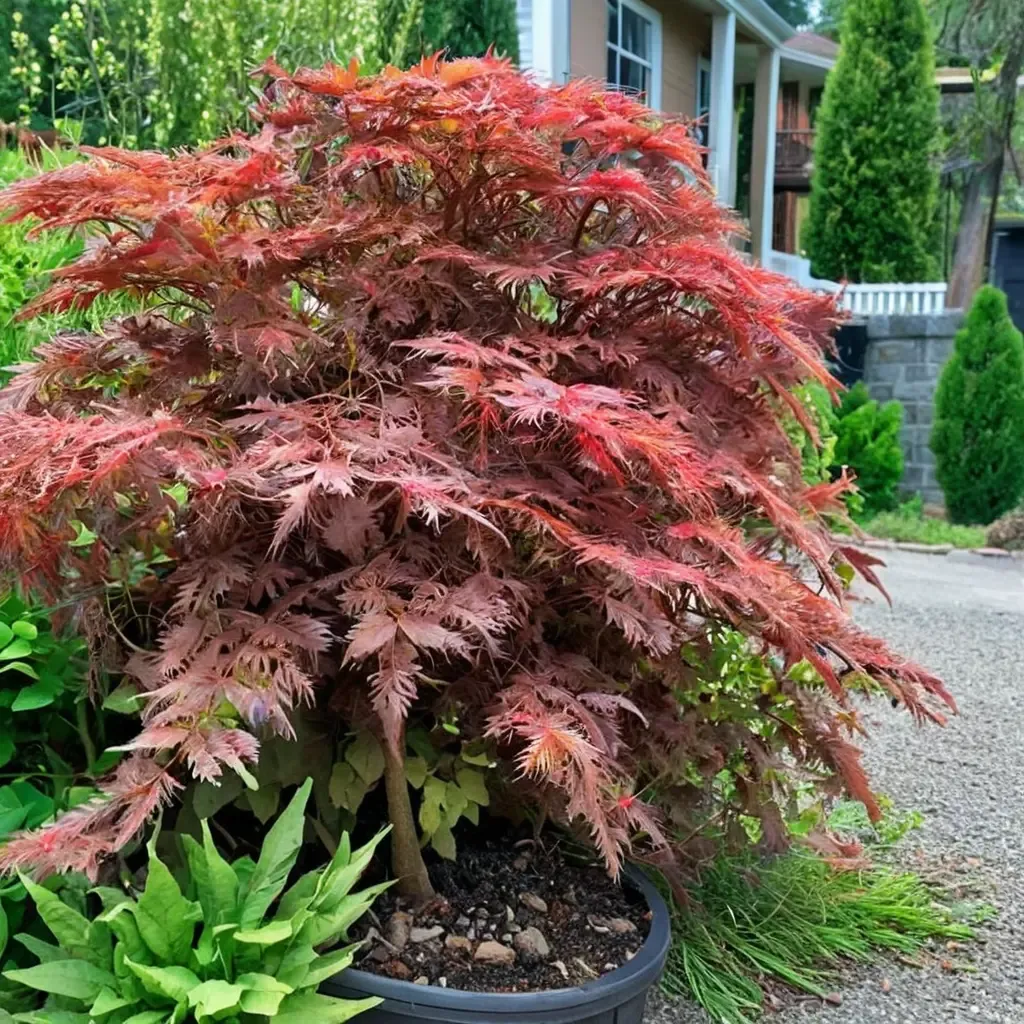
Crimson Queen Japanese Maple
Acer palmatum 'Crimson Queen'
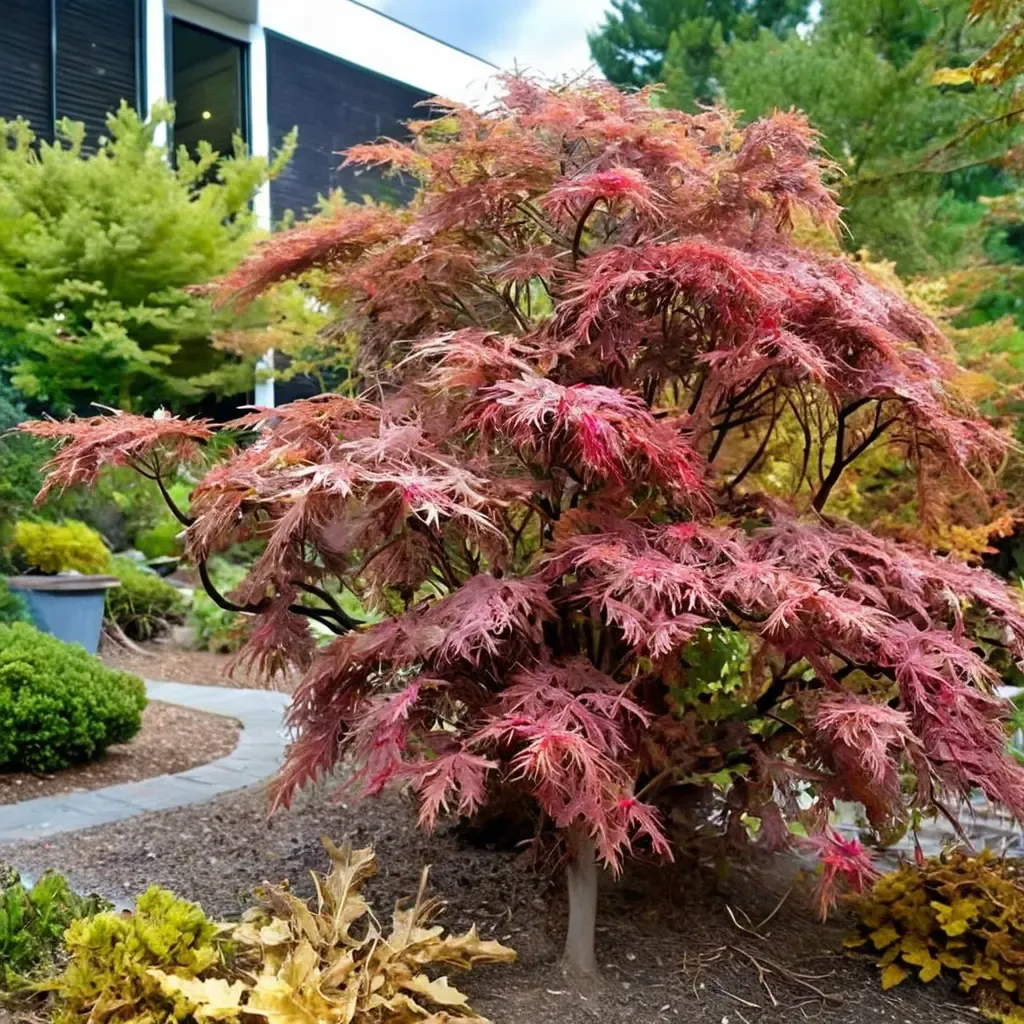
Weeping Japanese Maple
Acer palmatum 'Shidare'
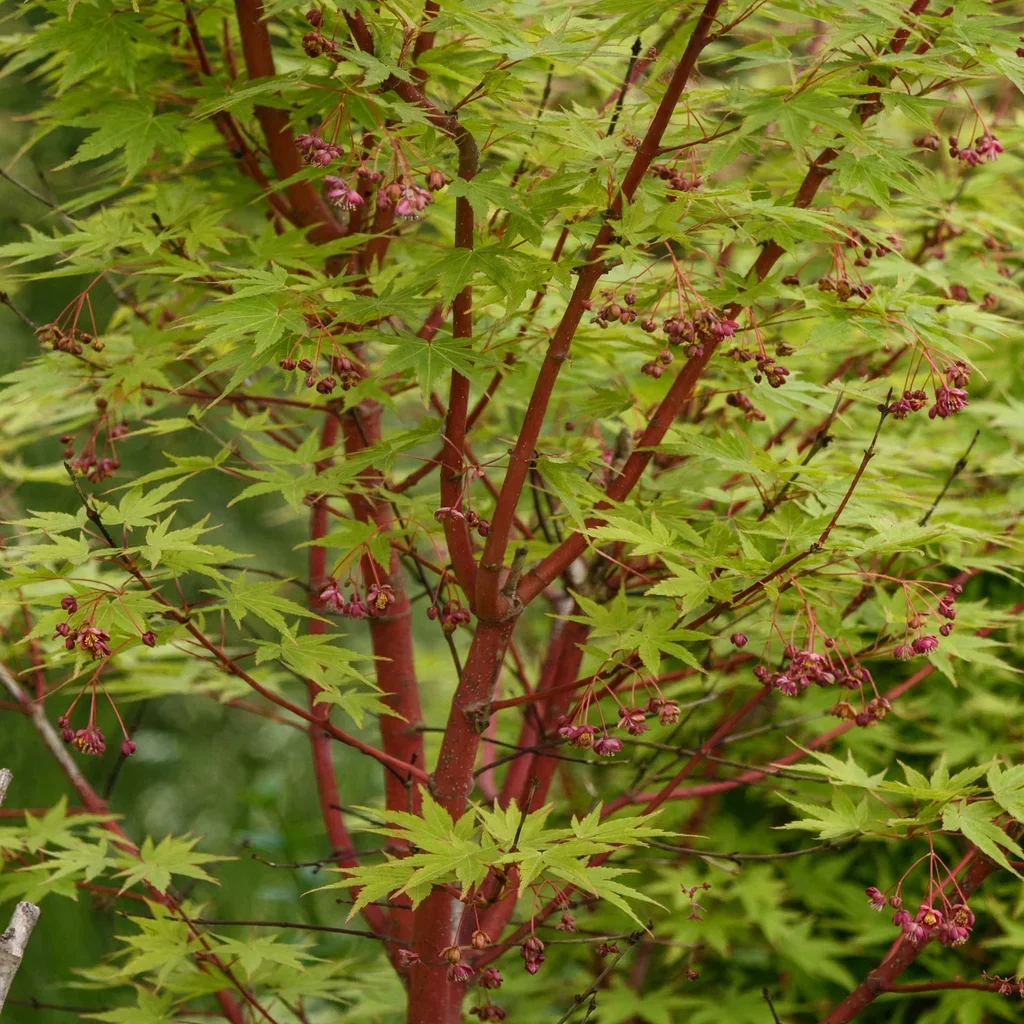
Coral Bark Maple
Acer palmatum 'Sango-Kaku'
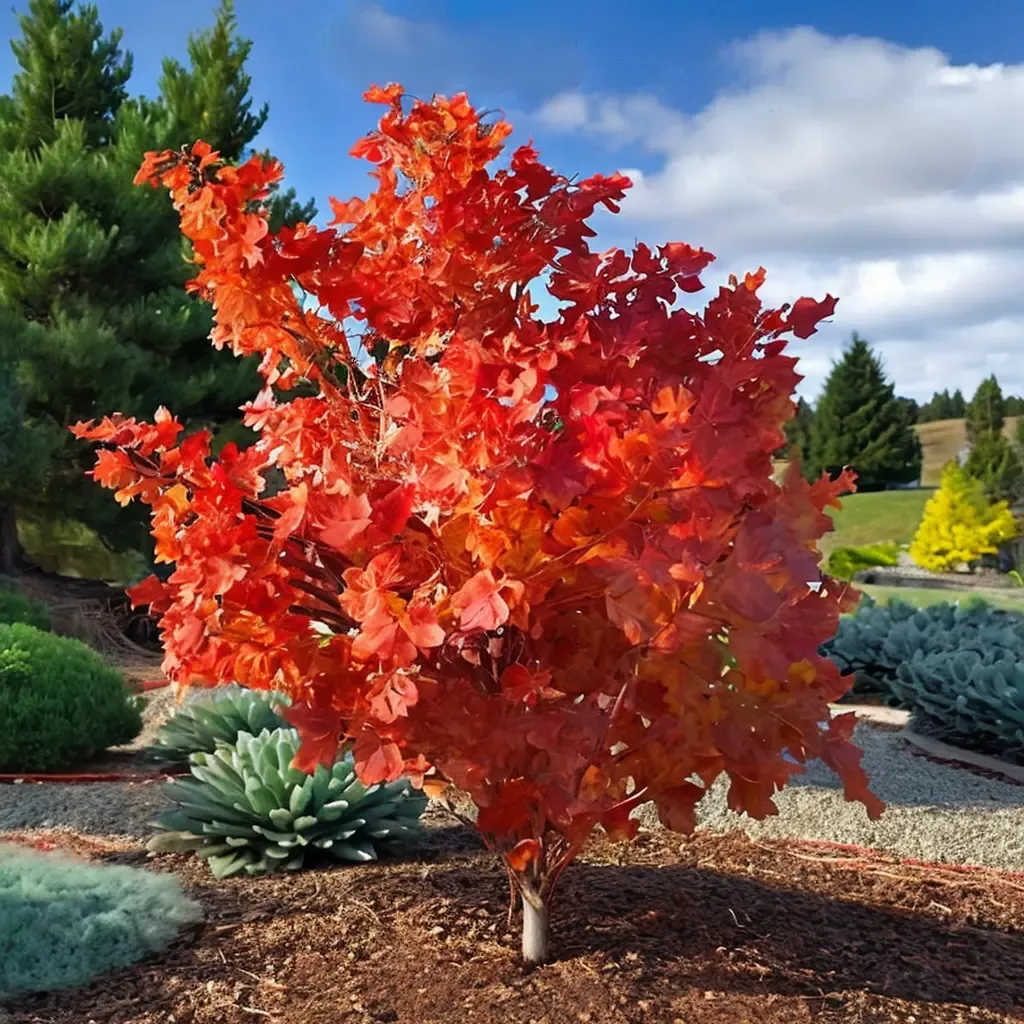
Final Fire Japanese Maple
Acer palmatum 'Final Fire'
Keep exploring
Explore the genus
Hardy in your zone?
Grow Waterfall Japanese Maple with confidence
See it in a design of your actual yard, get zone-matched care reminders, and track it season by season in your garden journal.