


The Story
Plant Bio
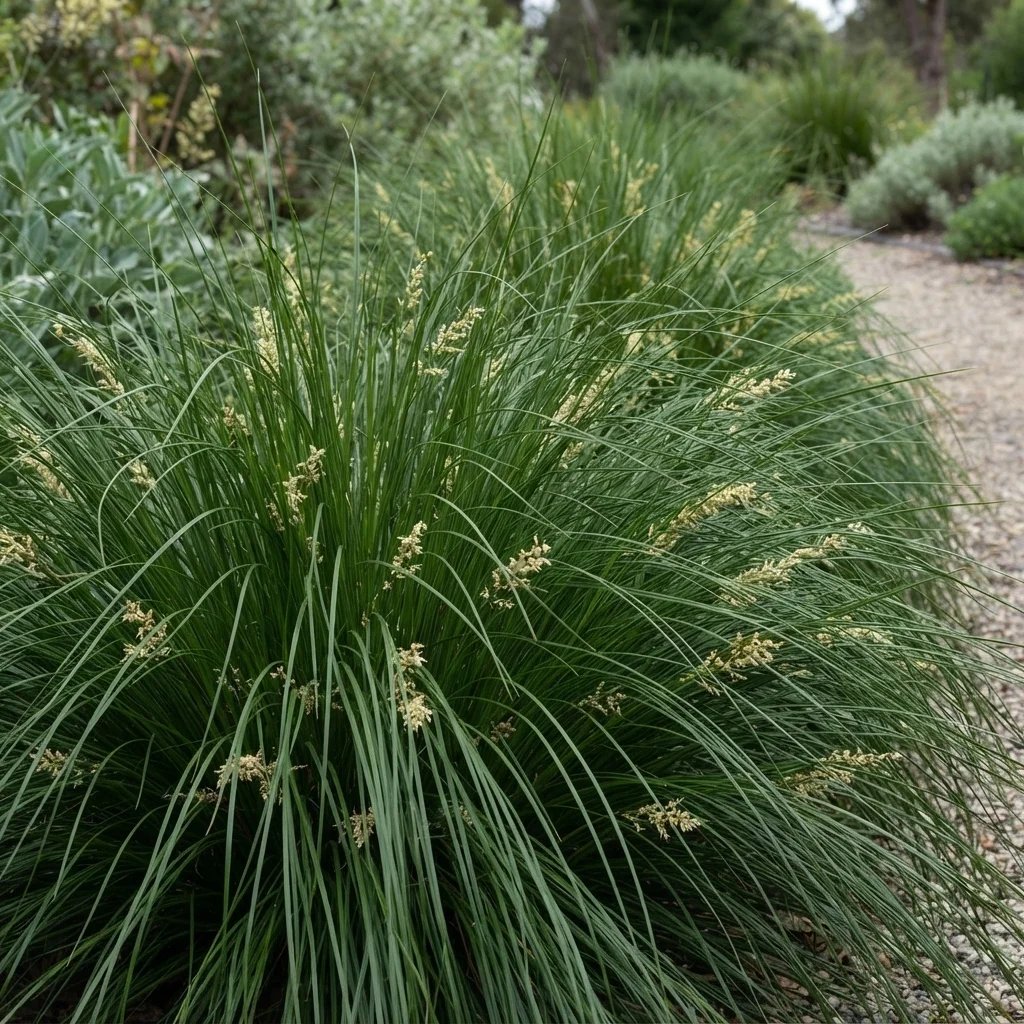
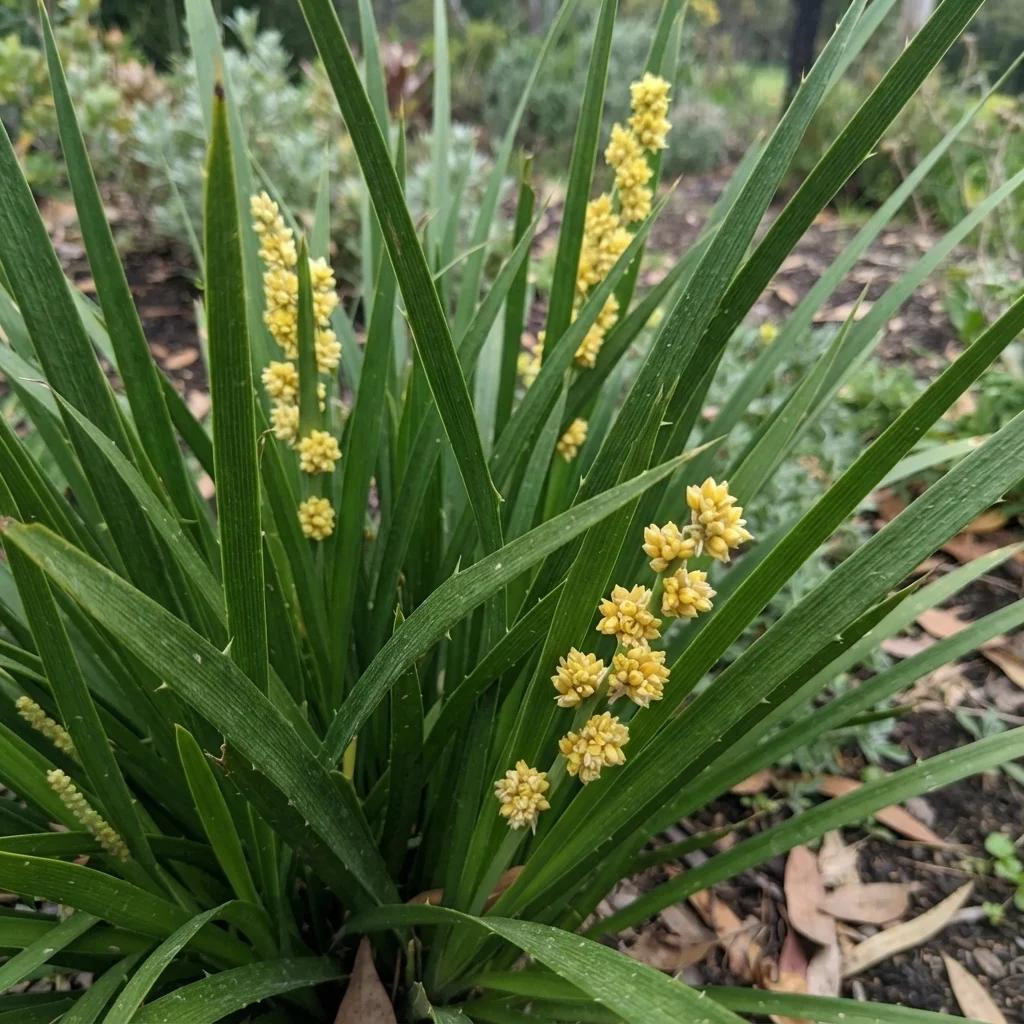
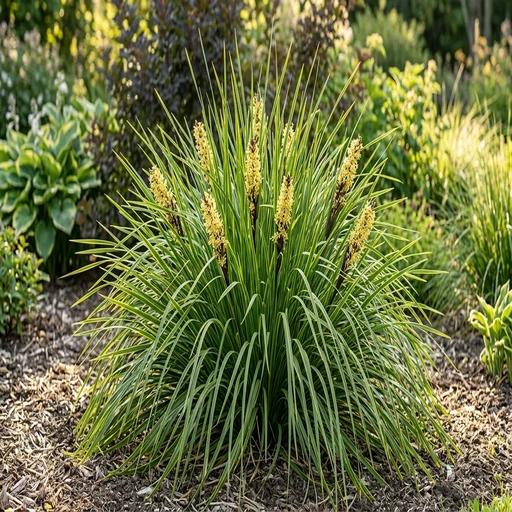
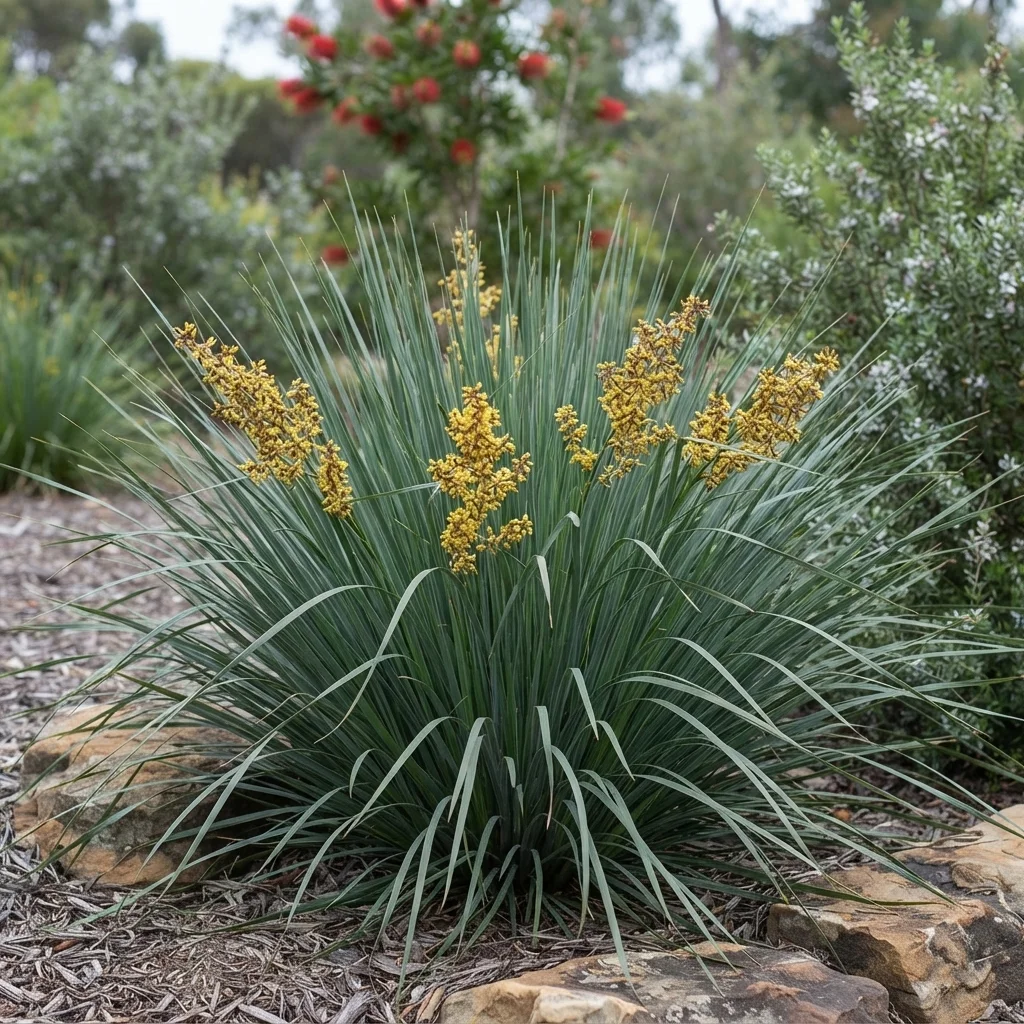
Lomandra longifolia is an evergreen Australian perennial forming dense tussocks of narrow, strap-like leaves that remain deep green throughout the year. The species produces small, clustered spikes of creamy-yellow flowers on sturdy stems nestled within the foliage from autumn through spring.
'LM300' is a compact, fine-leafed selection featuring exceptionally soft-textured foliage with a graceful, weeping habit. Unlike the wild species, this cultivar has non-spiny leaf tips and is largely sterile, making it a highly refined and non-invasive choice for structured landscape plantings.
Uses & Benefits:
Essentials
At a Glance
Plant Type
Grass
Height
24"
Width
26"
Light
Full Sun, Partial Sun
Zones
8, 9, 10
Water
Low
Humidity
Moderate
Lifespan
Perennial
Native To
Australia
Toxicity
Non-toxic
Bloom period
Autumn – Spring
In flower about 9 months of the year
Planting
How to Grow
- Select a site with well-draining soil in full sun to moderate shade.
- Dig a hole twice the width of the root ball and of equal depth.
- Position the plant so the crown sits slightly above the surrounding soil level to prevent rot.
- Backfill with native soil, firm gently, and water thoroughly until established.
Pro Tip
Avoid annual shearing, which severely weakens the crown; instead, prune the entire clump hard to four inches above the ground only once every three to five years to rejuvenate the foliage.
Keep It Thriving
Care Guide
Do
- Water deeply but infrequently during the first growing season to establish a deep root system.
- Ensure the crown remains completely clear of soil and heavy mulch layers.
- Apply a low-phosphorus or balanced slow-release fertilizer sparingly in early spring.
Don't
- Do not plant in low-lying areas prone to standing water or chronically wet soil.
- Do not shear the foliage annually like deciduous ornamental grasses.
- Do not bury the base of the plant below the nursery soil line during installation.
Seasonal Care Calendar
| Task | Jan | Feb | Mar | Apr | May | Jun | Jul | Aug | Sep | Oct | Nov | Dec |
|---|---|---|---|---|---|---|---|---|---|---|---|---|
| Fertilize | ||||||||||||
| Mulch | ||||||||||||
| Pest Check | ||||||||||||
| Prune |
Watch Out For
Pests & Diseases
Common Pests
Common Diseases
In the Garden
Landscape Uses & Companions
Landscape Uses
Companion Plants
Multiply
Propagation Methods
Good to Know
Common Questions
Tanika Mat-rush questions
What zones can Tanika Mat-rush grow in?
Tanika Mat-rush is hardy in USDA Zones 8–10. Inside that range it survives winter in the ground; outside it, grow it as an annual or a container plant you protect.
Is Tanika Mat-rush deer resistant?
Yes — Tanika Mat-rush is rated deer-resistant. Deer typically pass it over, though extreme hunger can override any plant's defenses.
When does Tanika Mat-rush bloom?
Tanika Mat-rush typically blooms in autumn through spring. Exact timing shifts a week or two with your zone — Sow's bloom calendar maps it to your garden.
Does Tanika Mat-rush need full sun?
Tanika Mat-rush does best in full sun to part shade. In hot climates, afternoon shade keeps blooms fresher longer.
Is Tanika Mat-rush drought tolerant?
Yes — once established (usually after the first full season), Tanika Mat-rush handles dry spells with minimal watering. Water deeply its first year to build the root system that makes that possible.
More Lomandra to compare
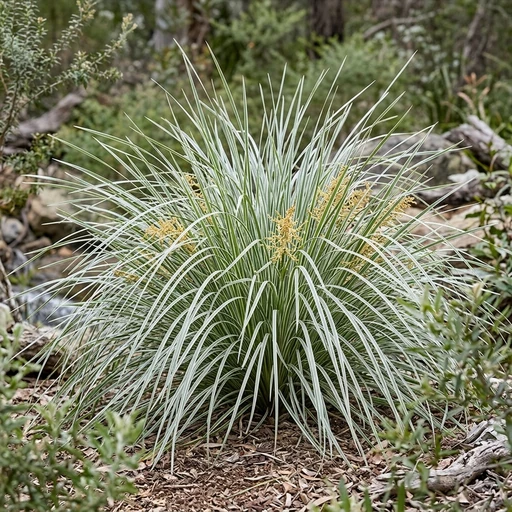
Platinum Beauty Lomandra
Lomandra longifolia 'Platinum Beauty'
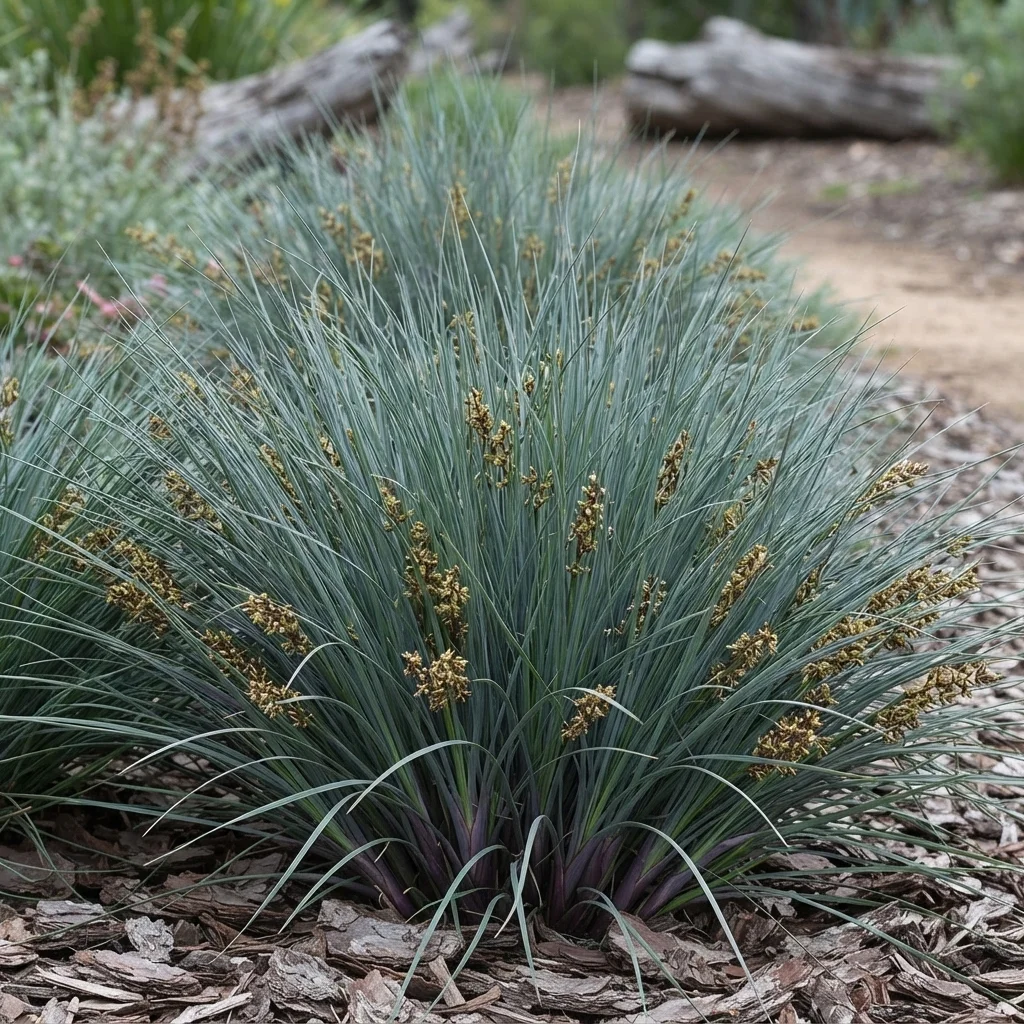
Mat Rush
Lomandra confertifolia 'Wingarra'
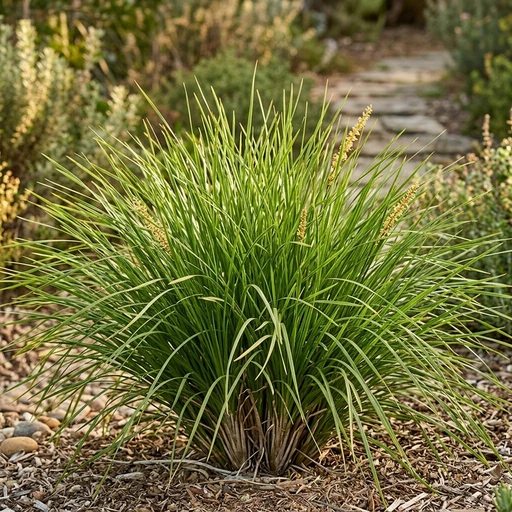
Dwarf Mat Rush
Lomandra longifolia 'Breeze Dwarf Mat Rush'
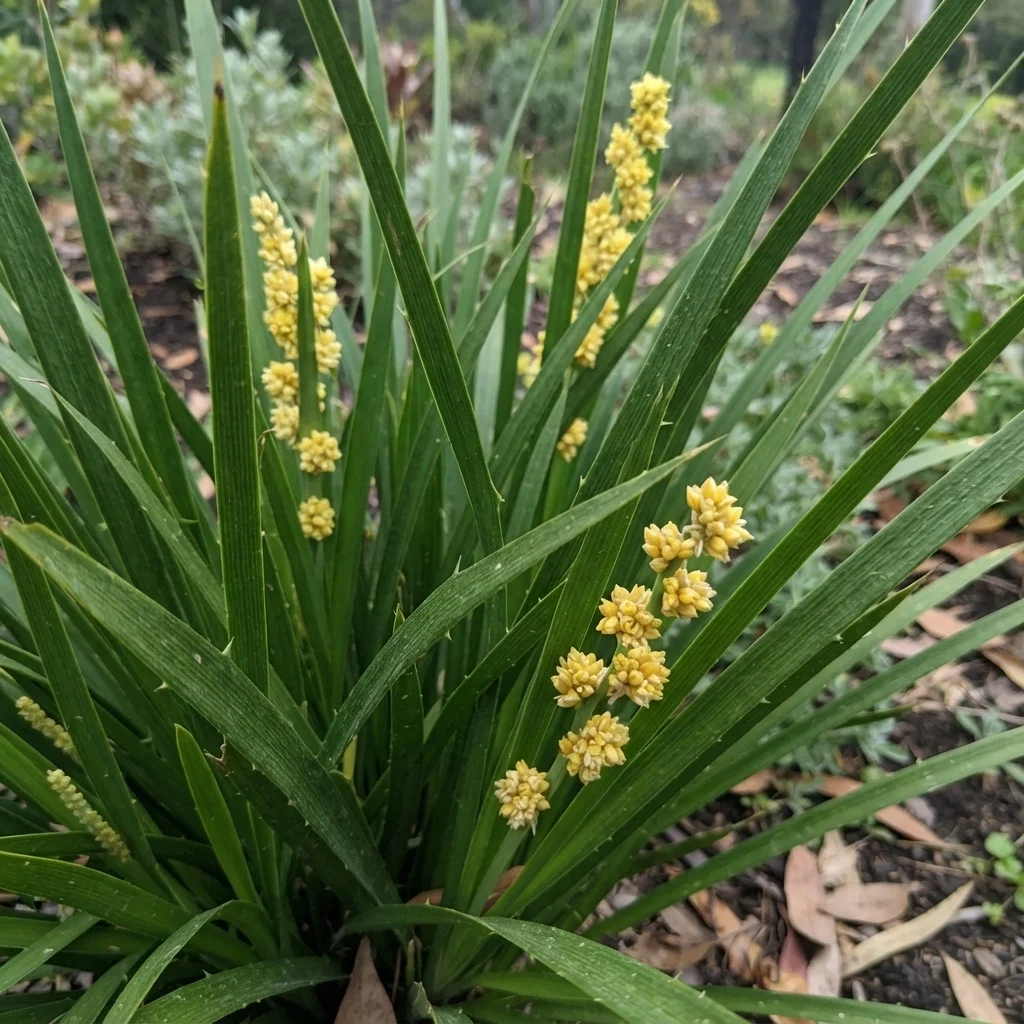
Australian Mat Rush
Lomandra longifolia
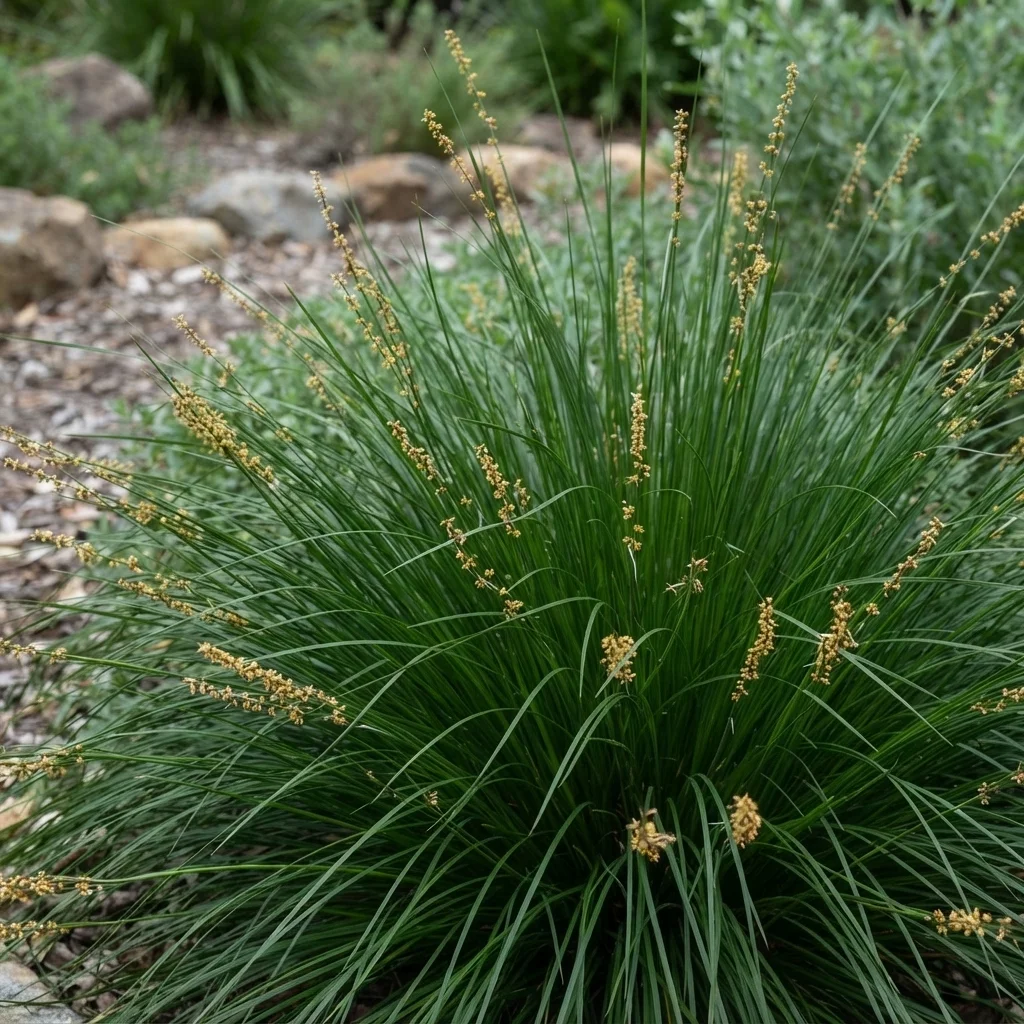
Spiny-headed Mat-rush
Lomandra longifolia 'Verday'
Nyalla Dwarf Mat Rush
Lomandra longifolia 'Nyalla'
Keep exploring
Explore the genus
Hardy in your zone?
Grow Tanika Mat-rush with confidence
See it in a design of your actual yard, get zone-matched care reminders, and track it season by season in your garden journal.