


The Story
Plant Bio
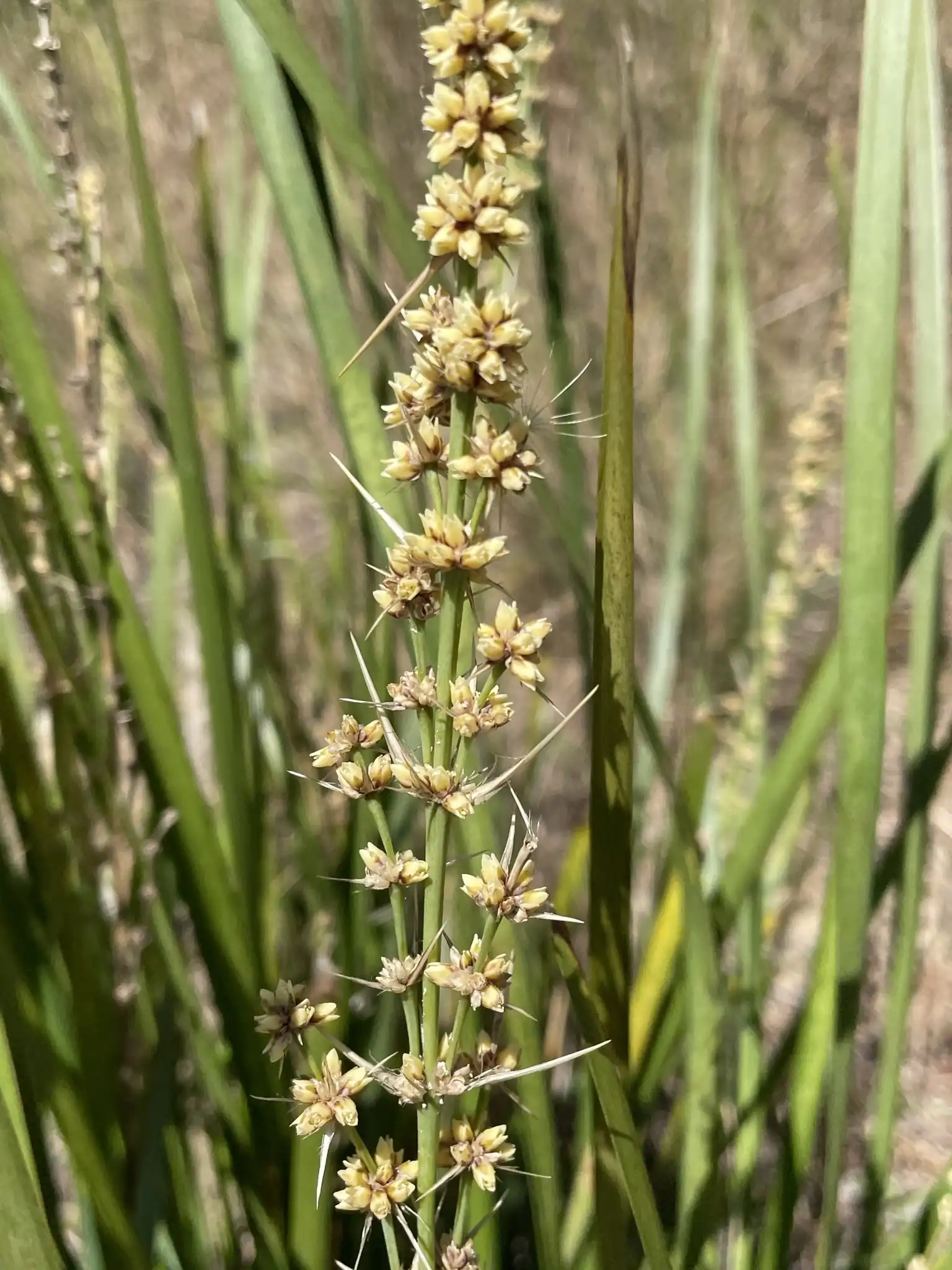
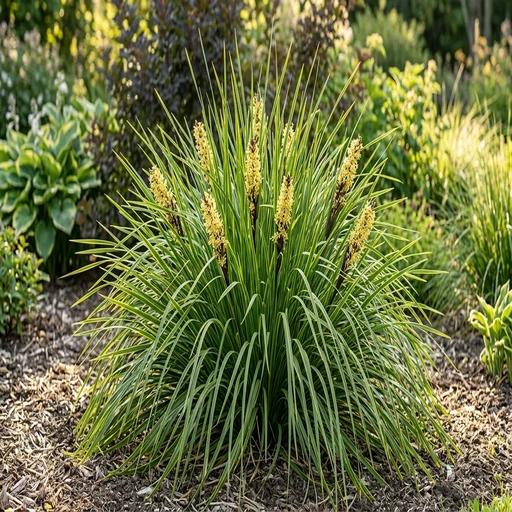
Lomandra longifolia, the Australian mat rush, is a tough, evergreen perennial herb that forms dense, clumping mounds of arching, strap-like foliage. The glossy green leaves are highly rigid and feature distinctive two- or three-toothed tips, maintaining their architectural form throughout the year.
This species is highly valued in warm-climate landscapes for its extreme tolerance to drought, salt spray, and heat once established. In spring and summer, it produces spiny, branched clusters of fragrant, cream to bright yellow flowers nestled among the foliage.
Uses & Benefits:
Essentials
At a Glance
Plant Type
Grass
Height
40"
Width
40"
Light
Full Sun, Partial Sun
Zones
8, 9, 10
Water
Low
Humidity
High
Lifespan
Perennial
Native To
Australia
Toxicity
Non-toxic
Planting
How to Grow
- Select a site in full sun to partial shade with well-drained soil, though the plant adapts to sand, loam, or clay.
- Dig a hole twice the width of the root ball and plant the crown exactly level with the surrounding soil surface to avoid rot.
- Water deeply and regularly during the first growing season to establish a deep, drought-resistant root system.
- Apply a low-phosphorus or balanced slow-release fertilizer in spring to support new foliage growth, though feeding is rarely necessary.
Pro Tip
Plant the crown level with the soil surface to prevent collar rot, and avoid shearing the foliage annually; instead, cut the clump back hard only every three to four years to rejuvenate the growth.
Keep It Thriving
Care Guide
Do
- Plant the crown flush with the soil level to prevent moisture retention and subsequent rot.
- Prune back the entire clump hard every three to four years to clear out old foliage and stimulate fresh growth.
- Provide excellent drainage, especially when planting in heavy clay soils.
Don't
- Do not bury the crown of the plant during installation, as this induces fatal collar rot.
- Do not shear the foliage down to stubble annually, which weakens the plant and ruins its natural arching habit.
- Do not overwater once established, particularly in poorly draining or stagnant soils.
Seasonal Care Calendar
| Task | Jan | Feb | Mar | Apr | May | Jun | Jul | Aug | Sep | Oct | Nov | Dec |
|---|---|---|---|---|---|---|---|---|---|---|---|---|
| Divide | ||||||||||||
| Fertilize | ||||||||||||
| Prune | ||||||||||||
| Spring Cleanup |
Watch Out For
Pests & Diseases
Common Pests
Common Diseases
In the Garden
Landscape Uses & Companions
Landscape Uses
Companion Plants
Multiply
Propagation Methods
Good to Know
Common Questions
Australian Mat Rush questions
What zones can Australian Mat Rush grow in?
Australian Mat Rush is hardy in USDA Zones 8–10. Inside that range it survives winter in the ground; outside it, grow it as an annual or a container plant you protect.
Is Australian Mat Rush deer resistant?
Yes — Australian Mat Rush is rated deer-resistant. Deer typically pass it over, though extreme hunger can override any plant's defenses.
When does Australian Mat Rush bloom?
Australian Mat Rush typically blooms in spring through summer. Exact timing shifts a week or two with your zone — Sow's bloom calendar maps it to your garden.
Does Australian Mat Rush need full sun?
Australian Mat Rush does best in full sun to part shade. In hot climates, afternoon shade keeps blooms fresher longer.
Is Australian Mat Rush drought tolerant?
Yes — once established (usually after the first full season), Australian Mat Rush handles dry spells with minimal watering. Water deeply its first year to build the root system that makes that possible.
More Lomandra to compare
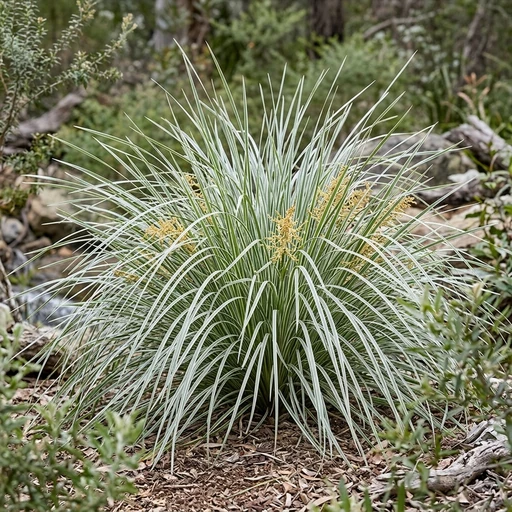
Platinum Beauty Lomandra
Lomandra longifolia 'Platinum Beauty'
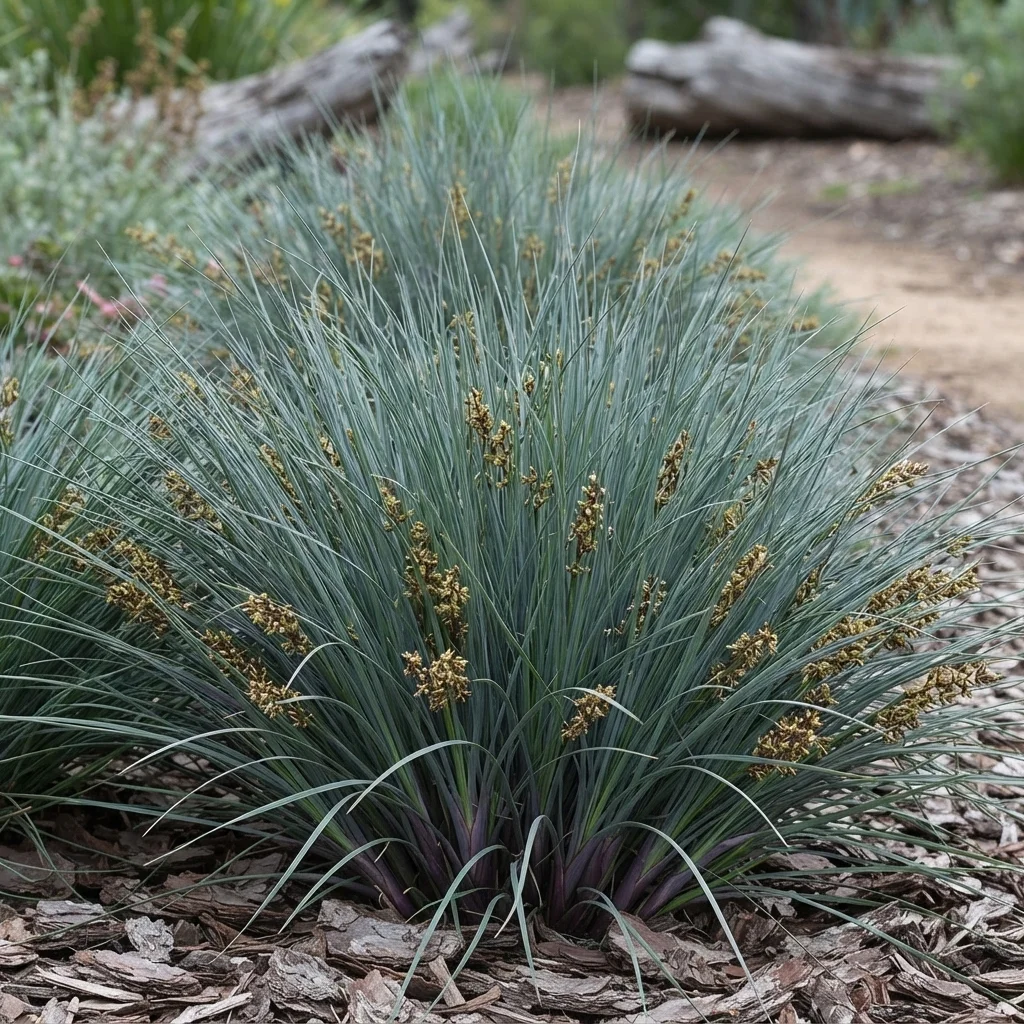
Mat Rush
Lomandra confertifolia 'Wingarra'
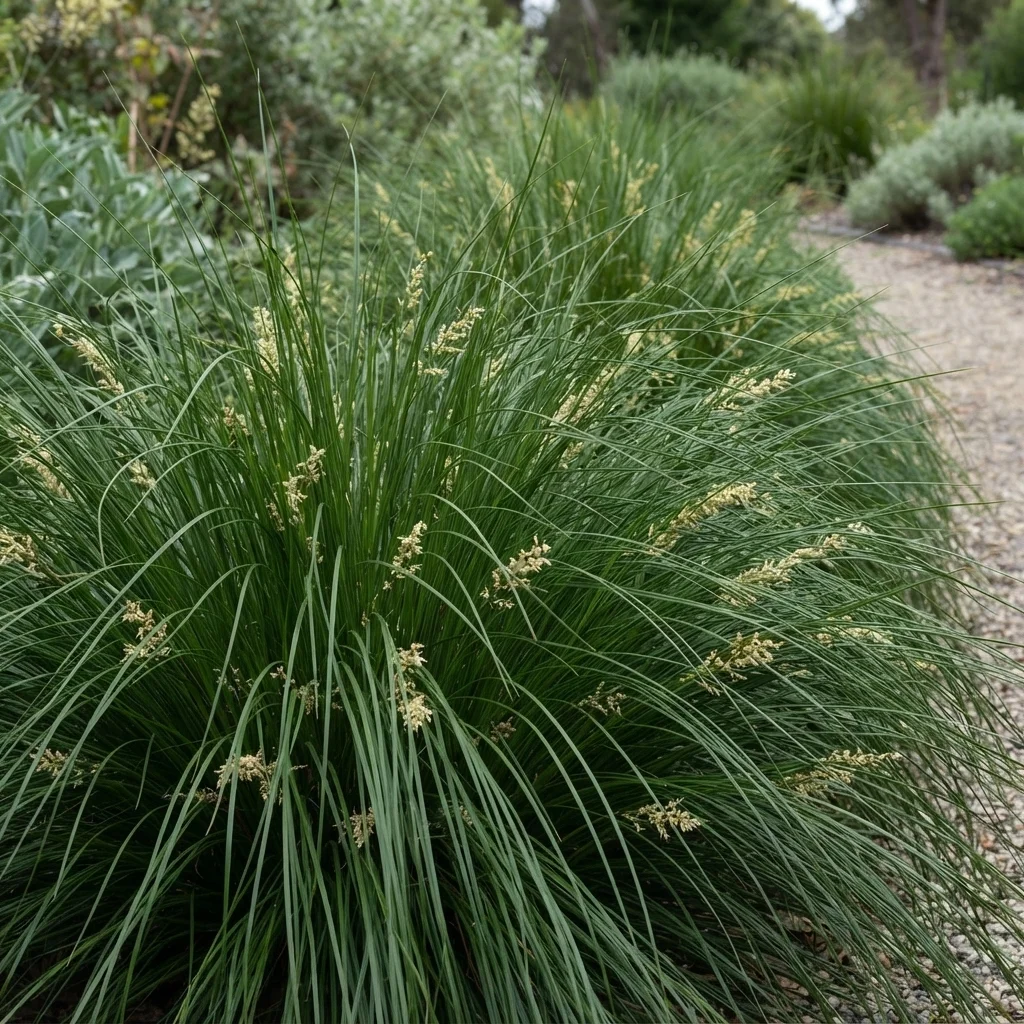
Tanika Mat-rush
Lomandra longifolia 'Tanika'
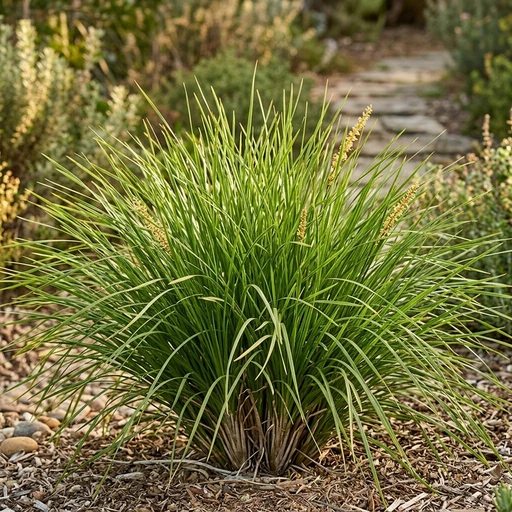
Dwarf Mat Rush
Lomandra longifolia 'Breeze Dwarf Mat Rush'
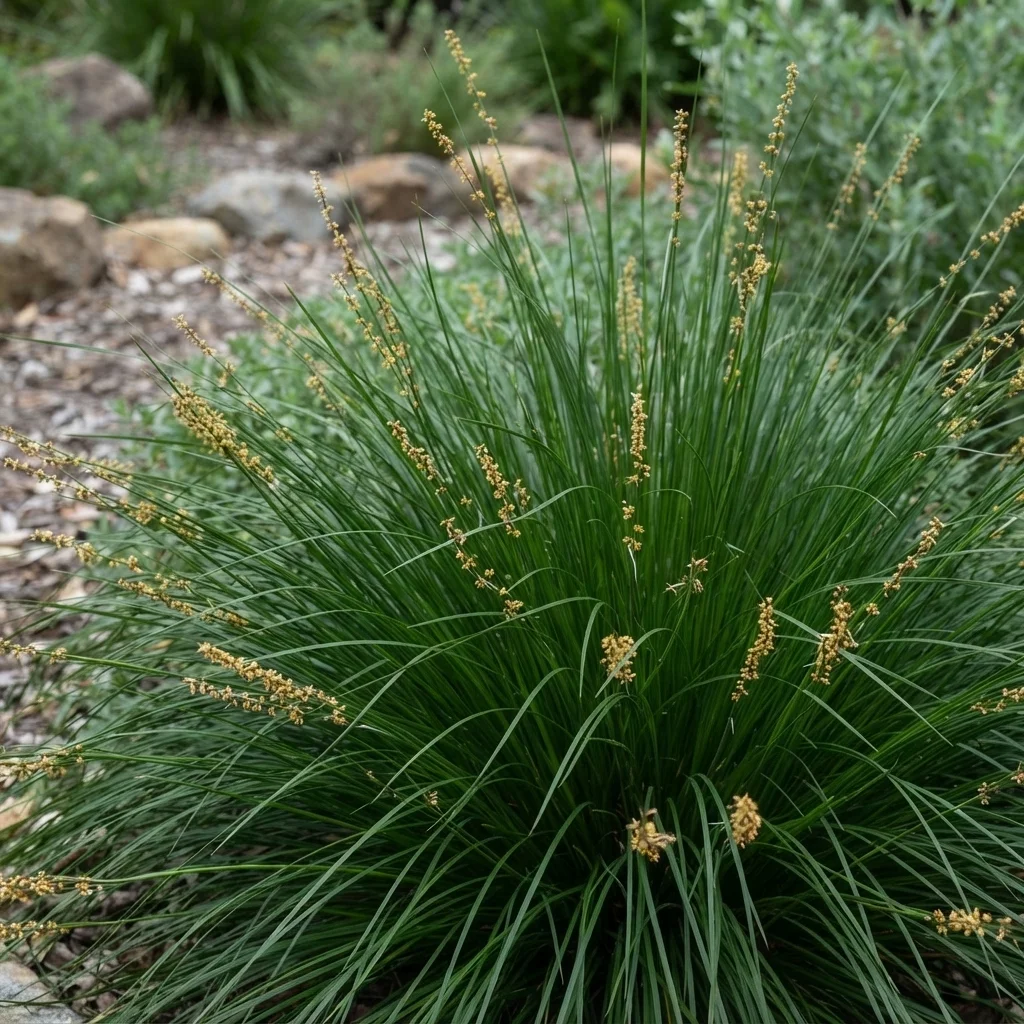
Spiny-headed Mat-rush
Lomandra longifolia 'Verday'
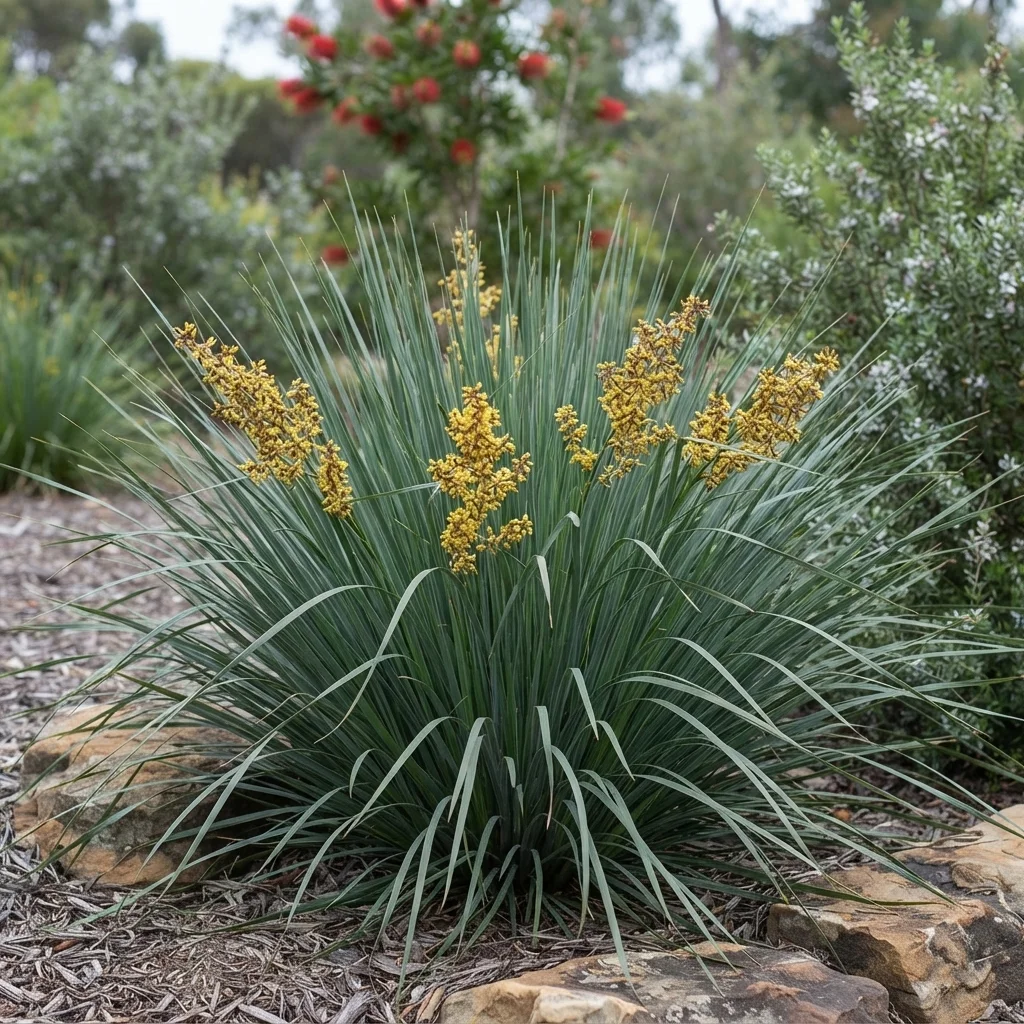
Nyalla Dwarf Mat Rush
Lomandra longifolia 'Nyalla'
Keep exploring
Explore the genus
Hardy in your zone?
Grow Australian Mat Rush with confidence
See it in a design of your actual yard, get zone-matched care reminders, and track it season by season in your garden journal.