2 named cultivars

The Story
Plant Bio
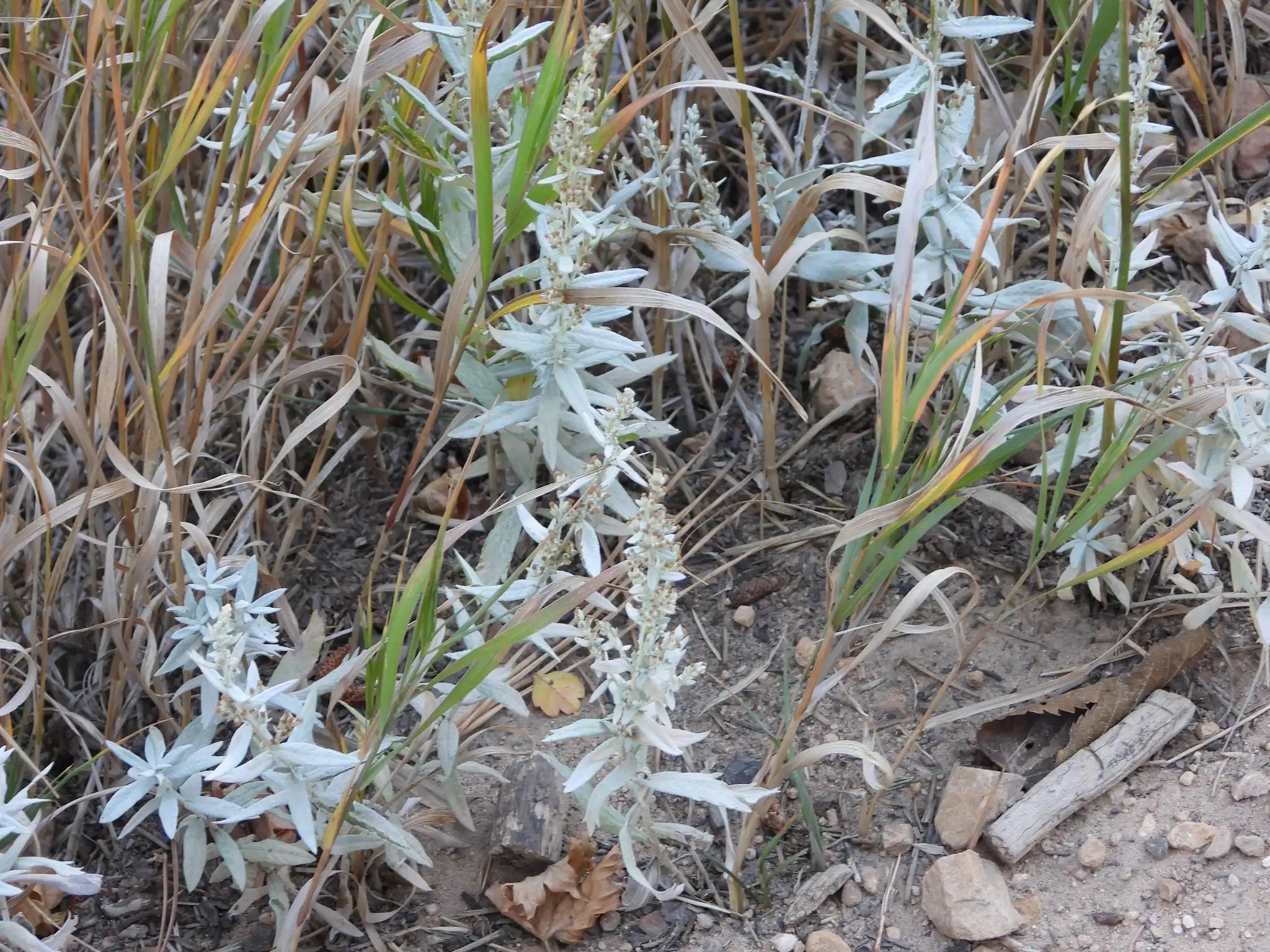
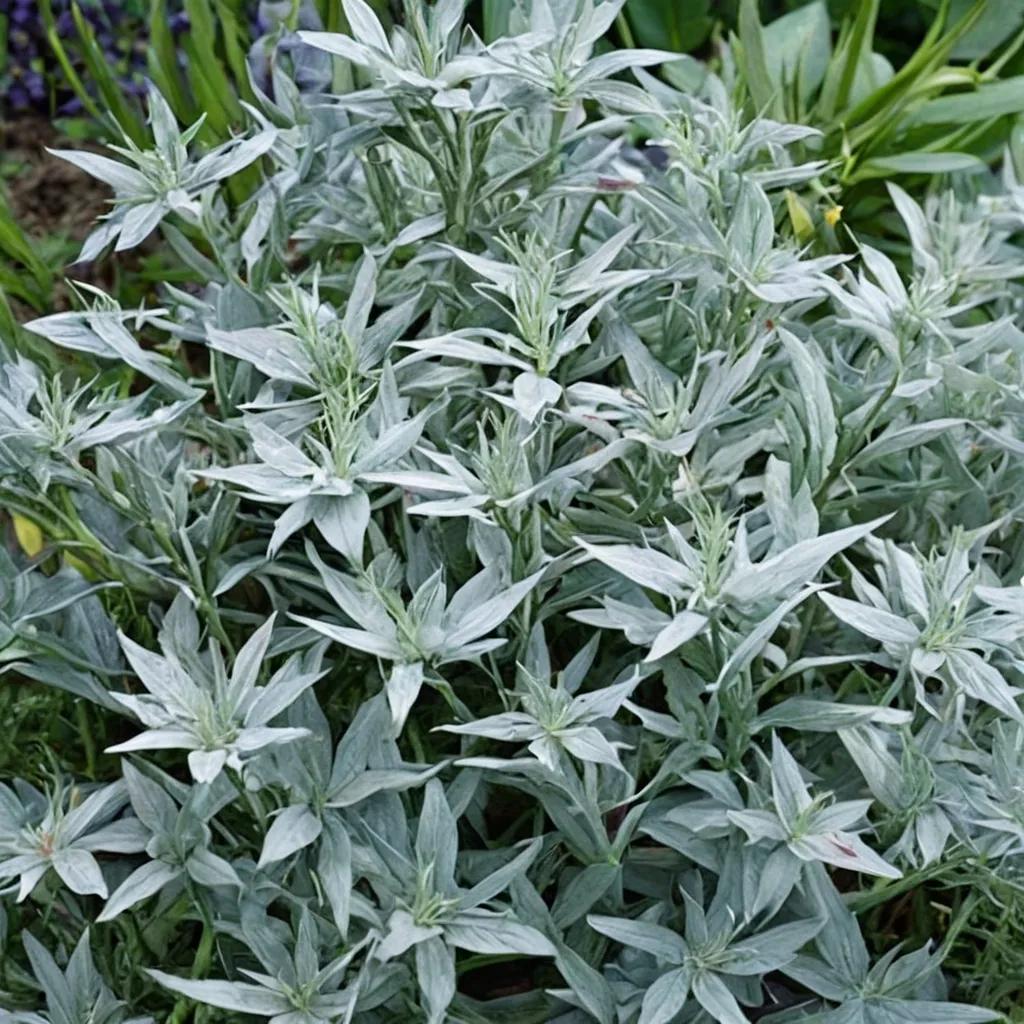
Artemisia ludoviciana, white sage, is a spreading perennial native across North America, reaching two to three feet. Its value is entirely in the foliage: lance-shaped leaves two to four inches long, coated in fine hairs that make the whole plant a striking silvery-white, and strongly aromatic when brushed or crushed.
It spreads aggressively by underground rhizomes and will colonise a border given the chance, which is why it is best in a meadow, a dry bank or a buried container. The silver is at its most intense in poor dry soil and full sun; in rich damp ground the plant grows greener, laxer and spreads faster.
Uses & Benefits:
Essentials
At a Glance
Plant Type
Perennial
Height
27"
Width
24"
Light
Full Sun, Partial Sun
Zones
4, 5, 6, 7, 8, 9
Water
Low
Humidity
Low
Lifespan
Perennial
Native To
North America
Toxicity
Non-toxic
Planting
How to Grow
- Plant in spring in poor, sharply drained soil.
- Choose full sun; shade ruins both colour and habit.
- Contain the roots or allow room to run.
- Water only to establish.
- Cut back hard in early summer to keep it dense.
- Divide every two or three years to control it.
Pro Tip
Plant it in a bottomless pot sunk into the bed if you want it in a border — the rhizomes travel further and faster than people expect.
Keep It Thriving
Care Guide
Do
- Plant in full sun and poor soil ☀️
- Contain the roots in a border 🪣
- Cut back hard in early summer ✂️
- Use it as a silver foil for hot colours 🌿
Don't
- Plant it unrestrained among delicate perennials ❌
- Feed or water it richly ❌
- Plant it in shade ❌
Seasonal Care Calendar
| Task | Jan | Feb | Mar | Apr | May | Jun | Jul | Aug | Sep | Oct | Nov | Dec |
|---|---|---|---|---|---|---|---|---|---|---|---|---|
| Divide | ||||||||||||
| Prune |
Watch Out For
Pests & Diseases
Common Pests
Common Diseases
In the Garden
Landscape Uses & Companions
Landscape Uses
Multiply
Propagation Methods
Good to Know
Common Questions
White Sagebrush questions
What zones can White Sagebrush grow in?
White Sagebrush is hardy in USDA Zones 4–9. Inside that range it survives winter in the ground; outside it, grow it as an annual or a container plant you protect.
Is White Sagebrush deer resistant?
Yes — White Sagebrush is rated deer-resistant. Deer typically pass it over, though extreme hunger can override any plant's defenses.
When does White Sagebrush bloom?
White Sagebrush typically blooms in summer through mid-fall. Exact timing shifts a week or two with your zone — Sow's bloom calendar maps it to your garden.
Does White Sagebrush need full sun?
White Sagebrush does best in full sun to part shade. In hot climates, afternoon shade keeps blooms fresher longer.
Is White Sagebrush drought tolerant?
Yes — once established (usually after the first full season), White Sagebrush handles dry spells with minimal watering. Water deeply its first year to build the root system that makes that possible.
More Artemisia to compare
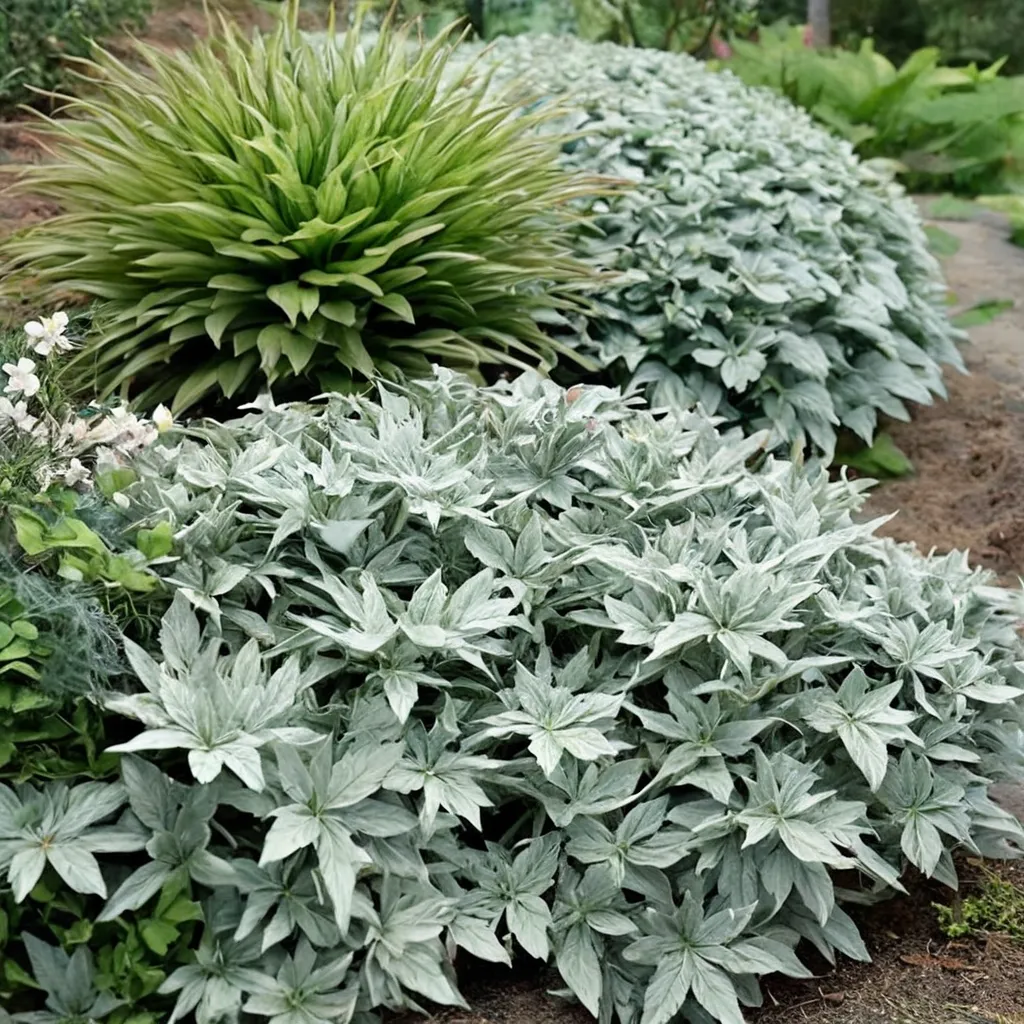
Artemisia Silver Lining
Artemisia x hybrida 'Silver Lining'
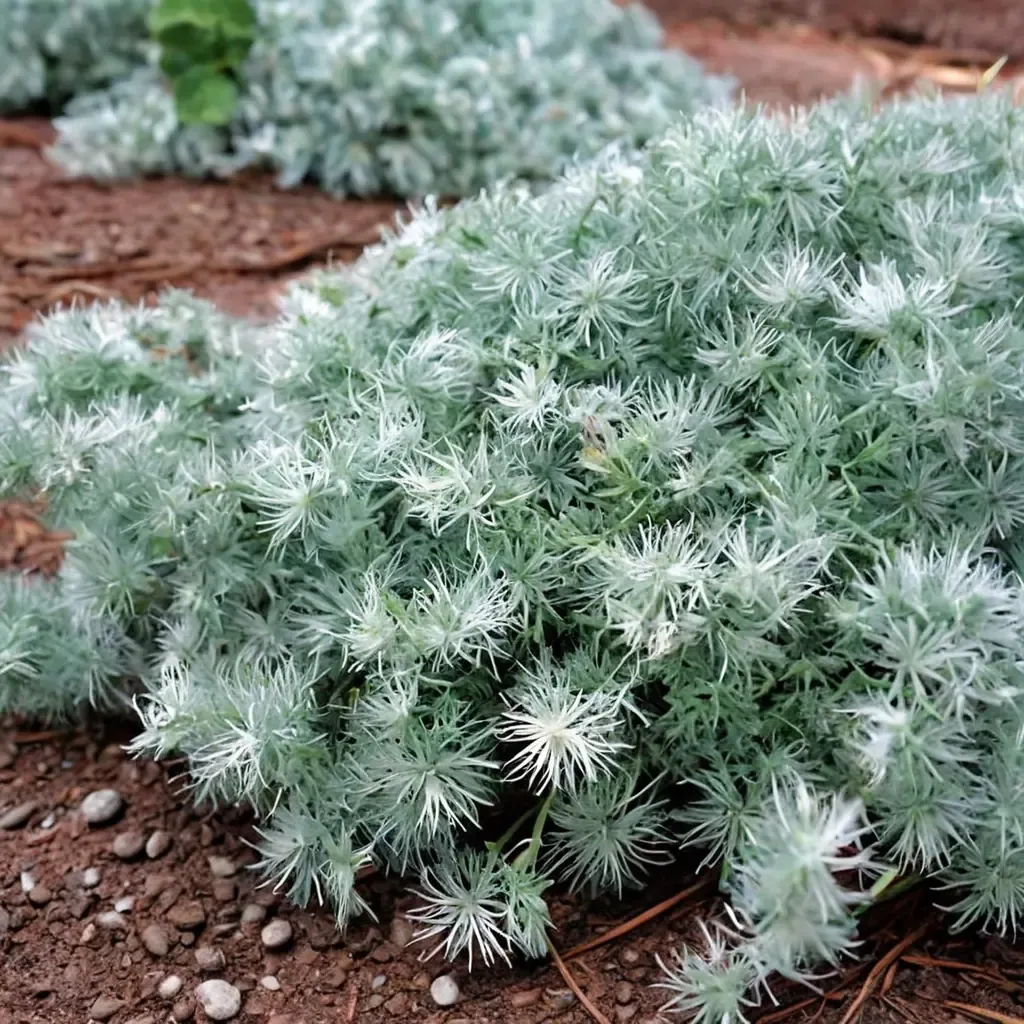
Silver Mound Wormwood
Artemisia schmidtiana 'Silver Mound'
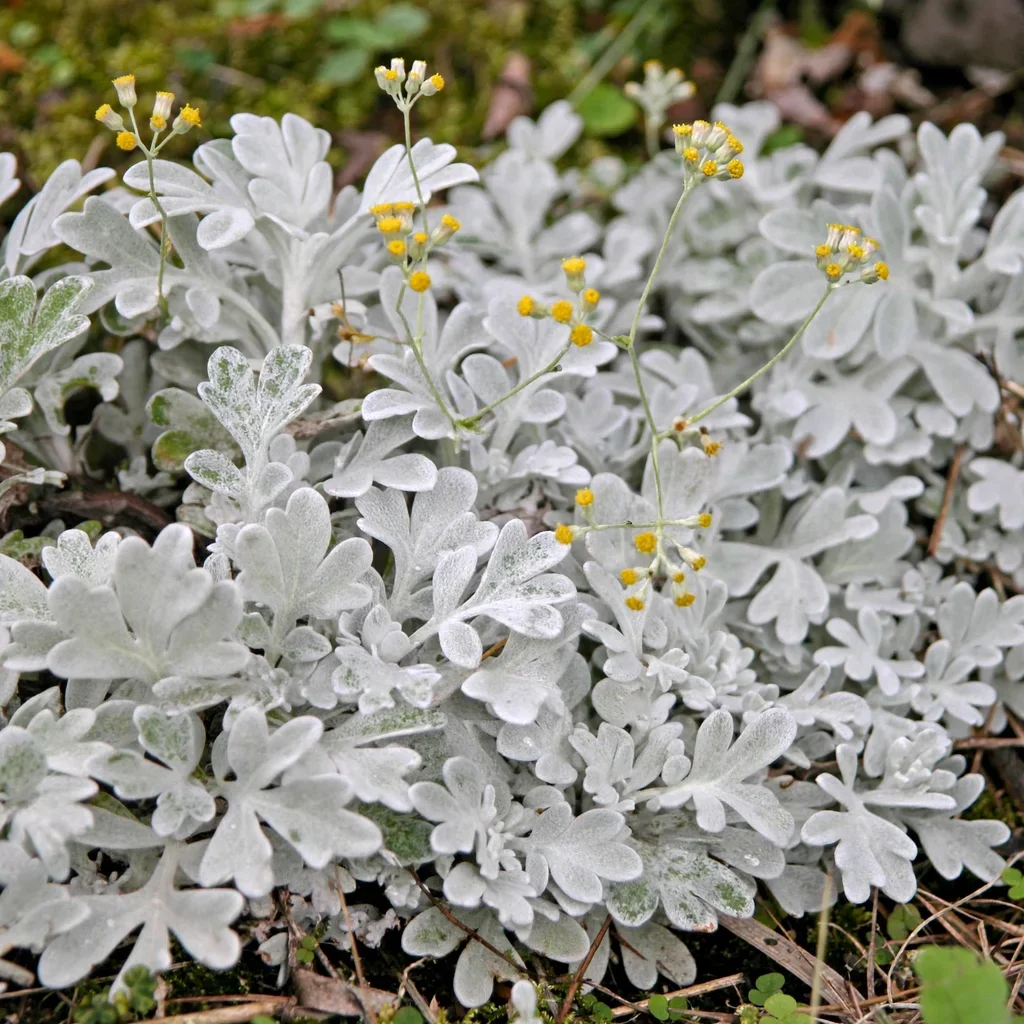
Beach Wormwood
Artemisia stelleriana 'Silver Brocade'
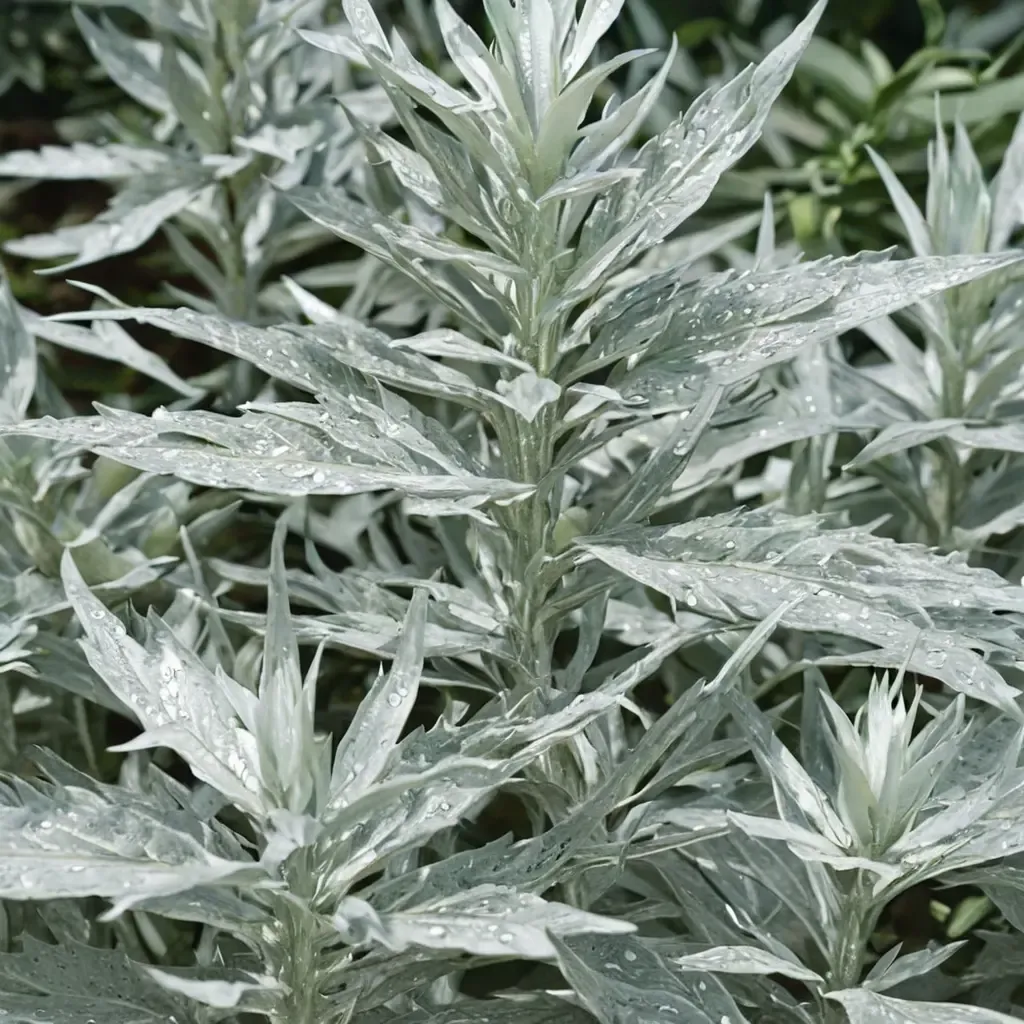
Silver King Artemisia
Artemisia ludoviciana 'Silver King'
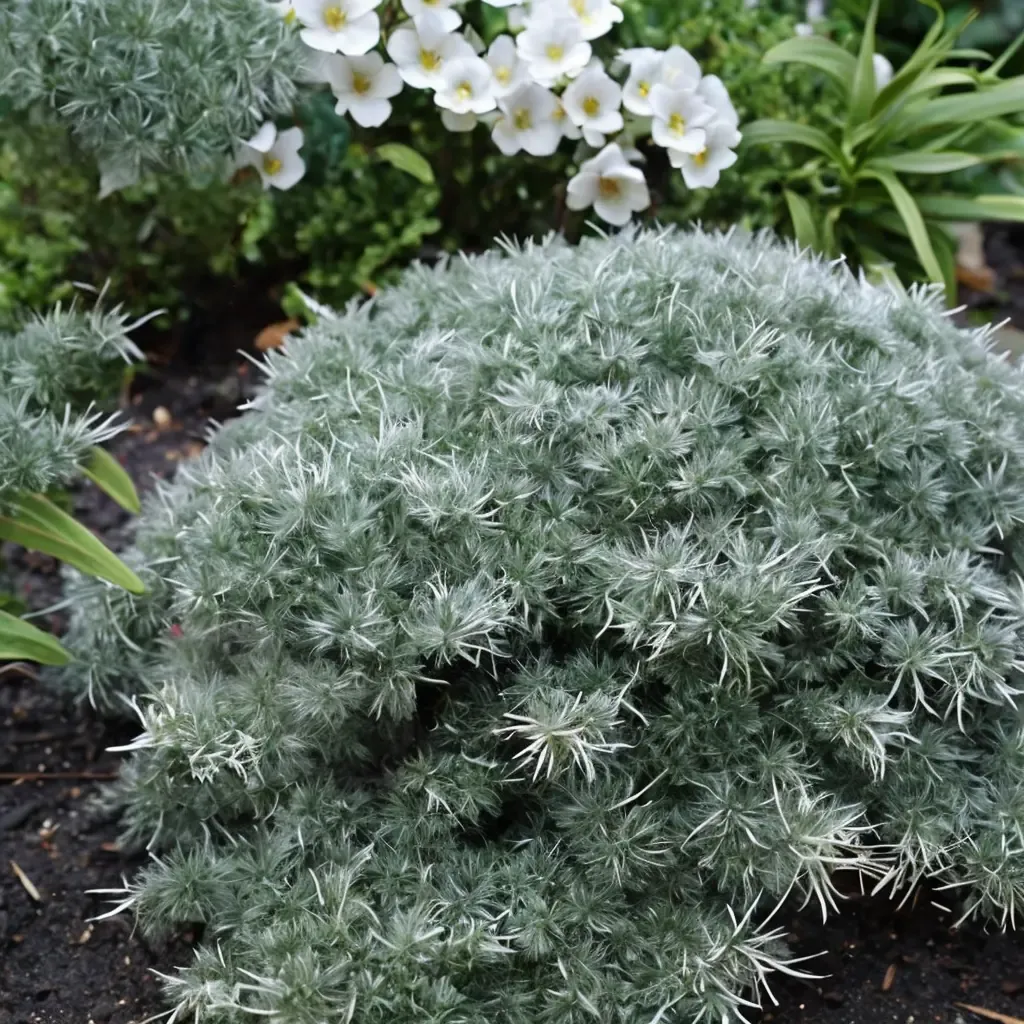
Silver Mound Artemisia
Artemisia schmidtiana 'Nana'
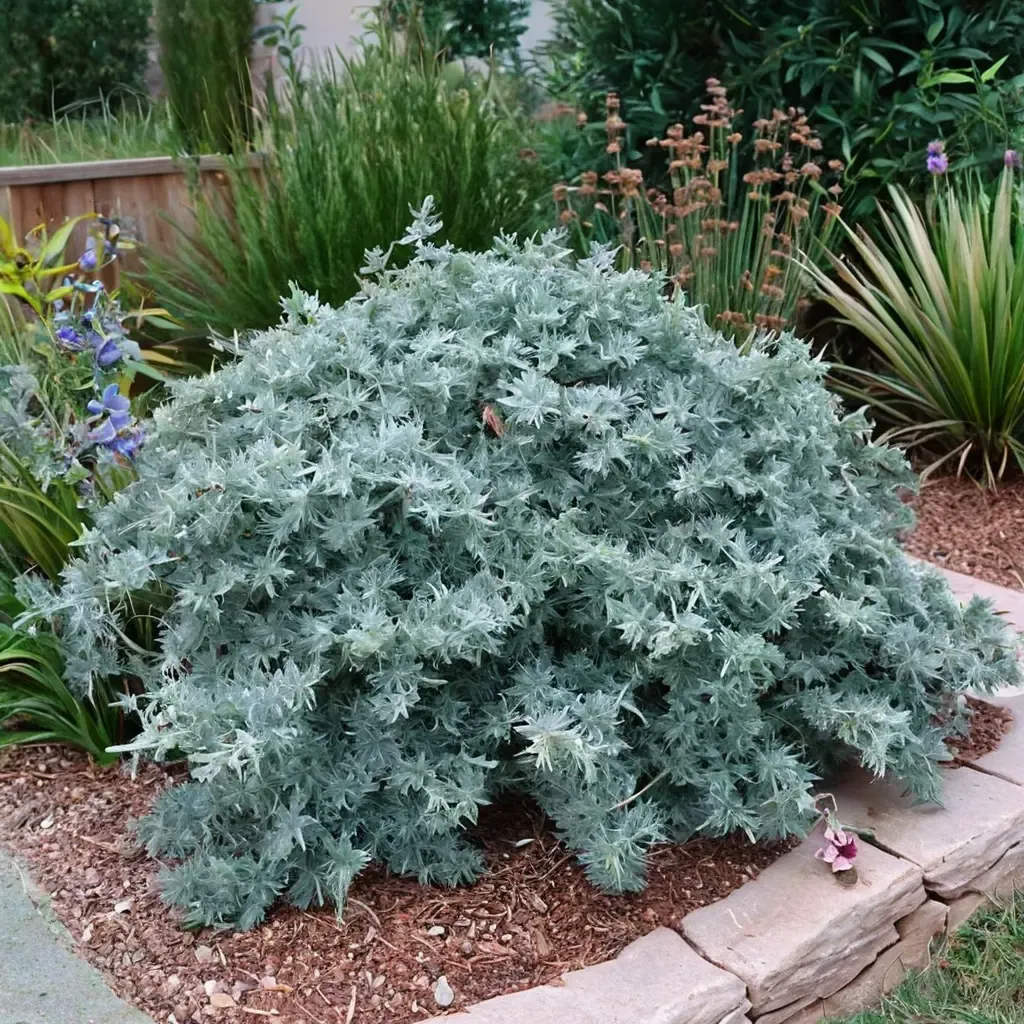
Powis Castle wormwood
Artemisia x hybrida 'Powis Castle'
Keep exploring
Explore the genus
Grow White Sagebrush with confidence
See it in a design of your actual yard, get zone-matched care reminders, and track it season by season in your garden journal.