The Story
Plant Bio
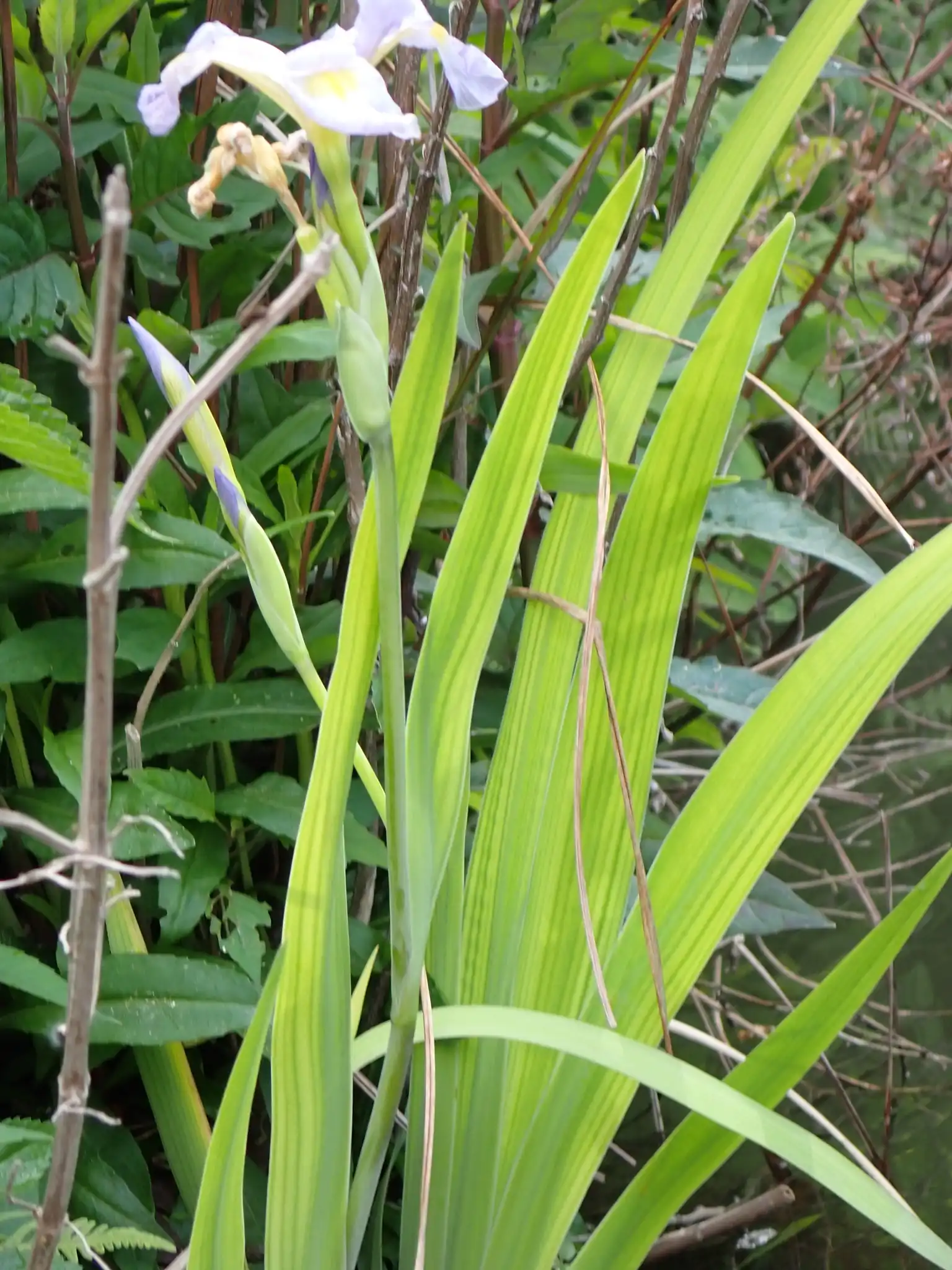
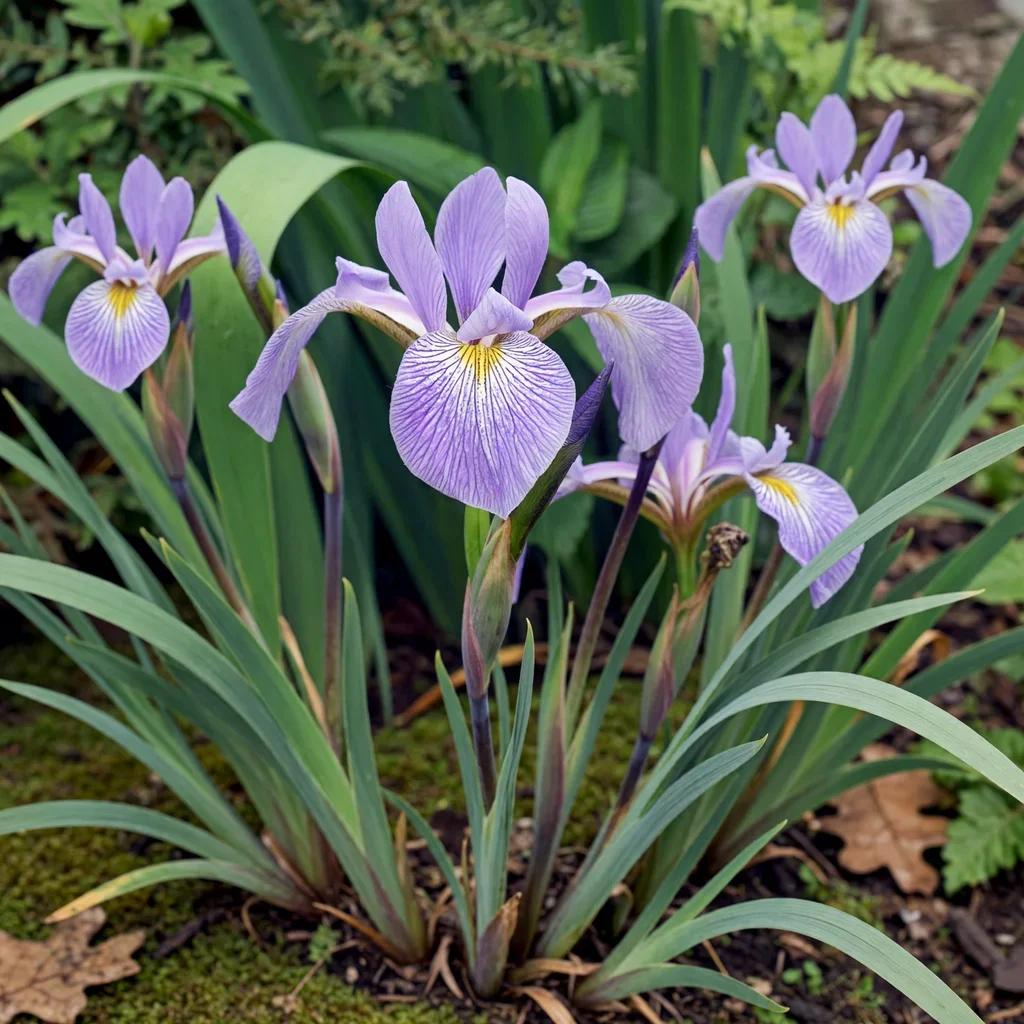
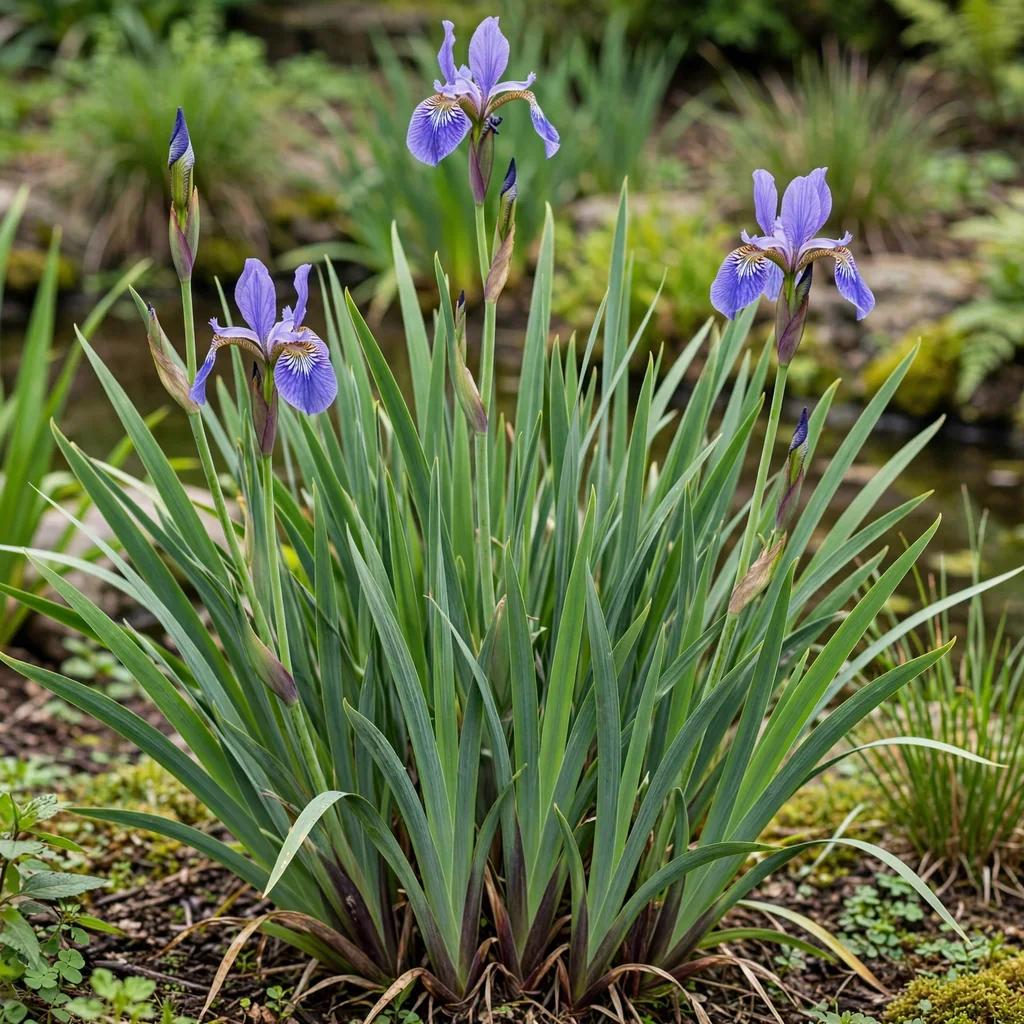
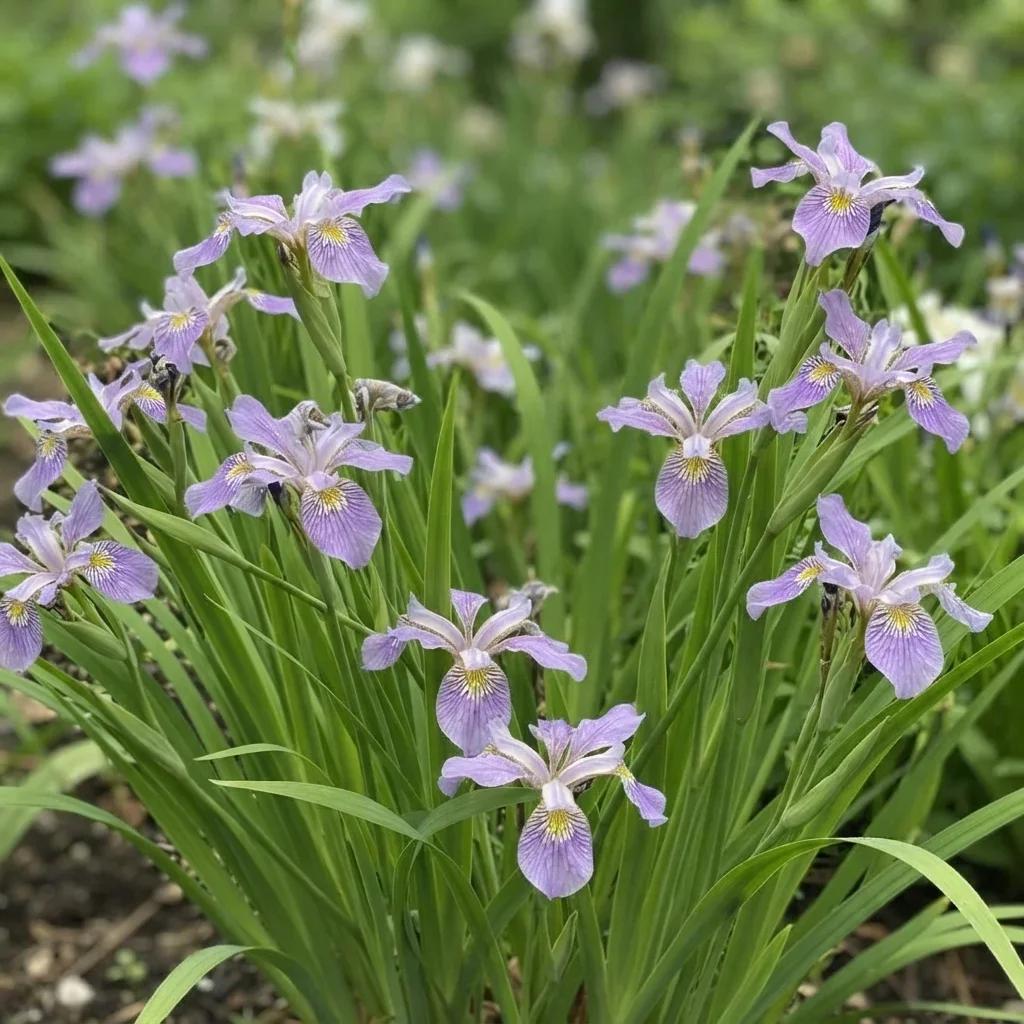
Iris virginica, southern blue flag, is a clumping perennial iris native from eastern Canada through the central and eastern United States, growing in shallow water and saturated ground. Blue to violet flowers with distinctive gold and white signal patches open in late spring on stems one to two and a half feet tall. Strap-like leaves arch outward and often lean into the water.
It grows happily in standing water, which sets it apart from garden irises that rot in the same conditions, and its rhizomes knit together to hold soft pond margins. The rhizomes are toxic if eaten, and deer avoid the plant almost entirely — a rare combination of pond-edge reliability and browse resistance.
Uses & Benefits:
Essentials
At a Glance
Plant Type
Perennial
Height
21"
Width
18"
Light
Full Sun, Partial Sun
Zones
4, 5, 6, 7, 8, 9
Water
High
Humidity
High
Lifespan
Perennial
Native To
Eastern Canada to the central and eastern United States
Toxicity
Toxic if ingested
Planting
How to Grow
- Plant in spring in saturated soil or shallow standing water.
- Choose full sun to partial shade.
- Set rhizomes just at or below the soil surface.
- Keep permanently wet; it will not tolerate drying out.
- Divide congested clumps every three or four years.
- Cut spent foliage back in late winter.
Pro Tip
Plant the rhizome shallow — buried deep in mud it rots rather than flowering, even in a plant that lives in water.
Keep It Thriving
Care Guide
Do
- Keep it in wet soil or shallow water 💧
- Plant rhizomes shallow, not buried 🌱
- Divide every three or four years ✂️
- Use it to bind a soft pond edge 🪴
Don't
- Let the soil dry out ❌
- Bury the rhizome deeply ❌
- Eat any part; the rhizomes are toxic ❌
Seasonal Care Calendar
| Task | Jan | Feb | Mar | Apr | May | Jun | Jul | Aug | Sep | Oct | Nov | Dec |
|---|---|---|---|---|---|---|---|---|---|---|---|---|
| Divide | ||||||||||||
| Prune |
Watch Out For
Pests & Diseases
Common Pests
Common Diseases
In the Garden
Landscape Uses & Companions
Landscape Uses
Multiply
Propagation Methods
Good to Know
Common Questions
Virginia Iris questions
What zones can Virginia Iris grow in?
Virginia Iris is hardy in USDA Zones 4–9. Inside that range it survives winter in the ground; outside it, grow it as an annual or a container plant you protect.
Is Virginia Iris deer resistant?
Yes — Virginia Iris is rated deer-resistant. Deer typically pass it over, though extreme hunger can override any plant's defenses.
When does Virginia Iris bloom?
Virginia Iris typically blooms in late spring through early summer. Exact timing shifts a week or two with your zone — Sow's bloom calendar maps it to your garden.
Does Virginia Iris need full sun?
Virginia Iris does best in full sun to part shade. In hot climates, afternoon shade keeps blooms fresher longer.
More Iris to compare
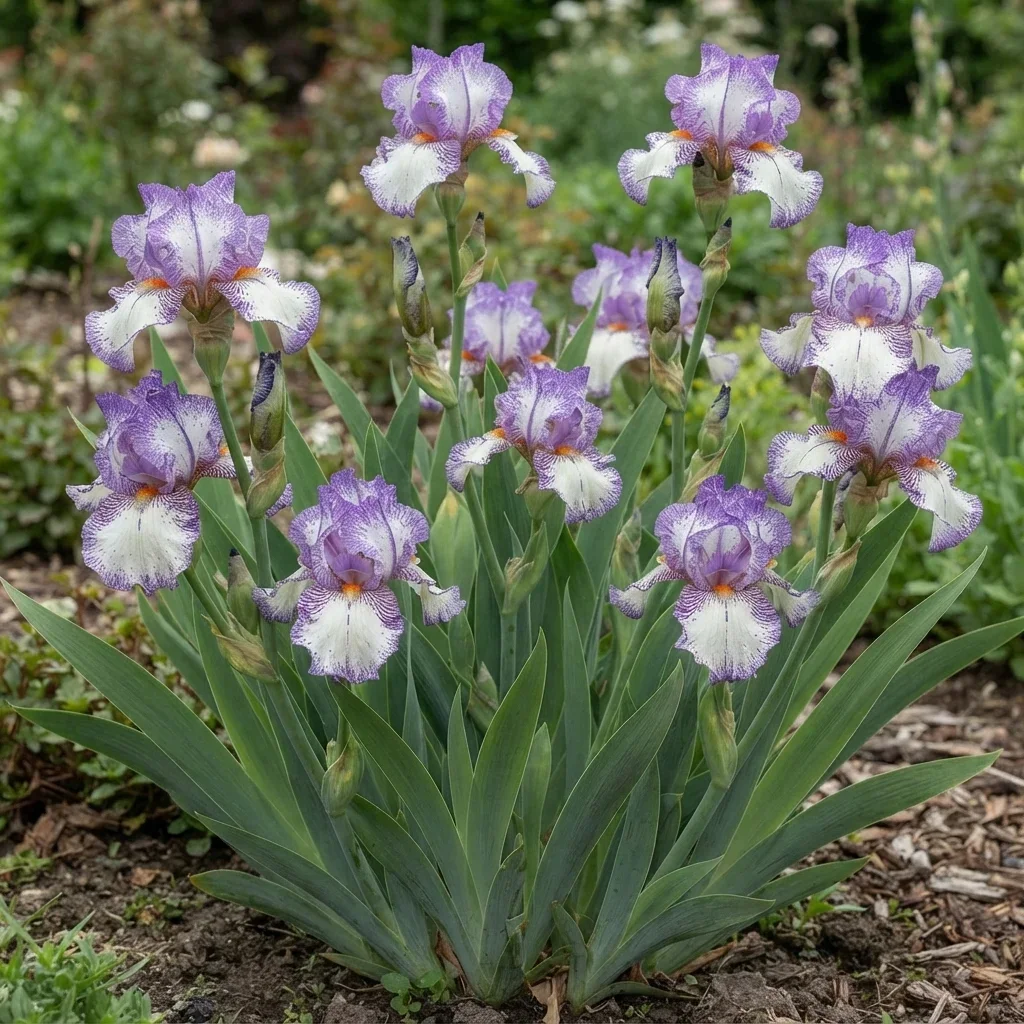
German Iris Bearded Iris
Iris x germanica 'Mix'
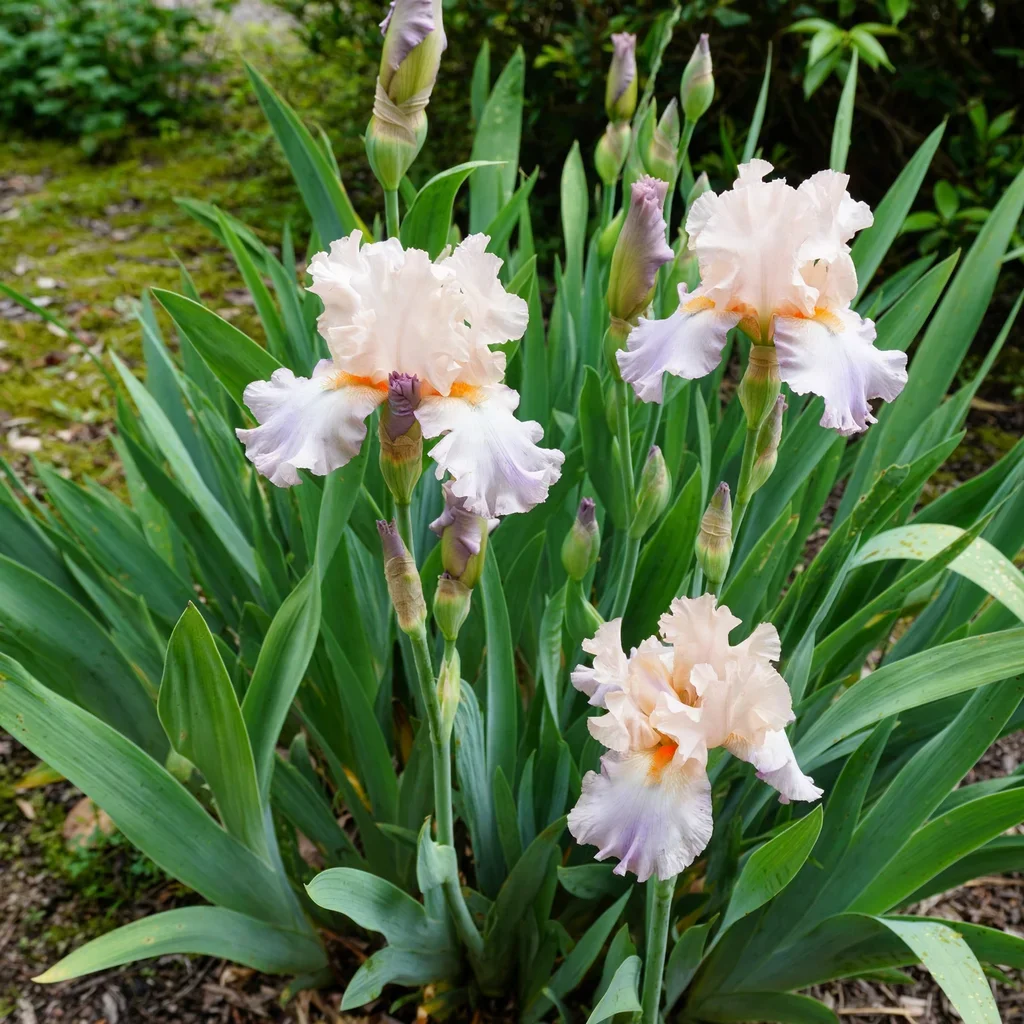
Celebration Song Iris
Iris tenuissima 'Celebration Song'
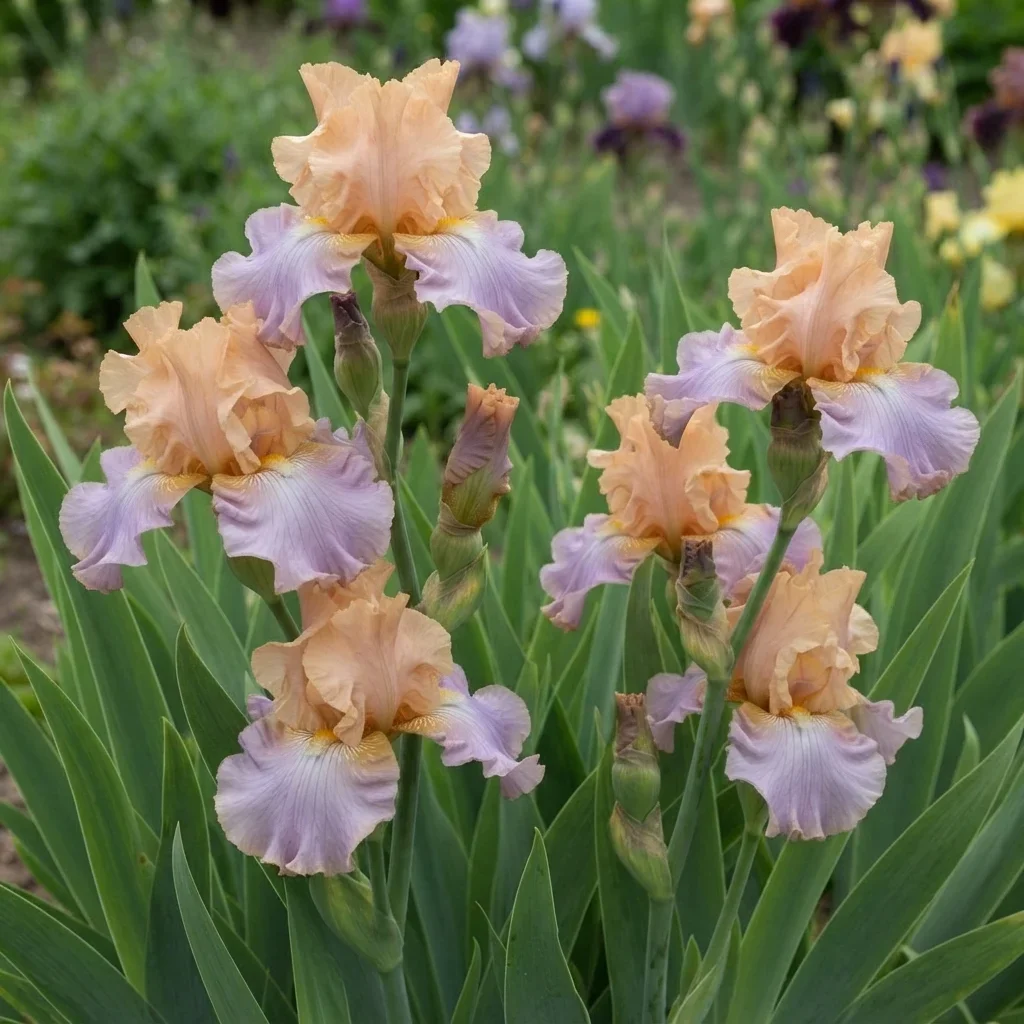
Poem of Ecstasy German Iris
Iris x germanica 'Poem Of Ecstasy'
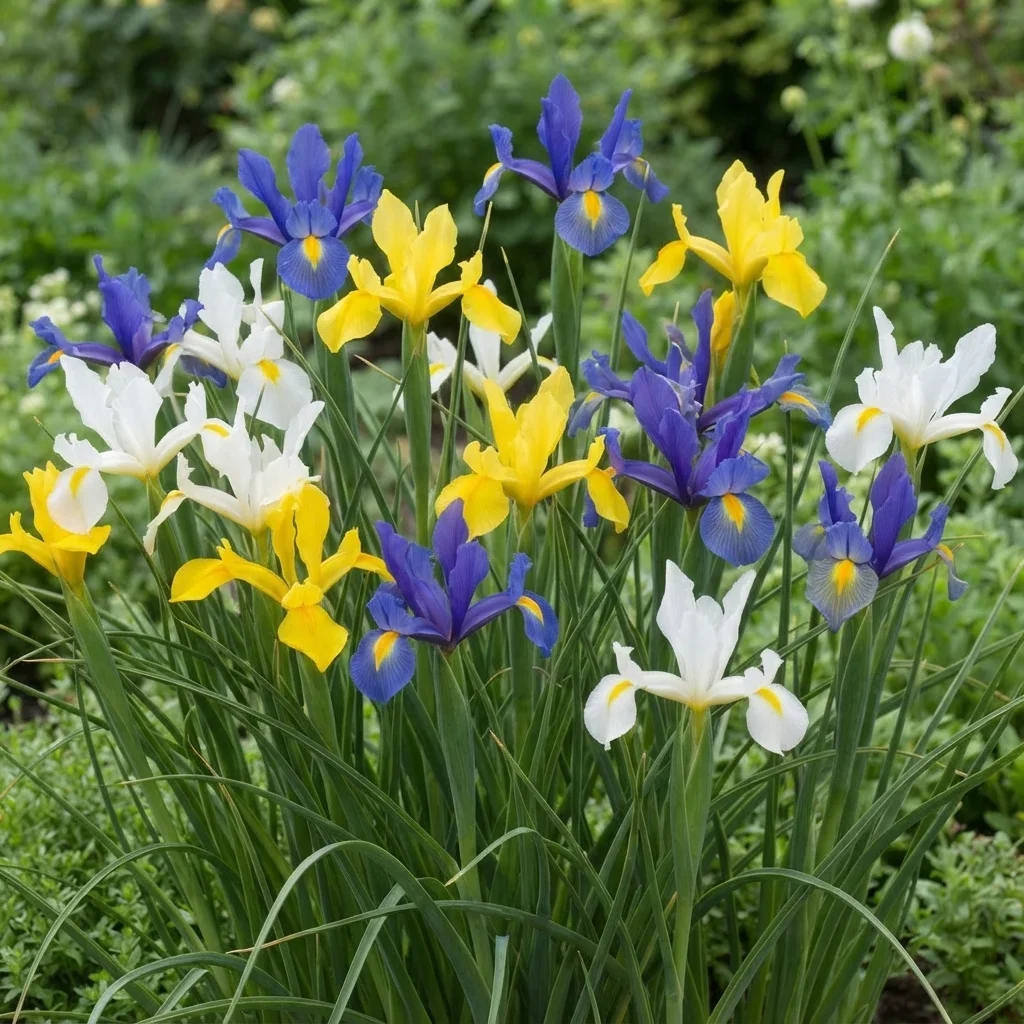
Dutch Iris Mix
Iris x hollandica 'Mix'
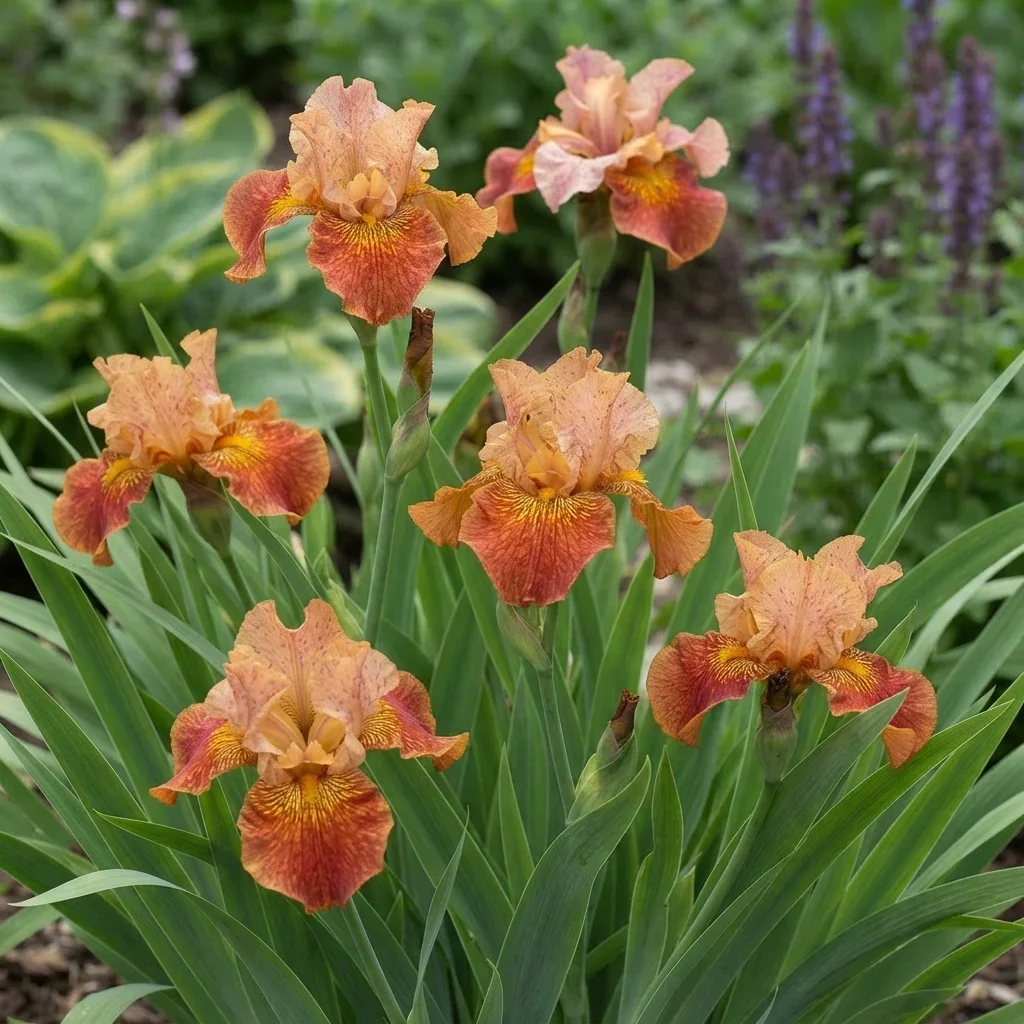
Siberian Iris 'Paprikash'
Iris x hybrida 'Paprikash'
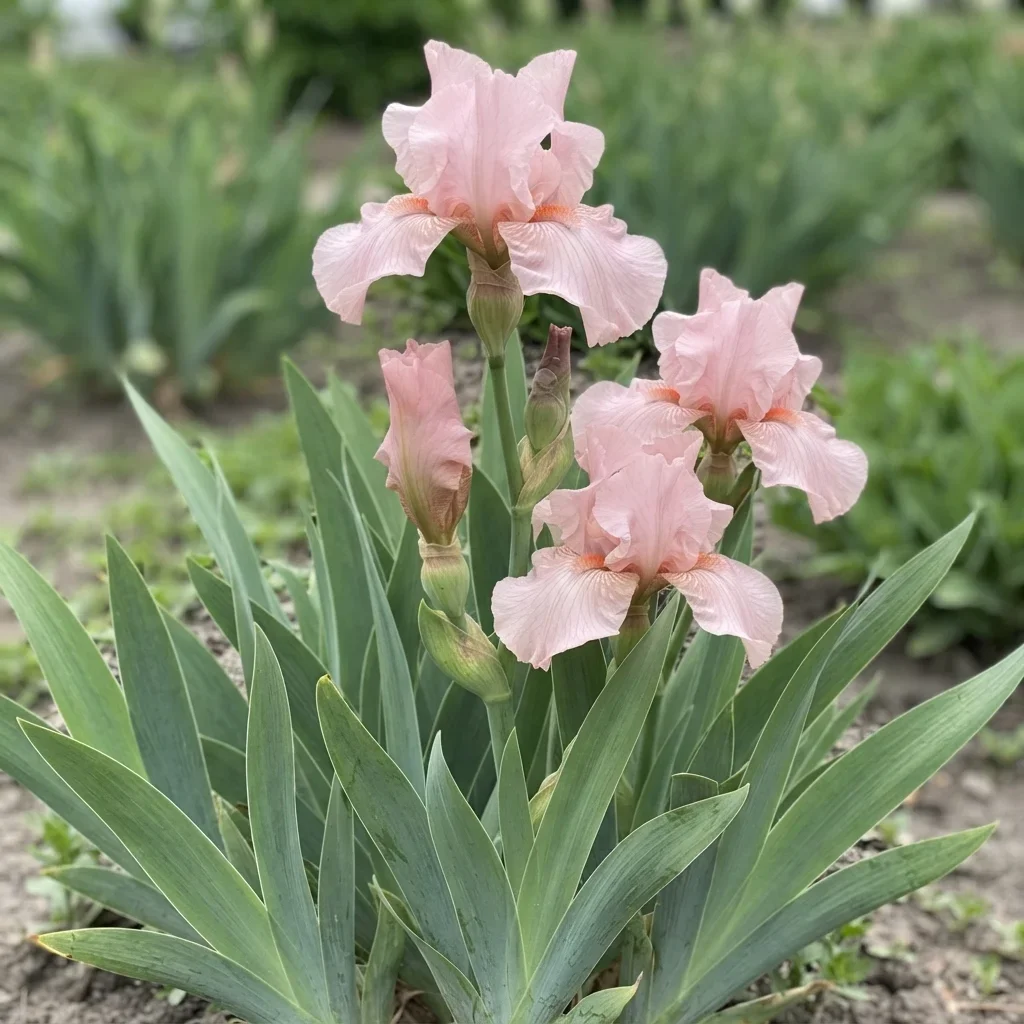
Baboon Bottom Bearded Iris
Iris x germanica 'Baboon Bottom Bearded'
Keep exploring
Explore the genus
Grow Virginia Iris with confidence
See it in a design of your actual yard, get zone-matched care reminders, and track it season by season in your garden journal.