The Story
Plant Bio
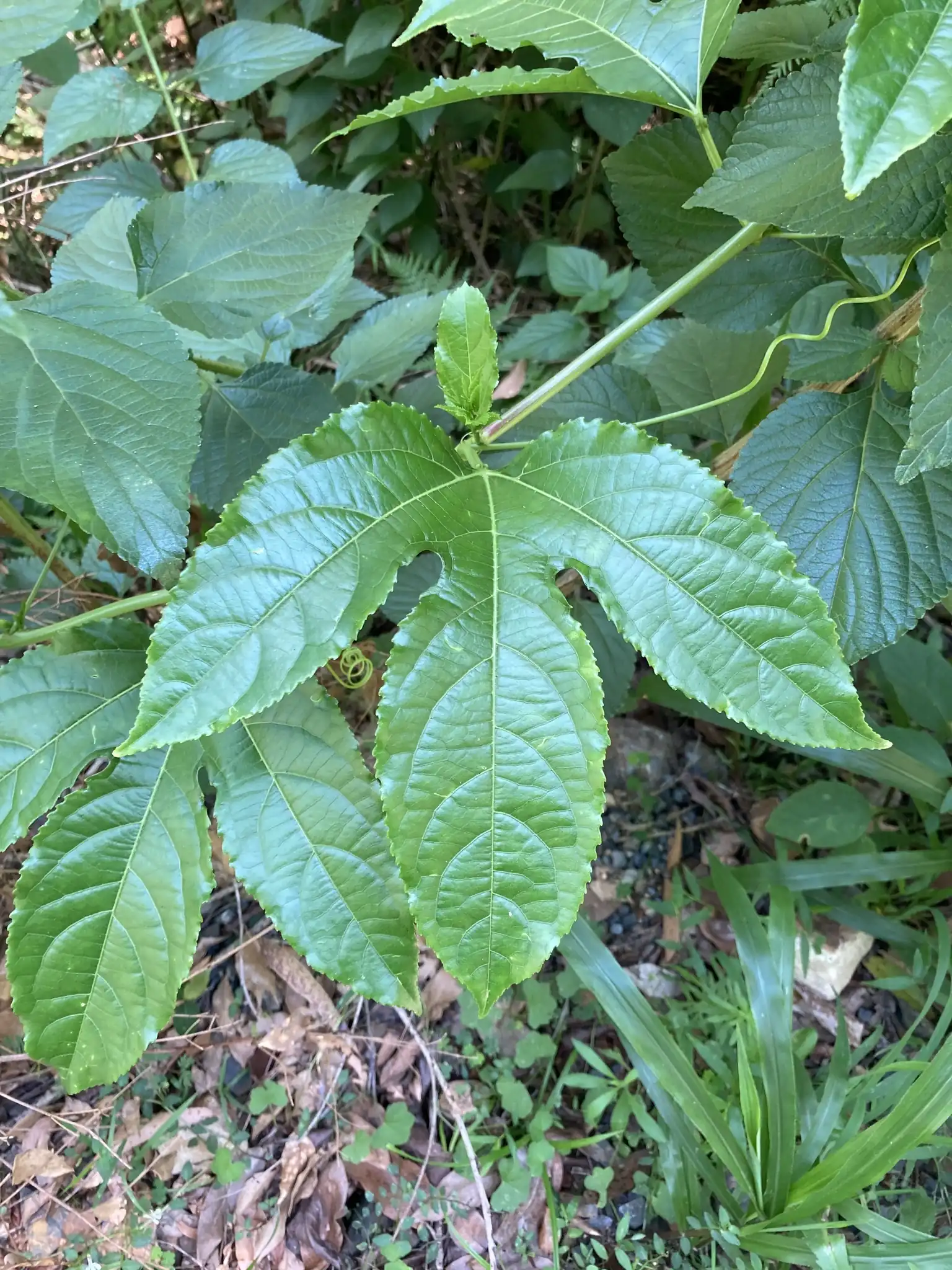
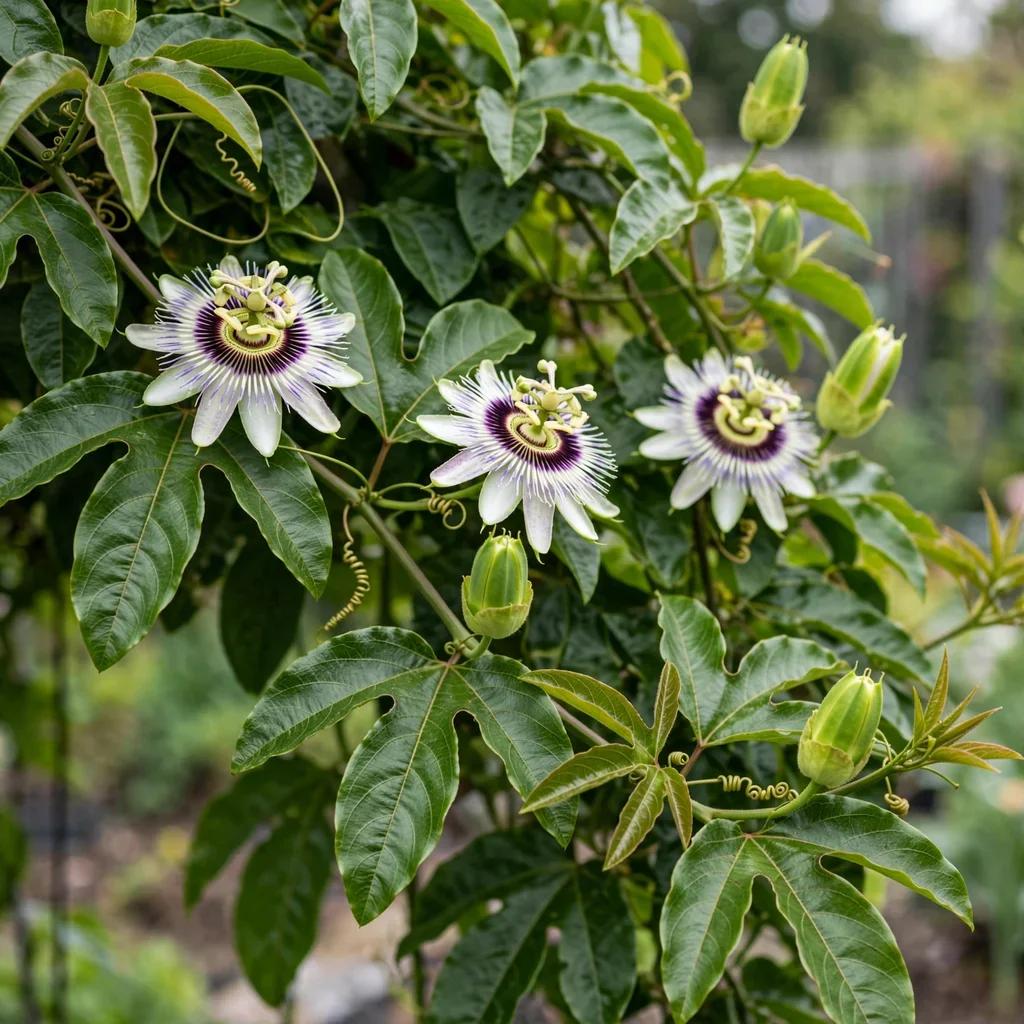
Passiflora edulis, the purple granadilla or passion fruit, is an evergreen tendril climber from Brazil, reaching ten to fifteen feet with a spread of three to five. Deeply three-lobed glossy leaves clothe the wiry stems, and the flowers are elaborate: white with a dense crown of purple-based filaments. Rounded purple fruit follows in warm regions.
The fruit is edible only when fully ripe and wrinkled; unripe fruit and the leaves contain cyanogenic glycosides, so picking early is a genuine mistake rather than a matter of flavour. The vine is also invasive in Hawaii and parts of the warm south, where birds spread the seed, so a container is the safer choice there.
Uses & Benefits:
Essentials
At a Glance
Plant Type
Vine
Height
120"
Width
48"
Light
Full Sun, Partial Sun
Zones
9, 10
Water
Medium
Humidity
Average to high
Lifespan
Perennial
Native To
Brazil
Toxicity
Ripe fruit edible; unripe fruit and foliage are toxic
Marketplace
Where to Buy
Shipping costs Year-round shipping Free shipping
Planting
How to Grow
- Plant in spring in full sun against a support.
- Choose fertile, moist, free-draining soil.
- Provide wires or trellis for the tendrils to grip.
- Water regularly through the growing season.
- Prune in early spring to control size and renew growth.
- Harvest fruit only when fully coloured and wrinkling.
Pro Tip
Wait for the skin to wrinkle before picking; a smooth, fully coloured fruit is still unripe and unripe fruit is not safe to eat.
Keep It Thriving
Care Guide
Do
- Give it full sun and a strong support ☀️
- Water regularly through growth 💧
- Prune in early spring to renew the vine ✂️
- Pick fruit only when wrinkled and fully ripe 🍇
Don't
- Eat unripe fruit or any part of the foliage ❌
- Plant it in open ground in Hawaii or the warm south ❌
- Let it climb into trees where it cannot be pruned ❌
Seasonal Care Calendar
| Task | Jan | Feb | Mar | Apr | May | Jun | Jul | Aug | Sep | Oct | Nov | Dec |
|---|---|---|---|---|---|---|---|---|---|---|---|---|
| Harvest | ||||||||||||
| Prune |
Watch Out For
Pests & Diseases
Common Pests
Common Diseases
In the Garden
Landscape Uses & Companions
Landscape Uses
Companion Plants
Multiply
Propagation Methods
Good to Know
Common Questions
Passion Fruit questions
What zones can Passion Fruit grow in?
Passion Fruit is hardy in USDA Zones 9–10. Inside that range it survives winter in the ground; outside it, grow it as an annual or a container plant you protect.
Is Passion Fruit deer resistant?
Not reliably. Deer may browse Passion Fruit, especially tender spring growth — plan on repellents or fencing where pressure is high.
When does Passion Fruit bloom?
Passion Fruit typically blooms in seasonal, mainly summer through late summer. Exact timing shifts a week or two with your zone — Sow's bloom calendar maps it to your garden.
Does Passion Fruit need full sun?
Passion Fruit does best in full sun to part shade. In hot climates, afternoon shade keeps blooms fresher longer.
More Passiflora to compare
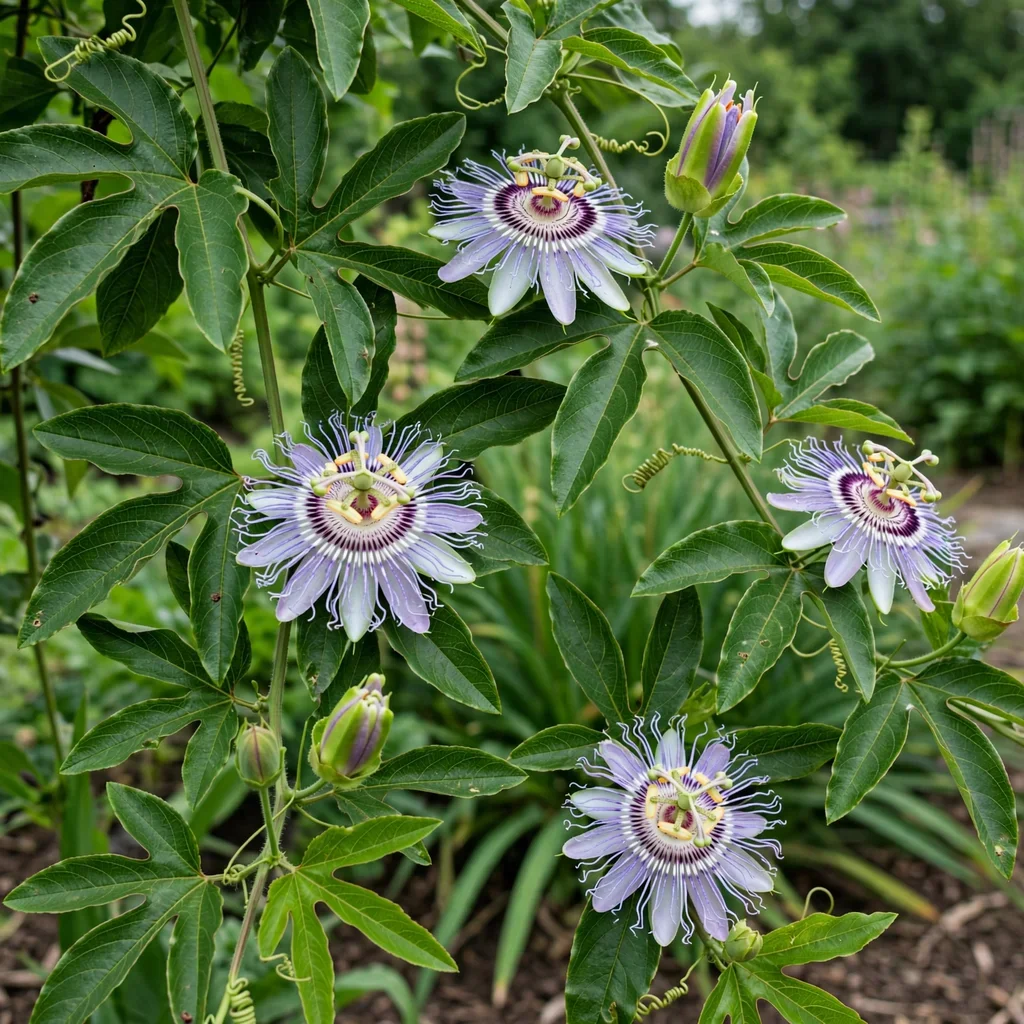
Purple Passionflower
Passiflora incarnata
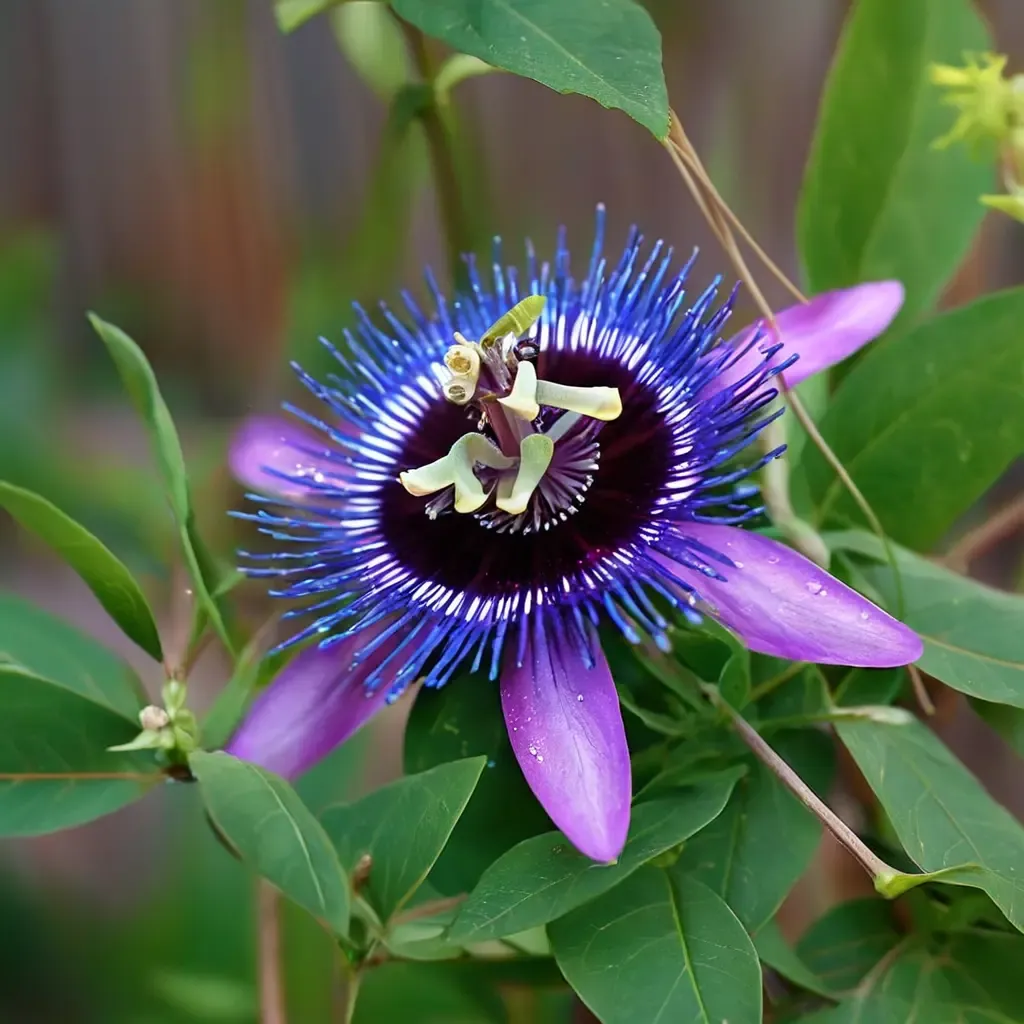
Blue Passionflower
Passiflora loefgrenii
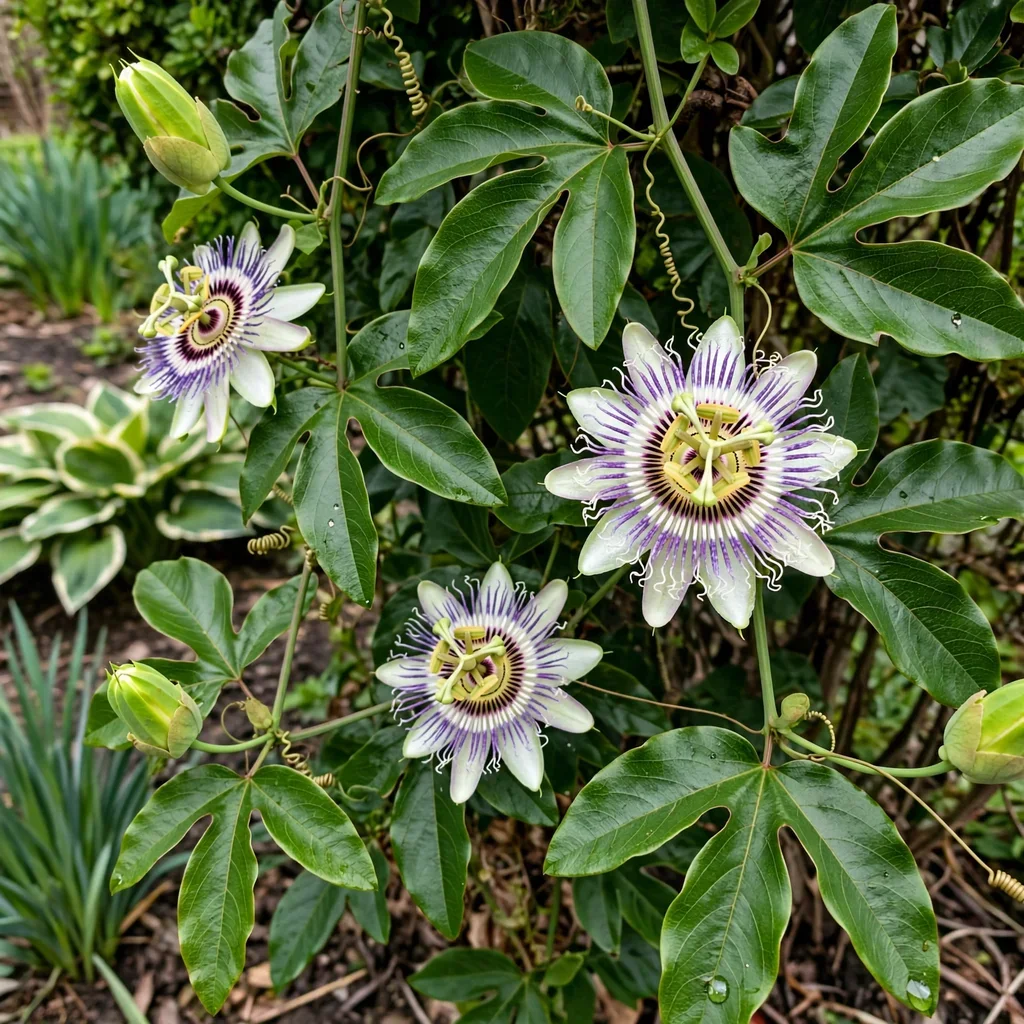
Waterloo Blue Passionflower
Passiflora caerulea 'Waterloo Blue'
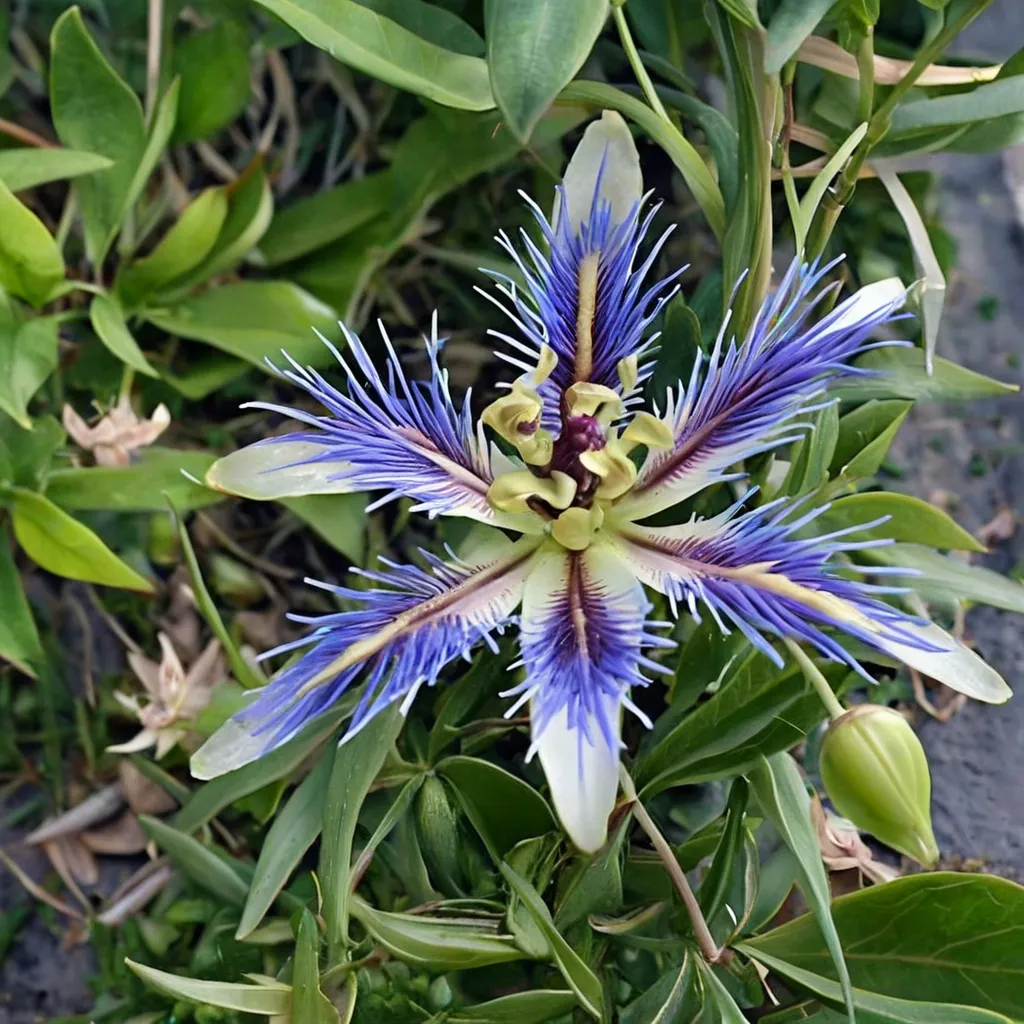
Sea Anemone Passion Flower
Passiflora actinia
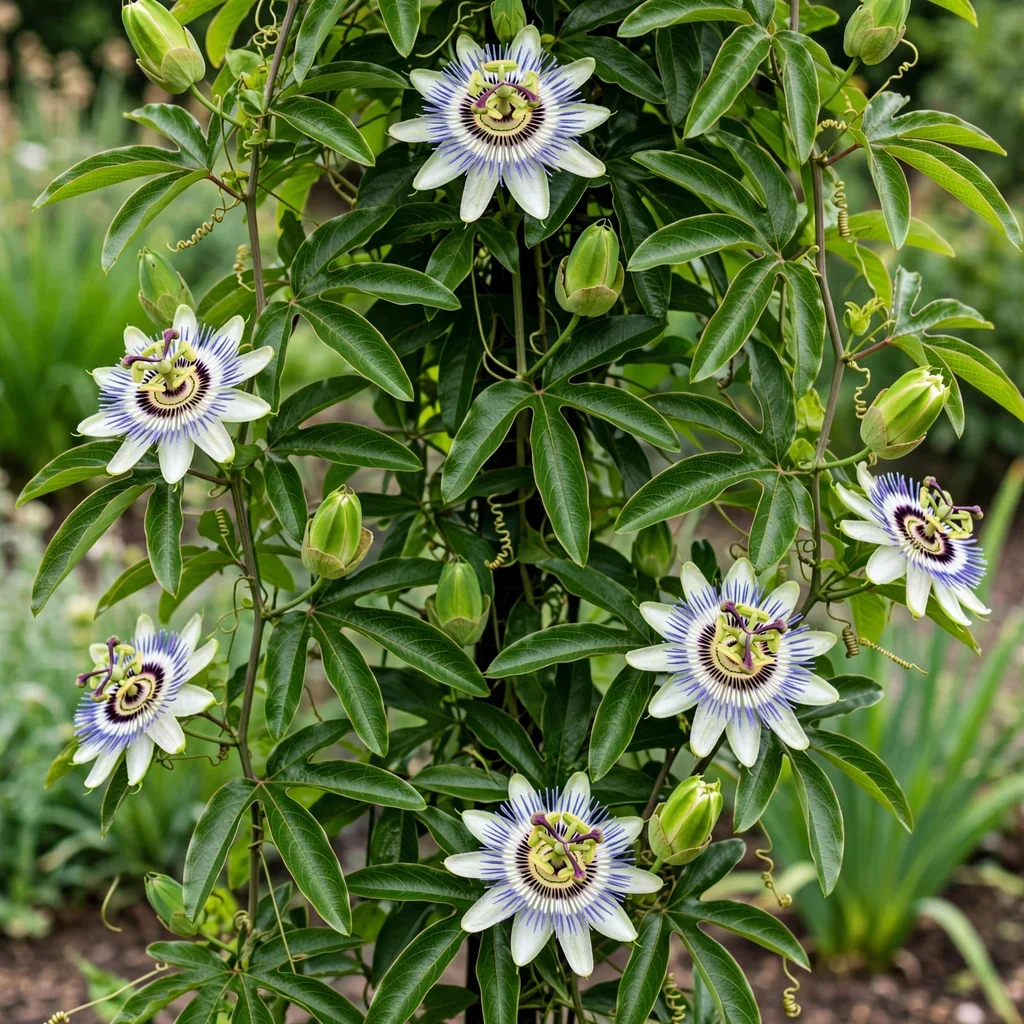
White Passionflower
Passiflora alba 'Blue Horizon'
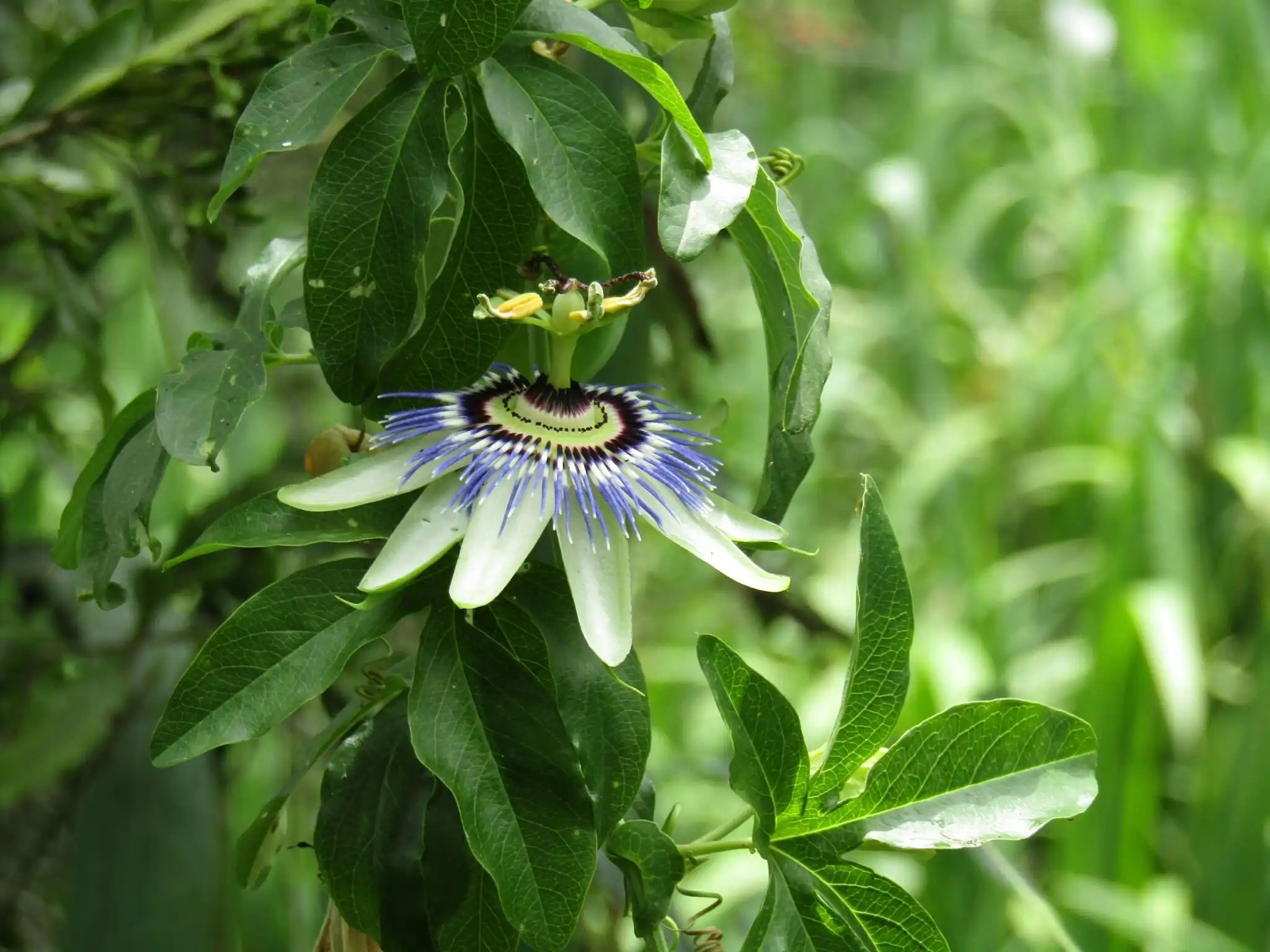
Passionflower
Passiflora caerulea
Keep exploring
Explore the genus
Hardy in your zone?
Grow Passion Fruit with confidence
See it in a design of your actual yard, get zone-matched care reminders, and track it season by season in your garden journal.