The Story
Plant Bio
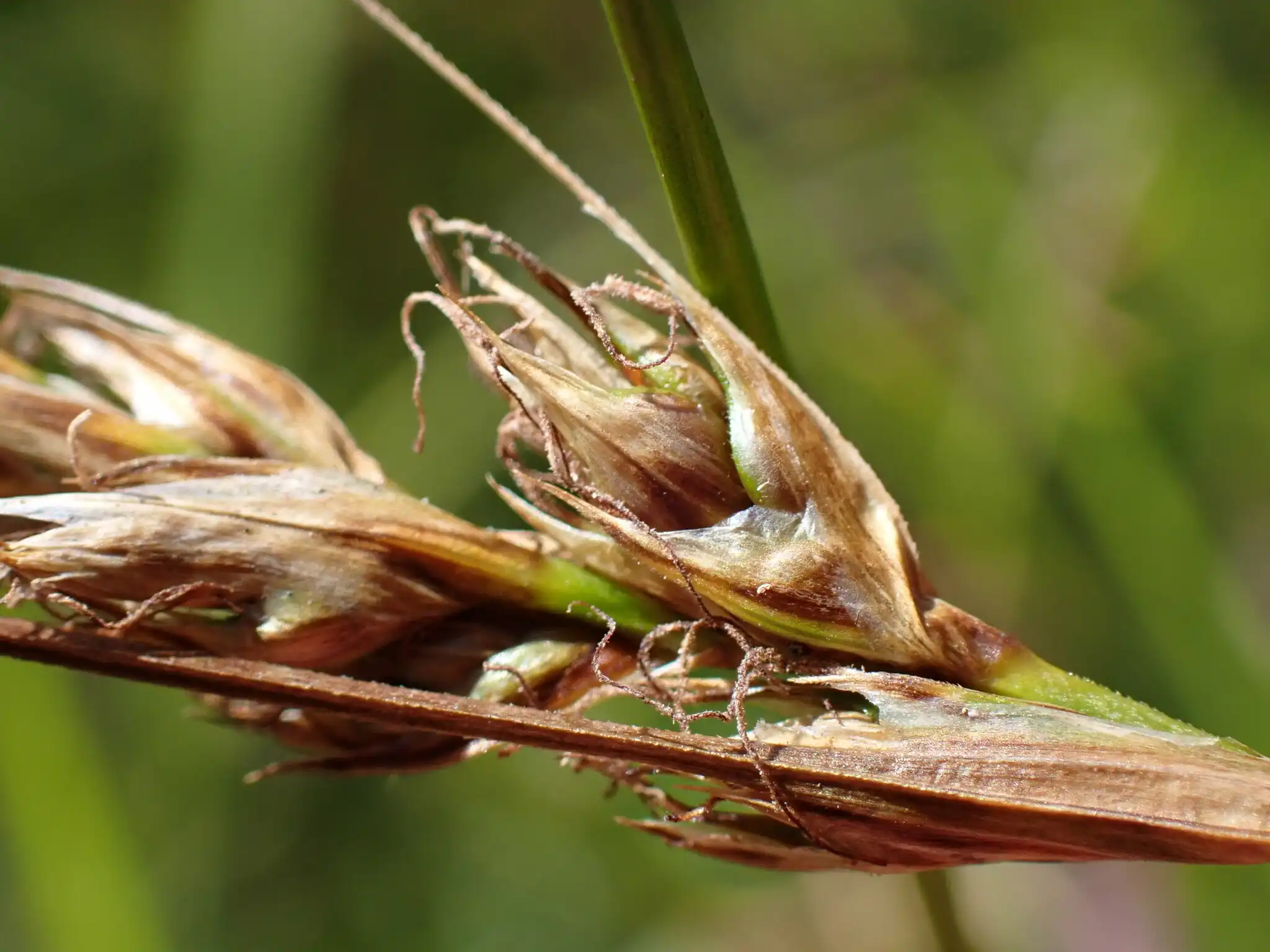
Carex is a vast genus of grass-like plants called sedges, typically found in moist to wet areas. They are distinguished from true grasses by their triangular, solid stems and separate male and female flower spikes.
Carex tumulicola is a versatile West Coast native that forms a tidy, arching clump of fine, dark green foliage. It is highly valued in sustainable landscaping as a drought-tolerant lawn substitute or a graceful groundcover that thrives in sun or part shade.
Uses & Benefits:
Essentials
At a Glance
Plant Type
Grass
Height
18"
Width
21"
Light
Full Sun, Partial Sun
Zones
7, 8, 9, 10
Water
Low to moderate
Humidity
Adaptable
Lifespan
Long-lived perennial sedge
Native To
Western North America
Toxicity
Non-toxic
Bloom period
Mid-spring – Late spring
In flower about 2 months of the year
Planting
How to Grow
- Select a site in sun or light shade with decent drainage.
- Space plants 1 to 2 feet apart depending on desired coverage.
- Dig a hole as deep and twice as wide as the pot.
- Set the plant in the hole with its crown at soil level.
- Backfill with native soil and water well to eliminate air pockets.
- Water regularly for the first season to establish a deep root system.
Pro Tip
For a meadow or lawn look, plant 12-18 inches on center; they will fill in within a few seasons.
Keep It Thriving
Care Guide
Do
- Provide occasional summer water in hot, dry climates for best appearance.
- Cut back annually in late winter or early spring for fresh growth.
- Allow it to self-sow in naturalistic plantings if desired.
- Use as a living mulch under larger shrubs or trees.
Don't
- Do not plant in deep, dry shade where it will struggle.
- Avoid letting it completely dry out for extended periods during establishment.
- Don't worry about fertilizing; it thrives in average soil.
- Do not mistake it for a turfgrass; it tolerates only light foot traffic.
Seasonal Care Calendar
| Task | Jan | Feb | Mar | Apr | May | Jun | Jul | Aug | Sep | Oct | Nov | Dec |
|---|---|---|---|---|---|---|---|---|---|---|---|---|
| Divide | ||||||||||||
| Plant | ||||||||||||
| Spring Cleanup |
Watch Out For
Pests & Diseases
Common Pests
Common Diseases
In the Garden
Landscape Uses & Companions
Landscape Uses
Multiply
Propagation Methods
Good to Know
Common Questions
Foothill Sedge questions
What zones can Foothill Sedge grow in?
Foothill Sedge is hardy in USDA Zones 7–10. Inside that range it survives winter in the ground; outside it, grow it as an annual or a container plant you protect.
Is Foothill Sedge deer resistant?
Yes — Foothill Sedge is rated deer-resistant. Deer typically pass it over, though extreme hunger can override any plant's defenses.
When does Foothill Sedge bloom?
Foothill Sedge typically blooms in mid-spring through late spring. Exact timing shifts a week or two with your zone — Sow's bloom calendar maps it to your garden.
Does Foothill Sedge need full sun?
Foothill Sedge does best in full sun to part shade. In hot climates, afternoon shade keeps blooms fresher longer.
Is Foothill Sedge drought tolerant?
Yes — once established (usually after the first full season), Foothill Sedge handles dry spells with minimal watering. Water deeply its first year to build the root system that makes that possible.
More Carex to compare
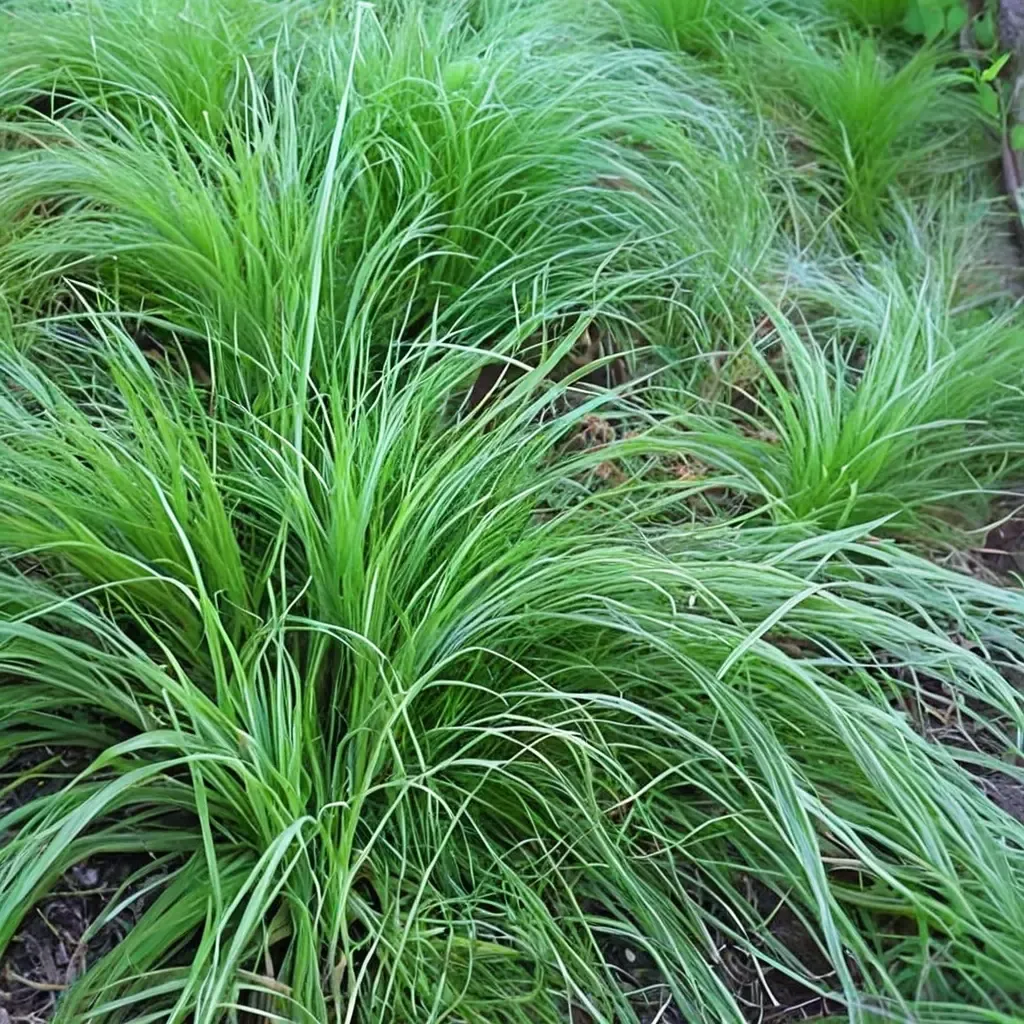
Pennsylvania Sedge
Carex pensylvanica
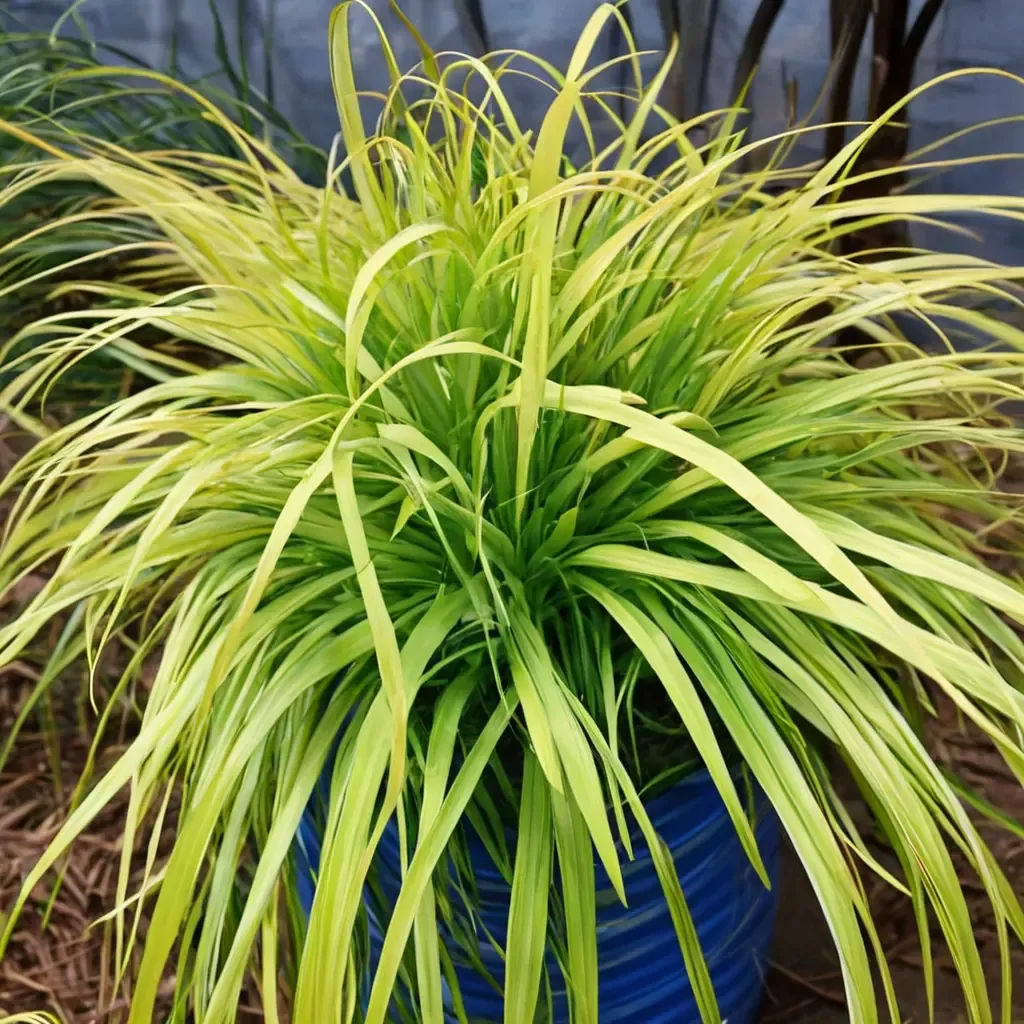
Everillo Sedge
Carex oshimensis 'Everillo'
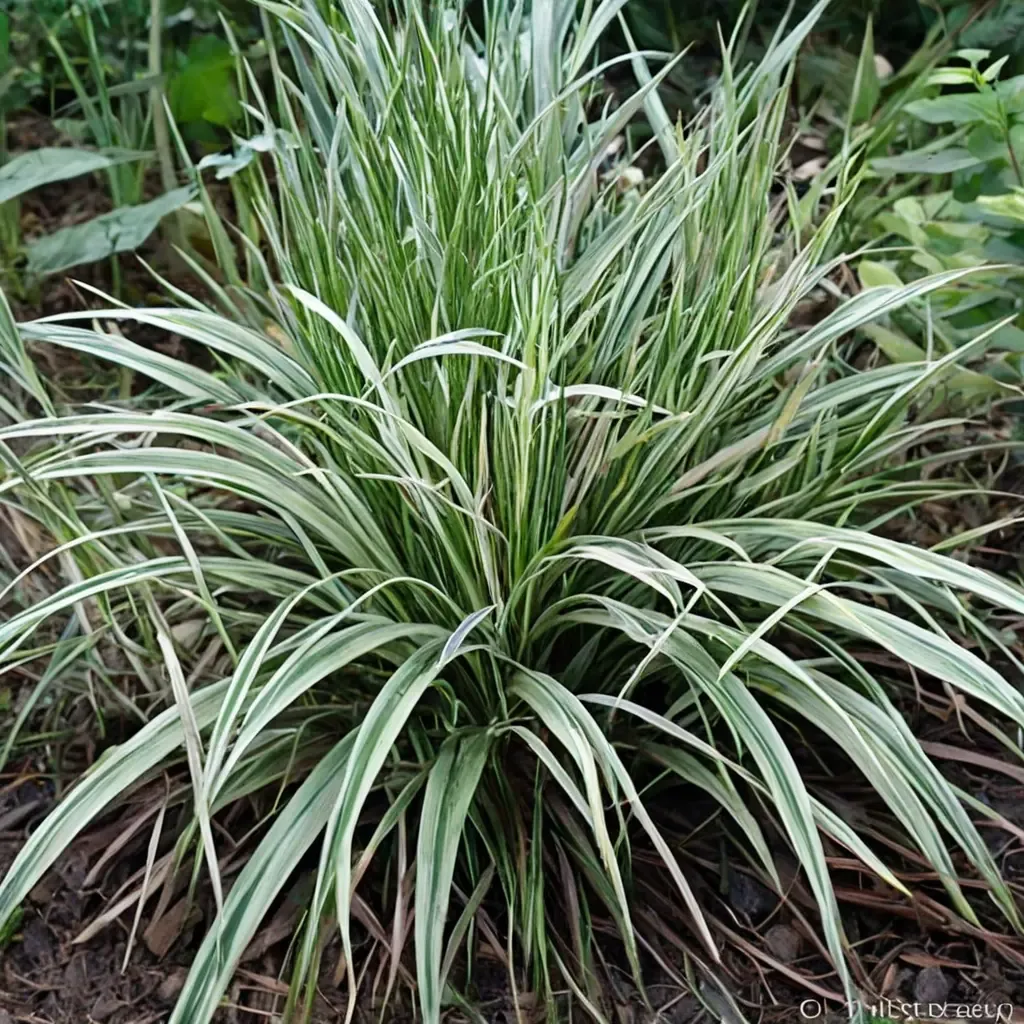
Japanese Sedge
Carex morrowii
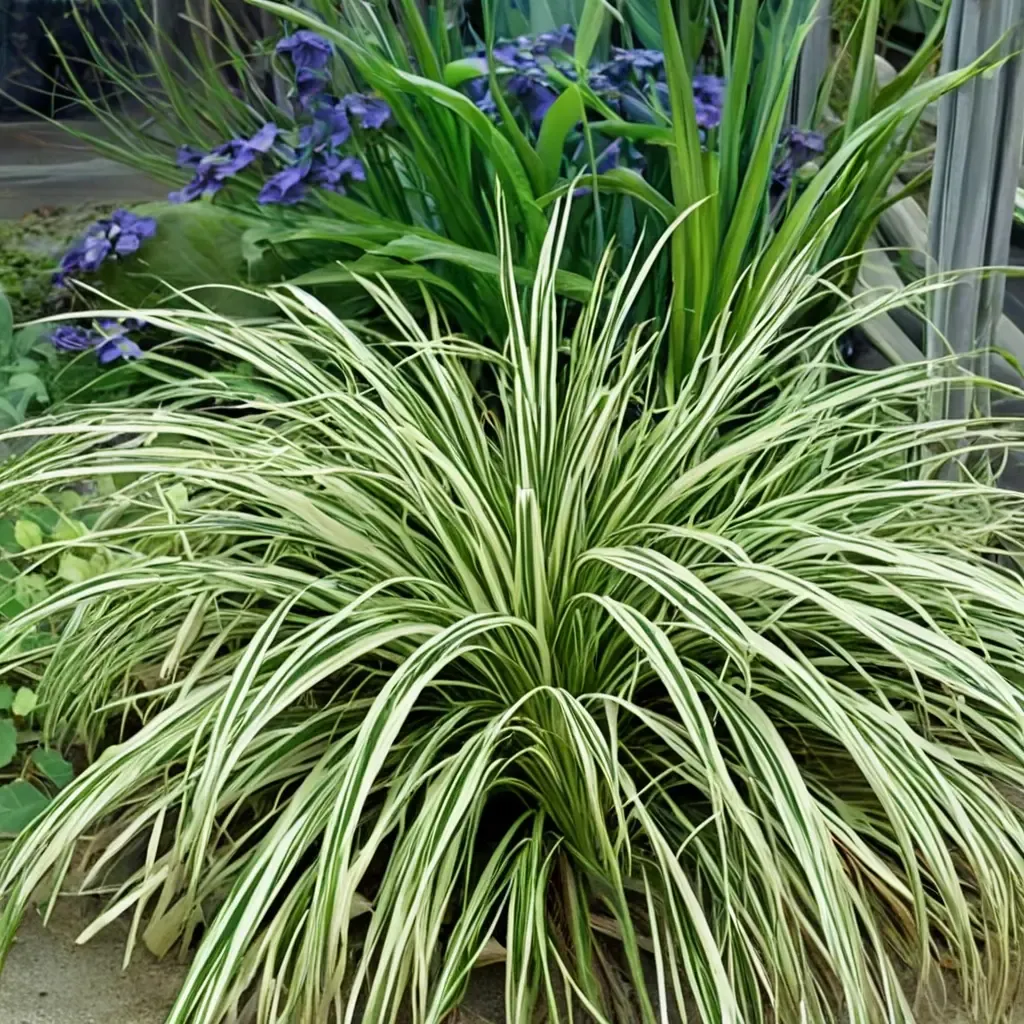
Evergold Japanese Sedge
Carex oshimensis 'Evergold'
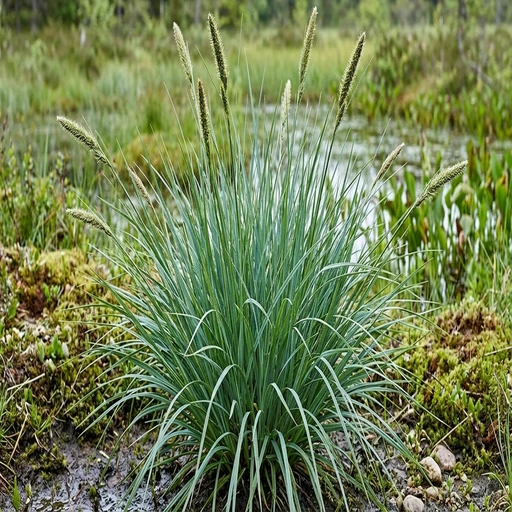
Comosa Sedge
Carex comosa
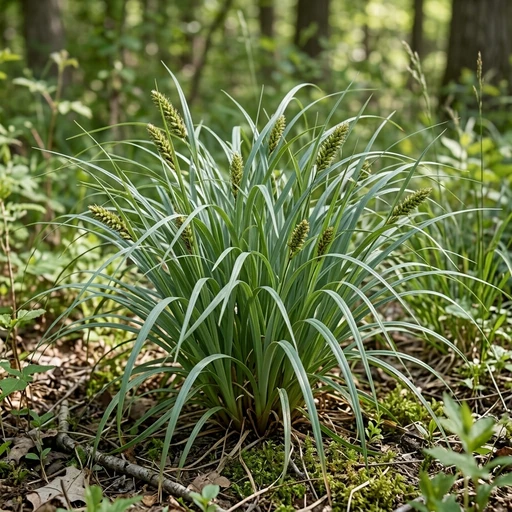
Shortbeak Sedge
Carex brevior
Keep exploring
Explore the genus
Hardy in your zone?
Grow Foothill Sedge with confidence
See it in a design of your actual yard, get zone-matched care reminders, and track it season by season in your garden journal.