The Story
Plant Bio
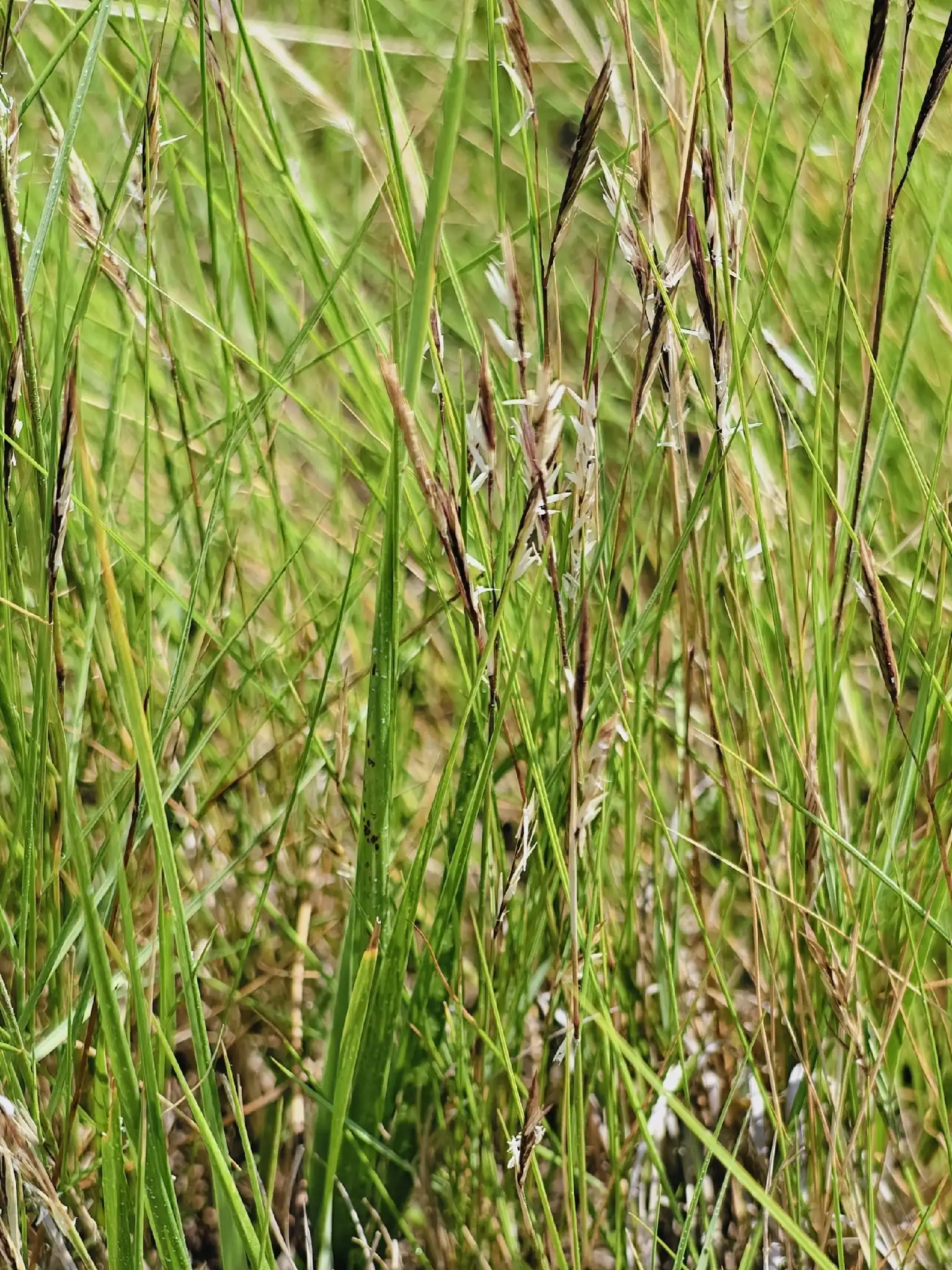
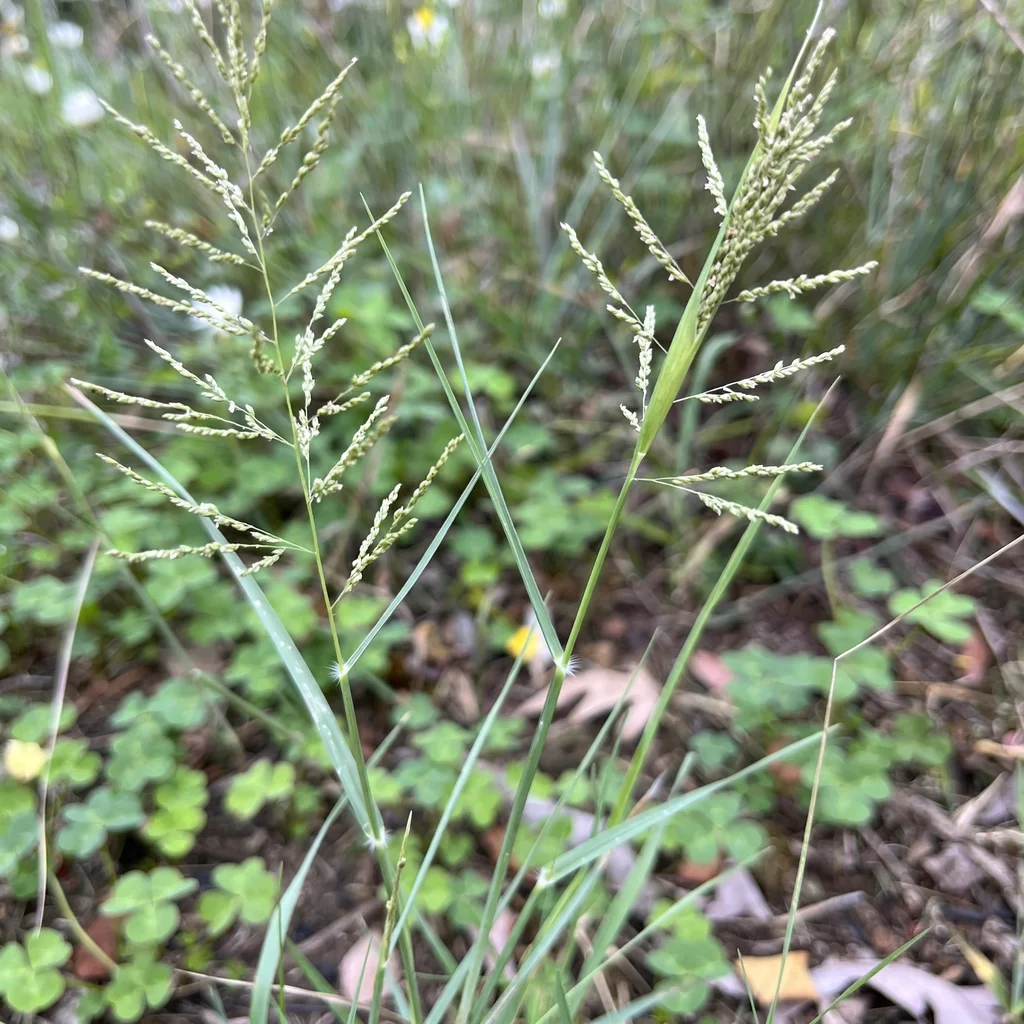
Sporobolus pumilus, commonly known as saltmeadow cordgrass, is a deciduous, warm-season perennial grass native to the coastal salt marshes of North America. It spreads via vigorous underground rhizomes to form dense, wiry mats that effectively bind coastal soils against erosion.
The slender, flexible stems frequently bend under wind or water action, creating a distinctive cowlick or tumbled-field pattern across large plantings. In late fall, the narrow, rolled green foliage cures to a light tan color that persists through the winter.
Uses & Benefits:
Essentials
At a Glance
Plant Type
Grass
Height
36"
Width
36"
Light
Full Sun
Zones
4, 5, 6, 7, 8, 9, 10
Water
High
Humidity
High
Lifespan
Perennial
Native To
Americas
Toxicity
Non-toxic
Bloom period
Late spring – Autumn
In flower about 7 months of the year
Planting
How to Grow
- Select a planting site in full sun with moist, sandy, or loamy soil.
- Dig a hole twice the width of the root ball and set the plant at its original growing depth.
- Water thoroughly after planting to settle the soil around the roots.
- Maintain consistent moisture during the first growing season until the rhizomes establish.
Pro Tip
Confine this grass with deep root barriers if planting near formal garden beds, as the aggressive rhizomes will rapidly overrun adjacent soil.
Keep It Thriving
Care Guide
Do
- Cut the dead foliage back to the ground once a year in late winter before new shoots emerge.
- Install physical root barriers to restrict the spread of rhizomes in confined garden spaces.
- Plant in areas exposed to salt spray or periodic tidal flooding where other grasses fail.
Don't
- Do not apply fertilizer, as this species is adapted to nutrient-poor soils and excess nutrients weaken the stems.
- Do not plant this species on the US Pacific coast where it behaves as an invasive weed.
- Do not shear the foliage frequently during the growing season, which depletes the plant's energy reserves.
Seasonal Care Calendar
| Task | Jan | Feb | Mar | Apr | May | Jun | Jul | Aug | Sep | Oct | Nov | Dec |
|---|---|---|---|---|---|---|---|---|---|---|---|---|
| Divide | ||||||||||||
| Pest Check | ||||||||||||
| Plant | ||||||||||||
| Prune |
Watch Out For
Pests & Diseases
Common Pests
Common Diseases
In the Garden
Landscape Uses & Companions
Landscape Uses
Companion Plants
Multiply
Propagation Methods
Good to Know
Common Questions
Saltmeadow Cordgrass questions
What zones can Saltmeadow Cordgrass grow in?
Saltmeadow Cordgrass is hardy in USDA Zones 4–10. Inside that range it survives winter in the ground; outside it, grow it as an annual or a container plant you protect.
Is Saltmeadow Cordgrass deer resistant?
Not reliably. Deer may browse Saltmeadow Cordgrass, especially tender spring growth — plan on repellents or fencing where pressure is high.
When does Saltmeadow Cordgrass bloom?
Saltmeadow Cordgrass typically blooms in late spring through autumn. Exact timing shifts a week or two with your zone — Sow's bloom calendar maps it to your garden.
Does Saltmeadow Cordgrass need full sun?
Saltmeadow Cordgrass does best in full sun (6+ hours).
Is Saltmeadow Cordgrass drought tolerant?
Yes — once established (usually after the first full season), Saltmeadow Cordgrass handles dry spells with minimal watering. Water deeply its first year to build the root system that makes that possible.
More Sporobolus to compare
Keep exploring
Explore the genus
Grow Saltmeadow Cordgrass with confidence
See it in a design of your actual yard, get zone-matched care reminders, and track it season by season in your garden journal.