Also known as Coyote Brush · 60 saves
Baccharis
Baccharis, the genus most gardeners know as coyote brush. We track 4 varieties; the ones most used by real gardeners.
The 4 most-saved Baccharis varieties
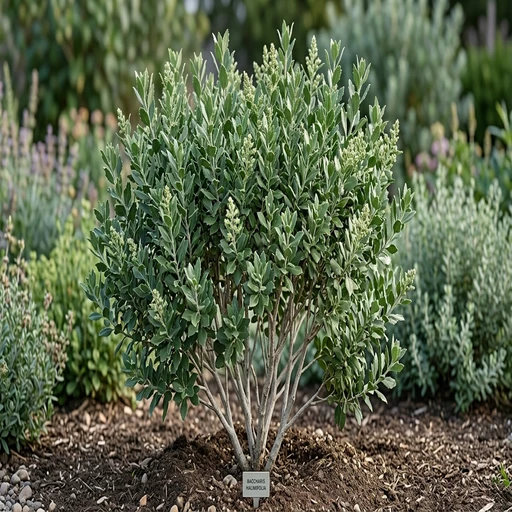
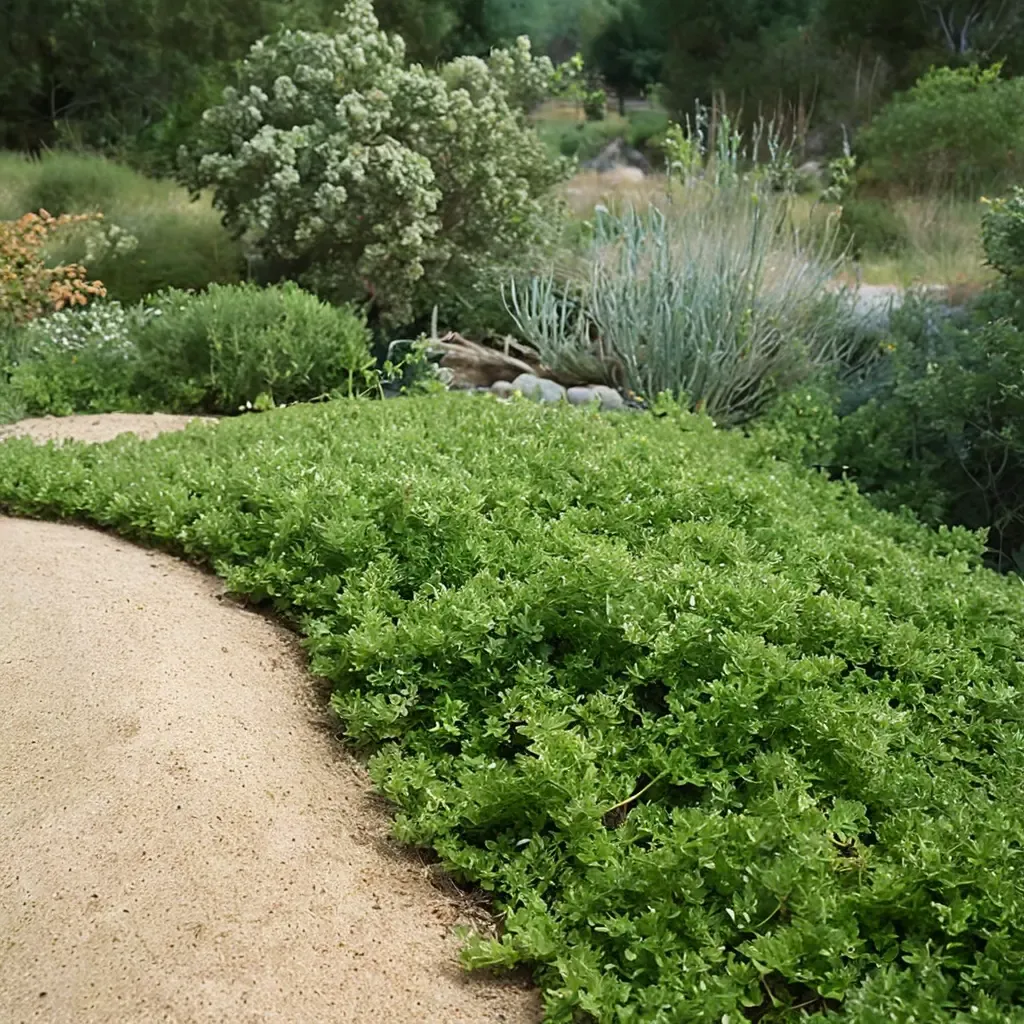
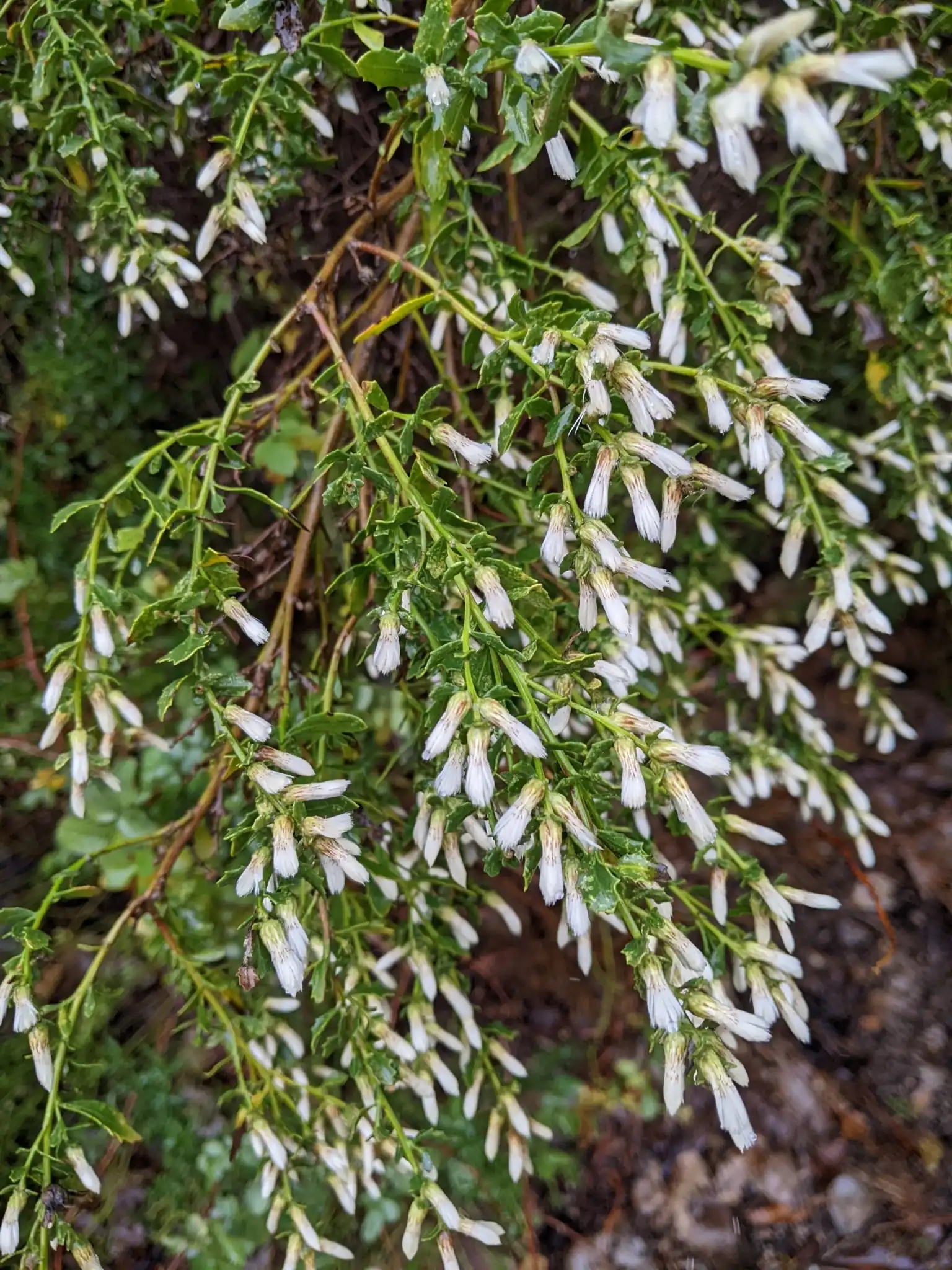
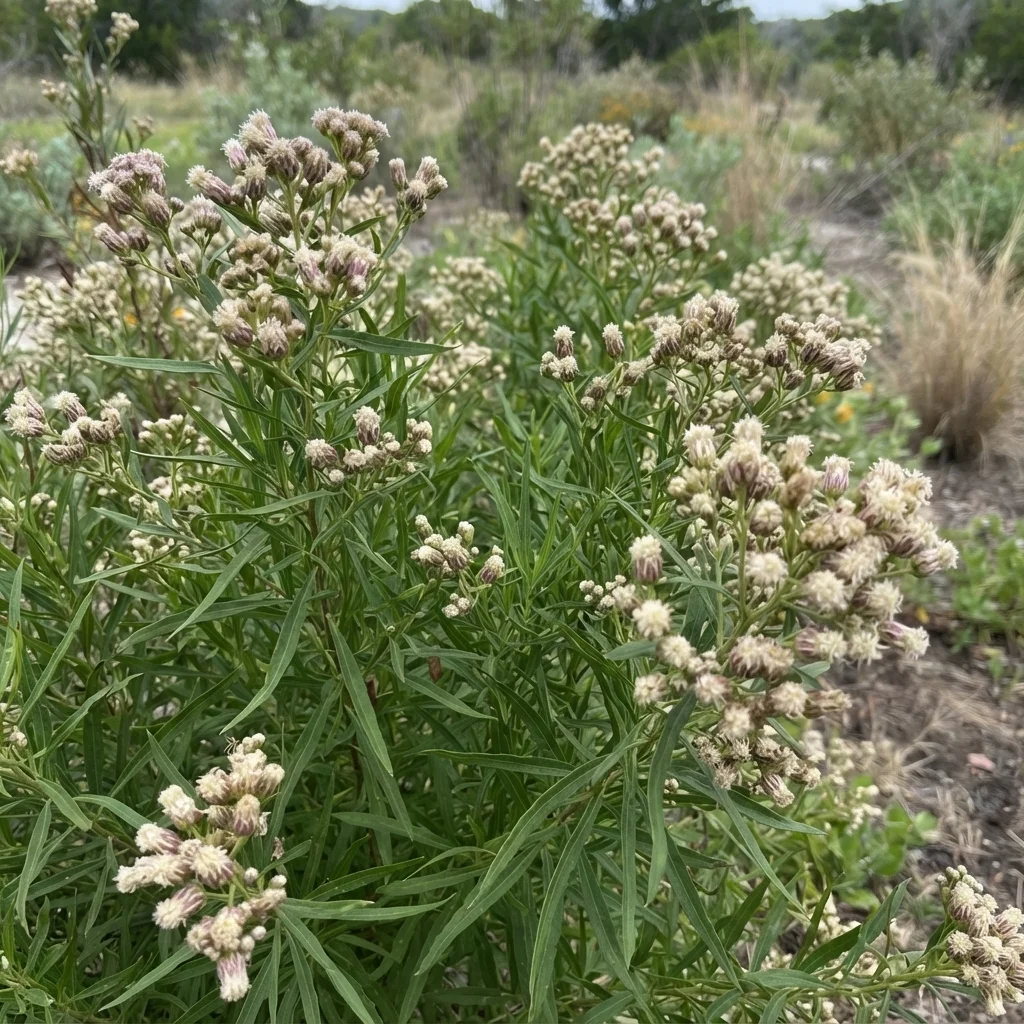
2 species of Baccharis
Each one is a parent of the varieties above.
Track your Baccharis in Sow
Save the Baccharis you grow and get care reminders timed to your zone.
How to grow Baccharis
Whats common across all Baccharis varieties in our catalog — drawn from the care records of the 4 most-grown of them.
The Baccharis year
- PlantApril, October and November100% of varieties
Plant container-grown or bare-root specimens in early spring or late fall when temperatures are mild.
- PruneJanuary–March100% of varieties
Prune stems back in late winter before the spring growth flush to maintain a compact shape.


Do
- Prune annually after the main flowering period to control the rapid growth and maintain a tidy shape.
- Utilize this plant on sloped areas or stream banks where its thicket-forming roots provide excellent erosion control.
- Allow the soil to dry out between waterings once the root system is fully established.
- Plant it in full sun and sharp drainage ☀️
- Shear it lightly each winter ✂️
Avoid
- Do not apply heavy fertilizers, as this species thrives in nutritionally poor soils and excess nutrients cause weak, floppy growth.
- Do not butcher the plant back into old, bare wood, which lacks active buds for clean regrowth.
- Do not plant in poorly drained, boggy soils if the site lacks moving water, as stagnant moisture invites root rot.
- Irrigate it once established ❌
What goes wrong with Baccharis
| Problem | What you'll see | What to do |
|---|---|---|
| Aphids | Clusters of small, soft-bodied insects on tender new shoots, often accompanied by sticky honeydew. | Knock them off with a strong spray of water from a hose, or apply insecticidal soap if the infestation is severe. |
| Spider mites | Fine webbing on the undersides of leaves accompanied by yellow speckling and foliage drop. | Increase local humidity with overhead watering or apply horticultural oil during cooler hours. |
| Generally pest-free | No significant insect damage is typical | Monitor only; no routine treatment needed |
| Baccharis Gall Fly | Small, round galls forming on stems. | Generally harmless and does not require treatment. Prune off affected stems if desired. |
| Powdery mildew | A white, powdery fungal coating on the upper surfaces of leaves, typically during warm, humid weather. | Prune internal branches to improve air circulation and avoid overhead watering late in the day. |
| Root rot | Wilting, yellowing leaves and stem dieback despite wet soil conditions, with mushy, darkened roots. | Improve soil drainage, reduce watering frequency, and ensure the planting site does not hold stagnant water. |
| Rust and sooty mould | Rust pustules on leaves, or a black film following insect residue | Thin growth for air movement; neither is usually damaging |
Making more Baccharis
Stem cuttings
- Take semi-hardwood stem cuttings in mid-summer, selecting healthy, vigorous shoots without flowers.
- Cut the stems into four- to six-inch lengths, removing the leaves from the lower half of each cutting.
- Insert the cut ends into a moist, well-draining propagation mix of sand and perlite.
- Place the cuttings under a plastic tent or mist system to maintain high humidity until roots develop.
Semi-ripe cuttings
- Take firm current-season shoots in late summer.
- Root in a gritty, free-draining mix.
- Pot on once rooted and plant out in autumn.
Baccharis questions
How many types of Baccharis are there?
The Sow catalog tracks 4 distinct Baccharis varieties. The most popular — ranked by 60 real gardeners — are shown first above.
What zones does Baccharis grow in?
Across its varieties, Baccharis covers USDA Zones 5–10. Individual varieties differ — each plant page lists its exact range, and Sow filters the catalog to your zone automatically.
When does Baccharis bloom?
Most Baccharis varieties bloom in late summer, early to mid-fall, summer. Staggering early, mid, and late varieties extends the genus's season in one bed.
Which Baccharis should I choose?
Start from the most-saved varieties above — popularity across thousands of gardens is a strong signal of reliability — then filter by your zone and sun. In the Sow app you can preview any of them in a photo of your actual yard before you buy.