The Story
Plant Bio
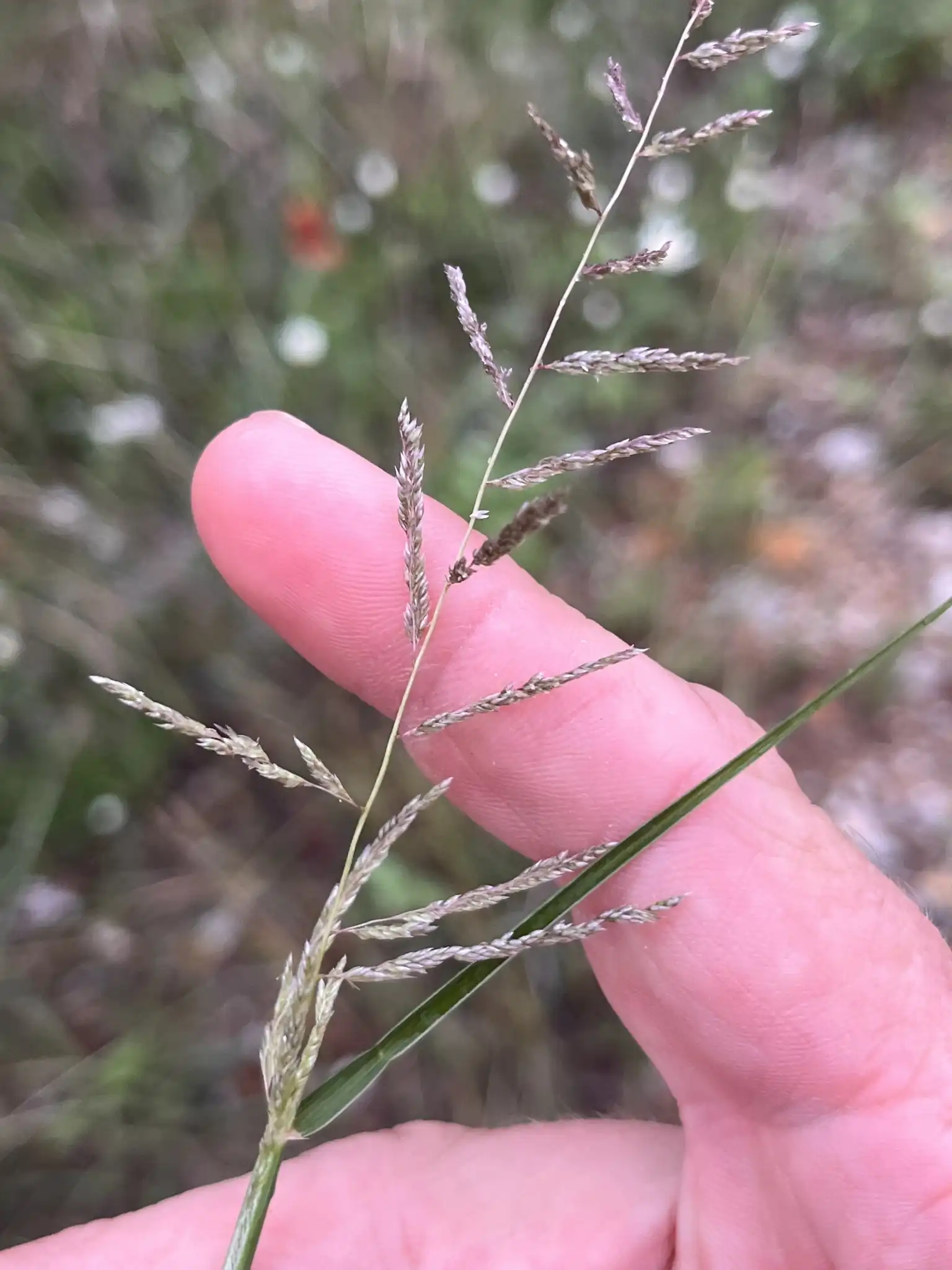
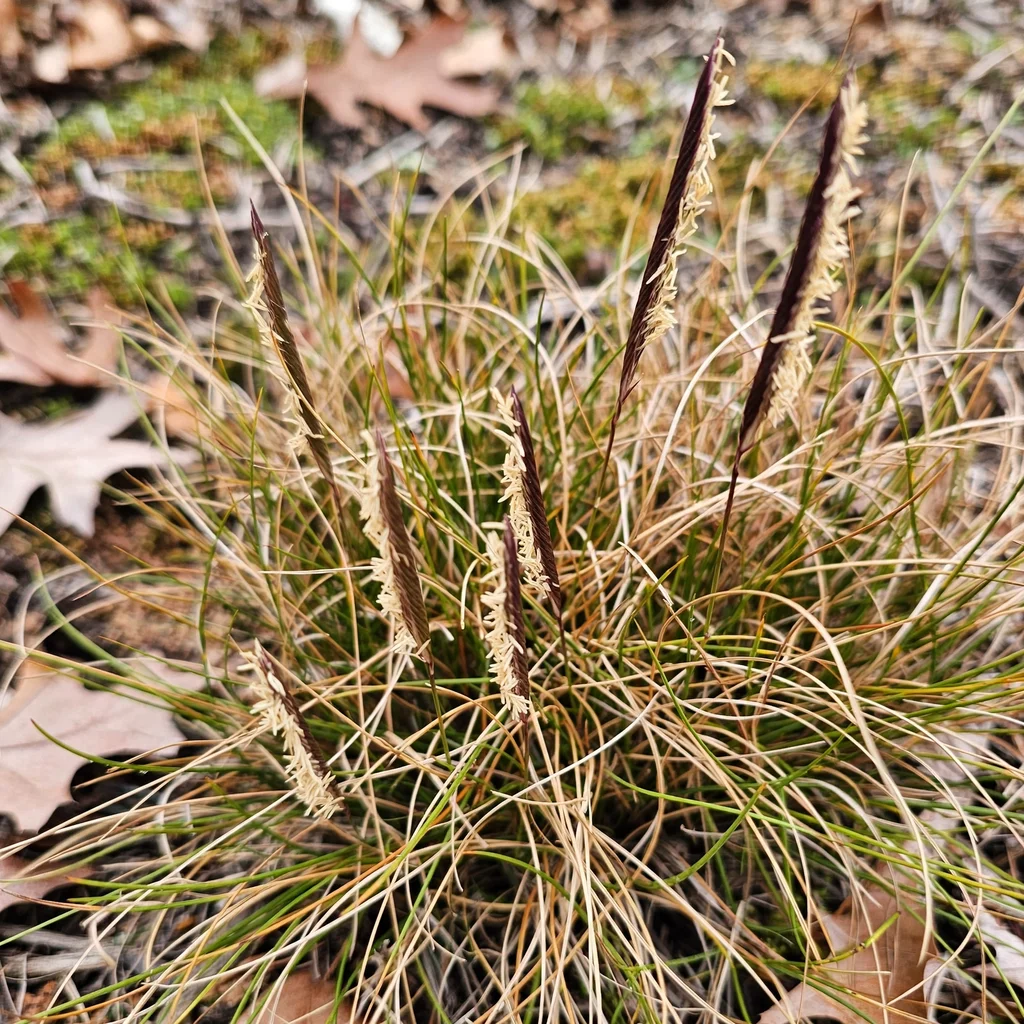
Sporobolus cryptandrus, known as sand dropseed, is a North American warm-season perennial bunchgrass forming tufted clumps up to three feet tall. Its linear leaf blades emerge bright green before maturing to medium green and shifting to shades of yellow and light brown in fall.
A distinct ring of short, white hairs at the leaf collar sets this species apart from similar native grasses. The open, pyramidal panicles often remain partially enclosed within the uppermost leaf sheath prior to full expansion, inspiring the species name cryptandrus.
Uses & Benefits:
Essentials
At a Glance
Plant Type
Grass
Height
35"
Width
24"
Light
Full Sun
Zones
4, 5, 6, 7, 8, 9
Water
Low
Humidity
Moderate
Lifespan
Perennial
Native To
North America
Toxicity
Non-toxic
Bloom period
Summer – Fall
In flower about 6 months of the year
Marketplace
Where to Buy
Shipping costs Year-round shipping Free shipping
Planting
How to Grow
- Select a planting site in full, unshaded sun with coarse, sandy, or well-drained soil.
- Space plants 12 to 24 inches apart to accommodate mature clump spread.
- Water lightly during the initial establishment period and withhold supplemental irrigation thereafter.
- Cut dead foliage back to ground level in late winter before new spring growth emerges.
Pro Tip
Plant in lean, sandy soil in full sun; moisture-retentive garden loam or excess fertilizer weakens the upright stems and causes root rot.
Keep It Thriving
Care Guide
Do
- Plant in full sun and fast-draining, sandy or gravelly soil
- Cut foliage back to the ground in late winter before spring growth begins
Don't
- Do not plant in heavy clay or waterlogged soils
- Do not apply high-nitrogen fertilizers, which cause stems to collapse
Seasonal Care Calendar
| Task | Jan | Feb | Mar | Apr | May | Jun | Jul | Aug | Sep | Oct | Nov | Dec |
|---|---|---|---|---|---|---|---|---|---|---|---|---|
| Pest Check | ||||||||||||
| Propagate | ||||||||||||
| Spring Cleanup | ||||||||||||
| Winter Prep |
Watch Out For
Pests & Diseases
Common Pests
Common Diseases
In the Garden
Landscape Uses & Companions
Landscape Uses
Multiply
Propagation Methods
Good to Know
Common Questions
Sand Dropseed questions
What zones can Sand Dropseed grow in?
Sand Dropseed is hardy in USDA Zones 4–9. Inside that range it survives winter in the ground; outside it, grow it as an annual or a container plant you protect.
When does Sand Dropseed bloom?
Sand Dropseed typically blooms in summer through fall. Exact timing shifts a week or two with your zone — Sow's bloom calendar maps it to your garden.
Does Sand Dropseed need full sun?
Sand Dropseed does best in full sun (6+ hours).
Is Sand Dropseed drought tolerant?
Yes — once established (usually after the first full season), Sand Dropseed handles dry spells with minimal watering. Water deeply its first year to build the root system that makes that possible.
More Sporobolus to compare
Keep exploring
Explore the genus
Grow Sand Dropseed with confidence
See it in a design of your actual yard, get zone-matched care reminders, and track it season by season in your garden journal.