
Species
 Magnolia liliifloraLily Magnolia
2 other cultivars


The Story
Plant Bio
A member of the 'Little Girl' series of hybrid magnolias, developed to bloom later in spring to avoid frost damage. These are typically multi-stemmed, large shrubs or small trees with spectacular floral displays.
'Betty' is prized for its large, goblet-shaped flowers, which are a deep reddish-purple on the outside and creamy white within. It is a profuse bloomer, producing flowers before the leaves emerge for a dramatic effect.
Uses & Benefits:
Essentials
At a Glance
Plant Type
Shrub
Height
180"
Width
180"
Light
Full Sun, Partial Sun
Zones
4, 5, 6, 7, 8
Water
Medium
Humidity
Moderate
Lifespan
40-60 years
Native To
Hybrid
Toxicity
Non-toxic
Bloom period
Mid-spring – Late spring
In flower about 2 months of the year
Planting
How to Grow
- Select a site with well-drained, organically rich, acidic soil.
- Dig a hole as deep as the root ball and two to three times as wide.
- Carefully place the plant in the hole, ensuring it's at the same depth.
- Magnolias have fleshy roots; handle them gently to avoid breakage.
- Backfill with soil, water thoroughly to settle, and remove air pockets.
- Apply a 2-3 inch layer of mulch, keeping it away from the trunk.
Pro Tip
Plant in a location protected from strong winter winds to prevent damage to flower buds and branches.
Keep It Thriving
Care Guide
Do
- Provide consistent moisture, especially during dry periods.
- Mulch annually to protect the shallow root system and conserve water.
- Choose your planting site carefully; magnolias dislike being transplanted.
- Protect young trees from winter sunscald with a tree wrap.
- Allow the plant to develop its natural multi-stemmed shrub form.
Don't
- Do not plant in heavy, wet, or alkaline soils.
- Avoid deep cultivation around the base, as roots are shallow and easily damaged.
- Don't perform heavy pruning; only remove dead or crossing branches.
- Never prune in late summer, fall, or winter, as this removes flower buds.
- Avoid planting in windy, exposed locations.
Seasonal Care Calendar
| Task | Jan | Feb | Mar | Apr | May | Jun | Jul | Aug | Sep | Oct | Nov | Dec |
|---|---|---|---|---|---|---|---|---|---|---|---|---|
| Fertilize | ||||||||||||
| Mulch | ||||||||||||
| Prune |
Watch Out For
Pests & Diseases
Common Pests
Common Diseases
In the Garden
Landscape Uses & Companions
Landscape Uses
Multiply
Propagation Methods
Good to Know
Common Questions
Betty Magnolia questions
What zones can Betty Magnolia grow in?
Betty Magnolia is hardy in USDA Zones 4–8. Inside that range it survives winter in the ground; outside it, grow it as an annual or a container plant you protect.
Is Betty Magnolia deer resistant?
Yes — Betty Magnolia is rated deer-resistant. Deer typically pass it over, though extreme hunger can override any plant's defenses.
When does Betty Magnolia bloom?
Betty Magnolia typically blooms in mid-spring through late spring. Exact timing shifts a week or two with your zone — Sow's bloom calendar maps it to your garden.
Does Betty Magnolia need full sun?
Betty Magnolia does best in full sun to part shade. In hot climates, afternoon shade keeps blooms fresher longer.
More Magnolia to compare
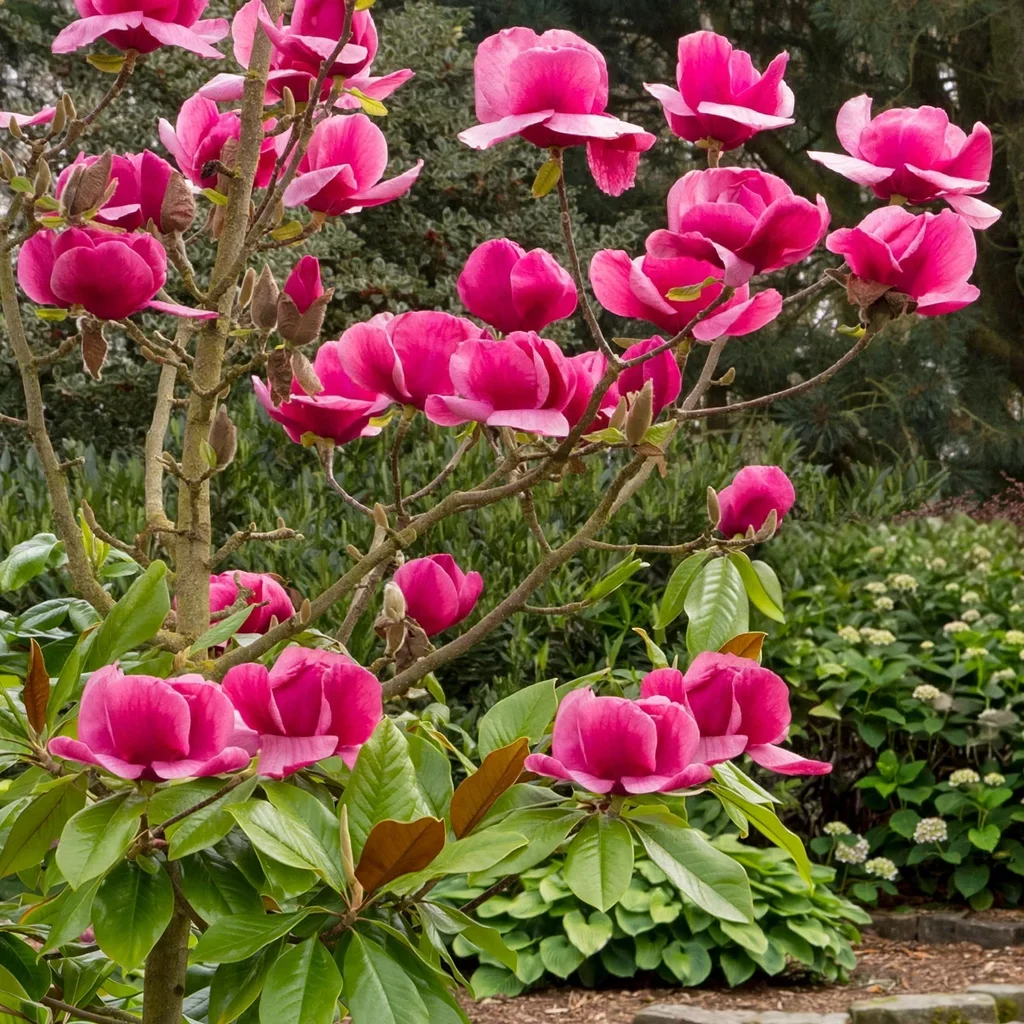
Felix Magnolia
Magnolia grandiflora 'Felix'
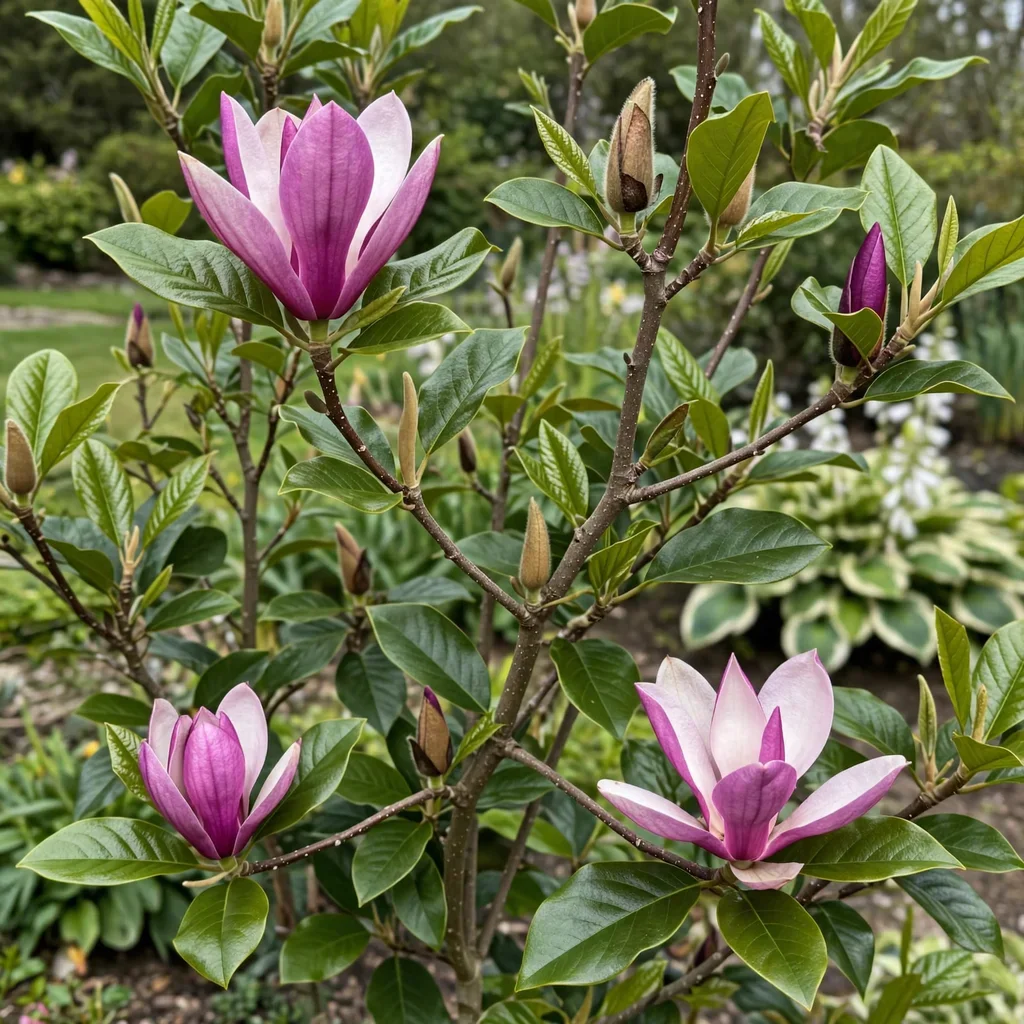
Saucer Magnolia Ann
Magnolia x soulangeana 'Ann'
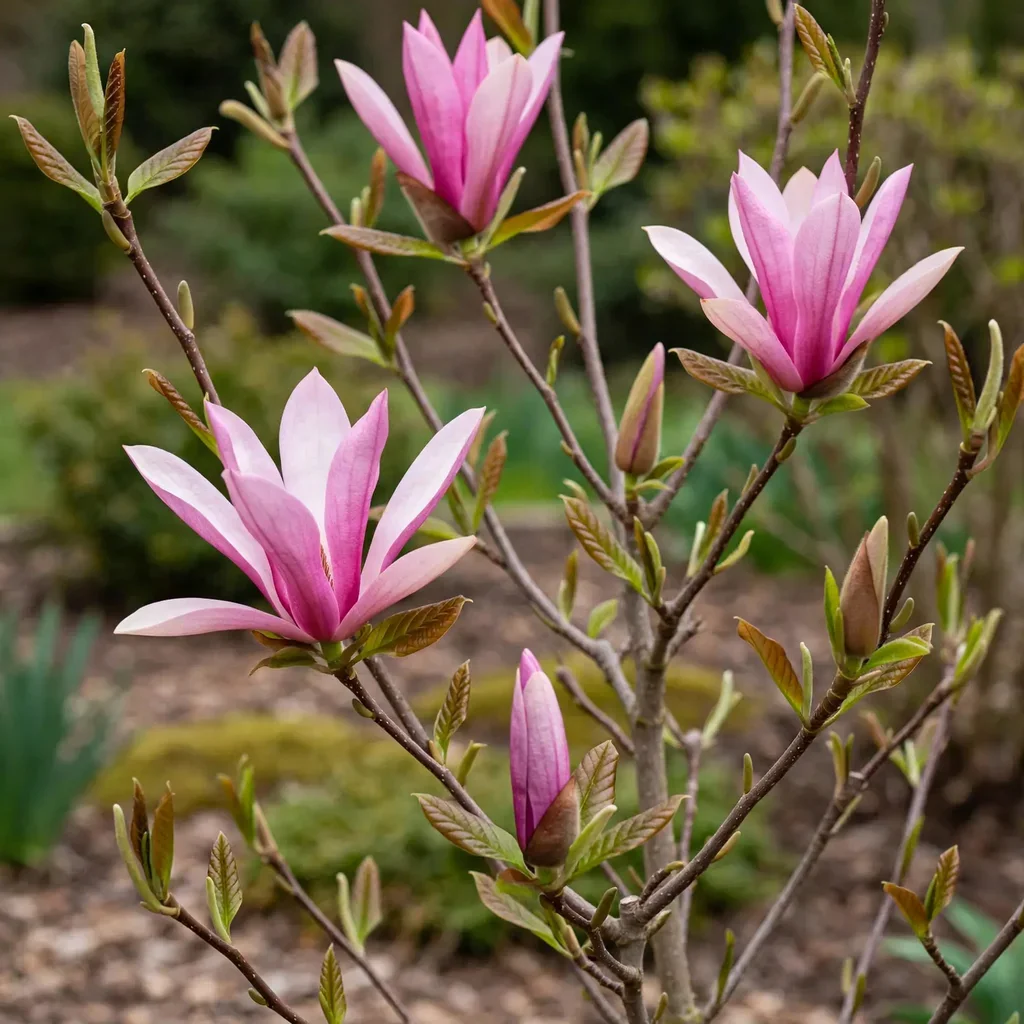
Daybreak Loebner Magnolia
Magnolia stellata 'Daybreak'
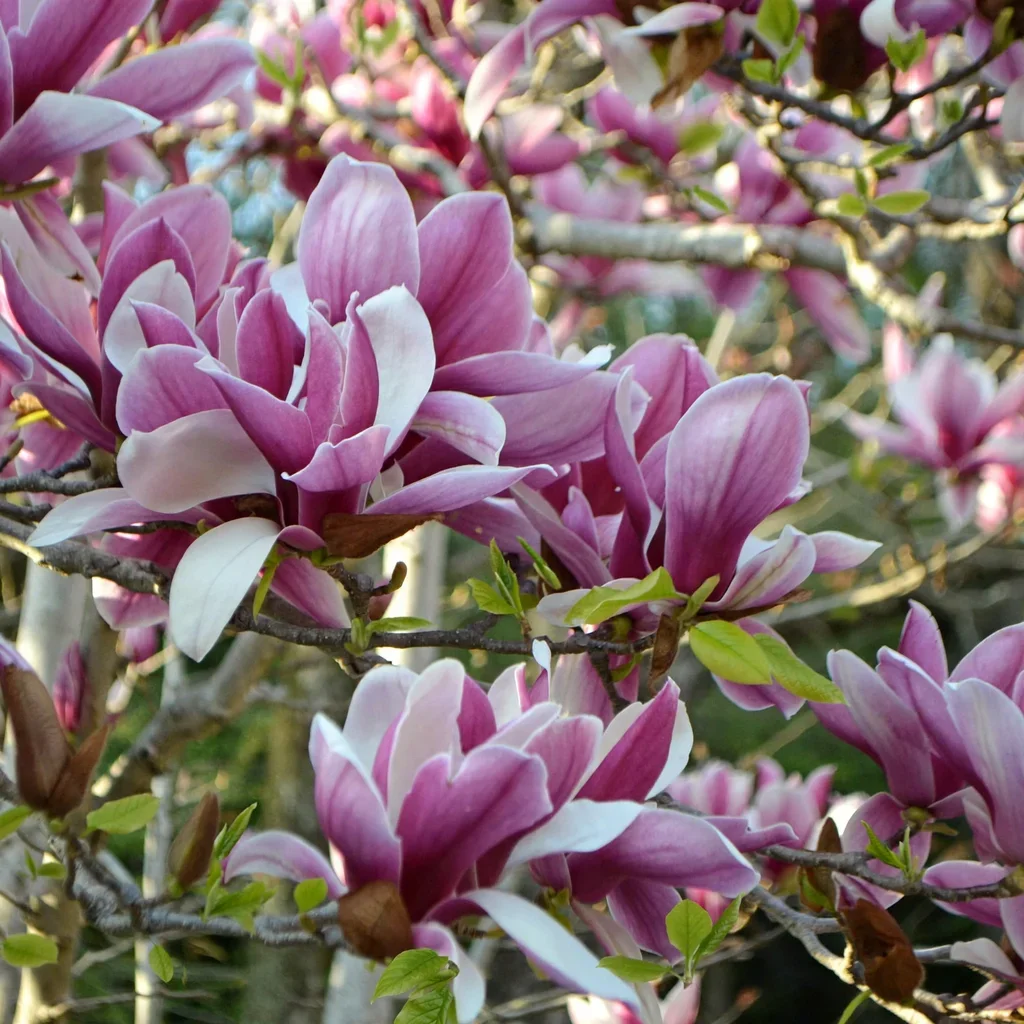
Coppertallica Saucer Magnolia
Magnolia x soulangeana 'Coppertallica'
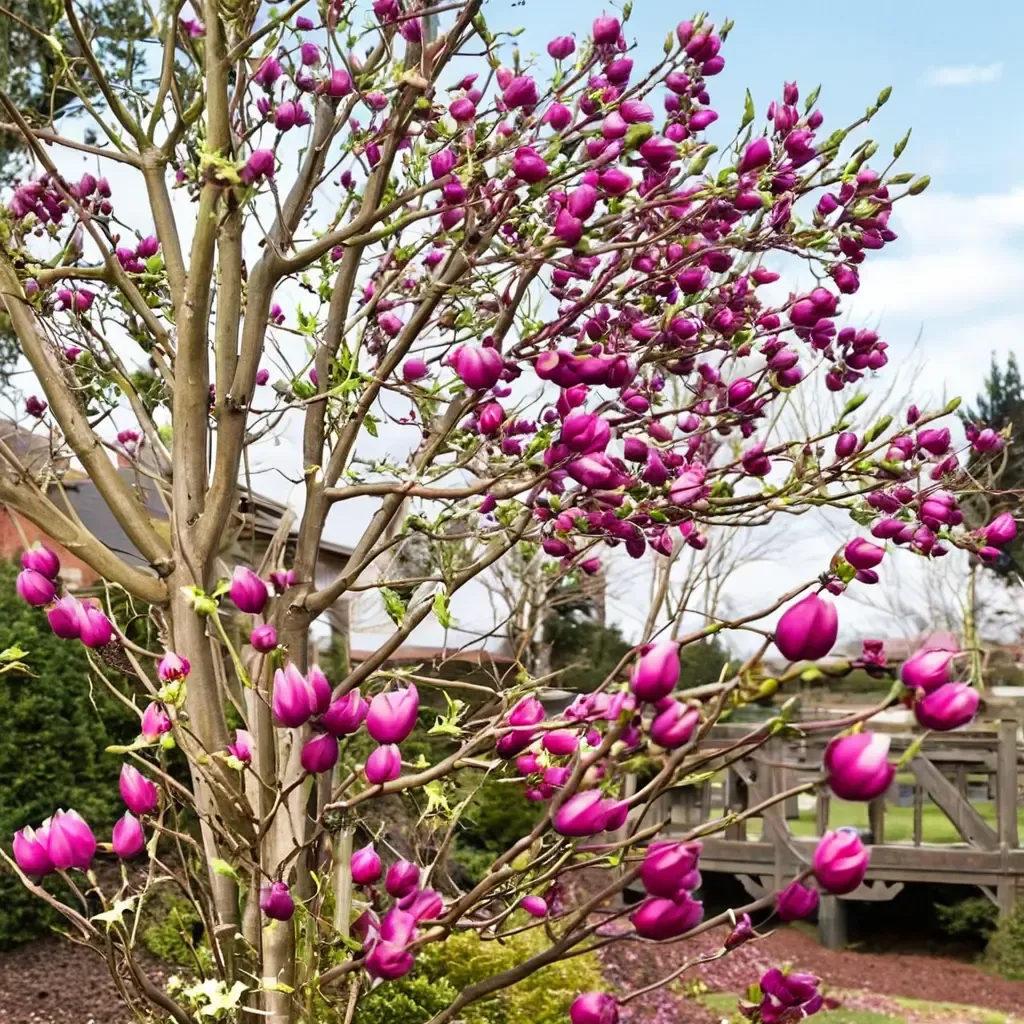
Black Tulip Magnolia
Magnolia x soulangeana 'Black Tulip'
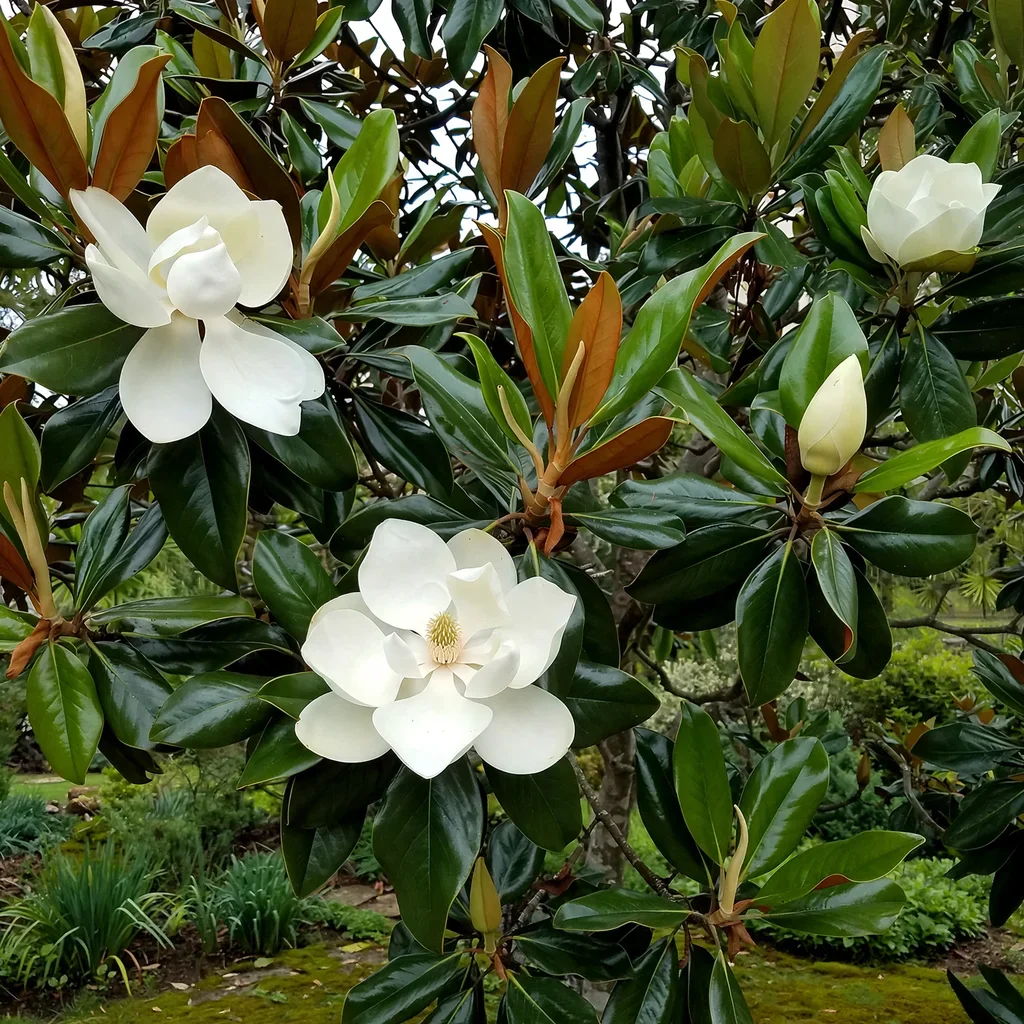
Southern Magnolia
Magnolia grandiflora
Keep exploring
Explore the genus
Hardy in your zone?
Grow Betty Magnolia with confidence
See it in a design of your actual yard, get zone-matched care reminders, and track it season by season in your garden journal.