1 named cultivar
The Story
Plant Bio
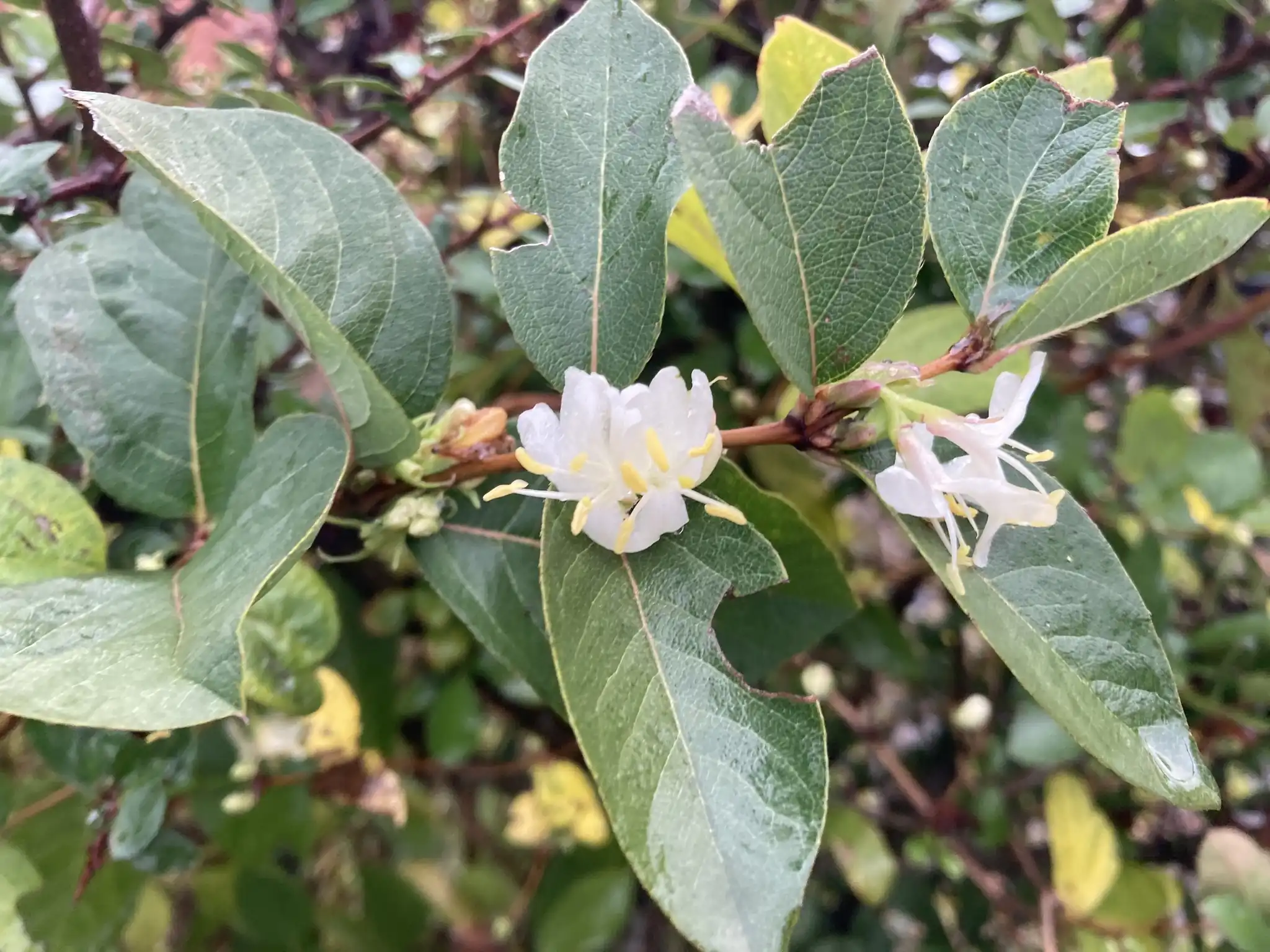
Lonicera fragrantissima, winter honeysuckle, is a rounded semi-evergreen shrub from central and southern China, six and a half to ten feet in both directions. Pale tan exfoliating bark peels in cane-like strips, and small creamy tubular flowers open along the bare stems in late winter, carrying a lemon scent out of all proportion to their size.
The flowers are small and easily missed, but the scent carries across a garden in February, so site it beside a path or door rather than judging it on looks. NCSU flags it as a weed, and it is listed invasive across much of the eastern United States — birds spread the seed into woodland. Native spicebush or Virginia sweetspire fill the same role without escaping.
Uses & Benefits:
Essentials
At a Glance
Plant Type
Shrub
Height
99"
Width
96"
Light
Full Sun, Partial Sun, Shade
Zones
4, 5, 6, 7, 8
Water
Low to moderate
Humidity
Moderate
Lifespan
Perennial
Native To
Central and southern China
Toxicity
Berries are not edible
Planting
How to Grow
- Check your state's invasive listing before planting.
- Consider native spicebush as an alternative.
- Plant in full sun to partial shade in any drained soil.
- Site it near a path or door for the winter scent.
- Prune within a few weeks of flowering.
- Remove berried growth before birds spread it.
Pro Tip
The flowers are so small they go unnoticed — you smell this shrub long before you see it, so site it by a doorway.
Keep It Thriving
Care Guide
Do
- Check local invasive listings first ⚠️
- Site it where the scent is met 👃
- Prune right after flowering ✂️
- Remove berries before birds take them 🐦
Don't
- Plant it near woodland ❌
- Judge it on the size of its flowers ❌
- Prune it in late summer ❌
Seasonal Care Calendar
| Task | Jan | Feb | Mar | Apr | May | Jun | Jul | Aug | Sep | Oct | Nov | Dec |
|---|---|---|---|---|---|---|---|---|---|---|---|---|
| Enjoy | ||||||||||||
| Prune |
Watch Out For
Pests & Diseases
Common Pests
Common Diseases
In the Garden
Landscape Uses & Companions
Landscape Uses
Companion Plants
Multiply
Propagation Methods
Good to Know
Common Questions
Winter Honeysuckle questions
What zones can Winter Honeysuckle grow in?
Winter Honeysuckle is hardy in USDA Zones 4–8. Inside that range it survives winter in the ground; outside it, grow it as an annual or a container plant you protect.
Is Winter Honeysuckle deer resistant?
Yes — Winter Honeysuckle is rated deer-resistant. Deer typically pass it over, though extreme hunger can override any plant's defenses.
When does Winter Honeysuckle bloom?
Winter Honeysuckle typically blooms in late winter to early spring through mid-spring. Exact timing shifts a week or two with your zone — Sow's bloom calendar maps it to your garden.
Does Winter Honeysuckle need full sun?
Winter Honeysuckle does best in full sun to part shade. In hot climates, afternoon shade keeps blooms fresher longer.
More Lonicera to compare
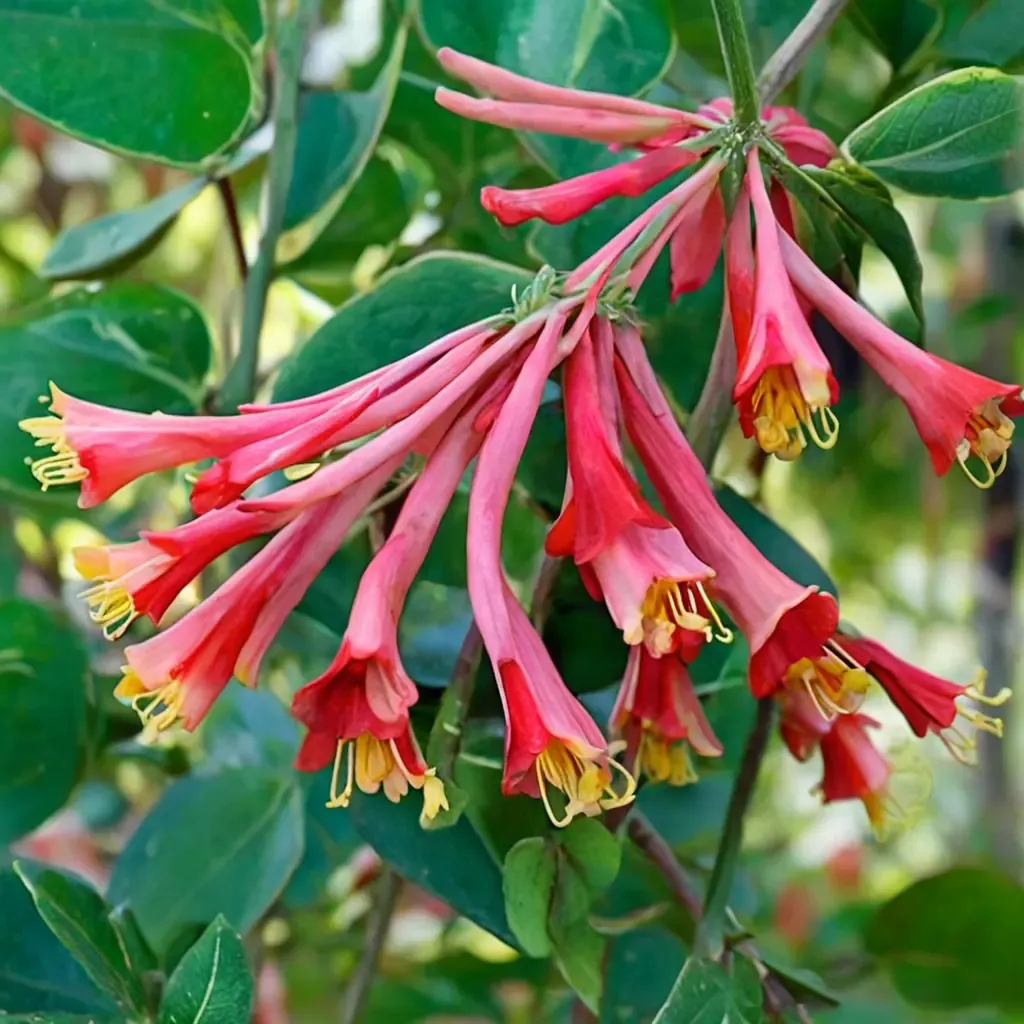
Coral Honeysuckle
Lonicera sempervirens 'Coral Honeysuckle'
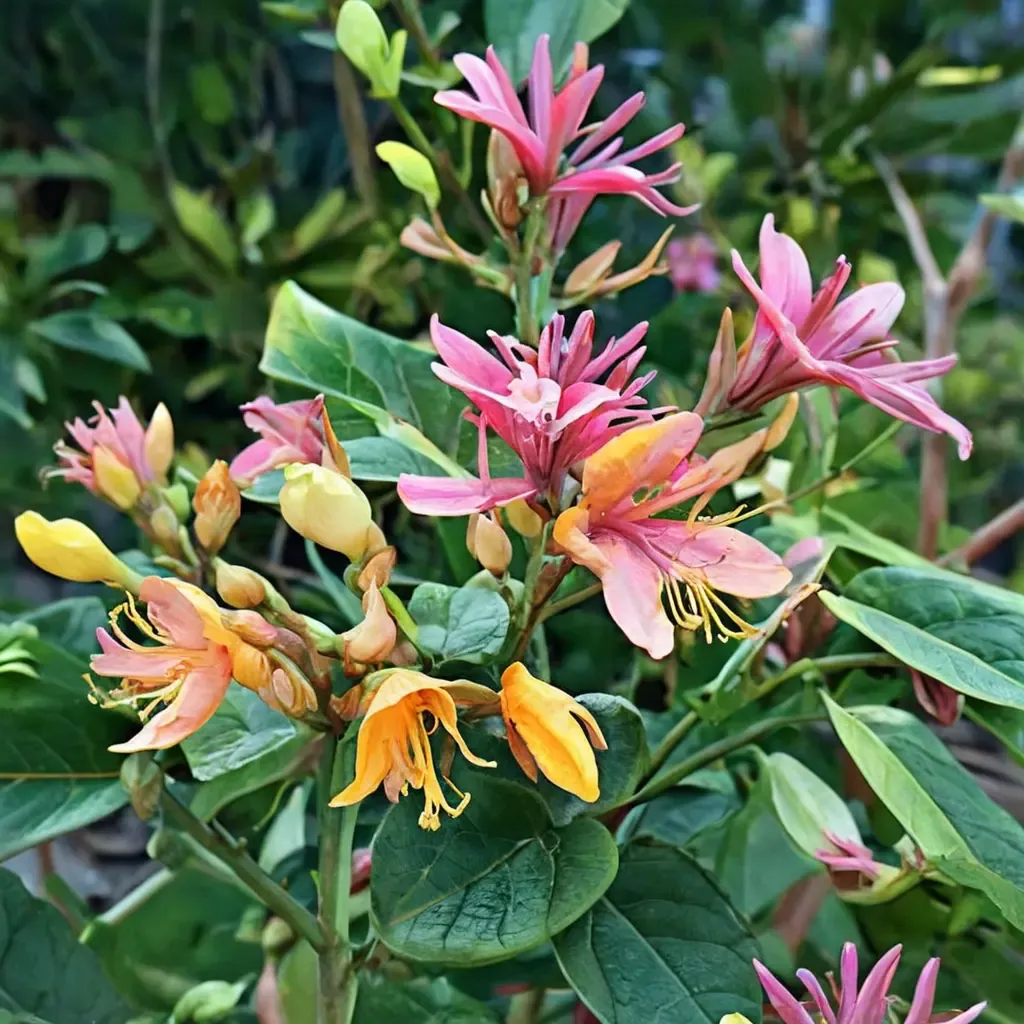
Goldflame Honeysuckle
Lonicera x heckrottii 'Goldflame'
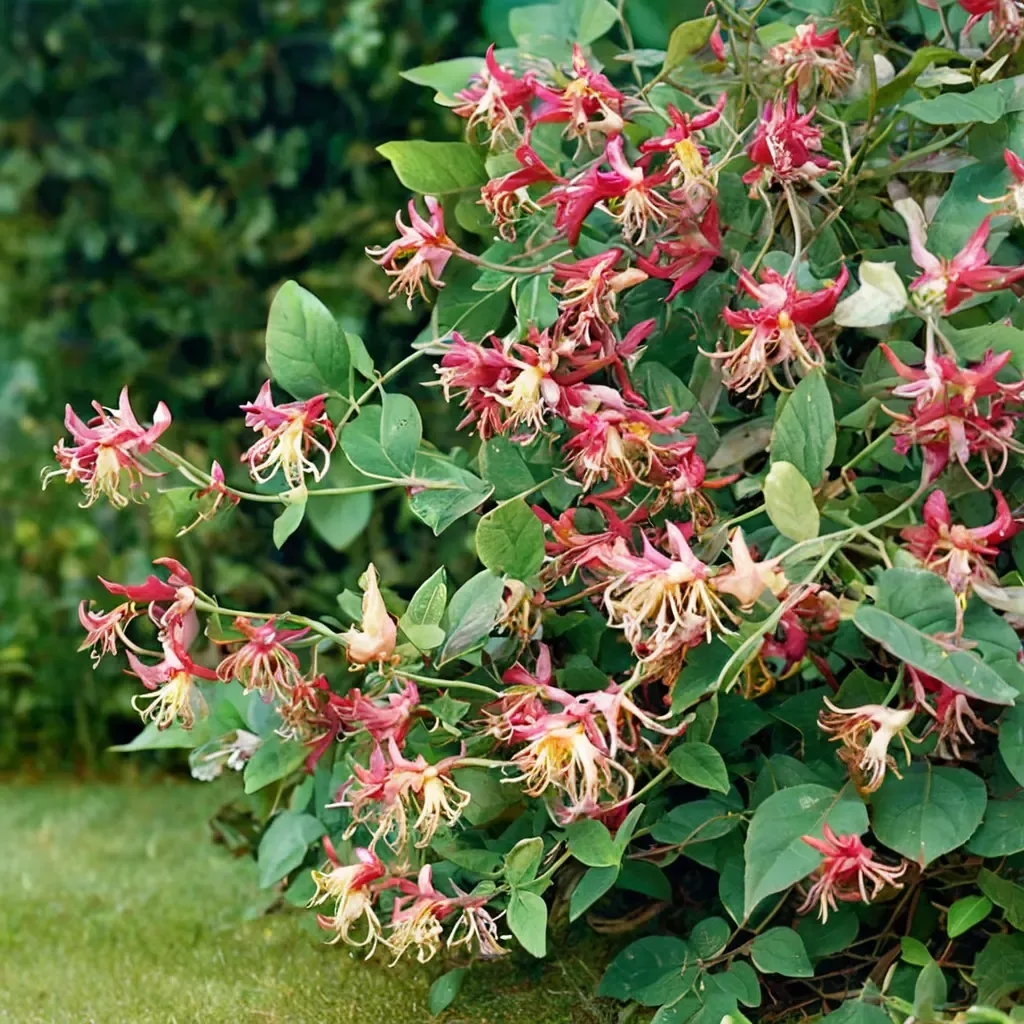
Late Dutch Honeysuckle
Lonicera serotina
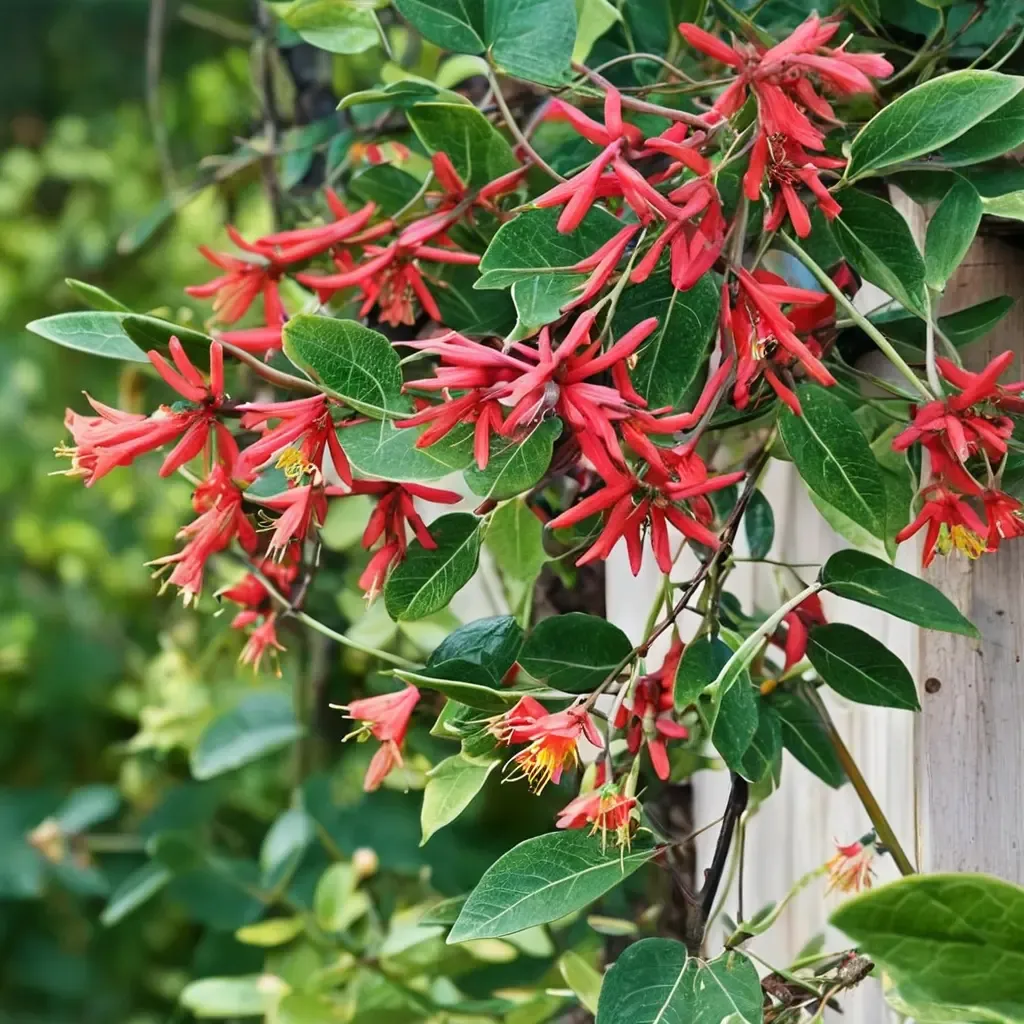
Major Wheeler honeysuckle
Lonicera sempervirens 'Major Wheeler'
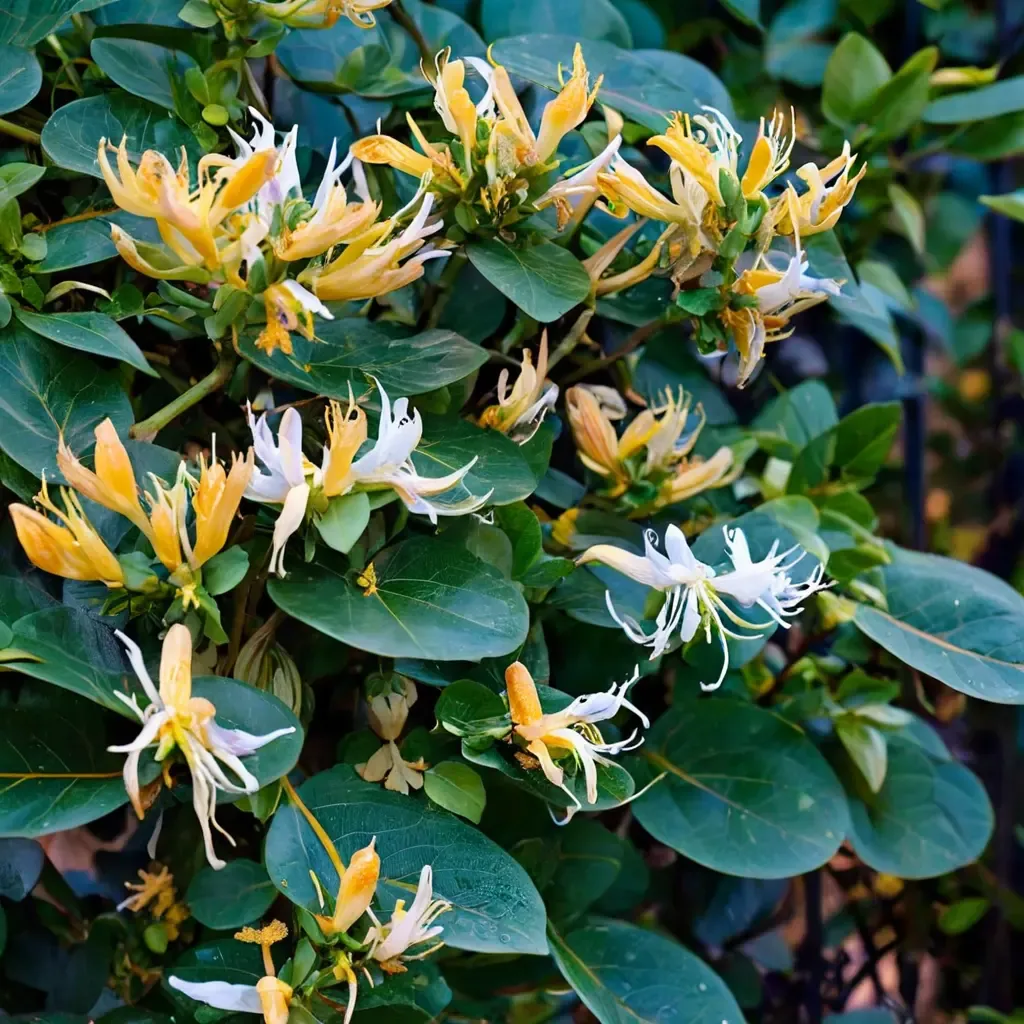
Japanese Honeysuckle
Lonicera japonica
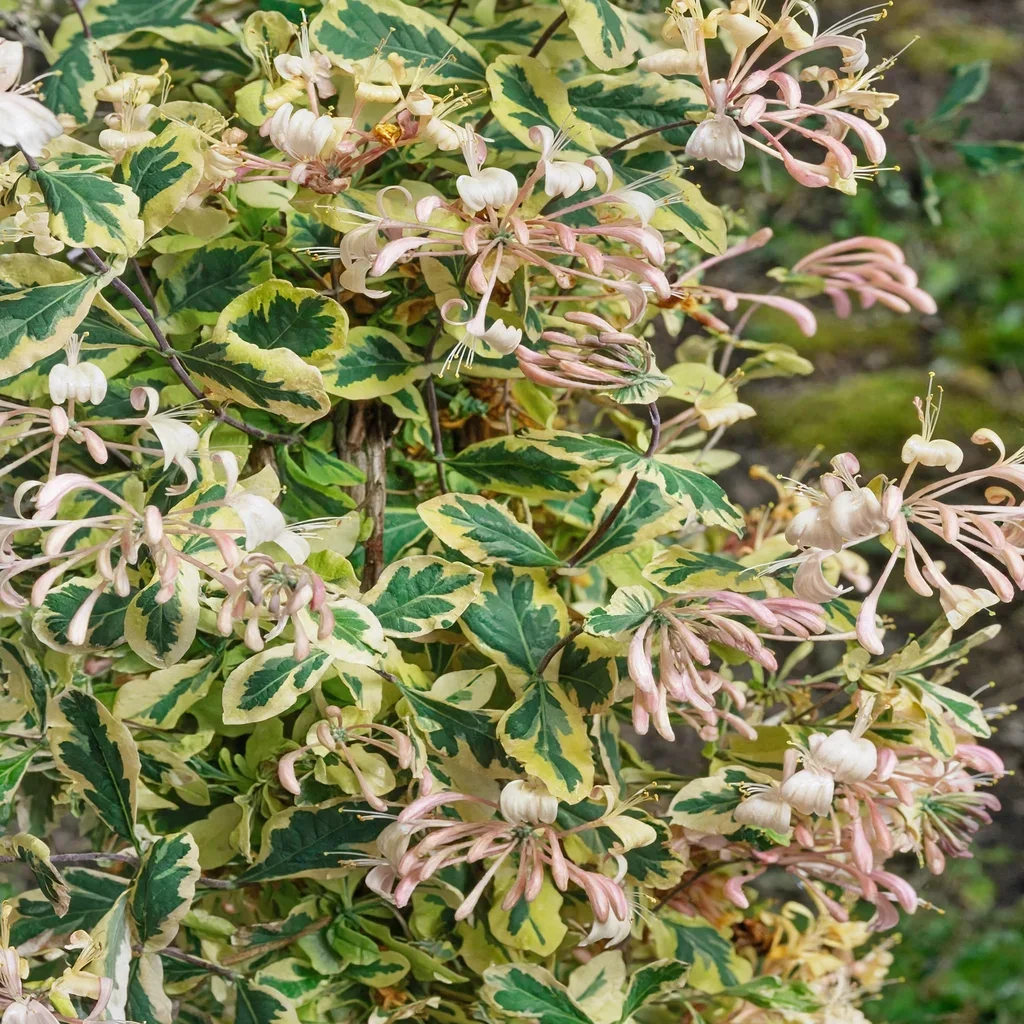
Aurora Honeyberry
Lonicera caudata 'Tundra Aurora'
Keep exploring
Explore the genus
Hardy in your zone?
Grow Winter Honeysuckle with confidence
See it in a design of your actual yard, get zone-matched care reminders, and track it season by season in your garden journal.