The Story
Plant Bio
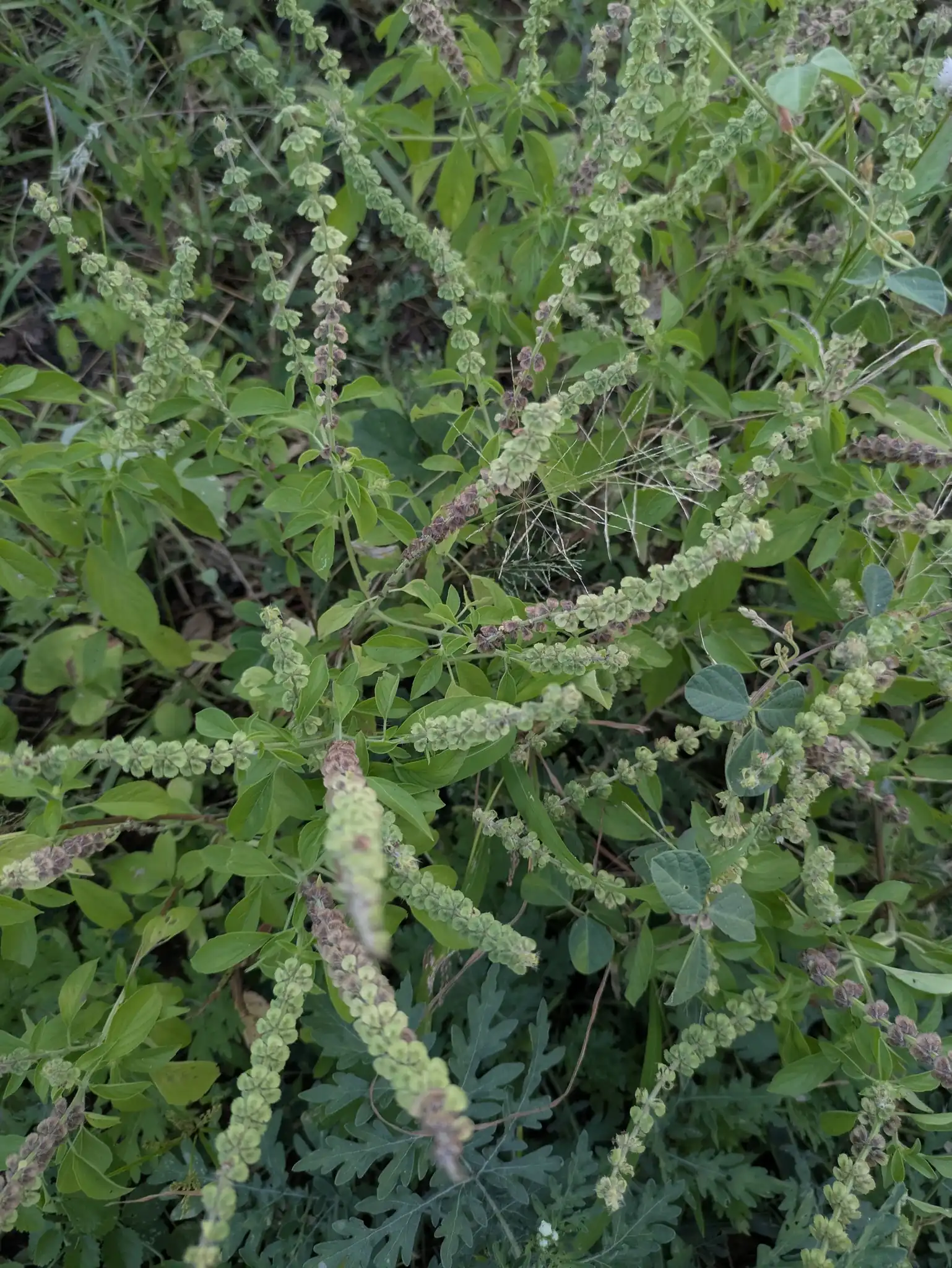
Ocimum americanum, commonly known as hoary basil, is an erect, branching annual or short-lived perennial subshrub with a slender, upright form. The greyish-green to green ovate leaves are strongly aromatic, releasing a sweet spicy, clove, or lemon scent when crushed.
The plant produces terminal racemes of white to pale lavender flowers with hairy calyces throughout summer and fall. Unlike common sweet basil, this species features sparsely hairy foliage with cuneate bases and entire to slightly toothed margins.
Uses & Benefits:
Essentials
At a Glance
Plant Type
Annual
Height
24"
Width
16"
Light
Full Sun
Zones
9, 10
Water
Moderate
Humidity
High
Lifespan
Annual (Perennial in Zones 10-12)
Native To
Africa, Indian subcontinent, China, Southeast Asia
Toxicity
Non-toxic (essential oils may cause mild skin irritation)
Bloom period
Summer – Fall
In flower about 6 months of the year
Planting
How to Grow
- Sow seeds indoors 6 weeks before the last expected spring frost, or direct sow in the garden once soil temperatures exceed 60°F.
- Select a planting site in full sun with fertile, well-draining sandy loam or loam with a neutral pH.
- Space plants 8 to 12 inches apart to ensure adequate air circulation and prevent fungal diseases.
- Water regularly to keep the soil evenly moist but never waterlogged, allowing the top inch of soil to dry out between waterings.
Pro Tip
Pinch back the growing tips every few weeks during active growth to promote a bushy habit and delay flowering; cutting back into old, leafless woody stems prevents regrowth.
Keep It Thriving
Care Guide
Do
- Pinch off flower buds as they appear to prolong the harvesting period and maintain foliage quality.
- Provide excellent drainage to prevent root rot and other soil-borne fungal pathogens.
- Apply a light organic fertilizer every 4 to 6 weeks if growing in containers.
Don't
- Do not overwater or plant in heavy, compacted clay soils that retain standing water.
- Do not cut back into old, woody, leafless stems when pruning, as this prevents regrowth.
- Do not apply high-nitrogen fertilizers, which reduce the concentration of aromatic essential oils.
Seasonal Care Calendar
| Task | Jan | Feb | Mar | Apr | May | Jun | Jul | Aug | Sep | Oct | Nov | Dec |
|---|---|---|---|---|---|---|---|---|---|---|---|---|
| Fertilize | ||||||||||||
| Harvest | ||||||||||||
| Pest Check | ||||||||||||
| Pinch | ||||||||||||
| Plant |
Watch Out For
Pests & Diseases
Common Pests
Common Diseases
In the Garden
Landscape Uses & Companions
Landscape Uses
Companion Plants
Multiply
Propagation Methods
Good to Know
Common Questions
Hoary Basil questions
What zones can Hoary Basil grow in?
Hoary Basil is hardy in USDA Zones 9–10. Inside that range it survives winter in the ground; outside it, grow it as an annual or a container plant you protect.
When does Hoary Basil bloom?
Hoary Basil typically blooms in summer through fall. Exact timing shifts a week or two with your zone — Sow's bloom calendar maps it to your garden.
Does Hoary Basil need full sun?
Hoary Basil does best in full sun (6+ hours).
Is Hoary Basil drought tolerant?
Yes — once established (usually after the first full season), Hoary Basil handles dry spells with minimal watering. Water deeply its first year to build the root system that makes that possible.
More Ocimum to compare
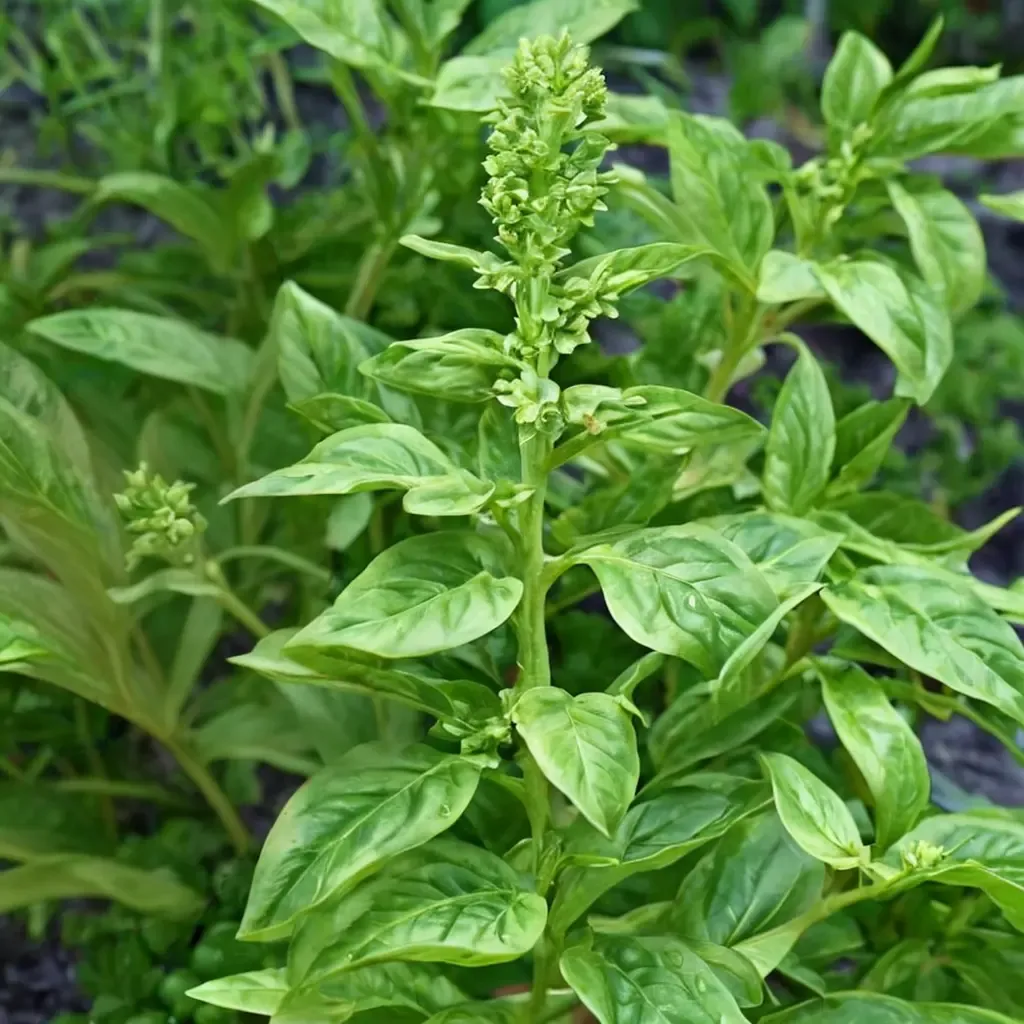
Sweet Basil
Ocimum basilicum 'Sweet Basil'
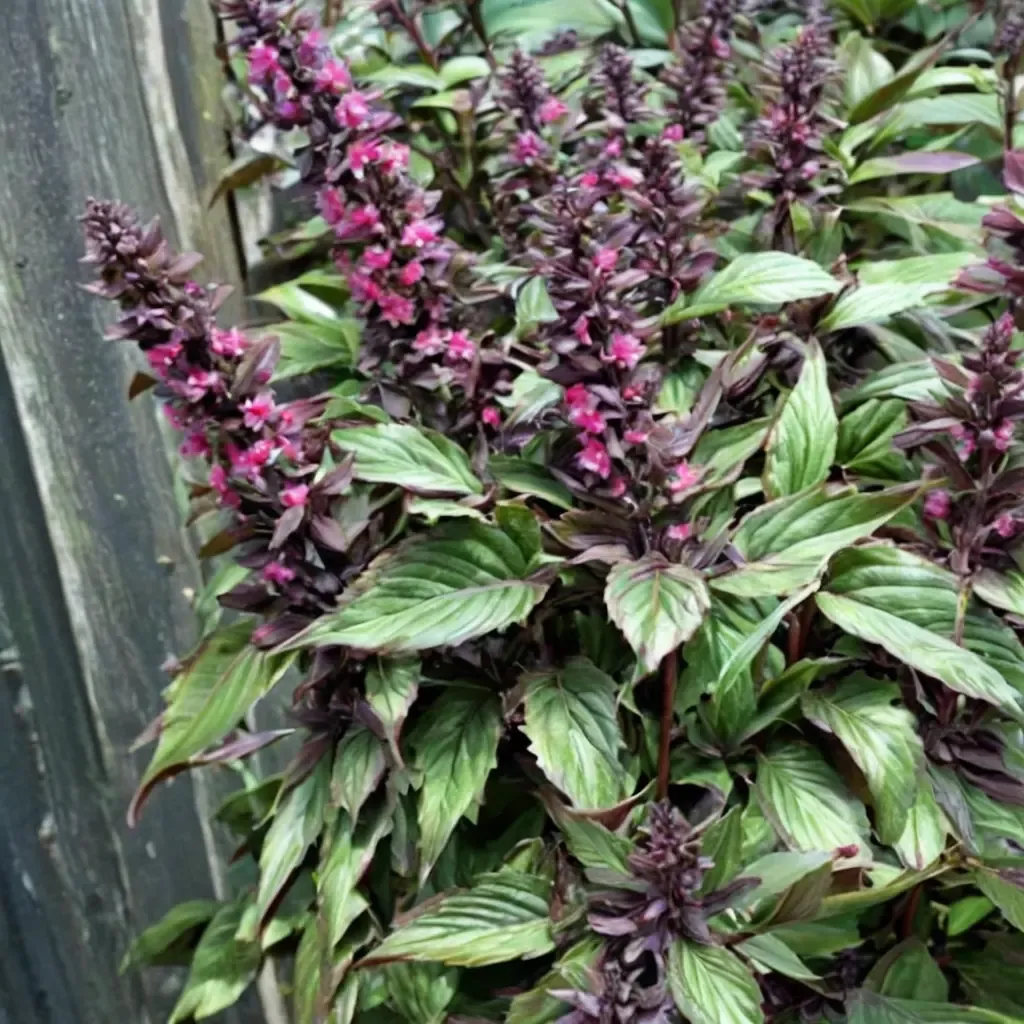
Wild Magic Basil
Ocimum basilicum 'Wild Magic'
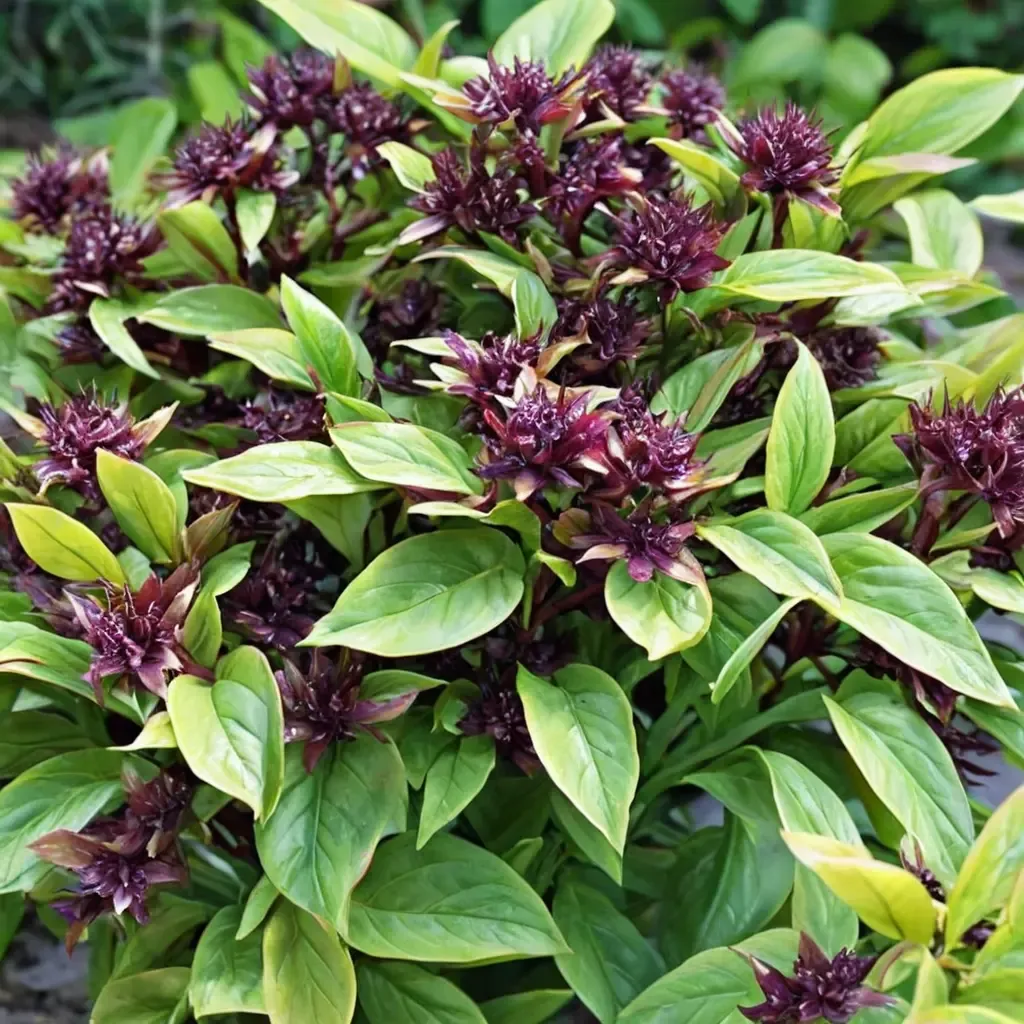
Thai Basil
Ocimum basilicum 'Thai Siam Queen'
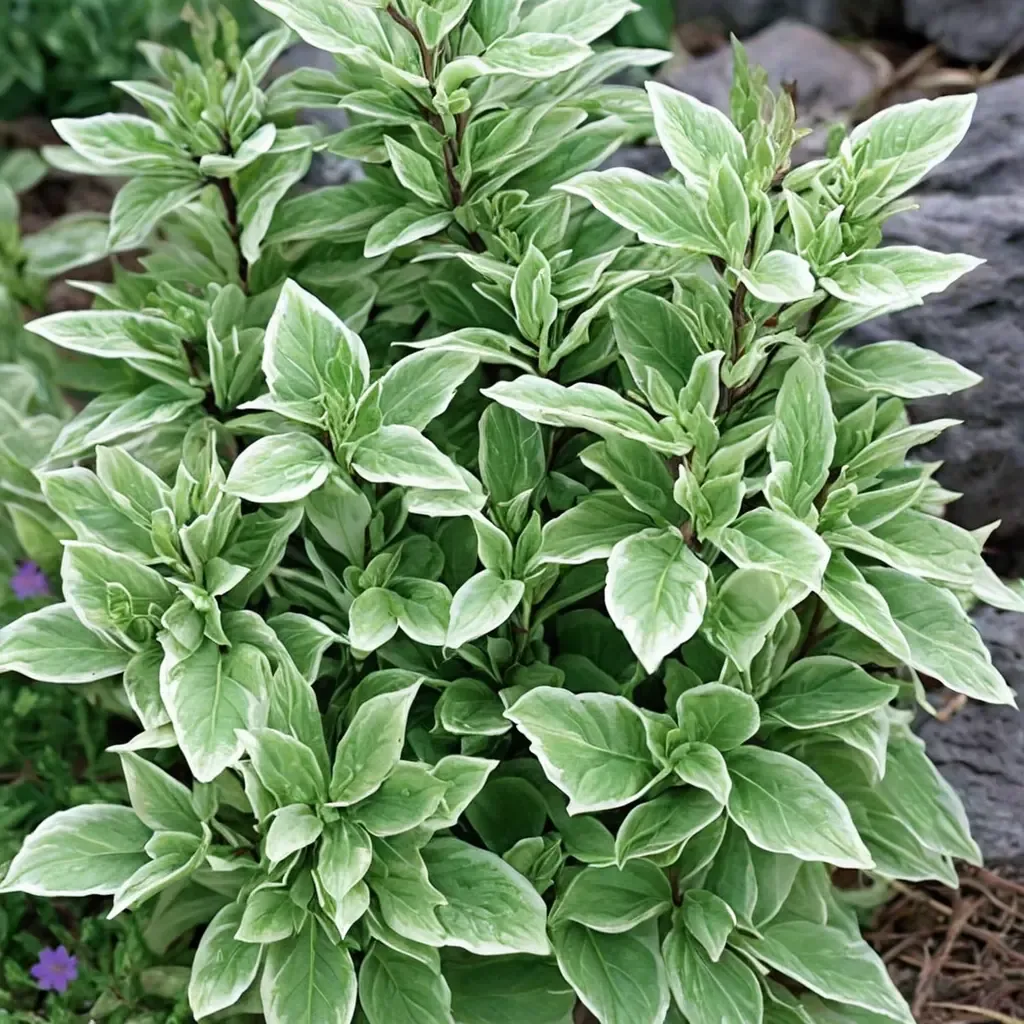
Pesto Perpetuo Basil
Ocimum basilicum 'Pesto Perpetuo'
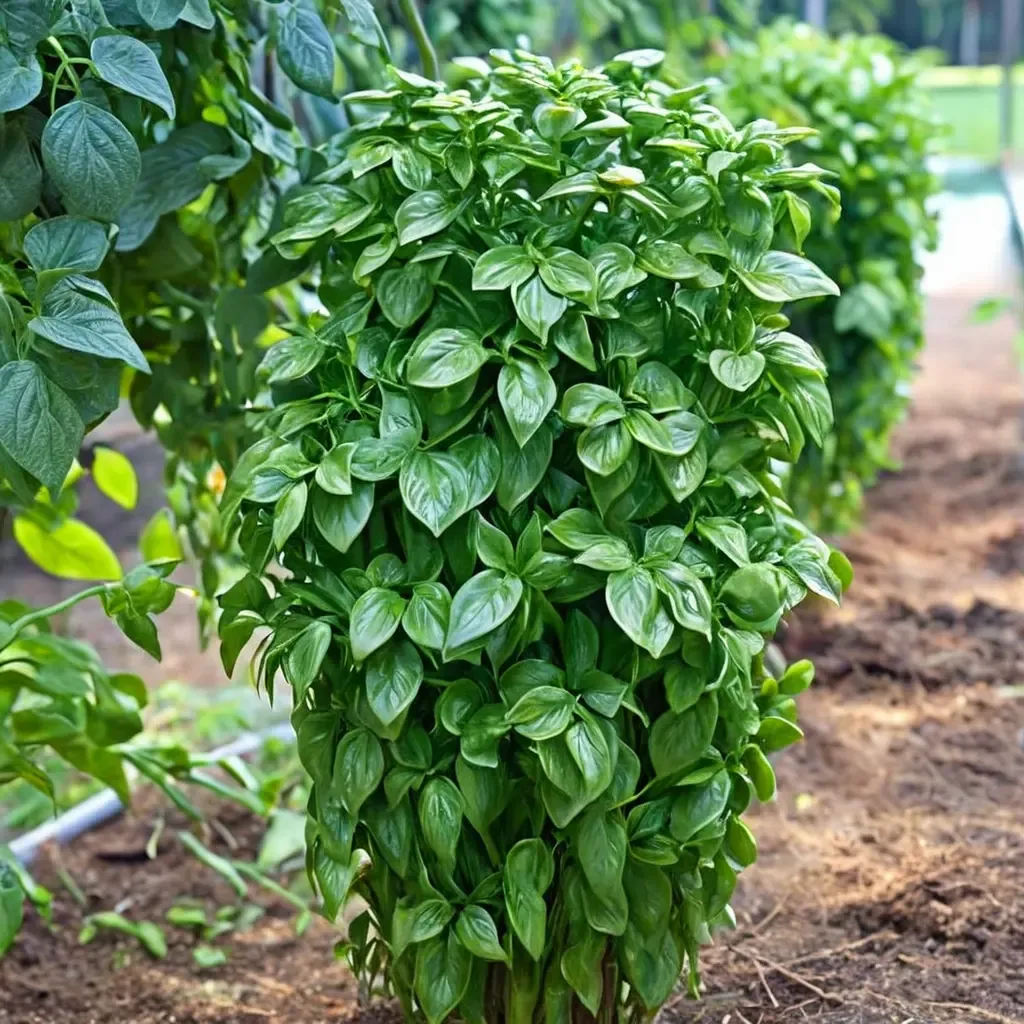
Emerald Towers Basil
Ocimum basilicum 'Emerald Towers'
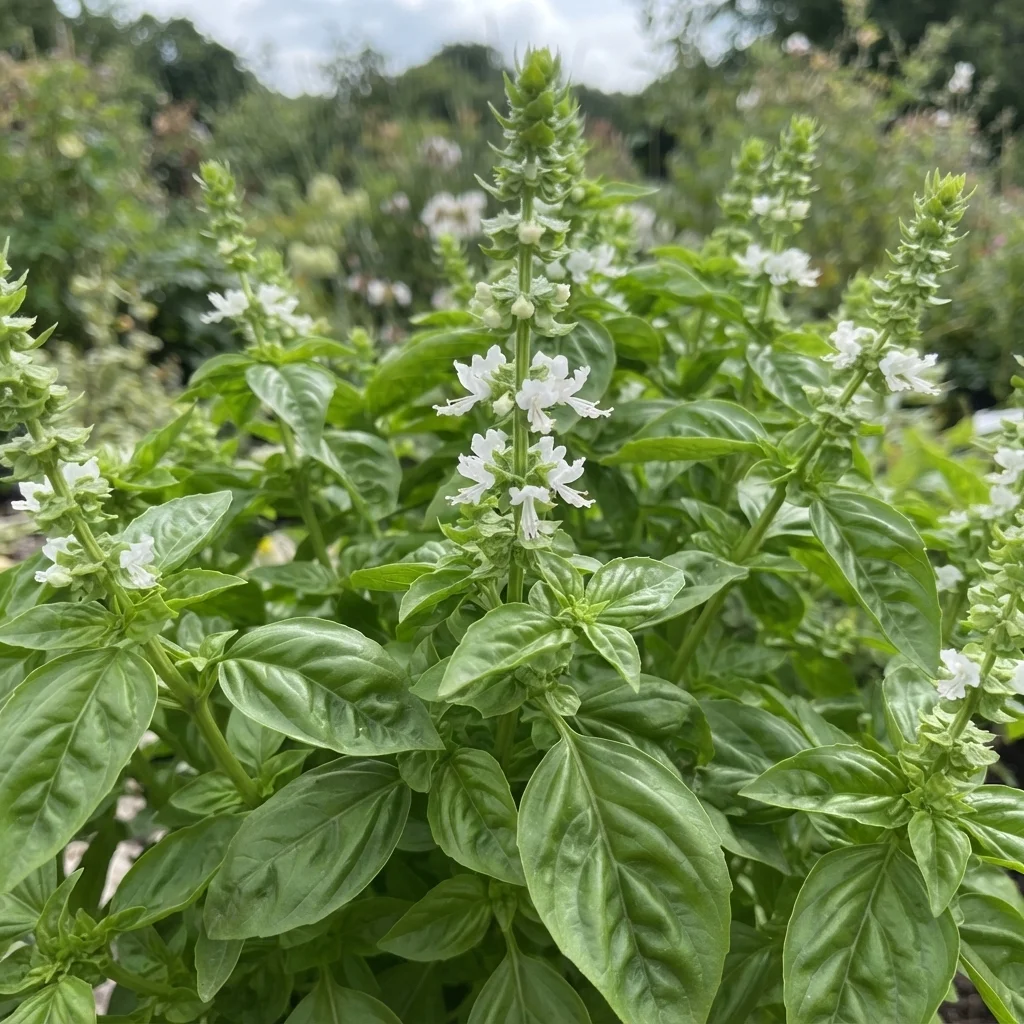
Sweet Genovese Basil
Ocimum basilicum 'Sweet Genovese'
Keep exploring
Explore the genus
Hardy in your zone?
Grow Hoary Basil with confidence
See it in a design of your actual yard, get zone-matched care reminders, and track it season by season in your garden journal.