

The Story
Plant Bio
Amelanchier laevis, or Allegheny Serviceberry, is a small native tree celebrated for its delicate white spring flowers, edible summer berries, brilliant fall color, and smooth gray bark.
Spring Flurry ('JFS-Arb') is a cultivar selected for its vigorous growth, strong central leader, and upright, spreading form, making it a more reliable and uniform choice for landscape and street tree use than the species.
Uses & Benefits:
Essentials
At a Glance
Plant Type
Tree
Height
336"
Width
240"
Light
Full Sun, Partial Sun
Zones
4, 5, 6, 7, 8
Water
Medium
Humidity
Average
Lifespan
40-60 years
Native To
Eastern North America
Toxicity
Non-toxic; fruit is edible.
Bloom period
Early spring – Mid-spring
In flower about 2 months of the year
Planting
How to Grow
- Choose a site with full sun or light shade and well-drained, acidic soil.
- Dig a hole twice as wide as the root ball but no deeper.
- Gently place the tree in the hole, ensuring the root flare is visible.
- Backfill with the original soil and water thoroughly.
- Water regularly for the first year, especially during dry periods.
- Mulch the root zone to conserve moisture and suppress weeds.
Pro Tip
Plant in a location with good air circulation to help prevent fungal diseases like rust, which can be common on serviceberries.
Keep It Thriving
Care Guide
Do
- Maintain a consistent layer of mulch over the root zone.
- Water during extended periods of drought.
- Prune to maintain a single leader when young.
- Test soil pH and amend if it is too alkaline.
Don't
- Do not plant in heavy, poorly drained clay soils.
- Avoid planting near Eastern Red Cedars, which are an alternate host for cedar-apple rust.
- Don't allow the soil to become compacted over the roots.
- Avoid 'crape murder' style pruning; allow its natural form to develop.
Seasonal Care Calendar
| Task | Jan | Feb | Mar | Apr | May | Jun | Jul | Aug | Sep | Oct | Nov | Dec |
|---|---|---|---|---|---|---|---|---|---|---|---|---|
| Harvest | ||||||||||||
| Mulch | ||||||||||||
| Plant | ||||||||||||
| Prune |
Watch Out For
Pests & Diseases
Common Pests
Common Diseases
In the Garden
Landscape Uses & Companions
Landscape Uses
Multiply
Propagation Methods
Good to Know
Common Questions
Spring Flurry Serviceberry questions
What zones can Spring Flurry Serviceberry grow in?
Spring Flurry Serviceberry is hardy in USDA Zones 4–8. Inside that range it survives winter in the ground; outside it, grow it as an annual or a container plant you protect.
Is Spring Flurry Serviceberry deer resistant?
Not reliably. Deer may browse Spring Flurry Serviceberry, especially tender spring growth — plan on repellents or fencing where pressure is high.
When does Spring Flurry Serviceberry bloom?
Spring Flurry Serviceberry typically blooms in early spring through mid-spring. Exact timing shifts a week or two with your zone — Sow's bloom calendar maps it to your garden.
Does Spring Flurry Serviceberry need full sun?
Spring Flurry Serviceberry does best in full sun to part shade. In hot climates, afternoon shade keeps blooms fresher longer.
More Amelanchier to compare
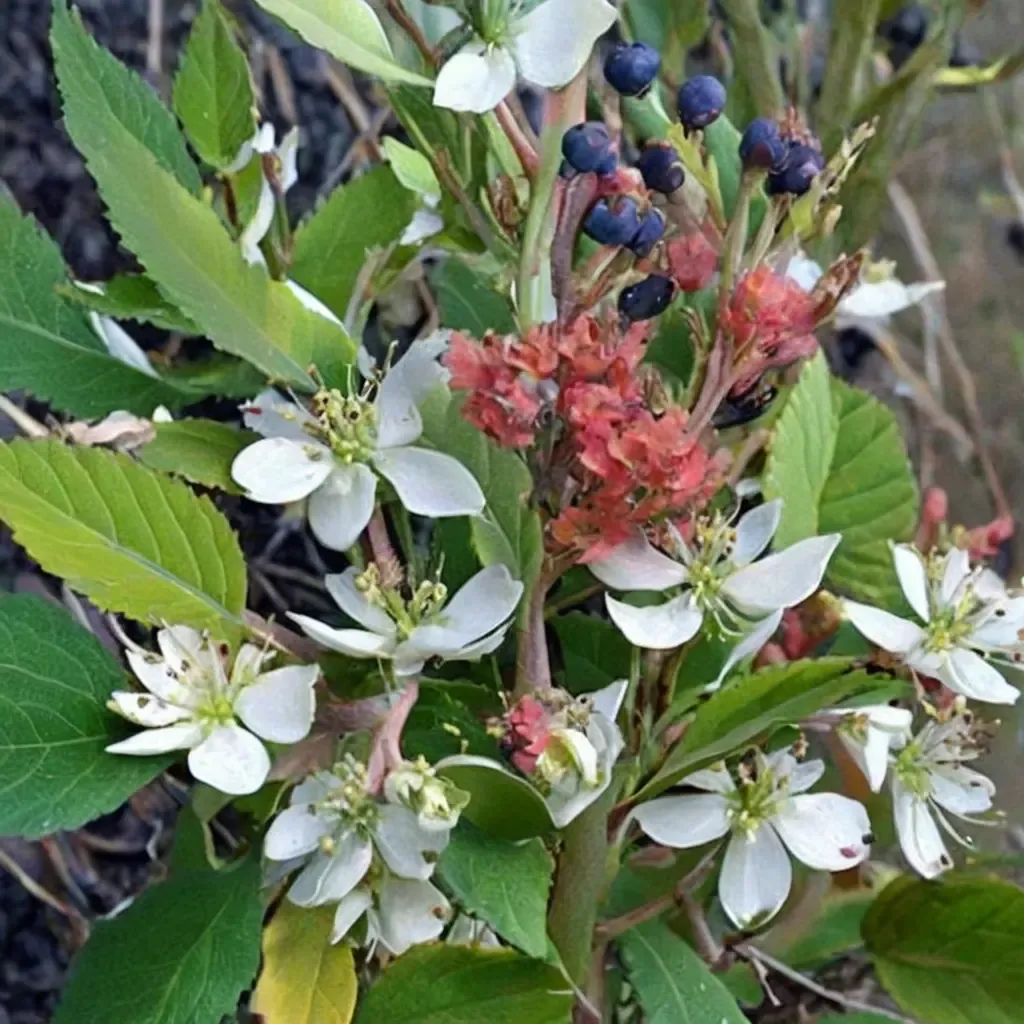
Timm Success Serviceberry
Amelanchier arborea 'Timm Success'
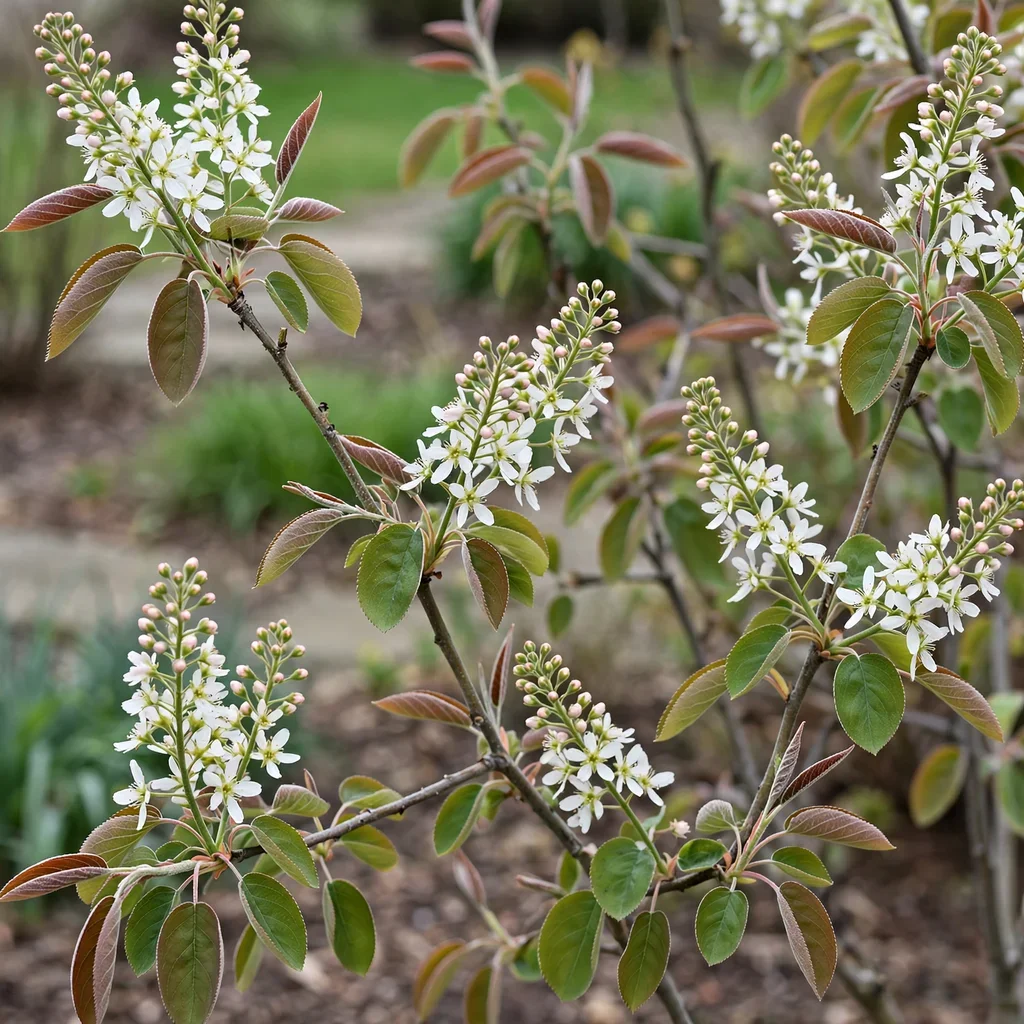
Autumn Brilliance Serviceberry
Amelanchier x grandiflora 'Autumn Brilliance'
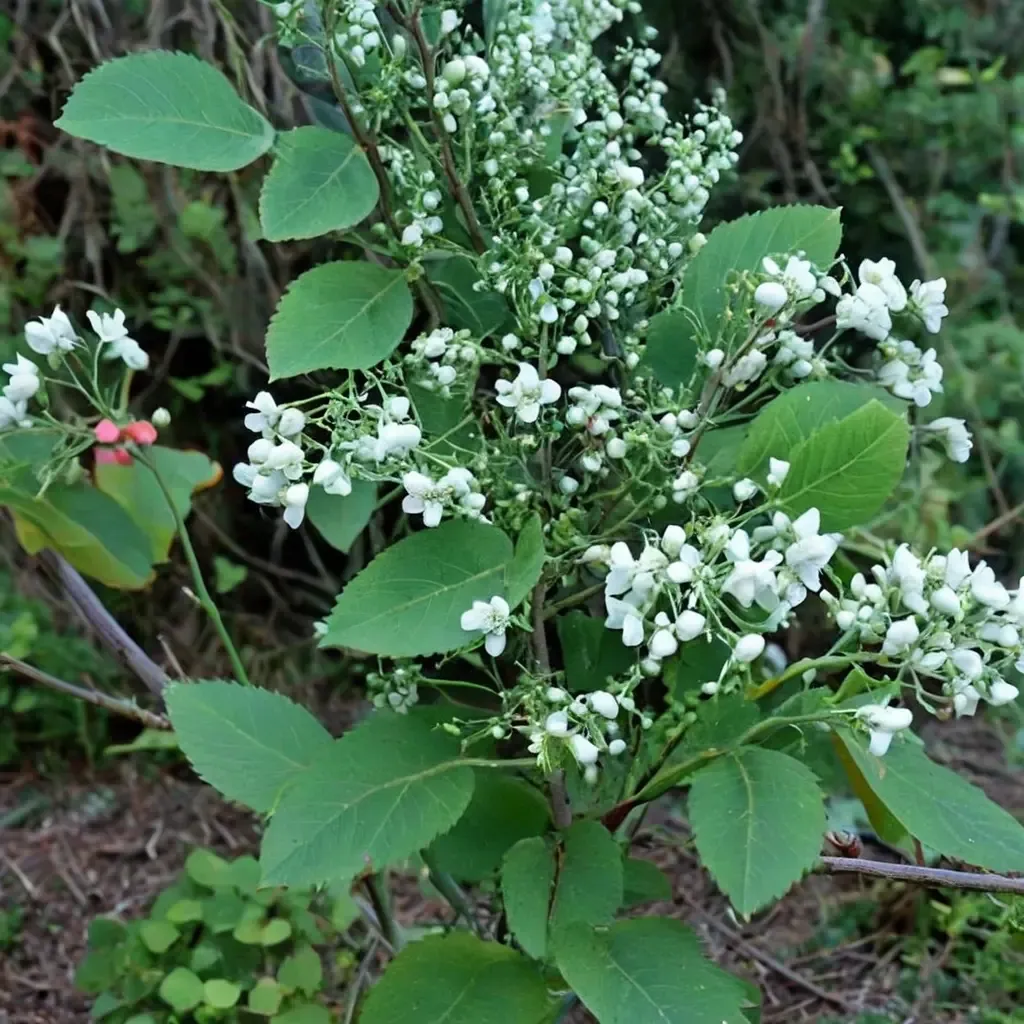
Saskatoon Serviceberry
Amelanchier alnifolia
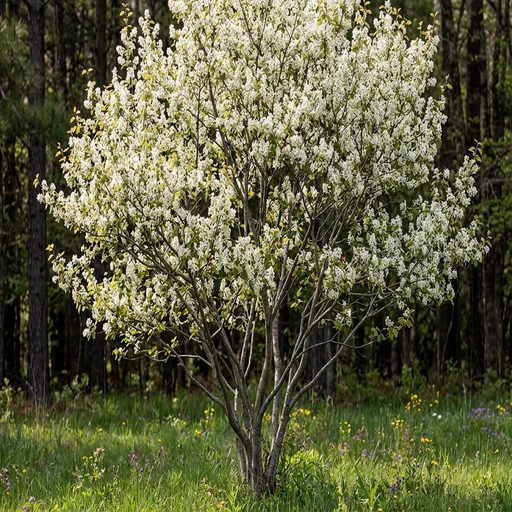
Serviceberry
Amelanchier canadensis
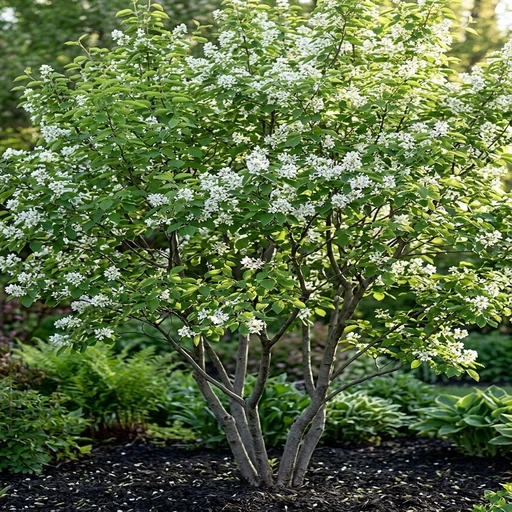
Allegheny Serviceberry
Amelanchier laevis
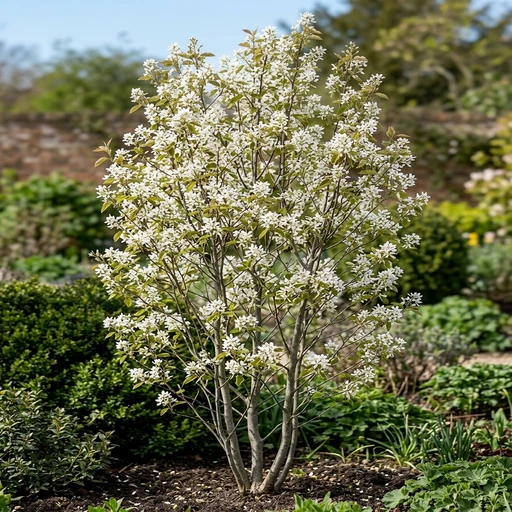
Glennform Serviceberry
Amelanchier canadensis 'Glennform'
Keep exploring
Explore the genus
Hardy in your zone?
Grow Spring Flurry Serviceberry with confidence
See it in a design of your actual yard, get zone-matched care reminders, and track it season by season in your garden journal.