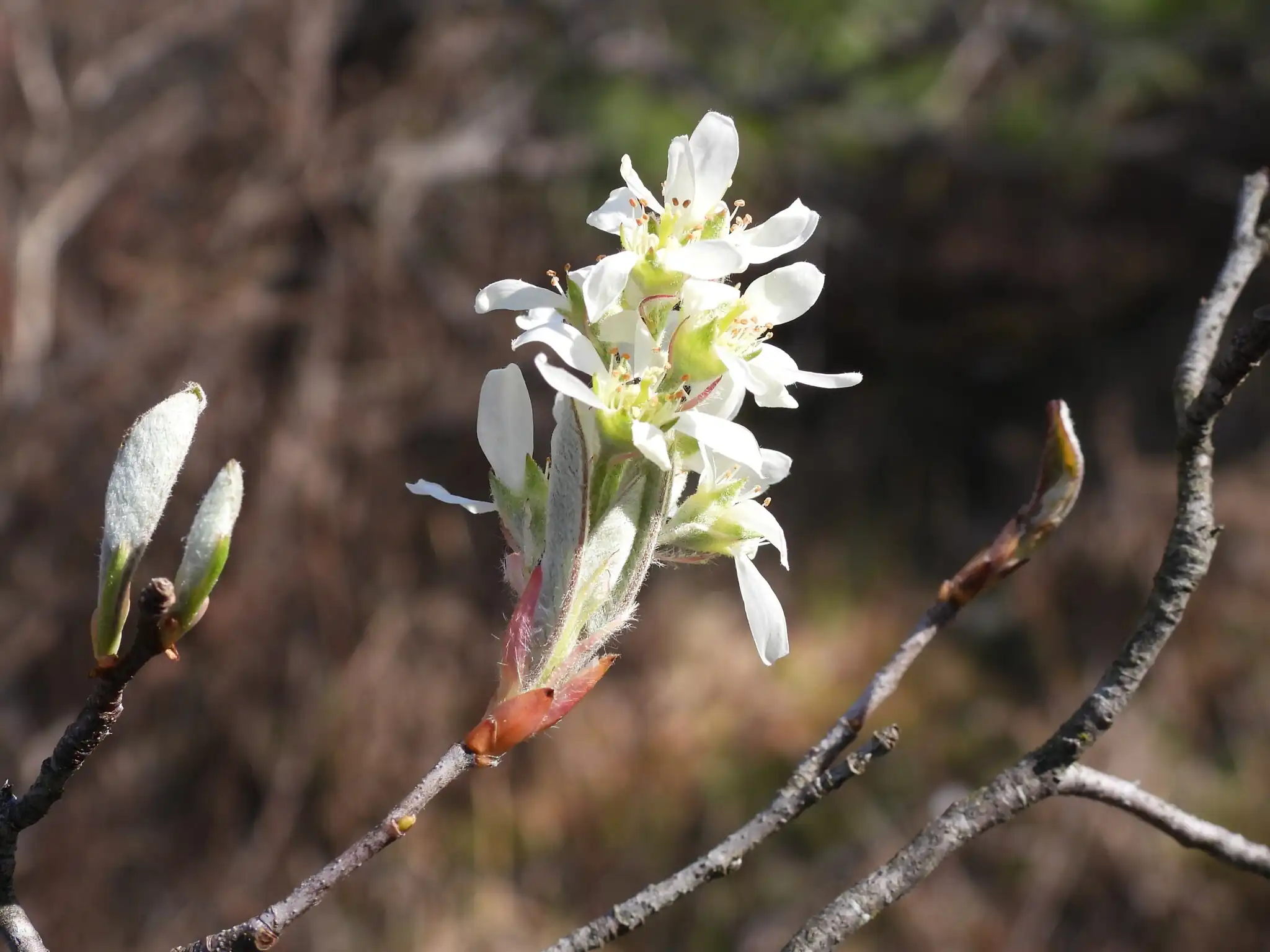
1 named cultivar

The Story
Plant Bio
Amelanchier canadensis is a large, multi-stemmed shrub or small tree native to eastern North America. It is prized for its four-season interest, including clouds of delicate spring flowers, edible summer fruit, brilliant fall color, and smooth gray bark.
This species is an ecological superstar, providing some of the earliest spring nectar for pollinators. Its delicious, blueberry-like fruits are a favorite of birds and people, and its adaptability to wet soils makes it a great choice for rain gardens.
Uses & Benefits:
Essentials
At a Glance
Plant Type
Shrub
Height
180"
Width
120"
Light
Full Sun, Partial Sun
Zones
4, 5, 6, 7, 8
Water
Medium to wet
Humidity
Adaptable
Lifespan
40-60 years
Native To
Eastern North America
Toxicity
Non-toxic; fruit is edible
Planting
How to Grow
- Select a site in full sun to part shade with moist, well-drained soil.
- It is highly adaptable to various soil types, including clay.
- Dig a hole twice as wide as the root ball.
- Set the plant in the hole, ensuring the root flare is at soil level.
- Backfill with native soil and water thoroughly to settle.
- Water regularly during the first growing season to establish deep roots.
Pro Tip
For the best fruit production and most vibrant fall color, plant in a location that receives at least six hours of direct sunlight.
Keep It Thriving
Care Guide
Do
- Provide consistent moisture, especially in sunnier locations.
- Prune to maintain a healthy structure and remove suckers if desired.
- Allow it to form a natural, multi-stemmed clump.
- Mulch to keep the root zone cool and moist.
Don't
- Don't plant in very dry sites without supplemental water.
- Avoid excessive nitrogen fertilizer, which can promote disease.
- Don't prune heavily into old wood.
- Refrain from planting near junipers if rust is a problem in your area.
Seasonal Care Calendar
| Task | Jan | Feb | Mar | Apr | May | Jun | Jul | Aug | Sep | Oct | Nov | Dec |
|---|---|---|---|---|---|---|---|---|---|---|---|---|
| Harvest | ||||||||||||
| Mulch | ||||||||||||
| Prune |
Watch Out For
Pests & Diseases
Common Pests
Common Diseases
In the Garden
Landscape Uses & Companions
Landscape Uses
Multiply
Propagation Methods
Good to Know
Common Questions
Serviceberry questions
What zones can Serviceberry grow in?
Serviceberry is hardy in USDA Zones 4–8. Inside that range it survives winter in the ground; outside it, grow it as an annual or a container plant you protect.
Is Serviceberry deer resistant?
Yes — Serviceberry is rated deer-resistant. Deer typically pass it over, though extreme hunger can override any plant's defenses.
When does Serviceberry bloom?
Serviceberry typically blooms in early spring through mid-spring. Exact timing shifts a week or two with your zone — Sow's bloom calendar maps it to your garden.
Does Serviceberry need full sun?
Serviceberry does best in full sun to part shade. In hot climates, afternoon shade keeps blooms fresher longer.
More Amelanchier to compare
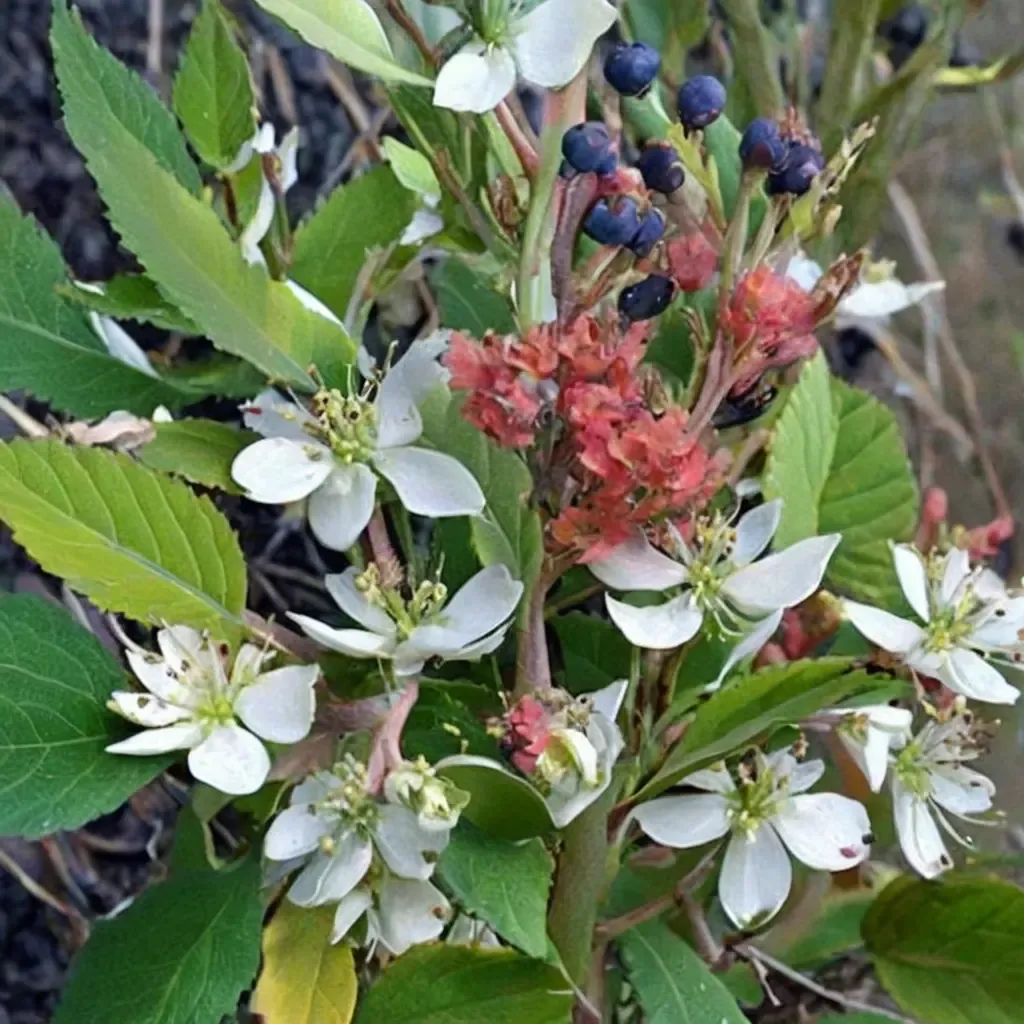
Timm Success Serviceberry
Amelanchier arborea 'Timm Success'
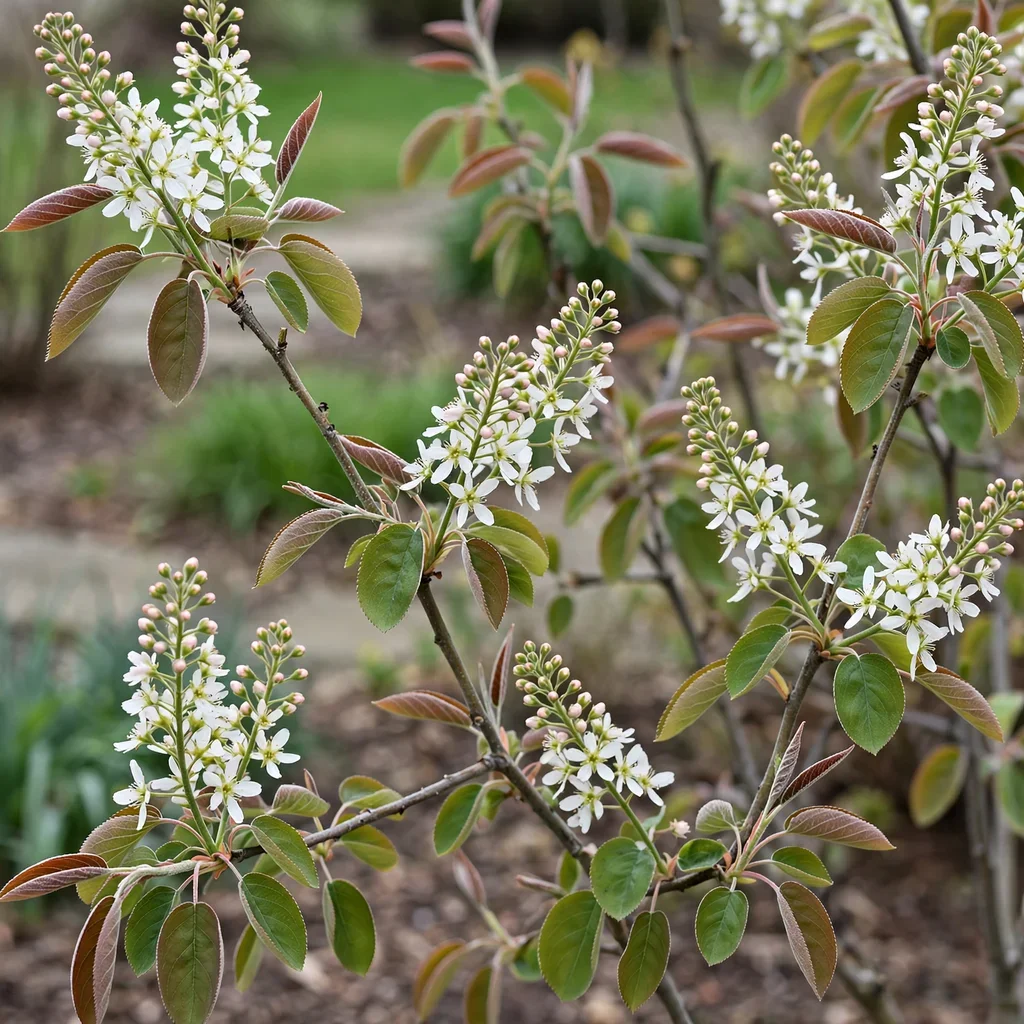
Autumn Brilliance Serviceberry
Amelanchier x grandiflora 'Autumn Brilliance'
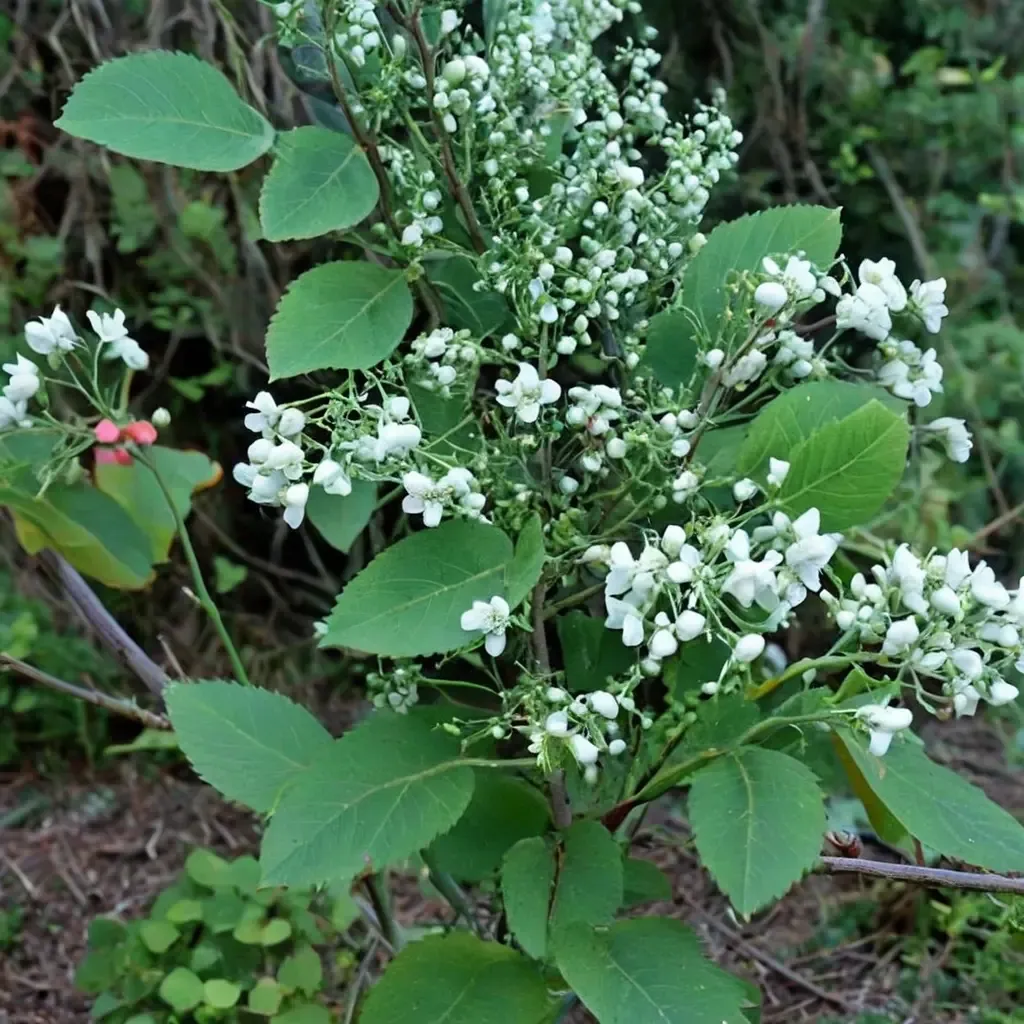
Saskatoon Serviceberry
Amelanchier alnifolia
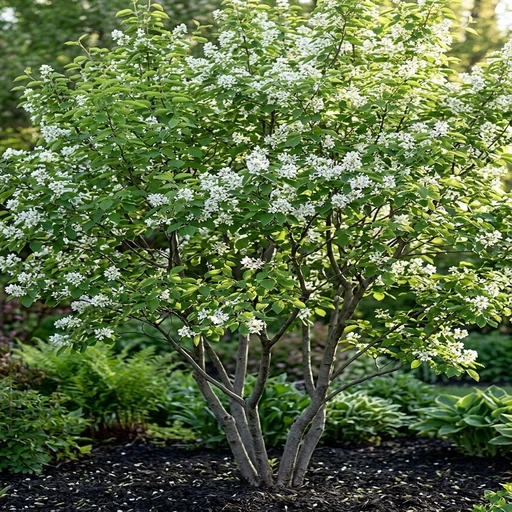
Allegheny Serviceberry
Amelanchier laevis
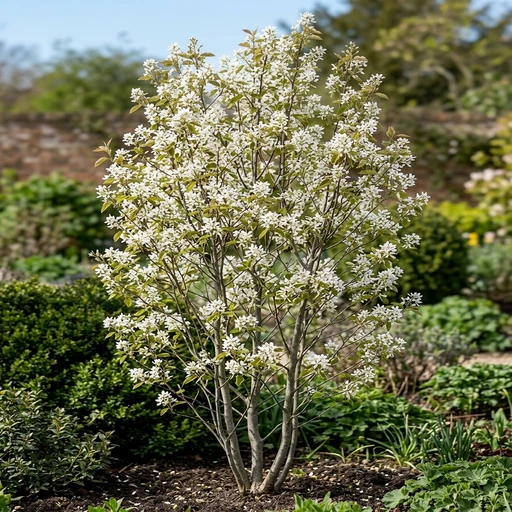
Glennform Serviceberry
Amelanchier canadensis 'Glennform'
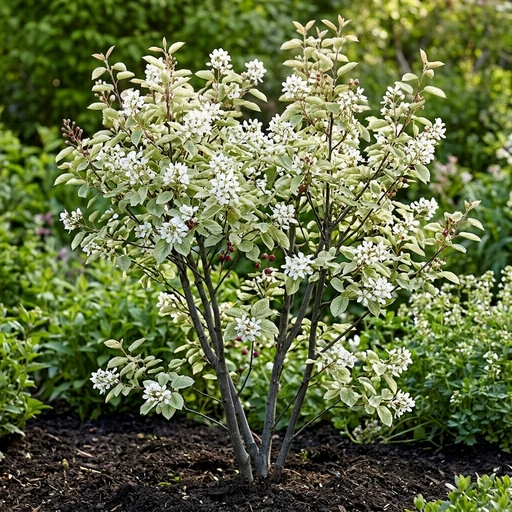
Spring Flurry Serviceberry
Amelanchier laevis 'JFS-Arb'
Keep exploring
Explore the genus
Hardy in your zone?
Grow Serviceberry with confidence
See it in a design of your actual yard, get zone-matched care reminders, and track it season by season in your garden journal.