

The Story
Plant Bio
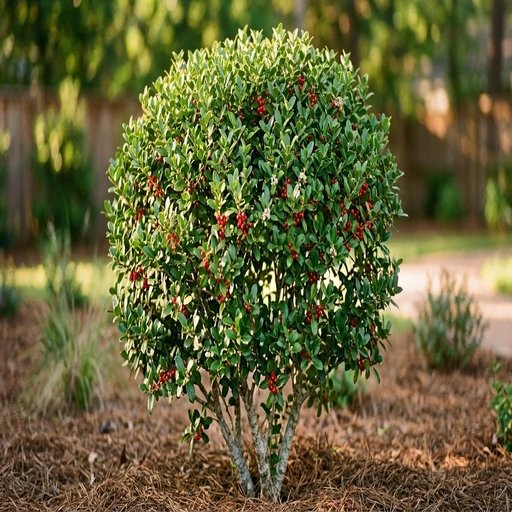
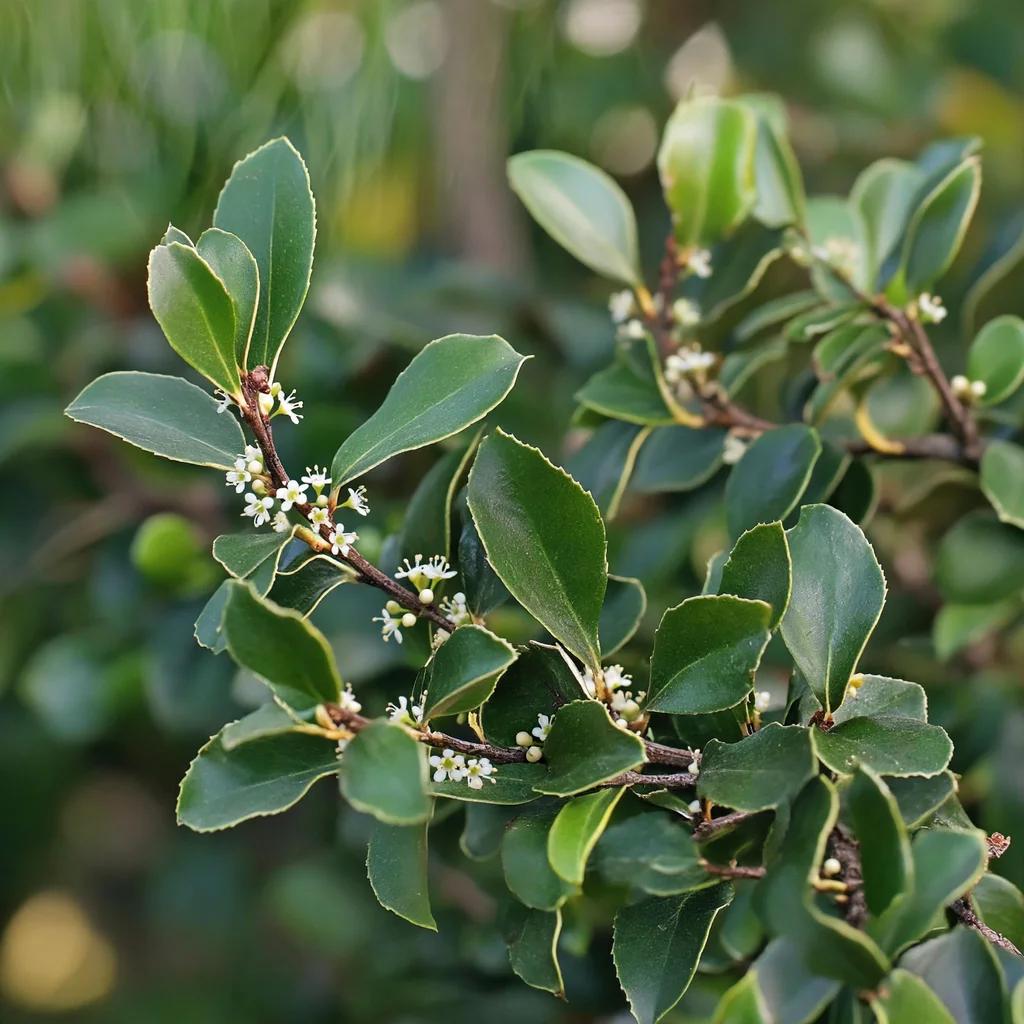
Yaupon holly is a tough, adaptable native evergreen with small, spineless leaves and smooth gray bark, capable of growing as a large shrub or small tree.
'Pride of Houston' is a fast-growing female selection known for its upright, multi-trunked form and extremely heavy production of translucent red berries that persist through winter.
Uses & Benefits:
Essentials
At a Glance
Plant Type
Tree
Height
240"
Width
180"
Light
Full Sun, Partial Sun, Shade
Zones
7, 8, 9, 10
Water
Very low once established
Humidity
Adaptable
Lifespan
Long-lived tree
Native To
Southeastern United States
Toxicity
Berries are toxic to humans and pets if ingested
Bloom period
Mid-spring – Late spring
In flower about 2 months of the year
Planting
How to Grow
- Plant in any well-drained soil; it is not picky about type or pH.
- Dig a hole no deeper than the root ball and twice as wide.
- Place the plant in the hole, ensuring it is level.
- Backfill with the soil you removed and water well.
- Water regularly for the first season to establish.
- Avoid fertilizing; it is generally not needed.
Pro Tip
Prune off lower branches to expose the attractive, smooth, light gray multi-trunked structure, creating a beautiful small specimen tree.
Keep It Thriving
Care Guide
Do
- Use it in tough, dry, or coastal locations where other plants struggle.
- Prune to reveal its sculptural branching structure.
- Plant for winter bird food and shelter.
- Appreciate its extreme adaptability and low-maintenance nature.
Don't
- Do not overwater once the plant is established.
- Avoid planting where the toxic berries could be eaten by children.
- Do not worry about soil pH; it is highly adaptable.
Seasonal Care Calendar
| Task | Jan | Feb | Mar | Apr | May | Jun | Jul | Aug | Sep | Oct | Nov | Dec |
|---|---|---|---|---|---|---|---|---|---|---|---|---|
| Plant | ||||||||||||
| Prune |
Watch Out For
Pests & Diseases
Common Pests
Common Diseases
In the Garden
Landscape Uses & Companions
Landscape Uses
Good to Know
Common Questions
Pride of Houston Yaupon questions
What zones can Pride of Houston Yaupon grow in?
Pride of Houston Yaupon is hardy in USDA Zones 7–10. Inside that range it survives winter in the ground; outside it, grow it as an annual or a container plant you protect.
Is Pride of Houston Yaupon deer resistant?
Yes — Pride of Houston Yaupon is rated deer-resistant. Deer typically pass it over, though extreme hunger can override any plant's defenses.
When does Pride of Houston Yaupon bloom?
Pride of Houston Yaupon typically blooms in mid-spring through late spring. Exact timing shifts a week or two with your zone — Sow's bloom calendar maps it to your garden.
Does Pride of Houston Yaupon need full sun?
Pride of Houston Yaupon does best in full sun to part shade. In hot climates, afternoon shade keeps blooms fresher longer.
Is Pride of Houston Yaupon drought tolerant?
Yes — once established (usually after the first full season), Pride of Houston Yaupon handles dry spells with minimal watering. Water deeply its first year to build the root system that makes that possible.
More Ilex to compare
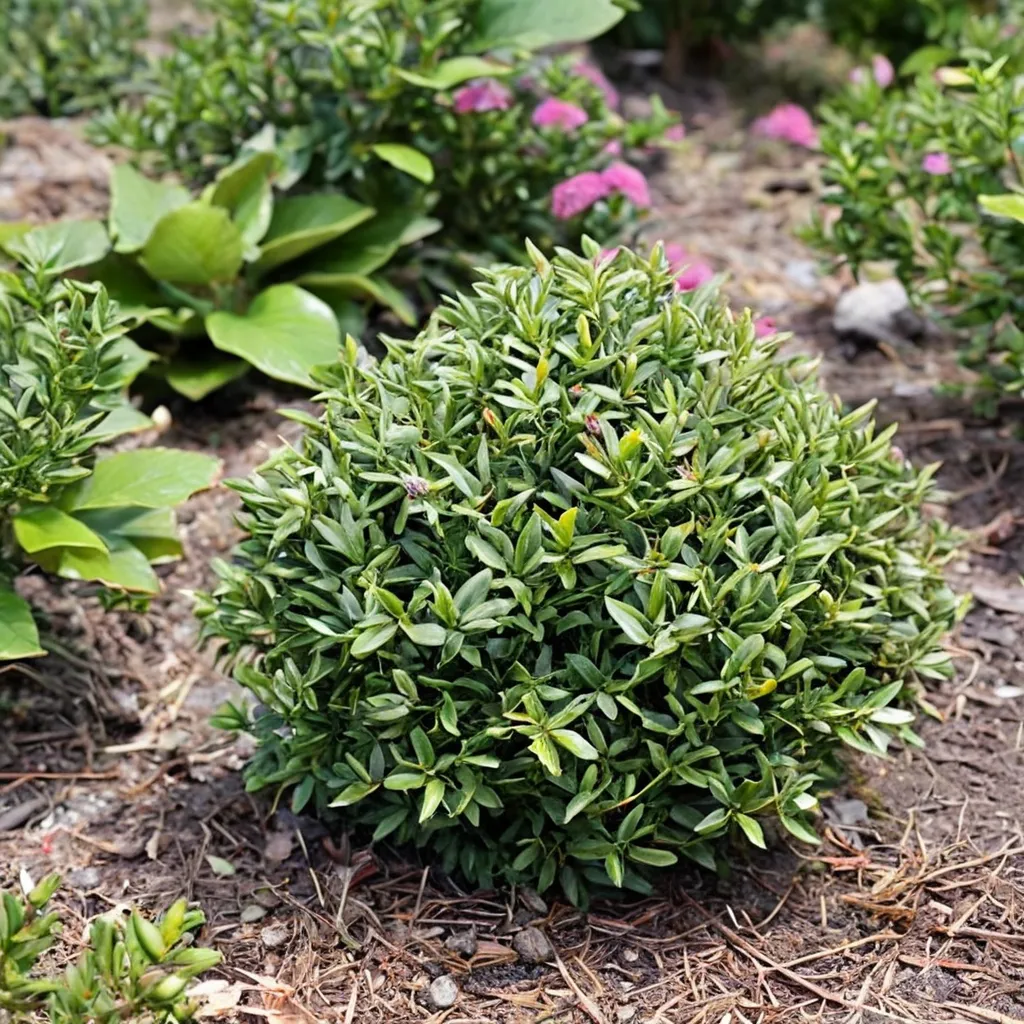
Gem Box Inkberry Holly
Ilex glabra 'Gem Box'
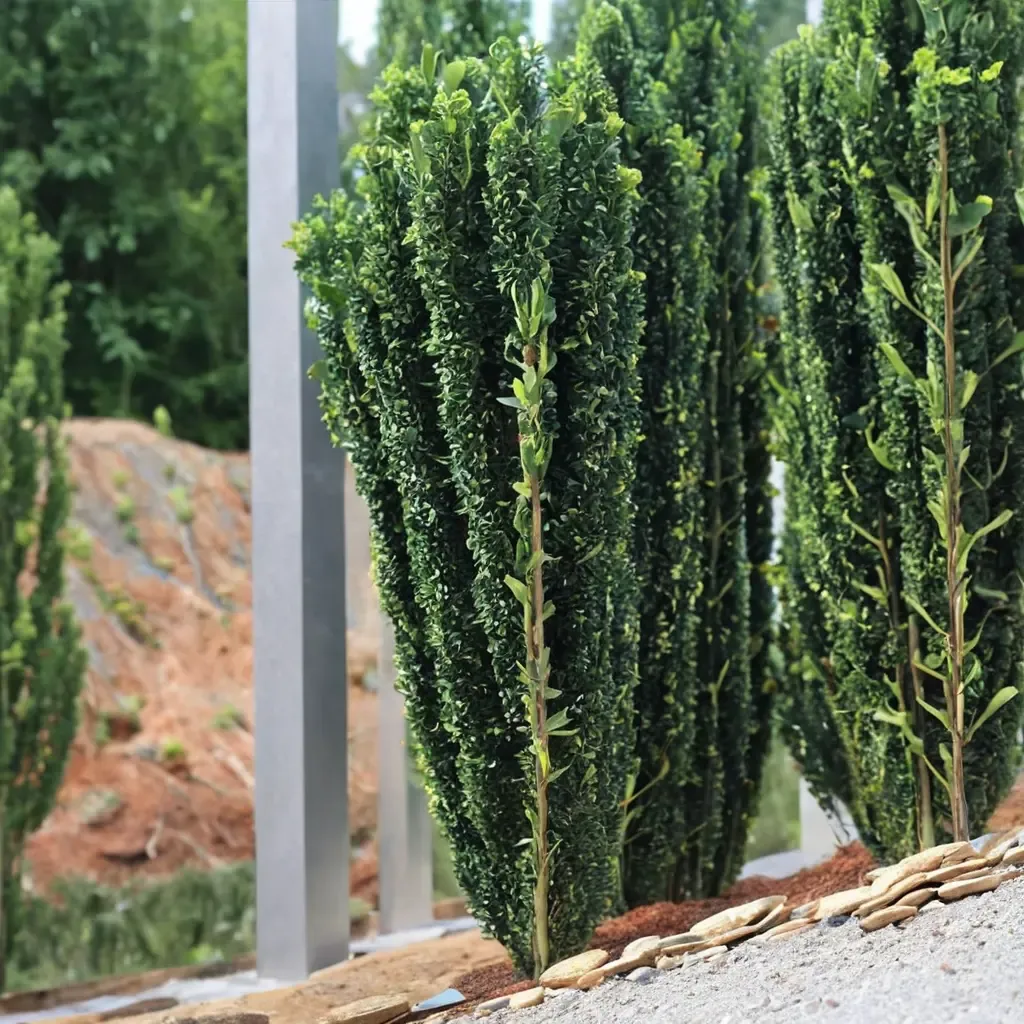
Sky Pencil Holly
Ilex crenata 'Sky Pencil'
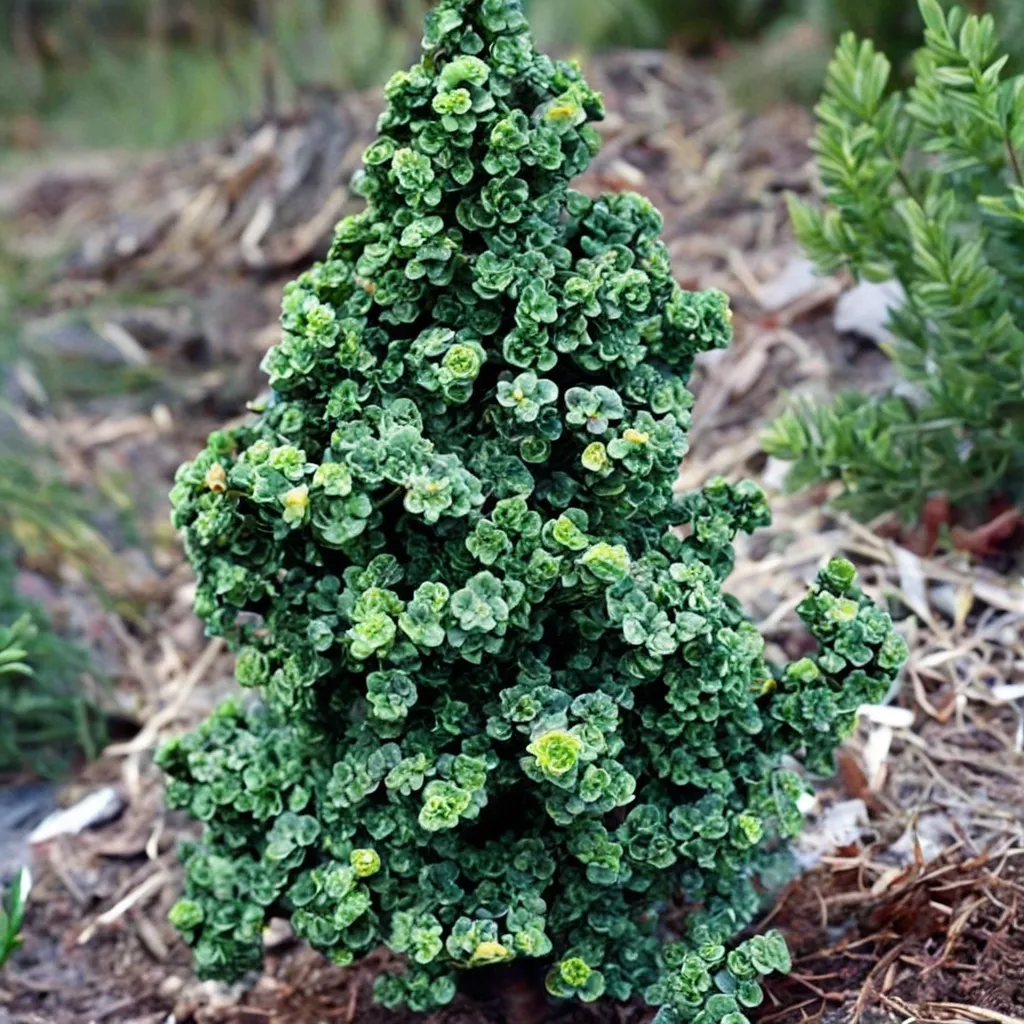
Dwarf Pagoda Holly
Ilex crenata 'Dwarf Pagoda'
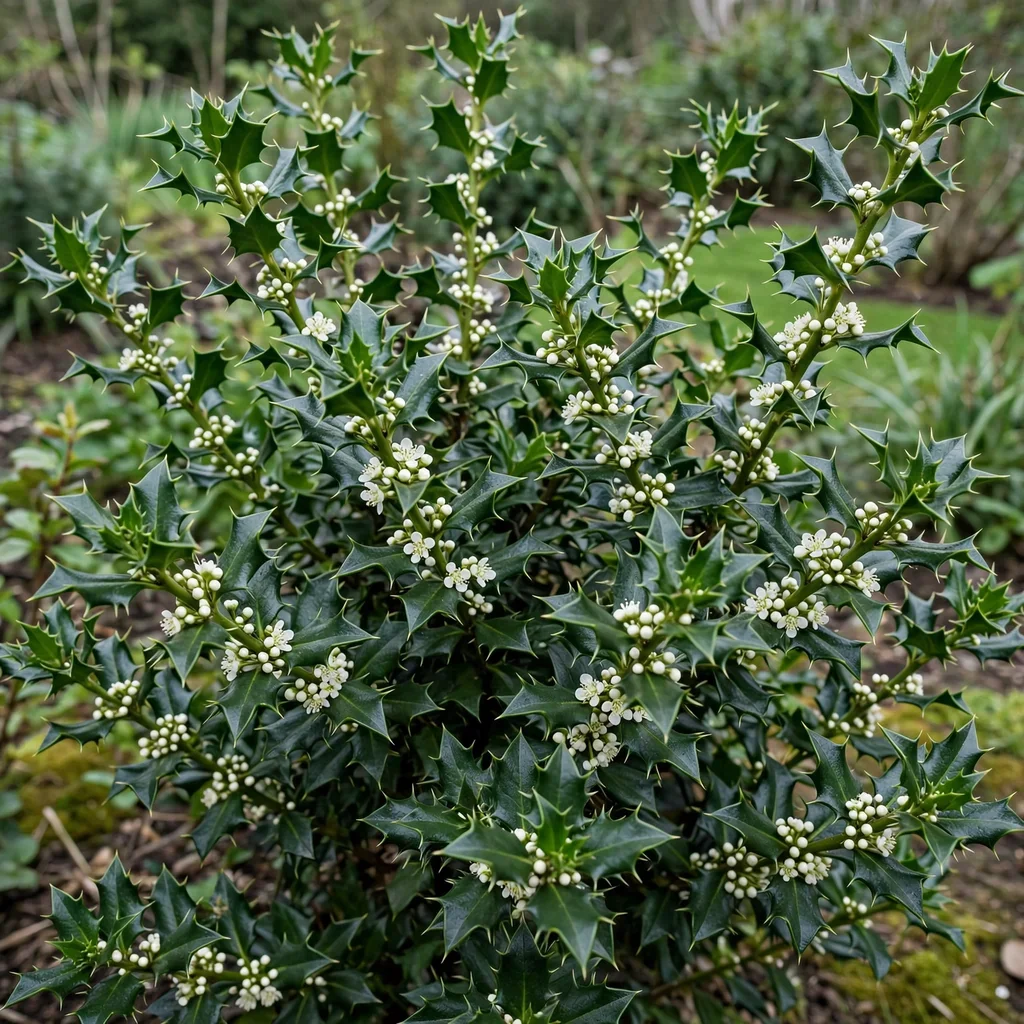
Mr Poppins Holly
Ilex x meserveae 'Mr Poppins'
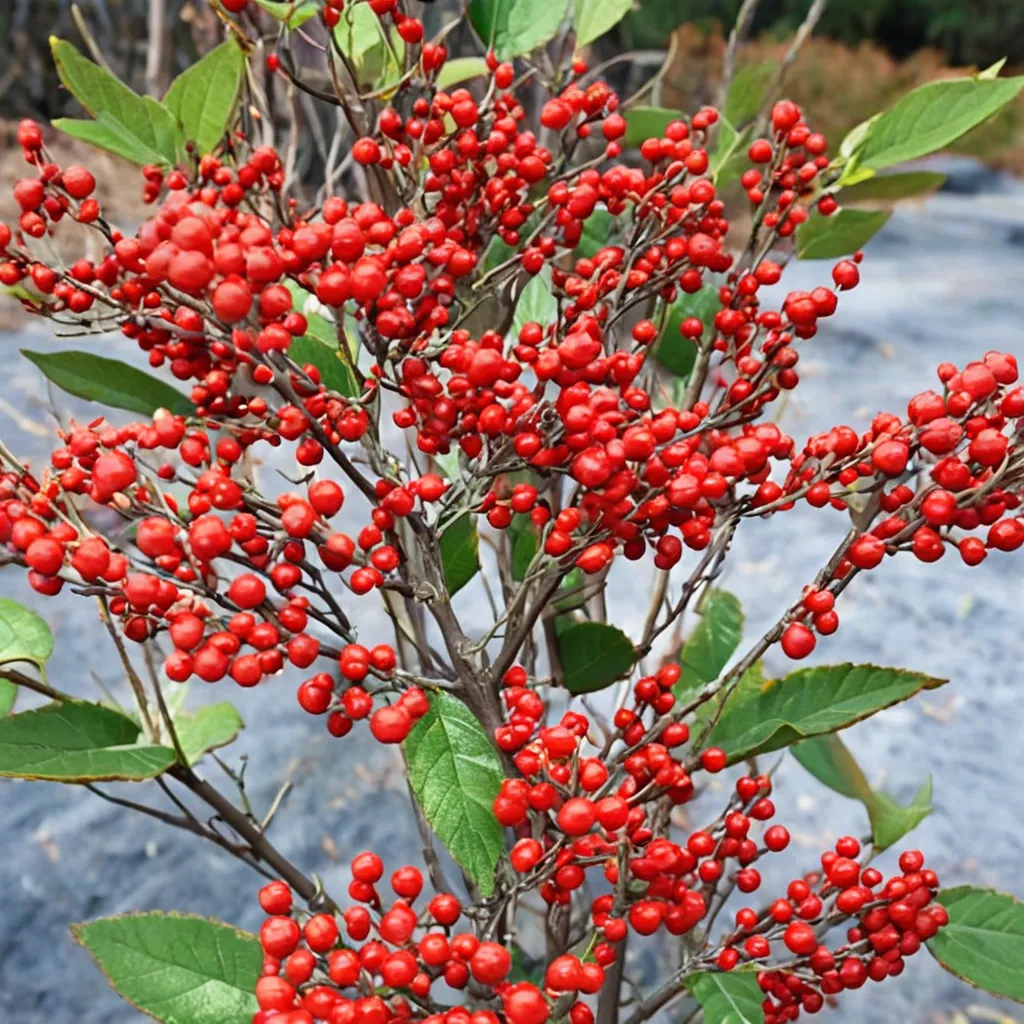
Blue Holly Berry Poppins
Ilex x meserveae 'Berry Poppins'
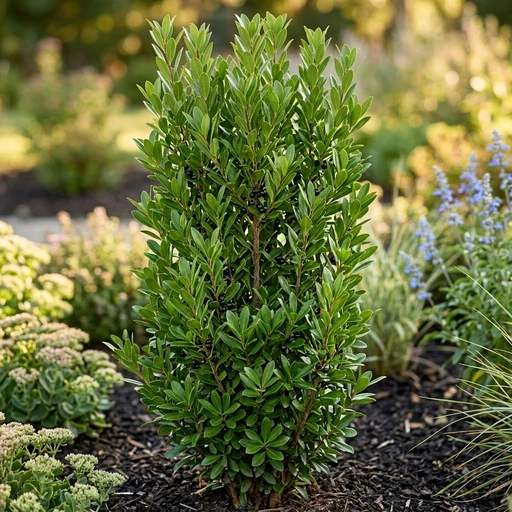
Squeeze Box Inkberry Holly
Ilex glabra 'Squeeze Box'
Keep exploring
Explore the genus
Hardy in your zone?
Grow Pride of Houston Yaupon with confidence
See it in a design of your actual yard, get zone-matched care reminders, and track it season by season in your garden journal.