Species

11 other cultivars
- ‘Mr Poppins’Mr Poppins Holly
- ‘Winter Red’Winter Red Winterberry
- ‘Afterglow’Afterglow Winterberry Holly
- ‘Roberta Case’Berry Heavy Gold Winterberry
- ‘Farrowmrp’Mr. Poppins Winterberry
- ‘Southern Gentleman’Southern Gentleman Winterberry
- ‘Apollo’Winterberry Holly
- ‘Sparkleberry’Sparkleberry Winterberry
- ‘Jim Dandy’Jim Dandy Winterberry
- ‘Red Sprite’Red Sprite Winterberry
- ‘Spravy’Berry Heavy Winterberry


The Story
Plant Bio
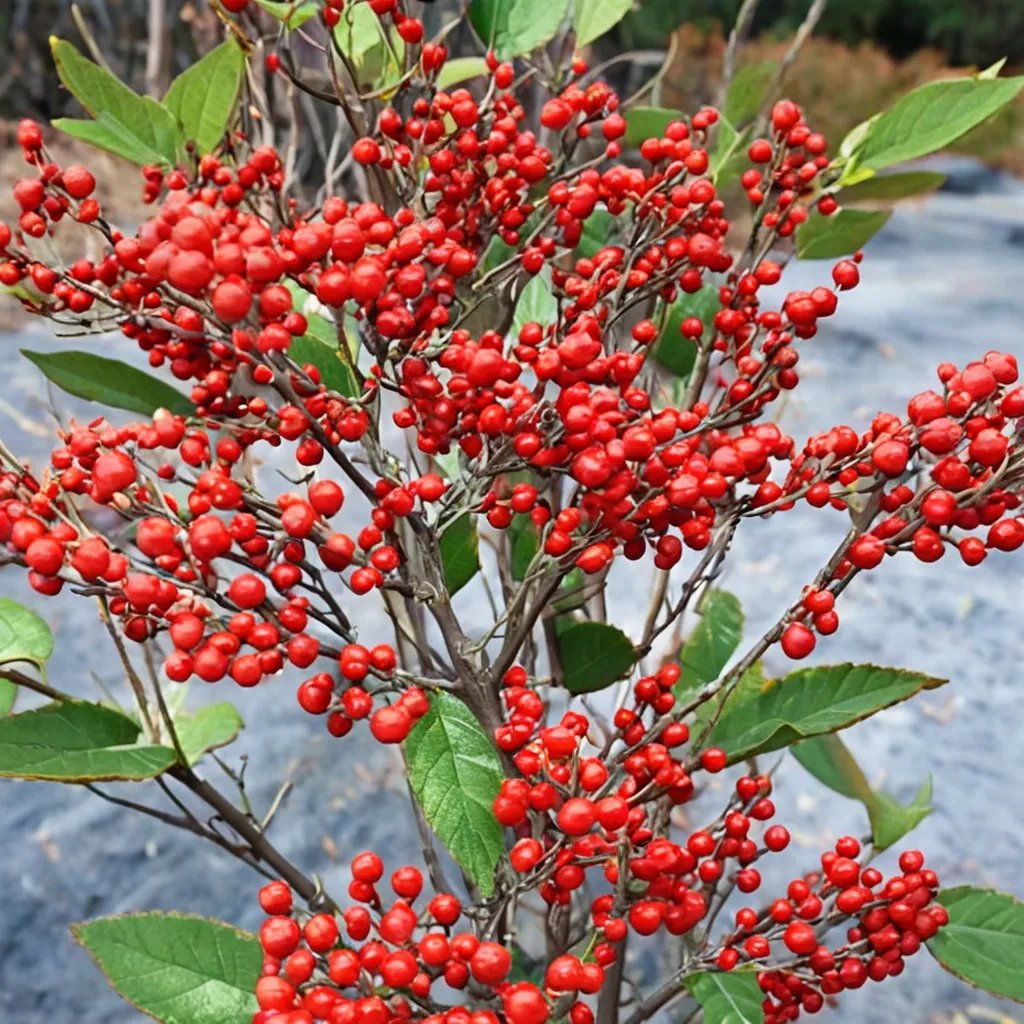
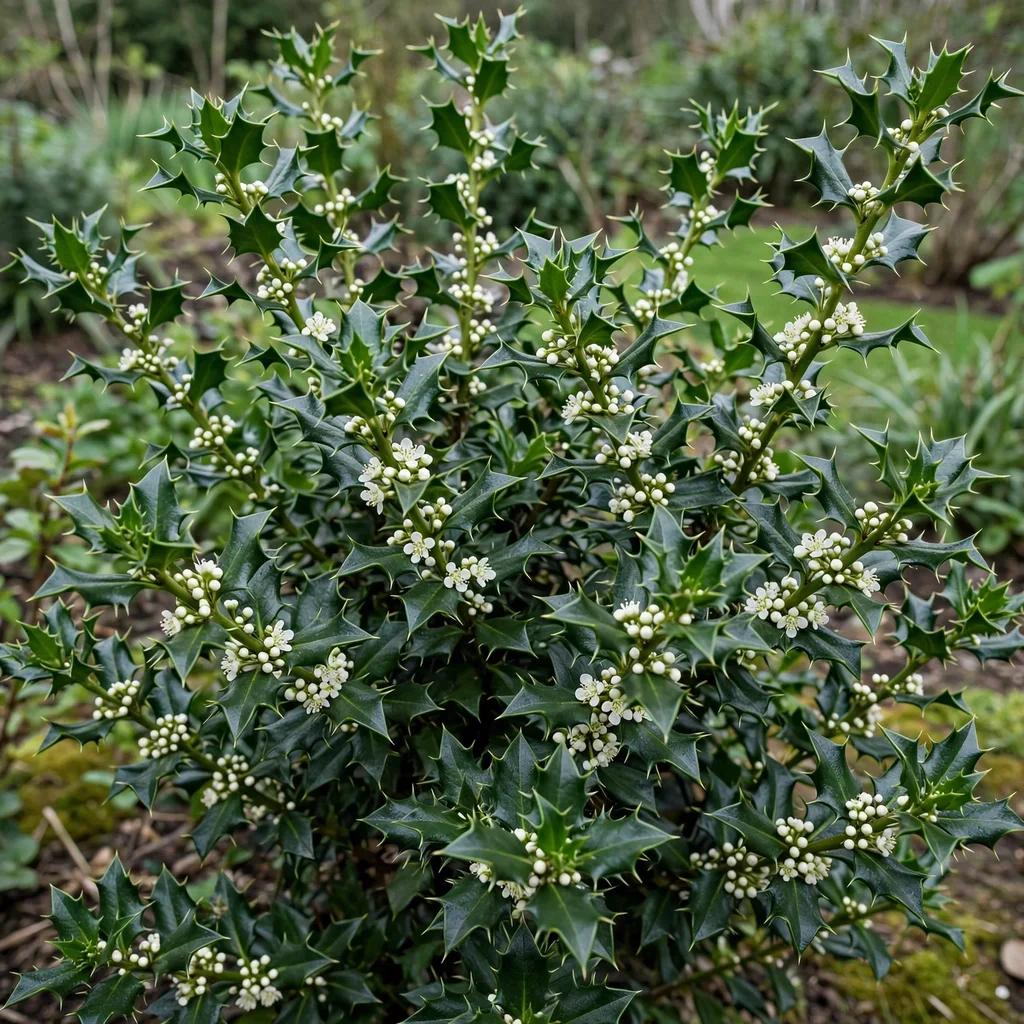
Ilex verticillata 'Berry Poppins' is a compact deciduous winterberry holly, native to eastern North America, whose bare winter branches are packed with bright red berries. It needs a male winterberry such as 'Mr. Poppins' nearby to set fruit.
This cultivar is especially valued for its compact size and abundant bright red berries, making it an attractive choice for winter decoration and wildlife attraction.
Uses & Benefits:
Essentials
At a Glance
Plant Type
Shrub
Height
48"
Width
48"
Light
Full Sun, Partial Sun
Zones
4, 5, 6, 7, 8, 9
Water
Moderate
Humidity
Average
Lifespan
Decades
Native To
Eastern North America
Toxicity
Berries are toxic to humans and pets if ingested.
Bloom period
Spring – Late spring
In flower about 3 months of the year
Marketplace
Where to Buy
Shipping costs Year-round shipping Free shipping
Planting
How to Grow
- Select a partially shaded spot with well-drained soil.
- Tuck a few inches of compost around the roots for nutrients.
- Mist cuttings regularly to maintain humidity.
- Transplant in early spring after the last frost.
- Mulch around the base to retain moisture during winter.
- Prune lightly after flowering to shape the shrub.
Pro Tip
Plant a male winterberry such as 'Mr. Poppins' within about 50 feet so the berries set.
Keep It Thriving
Care Guide
Do
- Water regularly during dry periods 🌱
- Prune to maintain shape after winter ❌
- Feed with a balanced fertilizer in spring
Don't
- Avoid overwatering to prevent root rot ❌
- Don’t prune in late summer or fall
- Keep away from high traffic areas
Seasonal Care Calendar
| Task | Jan | Feb | Mar | Apr | May | Jun | Jul | Aug | Sep | Oct | Nov | Dec |
|---|---|---|---|---|---|---|---|---|---|---|---|---|
| Fertilize | ||||||||||||
| Plant | ||||||||||||
| Prune |
Watch Out For
Pests & Diseases
Common Pests
Common Diseases
In the Garden
Landscape Uses & Companions
Landscape Uses
Companion Plants
Multiply
Propagation Methods
Good to Know
Common Questions
Berry Poppins Winterberry questions
What zones can Berry Poppins Winterberry grow in?
Berry Poppins Winterberry is hardy in USDA Zones 4–9: in that range it survives winter in the ground. Warmer than Zone 9, winter isn't the problem: it prefers colder winters, and summer heat can shorten its life.
Is Berry Poppins Winterberry deer resistant?
Yes — Berry Poppins Winterberry is rated deer-resistant. Deer typically pass it over, though extreme hunger can override any plant's defenses.
When does Berry Poppins Winterberry bloom?
Berry Poppins Winterberry typically blooms in spring. Exact timing shifts a week or two with your zone — Sow's bloom calendar maps it to your garden.
Does Berry Poppins Winterberry need full sun?
Berry Poppins Winterberry does best in full sun to part shade. In hot climates, afternoon shade keeps blooms fresher longer.
More Ilex to compare
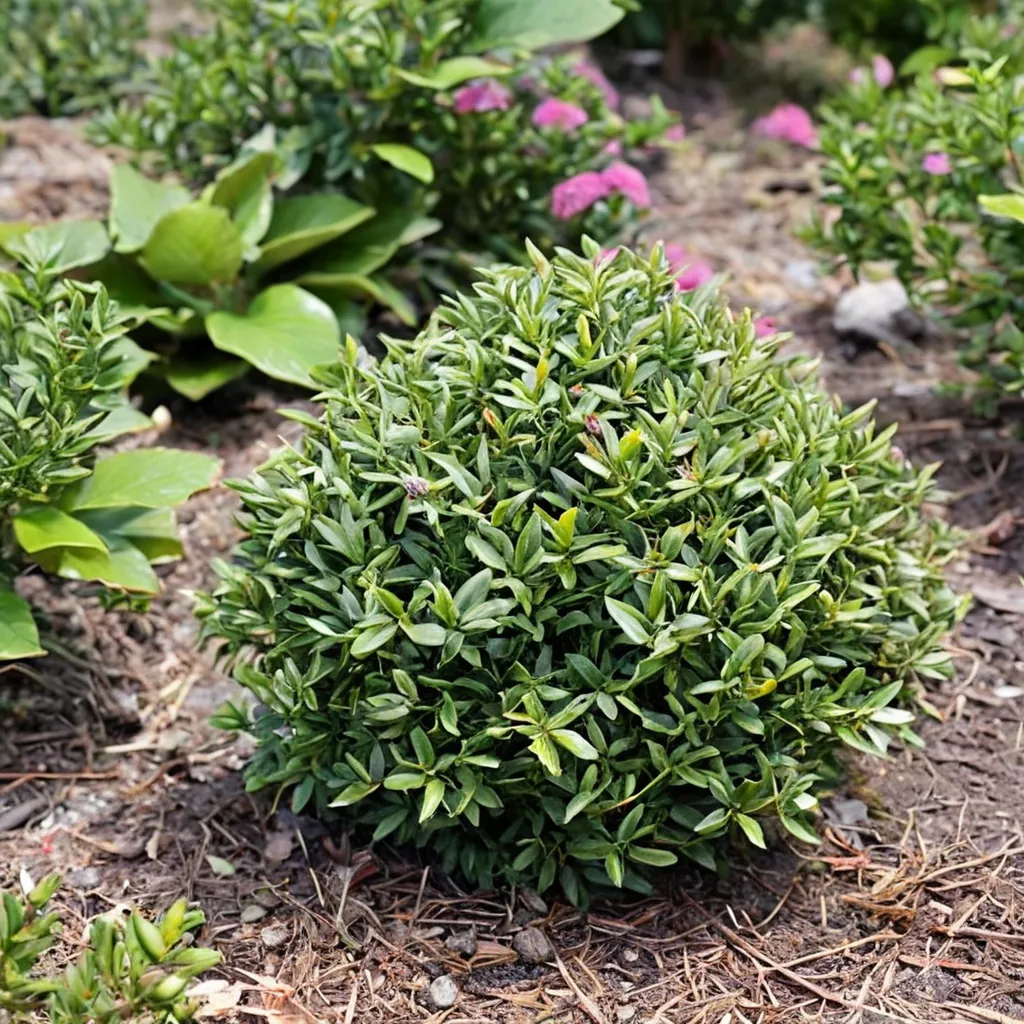
Gem Box Inkberry Holly
Ilex glabra 'Gem Box'
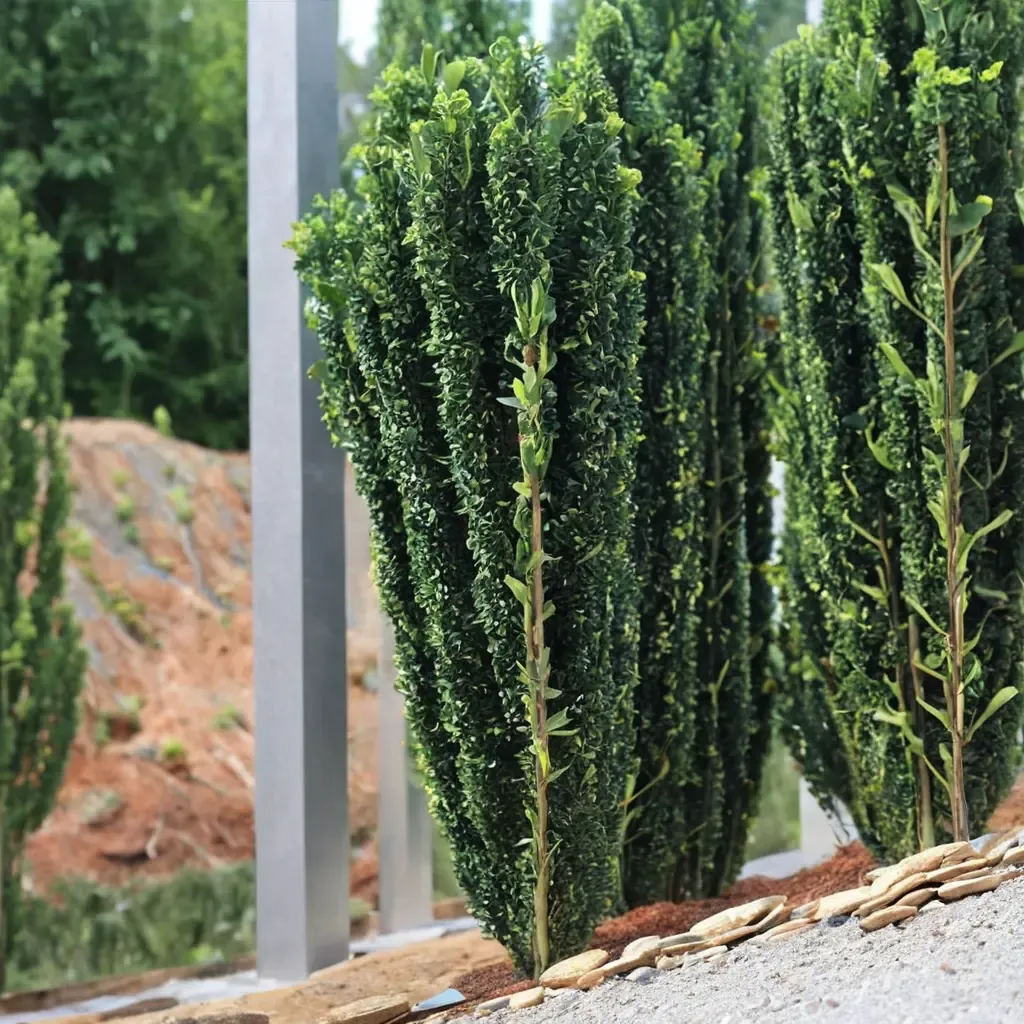
Sky Pencil Holly
Ilex crenata 'Sky Pencil'
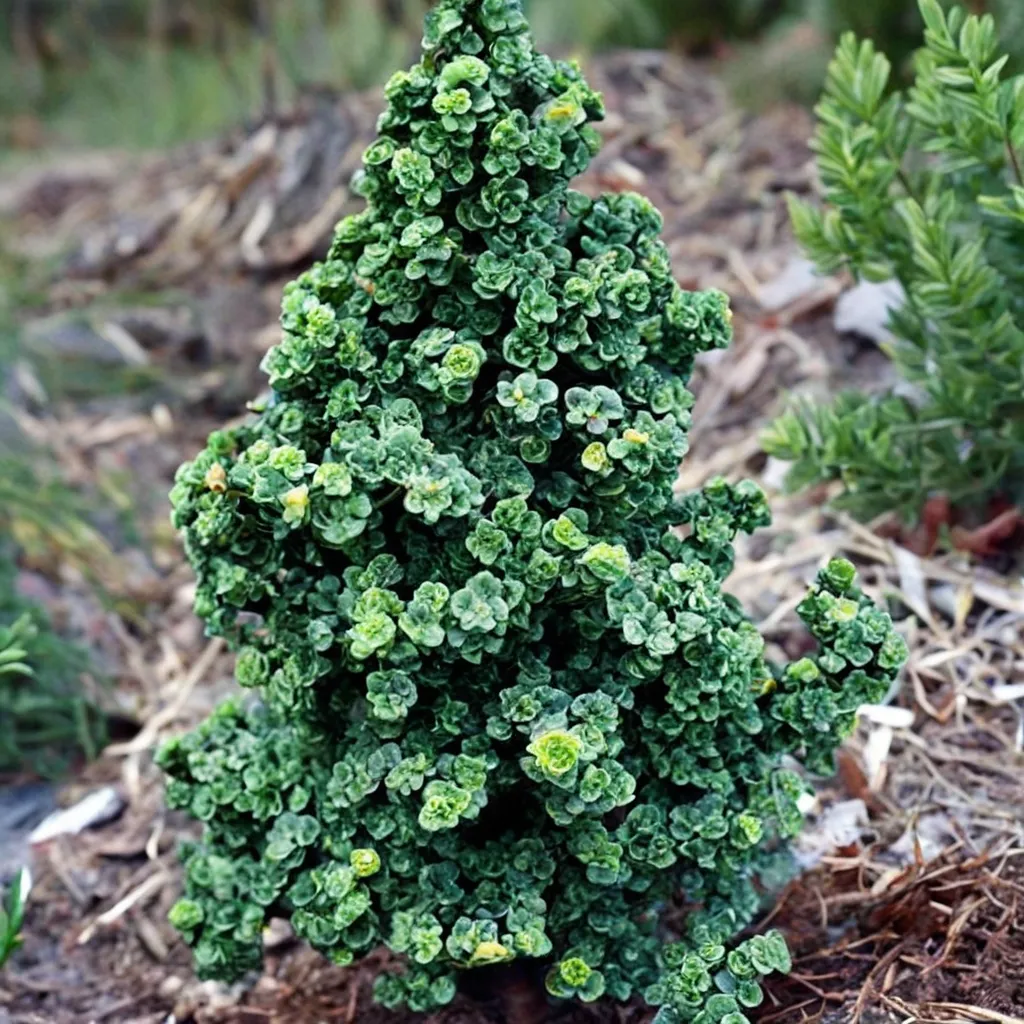
Dwarf Pagoda Holly
Ilex crenata 'Dwarf Pagoda'
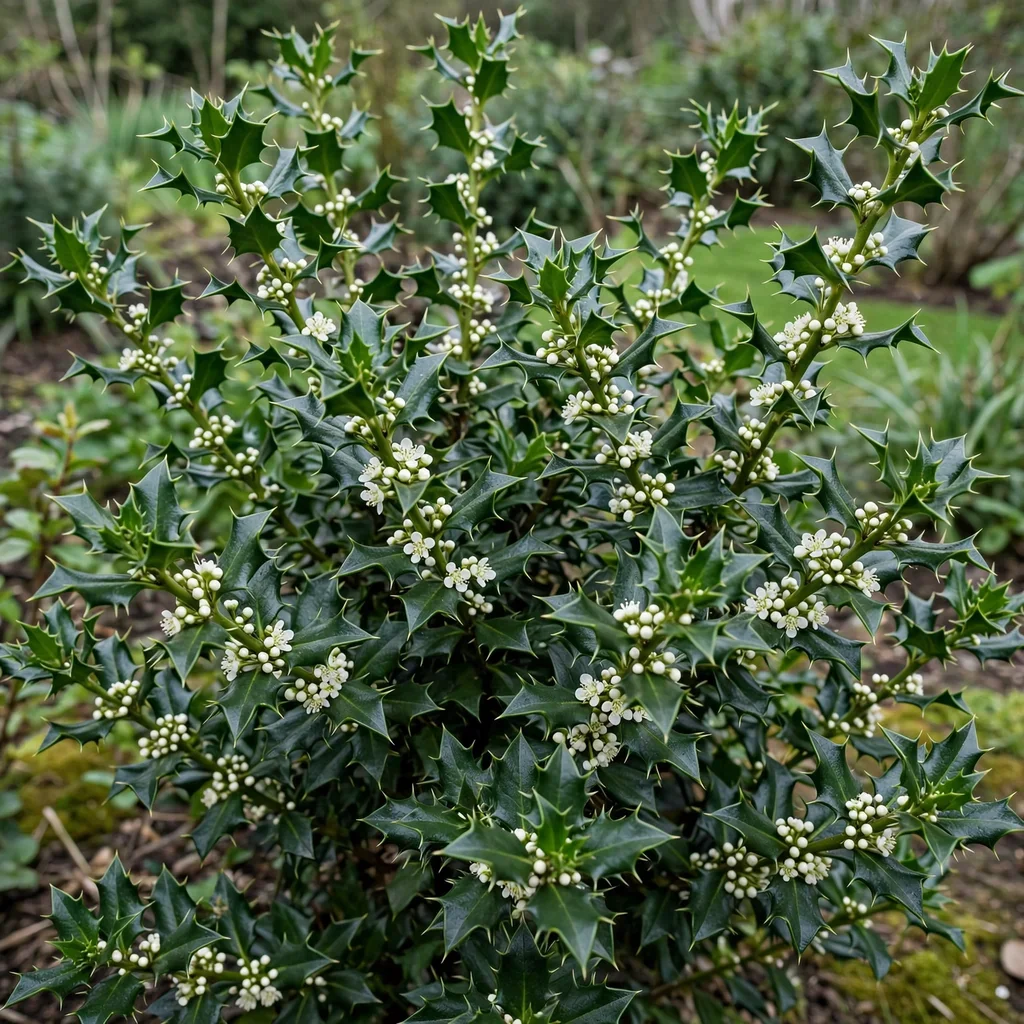
Mr Poppins Holly
Ilex verticillata 'Mr Poppins'
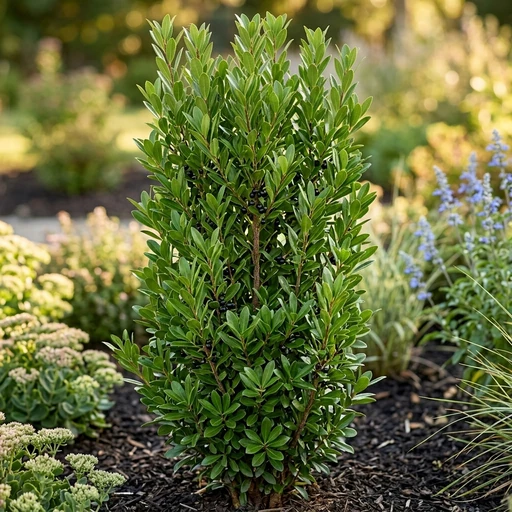
Squeeze Box Inkberry Holly
Ilex glabra 'Squeeze Box'
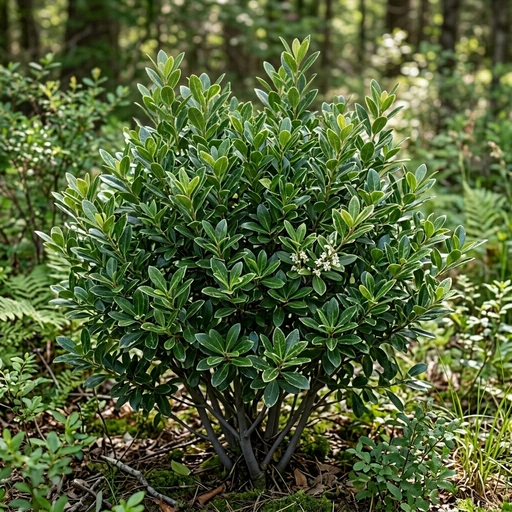
Densa Inkberry Holly
Ilex glabra 'Densa'
Keep exploring
Explore the genus
Grow Berry Poppins Winterberry with confidence
See it in a design of your actual yard, get zone-matched care reminders, and track it season by season in your garden journal.