The Story
Plant Bio
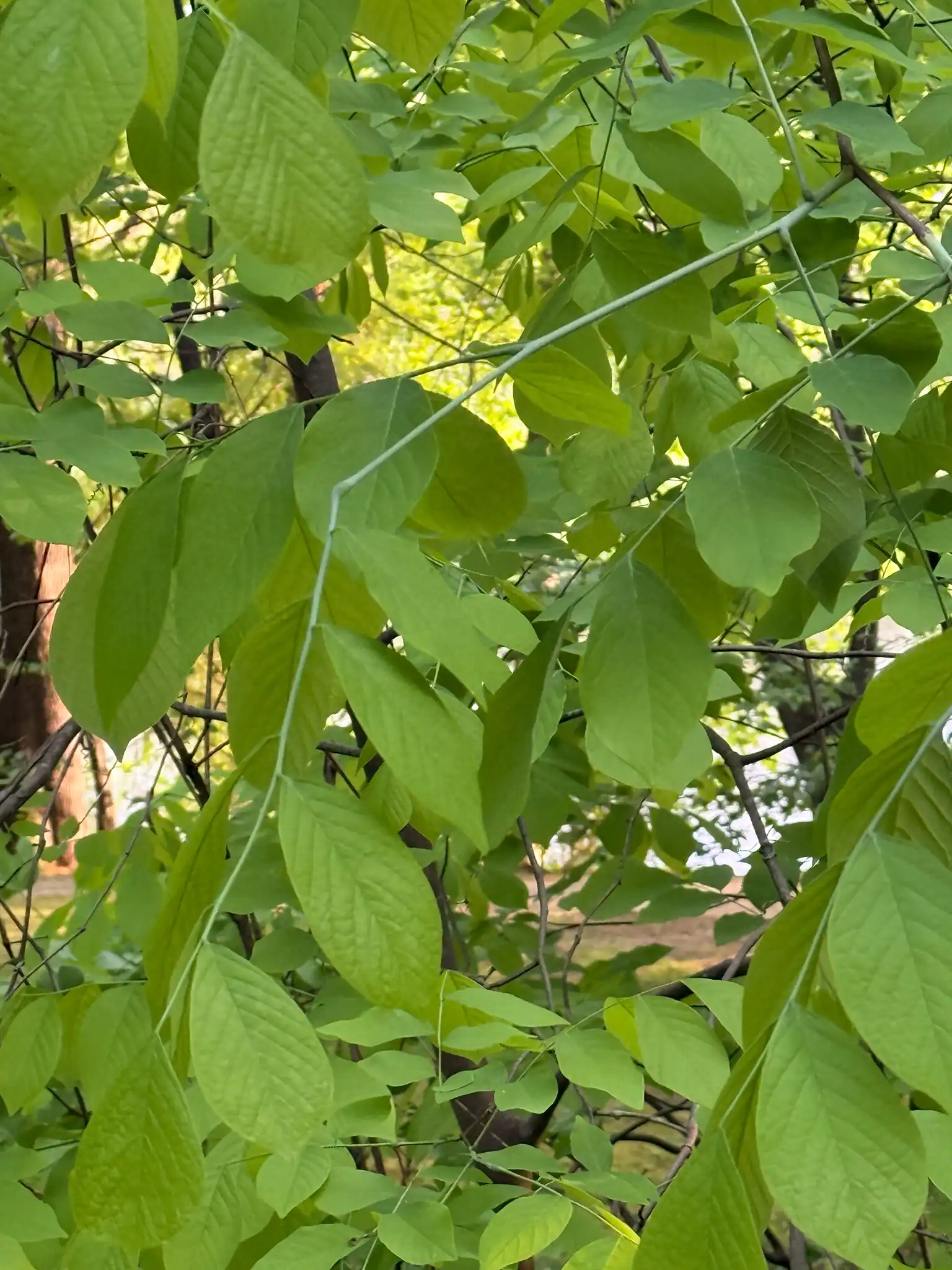
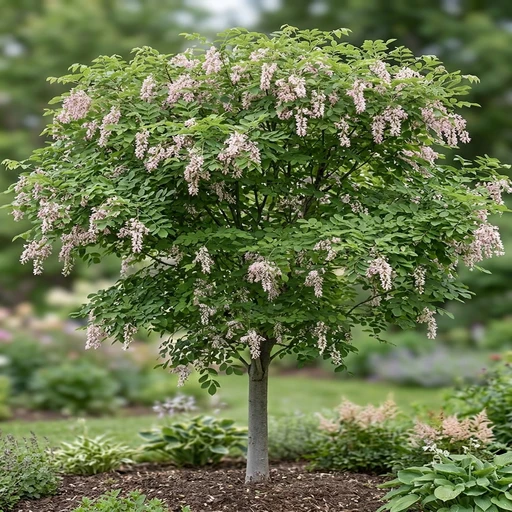
Cladrastis kentukea is a deciduous shade tree native to the southeastern United States, forming a short trunk that divides low into wide, arching branches. In late spring, mature specimens produce heavy pendulous clusters of fragrant white pea-like flowers that cascade up to 14 inches long.
Its compound foliage emerges bright green before deepening in summer and shifting to clear yellow and yellow-orange in fall. Smooth gray bark and bright yellow heartwood provide distinctive winter interest after the leaves drop.
Uses & Benefits:
Essentials
At a Glance
Plant Type
Tree
Height
480"
Width
540"
Light
Full Sun
Zones
4, 5, 6, 7, 8
Water
Moderate
Humidity
Moderate to High
Lifespan
Perennial
Native To
Southeastern United States
Toxicity
Non-toxic
Bloom period
Late spring – Early summer
In flower about 2 months of the year
Marketplace
Where to Buy
Shipping costs Year-round shipping Free shipping
Planting
How to Grow
- Select a site in full sun with fertile, well-draining soil and ample room for the wide canopy.
- Plant in spring or fall, placing the root collar level with the surrounding soil grade.
- Water regularly during the first two growing seasons to establish a deep root system.
- Prune lightly in mid-summer to remove narrow branch forks and establish wide crotch angles.
Pro Tip
Prune exclusively in mid-summer after flowering completes; late winter or spring cuts cause excessive sap bleeding that weakens the tree.
Keep It Thriving
Care Guide
Do
- Prune exclusively during mid-summer to prevent severe sap bleeding.
- Train young saplings early to eliminate co-dominant trunks and weak branch angles.
- Plant in well-draining soils to avoid root rot.
Don't
- Do not prune in late winter or spring when sap pressure is high.
- Avoid planting in waterlogged or poorly drained sites.
- Never cut aggressively into old, leafless wood.
Seasonal Care Calendar
| Task | Jan | Feb | Mar | Apr | May | Jun | Jul | Aug | Sep | Oct | Nov | Dec |
|---|---|---|---|---|---|---|---|---|---|---|---|---|
| Fertilize | ||||||||||||
| Mulch | ||||||||||||
| Prune | ||||||||||||
| Winter Prep |
Watch Out For
Pests & Diseases
Common Pests
Common Diseases
In the Garden
Landscape Uses & Companions
Landscape Uses
Companion Plants
Multiply
Propagation Methods
Good to Know
Common Questions
American Yellowwood questions
What zones can American Yellowwood grow in?
American Yellowwood is hardy in USDA Zones 4–8. Inside that range it survives winter in the ground; outside it, grow it as an annual or a container plant you protect.
Is American Yellowwood deer resistant?
Not reliably. Deer may browse American Yellowwood, especially tender spring growth — plan on repellents or fencing where pressure is high.
When does American Yellowwood bloom?
American Yellowwood typically blooms in late spring through early summer. Exact timing shifts a week or two with your zone — Sow's bloom calendar maps it to your garden.
Does American Yellowwood need full sun?
American Yellowwood does best in full sun (6+ hours).
Is American Yellowwood drought tolerant?
Yes — once established (usually after the first full season), American Yellowwood handles dry spells with minimal watering. Water deeply its first year to build the root system that makes that possible.
More Cladrastis to compare
Keep exploring
Explore the genus
Hardy in your zone?
Grow American Yellowwood with confidence
See it in a design of your actual yard, get zone-matched care reminders, and track it season by season in your garden journal.