Also known as Yellowwood · 56 saves
Cladrastis
Cladrastis, the genus most gardeners know as yellowwood. We track 3 varieties; the ones most used by real gardeners.
The 2 most-saved Cladrastis varieties
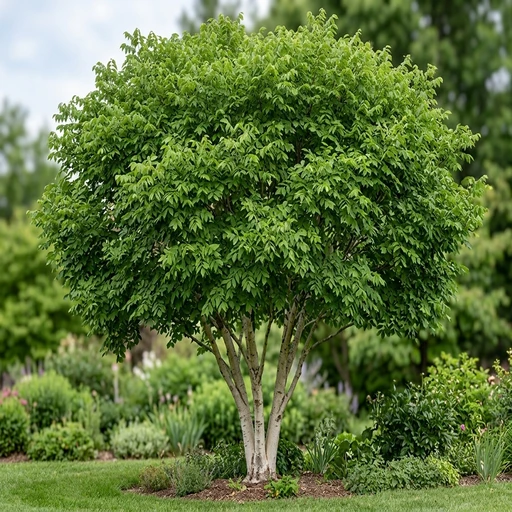
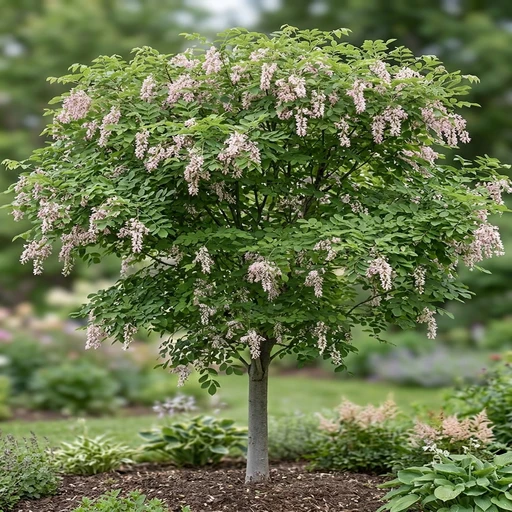
Browse all 3 Cladrastis varieties →
Species of Cladrastis
Each one is a parent of the varieties above.
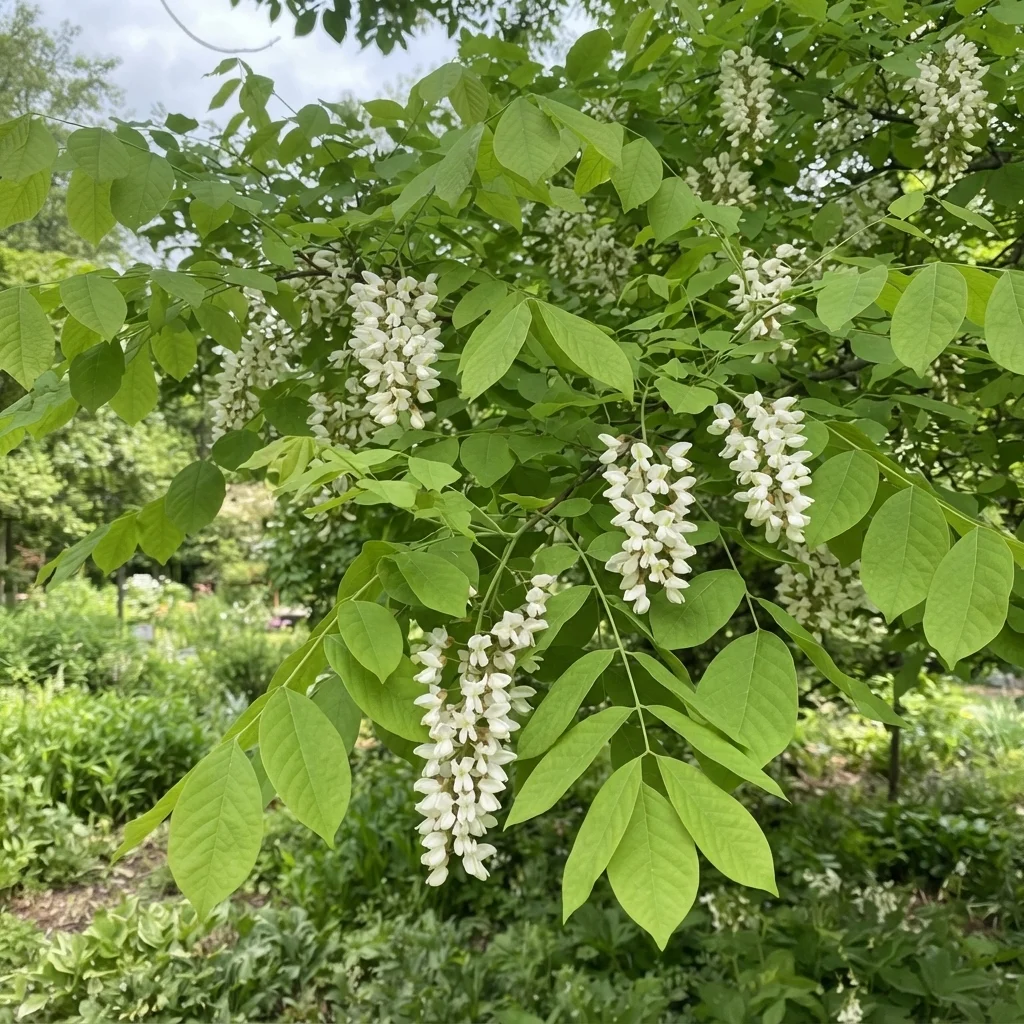
Track your Cladrastis in Sow
Save the Cladrastis you grow and get care reminders timed to your zone.
How to grow Cladrastis
Whats common across all Cladrastis varieties in our catalog — drawn from the care records of the 3 most-grown of them.
The Cladrastis year
- PruneJuly and August100% of varieties
Prune only in mid-summer to avoid heavy bleeding of sap.
- PlantApril and November67% of varieties
Plant in spring or fall in a well-drained location.
- FertilizeApril67% of varieties
Generally does not require fertilizer once established.


Do
- Provide full sun for best flowering.
- Prune in summer to correct structural issues when young.
- Protect the thin bark from mechanical damage.
- Be patient, as it may take several years to flower.
- Prune exclusively during mid-summer to prevent severe sap bleeding.
Avoid
- Don't plant in wet or poorly drained soils.
- Don't prune in winter or spring, as it will 'bleed' sap profusely.
- Don't overwater once established.
- Don't try to move it once established due to its deep taproot.
What goes wrong with Cladrastis
| Problem | What you'll see | What to do |
|---|---|---|
| None | This tree is remarkably free of serious insect pests. | Maintain good plant health to keep it pest-free. |
| Deer browsing | Chewed lower foliage and nipped branch tips on young saplings | Protect young trunks with wire cages or tree guards until the canopy grows out of reach. |
| Borers | Small holes in the trunk, sometimes with sawdust-like frass. | Maintain tree health to prevent attacks. No effective chemical control for homeowners once infested. Consult an arborist. |
| Verticillium Wilt | Sudden wilting and dieback of branches, often on one side of the tree. | There is no chemical cure. Prune out and destroy infected wood. Provide good care to help the tree wall off the infection. |
| Verticillium wilt | Sudden wilting and yellowing of leaves on scattered branches | Prune out symptomatic branches into healthy tissue and maintain overall tree vigour through proper watering. |
| Sun scald | Cracking and trunk damage on young thin-barked stems exposed to winter sun | Wrap the lower trunk of young trees with commercial tree wrap during winter months. |
Making more Cladrastis
Grafting
- Use chip budding or whip-and-tongue grafting.
- Graft 'Perkin's Pink' scions onto Cladrastis lutea seedling rootstock.
- This must be done to preserve the pink flower color.
- This is a skilled technique for experienced propagators.
Seed propagation
- Collect mature seed pods in autumn when they turn dry and brown.
- Scarify the hard seed coat using sandpaper or a hot water soak.
- Sow treated seeds in moist seed-starting mix in early spring.
- Keep germinating seedlings in bright, indirect light until large enough to transplant.
Cladrastis questions
How many types of Cladrastis are there?
The Sow catalog tracks 3 distinct Cladrastis varieties. The most popular — ranked by 56 real gardeners — are shown first above.
What zones does Cladrastis grow in?
Across its varieties, Cladrastis covers USDA Zones 4–8. Individual varieties differ — each plant page lists its exact range, and Sow filters the catalog to your zone automatically.
When does Cladrastis bloom?
Most Cladrastis varieties bloom in late spring. Staggering early, mid, and late varieties extends the genus's season in one bed.
Which Cladrastis should I choose?
Start from the most-saved varieties above — popularity across thousands of gardens is a strong signal of reliability — then filter by your zone and sun. In the Sow app you can preview any of them in a photo of your actual yard before you buy.