The Story
Plant Bio
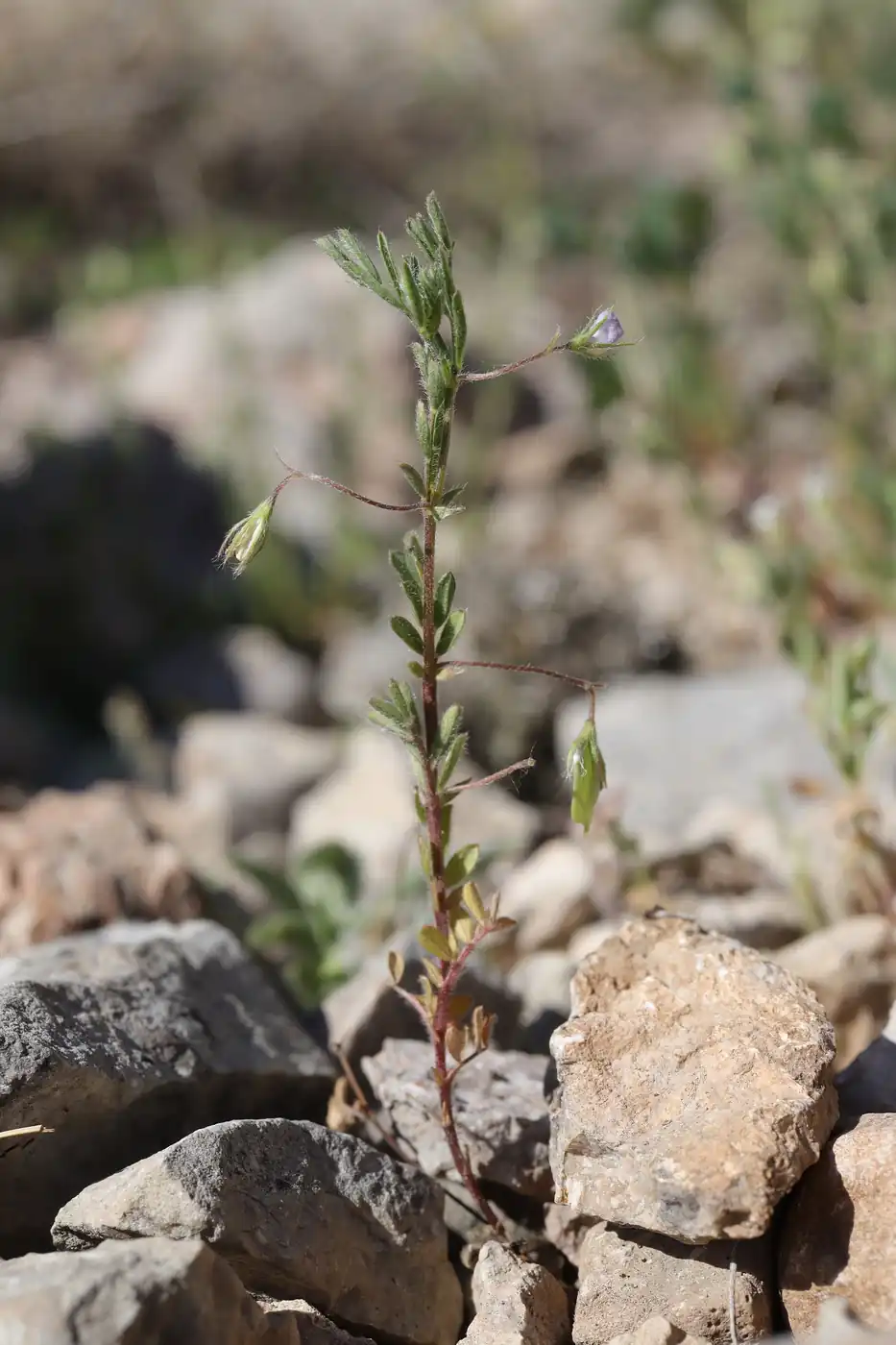
Vicia lens is an upright to semi-erect herbaceous annual with a fine, branching, and slender-stemmed growth habit. The plant features alternately arranged, pinnately compound leaves with numerous small, light green leaflets that create a soft, airy texture.
This species produces small, inconspicuous pea-like flowers ranging from white to pale blue or light lilac from spring to early summer. The resulting flattened pods contain the edible seeds known globally as lentils.
Uses & Benefits:
Essentials
At a Glance
Plant Type
Annual
Height
20"
Width
12"
Light
Full Sun
Zones
5, 6, 7, 8, 9
Water
Low to Moderate
Humidity
Low to Moderate
Lifespan
Annual
Native To
Mediterranean, Western Asia, Middle East
Toxicity
Raw seeds contain anti-nutritional factors; non-toxic when cooked.
Bloom period
Spring – Early summer
In flower about 4 months of the year
Planting
How to Grow
- Sow seeds directly into well-draining sandy loam or loamy soil in early spring once soil temperatures reach 40 degrees Fahrenheit.
- Plant seeds one inch deep and space them approximately one to two inches apart in rows spaced eighteen inches apart.
- Provide full sun and water sparingly, keeping the soil lightly moist only until seedlings emerge and establish.
- Construct a light trellis or brush support for the slender stems to climb, keeping the foliage off the ground to prevent rot.
Pro Tip
Do not apply nitrogen fertilizer to this crop; lentils associate with symbiotic bacteria to fix their own nitrogen, and excess soil nitrogen triggers rank vegetative growth at the expense of seed pods.
Keep It Thriving
Care Guide
Do
- Plant in a location that receives at least six to seven hours of direct daily sunlight.
- Ensure the planting site has excellent drainage to prevent waterlogging.
- Keep the area weed-free during the early stages of seedling establishment.
Don't
- Do not overwater, as the root system is highly sensitive to wet soils and prone to rot.
- Do not apply heavy nitrogen fertilizers, which reduce seed yield and cause excessive vine growth.
- Do not prune or shear back into old, leafless stems, as this annual will not recover.
Seasonal Care Calendar
| Task | Jan | Feb | Mar | Apr | May | Jun | Jul | Aug | Sep | Oct | Nov | Dec |
|---|---|---|---|---|---|---|---|---|---|---|---|---|
| Harvest | ||||||||||||
| Pest Check | ||||||||||||
| Plant | ||||||||||||
| Spring Cleanup |
Watch Out For
Pests & Diseases
Common Pests
Common Diseases
In the Garden
Landscape Uses & Companions
Landscape Uses
Multiply
Propagation Methods
Good to Know
Common Questions
Lentil questions
What zones can Lentil grow in?
Lentil is hardy in USDA Zones 5–9. Inside that range it survives winter in the ground; outside it, grow it as an annual or a container plant you protect.
Is Lentil deer resistant?
Not reliably. Deer may browse Lentil, especially tender spring growth — plan on repellents or fencing where pressure is high.
When does Lentil bloom?
Lentil typically blooms in spring through early summer. Exact timing shifts a week or two with your zone — Sow's bloom calendar maps it to your garden.
Does Lentil need full sun?
Lentil does best in full sun (6+ hours).
Is Lentil drought tolerant?
Yes — once established (usually after the first full season), Lentil handles dry spells with minimal watering. Water deeply its first year to build the root system that makes that possible.
More Vicia to compare
Keep exploring
Explore the genus
Hardy in your zone?
Grow Lentil with confidence
See it in a design of your actual yard, get zone-matched care reminders, and track it season by season in your garden journal.