Also known as Vetch · 37 saves
Vicia
Vicia, the genus most gardeners know as vetch. We track 4 varieties; the ones most used by real gardeners.
The 4 most-saved Vicia varieties
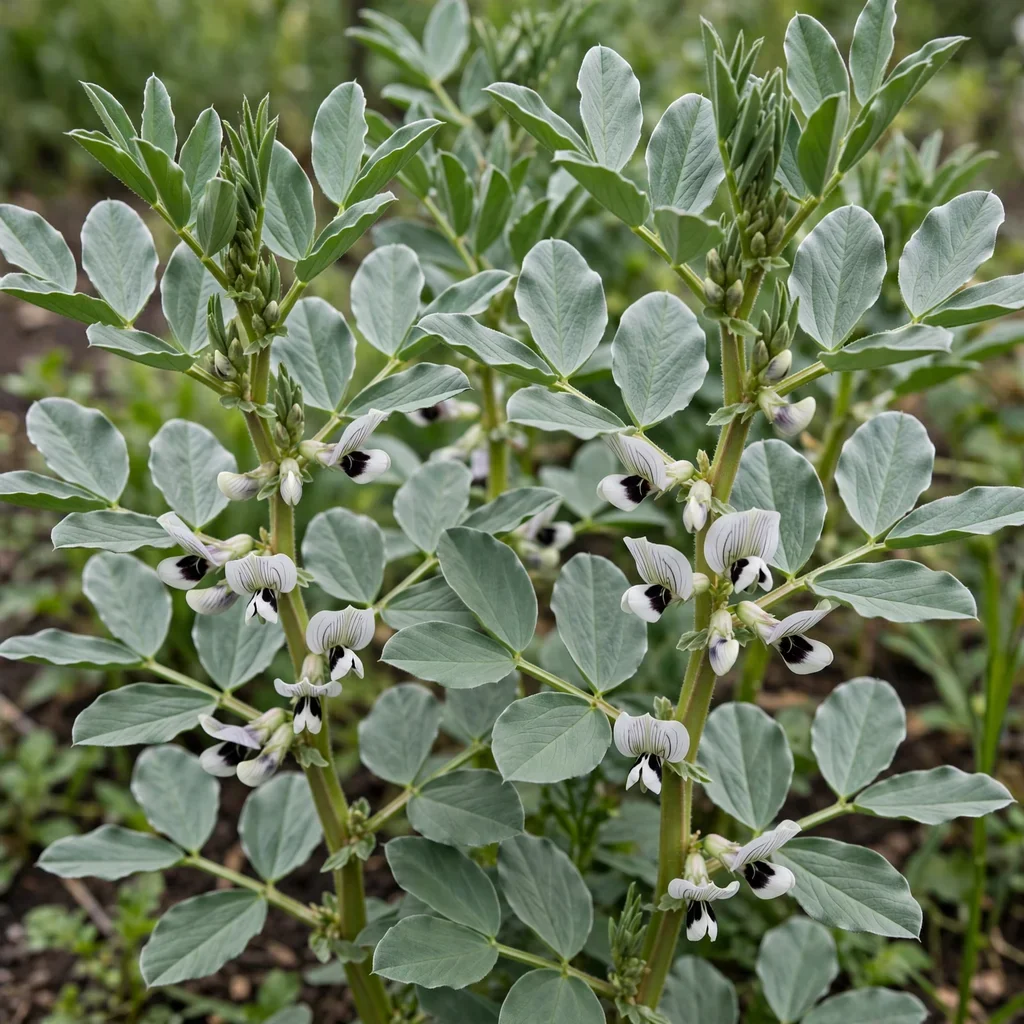
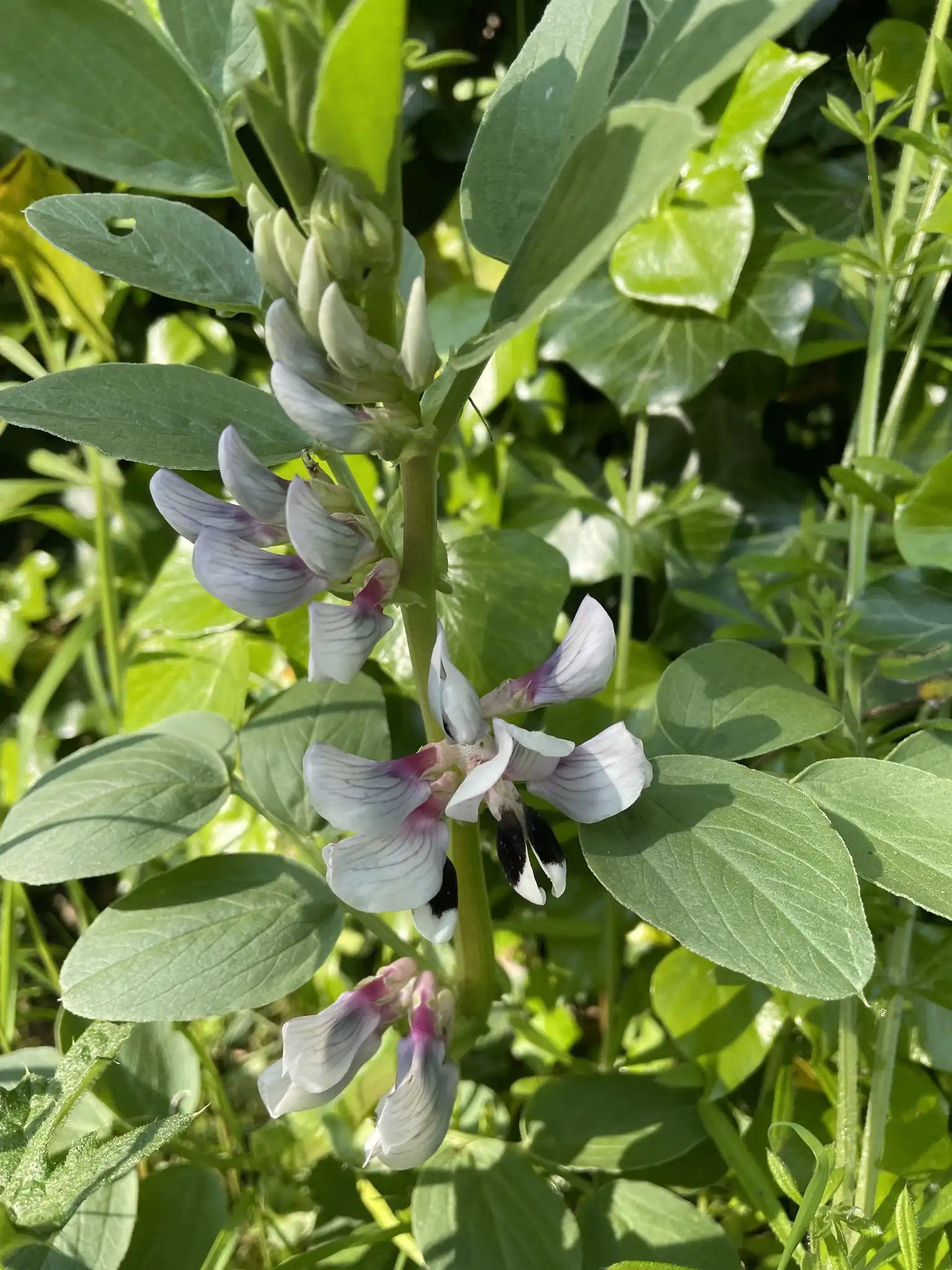
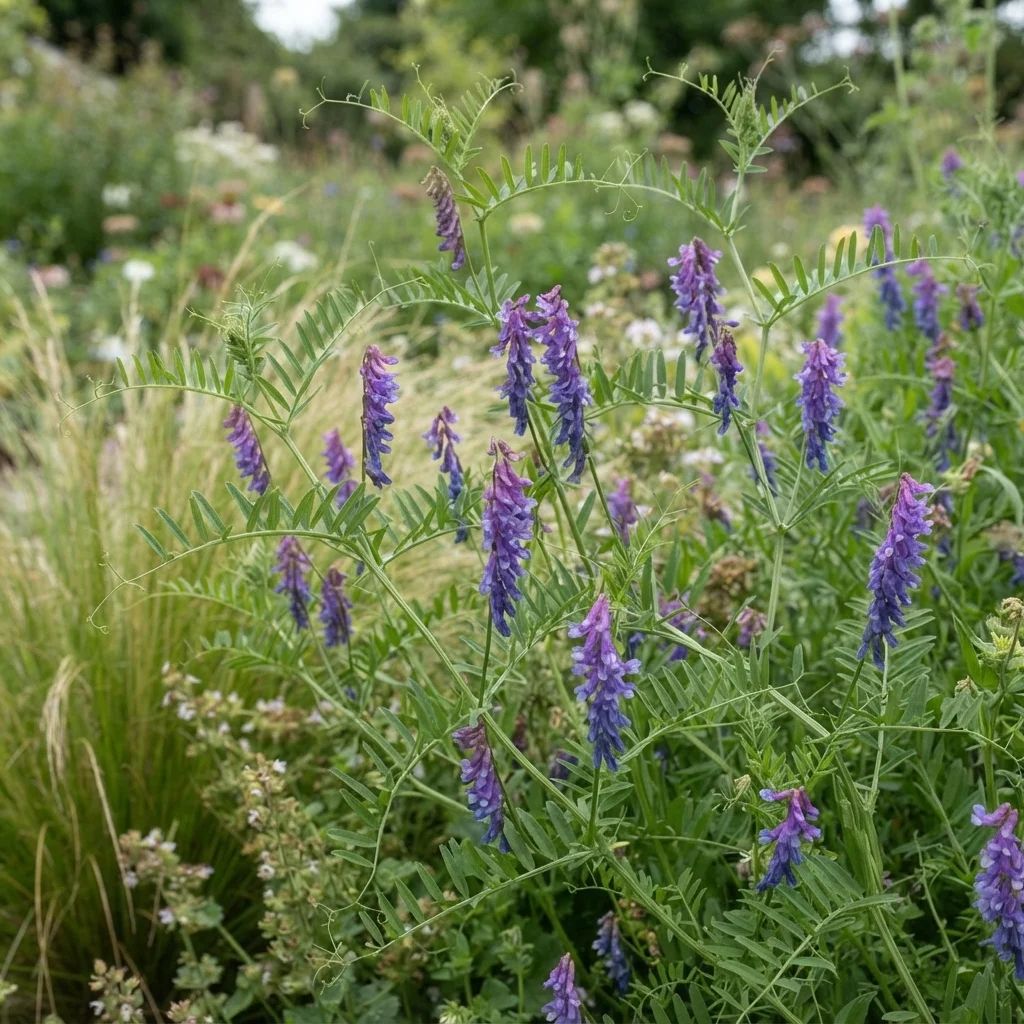
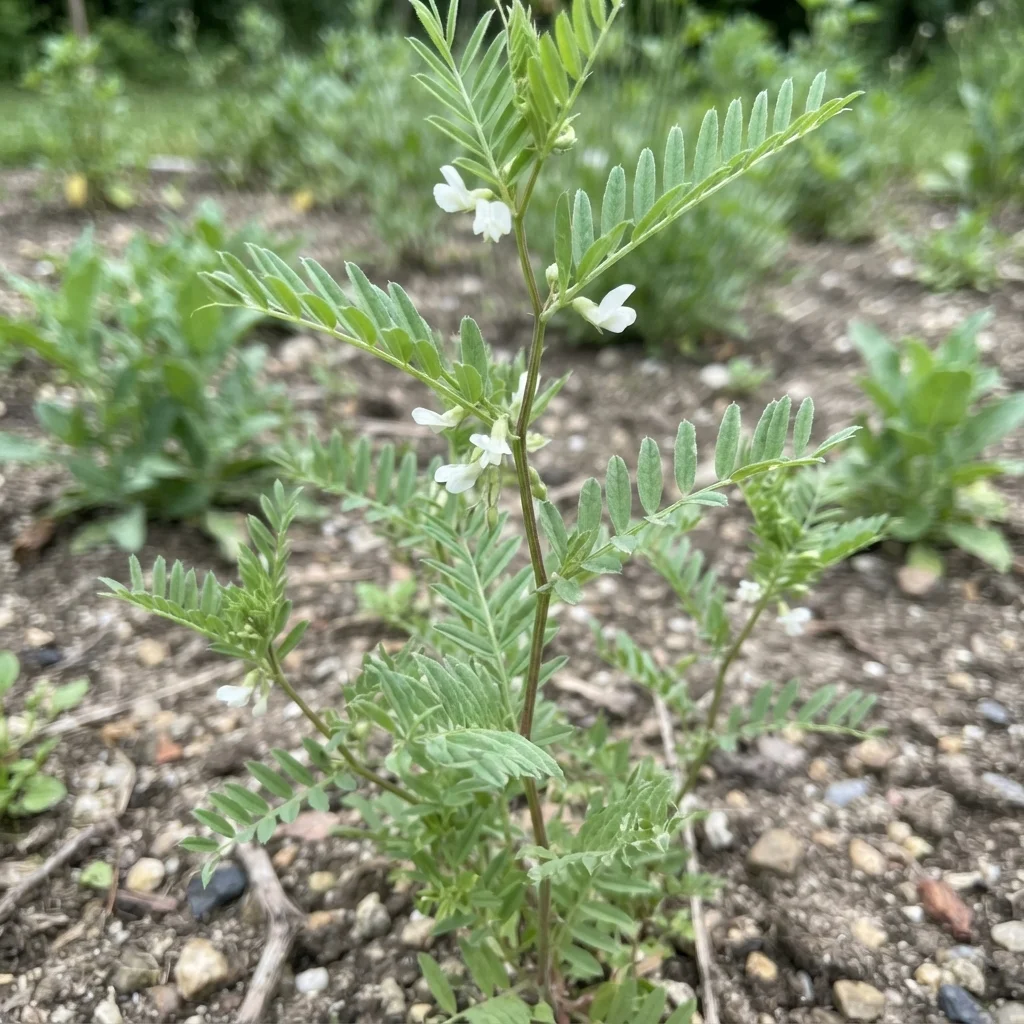
3 species of Vicia
Each one is a parent of the varieties above.
Track your Vicia in Sow
Save the Vicia you grow and get care reminders timed to your zone.
How to grow Vicia
Whats common across all Vicia varieties in our catalog — drawn from the care records of the 4 most-grown of them.
The Vicia year
- HarvestJune and July75% of varieties
Harvest pods when they turn papery and brown, and the seeds inside rattle.
- Check for PestsJune50% of varieties
Inspect the dense climbing mats for aphids, spider mites, and powdery mildew.
- Spring CleanupMarch50% of varieties
Clear away dead winter foliage and check for new green shoots emerging from the root crown.
- PlantMarch and April50% of varieties
Sow seeds directly into the garden in early spring once soil can be worked.


Do
- Monitor the climbing stems regularly to prevent them from smothering nearby desirable vegetation.
- Cut the foliage back hard at the end of the growing season to control its footprint.
- Ensure excellent soil drainage to prevent fungal root issues.
- Plant in a location that receives at least six to seven hours of direct daily sunlight.
- Ensure the planting site has excellent drainage to prevent waterlogging.
Avoid
- Do not plant in waterlogged or poorly drained soils where the root system is prone to rot.
- Do not allow the plant to self-seed or spread unchecked near native prairie restorations or natural areas.
- Do not overwater, as the root system is highly sensitive to wet soils and prone to rot.
- Do not apply heavy nitrogen fertilizers, which reduce seed yield and cause excessive vine growth.
What goes wrong with Vicia
| Problem | What you'll see | What to do |
|---|---|---|
| Aphids | Distorted new growth and sticky honeydew on the foliage. | Wash the stems with a strong spray of water or apply insecticidal soap if infestations are severe. |
| Spider mites | Fine webbing on the stems and speckled, yellowing leaflets. | Increase air circulation around the climbing mats and spray the foliage with water to disrupt mite colonies. |
| Cutworms and wireworms | Severed stems near the soil line or damaged roots. | Use physical barriers like collars for seedlings or beneficial nematodes. |
| Deer and rabbits | Browsing and grazing damage to foliage and developing pods. | Use fencing or commercial repellents. |
| Powdery mildew | A white, dusty fungal coating on the leaves and stems during warm, humid weather. | Space plants to improve air circulation and avoid overhead watering to keep foliage dry. |
| Root rot | Wilting, yellowing foliage and decaying, mushy roots, especially in wet soils. | Plant in well-drained soil and avoid overwatering or allowing the climbing stems to form dense, wet mats on the ground. |
| Ascochyta blight | Tan-to-brown lesions on leaves, stems, and pods, leading to defoliation. | Use certified disease-free seed, practice multi-year crop rotation, and apply appropriate fungicides if severe. |
Making more Vicia
Seed
- Scarify the hard seed coat gently with sandpaper to improve germination.
- Sow seeds directly into prepared soil in early spring.
- Keep the soil moist until seedlings emerge and establish.
- Thin seedlings to allow adequate space for the scrambling stems.
Division
- Dig up a portion of the established root crown in early spring.
- Slice the crown into sections, ensuring each has viable buds and roots.
- Replant the divisions immediately into well-drained soil.
- Water thoroughly to settle the soil around the transplanted roots.
Vicia questions
How many types of Vicia are there?
The Sow catalog tracks 4 distinct Vicia varieties. The most popular — ranked by 37 real gardeners — are shown first above.
What zones does Vicia grow in?
Across its varieties, Vicia covers USDA Zones 4–9. Individual varieties differ — each plant page lists its exact range, and Sow filters the catalog to your zone automatically.
When does Vicia bloom?
Most Vicia varieties bloom in early summer, spring to early summer, late spring. Staggering early, mid, and late varieties extends the genus's season in one bed.
Which Vicia should I choose?
Start from the most-saved varieties above — popularity across thousands of gardens is a strong signal of reliability — then filter by your zone and sun. In the Sow app you can preview any of them in a photo of your actual yard before you buy.