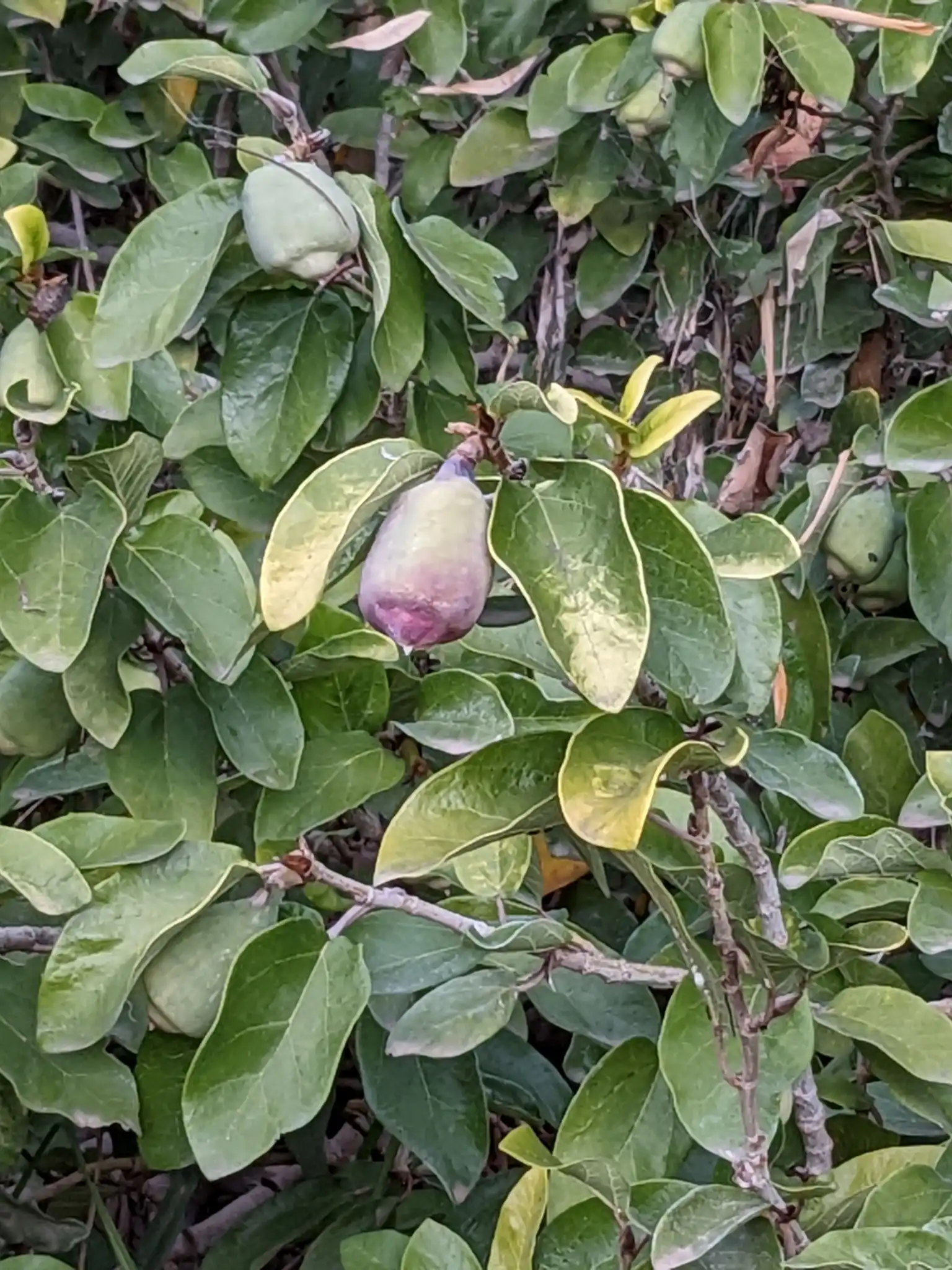
The Story
Plant Bio
Ficus pumila, commonly known as creeping fig, is a small-leaved, evergreen vine that is often used as a ground cover or to climb walls and fences.
This plant is known for its adhesive aerial roots that help it cling to surfaces, making it a popular choice for vertical gardens.
Uses & Benefits:
Essentials
At a Glance
Plant Type
Vine
Height
240"
Width
60"
Light
Partial Sun, Shade
Zones
8, 9, 10
Water
Moderate
Humidity
High
Lifespan
Long-term
Native To
East Asia
Toxicity
Sap is a skin irritant; mildly toxic if ingested.
Bloom period
Mid-summer – Late summer
In flower about 2 months of the year
Planting
How to Grow
- Select well-draining soil with a neutral to slightly acidic pH.
- Tuck seeds or cuttings into soil, ensuring good contact and moisture.
- Mist cuttings regularly to maintain humidity for 2-3 weeks.
- Keep the plant in bright, indirect light for optimal growth.
- Water thoroughly when the top inch of soil feels dry, about once a week.
- Fertilize monthly during the growing season with a balanced fertilizer.
Pro Tip
Use a warm, humid environment and avoid direct sunlight for best propagation results.
Keep It Thriving
Care Guide
Do
- Ensure consistent watering to keep soil moist but not waterlogged 🌱
- Place in bright, indirect light for healthy growth
- Use balanced fertilizer monthly during active growing season
- Prune to maintain shape and remove dead leaves
Don't
- Avoid overwatering, which can cause root rot ❌
- Do not place in direct, harsh sunlight
- Avoid using heavy, poorly draining soil
- Do not neglect pruning and pest inspection
Seasonal Care Calendar
| Task | Jan | Feb | Mar | Apr | May | Jun | Jul | Aug | Sep | Oct | Nov | Dec |
|---|---|---|---|---|---|---|---|---|---|---|---|---|
| Fertilize | ||||||||||||
| Mulch | ||||||||||||
| Plant | ||||||||||||
| Prune |
Watch Out For
Pests & Diseases
Common Pests
Common Diseases
In the Garden
Landscape Uses & Companions
Landscape Uses
Companion Plants
Multiply
Propagation Methods
Good to Know
Common Questions
Creeping Fig questions
What zones can Creeping Fig grow in?
Creeping Fig is hardy in USDA Zones 8–10. Inside that range it survives winter in the ground; outside it, grow it as an annual or a container plant you protect.
Is Creeping Fig deer resistant?
Yes — Creeping Fig is rated deer-resistant. Deer typically pass it over, though extreme hunger can override any plant's defenses.
When does Creeping Fig bloom?
Creeping Fig typically blooms in mid-summer through late summer. Exact timing shifts a week or two with your zone — Sow's bloom calendar maps it to your garden.
Does Creeping Fig need full sun?
Creeping Fig does best in part shade.
More Ficus to compare
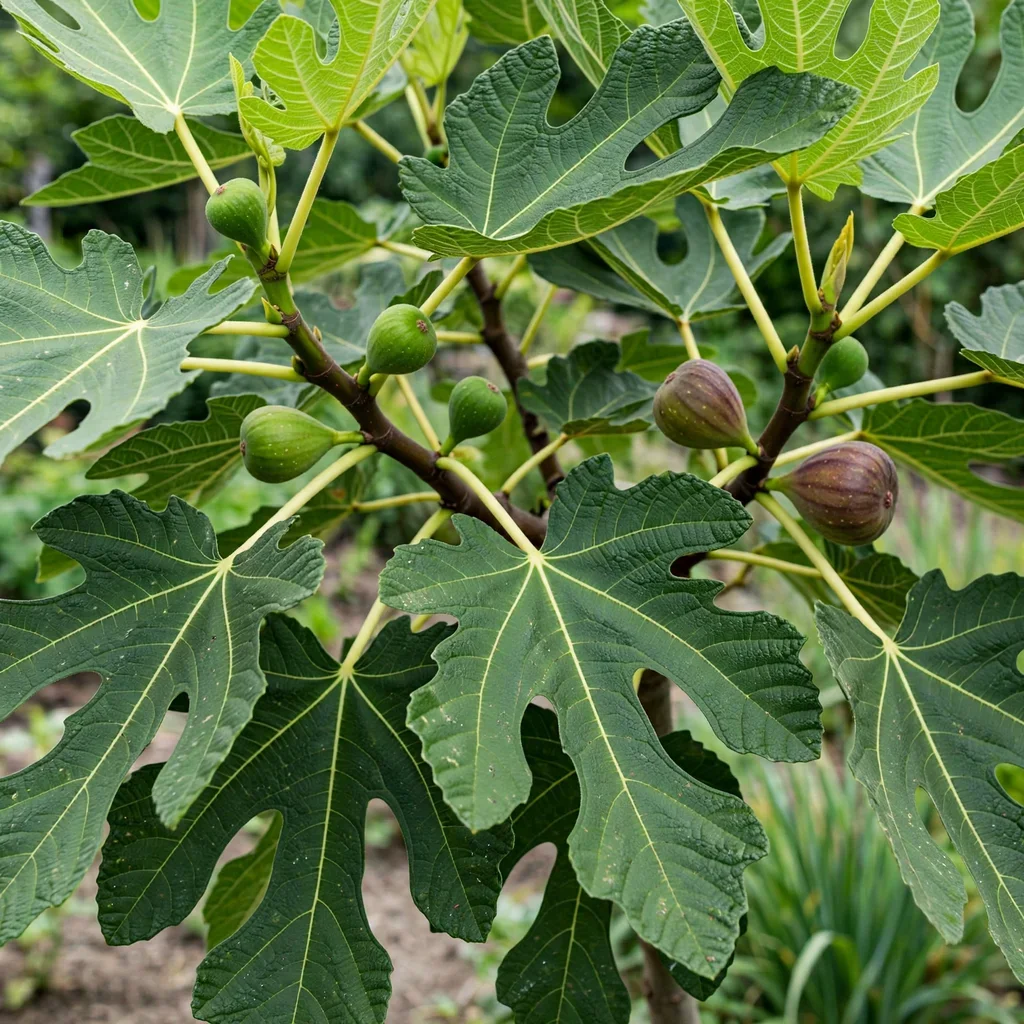
Fig Tree Brown Turkey
Ficus carica 'Brown Turkey'
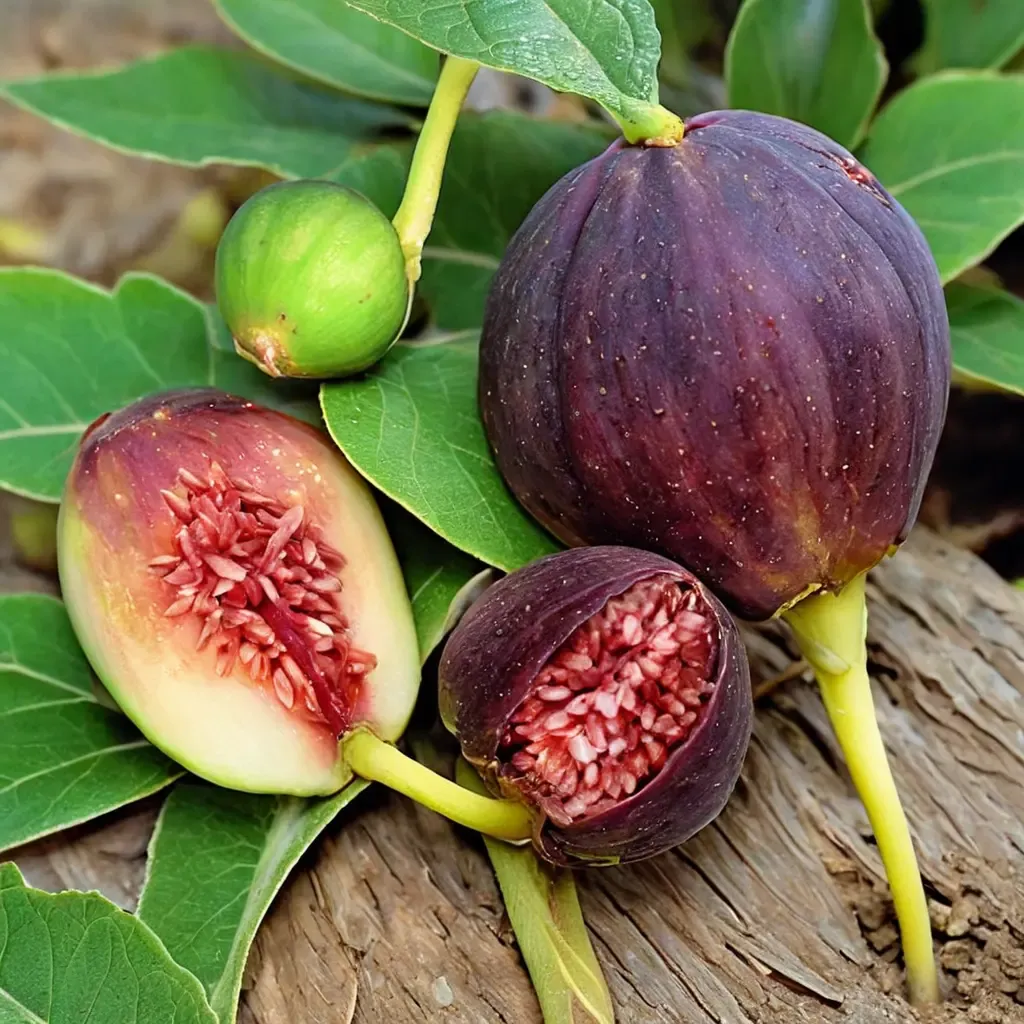
Improved Brown Turkey Fig
Ficus carica 'Improved Brown Turkey'
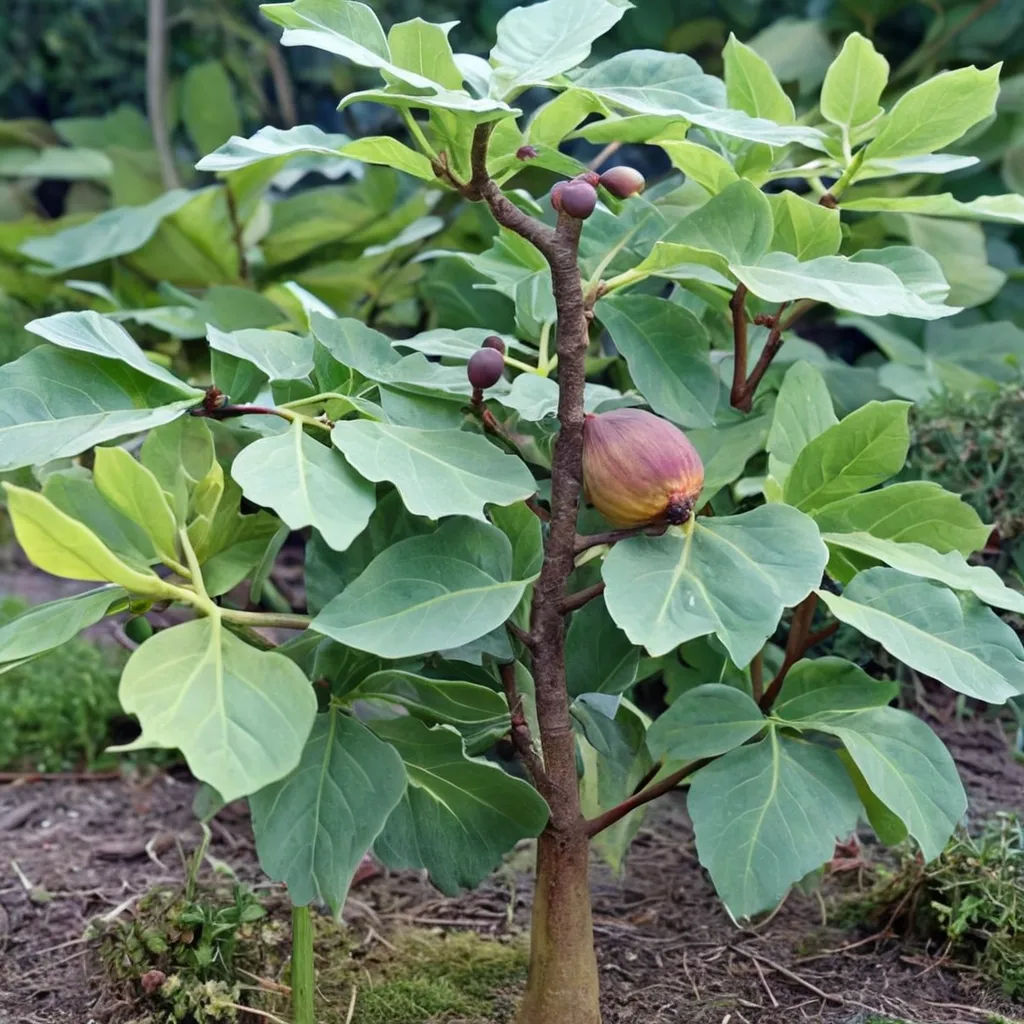
Chicago Hardy Fig
Ficus carica 'Chicago Hardy'
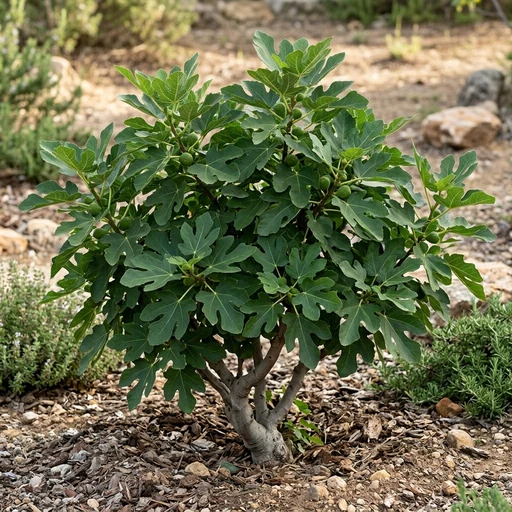
Little Miss Figgy Dwarf Fig
Ficus carica 'Little Miss Figgy'
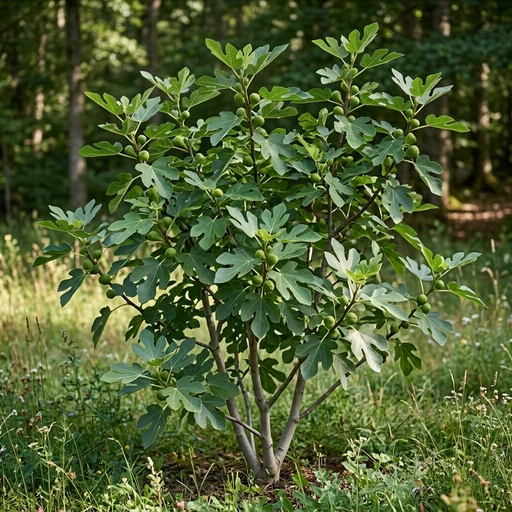
Celeste Fig
Ficus carica 'Celeste'
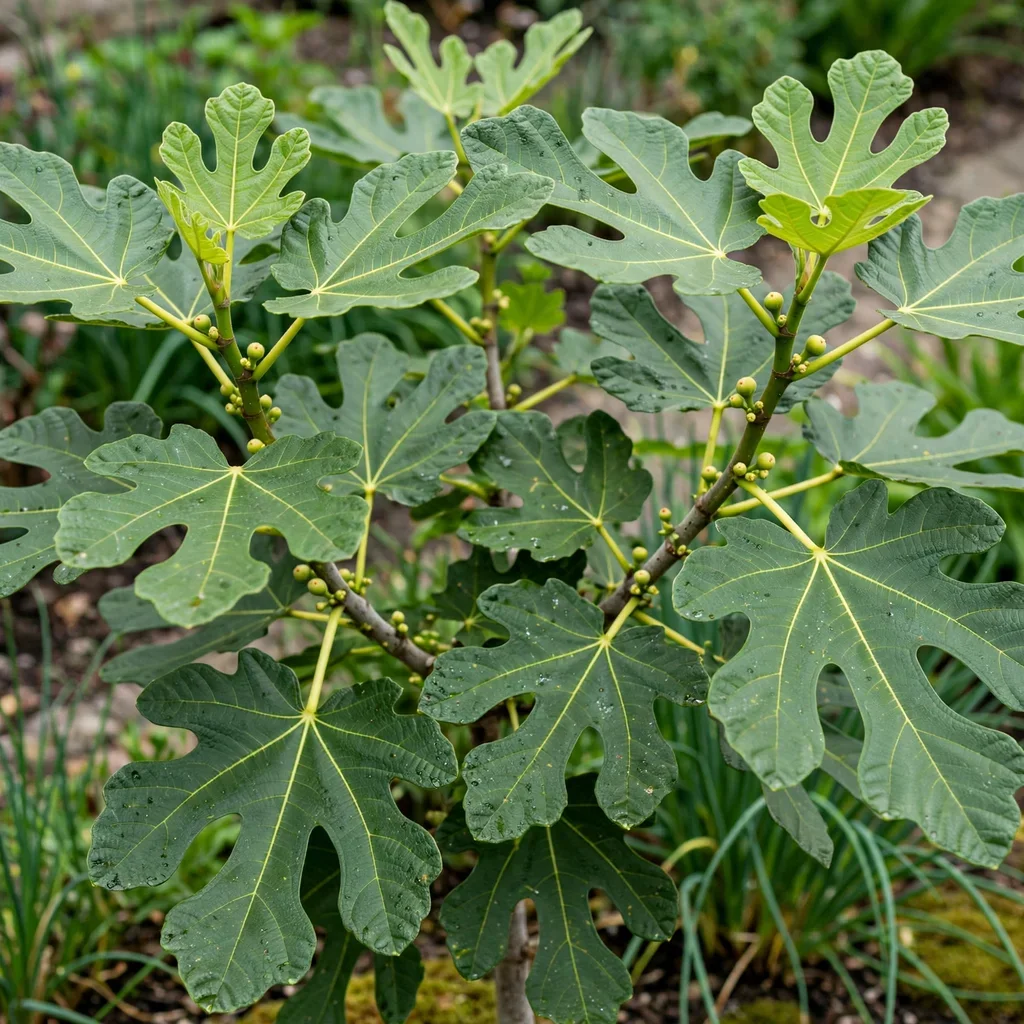
Champagne Fig
Ficus carica 'Champagne'
Keep exploring
Explore the genus
Hardy in your zone?
Grow Creeping Fig with confidence
See it in a design of your actual yard, get zone-matched care reminders, and track it season by season in your garden journal.