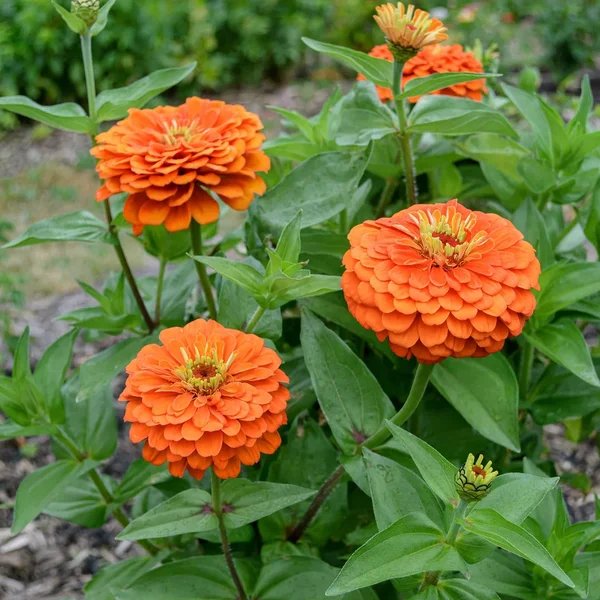
Species
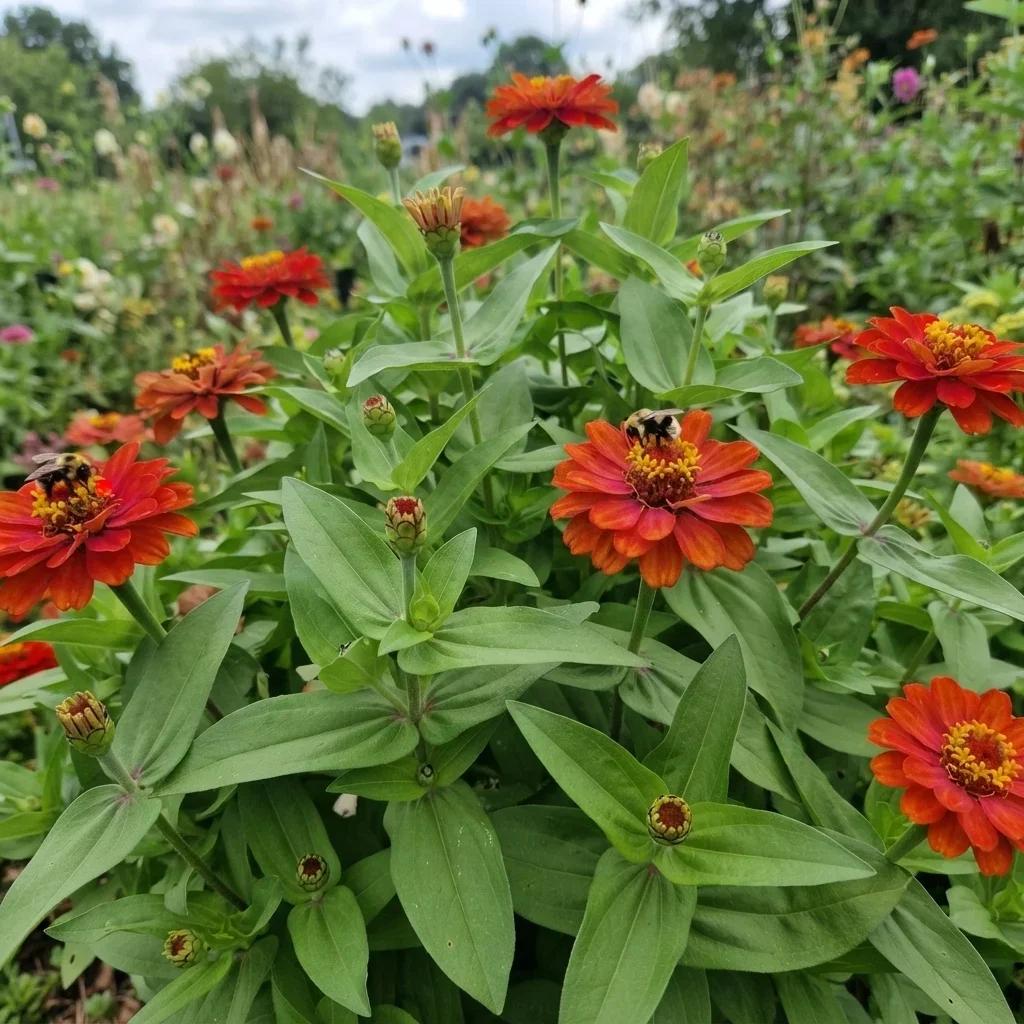 Zinnia elegansCommon Zinnia
14 other cultivars
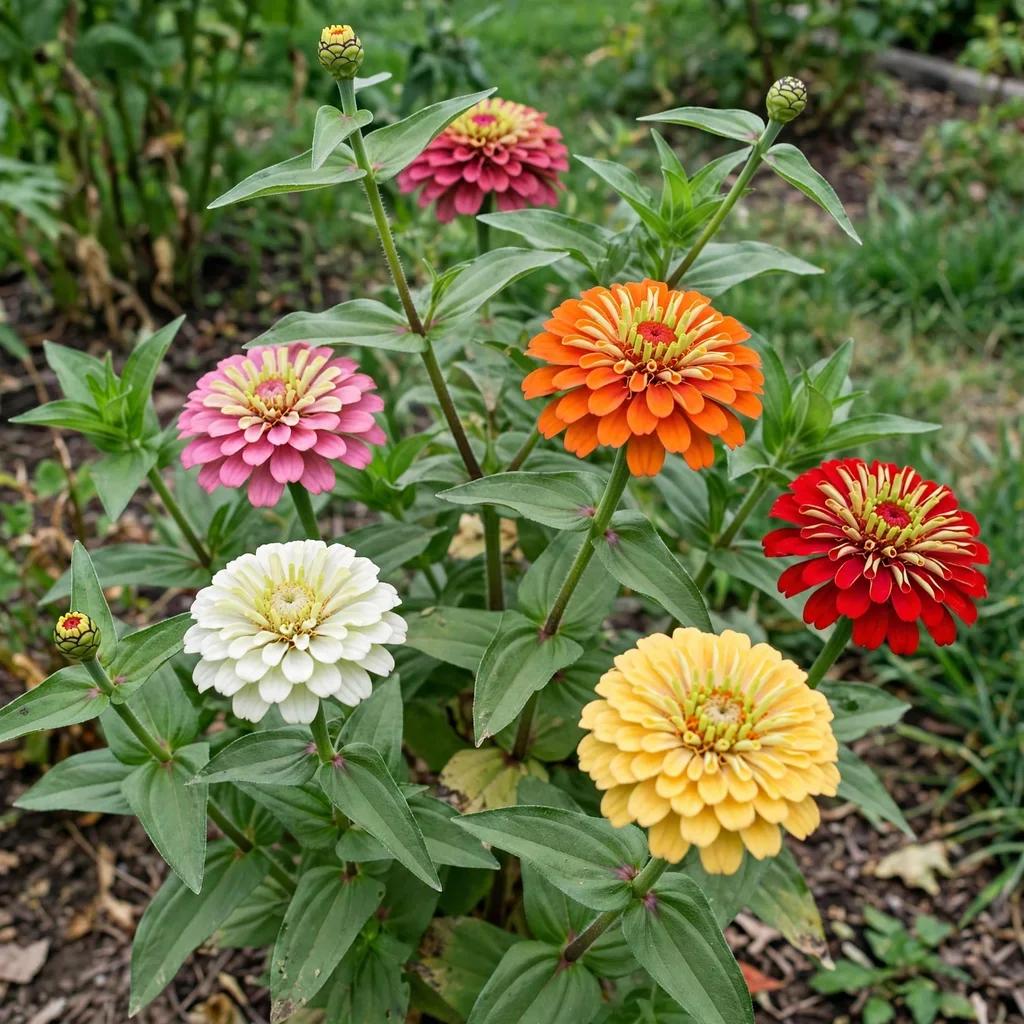 ‘Raggedy Ann’Zinnia Raggedy Ann
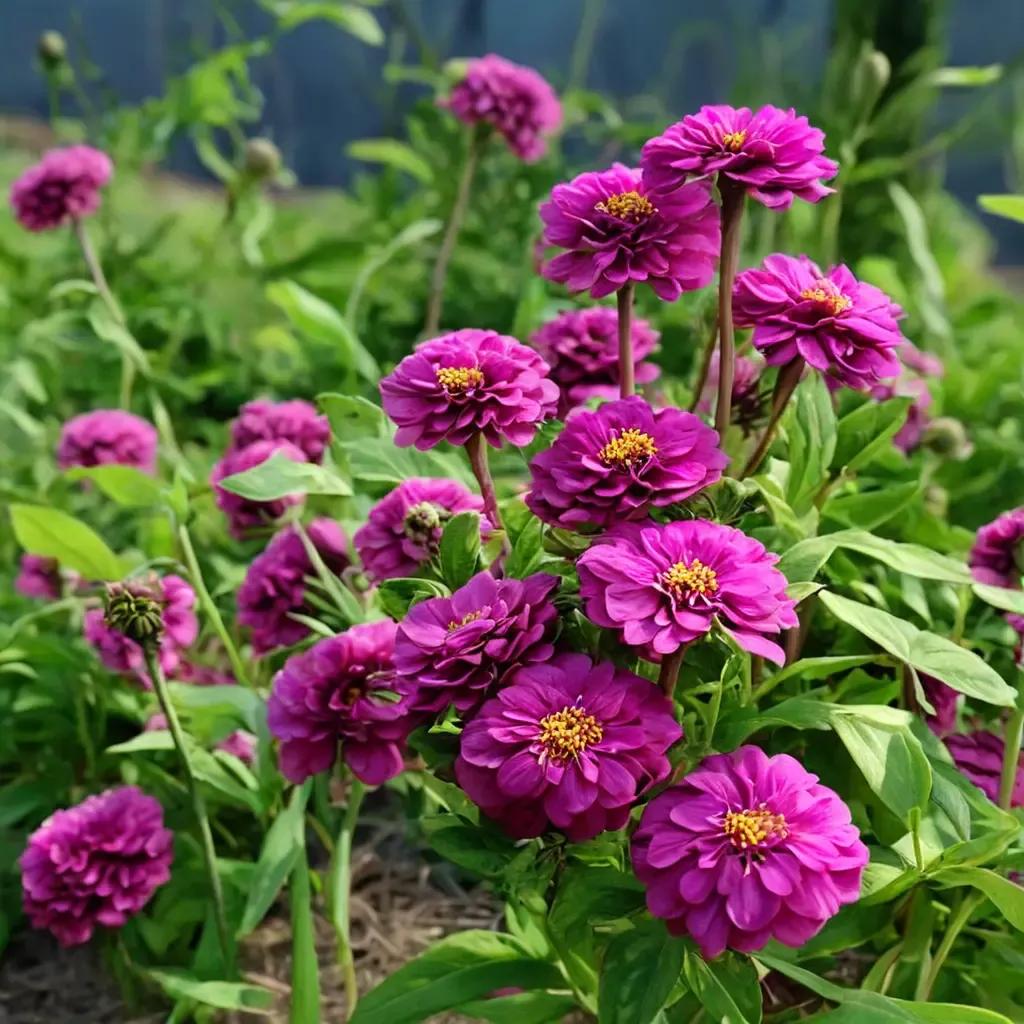 ‘Giant Violet Queen’Giant Violet Queen Zinnia
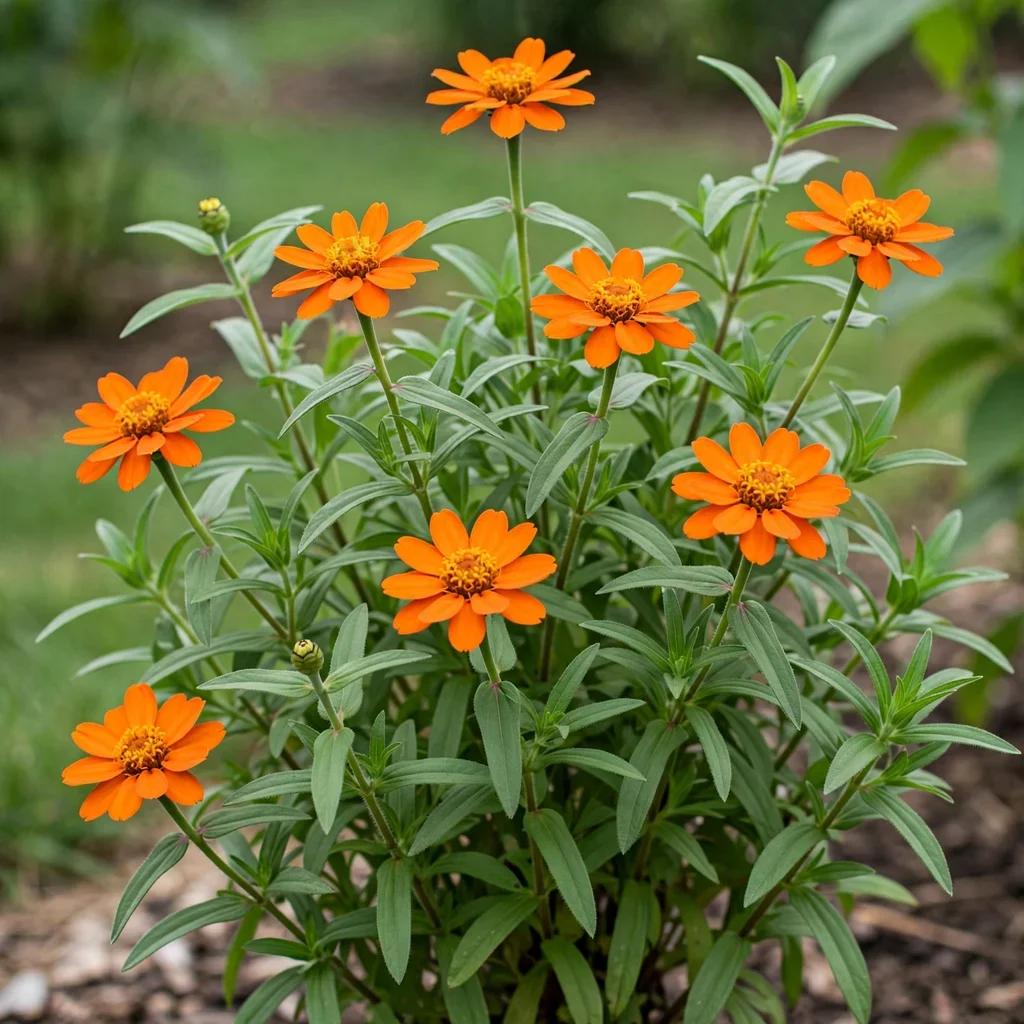 ‘Profusion’Profusion Zinnia
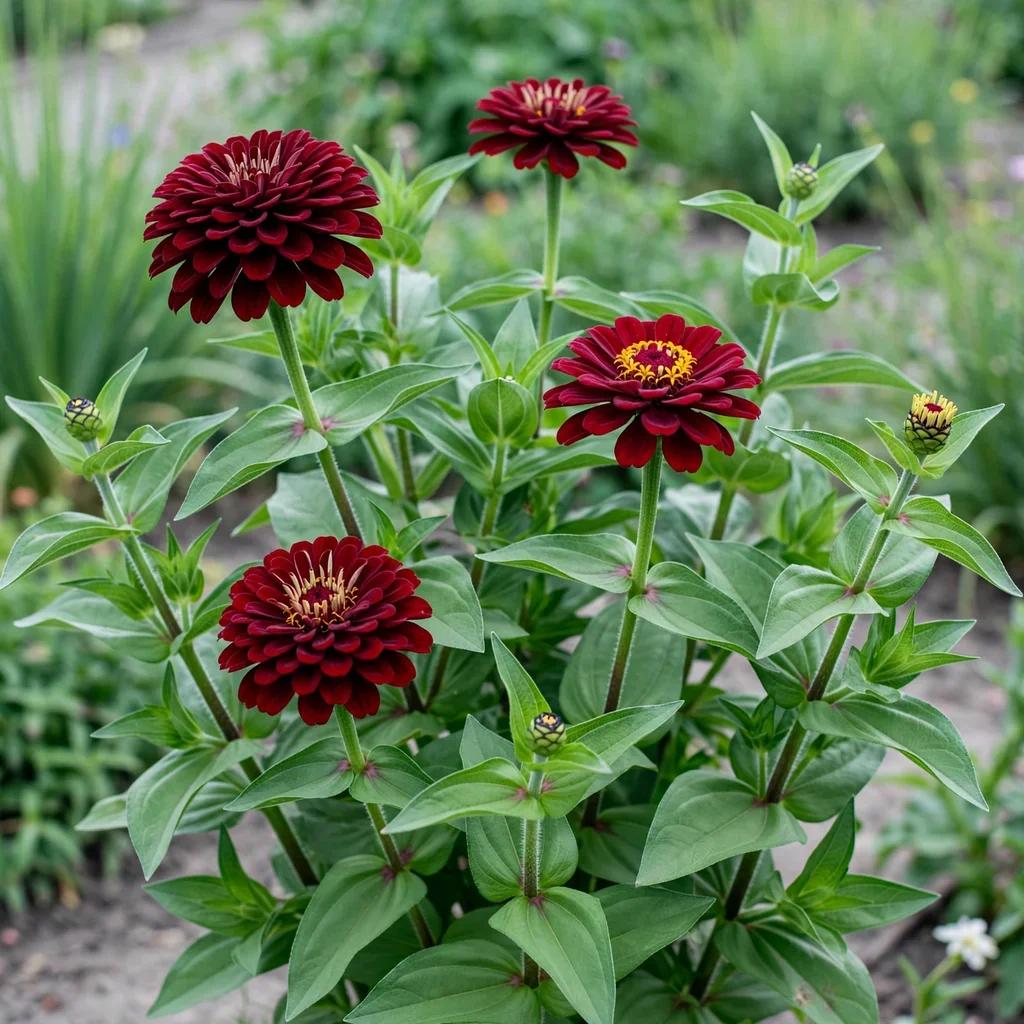 ‘Benary's Giant Wine’Benary's Giant Wine Zinnia
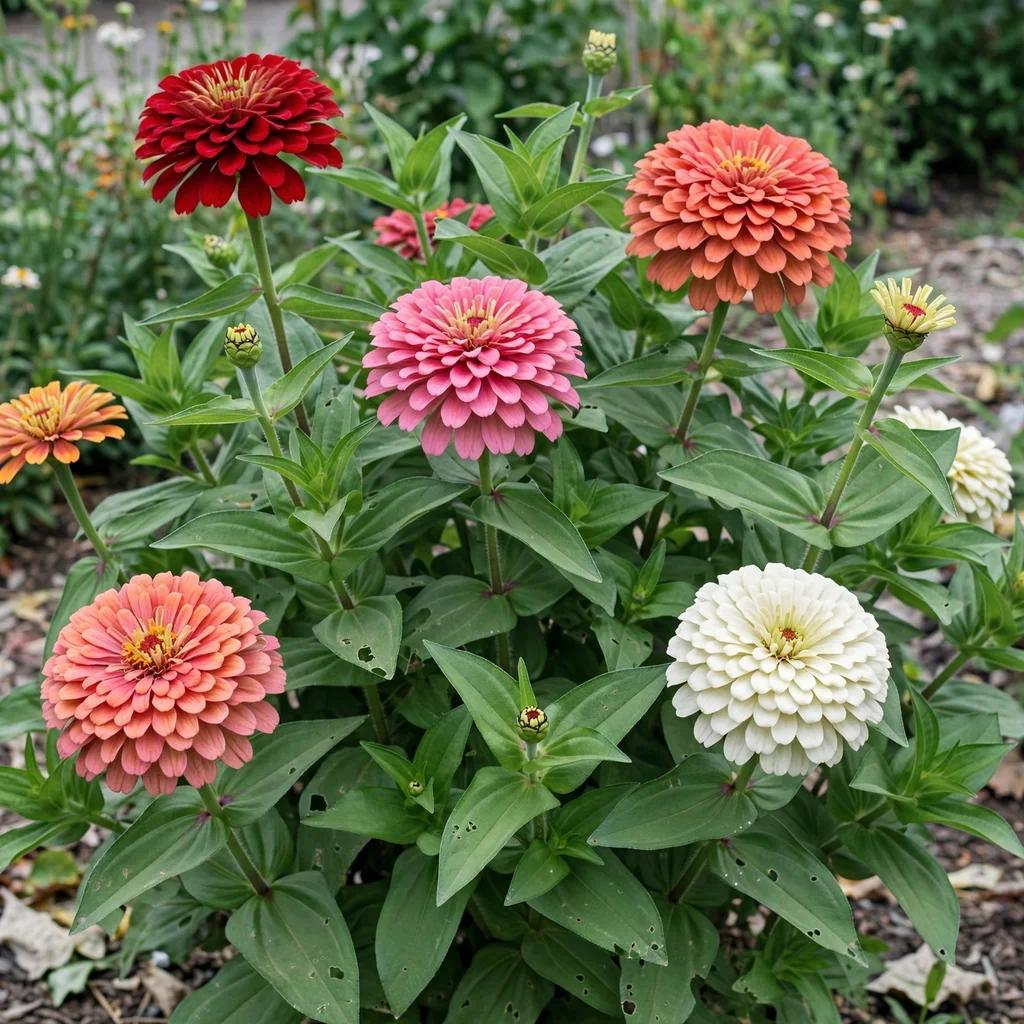 ‘Benary’Benary's Giant Zinnia
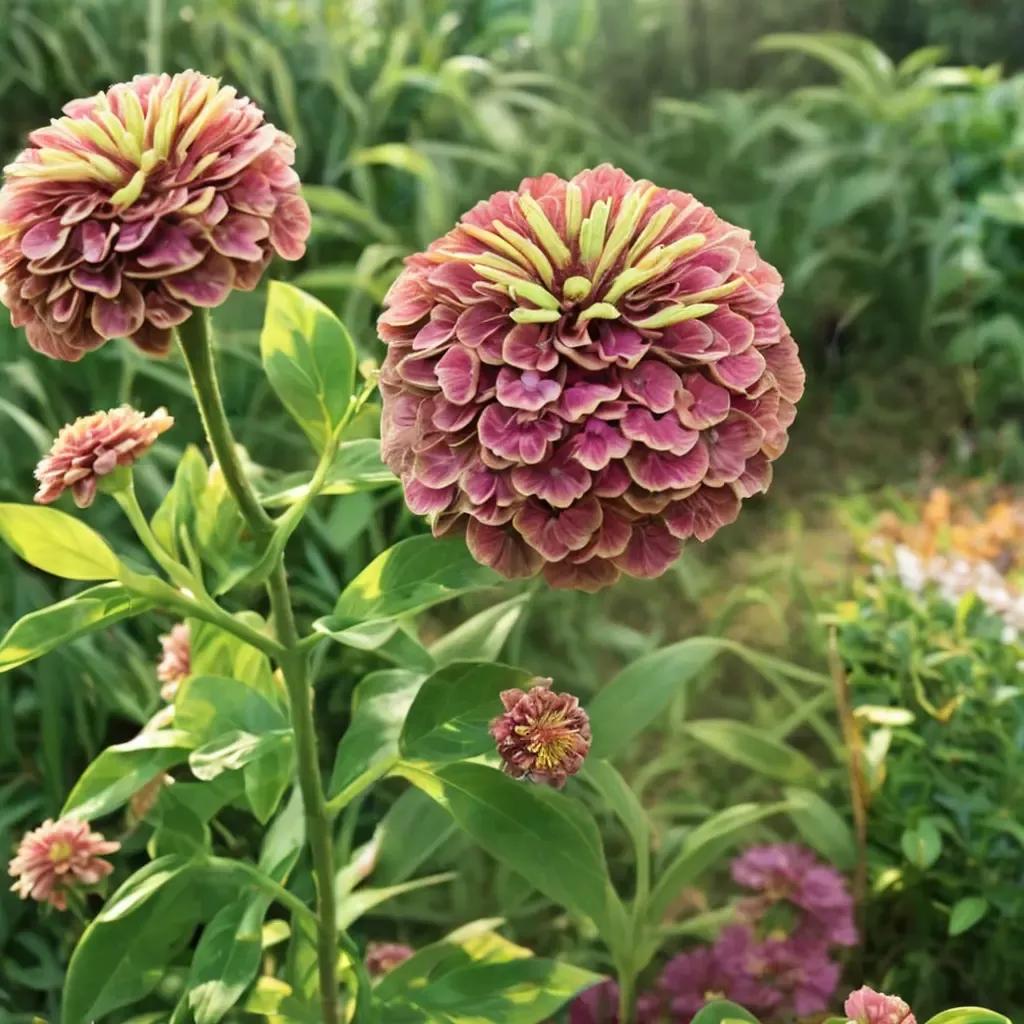 ‘Queen Red Lime’Queen Red Lime Zinnia
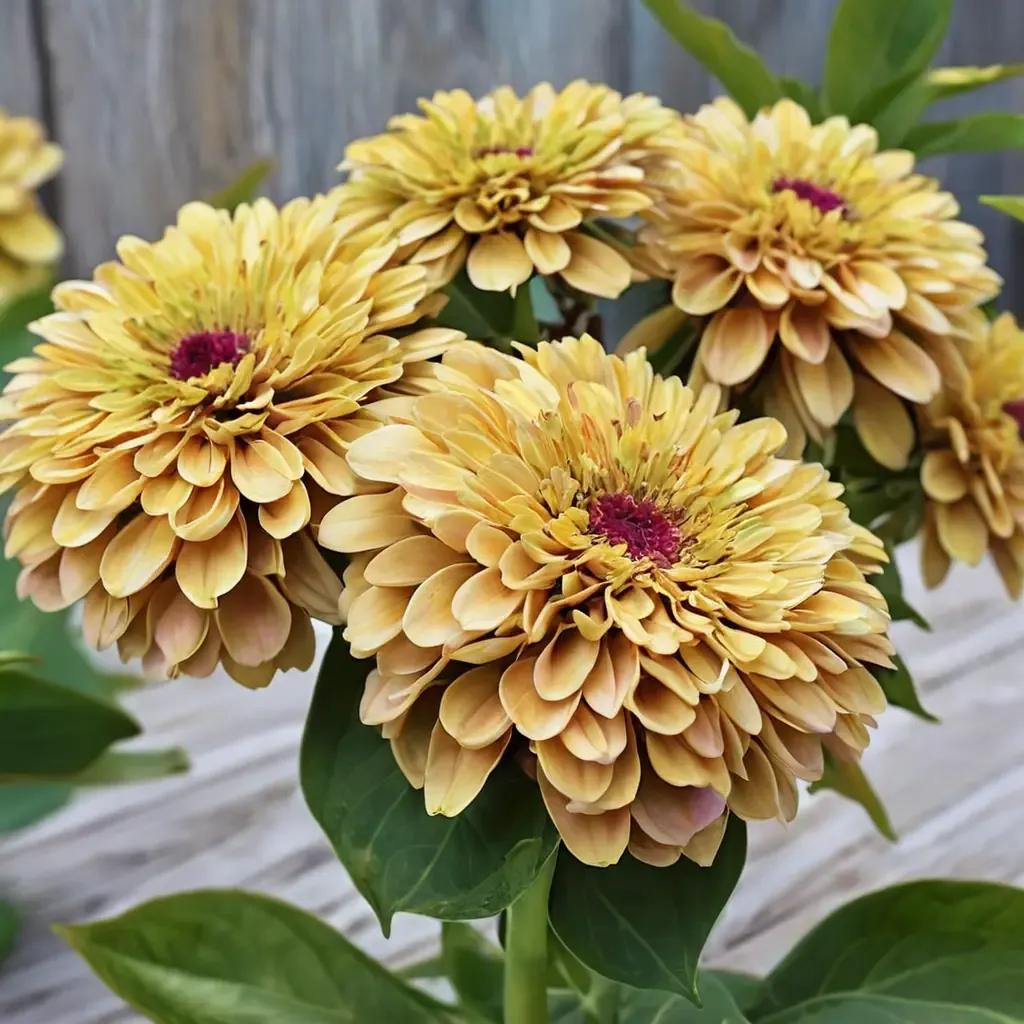 ‘Queen Lemon Peach’Queen Lemon Peach Zinnia
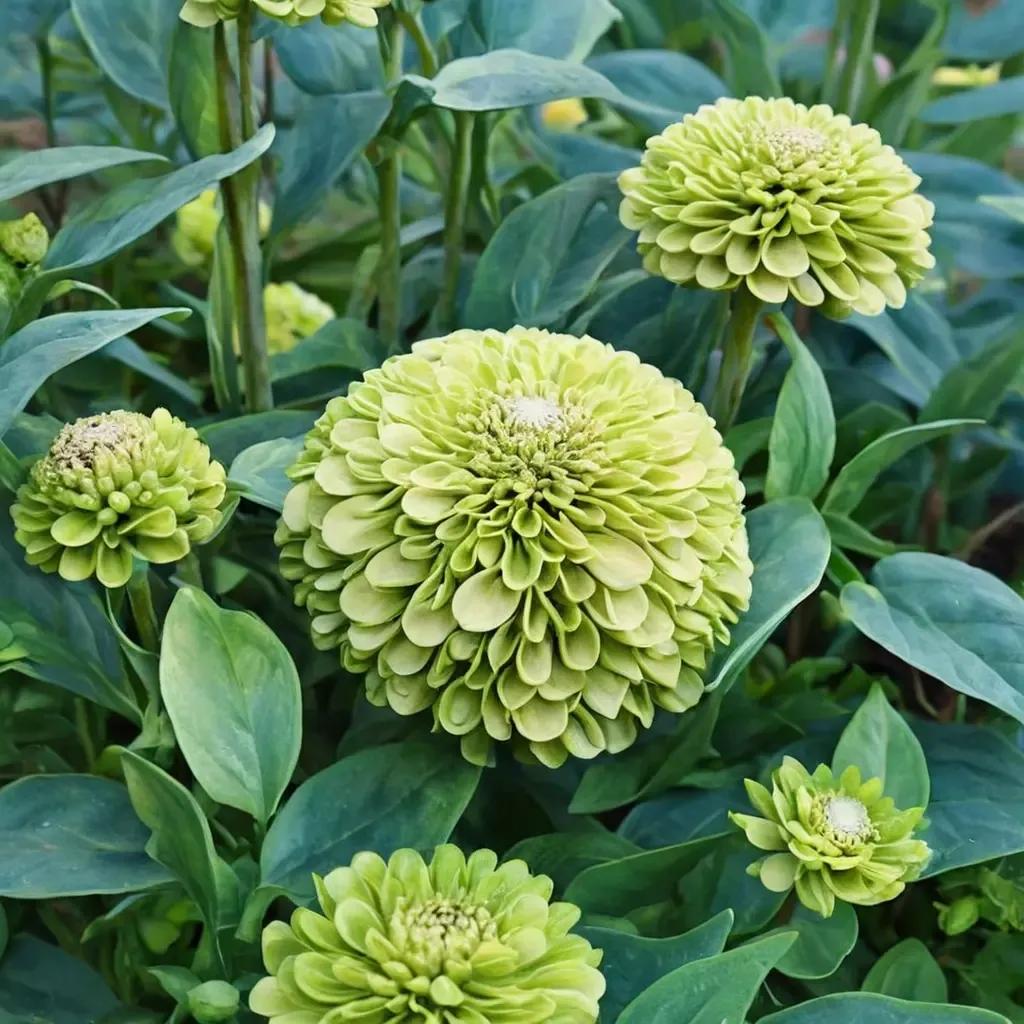 ‘Benary's Giant Lime’Benary's Giant Lime Zinnia
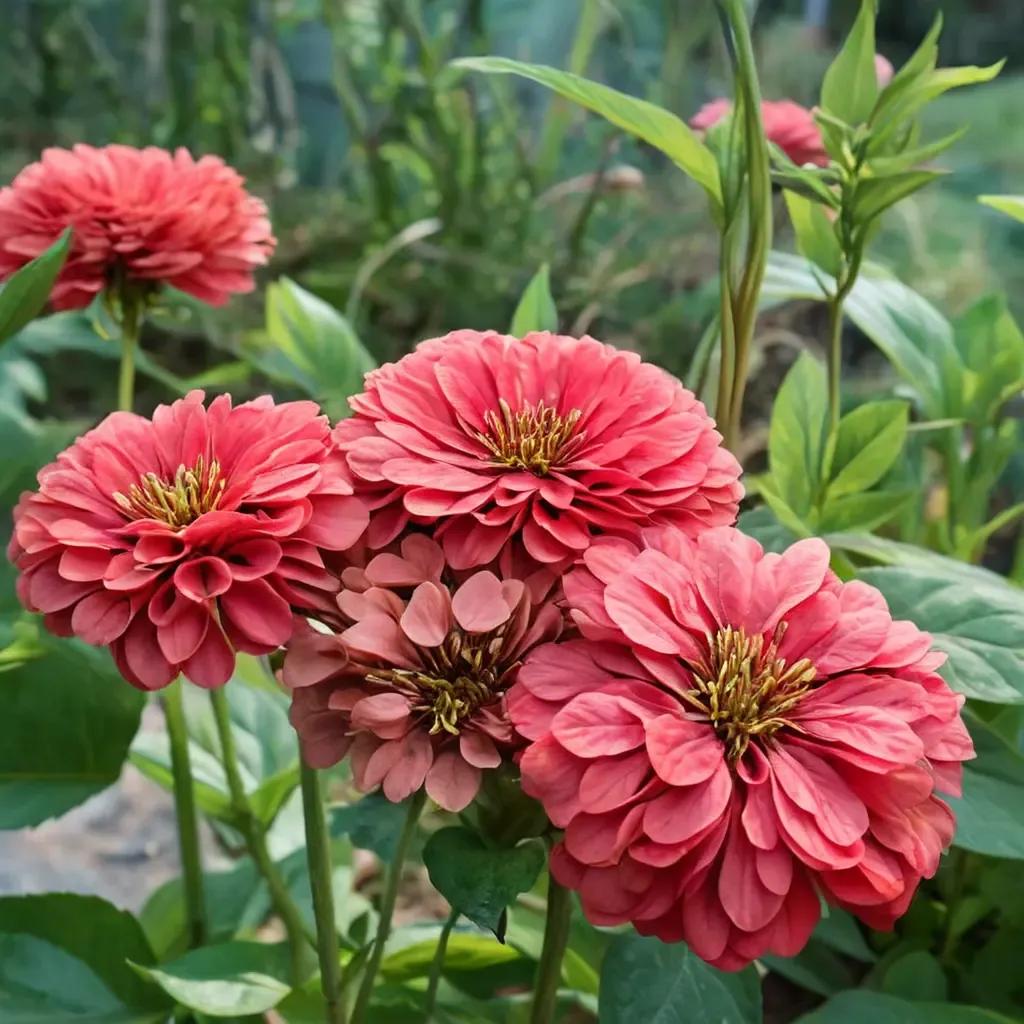 ‘Benary's Giant Coral’Benary's Giant Coral Zinnia
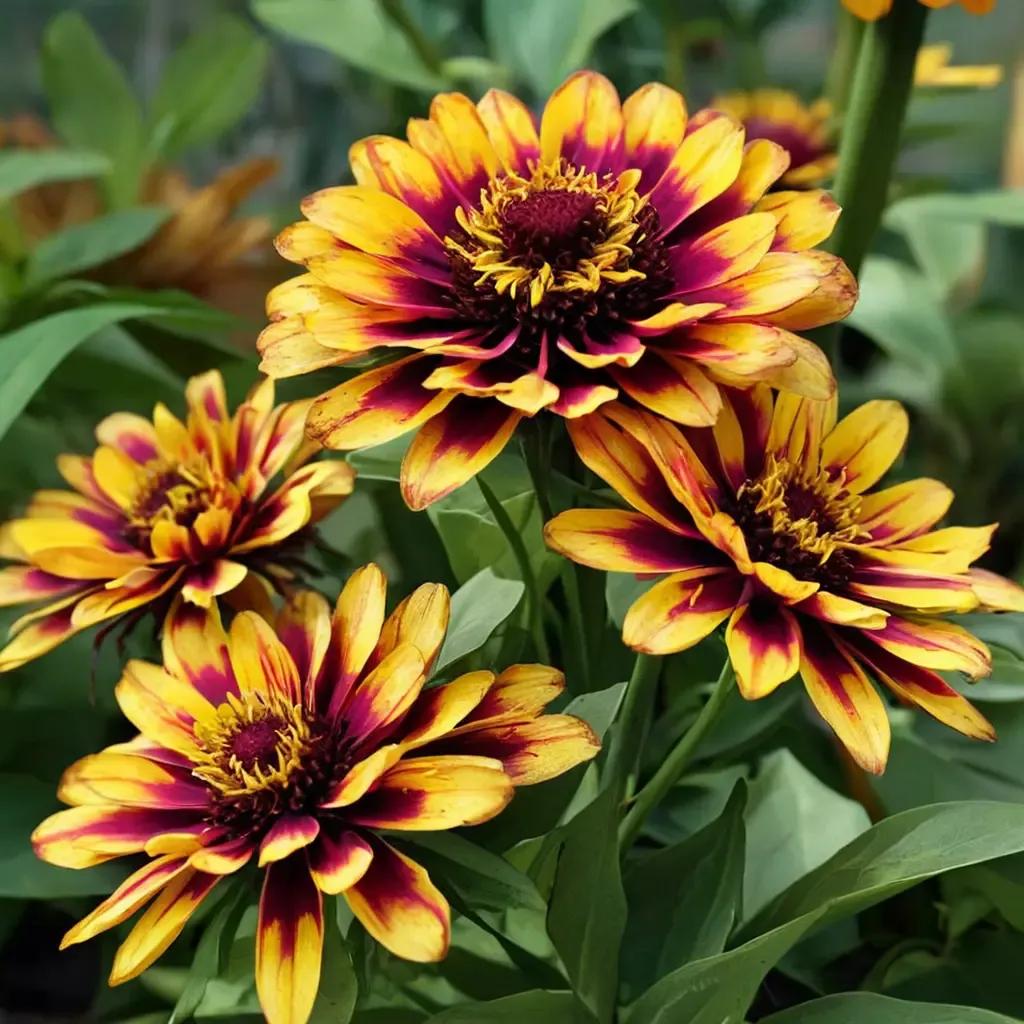 ‘Zowie’Zowie! Yellow Flame Zinnia
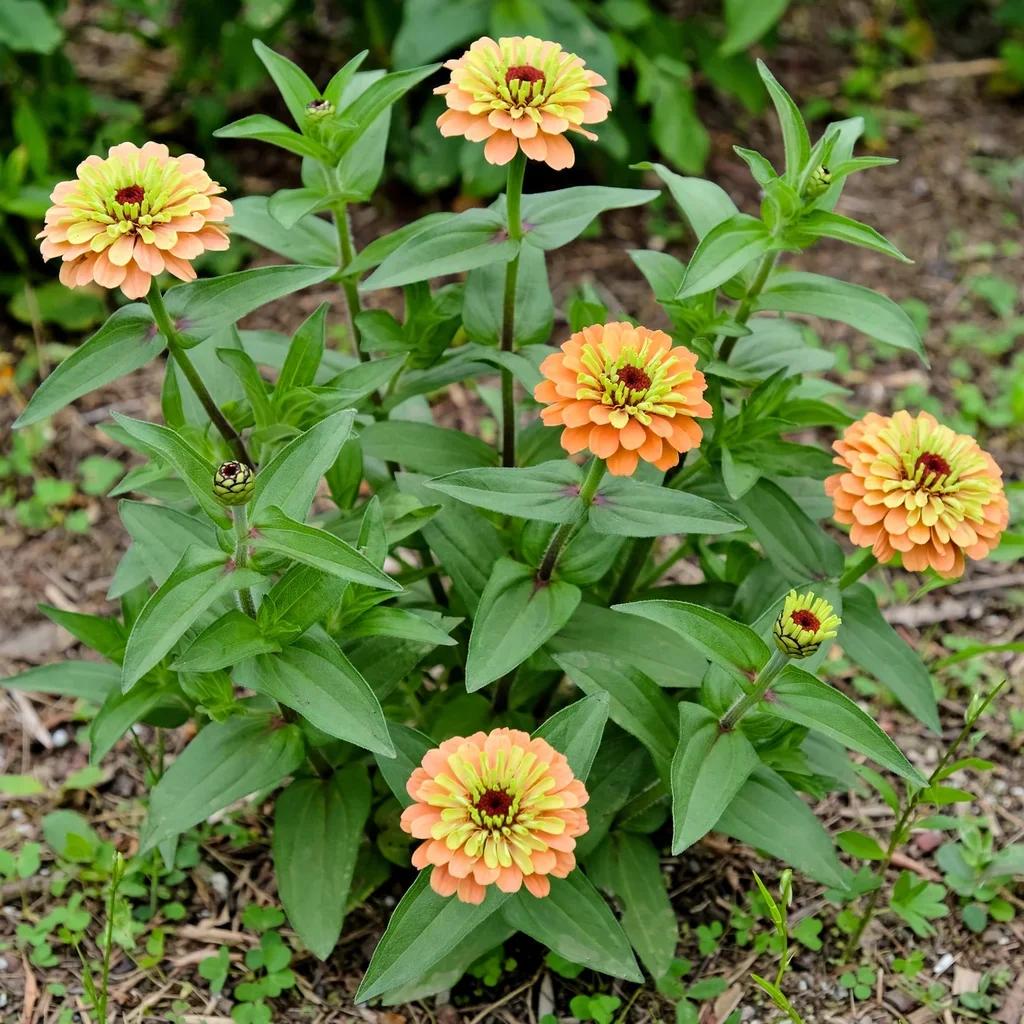 ‘Queen Lime Orange’Queen Lime Orange Zinnia
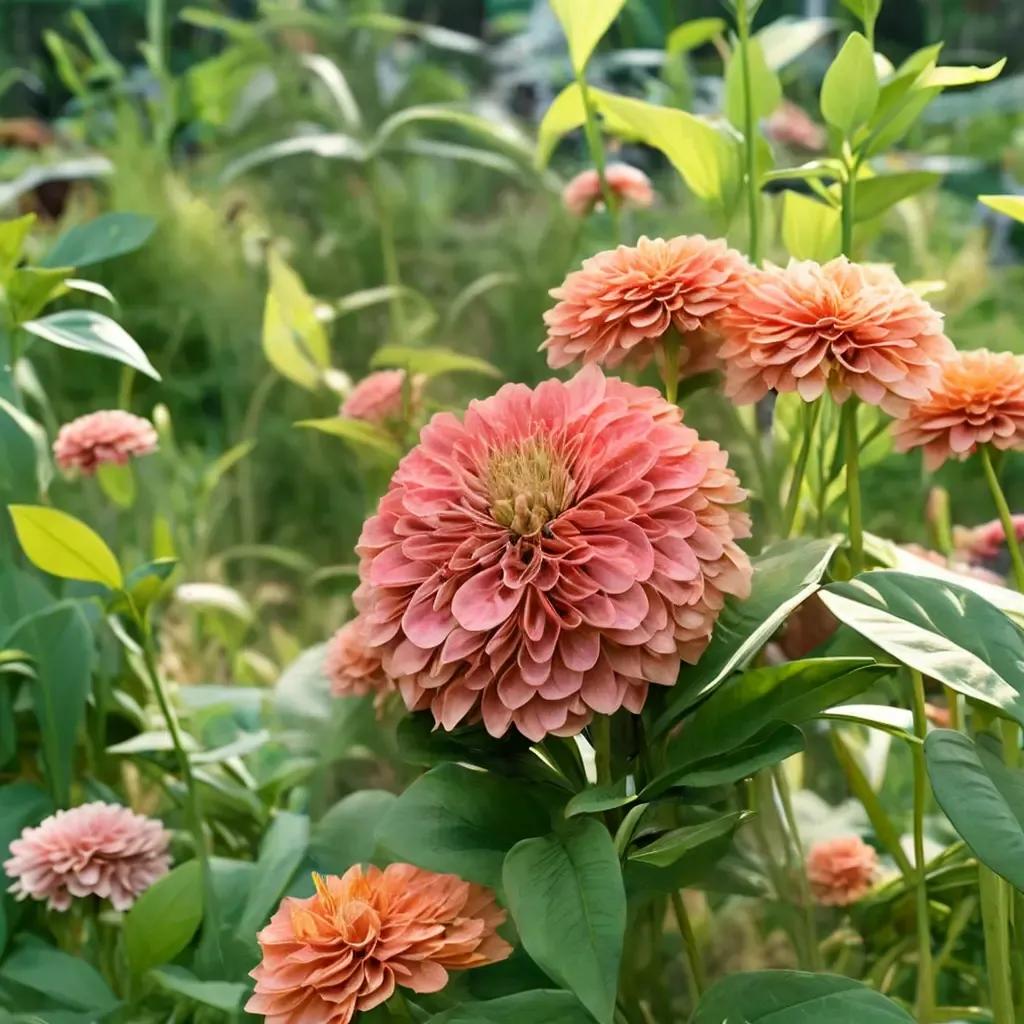 ‘Benarys Giant Salmon Rose’Benary's Giant Salmon Rose Zinnia
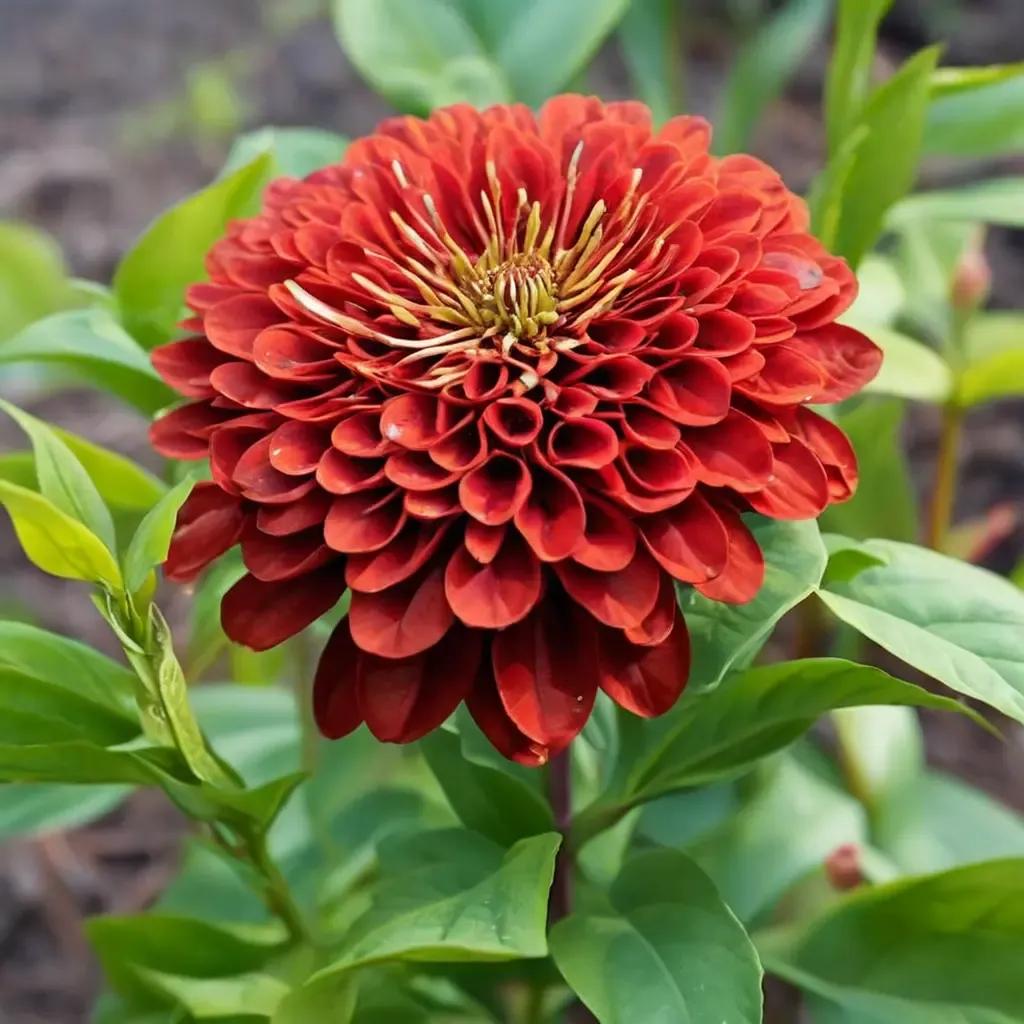 ‘Benarys Giant Scarlet’Benary's Giant Scarlet Zinnia
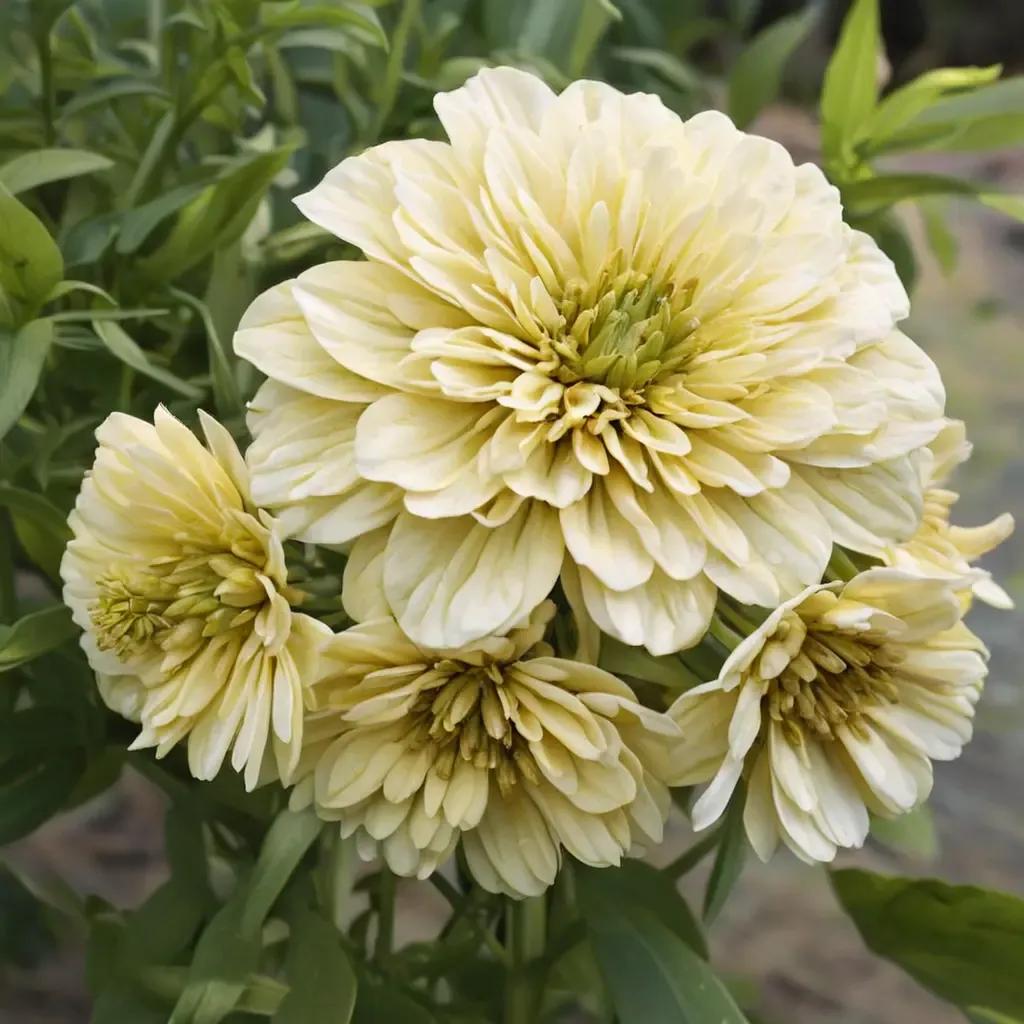 ‘Isabellina’Isabellina Zinnia
The Story
Plant Bio
Vibrant and large flowers, ideal for gardens and cutting.
Known for its striking large orange blooms and strong, sturdy stems.
Uses & Benefits:
Essentials
At a Glance
Plant Type
Annual
Height
36"
Width
15"
Light
Full Sun
Zones
10
Water
Moderate
Humidity
Average
Lifespan
Annual
Native To
Mexico
Toxicity
Non-toxic to humans and pets
Bloom period
Mid-summer – Late summer
In flower about 2 months of the year
Planting
How to Grow
- Select a sunny location with well-draining soil.
- Tuck seeds ¼ inch deep into soil after the last frost.
- Water gently to keep soil moist but not soggy during germination.
- Thin seedlings to 12 inches apart once they are established.
- Fertilize monthly with a balanced fertilizer for vibrant blooms.
- Deadhead spent flowers regularly to promote continuous blooming.
Pro Tip
Use a dry, warm seed-starting mix for faster germination and stronger seedlings.
Keep It Thriving
Care Guide
Do
- Water regularly to keep soil consistently moist 🌱
- Deadhead flowers to encourage more blooms
- Apply a balanced fertilizer monthly
Don't
- Avoid overwatering to prevent root rot ❌
- Don’t plant in heavy, poorly drained soil
- Refrain from fertilizing late in the season to prevent legginess
Seasonal Care Calendar
| Task | Jan | Feb | Mar | Apr | May | Jun | Jul | Aug | Sep | Oct | Nov | Dec |
|---|---|---|---|---|---|---|---|---|---|---|---|---|
| Deadhead | ||||||||||||
| Fertilize | ||||||||||||
| Harvest | ||||||||||||
| Pinch | ||||||||||||
| Plant |
Watch Out For
Pests & Diseases
Common Pests
Common Diseases
In the Garden
Landscape Uses & Companions
Landscape Uses
Multiply
Propagation Methods
Good to Know
Common Questions
Benary's Giant Orange Zinnia questions
What zones can Benary's Giant Orange Zinnia grow in?
Benary's Giant Orange Zinnia is hardy in USDA Zone 10. Inside that range it survives winter in the ground; outside it, grow it as an annual or a container plant you protect.
Is Benary's Giant Orange Zinnia deer resistant?
Yes — Benary's Giant Orange Zinnia is rated deer-resistant. Deer typically pass it over, though extreme hunger can override any plant's defenses.
When does Benary's Giant Orange Zinnia bloom?
Benary's Giant Orange Zinnia typically blooms in mid-summer through late summer. Exact timing shifts a week or two with your zone — Sow's bloom calendar maps it to your garden.
Does Benary's Giant Orange Zinnia need full sun?
Benary's Giant Orange Zinnia does best in full sun (6+ hours).
Is Benary's Giant Orange Zinnia drought tolerant?
Yes — once established (usually after the first full season), Benary's Giant Orange Zinnia handles dry spells with minimal watering. Water deeply its first year to build the root system that makes that possible.
More Zinnia to compare
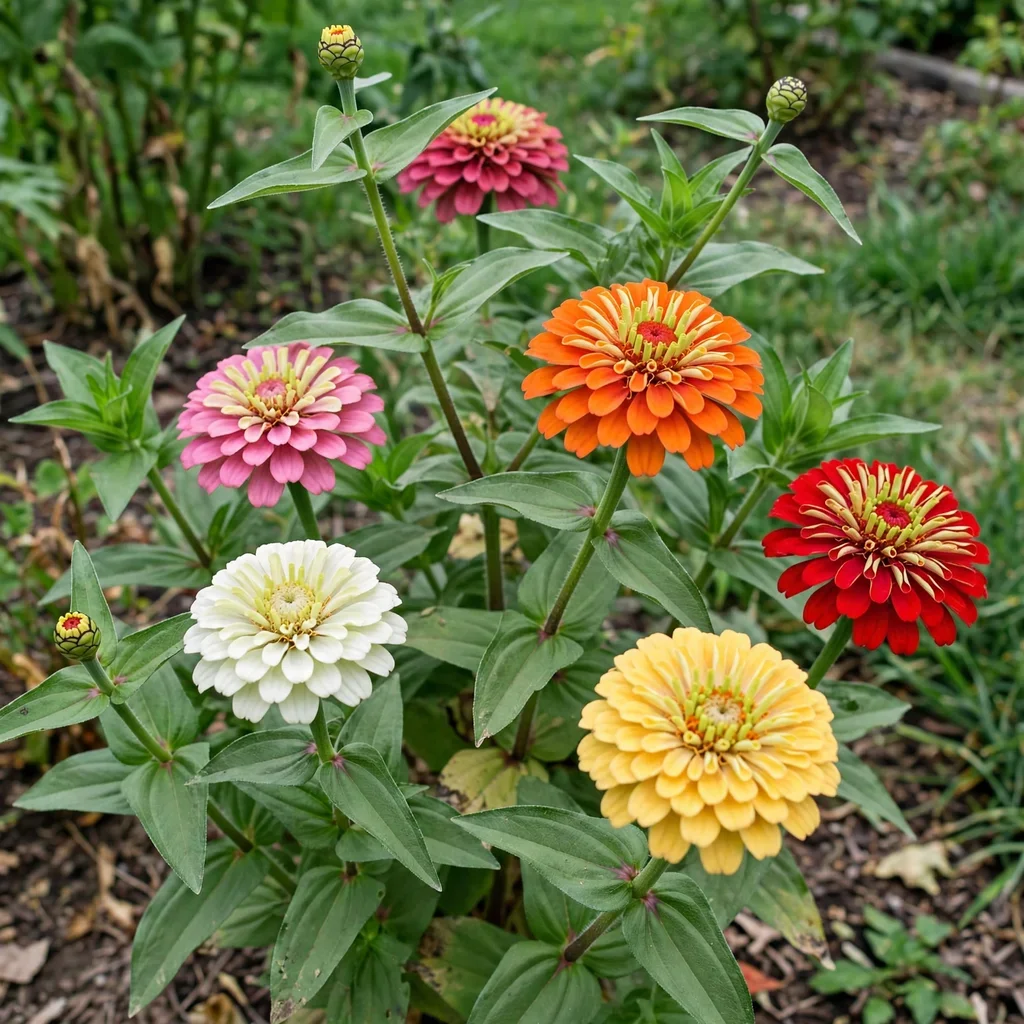
Zinnia Raggedy Ann
Zinnia elegans 'Raggedy Ann'
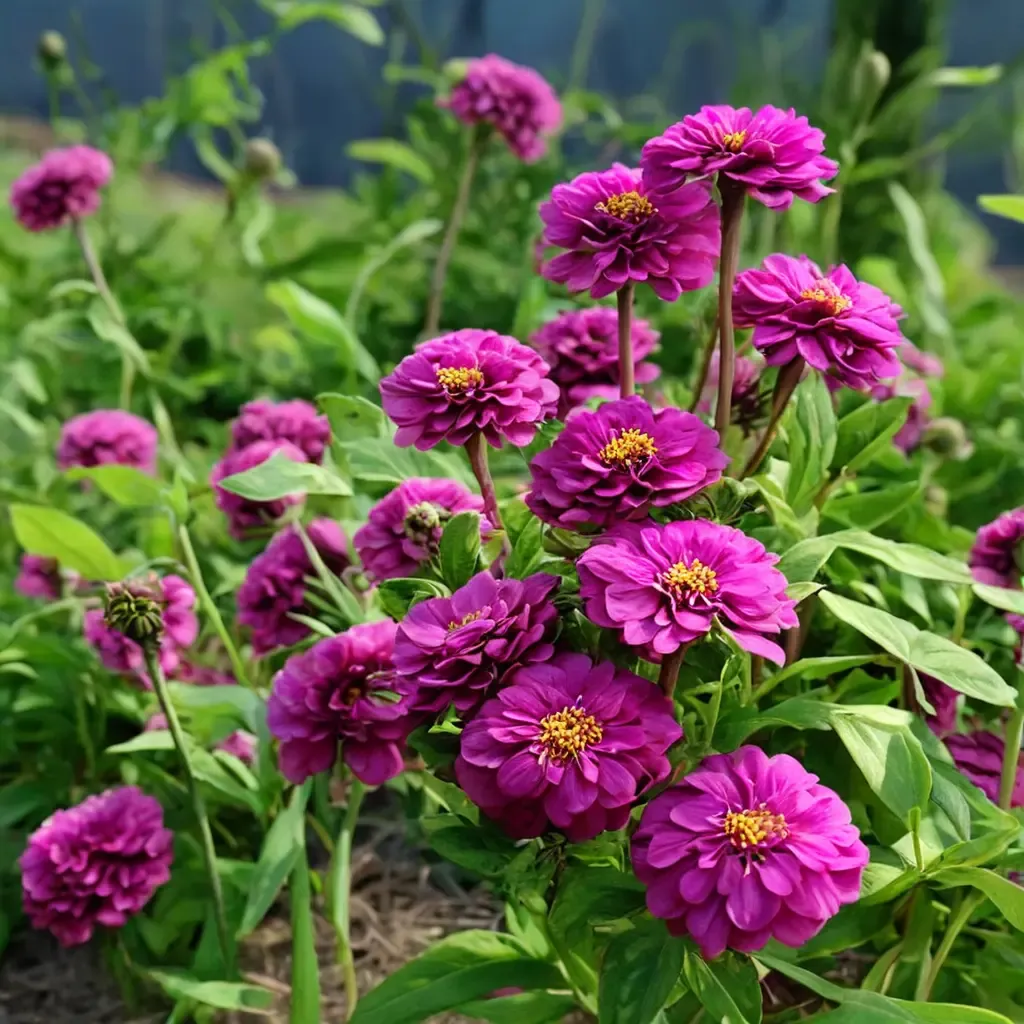
Giant Violet Queen Zinnia
Zinnia elegans 'Giant Violet Queen'
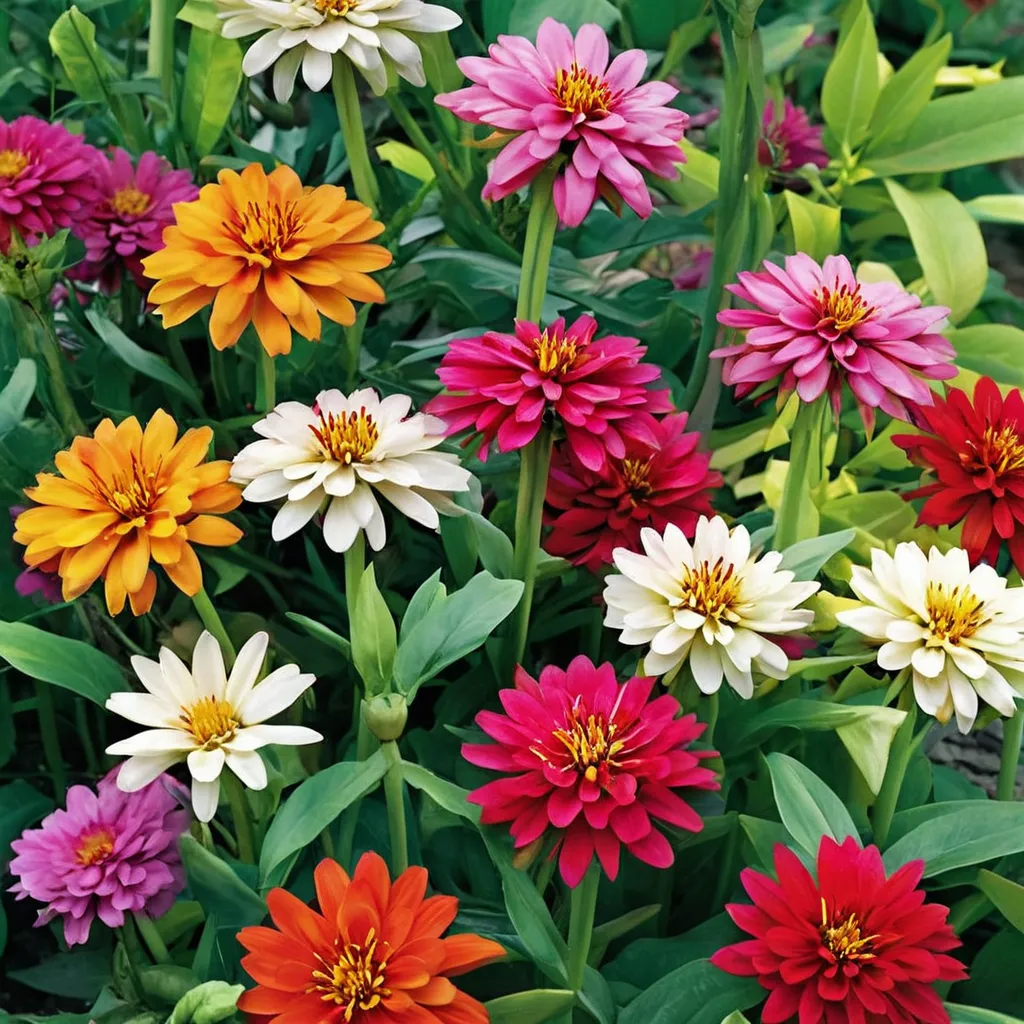
Zinnia Mix
Zinnia x hybrida 'Mix'
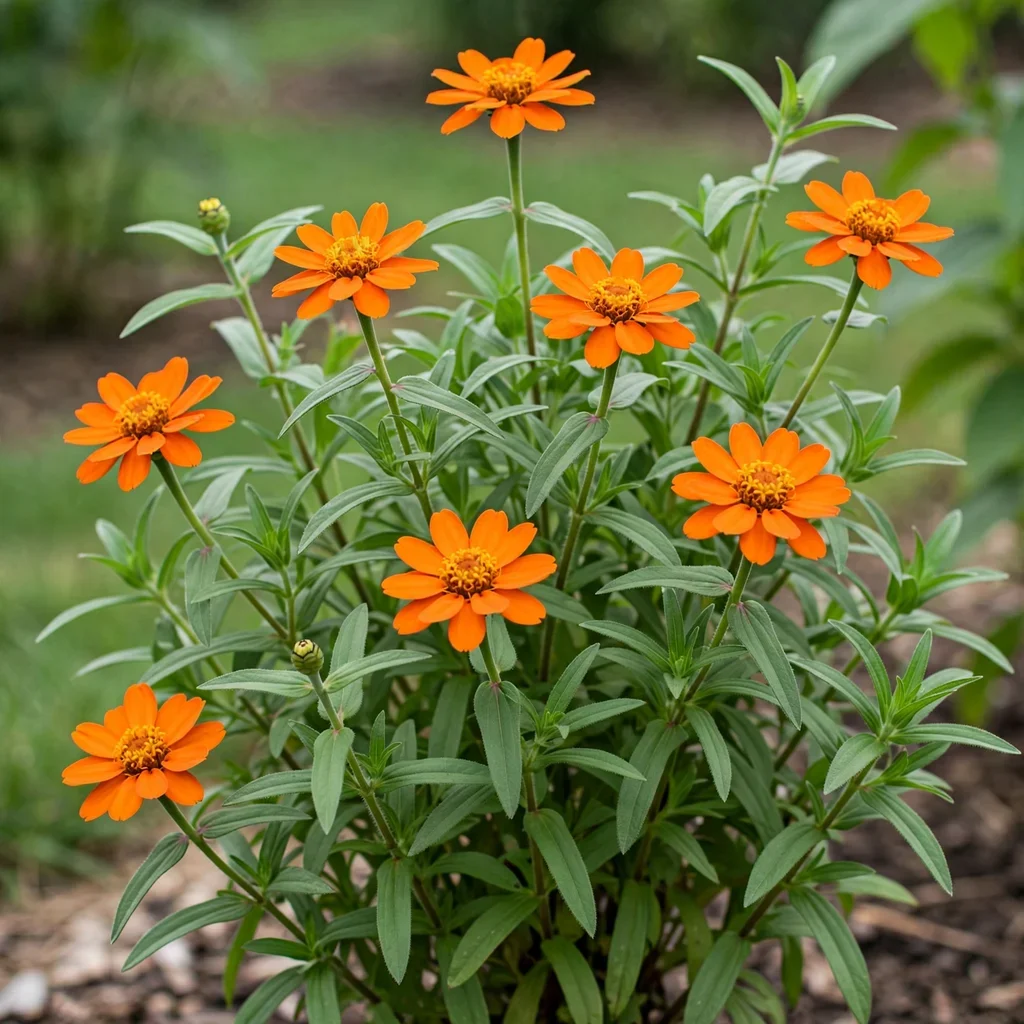
Profusion Zinnia
Zinnia elegans 'Profusion'
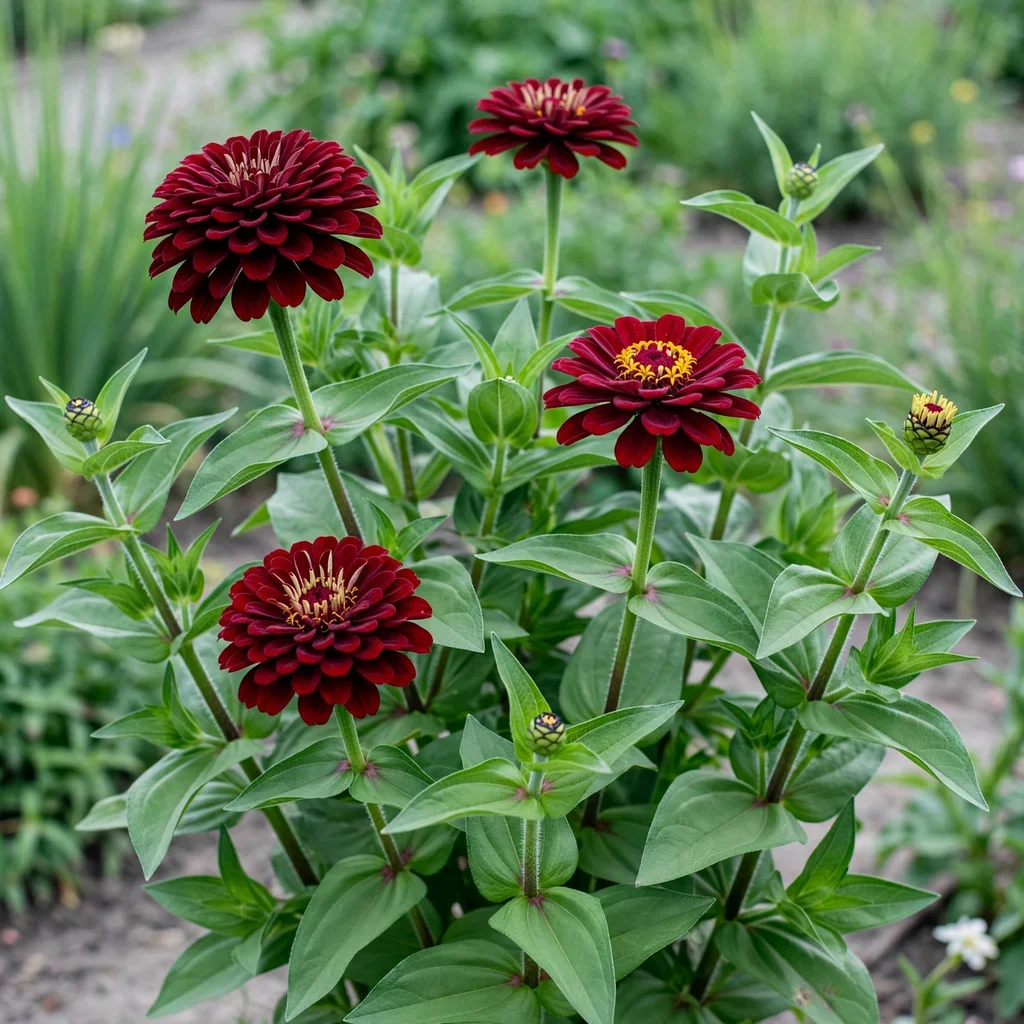
Benary's Giant Wine Zinnia
Zinnia elegans 'Benary's Giant Wine'
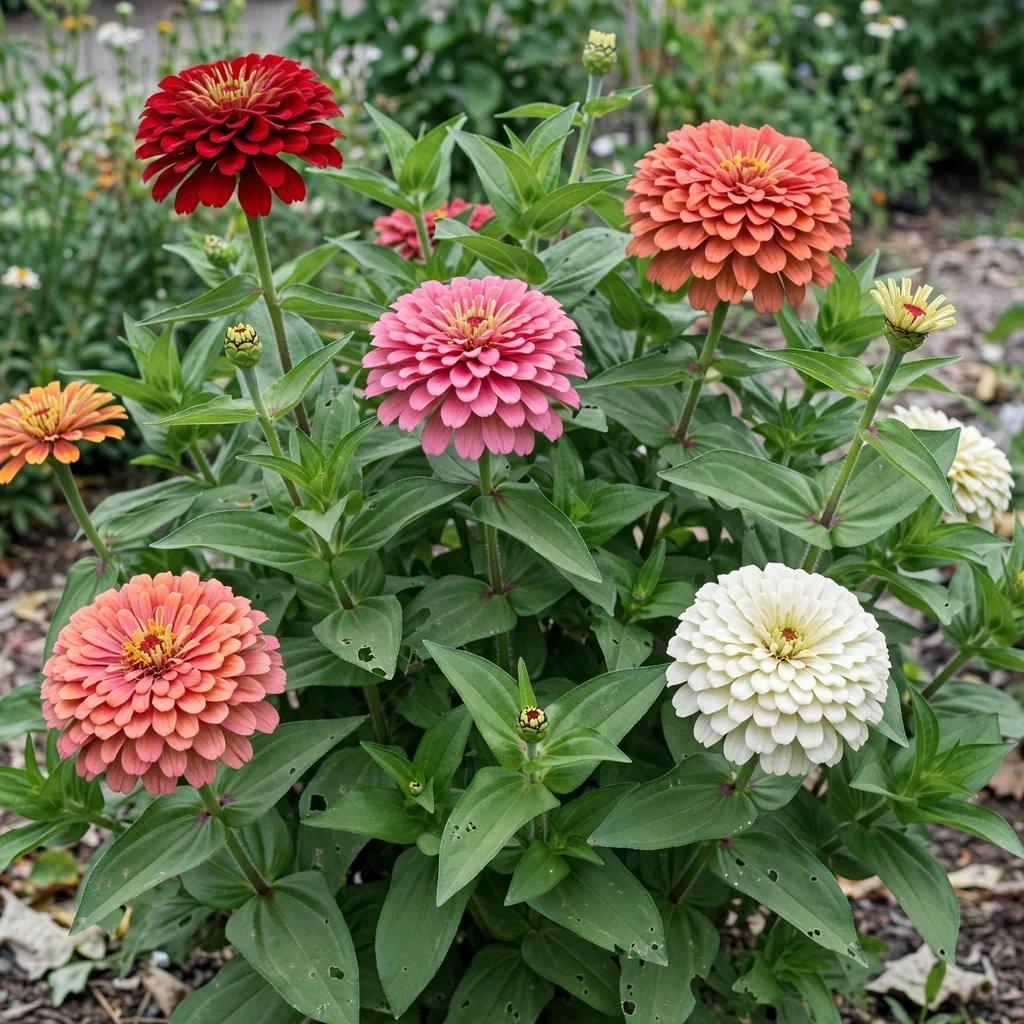
Benary's Giant Zinnia
Zinnia elegans 'Benary'
Keep exploring
Explore the genus
Hardy in your zone?
Grow Benary's Giant Orange Zinnia with confidence
See it in a design of your actual yard, get zone-matched care reminders, and track it season by season in your garden journal.