

The Story
Plant Bio
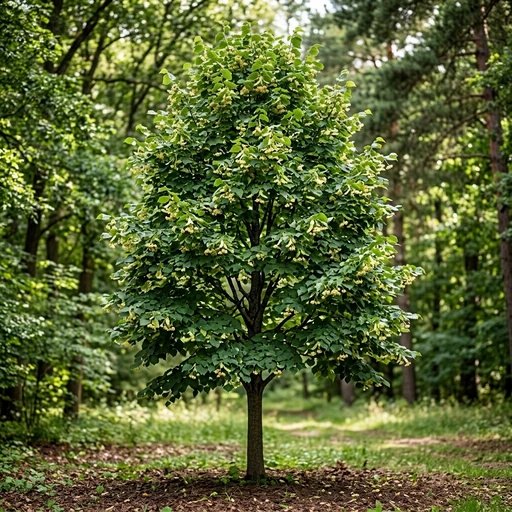
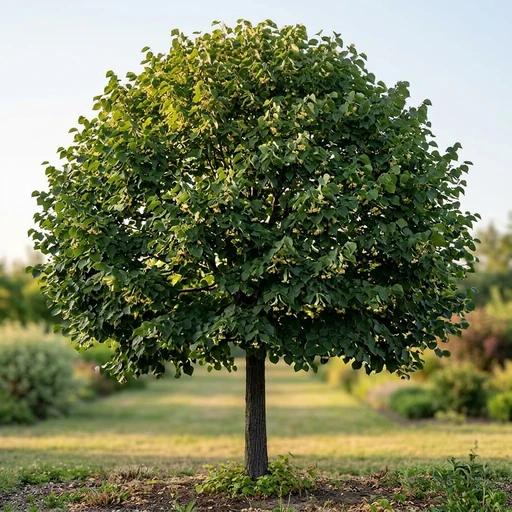
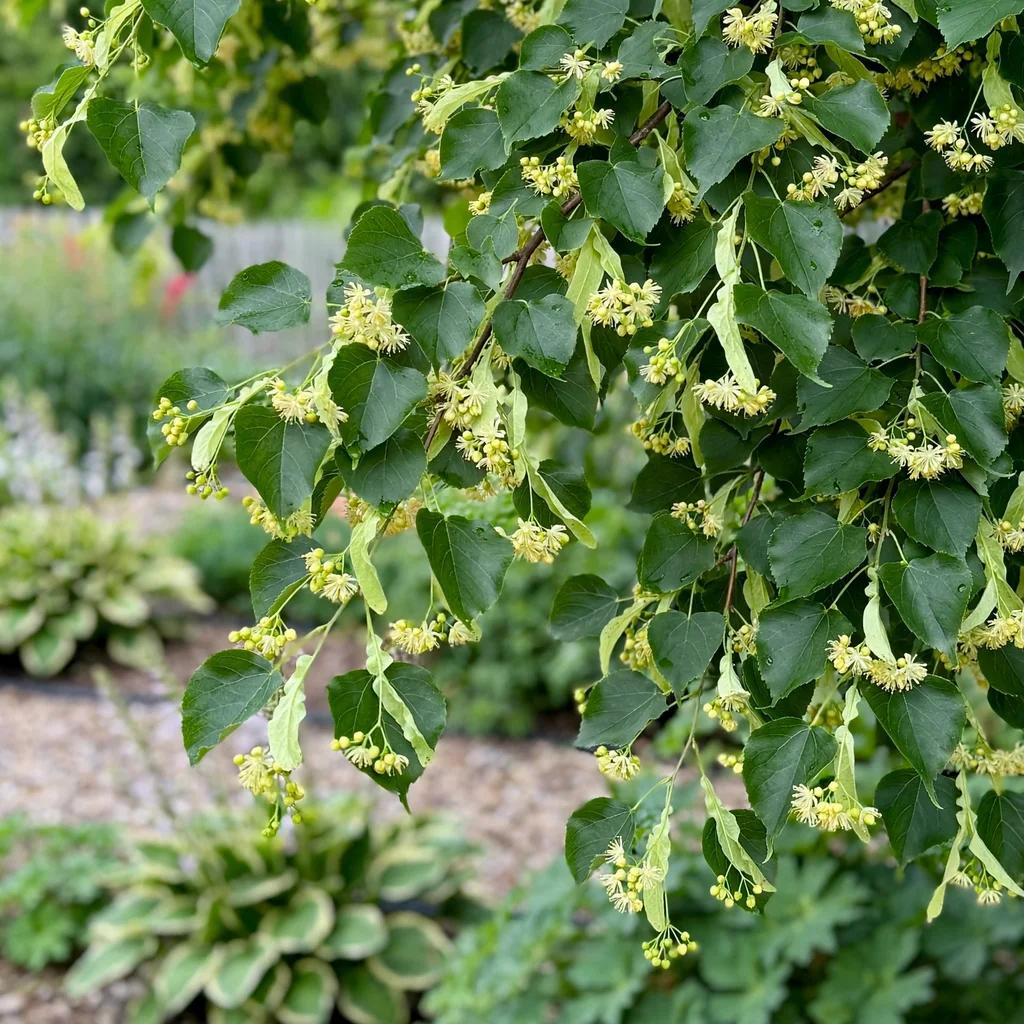
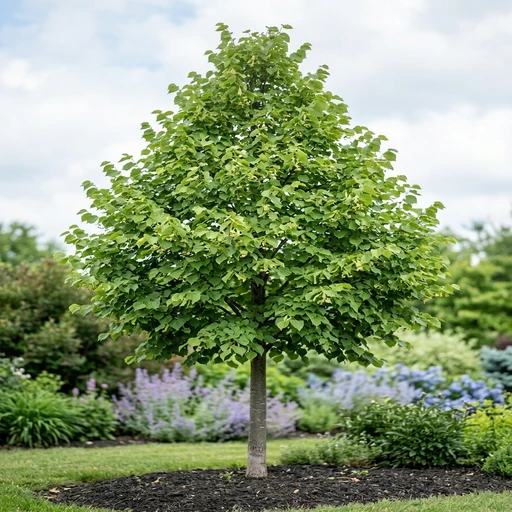
Tilia cordata, the Littleleaf Linden, is a medium to large deciduous tree native to Europe, cherished for its dense, pyramidal form, heart-shaped leaves, and intensely fragrant summer flowers. It is a popular and durable shade and street tree.
'Corinthian' is a distinctive cultivar selected for its tight, narrow, and symmetrical pyramidal form, making it exceptionally well-suited for narrow spaces. It has smaller, glossier leaves than the species and maintains its compact habit without extensive pruning.
Uses & Benefits:
Essentials
At a Glance
Plant Type
Tree
Height
540"
Width
180"
Light
Full Sun
Zones
4, 5, 6, 7
Water
Moderate
Humidity
Moderate
Lifespan
Long-lived (100+ years)
Native To
Europe
Toxicity
Non-toxic
Bloom period
Early summer – Mid-summer
In flower about 2 months of the year
Planting
How to Grow
- Choose a location in full sun with moist, well-drained soil.
- Dig a planting hole that is twice as wide as the root ball.
- Set the tree so the top of the root ball is level with the ground.
- Backfill the hole with the original soil, watering to settle.
- Stake the tree only if it's in a very windy location.
- Apply a 2-3 inch layer of mulch to conserve moisture and regulate soil temperature.
Pro Tip
Plant in a location with good air circulation to help mitigate potential issues with aphids and the resulting sooty mold.
Keep It Thriving
Care Guide
Do
- Water regularly during the first few years to establish a strong root system.
- Provide full sun for the best growth and form.
- Tolerate a wide range of soil types, as long as they are well-drained.
- Allow the tree to develop its natural, tight pyramidal shape.
Don't
- Don't plant in sites with poor drainage or standing water.
- Avoid planting where dripping aphid honeydew will be a problem (e.g., over patios or parking spaces).
- Don't allow the soil to become excessively dry.
- Avoid heavy pruning, which can spoil its natural form.
Seasonal Care Calendar
| Task | Jan | Feb | Mar | Apr | May | Jun | Jul | Aug | Sep | Oct | Nov | Dec |
|---|---|---|---|---|---|---|---|---|---|---|---|---|
| Pest Check | ||||||||||||
| Plant | ||||||||||||
| Prune |
Watch Out For
Pests & Diseases
Common Pests
Common Diseases
In the Garden
Landscape Uses & Companions
Landscape Uses
Multiply
Propagation Methods
Good to Know
Common Questions
Corinthian Littleleaf Linden questions
What zones can Corinthian Littleleaf Linden grow in?
Corinthian Littleleaf Linden is hardy in USDA Zones 4–7. Inside that range it survives winter in the ground; outside it, grow it as an annual or a container plant you protect.
Is Corinthian Littleleaf Linden deer resistant?
Yes — Corinthian Littleleaf Linden is rated deer-resistant. Deer typically pass it over, though extreme hunger can override any plant's defenses.
When does Corinthian Littleleaf Linden bloom?
Corinthian Littleleaf Linden typically blooms in early summer through mid-summer. Exact timing shifts a week or two with your zone — Sow's bloom calendar maps it to your garden.
Does Corinthian Littleleaf Linden need full sun?
Corinthian Littleleaf Linden does best in full sun (6+ hours).
More Tilia to compare
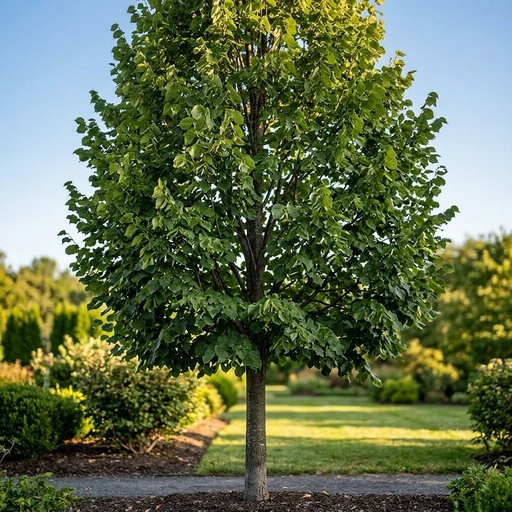
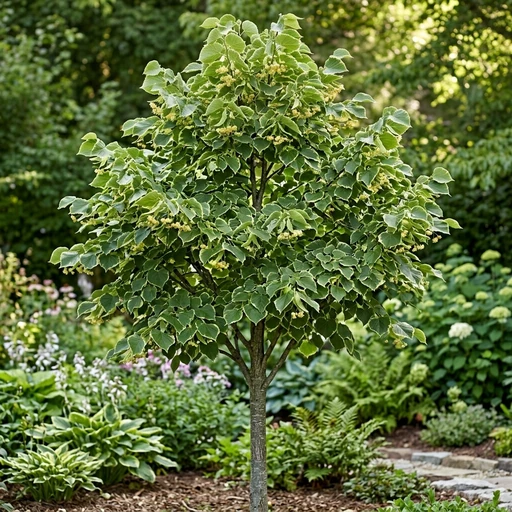
Sentry American Linden
Tilia americana 'Sentry'
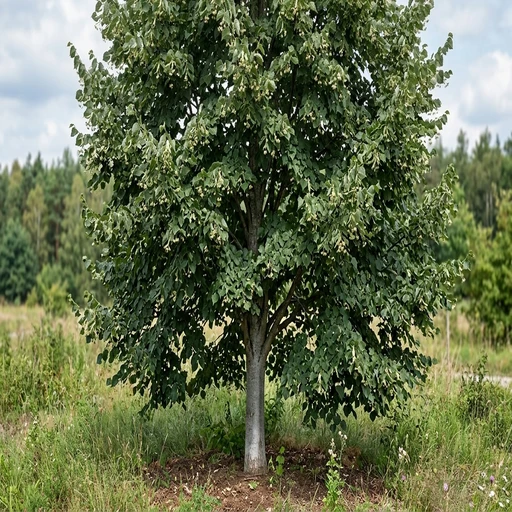
Redmond American Linden
Tilia americana 'Redmond'
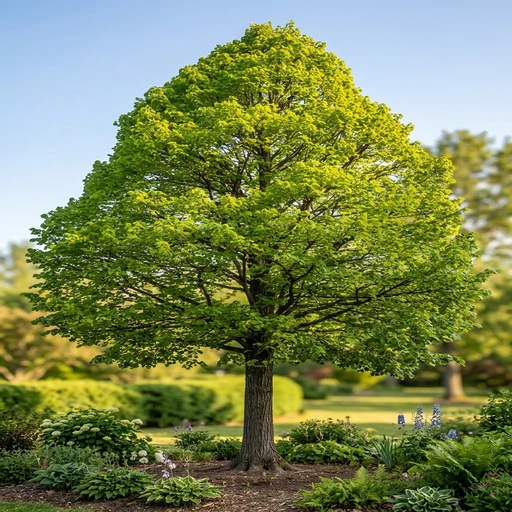
Green Mountain Silver Linden
Tilia tomentosa 'Green Mountain'
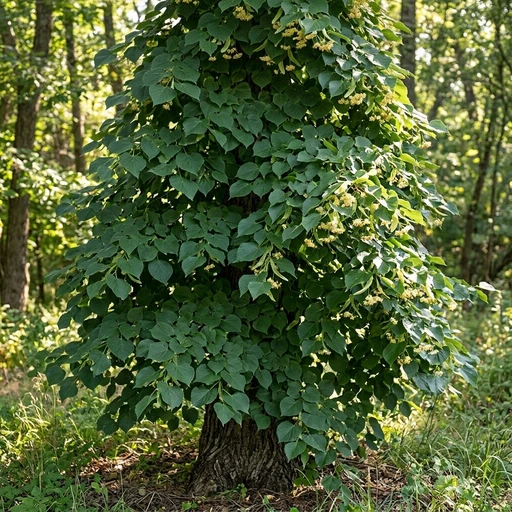
American Linden
Tilia americana
Boulevard American Linden
Tilia americana 'Boulevard'
Greenspire Linden
Tilia cordata 'Pni 6025'
Keep exploring
Explore the genus
Hardy in your zone?
Grow Corinthian Littleleaf Linden with confidence
See it in a design of your actual yard, get zone-matched care reminders, and track it season by season in your garden journal.