




The Story
Plant Bio
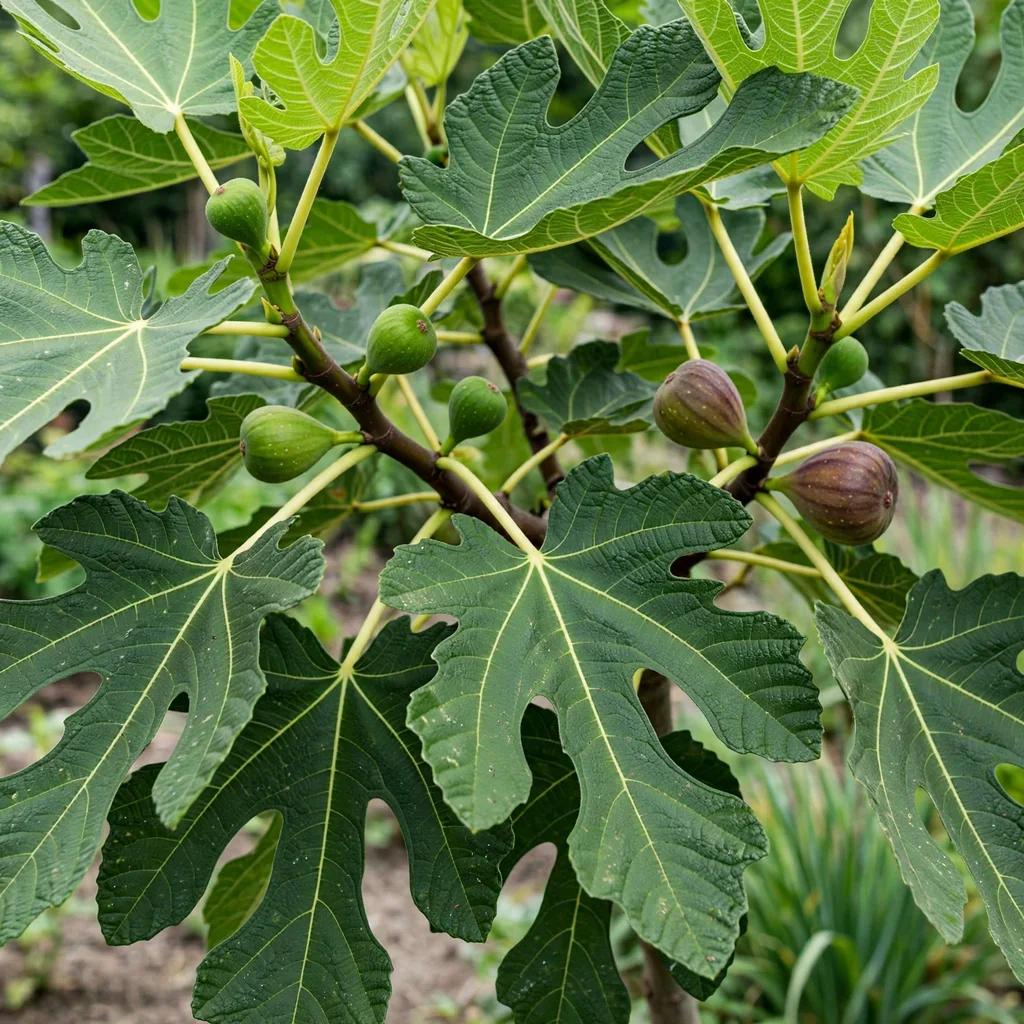
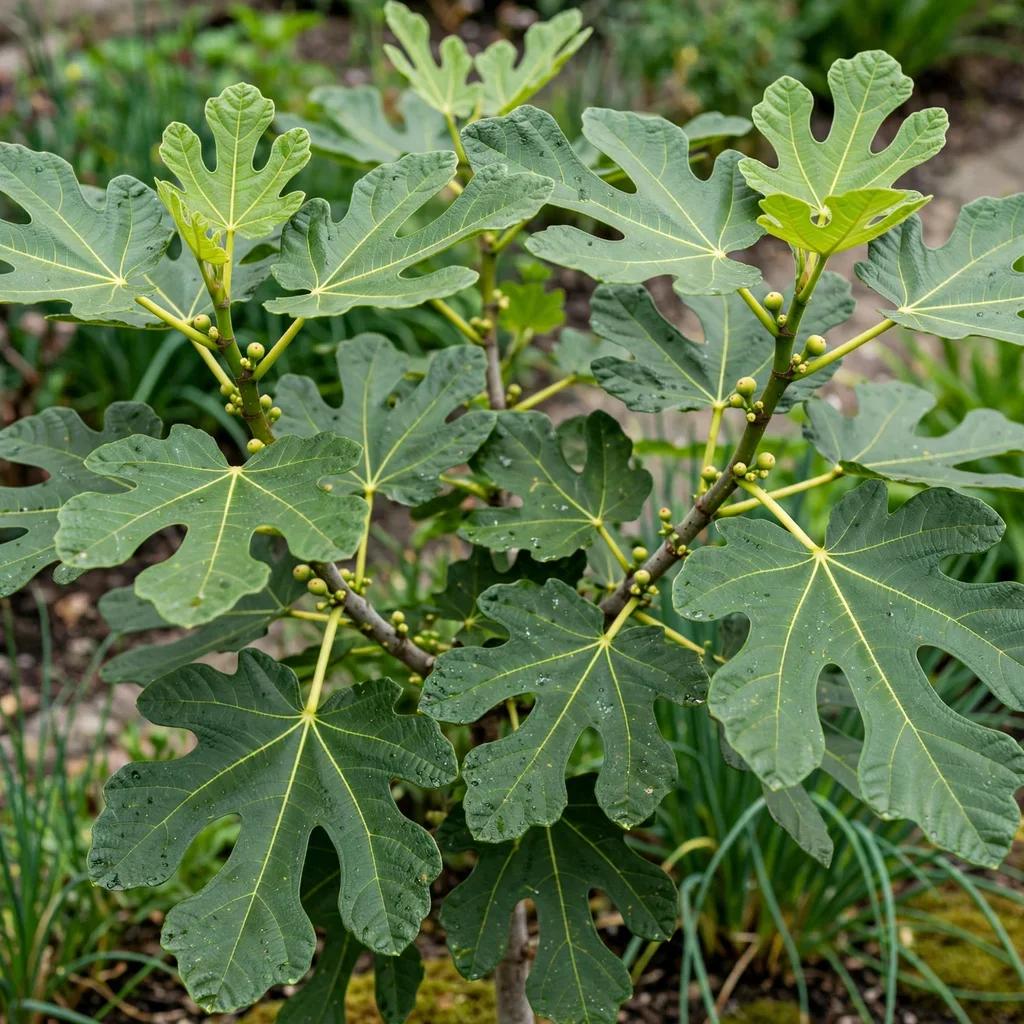
Ficus carica, the common fig, is a deciduous, spreading small tree or large shrub native to the Mediterranean and southwestern Asia. It features large, deeply lobed, rough-textured dark green leaves and produces inconspicuous flowers enclosed entirely within a fleshy, hollow receptacle known as a syconium.
'Black Genoa' is a highly productive heirloom cultivar that produces large, sweet, dark-skinned fruit with rich red flesh. It bears parthenocarpic fruit without requiring wasp pollination, making it highly reliable in home gardens.
Uses & Benefits:
Essentials
At a Glance
Plant Type
Tree
Height
197"
Width
197"
Light
Full Sun
Zones
7, 8, 9, 10
Water
Moderate
Humidity
Low to Moderate
Lifespan
Decades
Native To
Mediterranean, Southwestern Asia
Toxicity
Skin Irritant, Toxic if Ingested
Bloom period
Spring – Summer
In flower about 6 months of the year
Planting
How to Grow
- Select a planting site in full sun receiving at least six to eight hours of direct sunlight daily.
- Plant in well-drained loam, clay, or sandy soil with a neutral to slightly alkaline pH.
- Water deeply and regularly during the first growing season to establish a deep root system.
- Apply a light application of balanced organic fertilizer in early spring, avoiding high-nitrogen mixes.
Pro Tip
Avoid high-nitrogen fertilizers, which trigger excessive vegetative growth at the expense of fruit production and increase winter frost susceptibility. When pruning, never cut back heavily into old, leafless bare wood, as figs do not easily push new buds from aged wood.
Keep It Thriving
Care Guide
Do
- Prune annually in late winter while the tree is fully dormant to maintain an open canopy.
- Plant in a location that receives at least six to eight hours of direct sunlight daily.
- Ensure the soil is highly free-draining to prevent root rot.
Don't
- Do not apply high-nitrogen fertilizers, which cause excessive leaf growth at the expense of fruit.
- Do not prune heavily into old, bare, leafless wood as new buds will fail to emerge.
- Do not allow the soil to remain waterlogged or poorly drained.
Seasonal Care Calendar
| Task | Jan | Feb | Mar | Apr | May | Jun | Jul | Aug | Sep | Oct | Nov | Dec |
|---|---|---|---|---|---|---|---|---|---|---|---|---|
| Fertilize | ||||||||||||
| Harvest | ||||||||||||
| Pest Check | ||||||||||||
| Prune |
Watch Out For
Pests & Diseases
Common Pests
Common Diseases
In the Garden
Landscape Uses & Companions
Landscape Uses
Companion Plants
Multiply
Propagation Methods
Good to Know
Common Questions
Black Genoa Fig questions
What zones can Black Genoa Fig grow in?
Black Genoa Fig is hardy in USDA Zones 7–10. Inside that range it survives winter in the ground; outside it, grow it as an annual or a container plant you protect.
Is Black Genoa Fig deer resistant?
Not reliably. Deer may browse Black Genoa Fig, especially tender spring growth — plan on repellents or fencing where pressure is high.
When does Black Genoa Fig bloom?
Black Genoa Fig typically blooms in spring through summer. Exact timing shifts a week or two with your zone — Sow's bloom calendar maps it to your garden.
Does Black Genoa Fig need full sun?
Black Genoa Fig does best in full sun (6+ hours).
Is Black Genoa Fig drought tolerant?
Yes — once established (usually after the first full season), Black Genoa Fig handles dry spells with minimal watering. Water deeply its first year to build the root system that makes that possible.
More Ficus to compare
Fig Tree Brown Turkey
Ficus carica 'Brown Turkey'
Improved Brown Turkey Fig
Ficus carica 'Improved Brown Turkey'
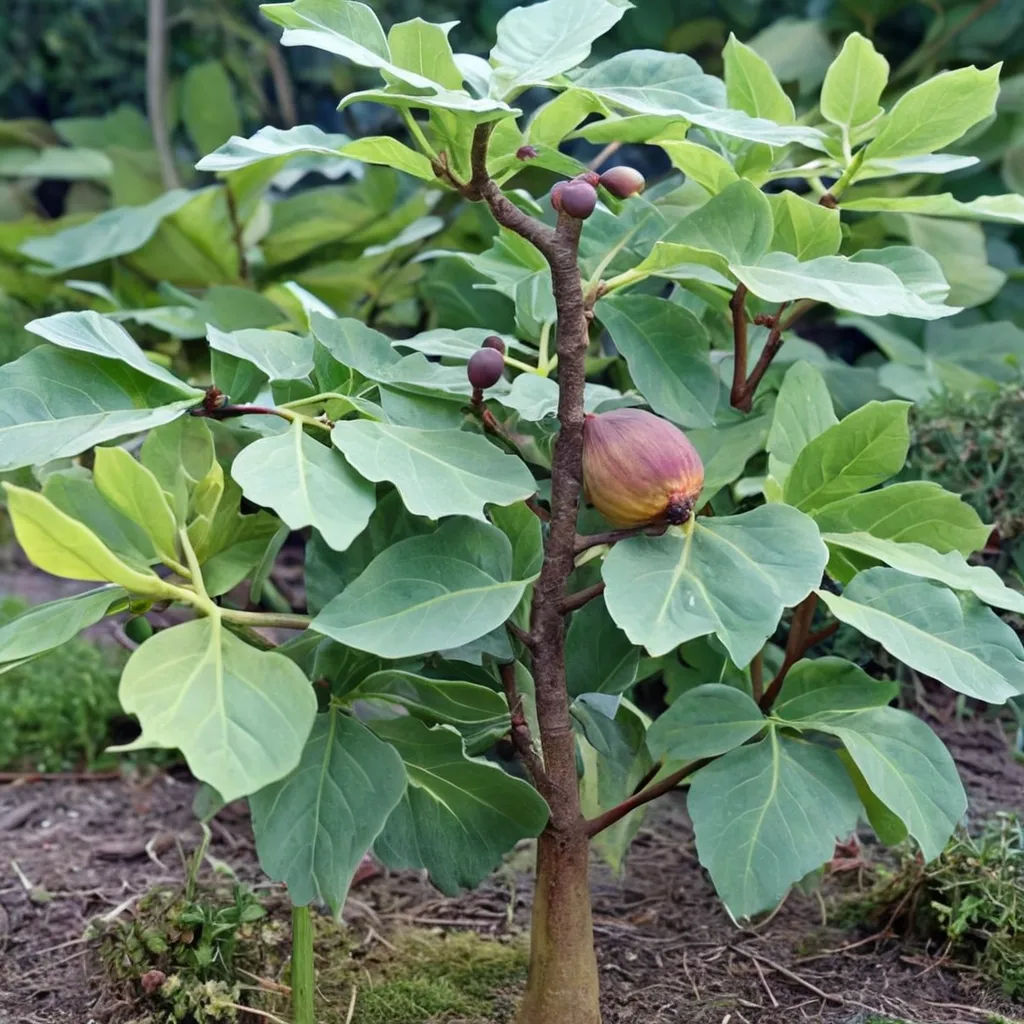
Chicago Hardy Fig
Ficus carica 'Chicago Hardy'
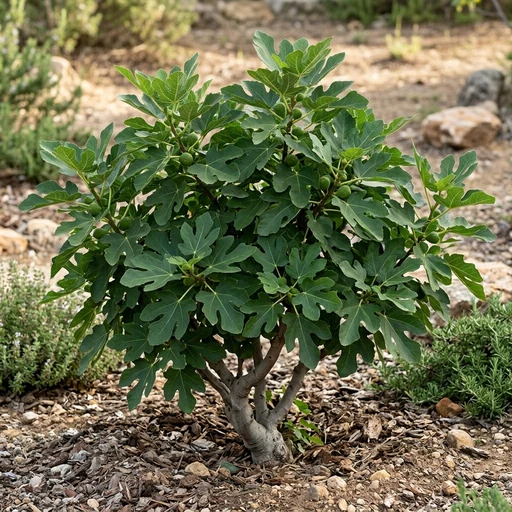
Little Miss Figgy Dwarf Fig
Ficus carica 'Little Miss Figgy'
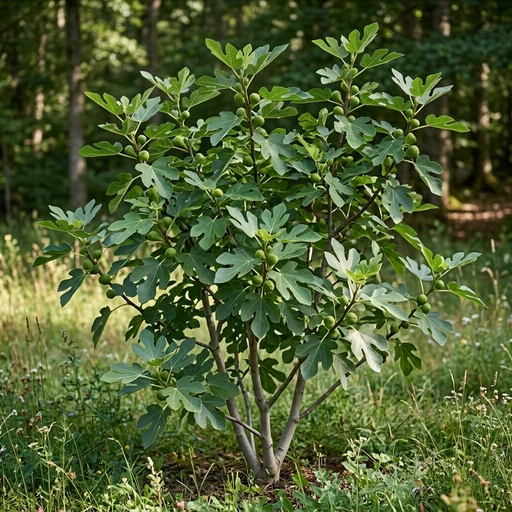
Celeste Fig
Ficus carica 'Celeste'
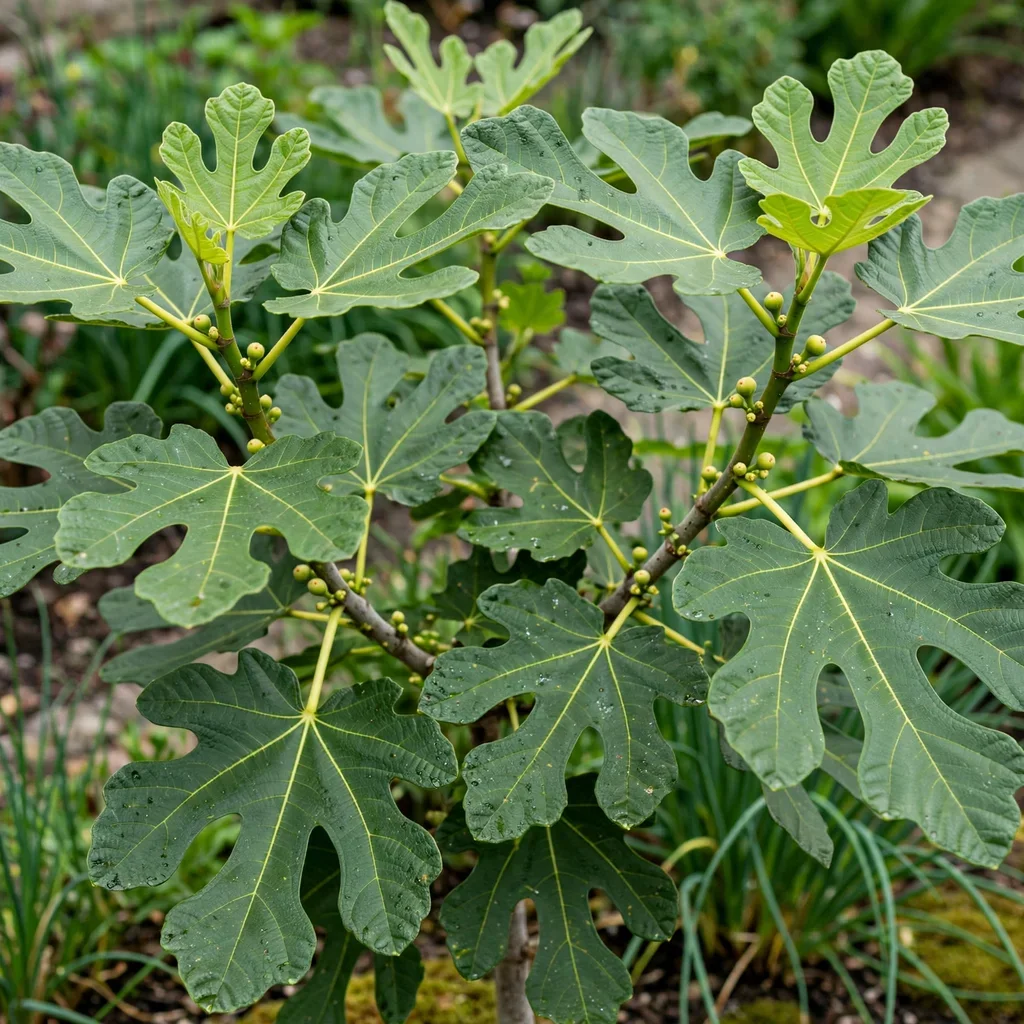
Champagne Fig
Ficus carica 'Champagne'
Keep exploring
Explore the genus
Hardy in your zone?
Grow Black Genoa Fig with confidence
See it in a design of your actual yard, get zone-matched care reminders, and track it season by season in your garden journal.