
The Story
Plant Bio
Gaillardia pulchella is a clump-forming annual or short-lived perennial native to North American prairies and dry, sandy coastal soils. The plant produces upright, branched stems covered in hairy, gray-green foliage and daisy-like flowerheads featuring red or bicolor ray florets surrounding a dark central disk.
This species is exceptionally salt-tolerant, making it a primary colonizer of coastal dunes and sandy maritime environments. The flowers bloom continuously from late spring through fall, providing a reliable nectar source for native bees and butterflies.
Uses & Benefits:
Essentials
At a Glance
Plant Type
Annual
Height
24"
Width
18"
Light
Full Sun
Zones
4, 5, 6, 7, 8, 9, 10
Water
Low
Humidity
Moderate
Lifespan
Annual or short-lived perennial
Native To
North America
Toxicity
Non-toxic (sap may irritate skin)
Bloom period
Late spring – Fall
In flower about 7 months of the year
Planting
How to Grow
- Select a planting site in full sun with exceptionally well-drained, sandy or rocky soil.
- Sow seeds directly onto the soil surface after the last spring frost, pressing them lightly into the ground as they require light to germinate.
- Water sparingly during establishment, then transition to deep, infrequent watering once the root system is active.
- Avoid applying compost, manure, or synthetic fertilizers, which degrade the plant's natural upright habit.
Pro Tip
Grow in poor, sandy, or rocky soils and withhold fertilizer entirely; rich soil or excess nutrients cause weak, floppy stems and significantly shorten the plant's lifespan.
Keep It Thriving
Care Guide
Do
- Deadhead spent flowerheads regularly to prolong the blooming period.
- Cut the plant back by one-third in mid-summer if stems become leggy or sparse.
- Leave some dried seedheads intact in late fall to allow self-seeding and feed local songbirds.
Don't
- Do not plant in heavy clay or poorly drained soils where standing water will cause root rot.
- Do not fertilize, as high nutrient levels lead to floppy growth and premature plant death.
- Do not cut back hard into the old, leafless woody bases of the stems.
Seasonal Care Calendar
| Task | Jan | Feb | Mar | Apr | May | Jun | Jul | Aug | Sep | Oct | Nov | Dec |
|---|---|---|---|---|---|---|---|---|---|---|---|---|
| Deadhead | ||||||||||||
| Pest Check | ||||||||||||
| Plant | ||||||||||||
| Propagate | ||||||||||||
| Prune |
Watch Out For
Pests & Diseases
Common Pests
Common Diseases
In the Garden
Landscape Uses & Companions
Landscape Uses
Multiply
Propagation Methods
Good to Know
Common Questions
Indian Blanket questions
What zones can Indian Blanket grow in?
Indian Blanket is hardy in USDA Zones 4–10. Inside that range it survives winter in the ground; outside it, grow it as an annual or a container plant you protect.
Is Indian Blanket deer resistant?
Yes — Indian Blanket is rated deer-resistant. Deer typically pass it over, though extreme hunger can override any plant's defenses.
When does Indian Blanket bloom?
Indian Blanket typically blooms in late spring through fall. Exact timing shifts a week or two with your zone — Sow's bloom calendar maps it to your garden.
Does Indian Blanket need full sun?
Indian Blanket does best in full sun (6+ hours).
Is Indian Blanket drought tolerant?
Yes — once established (usually after the first full season), Indian Blanket handles dry spells with minimal watering. Water deeply its first year to build the root system that makes that possible.
More Gaillardia to compare
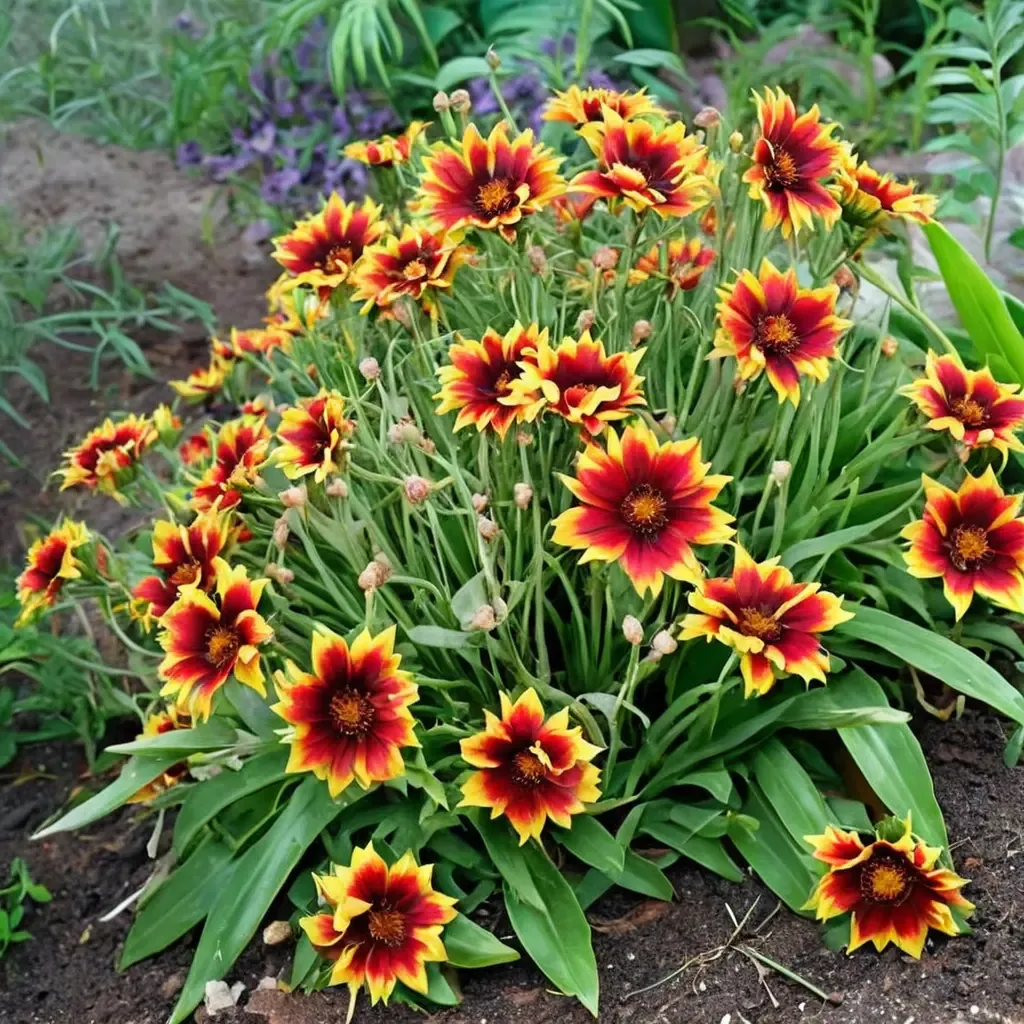
Mixed Border Blanket Flower
Gaillardia x grandiflora 'Mixed Border'
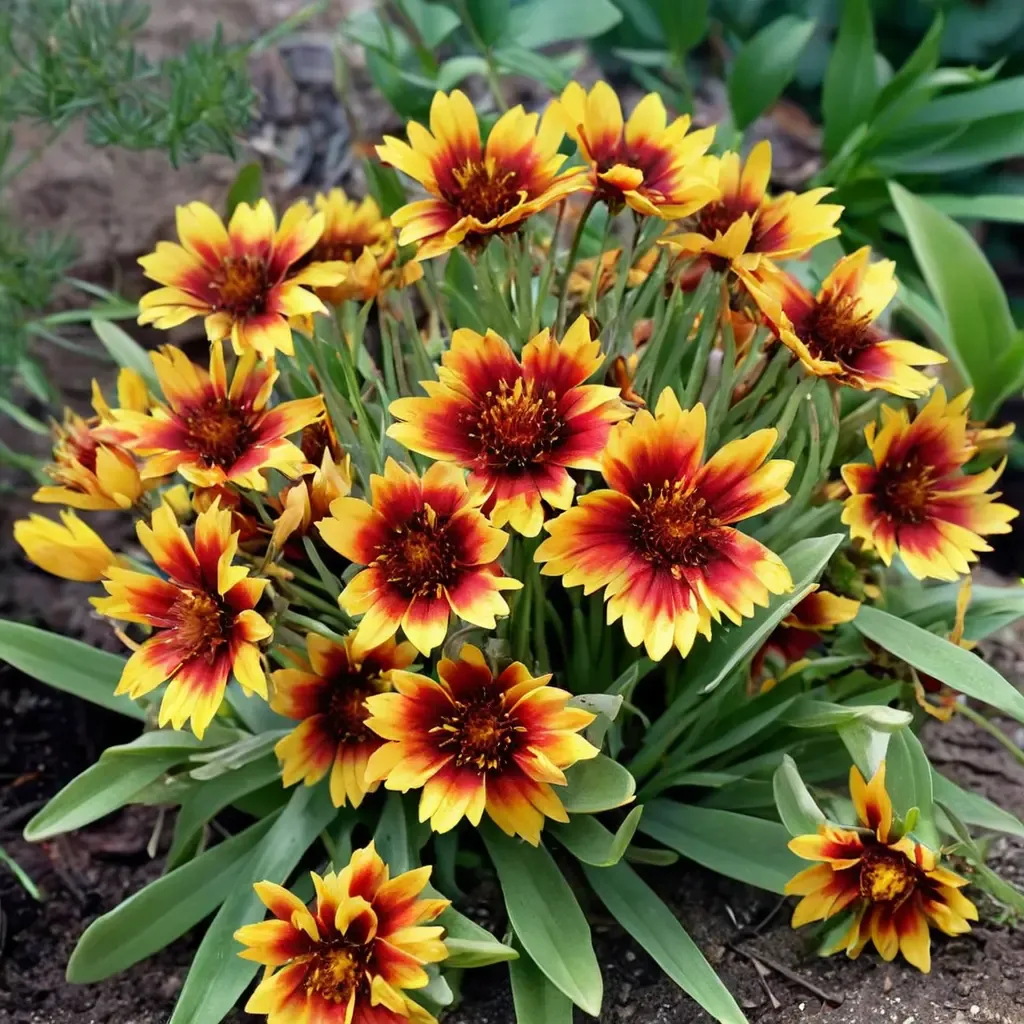
Blanket Flower
Gaillardia x grandiflora
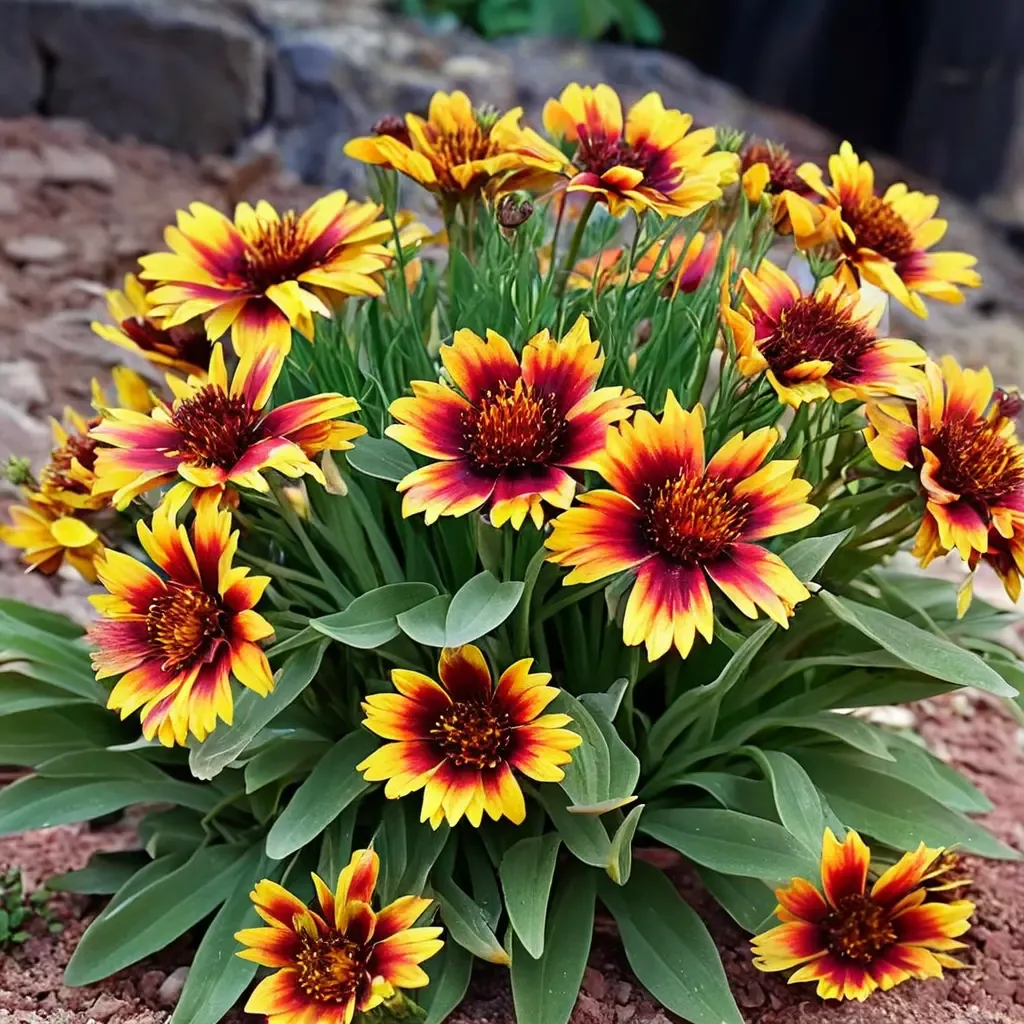
Arizona Sun Blanket Flower
Gaillardia x hybrida 'Arizona Sun'
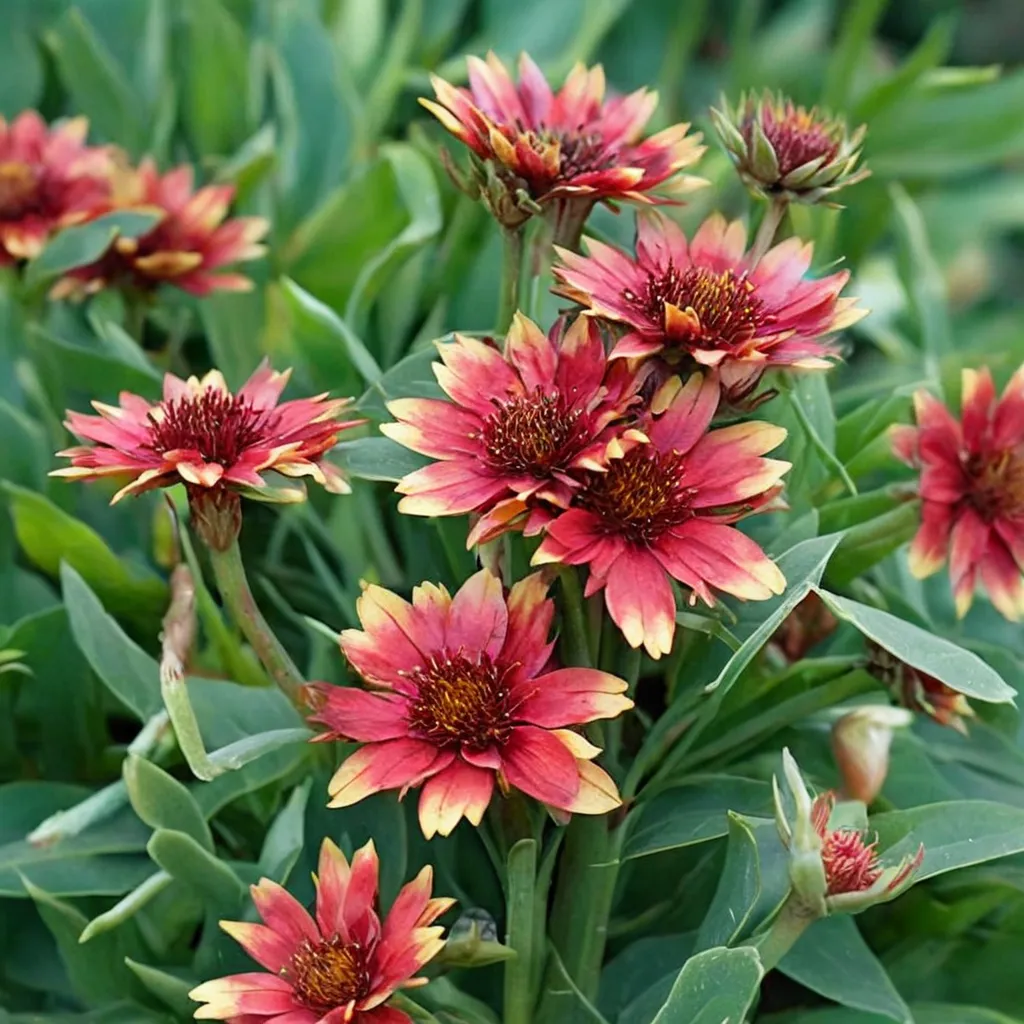
Gaillardia Globe Red
Gaillardia x grandiflora 'Globe Red'
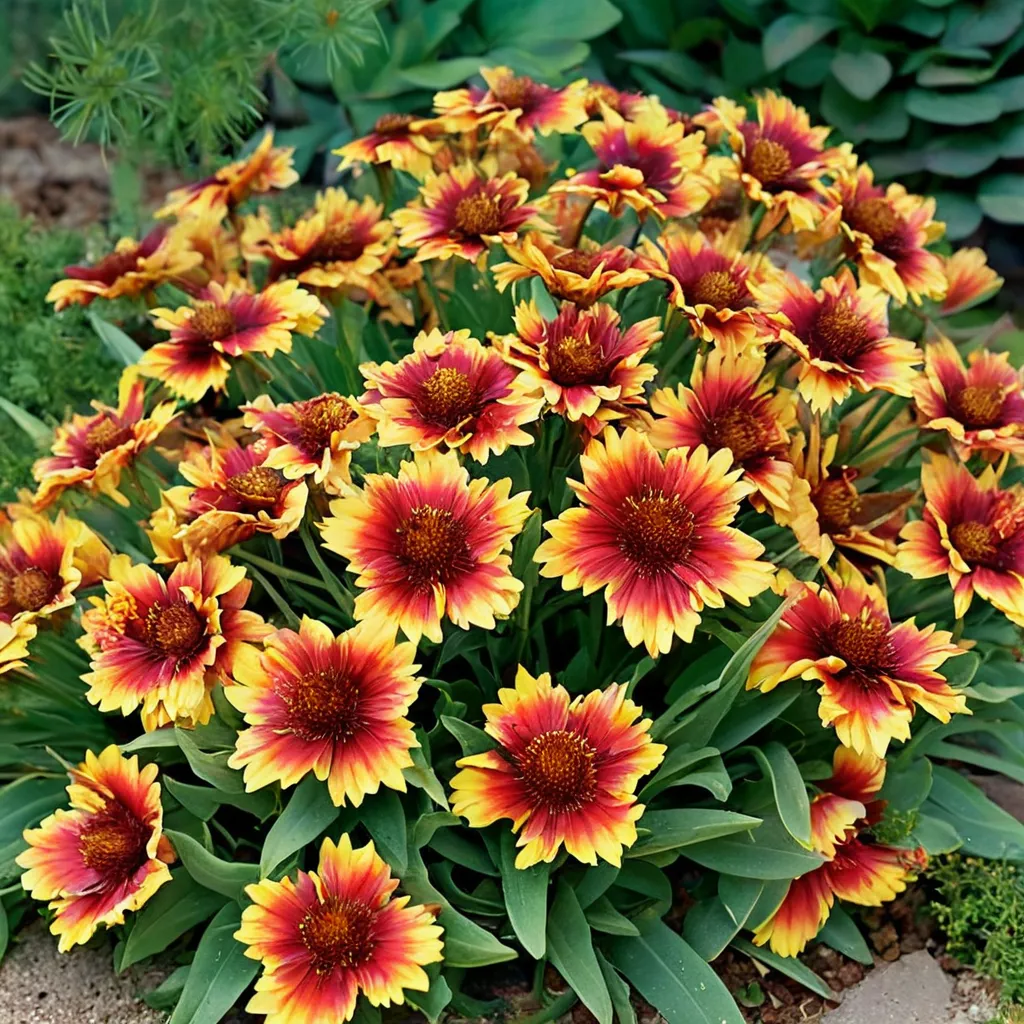
Blanket Flower The Sun
Gaillardia x grandiflora 'The Sun'
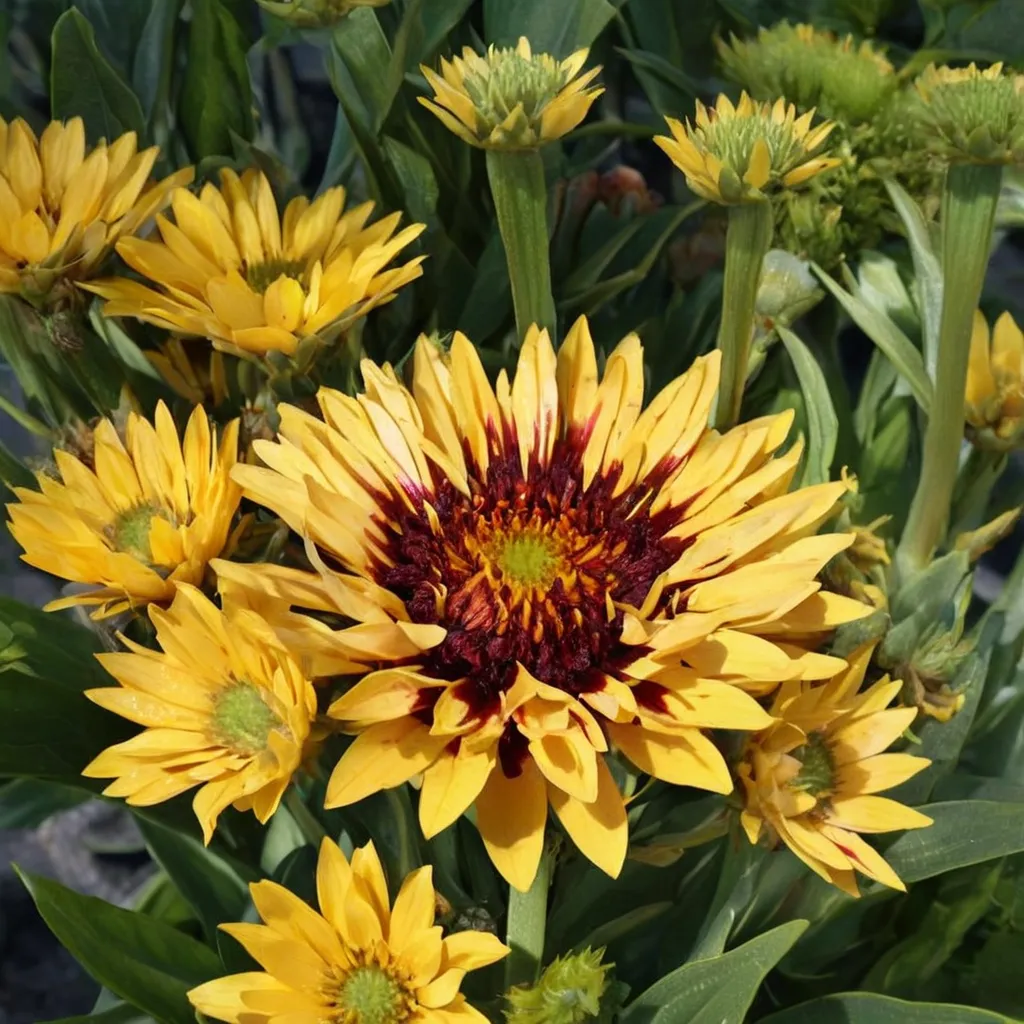
Blanket Flower Fanfare Citronella
Gaillardia x grandiflora 'Fanfare Citronella'
Keep exploring
Explore the genus
Grow Indian Blanket with confidence
See it in a design of your actual yard, get zone-matched care reminders, and track it season by season in your garden journal.