
Garden hybrid
This is a garden hybrid, bred from more than one wild species, so it has no single species page of its own.
2 other cultivars

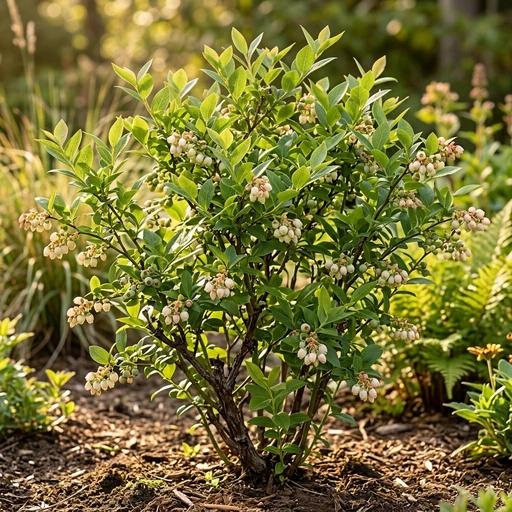
The Story
Plant Bio
Vaccinium are acid-loving shrubs grown for their delicious fruit and ornamental qualities. They feature bell-shaped flowers in spring, edible berries in summer, and brilliant fall foliage.
'Pink Lemonade' is a unique rabbiteye-type blueberry that produces stunning, bright pink berries instead of the typical blue. The plant also offers attractive pinkish-white spring flowers and orange-red fall color, making it highly ornamental.
Uses & Benefits:
Bred from more than one wild species, so it has no species page of its own.
Essentials
At a Glance
Plant Type
Shrub
Height
54"
Width
54"
Light
Full Sun
Zones
4, 5, 6, 7, 8
Water
Moderate
Humidity
Moderate
Lifespan
Long-lived shrub
Native To
Cultivated hybrid
Toxicity
Non-toxic
Bloom period
Mid-spring – Late spring
In flower about 2 months of the year
Marketplace
Where to Buy
Shipping costs Year-round shipping Free shipping
Planting
How to Grow
- Select a site that receives at least 6-8 hours of direct sunlight.
- Test and amend soil to achieve a pH between 4.5 and 5.5.
- Incorporate peat moss or composted pine bark to improve acidity and drainage.
- Dig a wide, shallow hole and plant the blueberry high, mounding soil up.
- Space plants at least 4-5 feet apart for good air circulation.
- Water deeply after planting and apply an acidic mulch.
Pro Tip
Planting another rabbiteye blueberry variety nearby will significantly increase fruit yield and size through cross-pollination.
Keep It Thriving
Care Guide
Do
- Maintain consistently moist, acidic soil.
- Mulch annually with pine needles, pine bark, or oak leaves.
- Fertilize with an acid-forming fertilizer in spring.
- Protect ripening fruit from birds with netting.
- Plant with another rabbiteye variety for best pollination.
Don't
- Do not plant in alkaline or neutral soil; the plant will fail.
- Avoid using aluminum sulfate to lower pH, as it can be toxic.
- Don't let the root ball dry out, as blueberries have shallow roots.
- Avoid cultivating too deeply around the plant, which can damage roots.
Seasonal Care Calendar
| Task | Jan | Feb | Mar | Apr | May | Jun | Jul | Aug | Sep | Oct | Nov | Dec |
|---|---|---|---|---|---|---|---|---|---|---|---|---|
| Fertilize | ||||||||||||
| Harvest | ||||||||||||
| Mulch | ||||||||||||
| Plant | ||||||||||||
| Prune |
Watch Out For
Pests & Diseases
Common Pests
Common Diseases
In the Garden
Landscape Uses & Companions
Landscape Uses
Companion Plants
Multiply
Propagation Methods
Good to Know
Common Questions
Pink Lemonade Blueberry questions
What zones can Pink Lemonade Blueberry grow in?
Pink Lemonade Blueberry is hardy in USDA Zones 4–8. Inside that range it survives winter in the ground; outside it, grow it as an annual or a container plant you protect.
Is Pink Lemonade Blueberry deer resistant?
Not reliably. Deer may browse Pink Lemonade Blueberry, especially tender spring growth — plan on repellents or fencing where pressure is high.
When does Pink Lemonade Blueberry bloom?
Pink Lemonade Blueberry typically blooms in mid-spring through late spring. Exact timing shifts a week or two with your zone — Sow's bloom calendar maps it to your garden.
Does Pink Lemonade Blueberry need full sun?
Pink Lemonade Blueberry does best in full sun (6+ hours).
More Vaccinium to compare
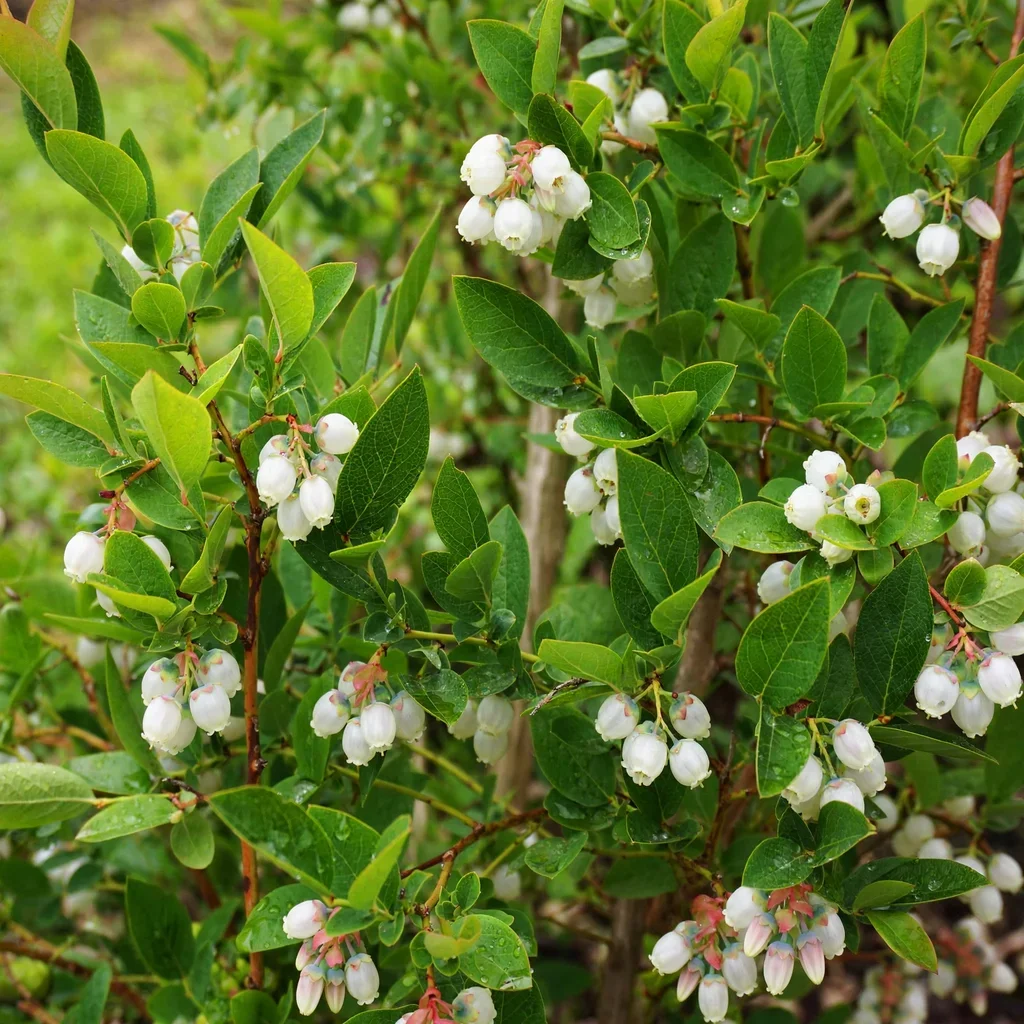
Highbush Blueberry
Vaccinium corymbosum
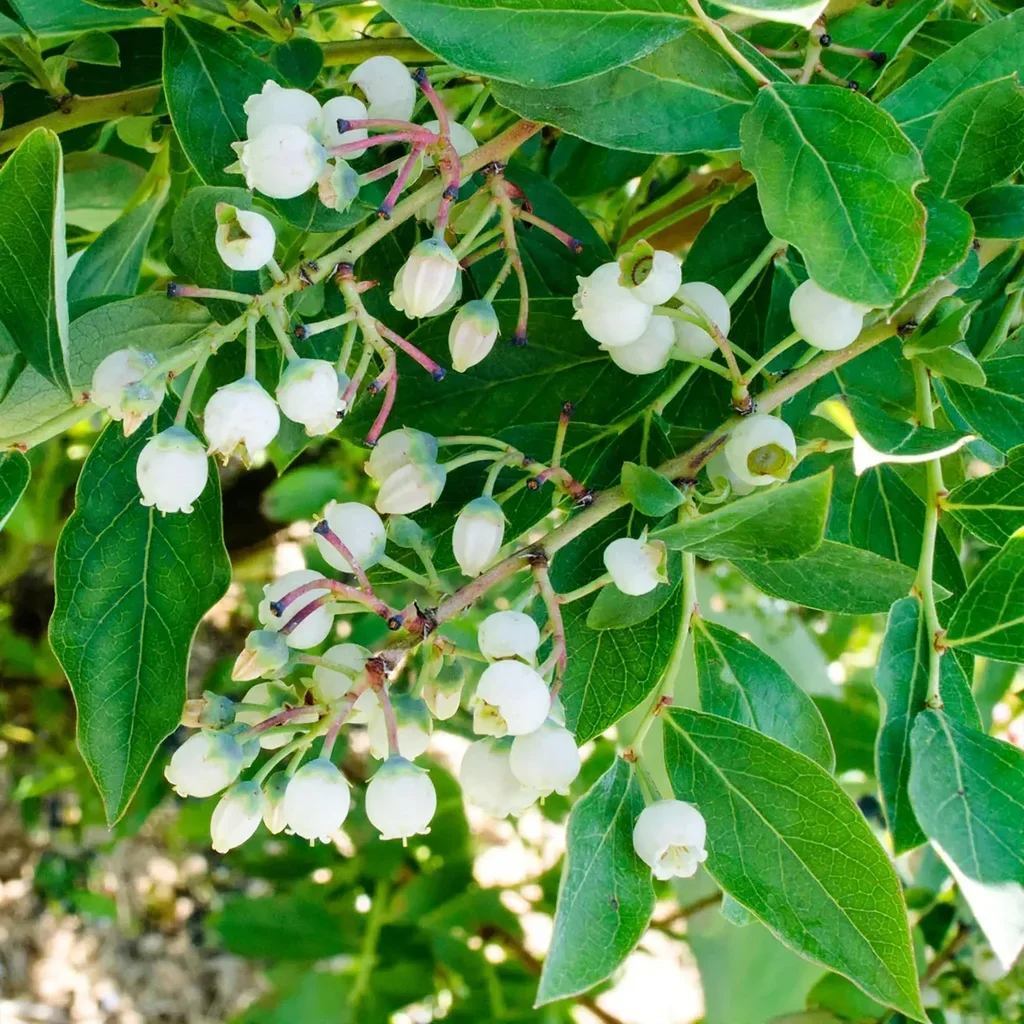
Echo Blueberry
Vaccinium corymbosum 'Echo'
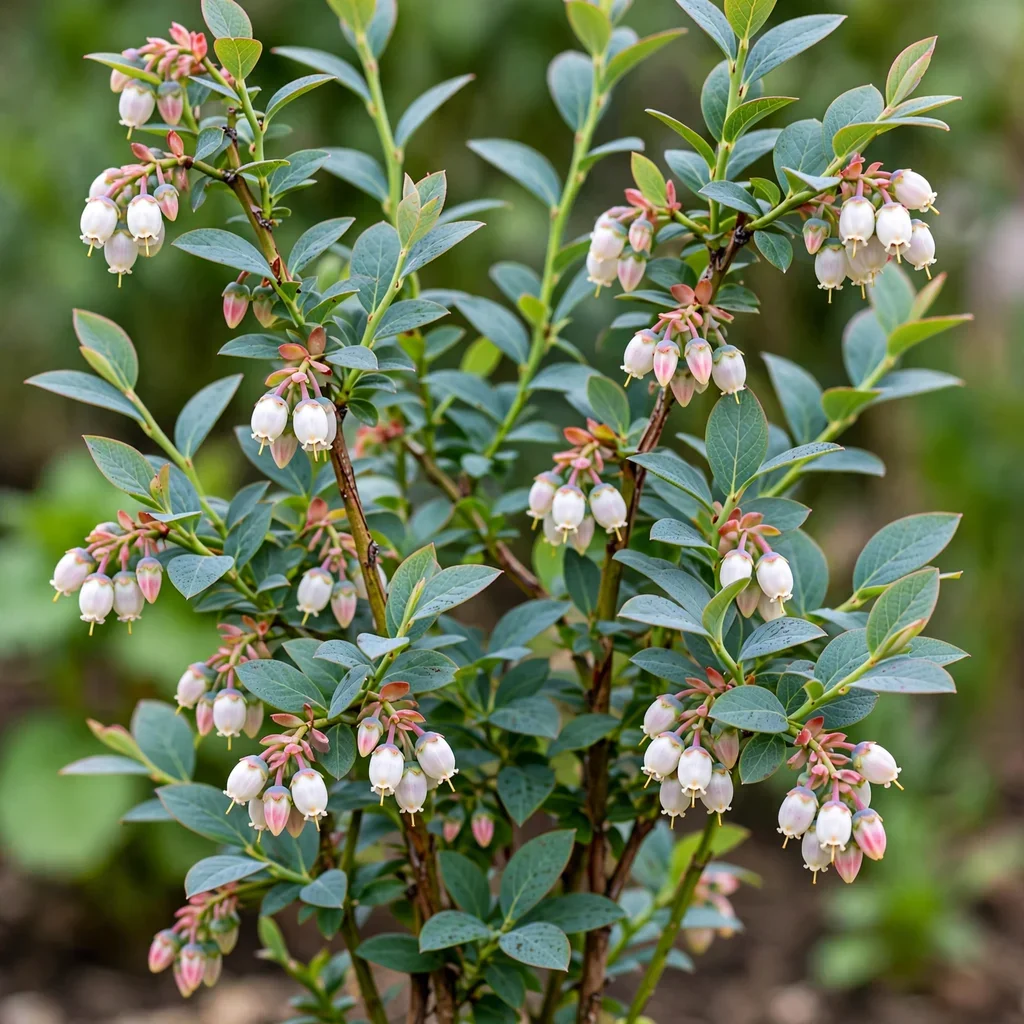
Sunshine Blue Blueberry
Vaccinium corymbosum 'Blueberry Sunshine Blue'
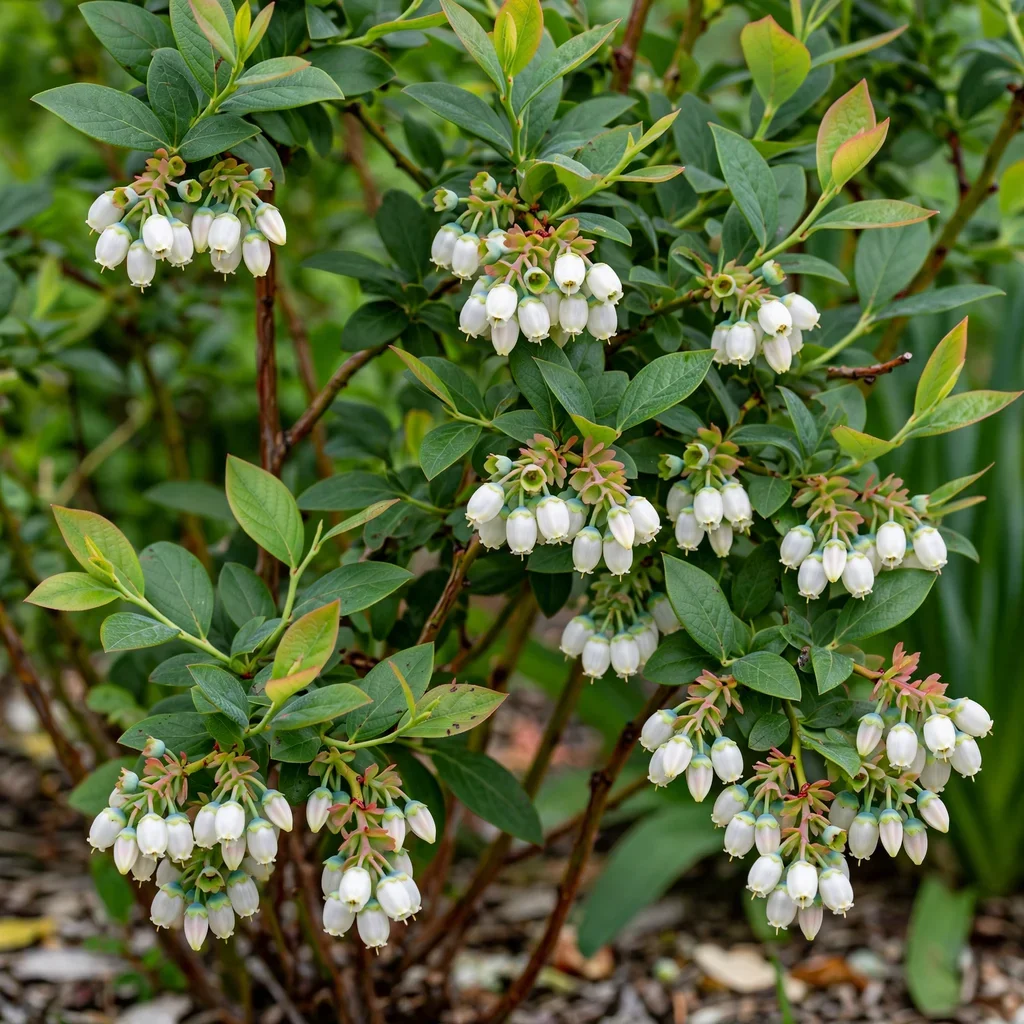
Chandler Blueberry
Vaccinium corymbosum 'Chandler'
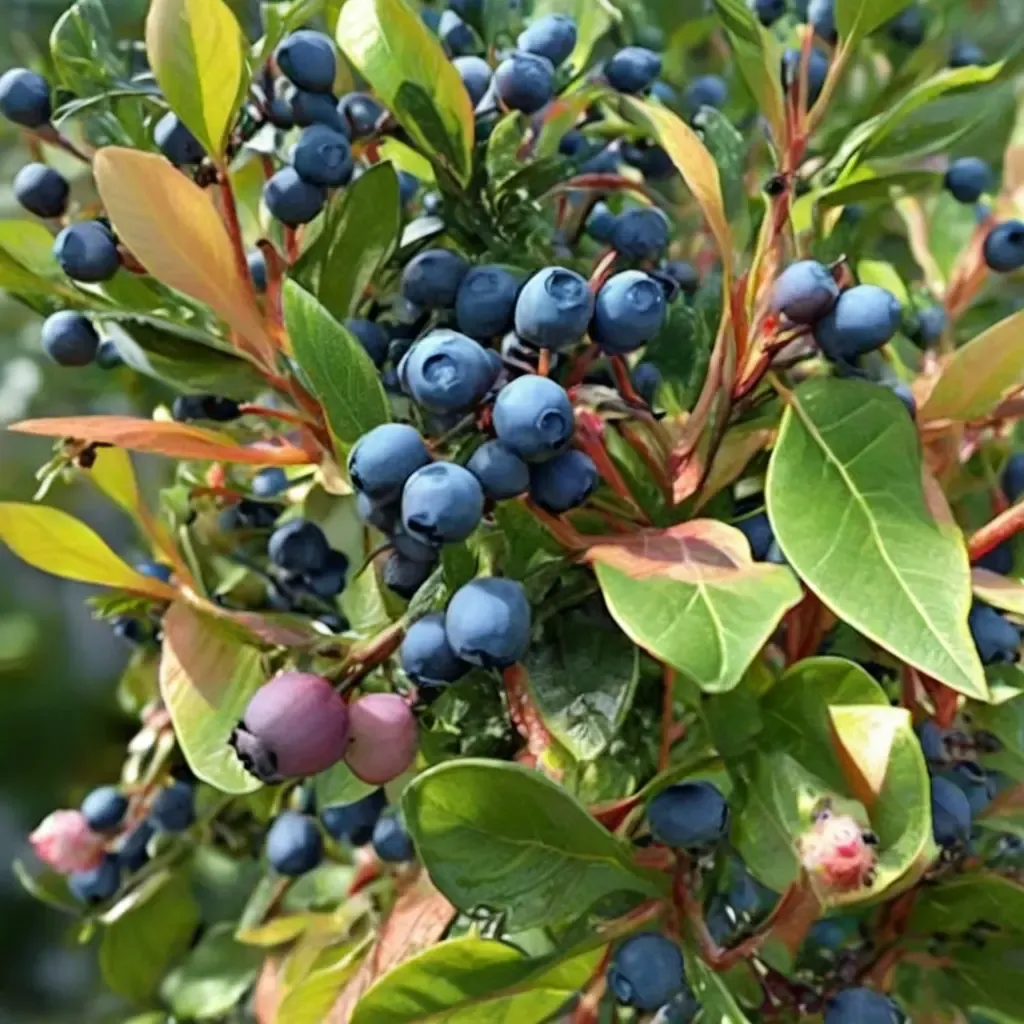
Bonus Blueberry
Vaccinium corymbosum 'Bonus'
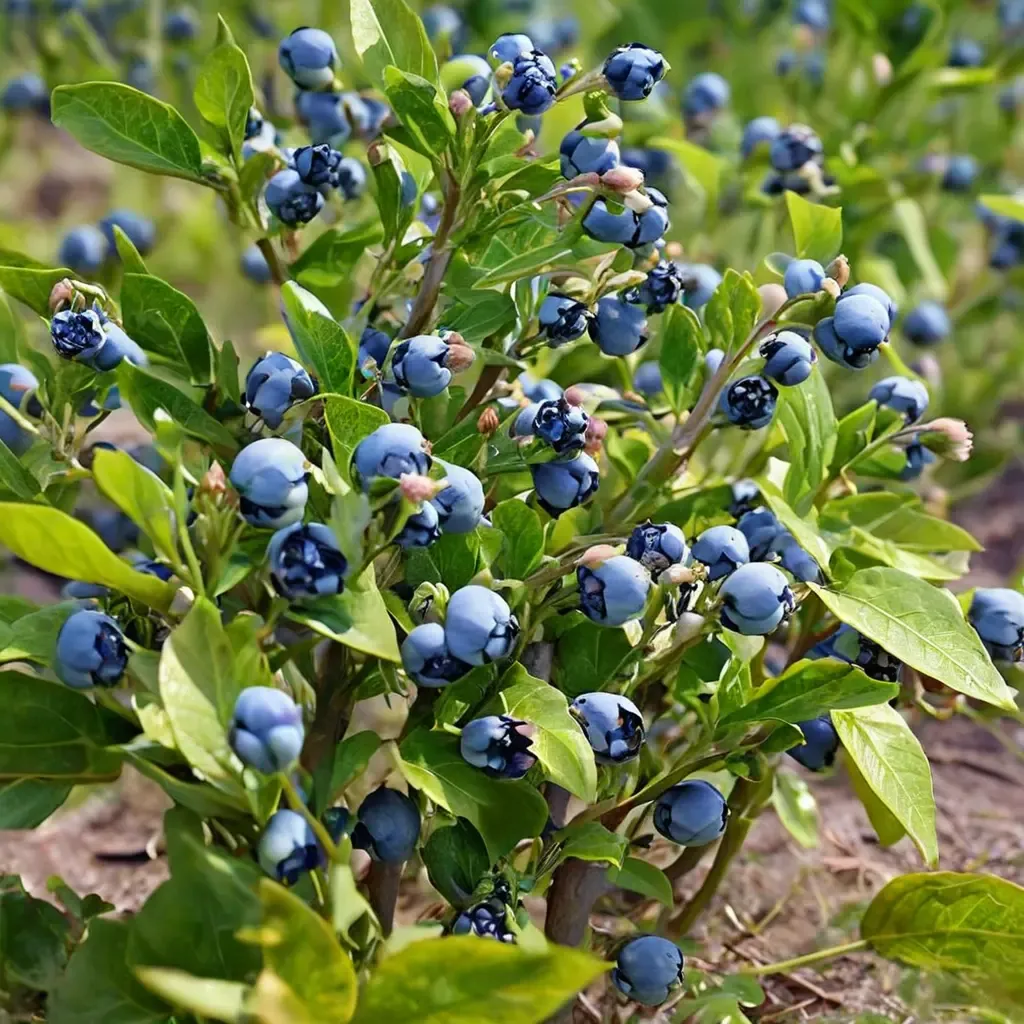
Duke blueberry
Vaccinium corymbosum 'Duke'
Keep exploring
Explore the genus
Hardy in your zone?
Grow Pink Lemonade Blueberry with confidence
See it in a design of your actual yard, get zone-matched care reminders, and track it season by season in your garden journal.