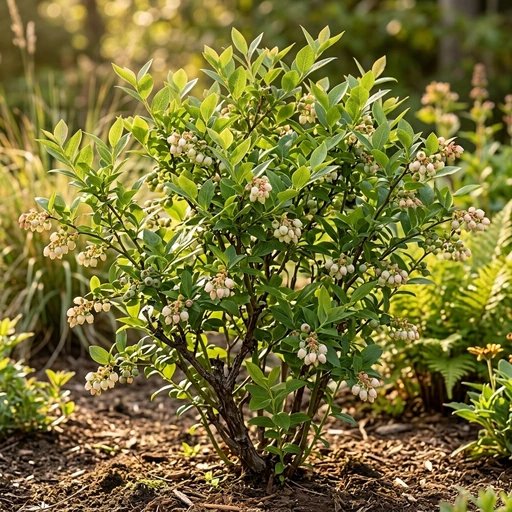
Garden hybrid
This is a garden hybrid, bred from more than one wild species, so it has no single species page of its own.
2 other cultivars


The Story
Plant Bio
Half-high blueberries are hybrids between the tall northern highbush and the hardy, low-growing lowbush blueberry. This cross results in compact, extremely cold-hardy plants that produce high-quality fruit.
'Chippewa' is a University of Minnesota introduction known for its large, sky-blue berries with a sweet, classic blueberry flavor. Its compact, 3-4 foot stature makes it ideal for smaller gardens and container growing.
Uses & Benefits:
Bred from more than one wild species, so it has no species page of its own.
Essentials
At a Glance
Plant Type
Shrub
Height
42"
Width
42"
Light
Full Sun
Zones
4, 5, 6, 7
Water
Medium
Humidity
Moderate
Lifespan
20+ years
Native To
North America (Hybrid)
Toxicity
Non-toxic, berries are edible
Bloom period
Late spring – Early summer
In flower about 2 months of the year
Planting
How to Grow
- Select a location in full sun with acidic, well-drained soil (pH 4.5-5.5).
- Incorporate peat moss or composted pine bark to improve soil structure and acidity.
- Dig a wide, shallow hole and plant the blueberry high, with the top of the root ball at or slightly above ground level.
- Backfill with the amended soil.
- Water thoroughly to settle the soil around the roots.
- Apply a thick layer of acidic mulch around the plant.
Pro Tip
Though self-pollinating, planting another half-high variety like 'Northblue' or 'Polaris' nearby will result in significantly larger berries and higher yields.
Keep It Thriving
Care Guide
Do
- Maintain a consistent moisture level; blueberries have shallow roots.
- Use fertilizers formulated for acid-loving plants, like those for azaleas.
- Test soil pH every couple of years and amend as needed with sulfur.
- Protect ripening fruit from birds with netting.
Don't
- Do not plant in alkaline or heavy clay soil.
- Avoid letting the root ball dry out, especially in containers.
- Don't use fresh manure or strong chemical fertilizers.
- Refrain from deep cultivation around the plant base.
Seasonal Care Calendar
| Task | Jan | Feb | Mar | Apr | May | Jun | Jul | Aug | Sep | Oct | Nov | Dec |
|---|---|---|---|---|---|---|---|---|---|---|---|---|
| Fertilize | ||||||||||||
| Harvest | ||||||||||||
| Mulch | ||||||||||||
| Plant | ||||||||||||
| Prune |
Watch Out For
Pests & Diseases
Common Pests
Common Diseases
In the Garden
Landscape Uses & Companions
Landscape Uses
Companion Plants
Multiply
Propagation Methods
Good to Know
Common Questions
Chippewa Blueberry questions
What zones can Chippewa Blueberry grow in?
Chippewa Blueberry is hardy in USDA Zones 4–7. Inside that range it survives winter in the ground; outside it, grow it as an annual or a container plant you protect.
Is Chippewa Blueberry deer resistant?
Not reliably. Deer may browse Chippewa Blueberry, especially tender spring growth — plan on repellents or fencing where pressure is high.
When does Chippewa Blueberry bloom?
Chippewa Blueberry typically blooms in late spring through early summer. Exact timing shifts a week or two with your zone — Sow's bloom calendar maps it to your garden.
Does Chippewa Blueberry need full sun?
Chippewa Blueberry does best in full sun (6+ hours).
More Vaccinium to compare
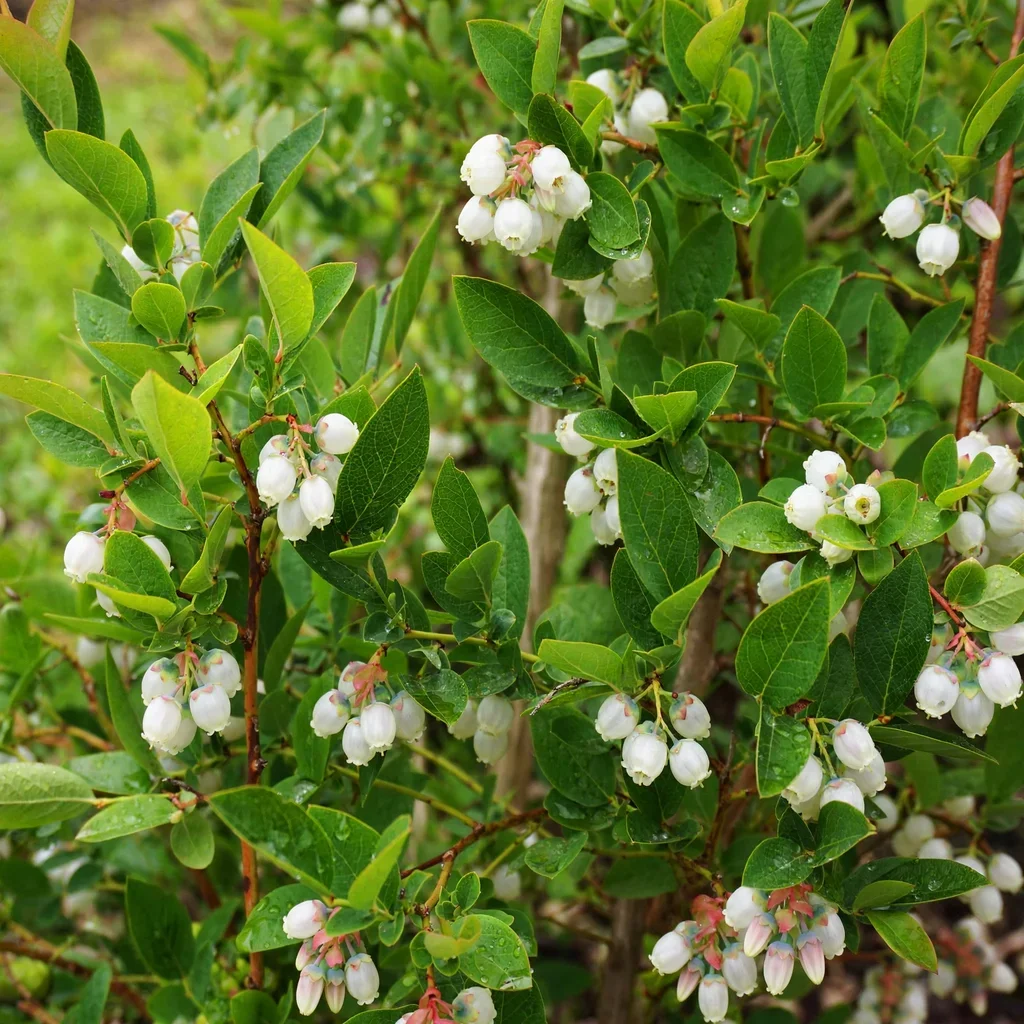
Highbush Blueberry
Vaccinium corymbosum
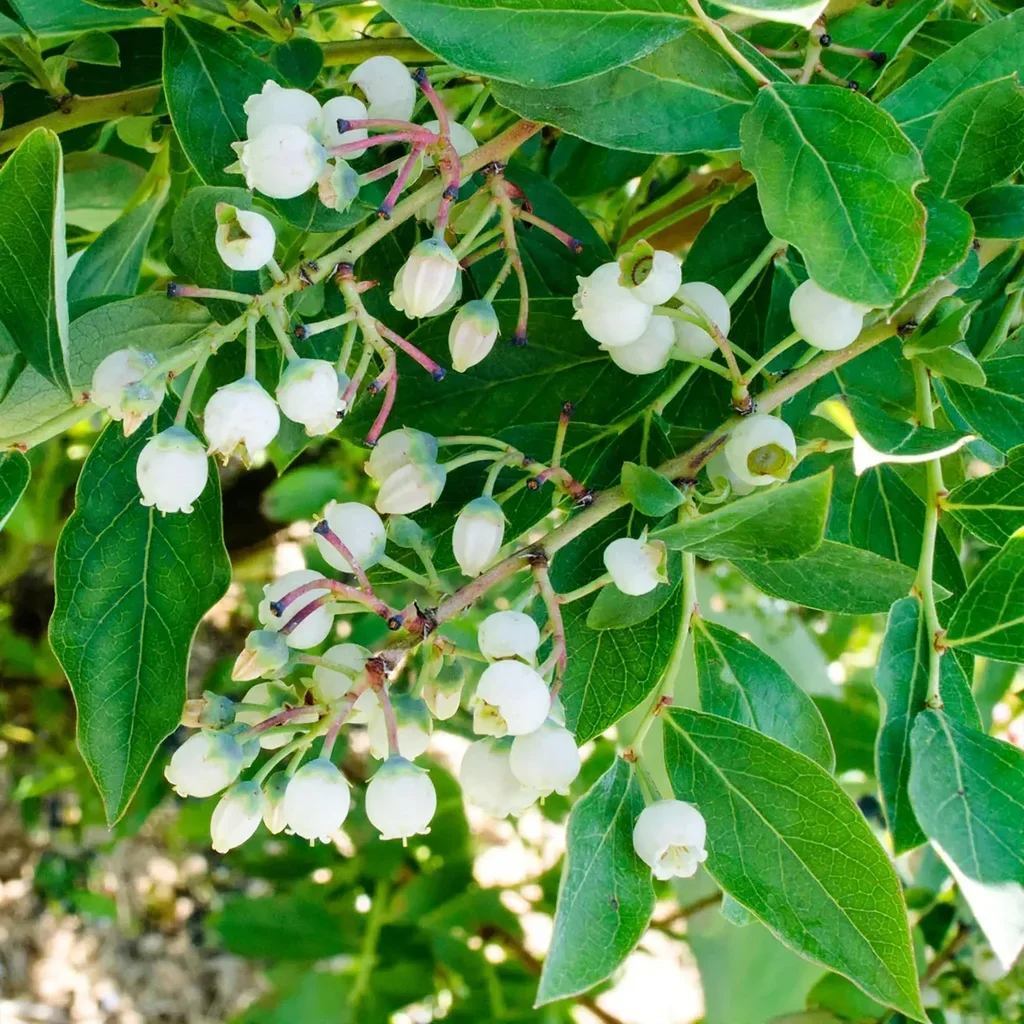
Echo Blueberry
Vaccinium corymbosum 'Echo'
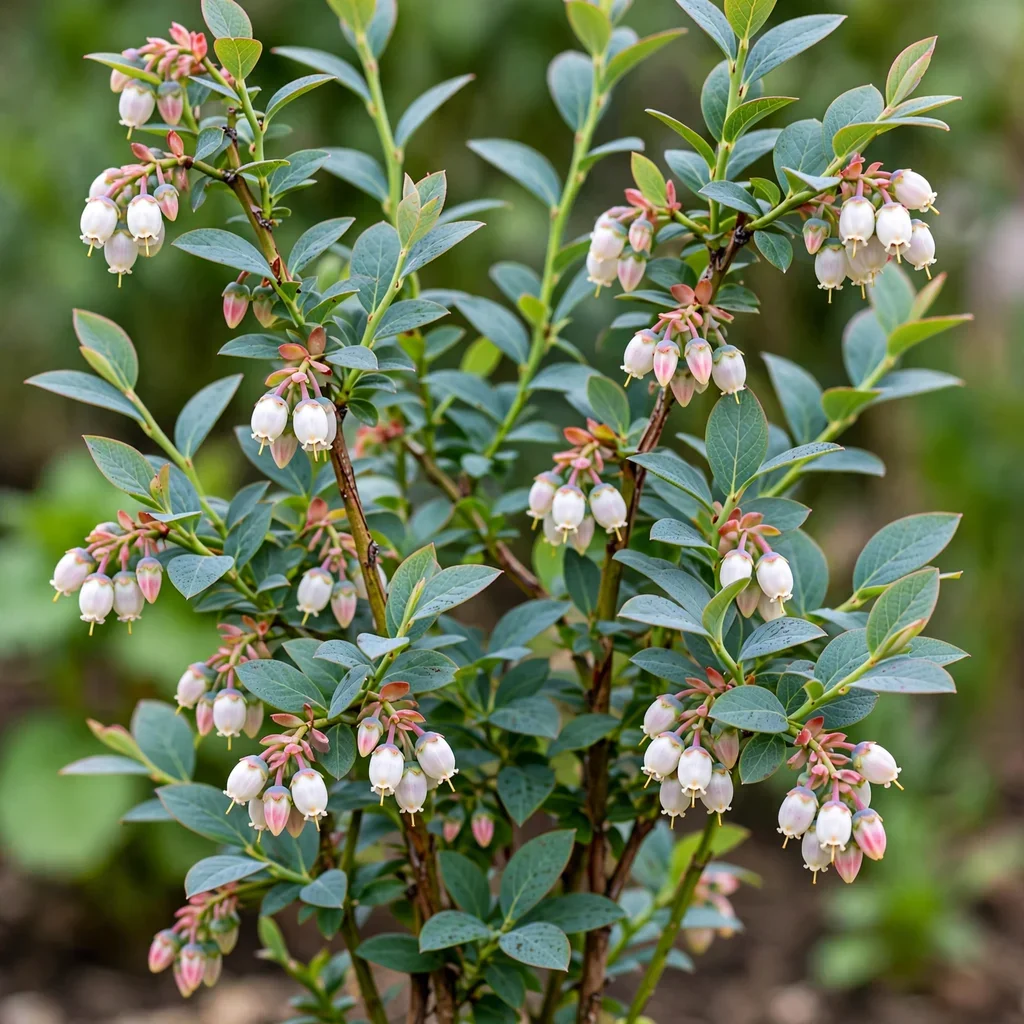
Sunshine Blue Blueberry
Vaccinium corymbosum 'Blueberry Sunshine Blue'
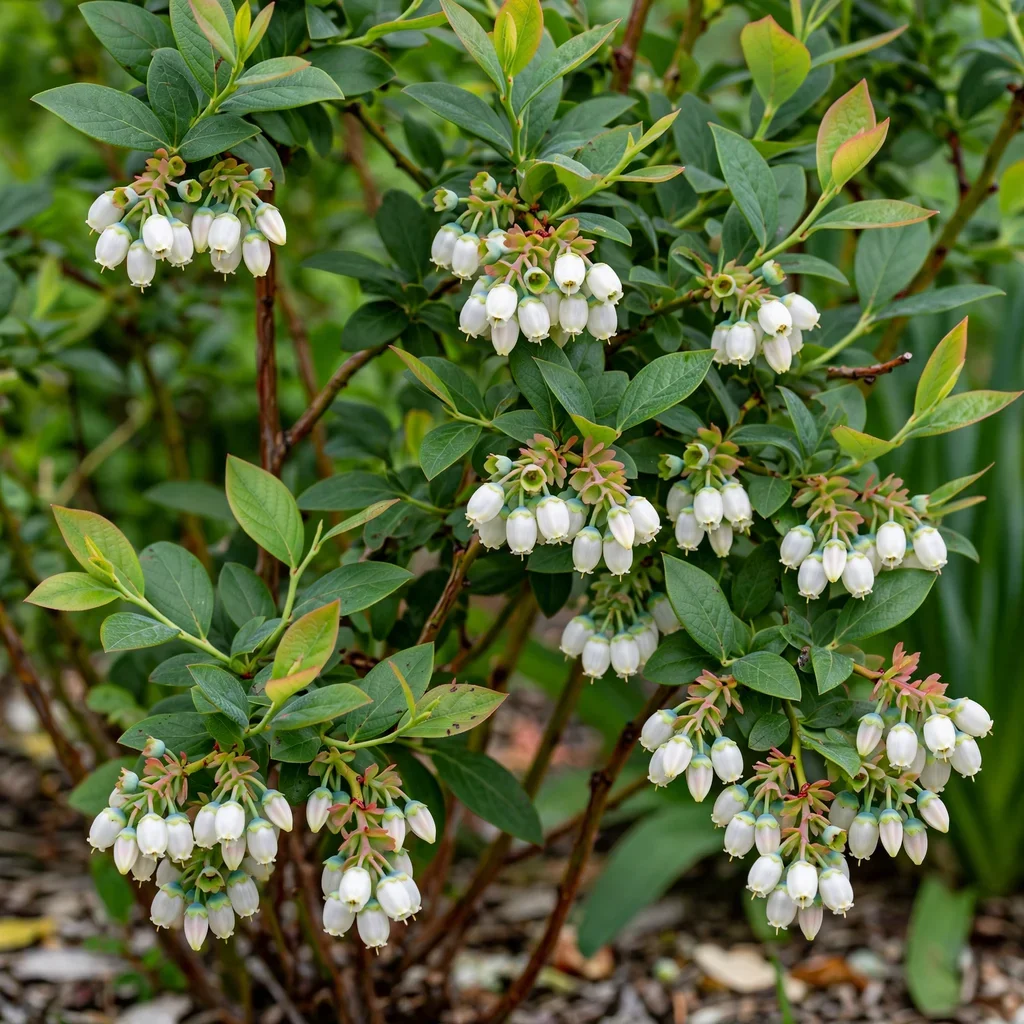
Chandler Blueberry
Vaccinium corymbosum 'Chandler'
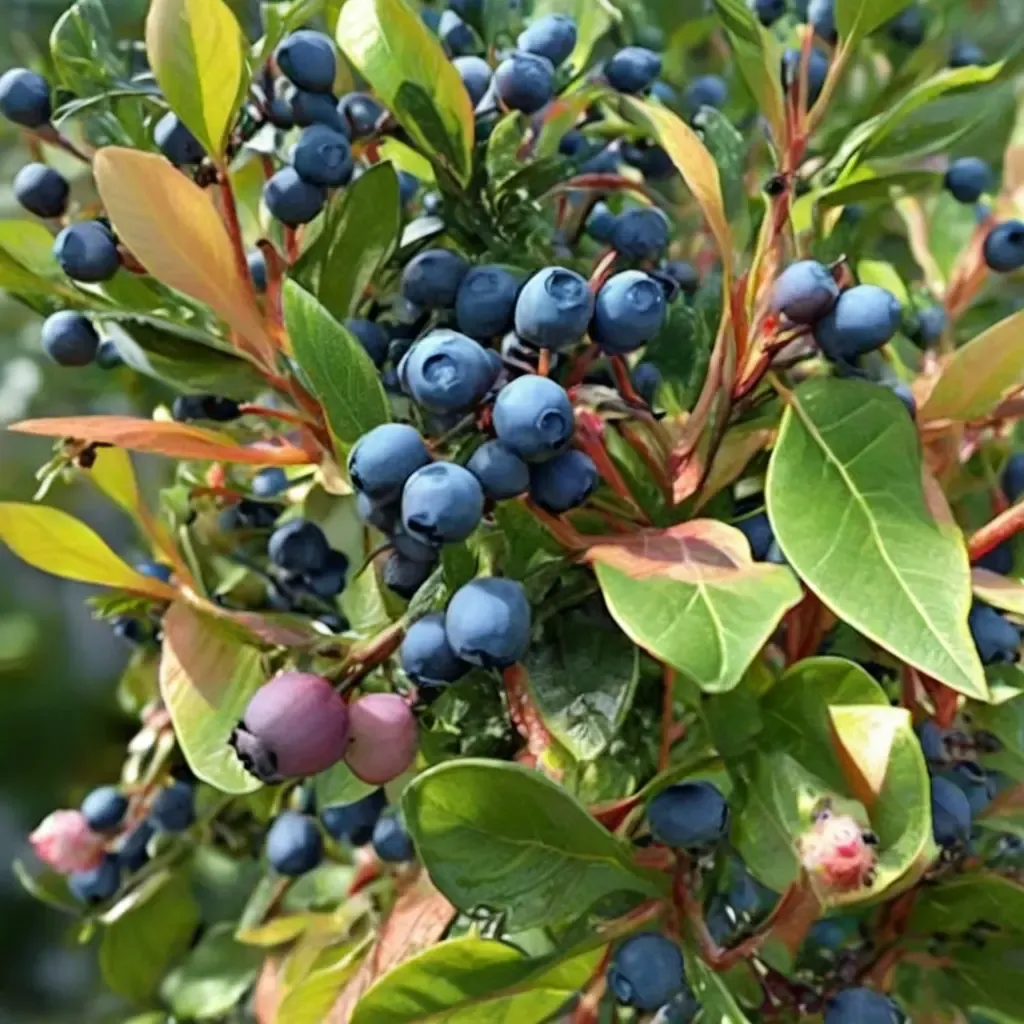
Bonus Blueberry
Vaccinium corymbosum 'Bonus'
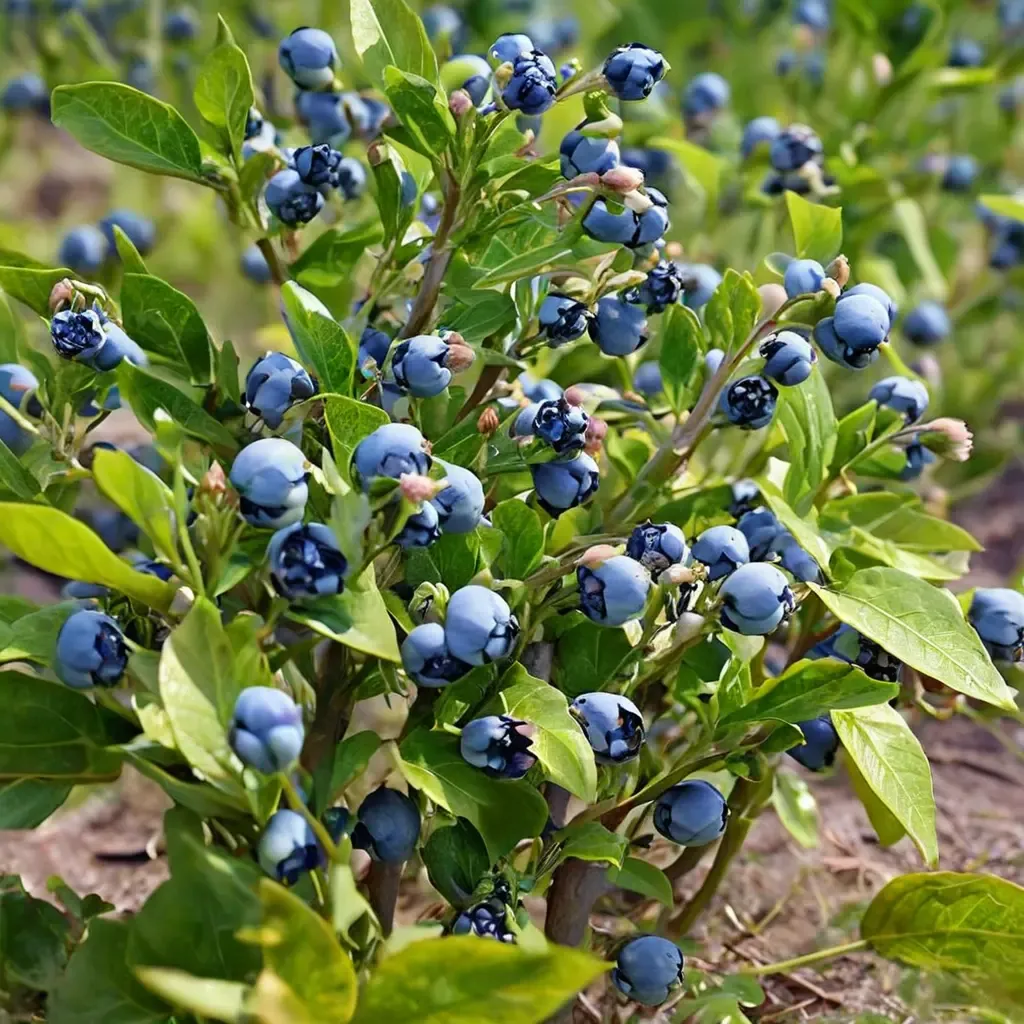
Duke blueberry
Vaccinium corymbosum 'Duke'
Keep exploring
Explore the genus
Hardy in your zone?
Grow Chippewa Blueberry with confidence
See it in a design of your actual yard, get zone-matched care reminders, and track it season by season in your garden journal.