The Story
Plant Bio
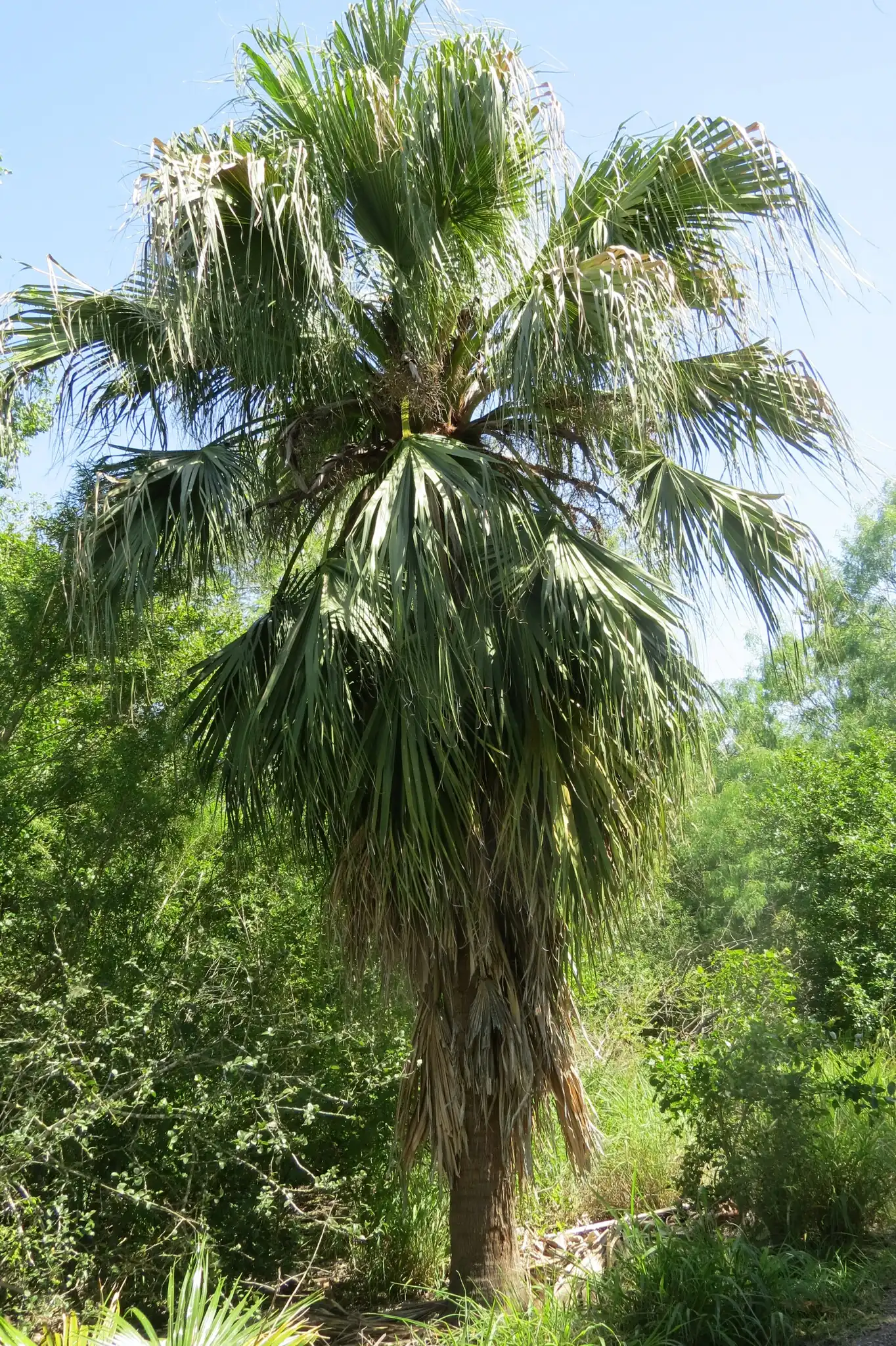
Livistona chinensis is a slow-growing, single-trunked palm known for its large, graceful, fan-shaped leaves. The ends of the leaf segments droop downwards, creating an elegant, fountain-like effect.
This palm is particularly valued for its cold hardiness compared to other tropical palms, surviving brief dips to 15-20 F. Its manageable size and slow growth make it a popular choice for containers and smaller landscapes.
Uses & Benefits:
Essentials
At a Glance
Plant Type
Tree
Height
300"
Width
144"
Light
Full Sun, Partial Sun
Zones
9, 10
Water
Moderate
Humidity
High
Lifespan
Very long-lived
Native To
Japan, Taiwan, South China Sea
Toxicity
Non-toxic to humans and pets
Bloom period
Late spring – Early summer
In flower about 2 months of the year
Planting
How to Grow
- Select a location with well-drained soil and protection from harsh winds.
- Dig a hole twice the width of the container but no deeper.
- Carefully remove the palm from its pot, keeping the root ball intact.
- Set the palm in the hole, ensuring it's at the same depth as in the pot.
- Backfill with soil, tamping gently to remove air pockets.
- Water deeply after planting and create a water basin around the trunk.
Pro Tip
When growing in a container, allow the top 2-3 inches of soil to dry out before watering thoroughly to prevent root rot.
Keep It Thriving
Care Guide
Do
- Water regularly during the growing season, but allow soil to dry slightly.
- Fertilize with a specialized palm fertilizer to prevent nutrient deficiencies.
- Provide bright, indirect light when grown indoors.
- Prune off only fully brown fronds to maintain plant health.
Don't
- Don't plant the palm deeper than it was growing in its nursery pot.
- Avoid overwatering, which can lead to fatal root rot.
- Don't prune green or yellowing fronds, as the palm is still drawing nutrients from them.
- Don't place it in a location exposed to cold, drying winds.
Seasonal Care Calendar
| Task | Jan | Feb | Mar | Apr | May | Jun | Jul | Aug | Sep | Oct | Nov | Dec |
|---|---|---|---|---|---|---|---|---|---|---|---|---|
| Fertilize | ||||||||||||
| Pest Check | ||||||||||||
| Plant | ||||||||||||
| Prune |
Watch Out For
Pests & Diseases
Common Pests
Common Diseases
In the Garden
Landscape Uses & Companions
Landscape Uses
Multiply
Propagation Methods
Good to Know
Common Questions
Chinese Fan Palm questions
What zones can Chinese Fan Palm grow in?
Chinese Fan Palm is hardy in USDA Zones 9–10. Inside that range it survives winter in the ground; outside it, grow it as an annual or a container plant you protect.
Is Chinese Fan Palm deer resistant?
Yes — Chinese Fan Palm is rated deer-resistant. Deer typically pass it over, though extreme hunger can override any plant's defenses.
When does Chinese Fan Palm bloom?
Chinese Fan Palm typically blooms in late spring through early summer. Exact timing shifts a week or two with your zone — Sow's bloom calendar maps it to your garden.
Does Chinese Fan Palm need full sun?
Chinese Fan Palm does best in full sun to part shade. In hot climates, afternoon shade keeps blooms fresher longer.
Is Chinese Fan Palm drought tolerant?
Yes — once established (usually after the first full season), Chinese Fan Palm handles dry spells with minimal watering. Water deeply its first year to build the root system that makes that possible.
More Livistona to compare
Keep exploring
Explore the genus
Hardy in your zone?
Grow Chinese Fan Palm with confidence
See it in a design of your actual yard, get zone-matched care reminders, and track it season by season in your garden journal.